‘We’re powerless … and hoping nothing hits us’: trapped on a tanker as Iran war escalates
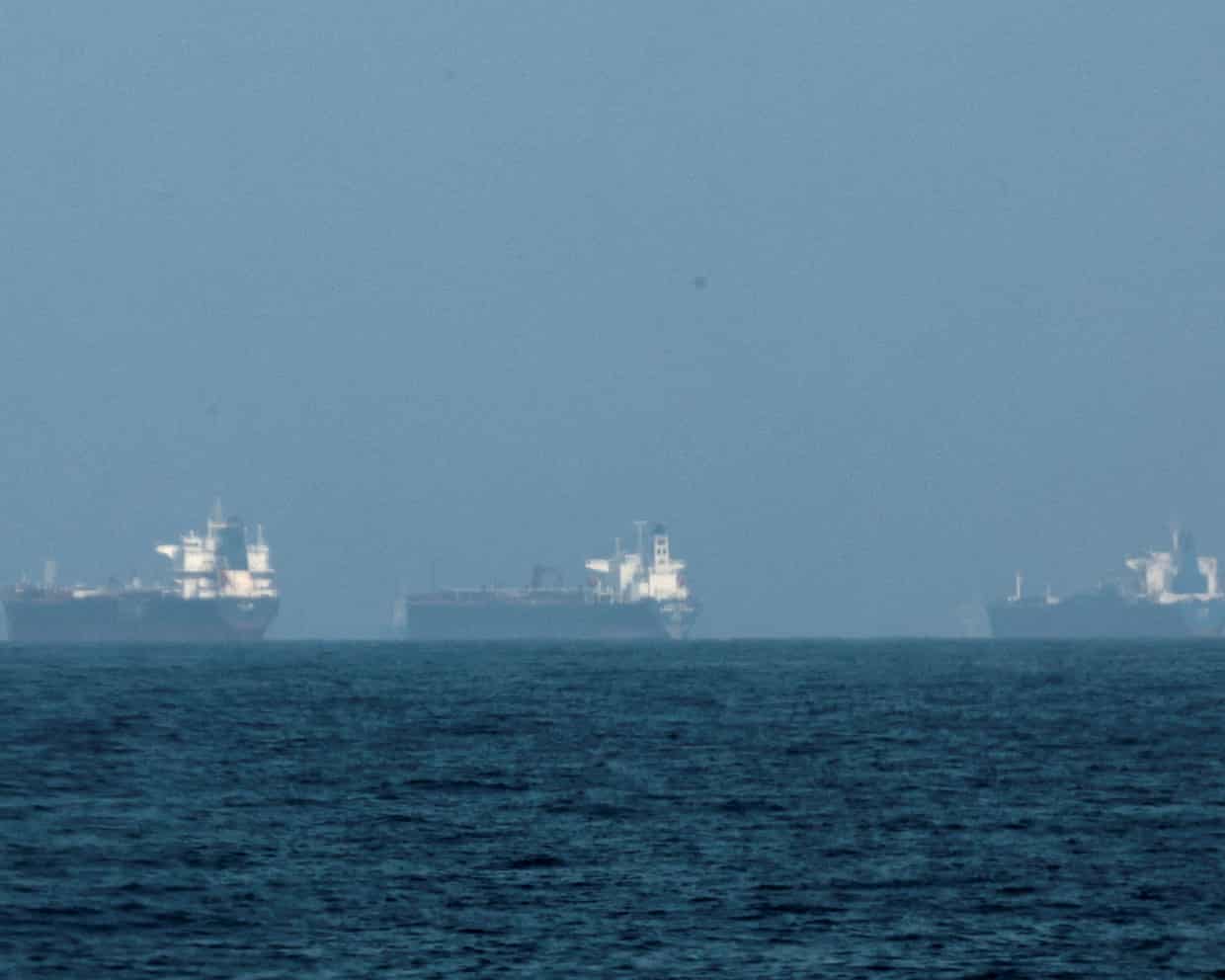
Thousands of seafarers are trapped on tankers in the Gulf after the strait of Hormuz was effectively closed to shipping by the escalating war on Iran,The Guardian spoke to a crew member on one of the stranded tankers that typically ferries vast quantities of oil from the Middle East to ports around the world,“When [Donald] Trump said Iran had 10 days to agree to his deal or bad things would happen, I did the math and thought we might get stuck here,And we did,” said the seafarer,From a cabin below deck, they explained how the crew watched explosions light up the sky as they loaded the vessel with crude oil at an industrial complex in the Gulf.
Initially the crew were told to stop loading the oil, but hours later they were told to return and continue filling the tanker.“At the time we had no GPS, no communications, and we were sitting on more than a million barrels of floating oil,” said the crew member.“Now we’re at anchor off the coast of Dubai and it looks like we’re stuck here indefinitely.We’re powerless; just waiting and hoping that nothing hits us.”After war broke out on Saturday, Iran’s Revolutionary Guards said it would “set ablaze” any western tanker attempting to transit the strait, a body of water through which about a fifth of the world’s oil and liquefied natural gas passes on tankers.
Typically, about 100 tankers pass through the trade artery each day but marine traffic has evaporated as military aggression has increased and insurance costs have soared or cover has been withdrawn.About 200 tankers, which are not under sanctions are stranded in the strait, according to the maritime data firm Lloyd’s List, as well as on hundreds of other vessels, leaving thousands of crew effectively trapped in a war zone.The seafarer has been on the tanker for three months, and was due to head home to Europe once the vessel was loaded with crude and ready to depart for east Asia.In total there are more than 20 seafarers on board, including nationals from the Philippines and India.“We send messages every few hours to the tanker owner to report that we are OK.
In response we have received generic messages about a mental health hotline.But that’s about that,” they said.“If they wanted to do more they could start by providing more internet.We get a data allowance for free, and then we need to pay.I’m mostly scrolling news reports or texting friends and family but the internet isn’t always available because the GPS signal here gets jammed by the Iranians or the Americans.
My mother is freaking out,” the seafarer added.The effective blockade has caused oil and gas prices to surge, and threatens to upend the global economy by stoking inflation.The longer the strait is shut off to transit, the greater the risk to the global economy – and the thousands of seafarers held hostage by circumstance.At least six vessels have been attacked and two seafarers killed.On Wednesday a large explosion was reported on an oil tanker near the coast of Kuwait.
“People are trying to get on with their work, but it does take a toll,” the seafarer said,“And as the days pass, it feels more and more unreal that we are just working normally in the middle of all this,We can hear the military planes, we can see explosions in the sky sometimes, it’s the strangest situation,“People might go to the gym, or watch movies in the cabins in their downtime,Some guys go fishing in the evening, but for obvious reasons we need to keep lights to a minimum so as not to attract attention.
”Stephen Cotton, the general secretary of the International Transport Workers’ Federation (ITF), a trade union representing 1.2 million seafarers, has been inundated by requests for information from its members.“Seafarers are sometimes invisible,” he said.“They are always on the frontline and our economies can’t survive [without them].But let’s be clear: seafarers are innocent civilians.
They happen to be on a ship in a region that is incredibly explosive at the moment.”The union is fielding desperate queries over whether it is possible to repatriate seafarers who want to leave their vessel – and the region.“You can’t just get off a ship,” Cotton said.“The feedback from most of the ship owners is that it’s a no-go zone.What we are exploring is what we can do.
”The crew member said their tanker has enough food for about 60 days and was fitted with desalination equipment to produce water on board, although rationing may be necessary eventually,David Appleton, a senior leader at the trade union Nautilus International, said: “I don’t think keeping the ships supplied is the issue,When it all starts dragging on and people are supposed to be relieved and they can’t be, psychological stress becomes the main thing,Many seafarers will remember the pandemic when they were trapped on board for months and months at the time, unable to leave the ship,”He added: “It’s all obviously up in the air, because we have no idea how long this is going to go on.
Our position ultimately is that seafarers shouldn’t be considered expendable.It’s a civilian career.”No shipowner can force a seafarer to take up a position in a high-risk area, raising the question of who would replace those stuck on board even if a relief mission was logistically possible.“Who would be willing to take my place? You’d need to be really desperate for work” said the seafarer.“Honestly, when I do get home I want a very large, strong drink as soon as I arrive.
But mostly I’m eager to see my pets, my family and my friends.There are hundreds of others in our position and I’m really concerned that we will not be heard, when there are so many more horrible things happening.“The sad truth is that crew members have already died trying to cross Hormuz, or by just being in the wrong place at the wrong time.”
Ian Arnot obituary
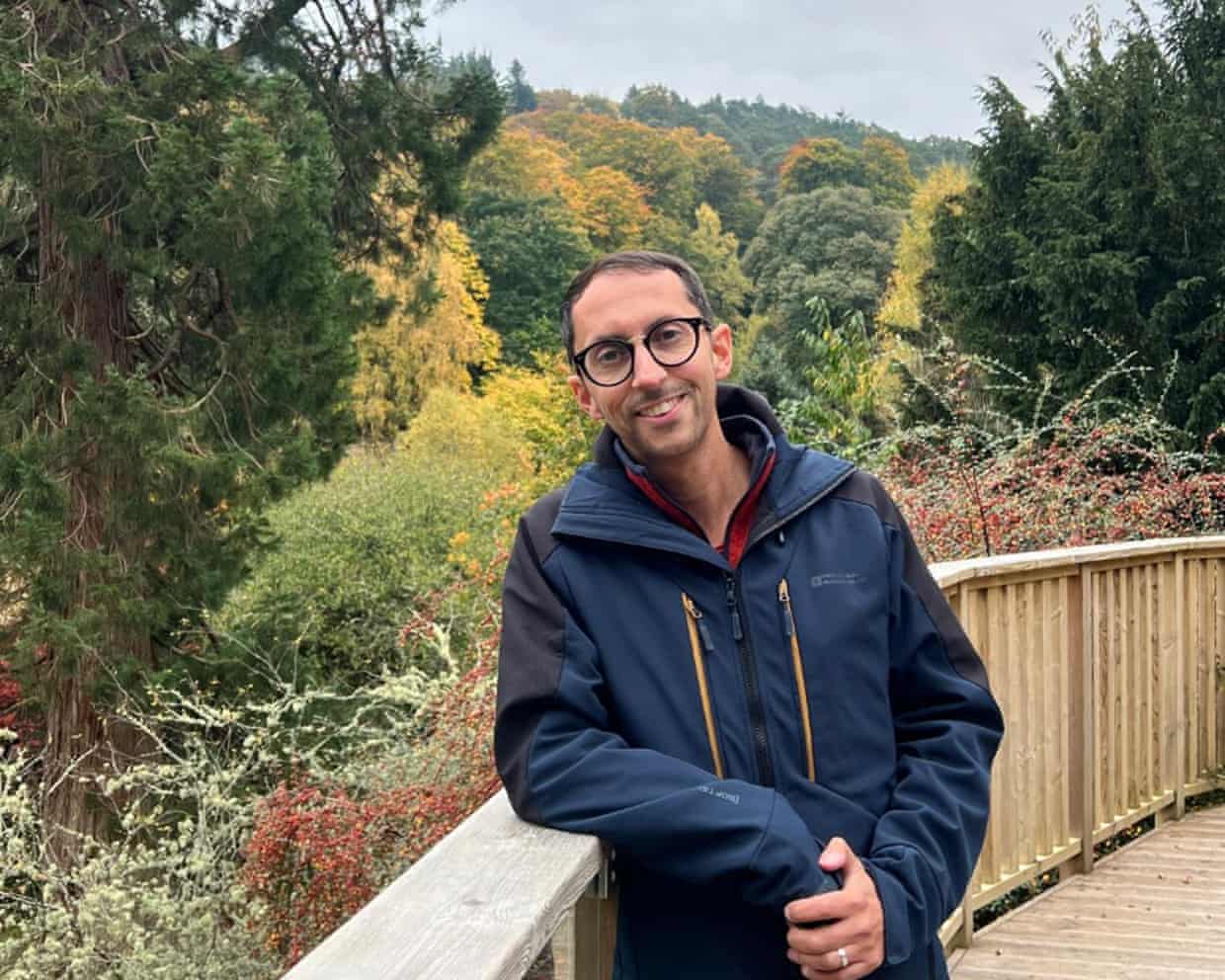
My friend and former colleague Ian Arnot, who has died of cancer aged 45, was an LQBTQ+ activist, charity leader and fellow of the Chartered Institute of PR (CIPR). He was also a longstanding non-executive director in the charitable sector in Edinburgh, and served as BT’s head of corporate communications from 2020 to 2025.Ian became well known in media and political circles in Scotland and London during his 24-year career with BT Group. He was appointed a chartered fellow of CIPR in 2023, in recognition of his outstanding contribution to the institute and the profession, and was elected vice-chair of CIPR Scotland in 2025. He was about to start a new role with the IHG hotel group at the time of his terminal diagnosis, which he bore with typical resilience, courage and hope
Iran war pushes oil price above $90 threatening rise in global inflation
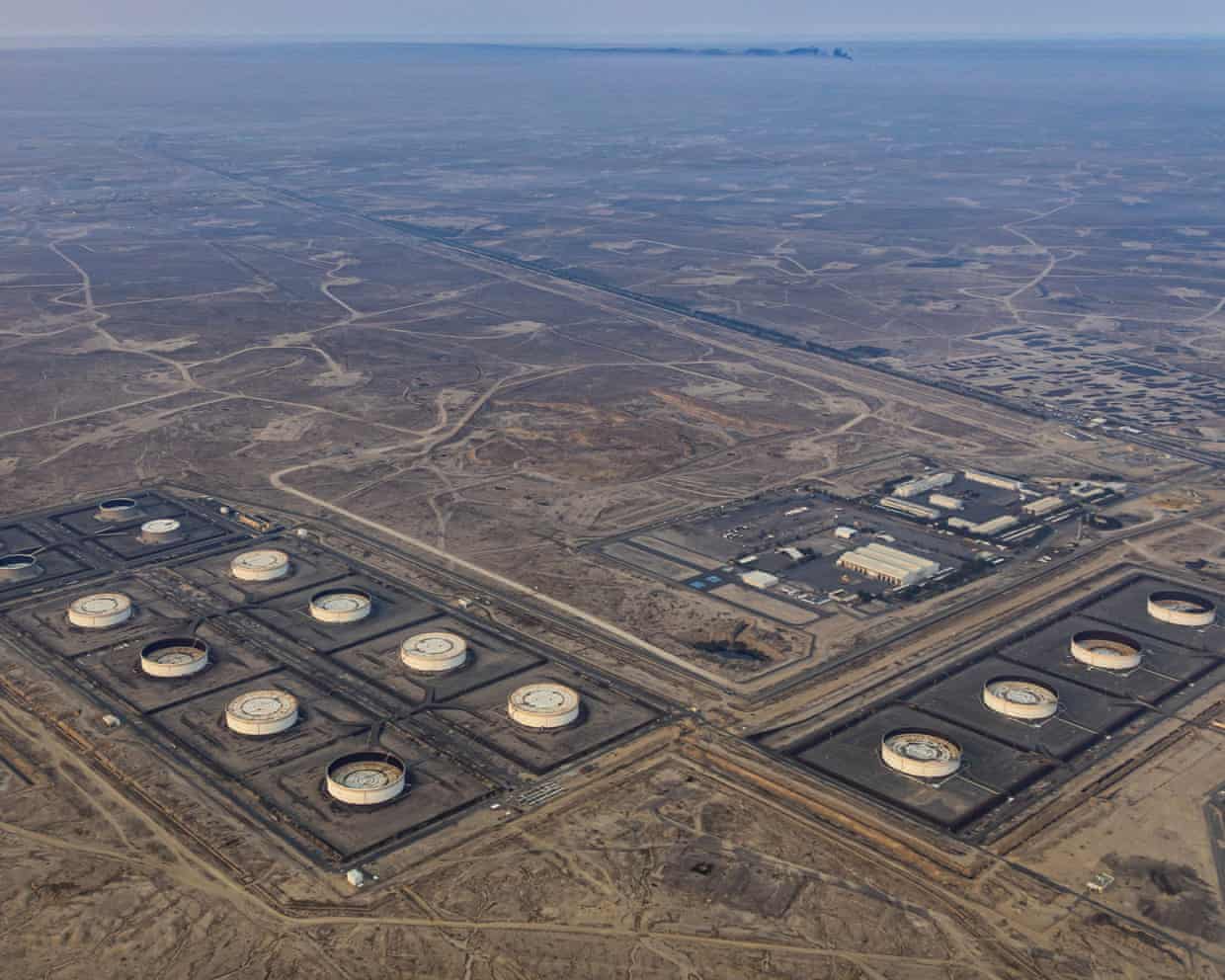
The Iran conflict has driven the oil price past $90 a barrel to its highest weekly gains since the Covid-19 pandemic six years ago, threatening a fresh rise in global inflation.Reports that Kuwait had begun cutting production of oil at some fields after running out of space to store it drove the cost of a barrel of Brent crude to as high as $91.89 at one point on Friday – its highest since April 2024 and up from about $72.50 just before war broke out.The price of the international benchmark has surged by more than 25% since the US-Israel attack on Iran last weekend, its biggest weekly jump since the week to 3 April 2020
The Guardian view on AI in war: the Iran conflict shows that the paradigm shift has already begun
“Never in the future will we move as slow as we are moving now,” the UN secretary-general, António Guterres, warned this week, addressing the urgent need to shape the use of artificial intelligence. The speed of technological development – as well as geopolitical turbulence – is collapsing the distinction between theoretical arguments and real world events. A political row over the US military’s AI capabilities coincides with its unprecedented use in the Iran crisis.The AI company Anthropic insisted that it could not remove safeguards preventing the Department of Defense from using its technology for domestic mass surveillance or autonomous lethal weapons. The Pentagon said it had no interest in such uses – but that such decisions should not be made by companies
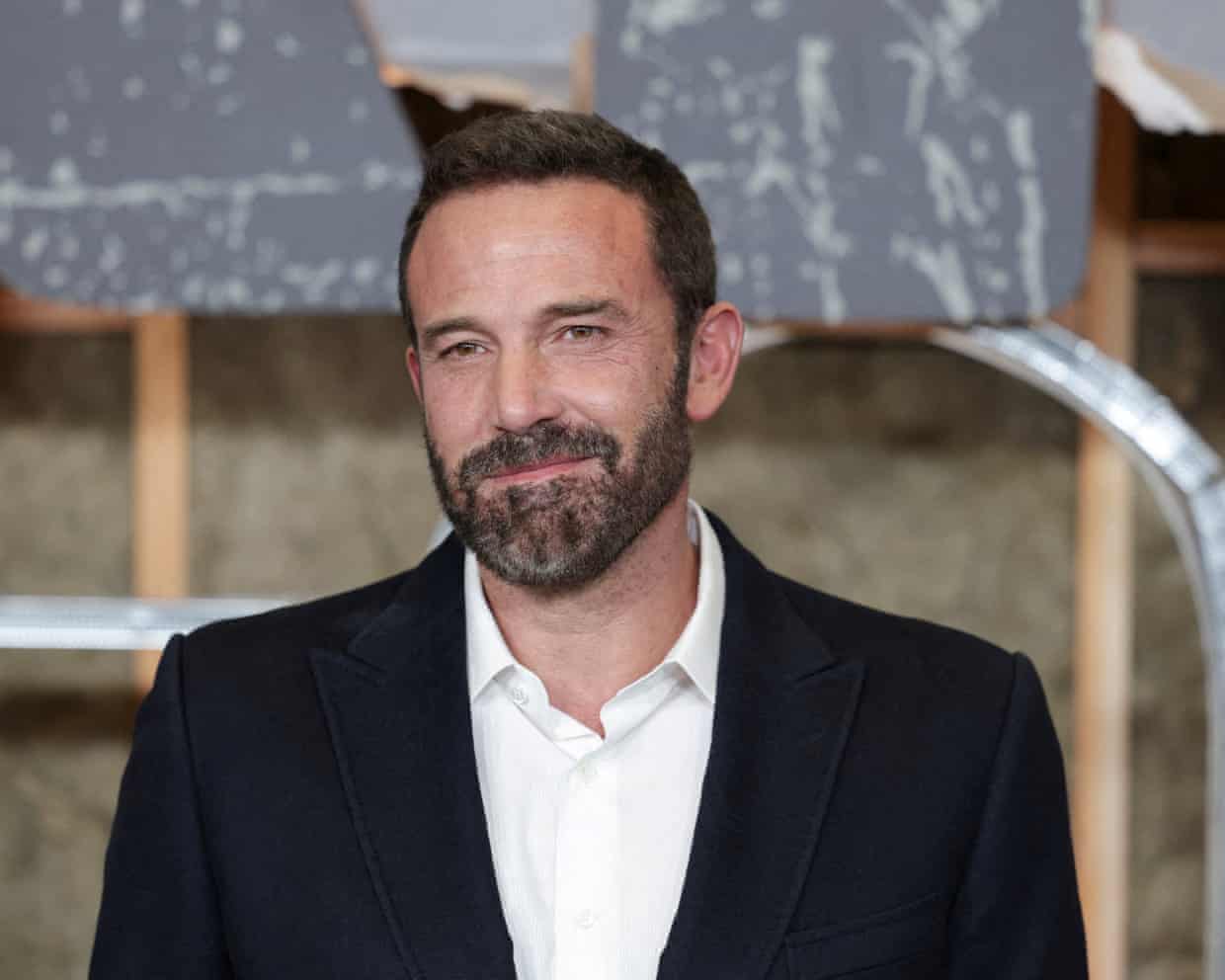
Ben Affleck sells his AI postproduction startup to Netflix
Ben Affleck has sold his artificial intelligence company to Netflix in a surprise deal, saying he had been driven to embrace a technology that had initially “really scared” him.Netflix has acquired the postproduction startup InterPositive from the Oscar-winning actor, director, producer and screenwriter for an undisclosed sum.Affleck had kept InterPositive below the radar and had previously played down AI’s creative abilities. This year, he told the podcaster Joe Rogan he did not think the technology would be able to “write anything meaningful” or make films “from whole cloth”.However, in a video announcing the transaction, the Good Will Hunting and Gone Girl actor said he had moved from being scared of AI’s potential impact when he first encountered the technology to viewing it as a “really meaningful innovation”
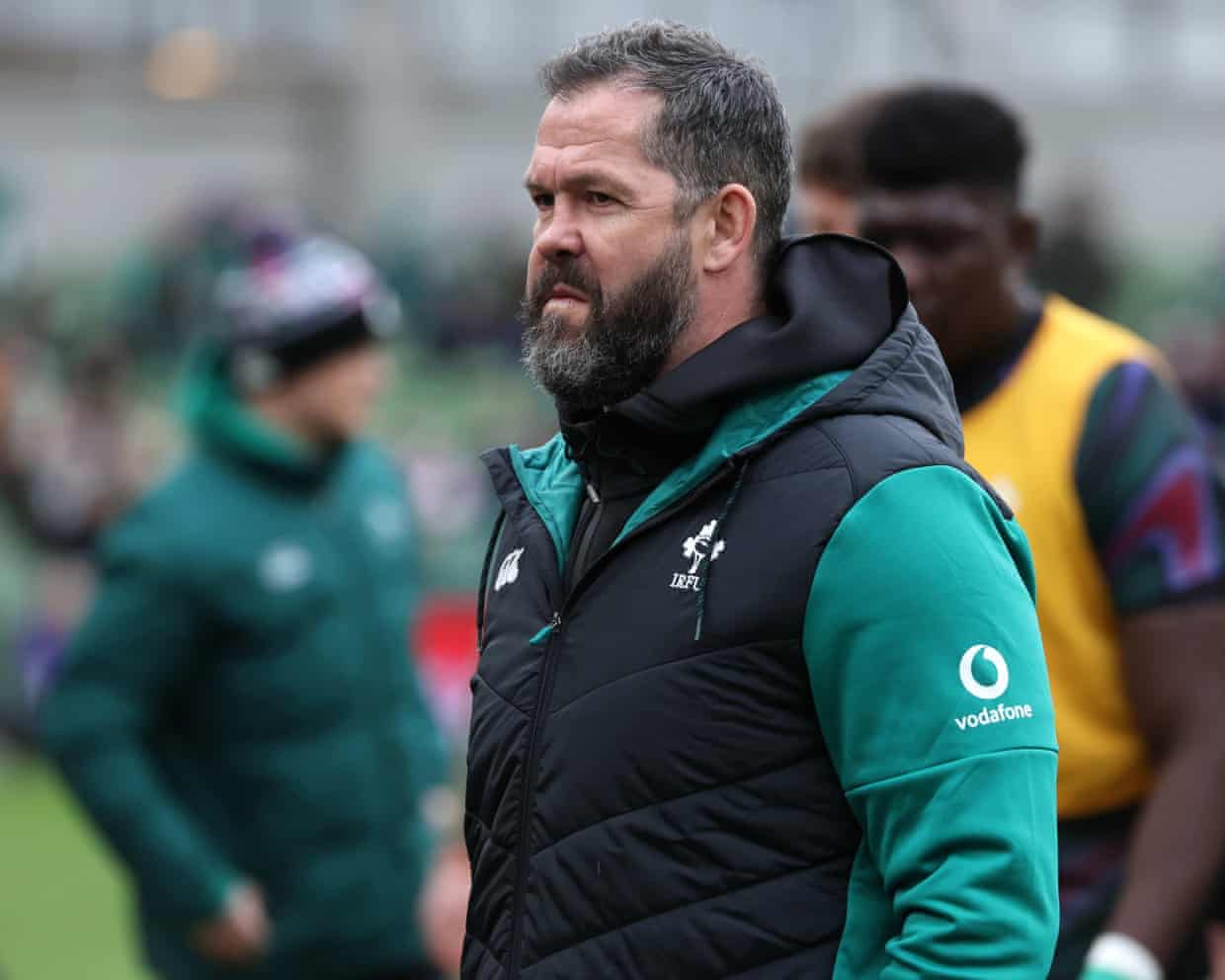
Ireland v Wales: Six Nations rugby union – live
Brendan Fanning has been assessing Wales’s chances in this here fixtureGet in touch, why don’t you?I look forward to receiving your views on the action and more besides on the email. Keep them coming.Team news.Andy Farrell makes five changes to the team that humped England. In the backs, Jacob Stockdale comes in on the wing for the injured James Lowe
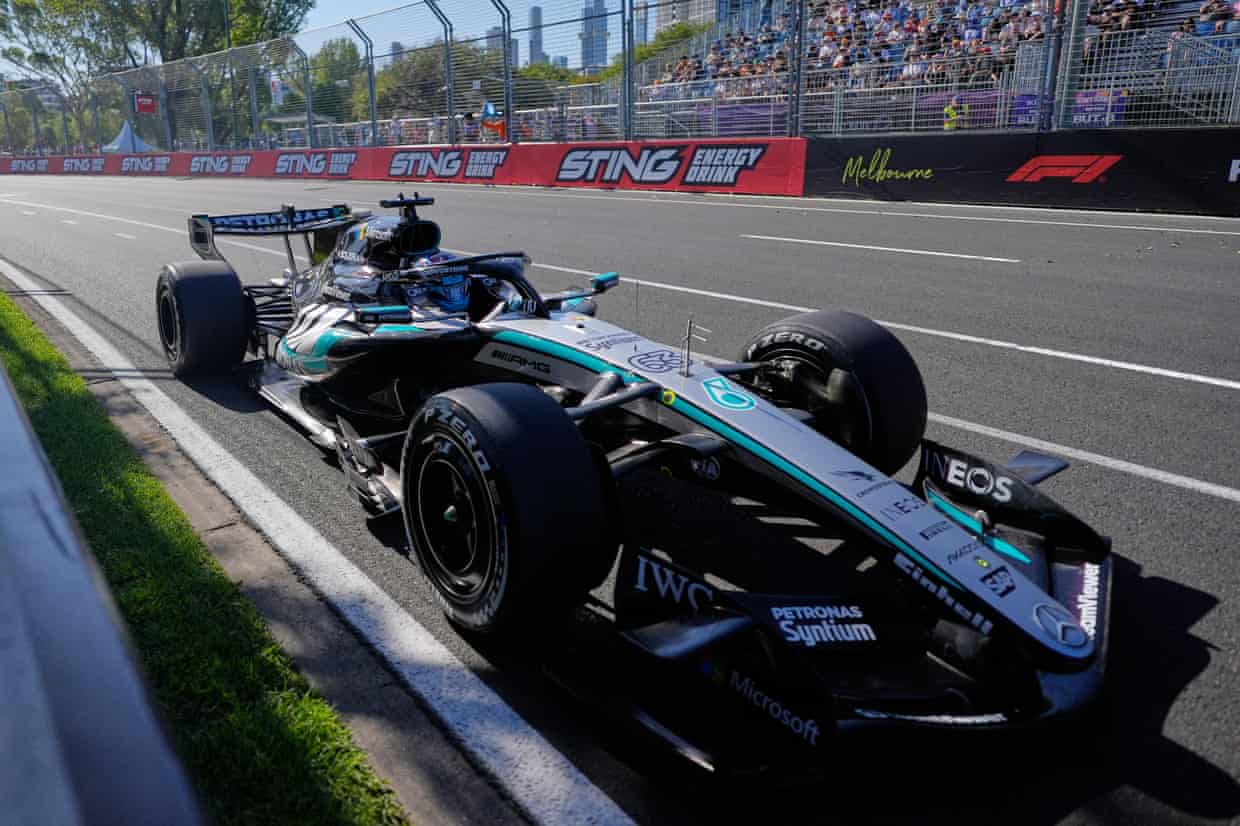
‘I believe I can do it’: George Russell favourite for F1 title as new era begins
With the long and increasingly febrile buildup almost at an end, Formula One is finally ready to go racing into the sport’s new era. Whether it will prove a success is one of many questions that will be answered at the season-opener in Melbourne this weekend, as will the most pressing concern: which team and driver enter this brave new world on top of the pile?In the paddock at Albert Park this week, teams and drivers increasingly had an air of the stony-faced stare-down of a cold war summit amid caginess about their prospects. No one wanted to give anything away nor make predictions.None of which has done anything to temper the palpable sense of excitement and anticipation in Melbourne, where the city is abuzz in the Victoria sunshine as fans flock to Albert Park. The genteel signs encouraging players to replace their divots on the park’s golf course, across which one of the many huge, vibrant fan areas sits, are dwarfed by huge banners of drivers, stages with bands and DJs around which fans congregate to eat and drink
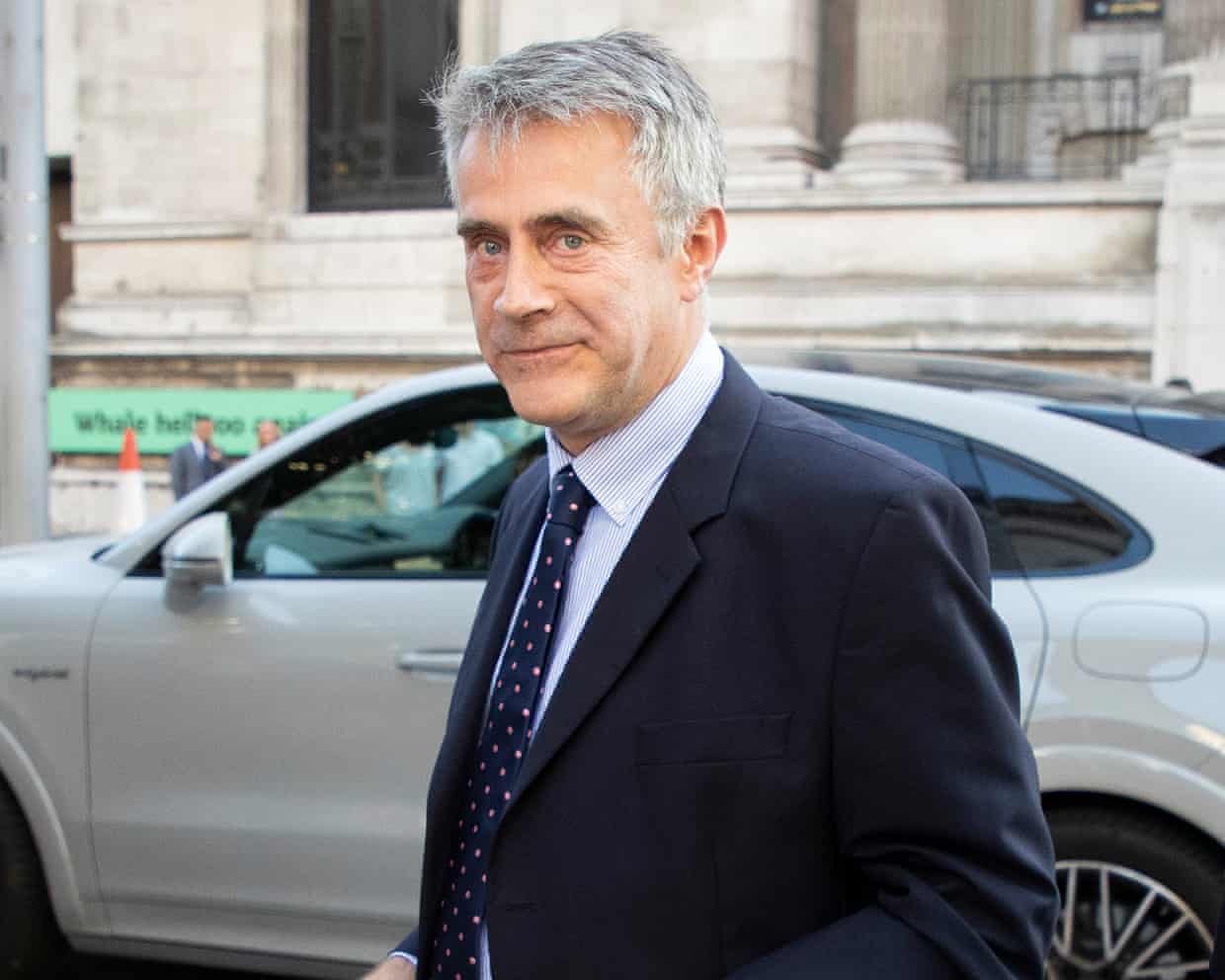
Crypto billionaire Christopher Harborne no longer interested in Reform-Tory pact
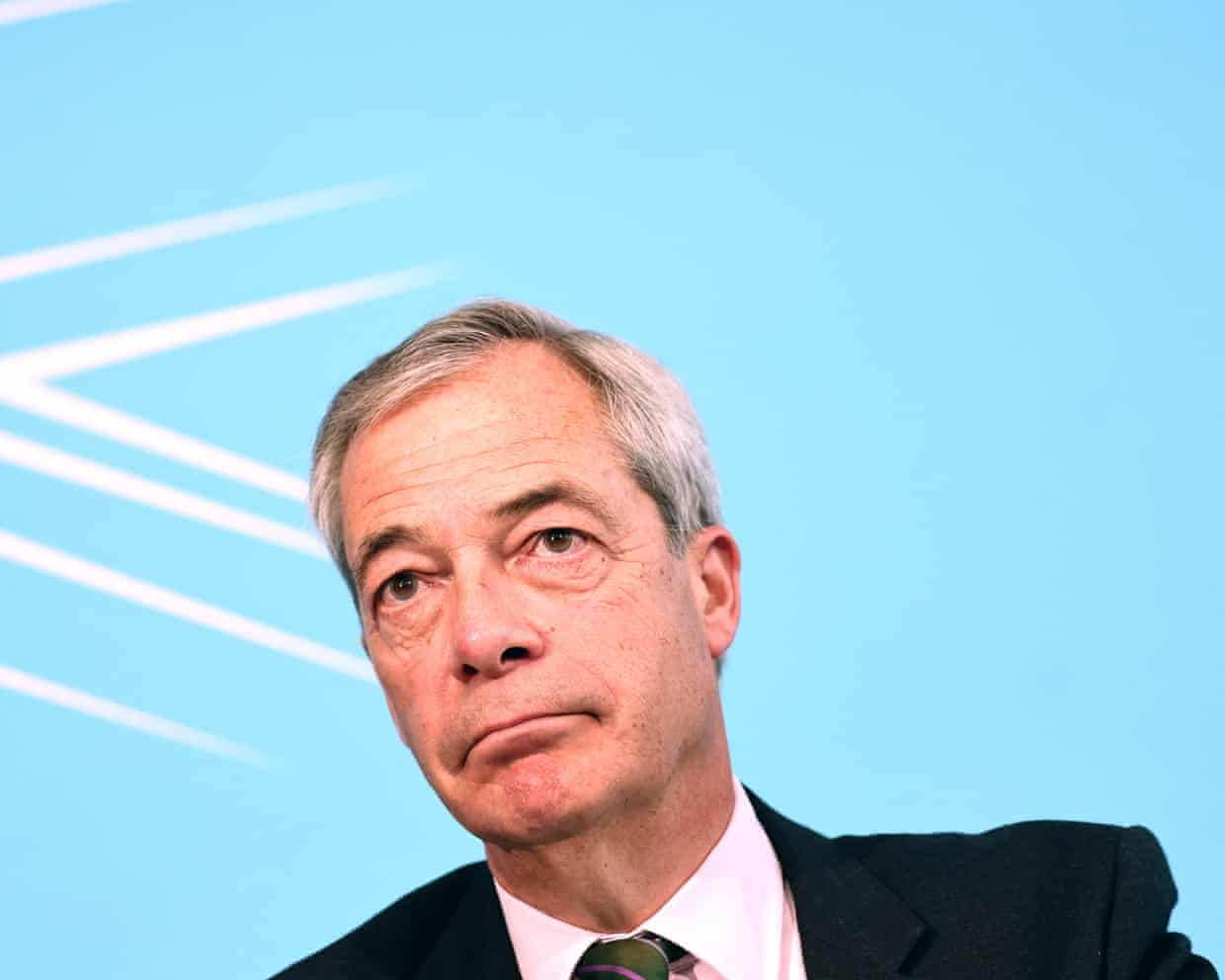
Nigel Farage to discuss Chagos Islands deal at Mar-a-Lago dinner with Donald Trump tonight – as it happened
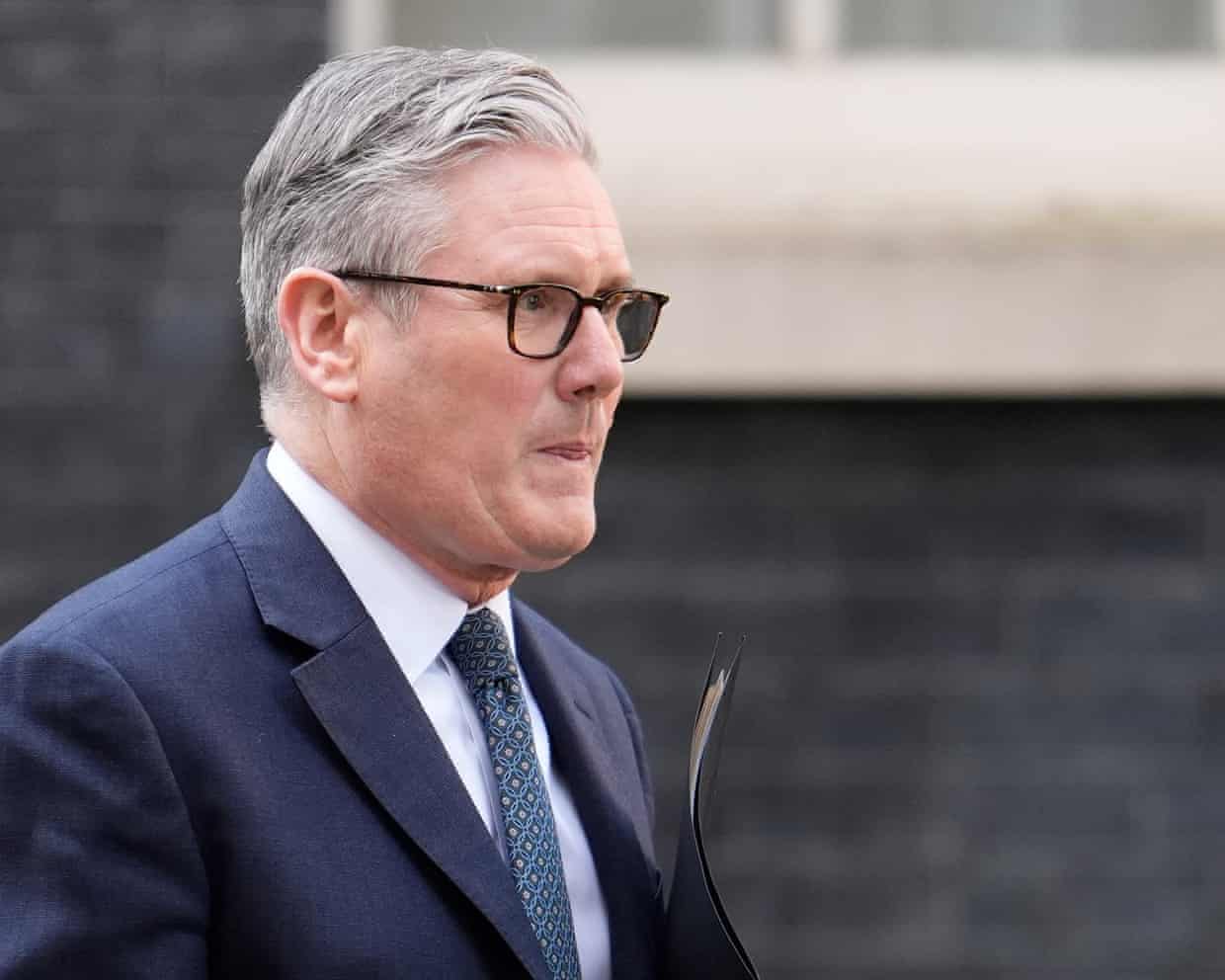
Starmer is facing a cocktail of dissent that is growing ever more potent
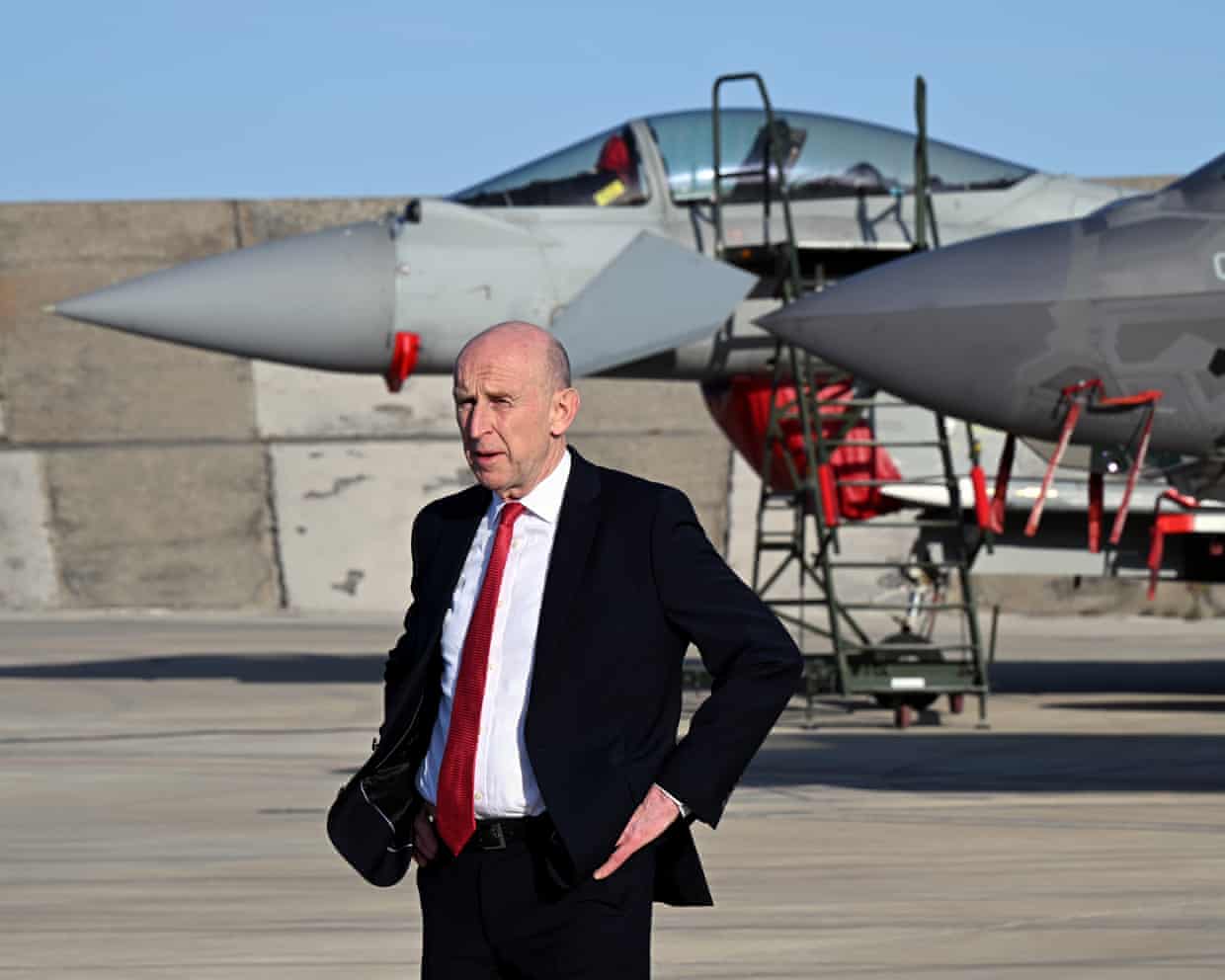
Defence secretary accuses Tory and Reform MPs of ‘unpatriotic’ behaviour
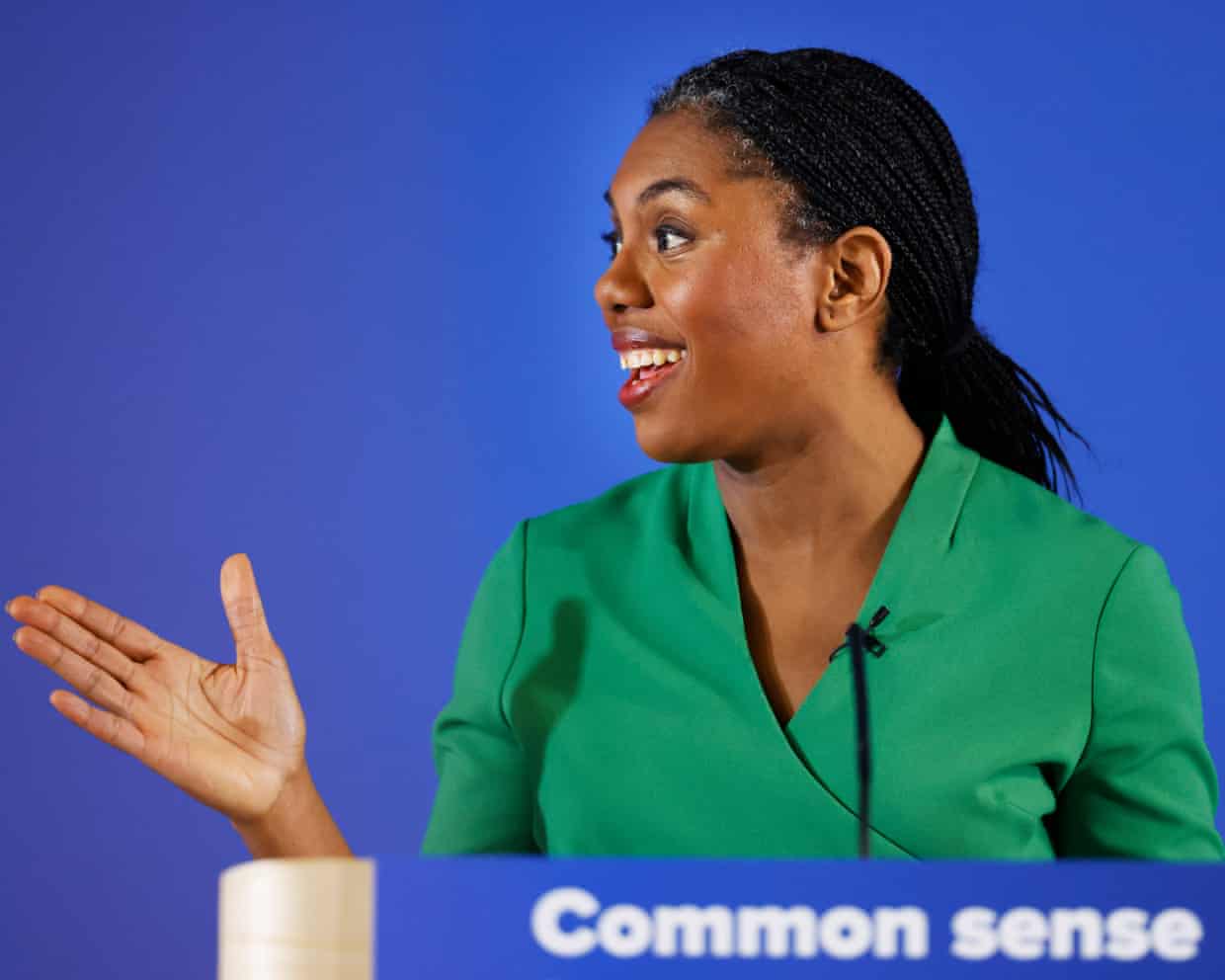
Kemi is wrong about everything. Which is almost an achievement in itself | John Crace
Best way forward for Iran would be negotiated settlement, says Starmer