UK ‘weeks away’ from medicine shortages if Iran war continues, experts say

Britain is “a few weeks away” from medicine shortages ranging from painkillers to cancer treatment if the Iran war continues, according to experts, while drug prices could also rise.The conflict has disrupted the supply of a myriad of crucial raw materials, including oil, gas, crop fertiliser and helium – and health essentials could be next.David Weeks, the Texas-based director of supply chain risk management at the analytics group Moody’s, said: “It’s the perfect storm.We have the conflict in the Gulf that caused the strait of Hormuz to shut down, and India is known as the pharmacy of the world.They produce a lot of the generic [off-patent] drugs and APIs [active pharmaceutical ingredients].
With the geopolitical situation, it’s harder and harder to get those out.”With airports in Dubai, Doha and Abu Dhabi initially closed and now operating a limited schedule, pharmaceutical companies have had to reroute their shipments via air, and some are now relying on sea transport, lengthening journey times.Shipping – the main route for most medicines – is also under strain because of the near total closure of the strait of Hormuz.“We’re not in a crisis currently but it’s still a serious situation,” said Mark Samuels, the chief executive of Medicines UK, which represents manufacturers of the cheap, off-patent drugs known as generics that make up 85% of medications used by the NHS.He said that if the conflict dragged on then drug shortages could emerge in only a few weeks’ time.
Medical distributors typically stock six to eight weeks of stocks to avoid shortfalls; while suppliers to hospitals in England have to hold eight weeks’ worth.During the Covid pandemic, paracetamol and other painkillers were in short supply in Britain and elsewhere, as drugmakers in India – which produces 60% of generic medicines used globally and half of US requirements – scrambled to keep up with demand.The UK makes about a quarter of its medicines domestically, while a third come from India and another chunk from the EU.The US-Israel war on Iran has doubled air freight costs.“One in five NHS medicines comes in by air, and currently manufacturers are trying to absorb those costs,” Samuels said.
“But they’ve got historically low margins, and the risk is that it makes some medicines lossmaking to supply to the NHS,”While suppliers have long-term pricing agreements with NHS hospitals, they have leeway over drugs supplied to GP practices and pharmacies, where they could increase prices,Wouter Dewulf, a professor at the Antwerp Management School and an expert in pharma logistics, said for the time being, medicine supplies were “not disrupted, but disturbed”,He expects drugmakers to pass higher costs on through single-digit price increases if the situation worsens,“Everything depends on how long the war lasts,” he added.
Frank Van Gelder, a healthcare and pharma supply chain strategist and the secretary general of the non-profit group Pharma.Aero, said disruption to the Middle East airspace corridor had hit the drugs sector hard because of its reliance on frequent flights.Before the war about 3,700 passenger flights – which also carry cargo – were transiting the region’s airports every day.Air cargo levels dropped 80% earlier this month and were still down sharply, he said.Certain medicines need to be transported by air for speed, including: expensive treatments for cancer and infectious diseases; hi-tech cell and gene therapies; biologics with living materials that require cold storage; and drugs used in clinical trials.
Dewulf noted that healthcare cargo would always be prioritised over goods from e-commerce,Transport by sea is an alternative for stable, generic drugs but because ships have to sail around the Cape of Good Hope, it adds 14 days to the journey and another $1m (£750,000) in fuel costs,Apart from higher transport costs, the rise in crude oil and natural gas prices affects the cost of petrochemical products such as methanol and ethylene, which are needed to manufacture APIs, the key ingredients of medicines, as well as syringes, vials, tubing, gowns and goggles,“So the overall ripple effect on industry and in this case the life science and pharma industry is significant,” Van Gelder said, asking: “Who is going to pay for that?” He said it would ultimately be the patient who picks up the tab, either directly or via public health systems such as the NHS, which are ultimately funded by the taxpayer,“So in the end we all pay more, right?” This article was amended on 28 March 2026.
The UK makes about a quarter of its medicines domestically, not half as stated in an earlier version.

Aperitivo or dinner? Portuguese whites are always right
Portuguese wines have been making steady advances on British drinkers in recent years, and for good reason. The country is home to many delightful indigenous grapes (bom dia baga, encantado encruzado), as well as the sort of varied maritime, mountainous terrain that encourages personality. Its winemakers tend to be forward-thinking and climate-conscious, too, and there are lots of bottles of interest at the “midweek” price point – that is, £8-£13. Case in point: the “yellow tram wine”, AKA Porta 6 Lisboa, is now a ubiquitous presence on our high streets.The Guardian’s journalism is independent
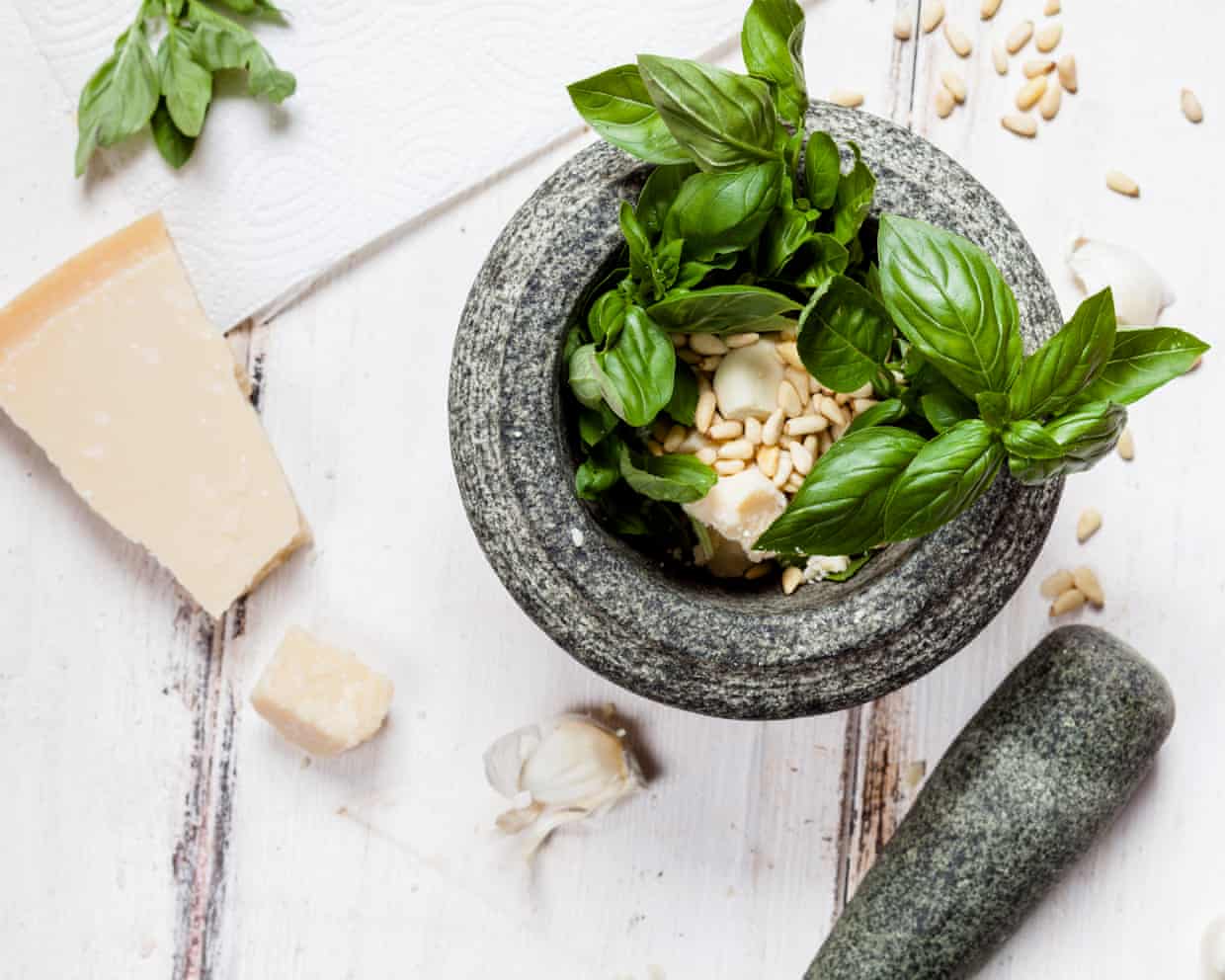
From basil to pistachio and peas – in praise of pesto, whichever way you make it
It was not without satisfaction that I found my 14-year-old son making pesto the other week – for the first 13 years of his life he referred to it as either “pesto-the-bogey-man”, or “gross”. To avoid interfering and sabotaging the moment, I didn’t look too closely, so I didn’t clock the shallow bowl and immersion blender combination. I did hear the noise – a blunt churn – as the blade hit the leaves and nuts. Acting more like a leaf blower than cutter, it sent green and white oily fragments up the cupboards and over pretty much every pot, utensil and tool nearby. Impressively unfazed, he managed to scrape a good proportion of the elements into the food processor and make an extremely tasty pesto, which was mixed with linguine, green beans and potatoes

Anything but eggs – the best chocolate for Easter
If you like chocolate and nut butter, Radek’s Chocolate is doing wonderful things with both, and its dairy free Silky Almond Chocolate Rabbit is magically creamy. Looking more like subservient mice than bunnies, NearyNógs’ dark chocolate bunnies, stuffed with salted caramel, were my favourite. A superb, successful marriage of very good Ecuadorian chocolate and caramel: worthy of a royal telegram.The Guardian’s journalism is independent. We will earn a commission if you buy something through an affiliate link
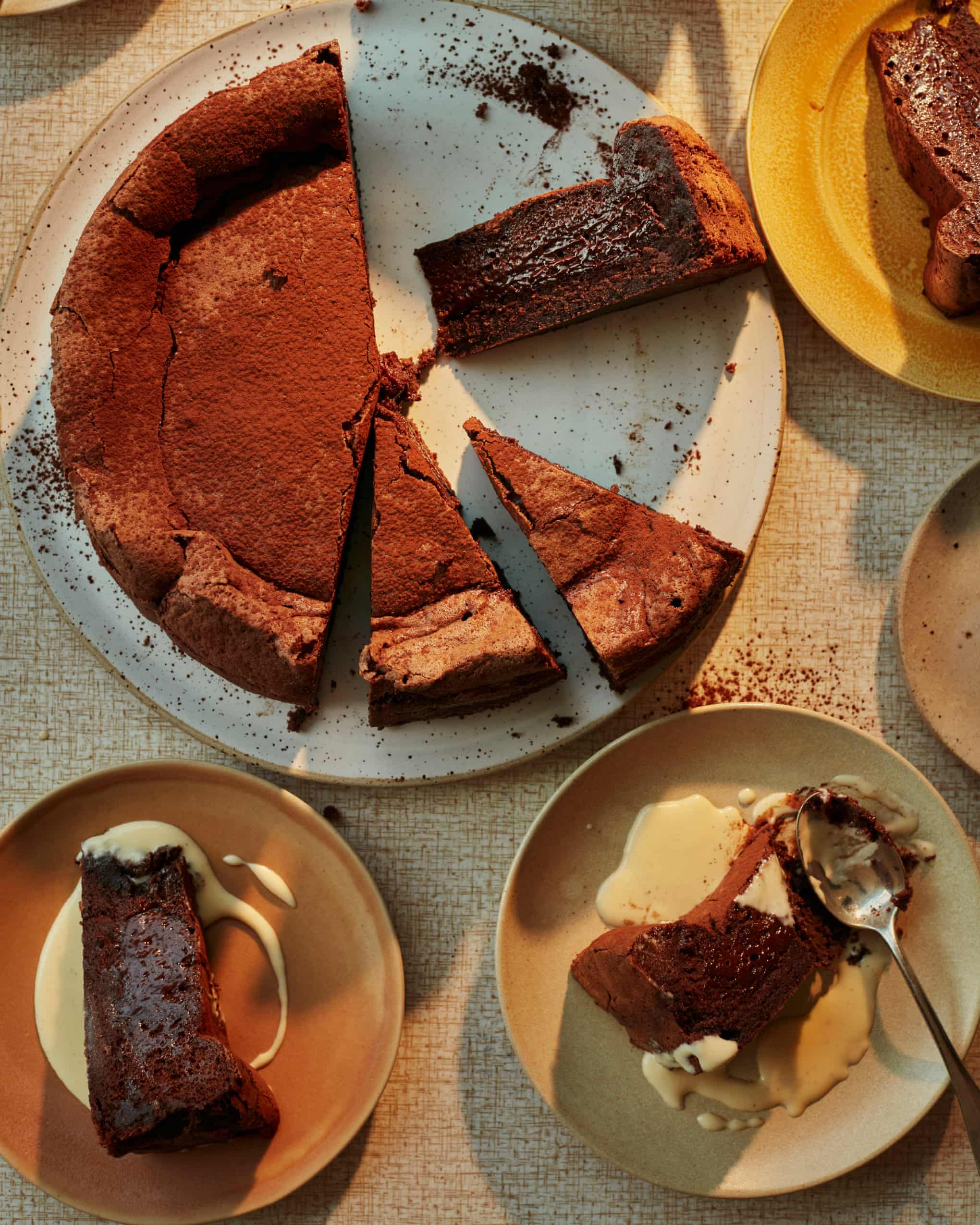
Four knockout bakes and tips from the master: Edd Kimber’s recipes for cooking with chocolate
From a white chocolate cheesecake tart and flourless chocolate cake to double chocolate olive oil and marbled matcha cookies, explore chocolate’s endless versatilityChocolate is a truly magical ingredient. Not only is it a powerhouse of flavour, it also pairs beautifully with other ingredients to make something incredible. Chocolate isn’t one note, mind; from the heady richness of an intense dark chocolate to the nostalgic creaminess of milk chocolate and the often maligned simplicity of white chocolate, it can be the star of the show or simply the supporting act. Chocolate can do it all.This is my go-to dinner party dessert
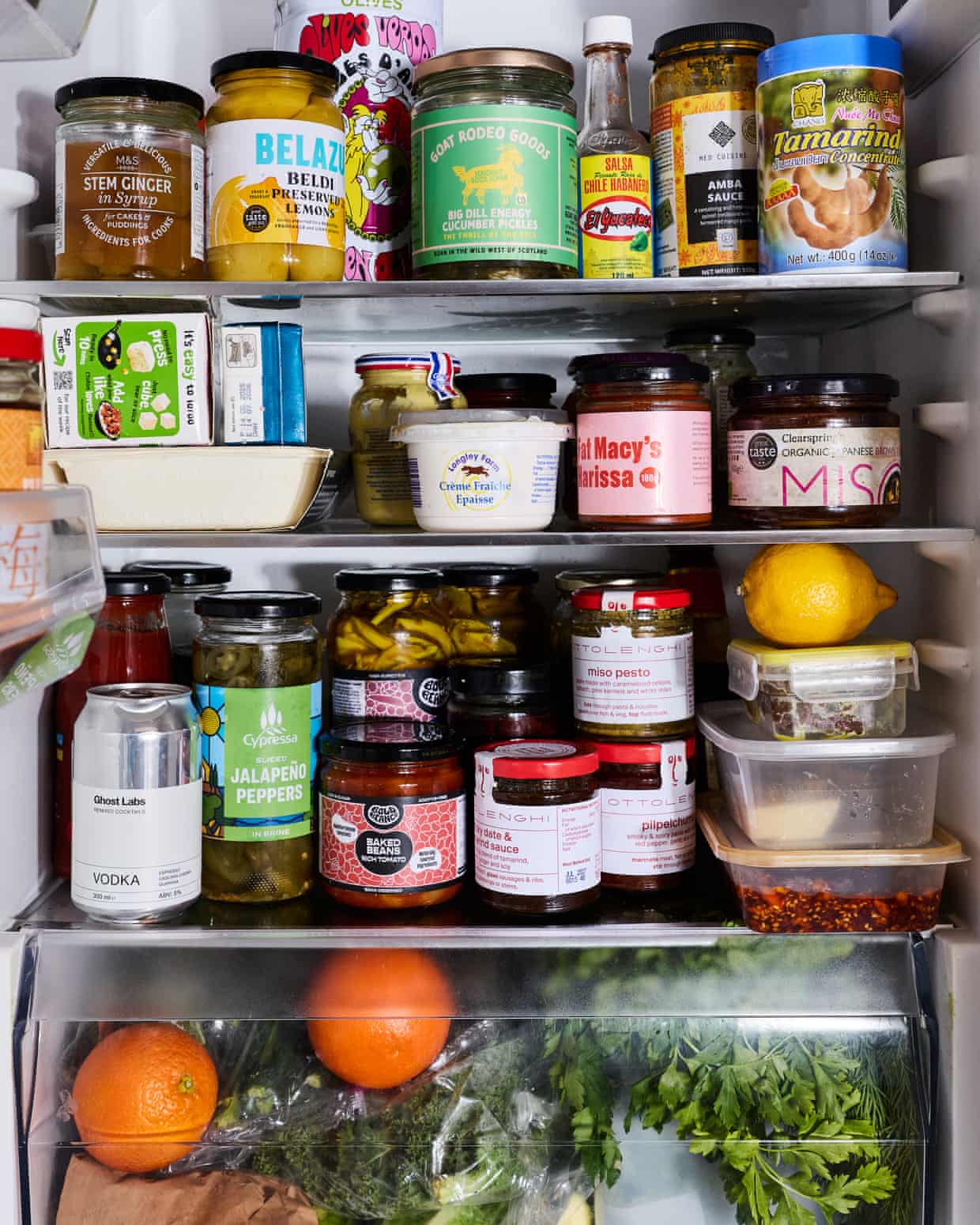
Sauces, spreads, sprinkles – and cocktail in a can: whose fridge is this?
Amba sauce “I’m very jar orientated; a lot of my cooking is about combining big flavours. I’m also a sucker for a sour ingredient, and this Iraqi pickled mango condiment is really sour – more so than tamarind. If I’m garnishing a dish with tahini, then I’ll use amba to cut through the richness, otherwise I’ll use it in lieu of citrus.”Stem ginger in syrup “My grandpa always gave me this when I was a kid, and I thought it was disgusting. However, now it’s essential; I often make a (chopped) stem ginger and spring onion salsa – it’s sweet and spicy
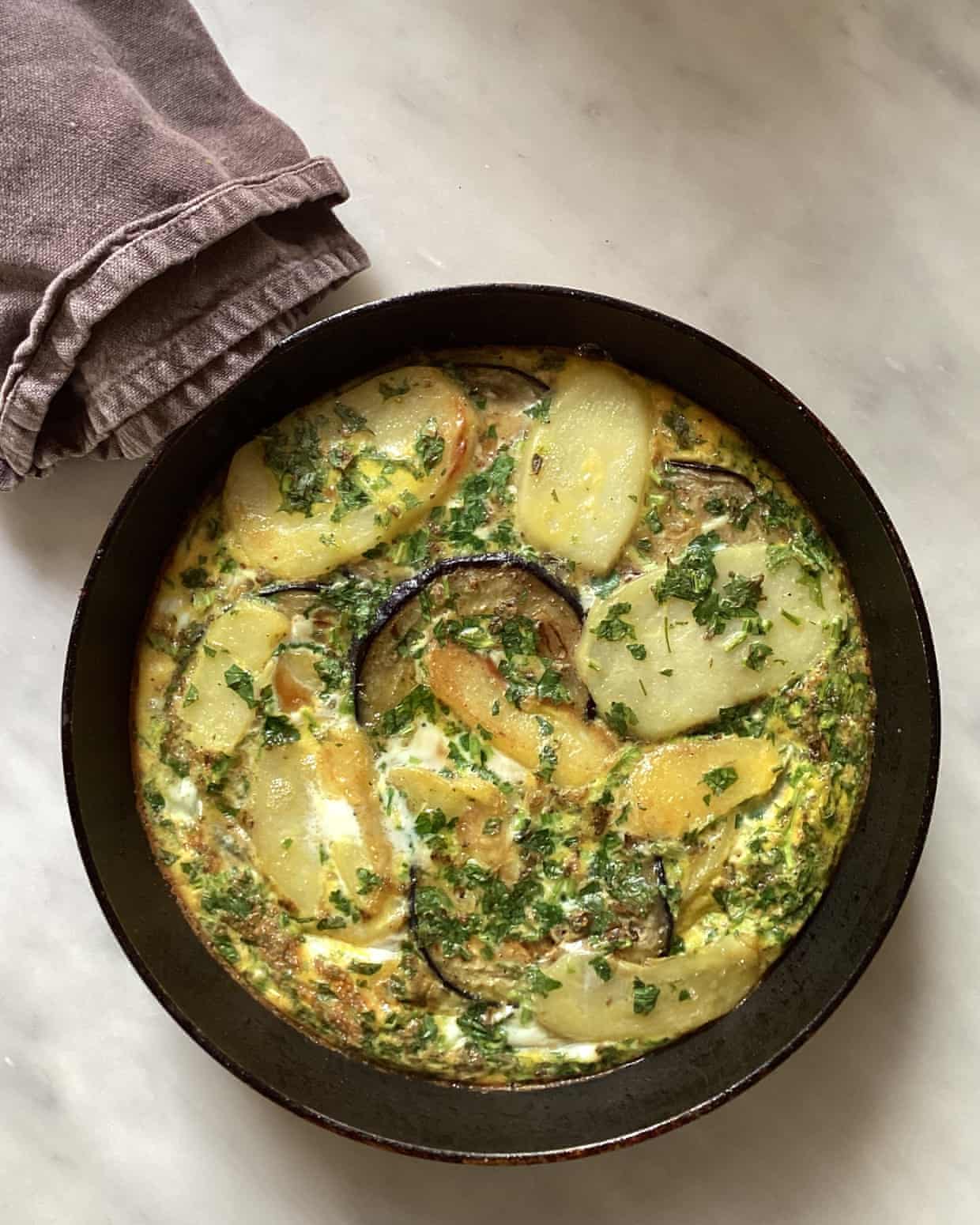
Rachel Roddy’s recipe for potato, aubergine and herb tortino alla fiorentina
The sky is the same shade as old Tupperware, our tortoise appears to have gone back into hibernation, the flat upstairs has builders in, but the kitchen smells gorgeous, thanks to this week’s recipe. It is one of the variations suggested by Anna Gosetti Della Salda for her aubergine and egg tortino alla fiorentina in the Tuscany chapter of Le Ricette Regionali Italiane, an indispensable book that I would save from a fire. The addition of potato to the aubergine makes it an even more substantial, velvet-like and better-tasting dish, I think: a layered vegetable bake crossed with a frittata that fancies itself as having a touch of baked eggs (although don’t expect any puffing up).Instead of the aubergine, you could use artichoke hearts (trimmed and cut into slim wedges), courgettes or cardoon, and, if you fancy, you could also add a crumbled sausage or a handful of diced pancetta. Whatever you use, however, a fundamental stage in terms of both flavour and texture is the initial cooking of the vegetables: frying the potatoes, then covering the pan so they fry-steam into tenderness; the aubergine by simply frying
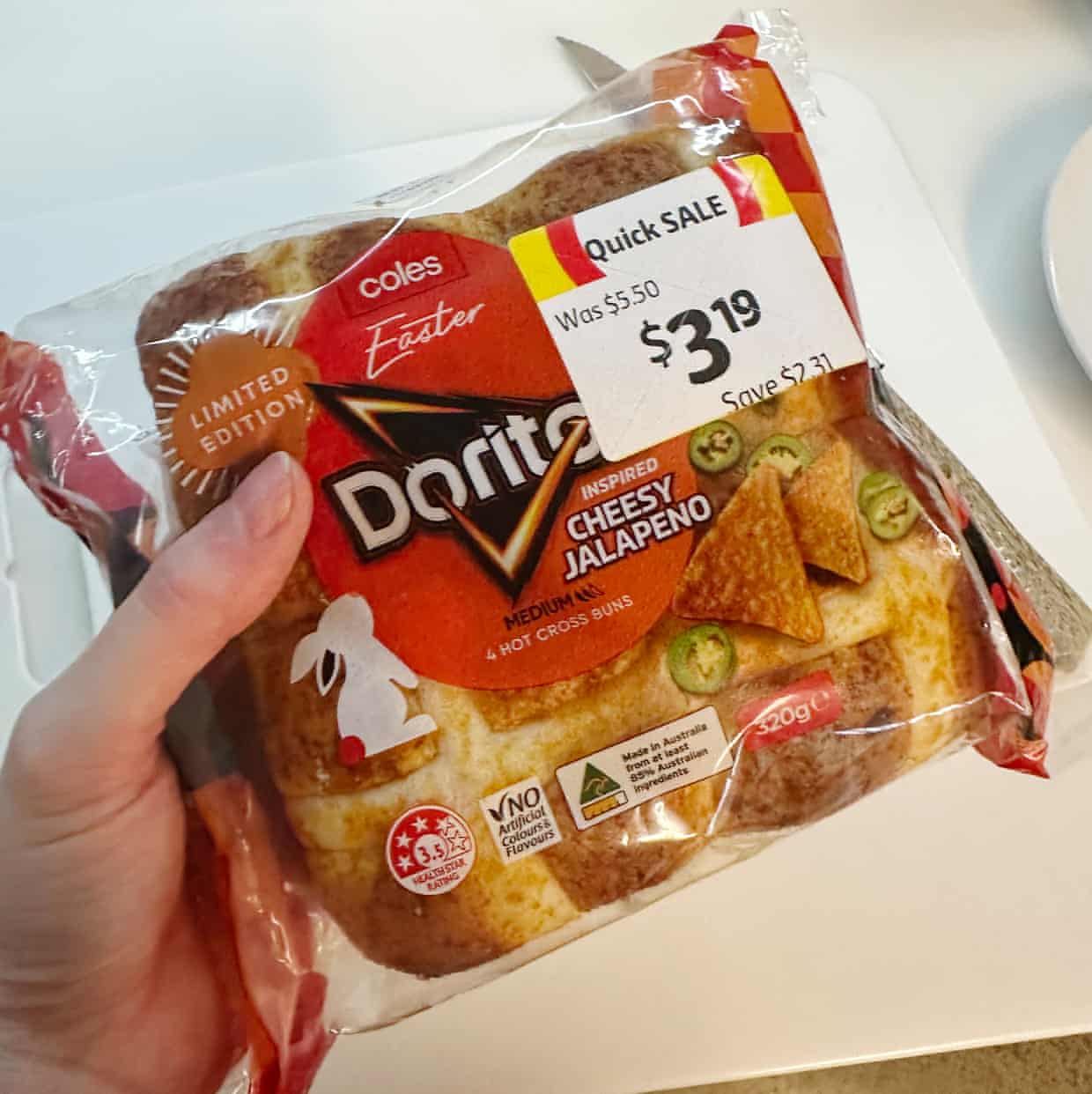
Will this ‘Doritos-inspired’ hot cross bun cause some spicy full-scale anarchy – or is it merely weird-smelling clickbait?
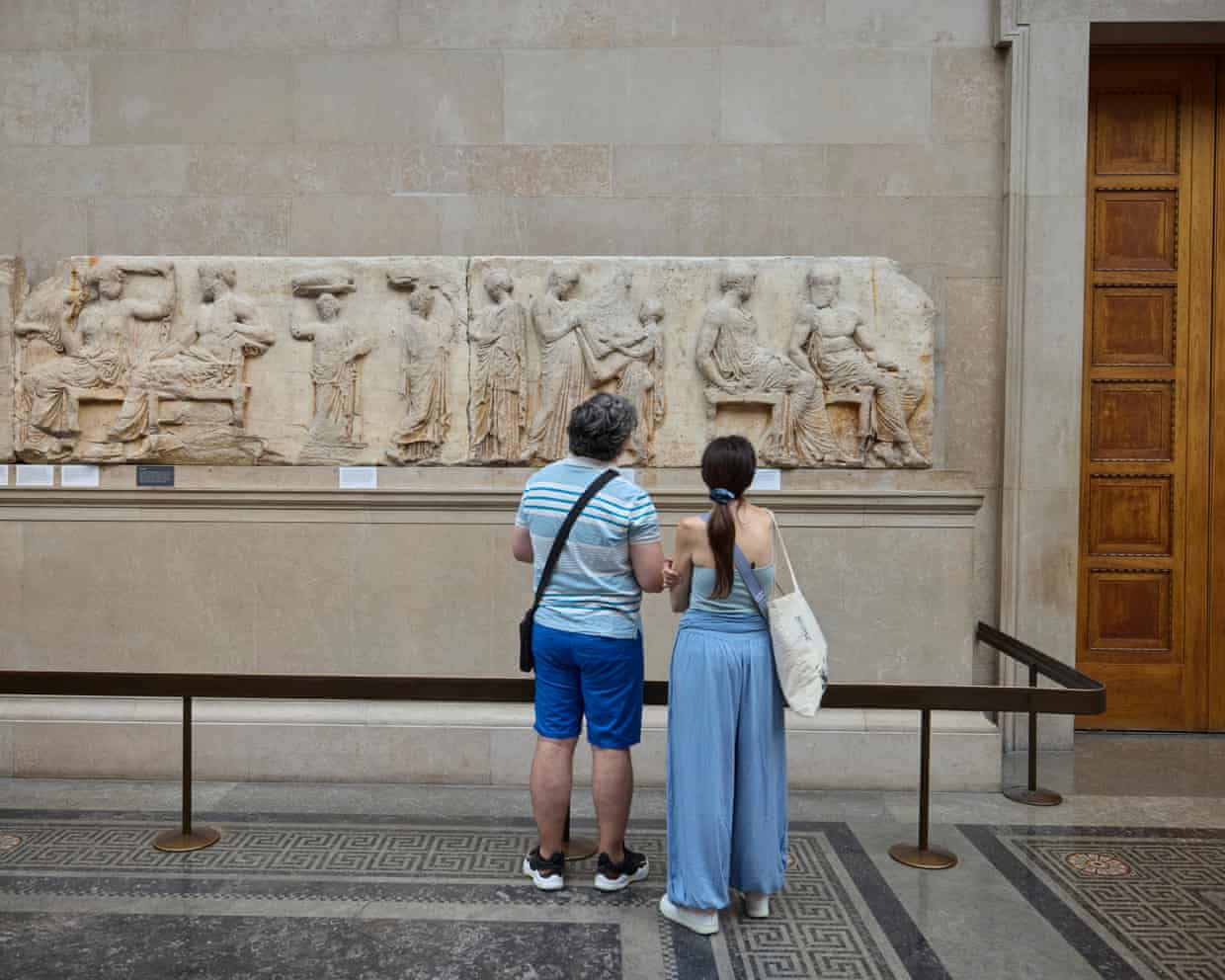
Ministers consider charging tourists to enter national museums in England

Shoplifting, sex shows and sheepdog-breeding: great artists and the side-hustles they did to get by

Jon Stewart on Donald Trump’s Iran lies: ‘Our Supreme Misleader’

Who’s Afraid of Virginia Woolf? at 60: Elizabeth Taylor still crackles with feral energy

Punk masks, Walkmans and Choppers: Museum of Youth Culture to open in London