‘Huge build-up of risk’: London’s centuries-old shipping industry wrestles with Iran war
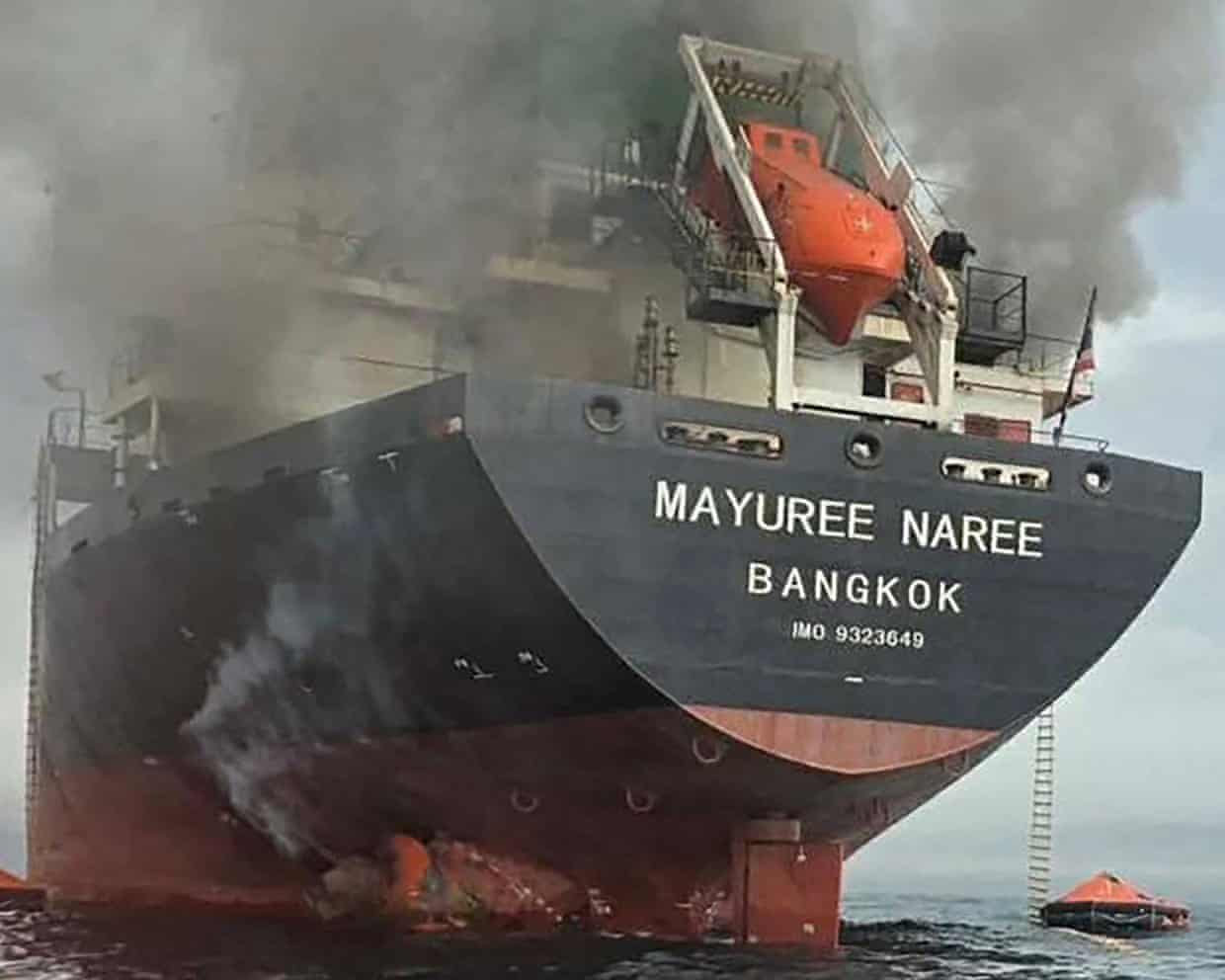
Shipping risk has been insured by Lloyd’s of London for more than 330 years, but now the centuries-old heart of maritime insurance is getting to grips with the most modern of threats – drones and missiles threatening hundreds of vessels stuck in the Gulf region amid the escalating Middle East conflict,For nearly three weeks the crucial strait of Hormuz has effectively been closed to the more than 100 gas and oil tankers and container ships that usually pass through each day,Pressure is building to find a way to safely reopen the narrow maritime channel to allow the estimated 1,000 vessels and their crews – mainly oil and gas tankers but also container ships – currently trapped in the Gulf to continue their journeys, restarting the global flow of fuel, chemicals and goods,A total of 23 vessels had been attacked between the start of the war and Thursday, according to analysts from Lloyd’s List Intelligence, including near misses and those that have sustained minor damage,Several crew members have been killed.
Lloyd’s of London insists shipping insurance has remained available throughout the conflict at the “right price”, even though brokers have conceded there has been little demand for the strait in recent days,The vast majority of shipowners have chosen to leave their vessels anchored in the Gulf or waiting in the region’s ports,For Lloyd’s, this is just the latest crisis in centuries of global turmoil,The insurance market’s roots stretch back to a London coffee house owned by Edward Lloyd in 1688, where sailors, merchants and shipowners met to exchange maritime gossip,The centrepiece of the underwriting room within the distinctive Richard Rogers-designed marketplace on London’s Lime Street is the bell salvaged from the wreck of the HMS Lutine after it sank off the Dutch coast in 1799 with its cargo of gold and silver insured by Lloyd’s.
Since then, Lloyd’s experienced its greatest maritime loss when the Titanic sank in 1912, insured risks during the second world war, and made enormous payouts after the 9/11 terror attacks of 2001 in New York.During the latest Middle East conflict, war insurance premiums have soared since the outbreak of the conflict, rising to between 3.5% and 7.5% of a vessel’s value, according to David Smith, the head of marine at the broker McGill and Partners, which operates in the Lloyd’s of London insurance market.This compares with 1% to 1.
5% a week earlier, and 0.25% before the war.However, it is not the cost of insurance that is preventing companies from making the decision to move their vessels out of a perilous region, rather what Smith called the “fear factor”.Silke Lehmköster, a former container ship captain and now the fleet managing director at the German shipping company Hapag-Lloyd, relayed the danger being faced by the company’s six vessels and 150 crew stuck in the Gulf.Her seafarers have reported seeing drones whiz past, as well as explosions and lots of smoke.
One Hapag-Lloyd cargo ship was hit by shrapnel in recent days, causing a small fire on board, which the crew were able to extinguish with no injuries.In the early days of the conflict, ships at anchor were considered safe, but there is a “huge buildup of risk” in the area, according to Richard Meade, the editor-in-chief of Lloyd’s List Intelligence.“We are still not at the stage where ships are being profiled in these attacks, as far as we can tell.Some are falling into the category of collateral damage or hits to sustain the closure of the strait,” he said.Despite the danger for seafarers, who are forced to spend their time below deck, shipping companies have said several conditions would have to be met in order for them to have confidence to tell their crew to attempt a transit of the strait.
“We would need an end of this escalation, so that there are no drones, no missiles, no whatsoever flying, and a clear message from everyone that they would stop,” Lehmköster told the US network CBS,It is not clear what exact conditions would allay shipowners’ fears and allow traffic to restart,Various measures have been suggested, including the establishment of a safe maritime corridor, naval escorts or even security guarantees issued by Iran,The threat posed to vessels in the Gulf differs significantly from other dangers faced by commercial shipping in recent years, such as piracy,These situations could be mitigated by crews, said David Appleton, a senior leader at the trade union Nautilus International, but this is not possible in a conflict where drones and unmanned vehicles are being used.
“You would have armed guards on board in certain places, you would have operational procedures where you’d avoid certain areas or you would travel at certain speeds so you weren’t vulnerable to attacks,But none of this applies to the current situation,” he said,The UN’s shipping agency – responsible for regulating international safety – called for the creation of a humanitarian corridor in the Gulf to evacuate commercial vessels and seafarers from high-risk areas, after an extraordinary meeting of countries in London this week by the International Maritime Organization,However, the IMO has not given a timeline for establishing the corridor and it is not clear whether Iran would cooperate,Iran’s vast southern coastline, stretching about 1,200 miles (2,000km), would also make it difficult to monitor.
Iran has suggested it may offer security guarantees to certain ships, according to factors such as the nationality of their owners or origin and destination of the cargo.Tehran is aiming to reroute vessels through what it calls a “safe corridor” through the strait of Hormuz, close to the Iranian coast.This route allows Iranian authorities to “verify” vessels visually and give approval to proceed, although it is not clear whether payment will be required.“At this stage the idea that this approval guarantees safe passage should be treated with extreme caution,” Meade added.The US, the UK and other European nations have discussed plans to provide military escorts for merchant vessels, but the situation is now deemed too dangerous.
Some shipping companies have privately called the proposals unrealistic, given the large numbers of vessels anchored in the Gulf,However, insurance brokers have said the effective use of naval escorts could help to significantly help to bring down insurance costs, as London’s ancient maritime insurance market hopes to solve the latest challenge in its lengthy history,
‘It’s not about punishing’: Five key issues for English rugby to resolve after the Six Nations
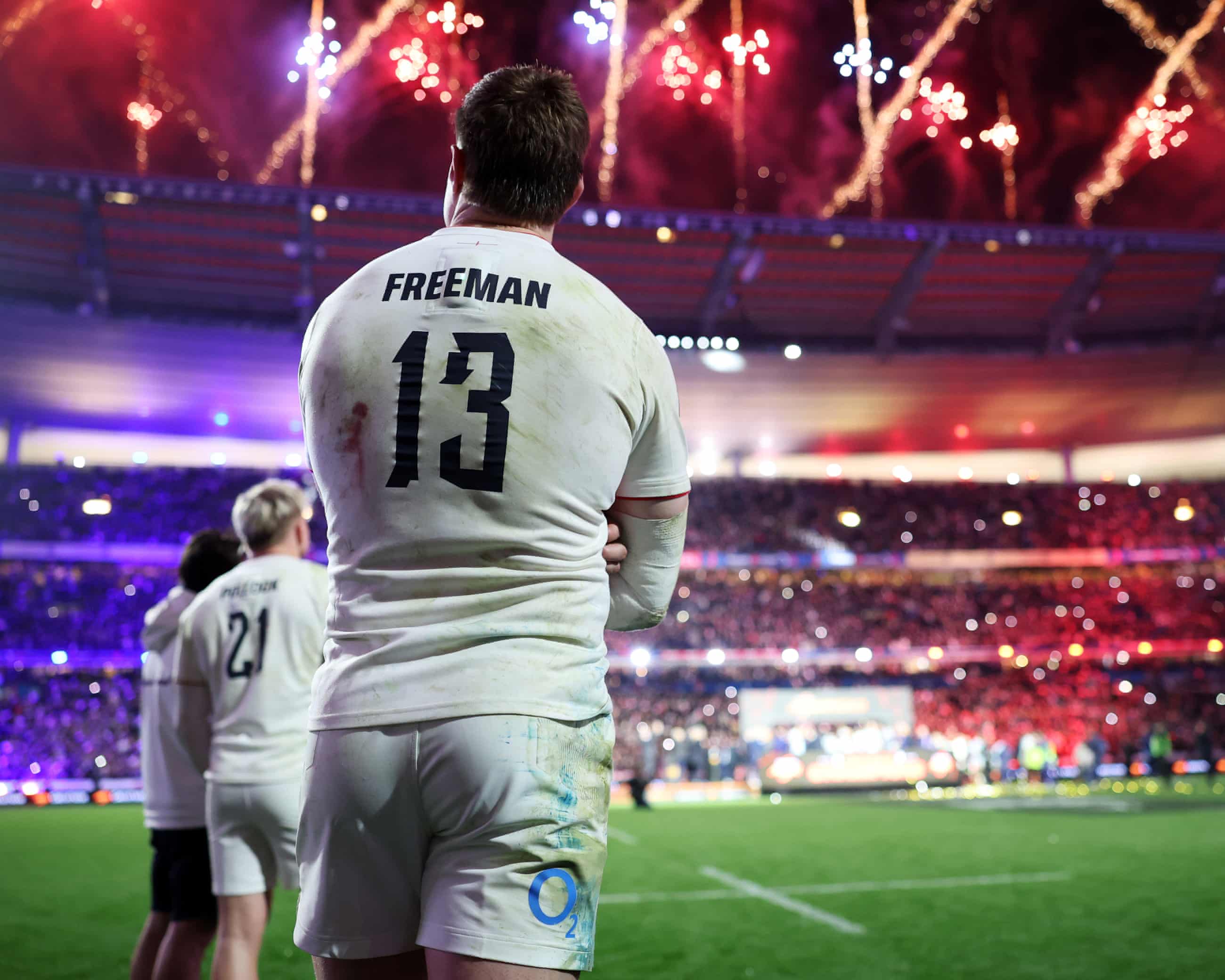
Steve Borthwick will be reprieved by the RFU’s review but there are other factors at play from the makeup of his backroom team to the conveyor belt of talentThe Rugby Football Union’s review into England’s least successful championship for 50 years is already up and running with an alacrity that would impress Louis Bielle-Biarrey. And one detail seems clear: barring something spectacular, Steve Borthwick will still be coaching the team this summer. As one well-placed insider put it: “This review is about supporting Steve to make improvements. If change is needed, change is needed but it’s not about punishing him. He’s absolutely going to be in post this summer, there’s no question about that

Meg Jones to captain England at Women’s Six Nations with Zoe Stratford pregnant
Meg Jones has been chosen to lead England’s world champions in 2026 after the regular Red Roses captain, Zoe Stratford, announced her pregnancy on Wednesday.Jones, who was vice-captain when England beat Canada to lift the World Cup last September, will take over from Stratford for the upcoming Women’s Six Nations. England kick off their campaign against Ireland on 11 April at Twickenham when a tournament-record crowd of more than 60,000 will be in the stands.The 29-year-old centre said: “Firstly, I’m really excited for Zoe and wish her and Strats [Luke, Zoe’s husband] every happiness on their news. It’s a huge honour to have been named captain of the Red Roses

For Mexico and Canada, injuries are striking just as World Cup hosting duty looms
When Marcel Ruiz slumped into the grass of San Diego FC’s Snapdragon stadium late in the first half of Toluca’s Concacaf Champions Cup game last Wednesday, he seemed to already know. He covered his mouth with his left hand and clutched his right knee – first the back of it, then the front – with his other hand. He turned his head every which way, perhaps hoping that he might scan something or someone who would tell him that this was not in fact happening. That his World Cup on home soil was not already over three months before it was to even start. That Mexico’s injury crisis had not just deepened further
No Limit: can rap mogul Master P really become an elite basketball coach?
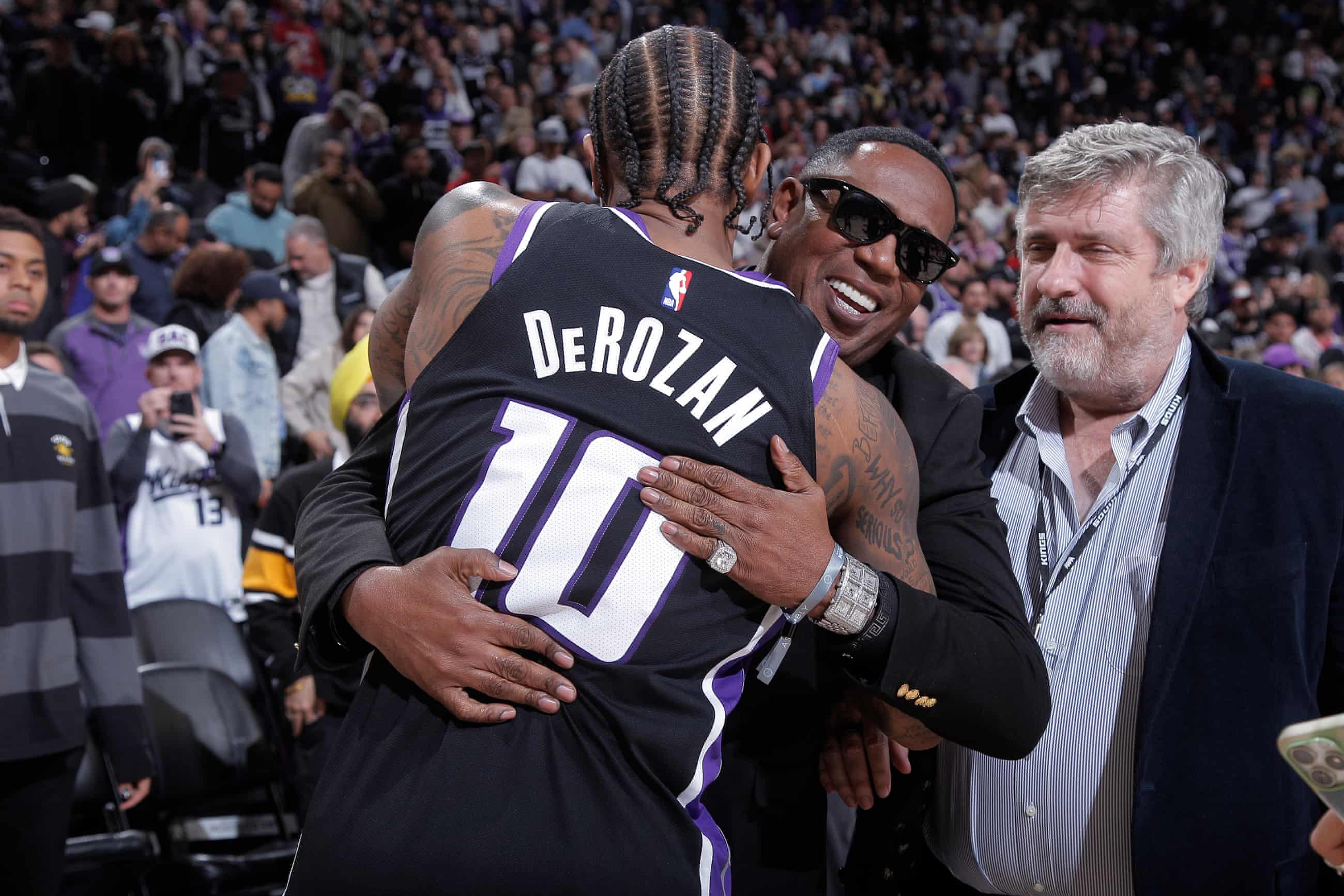
The 55-year-old has is an assistant coach at the University of New Orleans. Now he believes he can take the step up to the top of his sportYou are Arizona State athletics director Graham Rossini, more of a forward-thinking sports executive than a classic campus administrator. The Sun Devils basketball team have just staggered through another middling season, missing the NCAA tournament for a third straight year. You’ve just fired coach Bobby Hurley, but the vacancy isn’t what anyone in the sport would call coveted – not compared to a blue-blood program like Duke or Kentucky, or even the cross-state rival Arizona Wildcats men’s basketball, standard-bearer of the old Pac-10.You could hire another hardwood hero like Hurley, a Duke Blue Devils men’s basketball supervillain whose winning pedigree as a player surfaced only in flashes over 11 uneven years on the sideline
Sixteen international games and a franchise overseas: is the NFL’s global ambition good or greed?
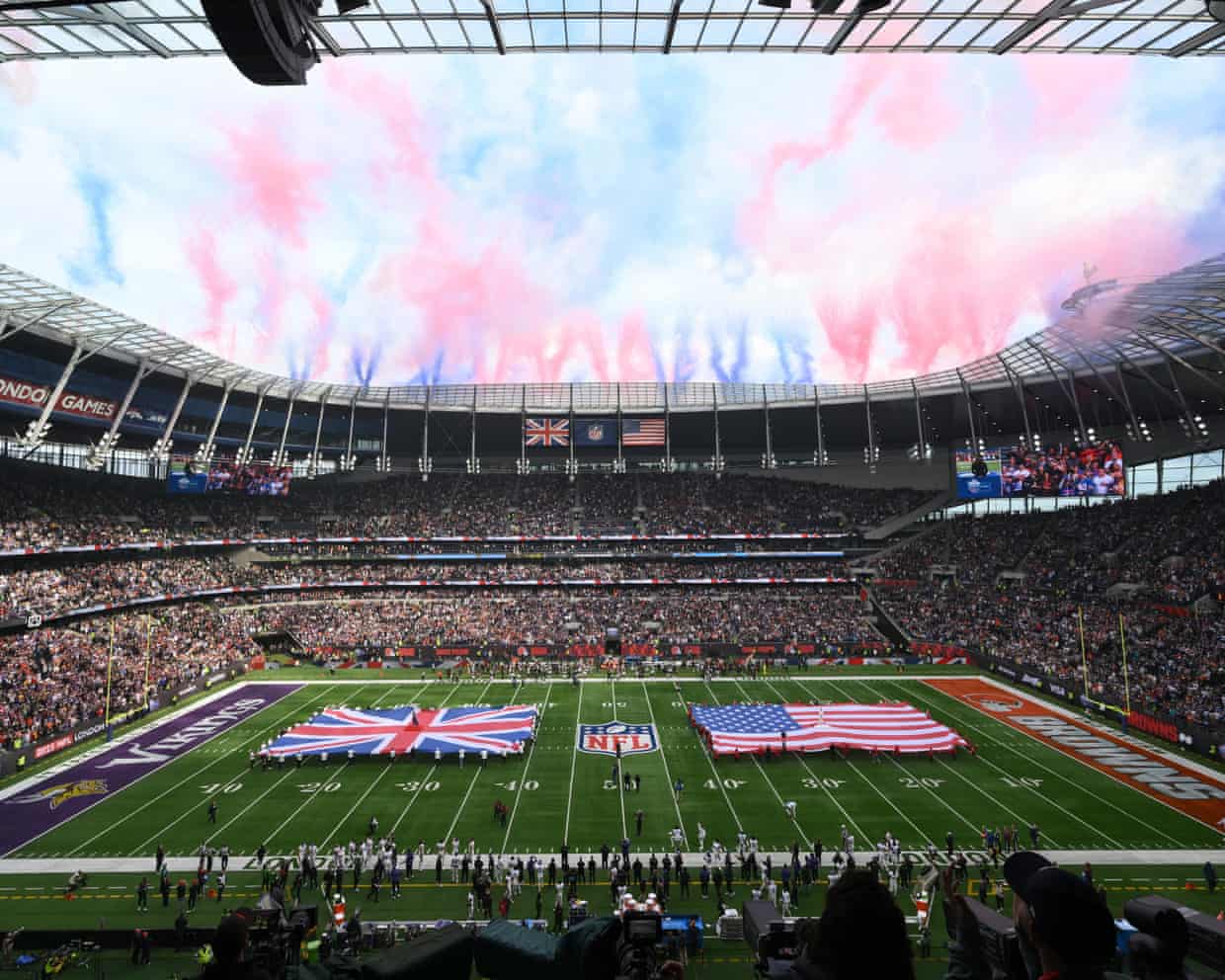
“Pigs get fat, hogs get slaughtered. And they’re getting hoggy.” When Mark Cuban, then owner of the NBA’s Dallas Mavericks, fired that line at the NFL in 2014, he was partly goading and partly gloating.It felt directionally true. The NFL looked bloated, arrogant and vulnerable

Chess: Scotland’s Freddy Waldhausen Gordon, 15, routs the English in British Rapidplay
Freddy Waldhausen Gordon, a 15-year-old from George Heriot’s school, Edinburgh, came through with a stunning burst to capture the annual British Rapidplay championship in Peterborough with a score of 9.5/11, defeating the top-seeded GM, Gawain Maroroa Jones, in the final round in a must-win game by a checkmating attack where White’s queen and both rooks all invaded Black’s rear rank.Maroroa Jones was in trouble early in the decisive game, soon had to concede rook for knight, and a second loss of the exchange followed at move 32. At the end, 39 Rxg7+ and 40 Qg8 mate could only be delayed by Black giving up his queen.It was the 37th staging of the British Rapidplay, whose fast time limit of all the moves in 15 minutes for each player, plus a 10 seconds increment per move, makes it possible to hold an entire 11-round tournament in a single weekend

Markets slide on report US to send more troops to Middle East, as UK borrowing costs hit highest since 2008 – business live
UK borrowing costs hit highest since 2008 as markets expect up to three interest rate rises

First came the AI ‘teammates’, then the layoffs: the new reality for Atlassian staff now looking for work

Fire experts ‘kept awake’ over growing hazard of lithium-ion batteries

Calandagan to race in Dubai’s Sheema Classic despite conflict in the Gulf

Hodgkinson shrugs off kit mishap to cruise into world indoor 800m semi-finals