Demand destruction fears rise after Iran war drove up oil and gas prices; UK government borrowing jumps – business live

JP Morgan have published a very interesting note on the demand destruction theme, which FT Alphaville have covered here.They’ve examined the economic damage that the oil market crisis is beginning to cause in Asia, and report:double quotation markDiesel has emerged as the region’s immediate choke point, with surging prices slowing both travel and freight.Governments are responding with a mix of demand management and emergency measures.Bangladesh brought forward the Eid-al-Fitr holiday and allowed universities to close early to save fuel.The Philippines and Sri Lanka instituted four‑day workweeks to curb diesel use and stretch dwindling stocks.
Pakistan closed schools and shifted universities online.Officials in Thailand and Vietnam have been urged to use stairs, work from home, and limit travel, while Myanmar introduced alternating driving days to reduce road fuel demand.In parallel, authorities are intervening directly into fuel markets to stabilize fuel prices.Other key points include:As jet fuel approaches $200/bbl, carriers are shifting from cost management to outright service withdrawal, with many routes rendered uneconomicIn many regions, demand isn’t being reduced by choice but by the physical absence of inputOil demand is, on average, highly inelastic in the short run because most end uses have few immediate substitutes — factory boilers rely on fuel oil, aircraft require jet fuel, and most cars still run on gasoline.More here.
The world’s energy watchdog has advised governments to reduce highway speeds and encouraged workers to carpool or, ideally, work from home to combat soaring oil prices and impending fuel shortages caused by the Middle East conflict,It has also recommended countries consider limiting car access to designated zones in large cities, by giving vehicles with odd-numbered plates access on different weekdays to those with even-numbered plates,The International Energy Agency (IEA) has advised member countries, including Australia, the UK and the US, to take the emergency measures to curb oil demand, following the military strikes on Iran that have triggered the most significant supply disruptions in the history of the global oil market,Britain’s government borrowed more than expected last month, new data shows,The difference between total public sector spending and income widened by £2.
2bn year-on-year in February, to £14.3bn.That’s more than expected – the City had expected a £8.5bn deficit for the month.It’s also the second highest February borrowing since monthly records began in 1993, behind that of 2021 during the Covid-19 pandemic.
It follows a record surplus in January, though, when a surge in tax payments boosted the government’s receipts.So, after 11 months of the financial year, borrowing is 8.7% less than in the same 11-month period a year ago.Today, ONS senior statistician Tom Davies says:double quotation mark“Borrowing was higher than the same month last year and was the second-highest February figure on record.While receipts were up on last year, that was outweighed by a rise in spending, including the later timing of some debt interest payments.
“However, across the first eleven months of this financial year as a whole, borrowing was down, as receipts increased by more than spending,”Good morning, and welcome to our rolling coverage of business, the financial markets and the world economy,Three weeks into the Iran war, investors and analysts are increasingly worried that the world economy faces ‘demand destruction’,The jump in oil and gas price this month, as supply from the Middle East has fallen and production facilities have been attacked, leads to a remorseless logic: if supply is short, prices have to rise until demand falls,You can’t, after all, print more molecules, a truth that has been brought home by the attacks on Iran’s massive South Pars gasfield, and QatarEnergy’s huge LNG production site.
And there are signs that demand destruction is underway, especially among energy importers.Egypt, for example, is beginning curbing some electricity use, including by ordering shops and cafes to close earlier.India, which has also suffered a drop in fuel imports this month, is also taking action.Refineries have been directed to maximise LPG production for household use and supplies have been prioritised for hospitals and educational institutions, leaving businesses scrambling.Oil and gas prices are dipping this morning, but Brent crude is still trading at over $100 a barrel.
Jet fuel prices have been rising sharply this month too, leading to predictions that airlines will hike prices, subduing demand, or even cut routes,These changes mean that oil is “dictating the tempo of global activity”, says Stephen Innes, managing partner at SPI Asset Management,He explains:double quotation markAsia is the first to blink, as it always is when the energy complex starts to bite,Japan’s petrochemical sector is already throttling back, not as a strategic choice but as a forced response to feedstock scarcity and elevated costs,Ethylene runs are being cut, restarts delayed, and the entire chain is starting to behave like a machine that no longer trusts its fuel supply.
South Korea is moving down the same path, with major producers stepping back from full capacity and even invoking force majeure, which in market language is less a legal term and more a flare shot into the sky signaling that the system is under stress,When governments begin labeling inputs like naphtha as economic security items, you know the conversation has shifted from price discovery to resource preservation,China, which typically absorbs shocks with scale and policy cushioning, is not immune either,Refinery runs are being dialed down to conserve crude, not because demand is booming but because supply certainty has evaporated,Downstream, petrochemical operations are shutting units and suspending deliveries, effectively pulling liquidity out of the physical market.
This is how demand destruction actually looks in real time.7am GMT: UK public sector finances for February9:45am GMT: Speech by FCA CEO Nikhil Rathi at JP Morgan Pensions and Savings Symposium.10.30am GMT: Bank of Russia interest rate decision11am GMT: CBI Industrial Trends report
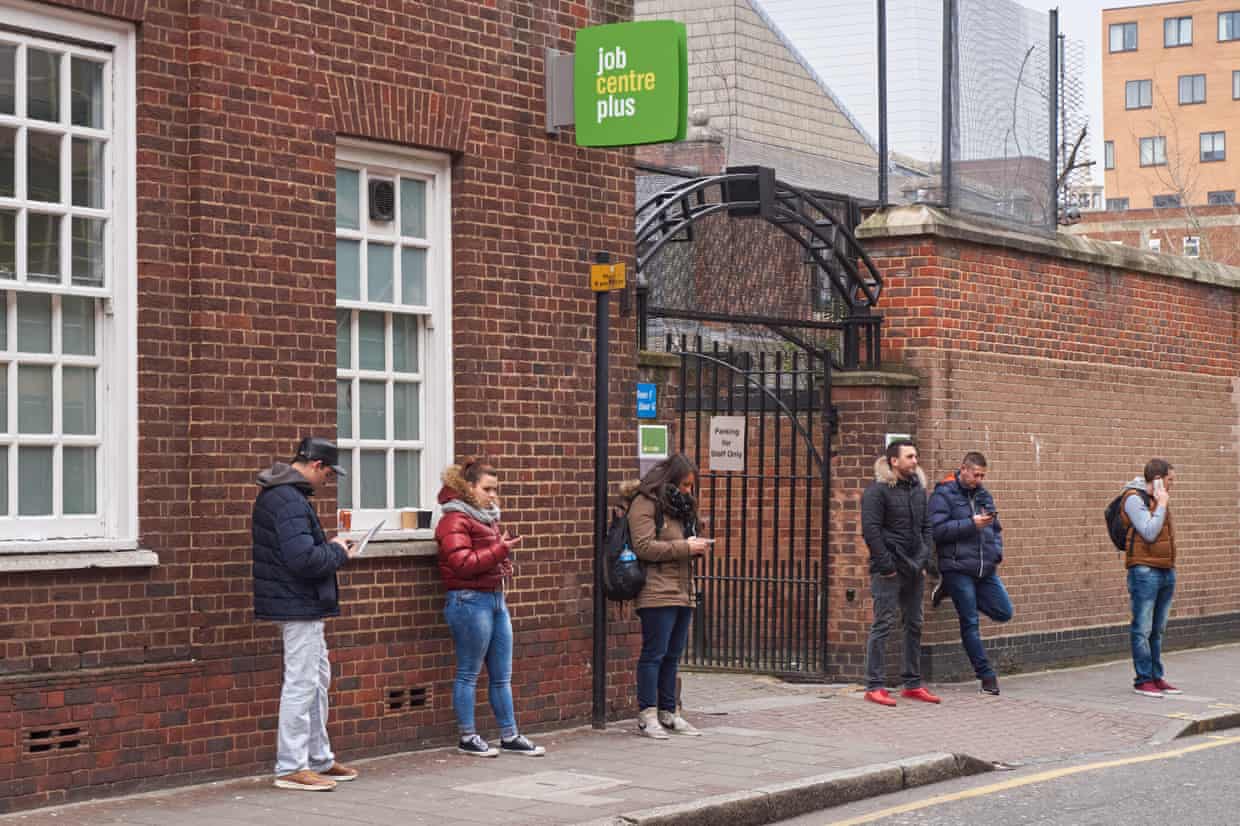
People aged under 25: are you still looking for a job after a year of unemployment?
Are you under 25 and still looking for a job after a year of unemployment? If so, we would like to speak to you.The latest official figures from the Office for National Statistics showed unemployment increased to 5.2% in the final quarter of 2025, the highest rate since the start of 2021. Young people have been bearing the brunt of this rise, with 16% of those aged 16-24 unemployed, nearly an 11-year-high.We are looking to speak to a range of young people including university graduates, school leavers who didn’t go on to higher education, those who took up apprenticeships and anyone else in between who has been out of a job, despite looking for work, for 12 months or more

NHS was ‘on brink of collapse’ during pandemic, Covid inquiry finds
The NHS “teetered on the brink of collapse” during the Covid pandemic and only managed to survive thanks to the “superhuman” efforts of healthcare workers, an official inquiry has concluded.In a damning assessment of how the UK’s healthcare systems dealt with the unprecedented pressure of the pandemic, the Covid-19 inquiry chair, Heather Hallett, said the impact of the virus was “devastating” due to the NHS being in a “parlous state” before the outbreak.She said Covid patients did not always receive the care they needed, with some diagnoses and treatments coming too late to save lives.“Healthcare systems coped with the pandemic, but only just,” said Lady Hallett, a former court of appeal judge. “On a number of occasions, they teetered on the brink of collapse and only coped thanks to the almost superhuman efforts of healthcare workers and all the staff who support them

‘She didn’t want that pain’: Paola Marra’s brother despairs of Lords block on assisted dying bill
Two years after Paola Marra, on the eve of her death, appealed to politicians to change the law on assisted dying, the terminally ill adults (end of life) bill is stuck in the House of Lords. For her brother, the second anniversary of her death will be spent protesting outside parliament.Marra died aged 53 on 20 March 2024. She documented her solo journey from north London to Dignitas in Switzerland in photographs and a short film by the photographer Rankin, released posthumously, as well as in a powerful interview with the Guardian.The Canadian-born former music industry and charity worker ended her life after suffering with terminal breast and bowel cancer

Ministers announce huge expansion of electronic tagging in England and Wales
Tens of thousands of offenders will be released from prisons in England and Wales wearing tags that track their location in real time as part of the biggest expansion of electronic tagging in British history, ministers have announced.The prisons minister, James Timpson, said a new pilot scheme would track domestic abusers and stalkers, alerting authorities if they approached their victims, while other offenders will wear geolocation tags that will enable probation officers to track their live location.Under the plans, the vast majority of ex-offenders leaving prison will be tagged under a “presumption … as part of intensive supervision with the Probation Service”, but probation officers will have fewer meetings with “low-risk” prisoners to focus on the most prolific and high-risk offenders such as terrorists, murderers and prolific sex offenders.“This is the biggest expansion of tagging in British history and means the most dangerous offenders will now be watched more closely than ever before,” said Lord Timpson.The government has taken the dramatic move after an overcrowding crisis in prisons, which last year saw tens of thousands of prisoners released early under an emergency government scheme

Watchdog takes over running of home for adults with learning disabilities
The charity watchdog has taken control of a learning disability care home in Northamptonshire that is under investigation after residents’ families raised concerns over its management, including payments of £1m to a trustee.The Charity Commission has appointed an interim manager to run William Blake House, which faces potential insolvency in three weeks’ time if it cannot head off a winding-up order brought by the tax authorities over £1.6m in unpaid tax bills.The move, which freezes out the current board of trustees, is a victory for an activist group of families whose adult children are residents at the home. They campaigned for change after discovering the parlous state of the charity’s finances last autumn
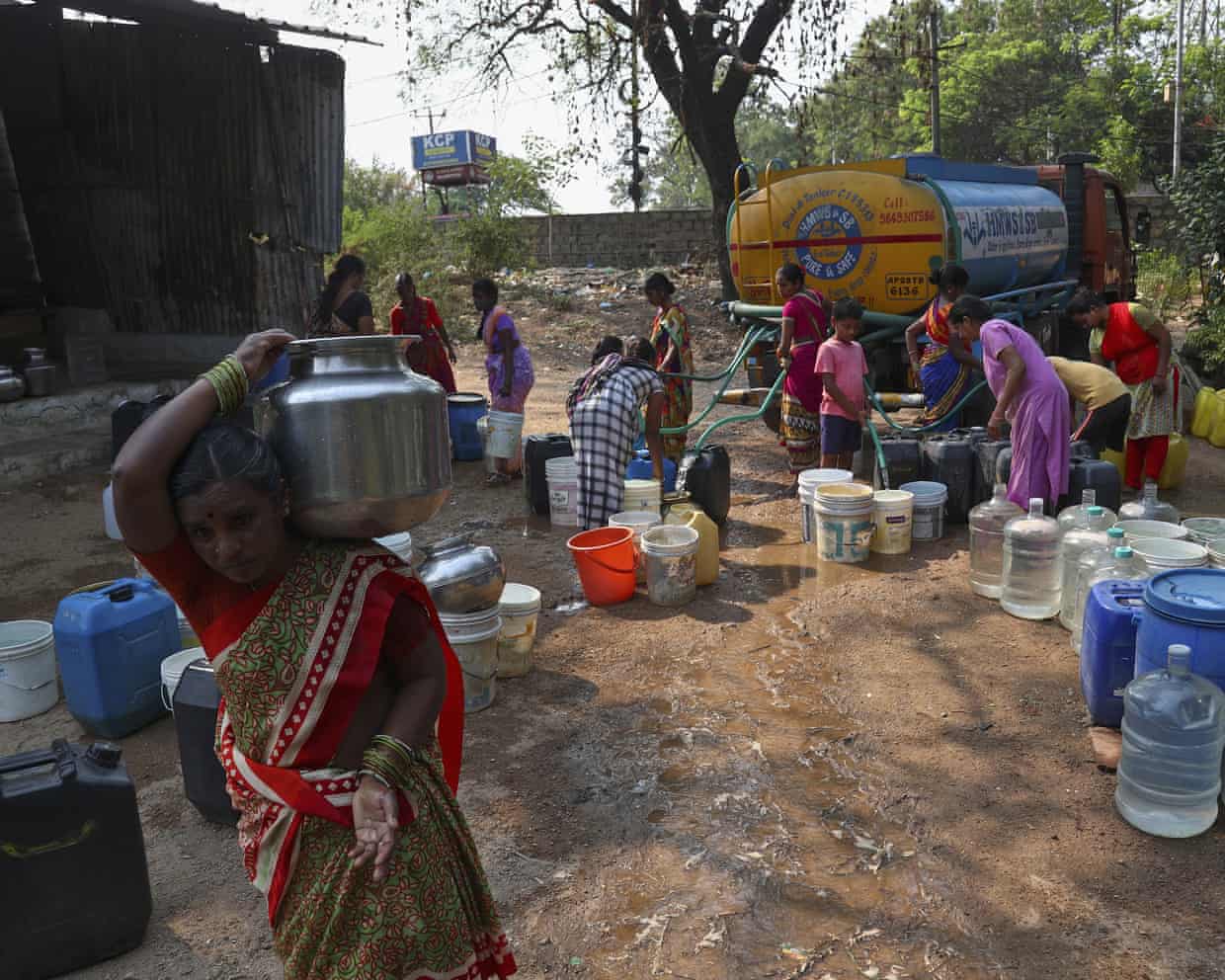
Women and girls bearing brunt of water shortages globally, UN warns
Women and girls are bearing the brunt of water shortages and a lack of sanitation around the world, hindering the economic and social development of poorer countries, the UN has warned.Women are responsible for collecting water in more than 70% of rural households that do not have access to mains water across the developing world. Women and girls collectively spend 250m hours a day collecting water globally.The climate crisis is exacerbating the problem, according to a new report from the UN. A 1C rise in temperature reduces incomes in female-headed households by 34% more than in male-headed ones, while also causing women’s weekly labour hours to increase by an average of 55 minutes relative to men’s
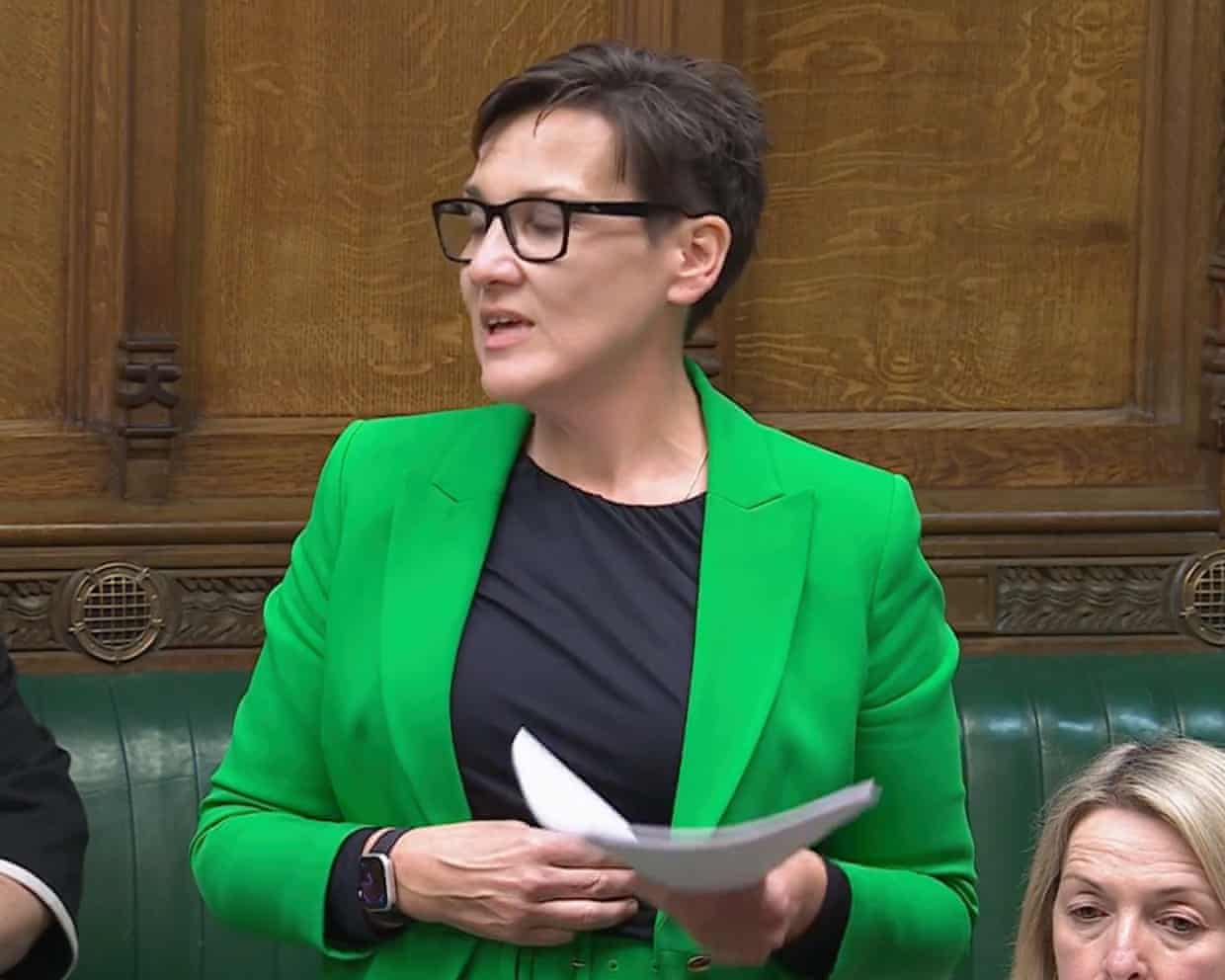
Peers vote to back clause pardoning women convicted over illegal abortions
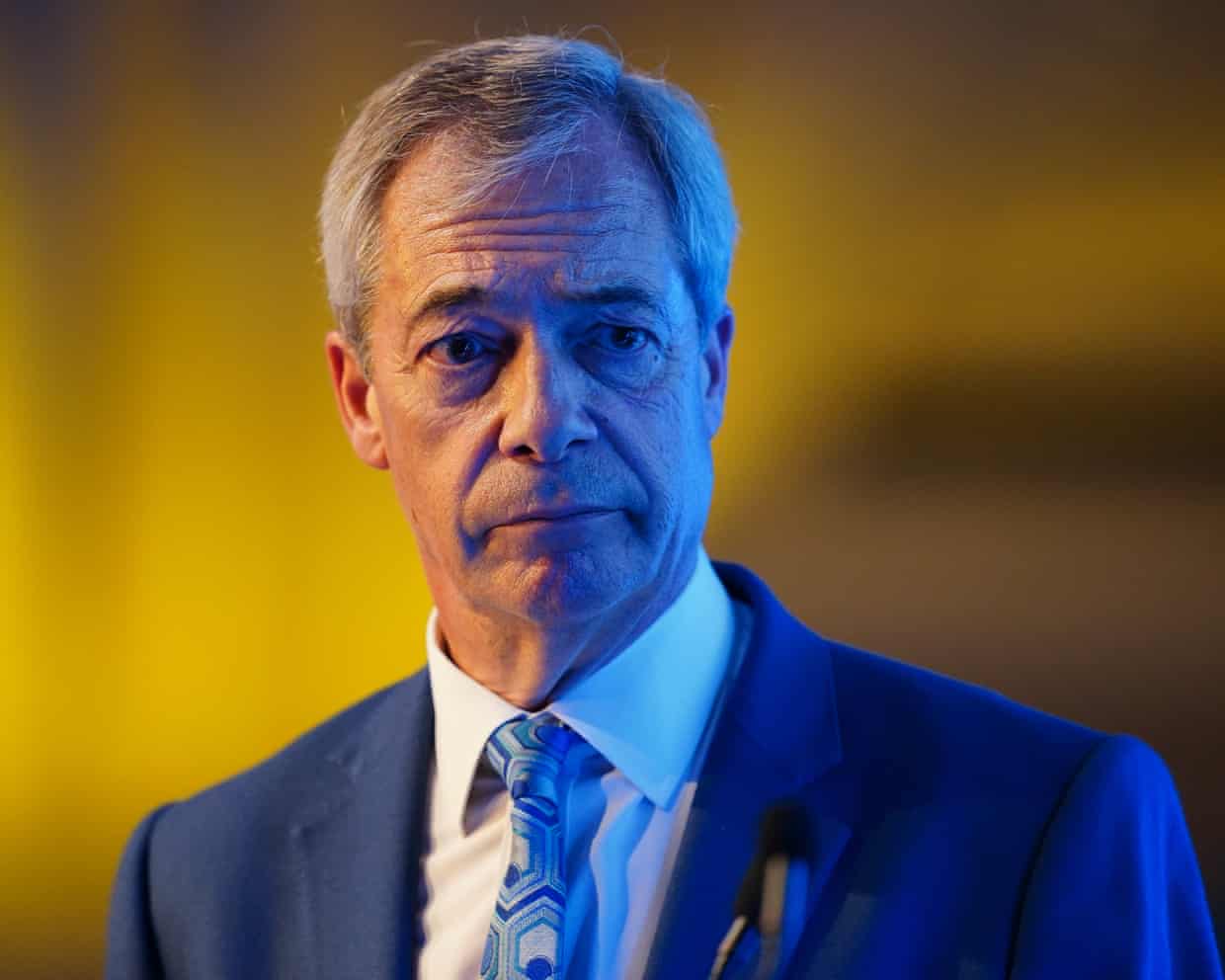
Farage backs Tory attack on Muslim iftar event, saying public prayer ‘was a shock’ – UK politics live

Kemi Badenoch channels her fantasies as she launches the Tories’ local election campaign | John Crace

Kemi Badenoch backs Nick Timothy after he calls Islamic public prayers ‘act of domination’
Ban corporate donations to UK political parties to protect elections, says thinktank

Sadiq Khan urges Labour to campaign on rejoining EU at next election