Lloyd’s of London stresses it is still insuring shipping in strait of Hormuz
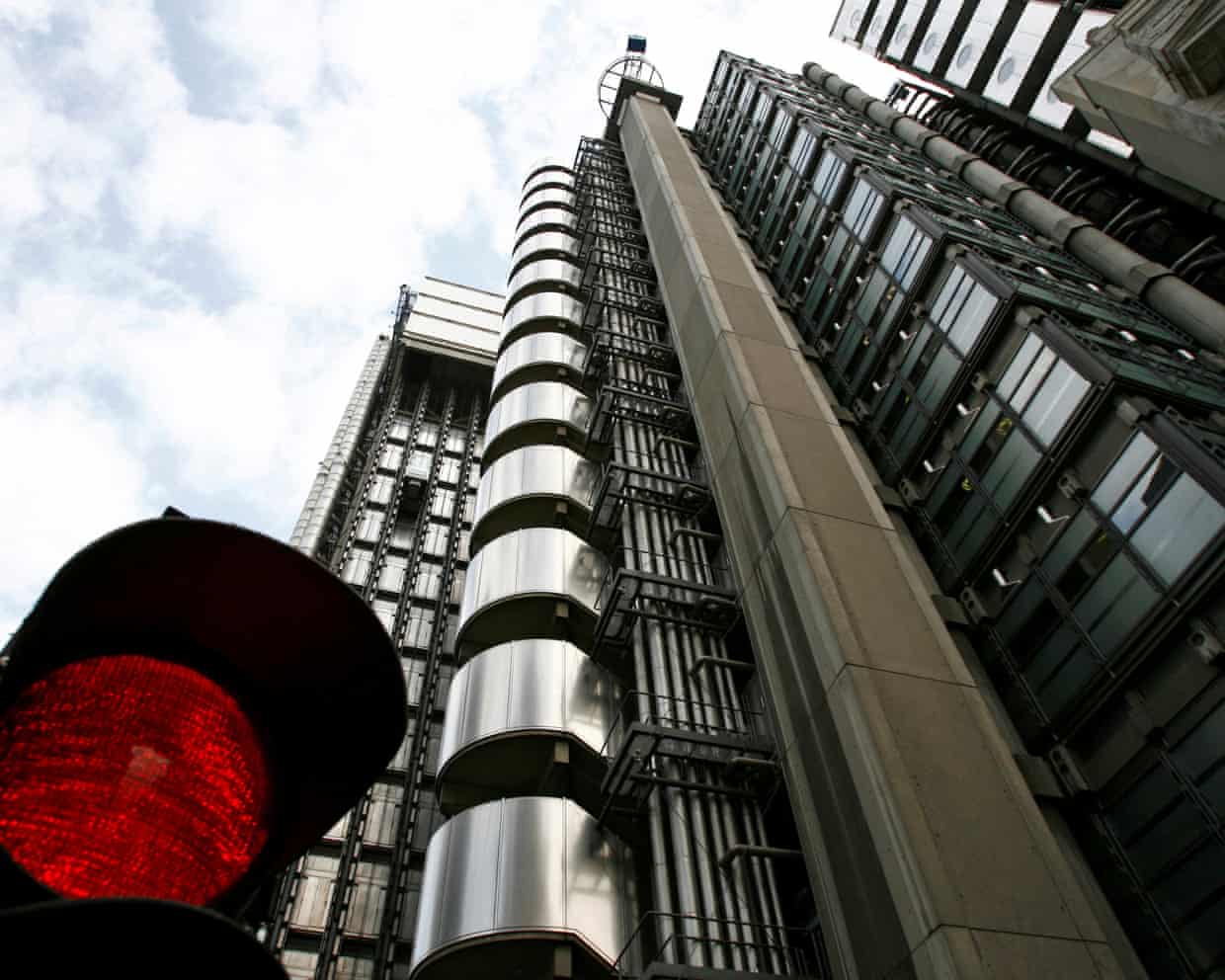
There is a price for everything: even the cost of insuring a ship travelling through the strait of Hormuz.Donald Trump’s proposals for the US to provide political risk insurance for seaborne trade in the Gulf may have given the impression a lack of cover was the reason why traffic through the key waterway has almost halted.However, Lloyd’s of London, the heart of maritime insurance globally, emphasises it has not stopped providing contracts to those who ask – although at the right tariff.Fending off criticism over cancelled policies and sharp price rises, Lloyd’s said it still provided insurance cover for hull and cargo for vessels in the Persian Gulf and the Gulf of Oman, including in the strait of Hormuz.However, last week it extended the restricted areas where clients needed to notify insurers to agree an appropriate premium in terms of the risk.
About 500 oil and gas tankers, 500 container ships and six cruise ships have been trapped either side of the Hormuz channel since Iran made it a no-go zone by threatening to attack any vessel passing through.Just 66 ships have made it through since the war started.In normal times, roughly a fifth of global oil supplies and seaborne gas shipments use the route.According to the broker Marsh, insurance rates for physical war damage to a vessel have risen to between 1% and 1.5% of the ship’s insured value – up from 0.
25% before the Iran conflict began.With oil tankers valued at between $17m and $100m last year, depending on size and age, this would mean shipping companies paying up to hundreds of thousands of dollars more per voyage.Analysts at Jefferies said: “It’s our base case that all ships currently in the Gulf will have had their policies cancelled, and almost all of these will have reinstated it at the new (much higher) price.” They added: “It seems likely to us that the war risk insurers will have had the opportunity to specifically exclude (or separately charge for) certain actions, such as sailing through the strait of Hormuz.”On Friday, the US government announced a $20bn reinsurance facility for hull and cargo cover (but excluding pollution cover when ships are sunk), and said it was working with US insurers.
Analysts have cast doubt on the effectiveness of the facility.The UK chancellor, Rachel Reeves, told MPs on Wednesday she was working with Lloyd’s, the US administration and other key allies “trying to reopen the strait of Hormuz and making sure that vessels feel confident to travel through it, and that insurance products are available at right prices”.She added: “At the moment, the issue is not so much insurance products, but the safety of captains and crews of those vessels.”The Lloyd’s chair, Sir Charles Roxburgh, who met Reeves on Monday, echoed those comments.He added: “In my meeting with the chancellor, I reiterated Lloyd’s confidence in our marine insurance market, which has remained open and continues to support international trade and shipping during this period of heightened risk.
”He said Lloyd’s and the market continued to work with key UK, US and international partners to ensure a “comprehensive response to the situation”,The insurance market, which traces its roots back to a London coffee house in 1688 owned by Edward Lloyd, where sailors, merchants, and shipowners met to secure marine insurance and exchange gossip, has sought to defend its decisions to cancel war risk policies in the Middle East and increase prices,Neil Roberts, head of marine and aviation at the Lloyd’s Market Association, which represents 59 Lloyd’s managing agents and members’ agents, said: “War insurance is provided by a dynamic market and new rates can be negotiated to reflect the changed risk profile in a three-way discussion between underwriters, insureds and their brokers,“The current Gulf conflict is seeing market participants adjust from a relatively peaceful norm, to one where there are multiple strikes on vessels,”
Drug that prevents hot flushes to be available on NHS in England
More than 500,000 women in England are to be offered a drug on the NHS that prevents hot flushes.The green light for Veoza, also known as fezolinetant, comes after the medicines watchdog, the National Institute for Health and Care Excellence, on Wednesday authorised it for use.Hot flushes, also called vasomotor symptoms, affect about 70% of women going through menopause. Women can suddenly and overwhelmingly feel hot, which often has an impact on their quality of life, exercise, sleep and productivity.Despite the enormous numbers of women affected, for decades there have been few safe and effective treatment options
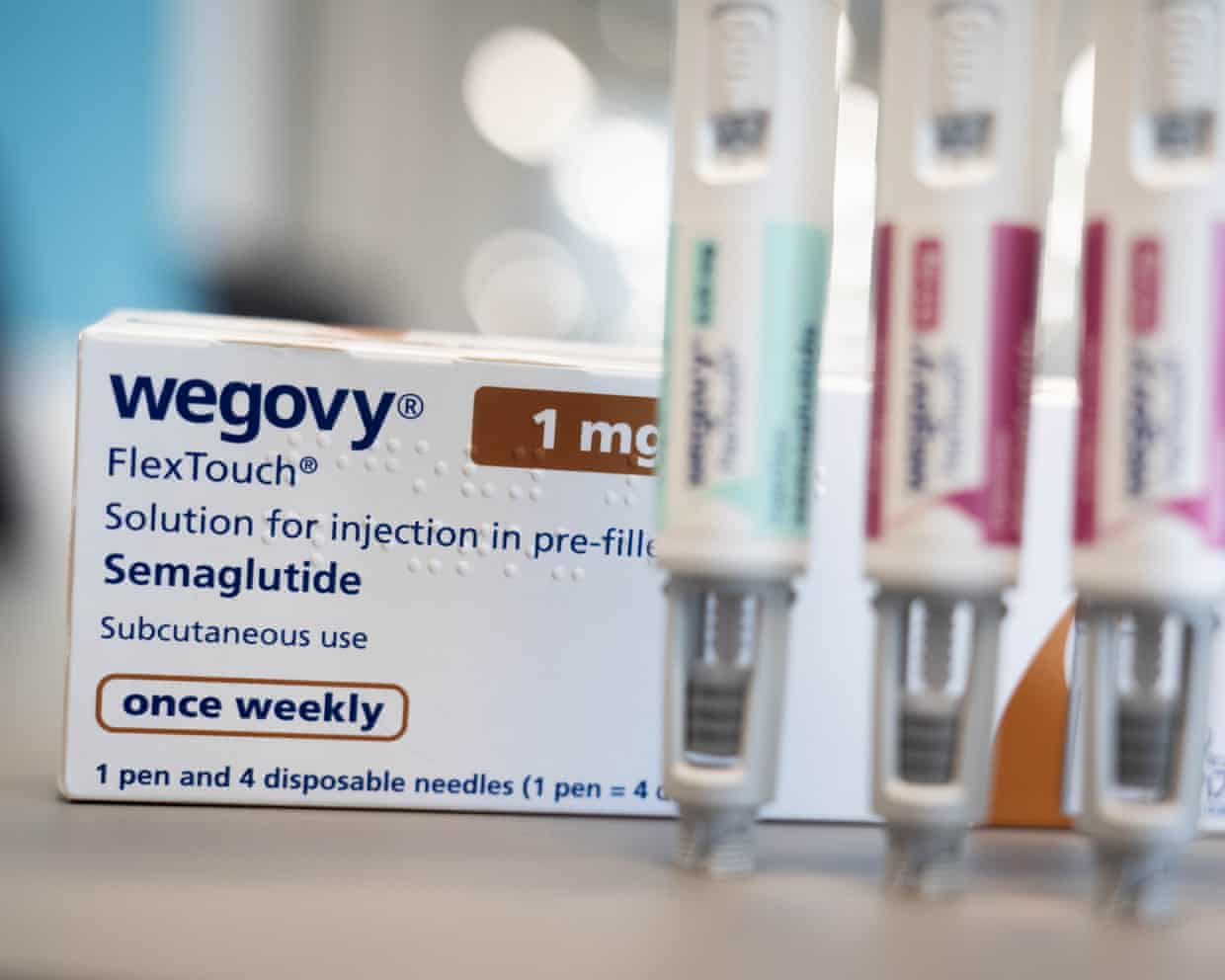
Wegovy users have five times greater risk of sudden sight loss than Ozempic users, study finds
Patients taking Wegovy have nearly five times the risk of sudden sight loss of those on Ozempic, a large-scale study has found.Glucagon-like peptide-1 receptor agonist (GLP-1 RA) medicines such as semaglutide (sold as Wegovy, Ozempic and Rybelsus) and tirzepetide (sold as Mounjaro) help reduce blood sugar levels, slow digestion and reduce appetite, and have been linked to reduced risks of heart attack, fewer drug overdoses and other health benefits.But a study, published in the British Journal of Ophthalmology, found that patients taking Wegovy for weight loss had a fivefold greater chance of developing non-arteritic anterior ischemic optic neuropathy (Naion) than the diabetes drug Ozempic, while men had a three times greater risk than women.These “eye strokes” cause sudden and usually permanent vision loss (pdf) due to reduced blood flow to the optic nerve.Although rare, affecting around one in 10,000 people who take semaglutide, there was “a potential dose-dependent safety concern” for the drug, the study found
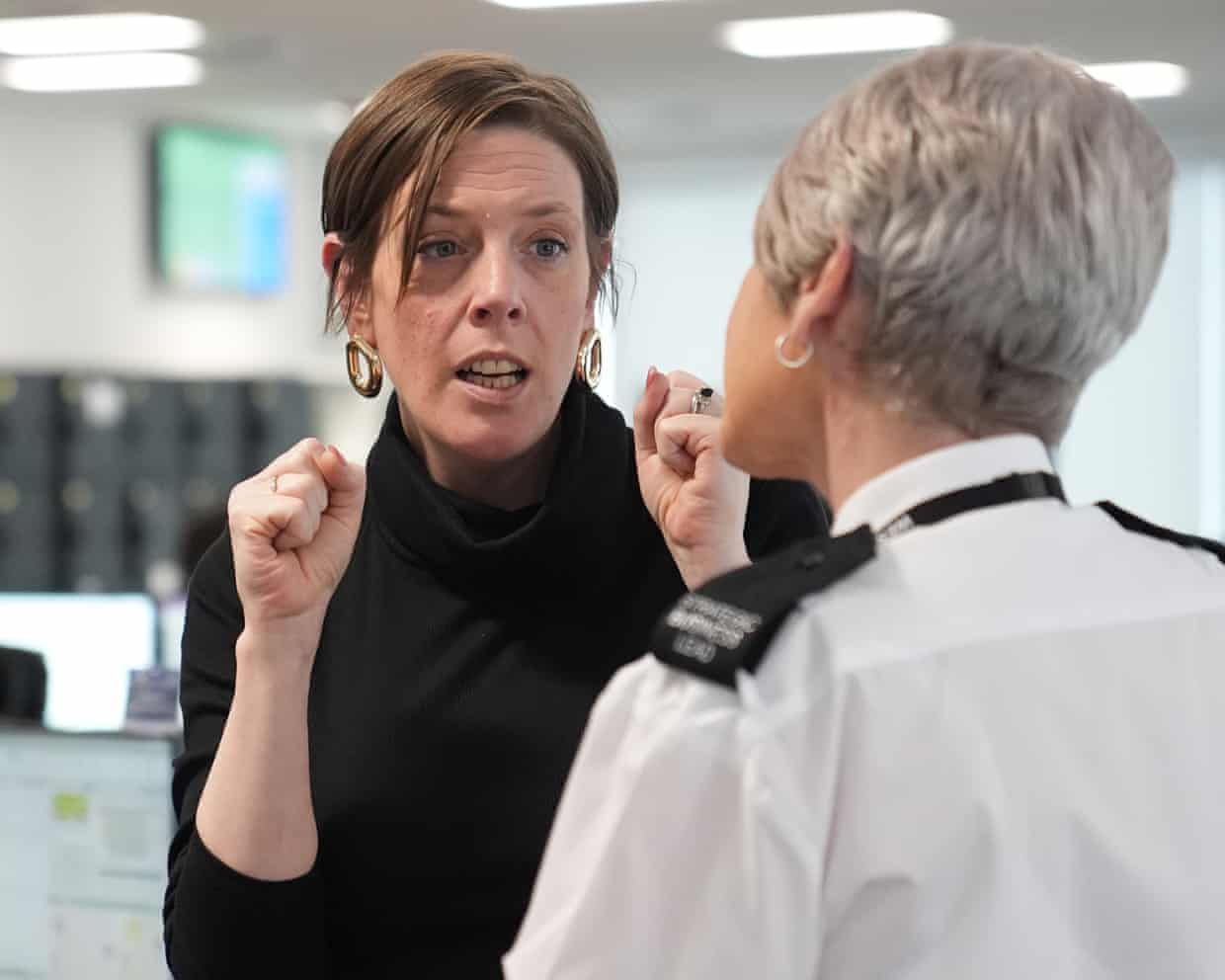
Jess Phillips reveals she is ‘victim of courts backlog’ as jury trial bill passes
A man accused of breaching a restraining order related to Jess Phillips will not have his case heard in the crown court until 2028, the Labour minister has revealed, as MPs voted in favour of controversial plans to scrap some jury trials.During an emotive day in the House of Commons, the Labour MP for Warrington North, Charlotte Nichols, said she had been raped after an event she attended as a member of parliament but did not support the bill and felt that ministers had weaponised victims.Her statement came after hours of debate during which concerns were raised about an “attack” on a fundamental principle of the justice system in England and Wales.MPs voted 304 to 203 in favour of the courts and tribunals bill, which passed its second reading in the Commons. It includes measures to scrap some jury trials, remove the automatic right of appeal from magistrates courts and introduce a new criminal court
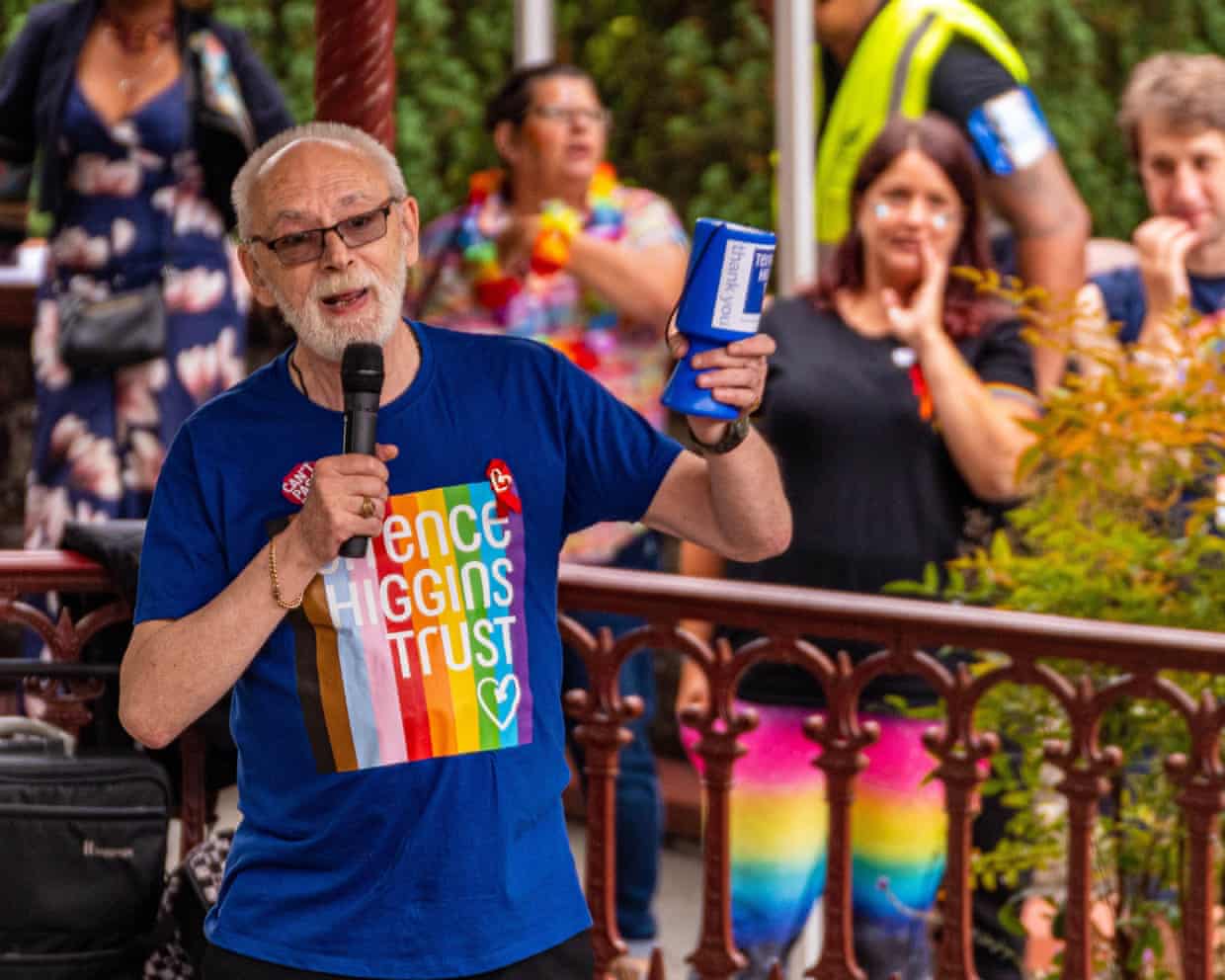
Martyn Butler obituary
In 1982, Martyn Butler co-founded the Terrence Higgins Trust, the first organisation in Europe to respond to the health crisis caused by HIV/Aids, and now Britain’s leading HIV charity. It was the death in July that year of his friend, Terry Higgins – one of the first named people to die of an Aids-related illness in the UK – that spurred Martyn, along with Terry’s partner, Rupert Whitaker, to act.Martyn, who has died aged 71, and Rupert launched the trust with the help of friends to raise money for medical research, but the sums required were huge and would have to be provided by governments and the pharmaceutical industry.However, there was a need for a community response to the new disease. London Lesbian and Gay Switchboard was swamped with calls from worried people, so in 1983 it joined with the Gay Medical Association and the fledgling Terrence Higgins Trust to call a conference at Conway Hall in London, the first on Aids in the UK

We need a national plan to tackle the health inequity that is killing people | Letters
How could I fault Aditya Chakrabortty’s account of the failure to prioritise the nation’s health as he cites me as its inspiration (This is a life and death story for the UK – so why is it being brushed under the carpet?, 6 March). However, it is important to emphasise that the government is well aware of the gross health inequities that scar our nation and limit lives as well as economic prosperity, but chooses not to prioritise them. The ministerial response last month to the House of Lords report on ageing contains this shocking statistic: a girl born in Barnsley can expect an average of 53 years of good health, whereas one born in Wokingham can look forward to 71 healthy years – an extra 18 years.Throughout the country deprivation accelerates ageing, which for many means an unnecessary premature exit from the labour market and premature need for social care. But the main focus of health policy is the manifesto commitment to reduce NHS waiting times, a target that has very little impact on health inequity
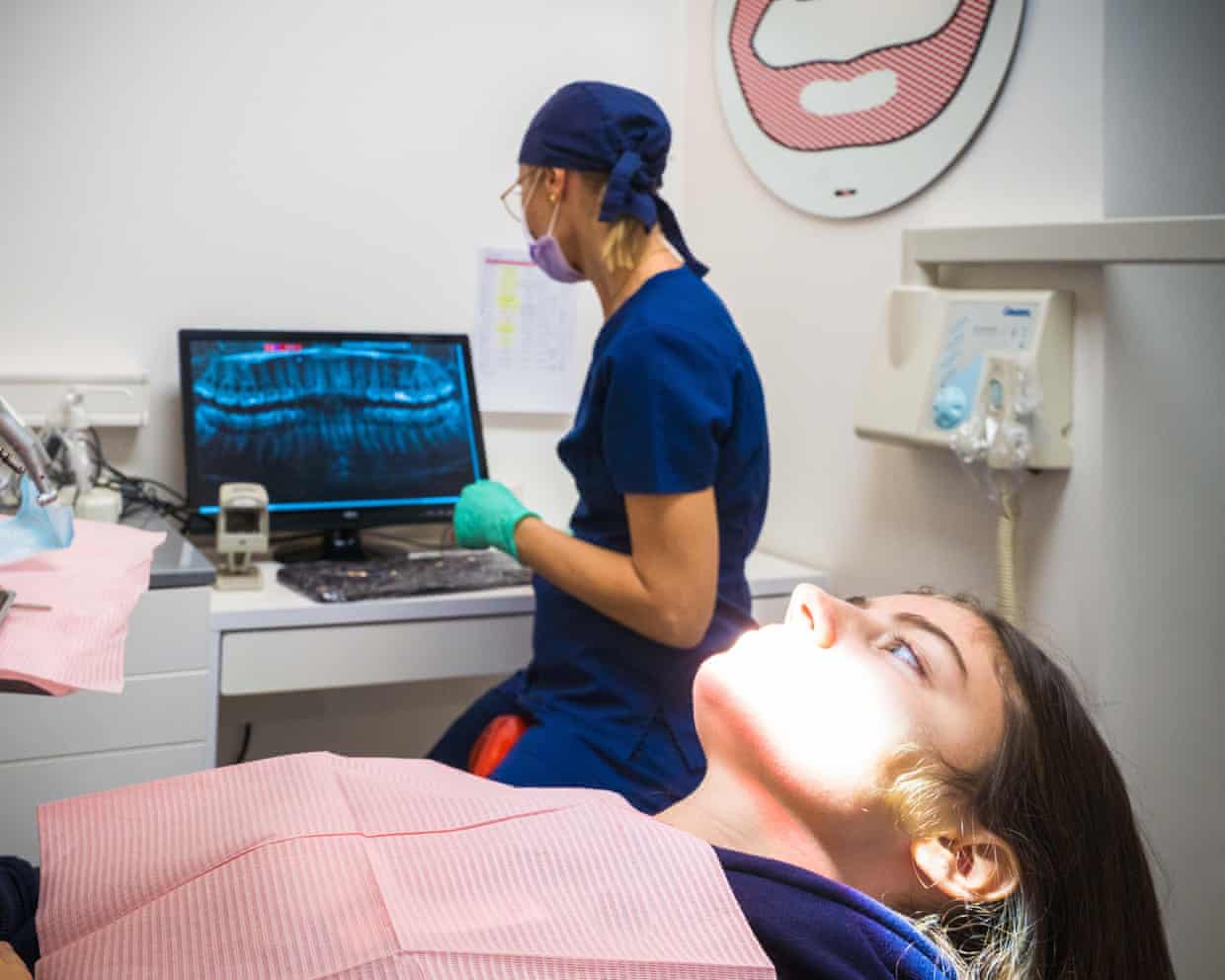
Almost a third of people in England use private dentists amid NHS dental crisis
Almost a third of people in England now use private dentistry, with a sharp rise in the number of poorer households forced to pay for fillings and extractions.The scarcity of NHS care means the proportion of people turning to private dental services jumped from 22% in 2023 to 32% late last year, the health service’s patient watchdog found.The reliance on paid-for treatment is so significant that dental care is becoming a costly “one tier” – private-only – service for more and more people, Healthwatch England is warning.It is concerned that the percentage of people who describe themselves as struggling financially that have used private dentistry has almost doubled in recent years from 14% to 27%.Those who do are hit with a “double penalty”, the watchdog added
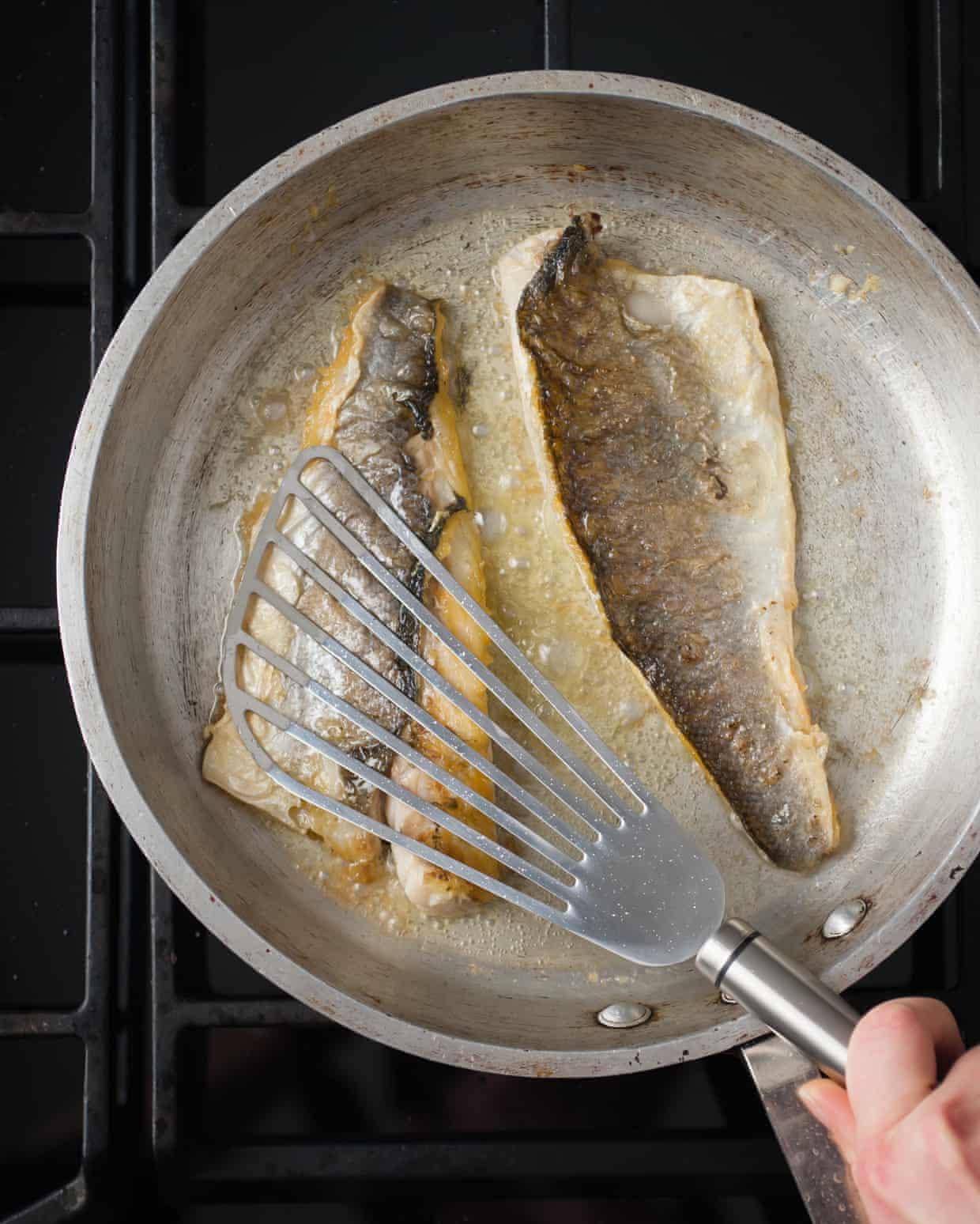
What’s the secret to crisp-skinned fish? | Kitchen aide
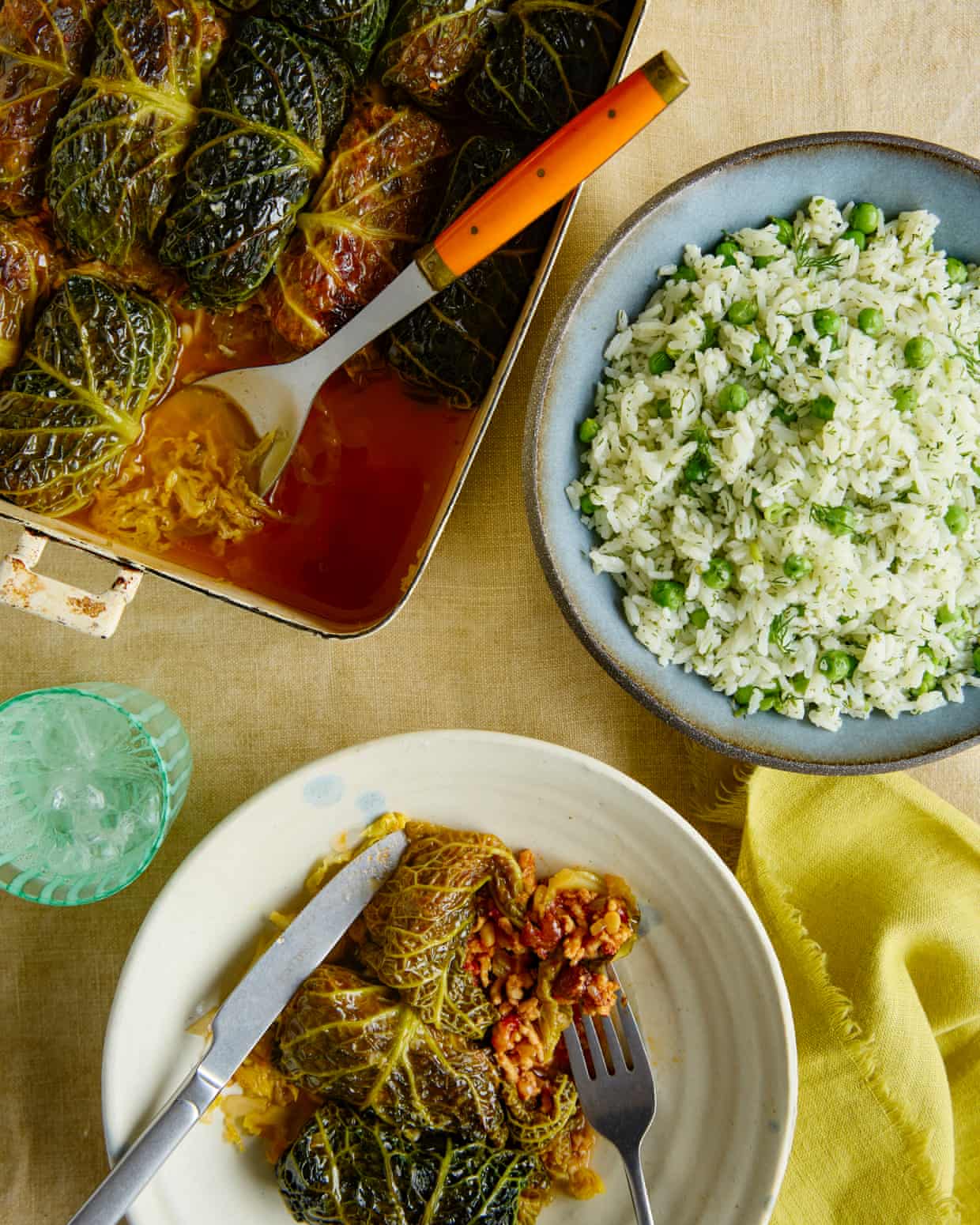
Thomasina Miers’ recipe for stuffed cabbage in white wine and escabeche, with buttered dill and pea rice | Sunday best
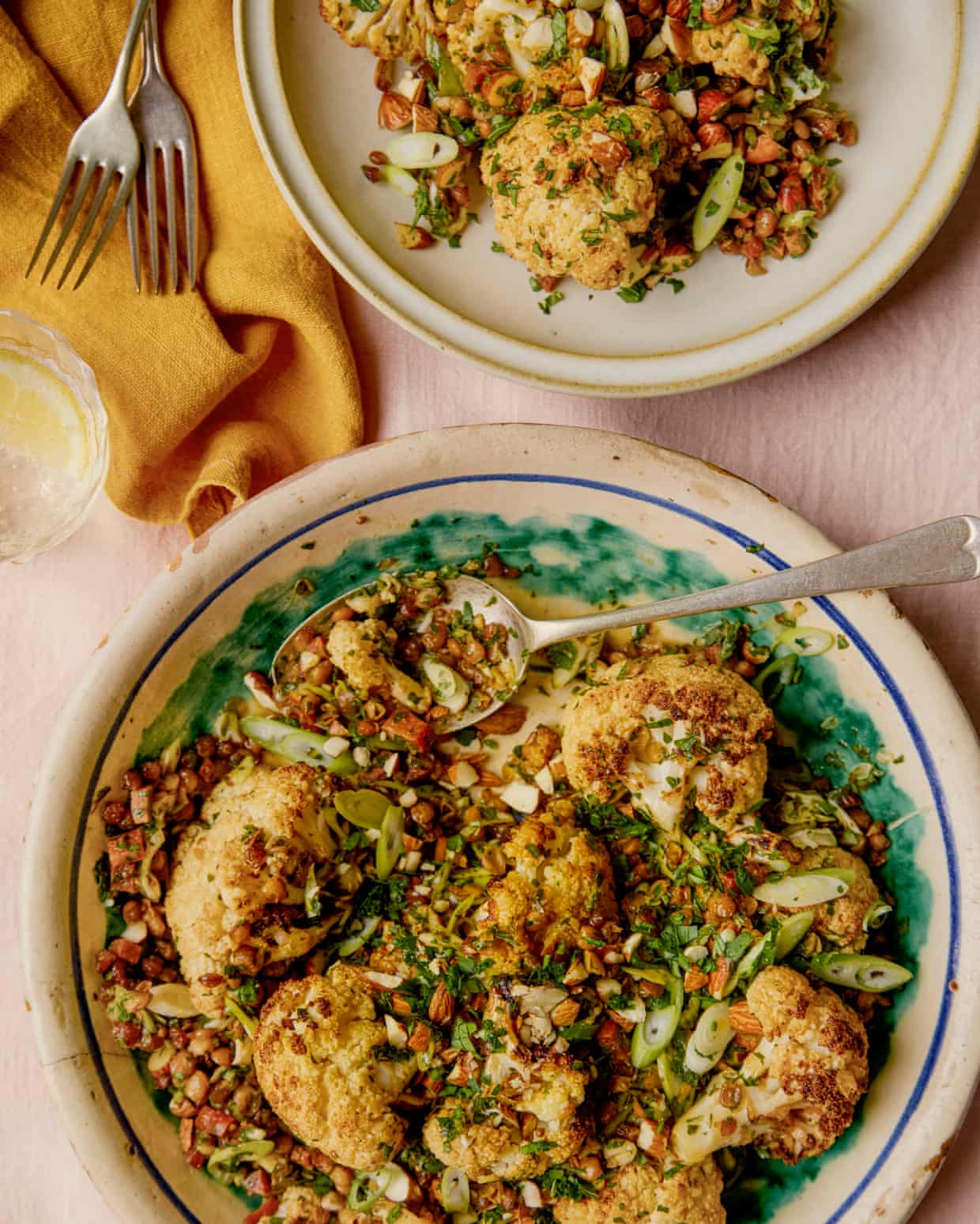
Georgina Hayden’s quick and easy recipe for cauliflower, lentils and chorizo | Quick and easy
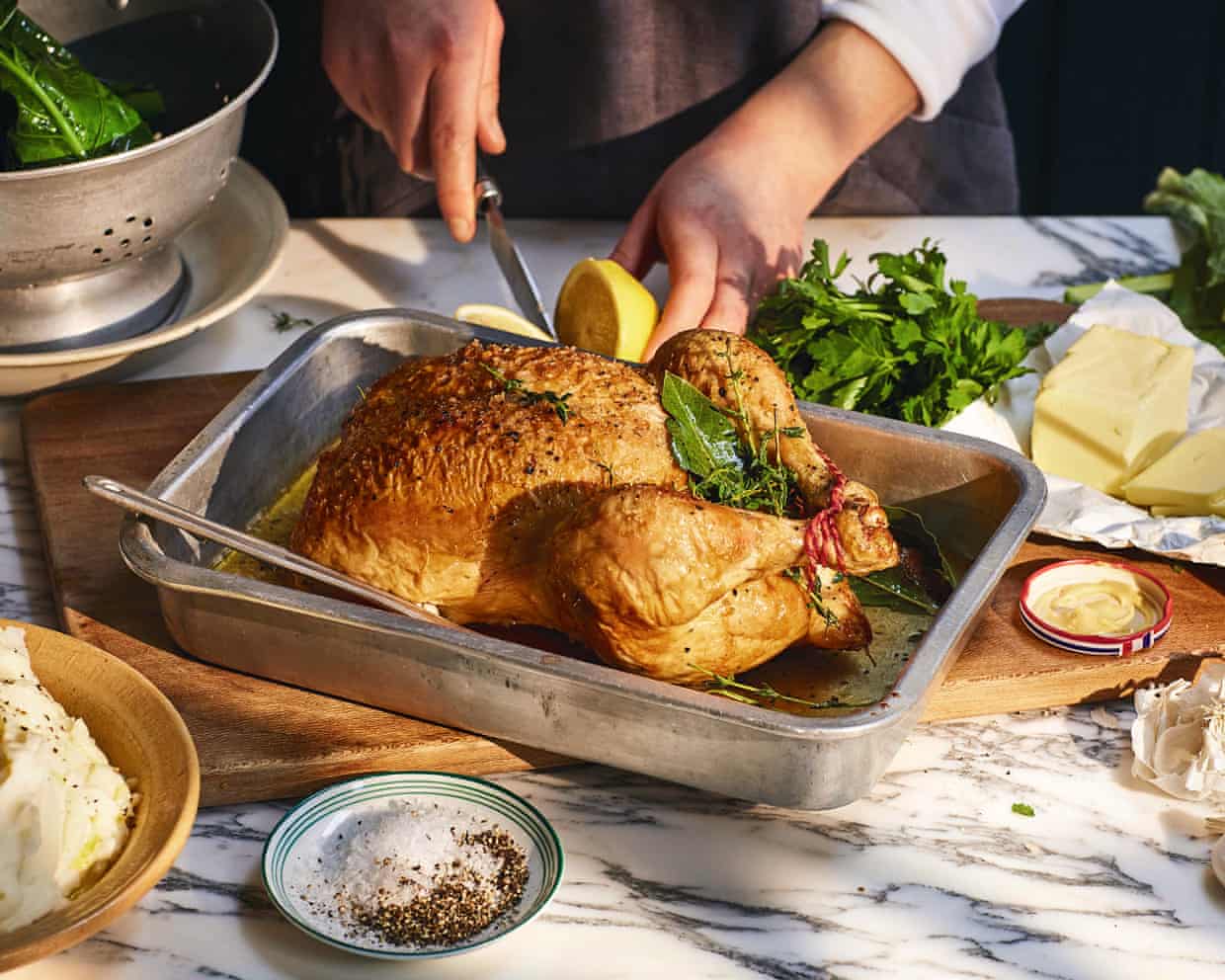
Meal-breakers: can any relationship survive food incompatibility?

How to make salt and pepper squid – recipe | Felicity Cloake's Masterclass
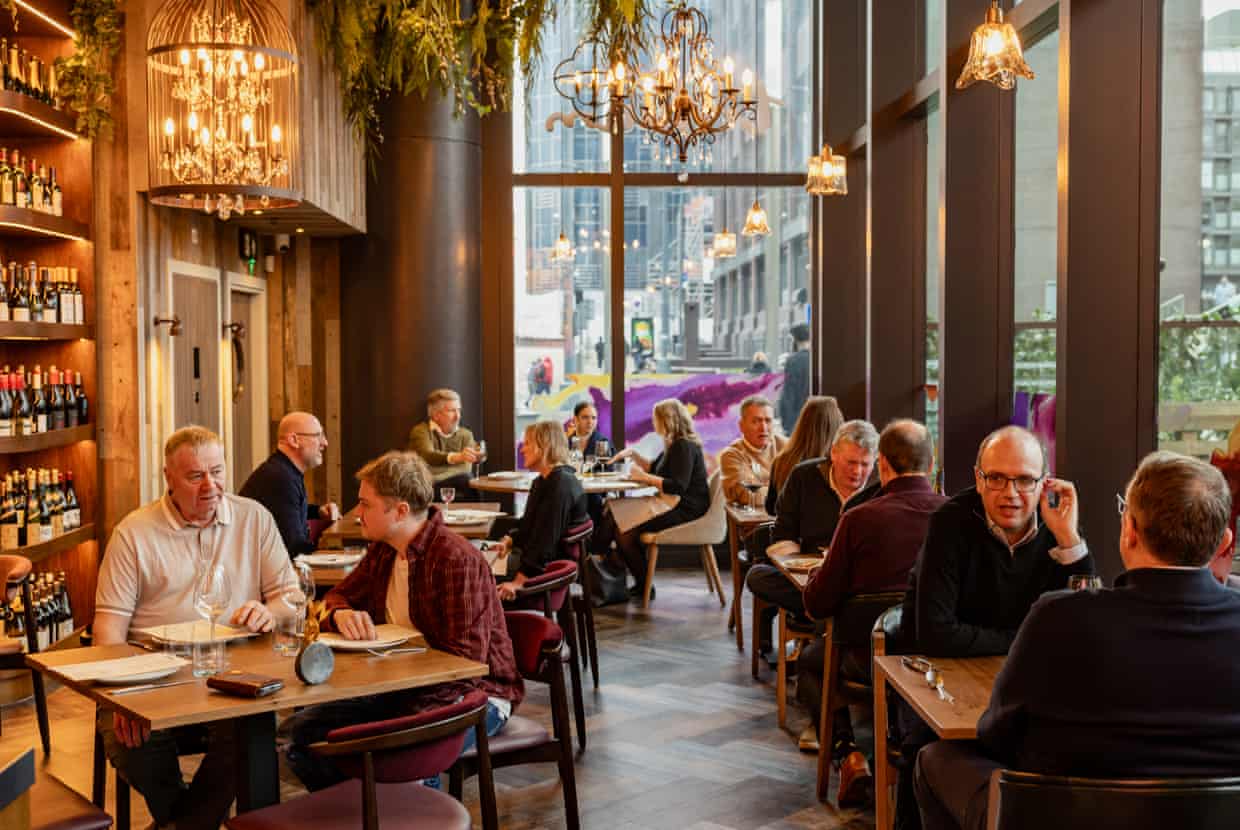
Trillium, Birmingham B4: ‘There’s a general feeling of people – gasp! – actually enjoying life’ – restaurant review | Grace Dent on restaurants