Starmer is facing a cocktail of dissent that is growing ever more potent
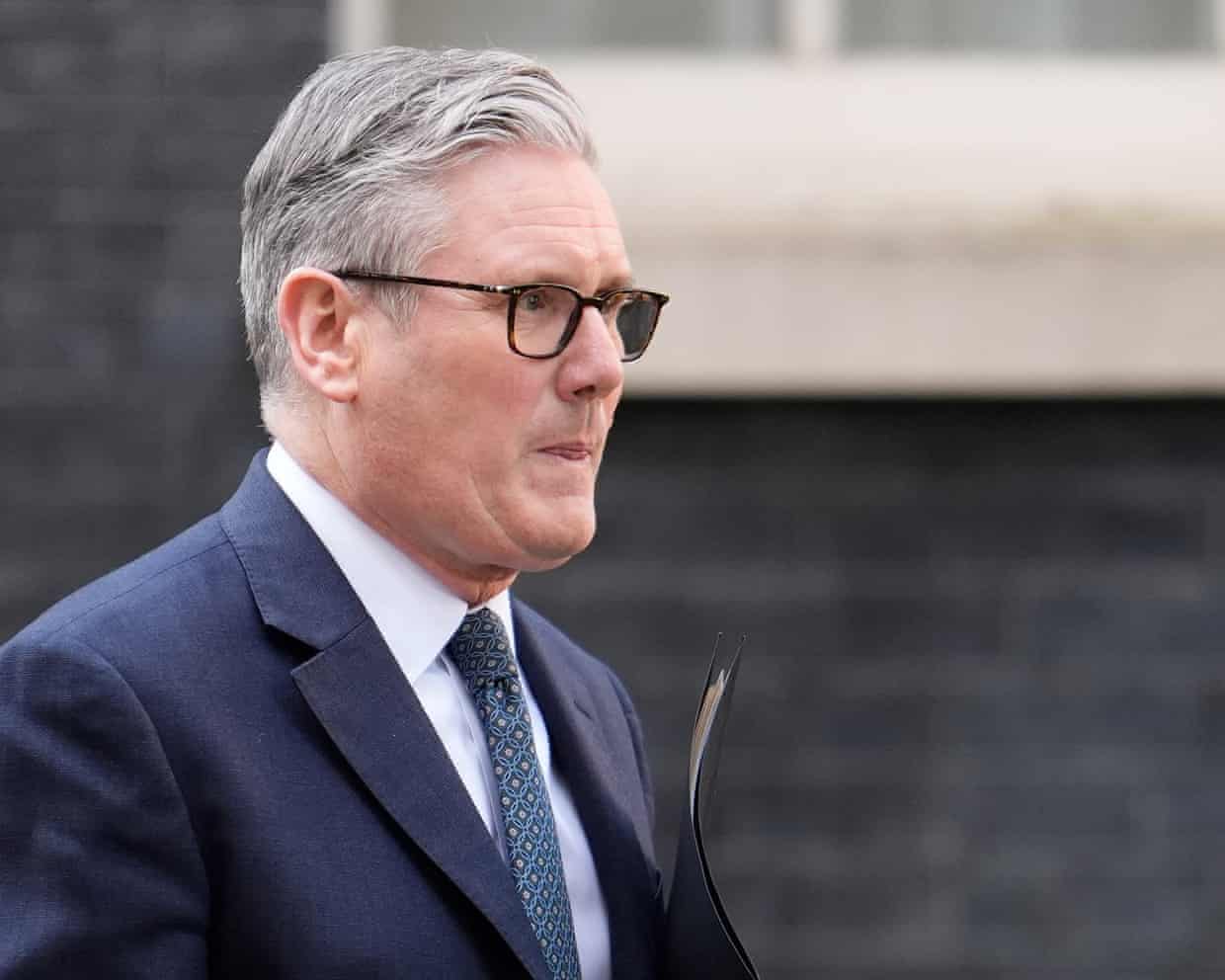
But for the Iran crisis, Labour’s first major policy announcement since the party’s calamitous defeat in the Gorton and Denton byelection would have been arguably the biggest political story of the week.Shabana Mahmood, the home secretary, pressed ahead with what is intended to be the party’s full-throated answer to the competition it faces from Reform UK as she declared an end to permanent refugee status and the removal of state support from some asylum seekers.It immediately put her on a collision course with many Labour backbenchers, but it also left the party’s soft-left majority, who had been pushing for a more progressive offering in recent weeks, asking: “Is that it?”The victory speech in Gorton and Denton by Hannah Spencer, the newly minted Green party MP, contained the sort of lines that many on Labour’s backbenches yearn to hear their leader utter, or even nod towards.Hard-working people had become “sick of making other people rich” and now wondered what their toil would yield, said the young plumber.Yet while Keir Starmer’s troops expected at least some red meat this week from their party’s leadership to counter the Green challenge for economically squeezed traditional Labour voters, his instinctive response was to send a letter to MPs in which he repeated an attack line that sought to paint Zack Polanski’s party as extremist.
Several at the parliamentary Labour party meeting on Monday took issue with the letter’s message, and a senior minister shared their disappointment with the Guardian that Starmer had not responded to the loss of Gorton by talking about the cost of living,Without any progressive offer for Labour MPs, the prime minister now faces a mounting rebellion over Mahmood’s plans, which had been intended to at least cauterise the issue of immigration with the public and could create room to lean leftwards,The MPs’ revolt includes a letter organised by Tony Vaughan, the Labour MP for Folkestone and Hythe, who said it was signed by 100 colleagues who believed the proposals undermined the government’s commitment to integration and social cohesion,Another backbencher, Stella Creasy, used a Guardian article to set out a vision of what she described as “True Labour” – an alternative path for the party to the Blue Labour doctrine associated with Morgan McSweeney, Starmer’s recently departed chief of staff,Behind the scenes, Labour MPs were openly divided after being told by party chiefs to share Mahmood’s migration proposals.
“Absolutely not,” responded one, with others echoing the sentiment, while others defended the plans.Those Labour MPs hoping that McSweeney’s departure last month might have freed their leader from what some had come to view as a Rasputin-like influence would have been disappointed by Starmer’s laudatory speech at his former aide’s leaving do in a Westminster pub on Wednesday night.Since his departure, Labour MPs had hoped they might have more say in policy formulation.No 10 has been working to improve relations with backbenchers, with invites to Chequers and more conversations with aides.But many feel it is not enough, citing what they said was limited opportunity for input into Mahmood’s proposals.
Others feel the same about next week’s plans for courts reform.This all makes for a heady cocktail of dissent for the prime minister as the clock ticks down to local elections in May, when an expected Labour electoral bloodbath – some of it at the hands of the Greens – could be a perilous moment for his leadership.Even in a week when Starmer was focused on the Middle East, it will not have escaped his attention that Angela Rayner and Andy Burnham – two potential soft-left leadership rivals – were making eye-catching speeches.Labour MPs will also have been reminded of their availability.
Royal Mail criticised as first-class stamp price rises to £1.80 despite ‘failing service’
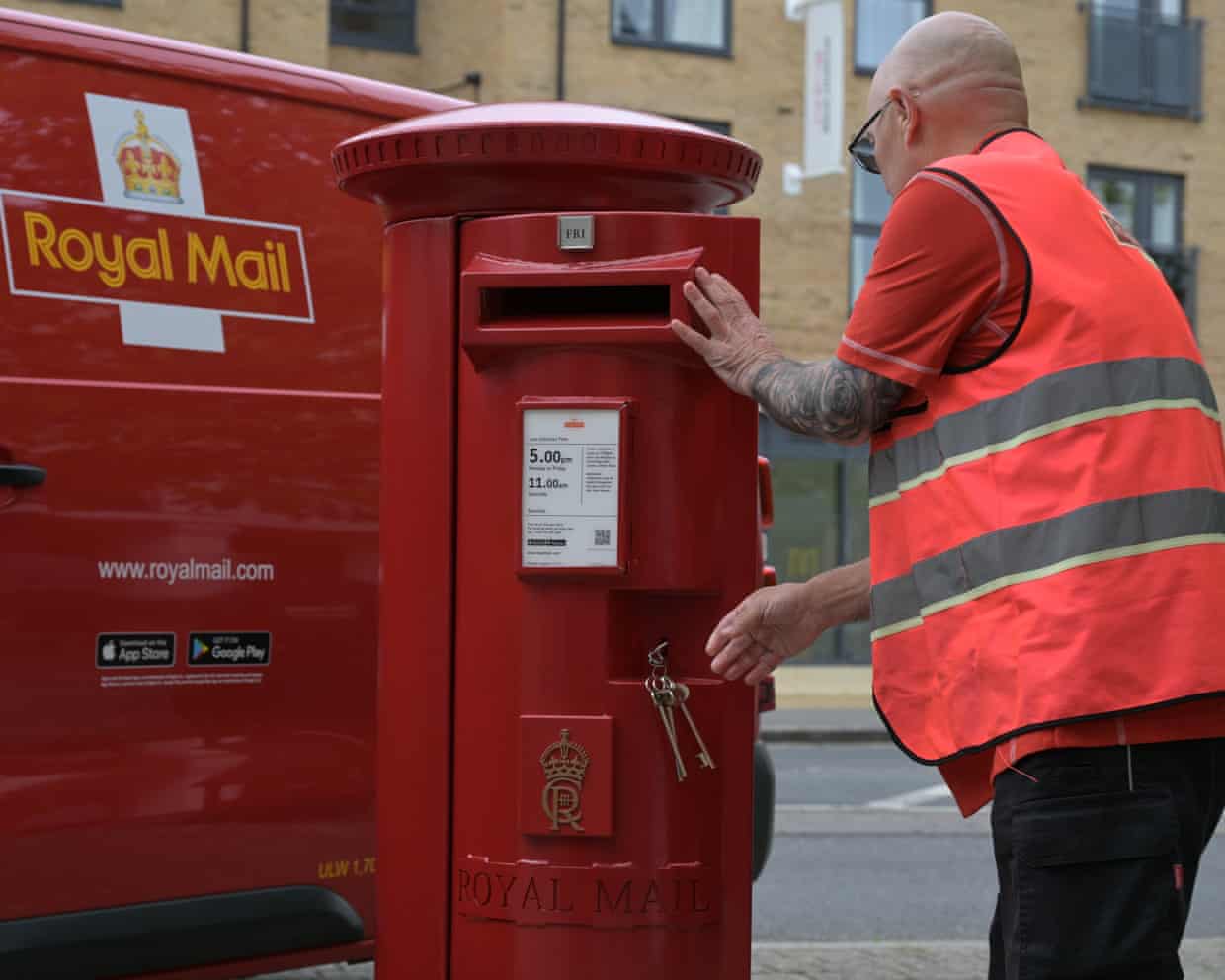
Royal Mail has been criticised for announcing another hike in the cost of first- and second-class stamps while providing what Citizens Advice described as a “failing service”.From 7 April, the price of a first-class stamp will increase by 10p, or 6%, to £1.80. The cost of the second-class service is going up by 4p, or 5%, to 91p. Royal Mail blamed the need for price increases on the “continued rise in the cost of delivery for every letter”
US lost 92,000 jobs in February just before Trump joined Iran conflict
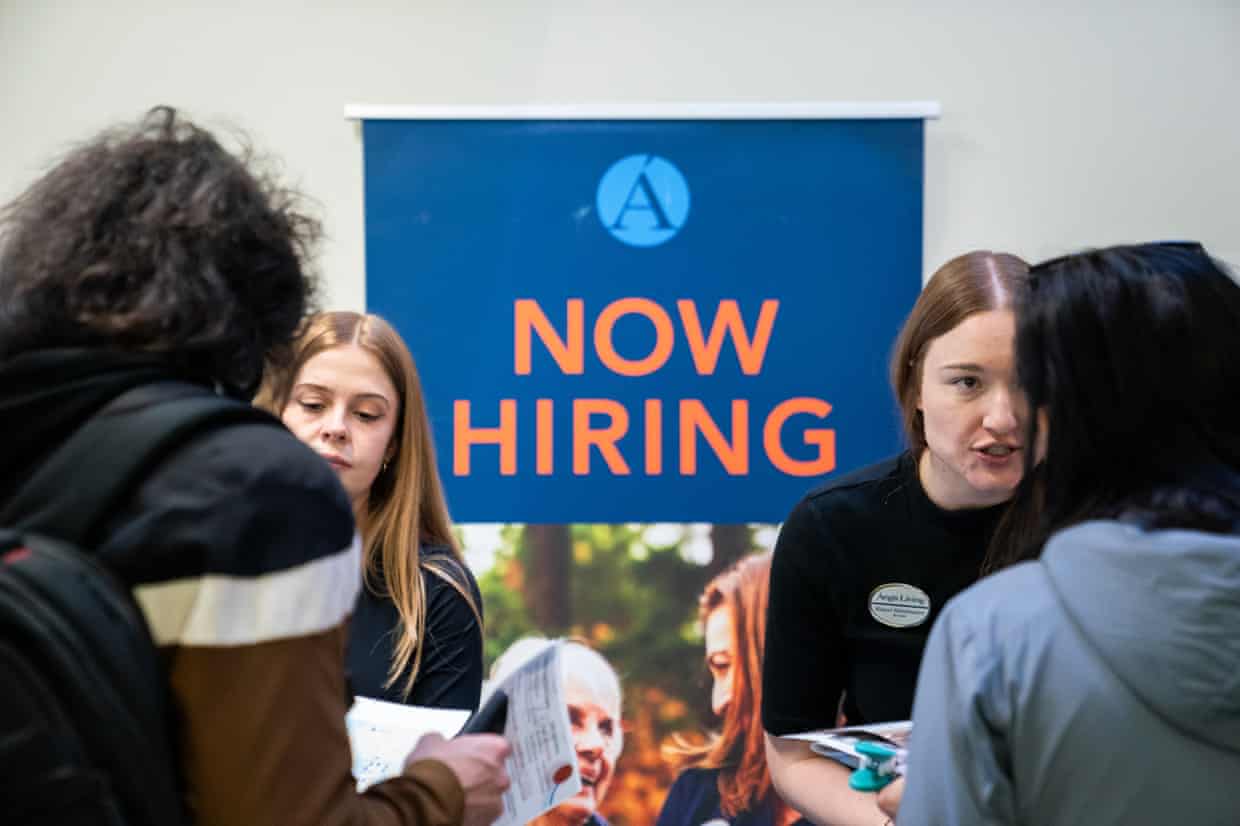
The US lost 92,000 jobs in February, an unexpected major slackening in the labor market that came just before Donald Trump threw the global economy into upheaval with his conflict in Iran.The unemployment rate edged up to 4.4% in February. In comparison, the US added a revised 126,000 jobs in January, far surpassing expectations of 70,000 jobs but still less than January 2025. Economists predicted an increase of 60,000 jobs added in February and a steady unemployment rate of 4
BP’s new boss will take home at least £11.7m this year, more than double her predecessor
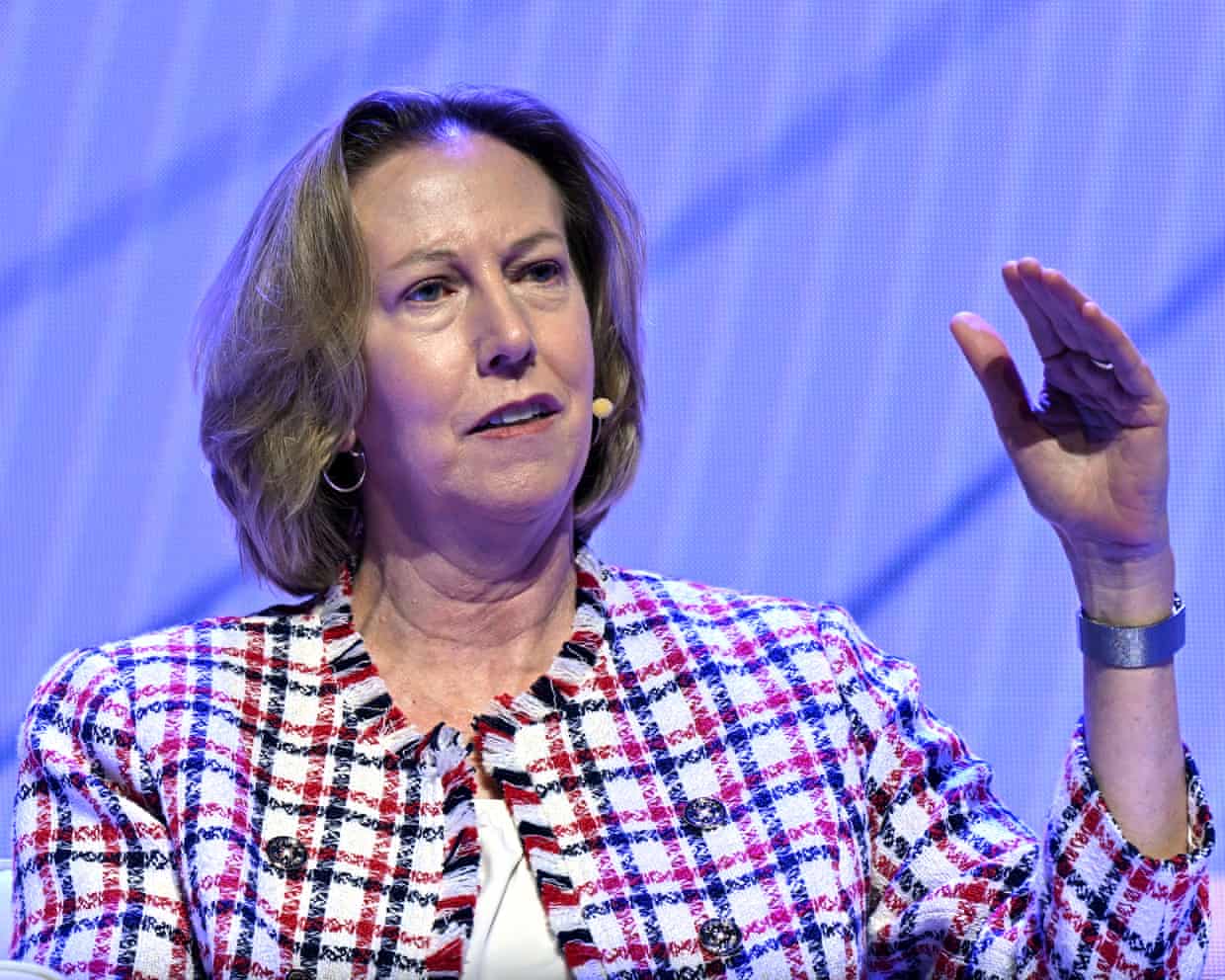
The incoming chief executive of BP will take home at least £11.7m this year after joining the embattled oil company from a rival, more than double the pay packet earned by her predecessor.Meg O’Neill will join BP from the Australian oil company Woodside Energy in April as the company’s first external hire to its top job, and the first woman to serve as chief executive at the 117-year-old oil major.The former ExxonMobil executive will earn a base salary of £1.6m, narrowly above the salary paid to her predecessor, Murray Auchincloss, but the bulk of her pay packet will be payments made by BP to compensate O’Neill for the share awards she was in line to receive over the next five years in her previous role
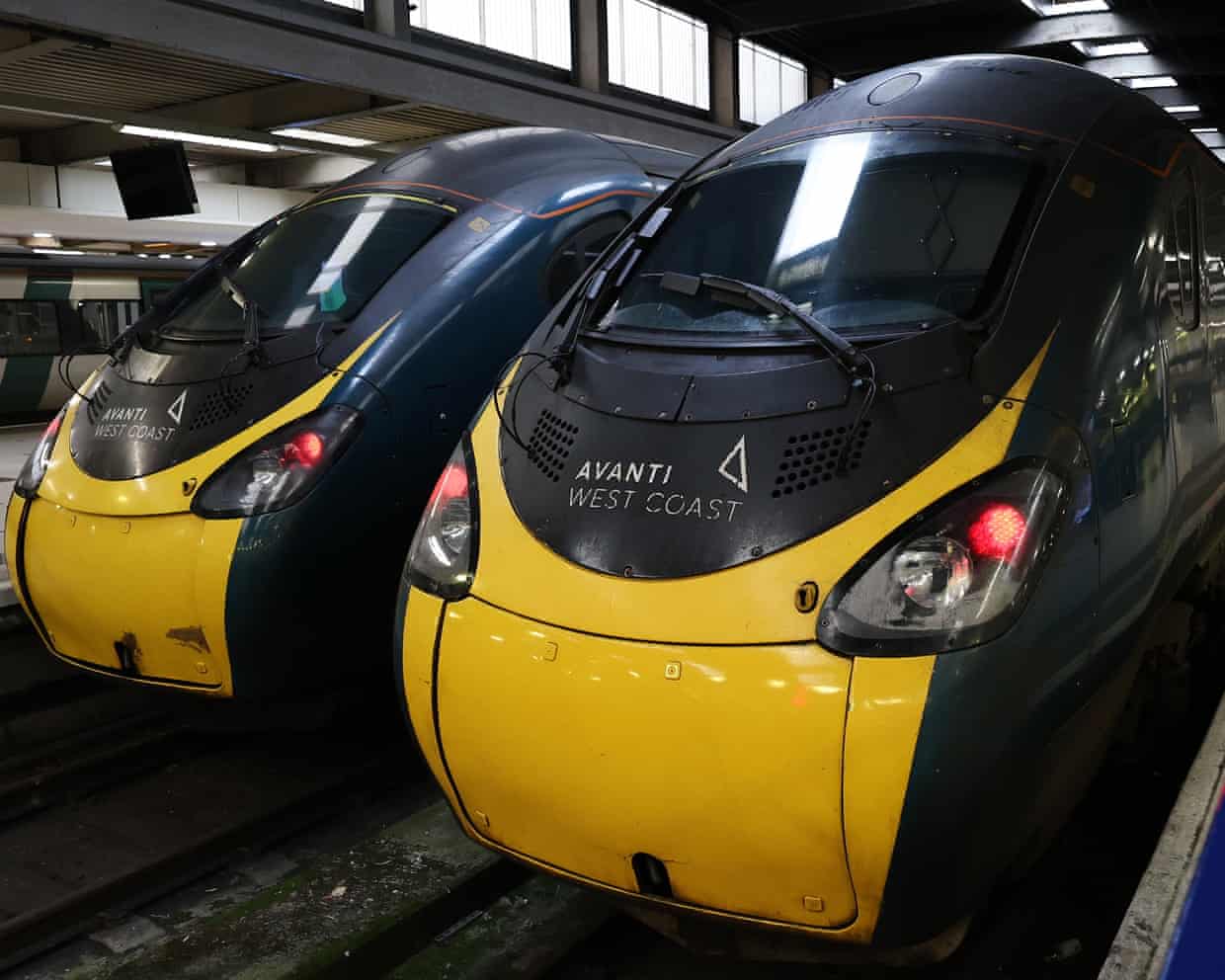
Rail passengers warned over six-day Easter shutdown on west coast mainline
Rail passengers planning to travel over the Easter break face disrupted journeys owing to a six-day shutdown on Britain’s biggest intercity line.Engineering work means there will be no west coast mainline services between London Euston and Milton Keynes from Good Friday (3 April) to Wednesday 8 April.There will also be no service between Preston and Lancaster on the line on 4-5 April.Network Rail said the work, which is part of a £400m project to increase the reliability of the line, was vital and that bank holidays were chosen for such works because they were among the least busy times to close.“The four-day period at Easter gives us a valuable opportunity to complete projects that simply can’t be delivered during a normal weekend,” said Jake Kelly, the body’s regional director for the north-west and central region
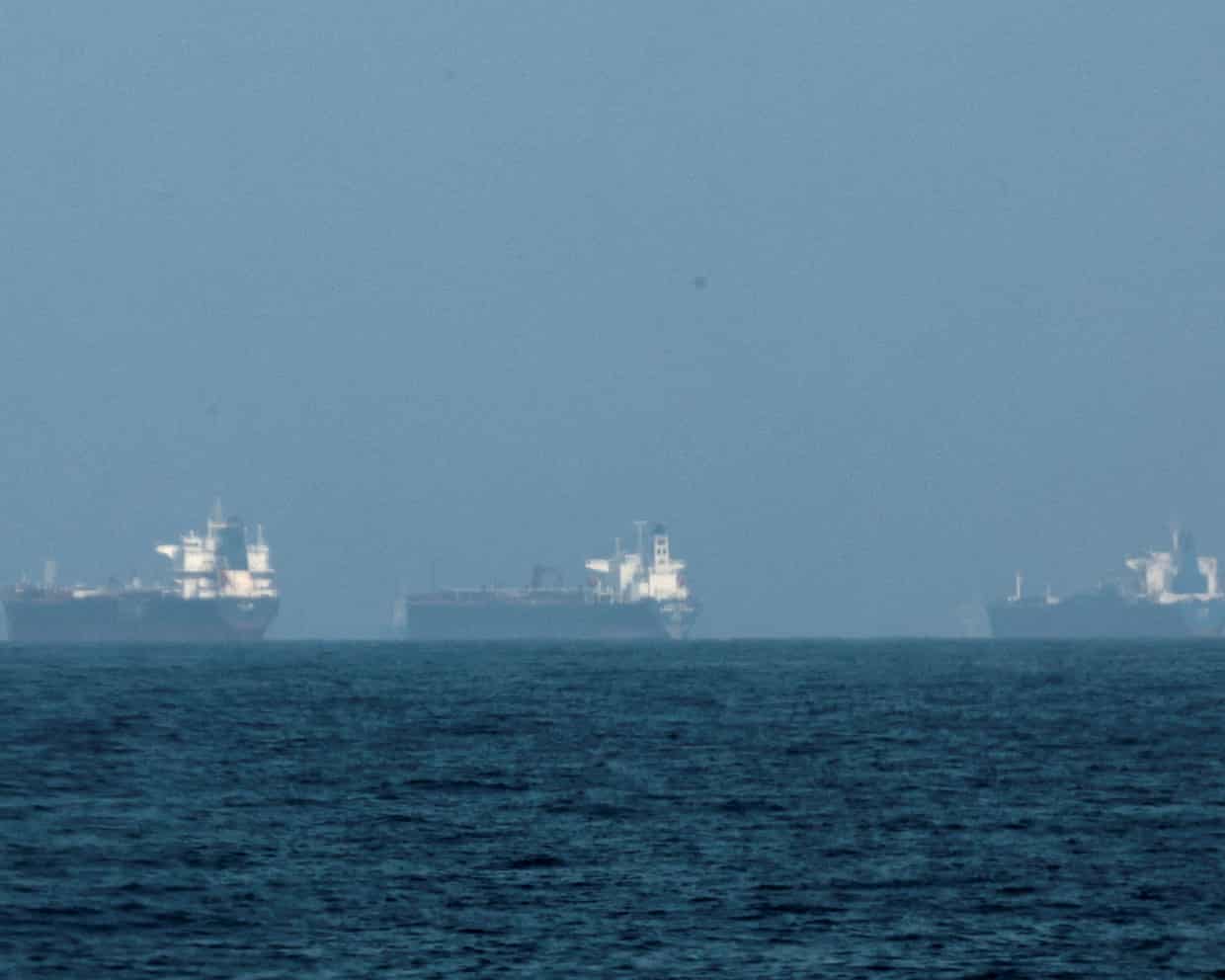
‘We’re powerless … and hoping nothing hits us’: trapped on a tanker as Iran war escalates
Thousands of seafarers are trapped on tankers in the Gulf after the strait of Hormuz was effectively closed to shipping by the escalating war on Iran.The Guardian spoke to a crew member on one of the stranded tankers that typically ferries vast quantities of oil from the Middle East to ports around the world.“When [Donald] Trump said Iran had 10 days to agree to his deal or bad things would happen, I did the math and thought we might get stuck here. And we did,” said the seafarer.From a cabin below deck, they explained how the crew watched explosions light up the sky as they loaded the vessel with crude oil at an industrial complex in the Gulf
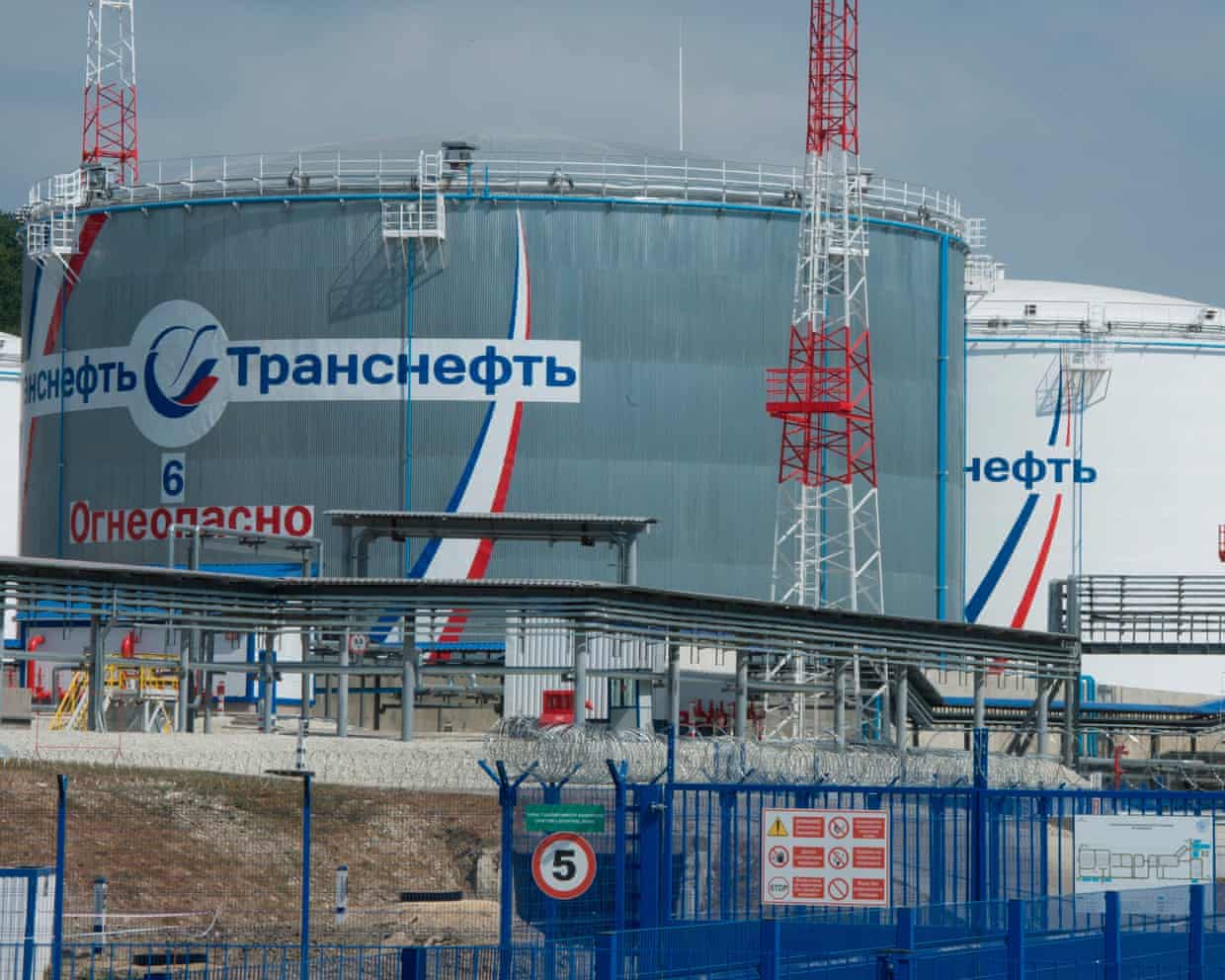
US grants waiver to allow India to buy Russian oil amid Iran war
The US has temporarily allowed India to buy Russian oil currently stuck at sea in an effort to keep global supplies flowing and temper further price increases.The US treasury has issued a 30-day waiver allowing India to buy Russian oil, having previously imposed heavy sanctions related to the war in Ukraine.“To enable oil to keep flowing into the global market, the treasury department is issuing a temporary 30-day waiver to allow Indian refiners to purchase Russian oil,” the treasury secretary, Scott Bessent, said in a statement posted to social media on Thursday. “This stopgap measure will alleviate pressure caused by Iran’s attempt to take global energy hostage.”In August the US president, Donald Trump, imposed an additional 25% import tariff on India over its purchase of cheap Russian oil, arguing that New Delhi’s purchases were undermining US sanctions and helpingVladimir Putin bankroll the invasion of Ukraine

Trump says he fired Anthropic ‘like dogs’ as Pentagon formally blacklists AI startup
Retailers want ‘delightfully human’ AI to do your shopping, but will the chatbots go rogue?

Google Pixel 10a review: cheaper Android is great, but no real advance
Sam Altman admits OpenAI can’t control Pentagon’s use of AI
Elon Musk takes witness stand in trial over Twitter takeover

Joy of teaching English in the age of AI | Letter