Paracetamol costs have jumped up to 30% due to Iran war, pharmacies warn
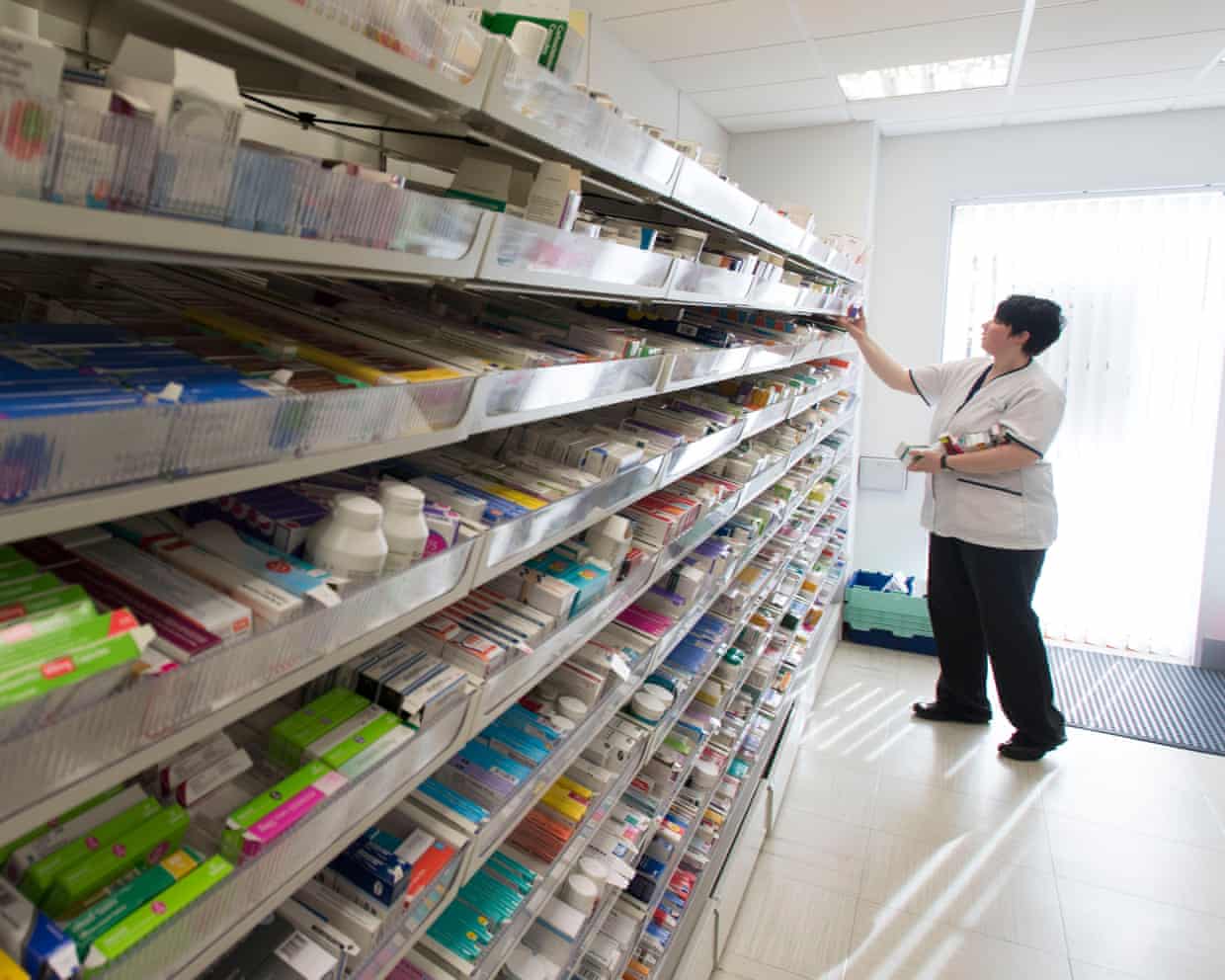
The war in Iran has pushed up the price of widely used medicines in England, including painkillers and hay fever medication, leading pharmacists have warned.Community chemists are charging customers 20-30% more for paracetamol than they did in February, according to the National Pharmacy Association (NPA), and many have run out of certain strengths of aspirin and co-codamol.Over-the-counter prices for cetirizine tablets, a common hay fever medication, are also estimated to have risen 20-30% in the same period.The jump in petrol and diesel prices since the war began nearly eight weeks ago has increased manufacturing and transport costs for medicine suppliers.These have fed through to pharmacies, which are paying 40-50% more to order in stock.
The conflict has also doubled air freight costs – one in five NHS medicines comes in by air – and strangled supplies of petroleum derivatives from the Gulf, which are used to make many common medications, including paracetamol, aspirin and co-codamol.Manufacturers of generic off-patent drugs operating on low margins have started to increase their prices, which is driving up the NHS medicines bill as well as prices at the pharmacy till.Some pharmacies have stopped selling aspirin over the counter, in part due to supply constraints that started before the Iran war.Temporary shortages of medicines are common, but could become more serious if the strait of Hormuz, a key shipping route for petrochemicals, does not reopen soon.Olivier Picard, chair of the NPA, which represents 6,000 community pharmacies in England, said that on 27 March his chemist in Berkshire had been unable to order paracetamol.
When it became available again a few days later “the [wholesale] price had doubled”.While suppliers have long-term pricing agreements with NHS hospitals, they have more leeway over drugs provided to pharmacies and GP practices.Picard said the price he pays wholesalers for a pack of 100 500mg paracetamol tablets had jumped from 41p to £1.99 by the end of March, but has since eased back to £1.09.
This has fed through to what patients pay over the counter.Picard gave the example of a pharmacy that charged £1.19 before the war for a pack of 32 paracetamol and now charges £1.50.For cetirizine, Picard’s purchase price has almost doubled since January, from 19p for a pack of 30 tablets to 37p now, and some distributors are charging as much as £3.
Allergy sufferers could face more price increases by May or June, when the main hay fever season hits.However, Picard advised customers against panic buying and stockpiling medicines, arguing that would create shortages and drive up prices even further.Community pharmacies make 90% of their money from dispensing NHS prescriptions and are reimbursed for selling them at fixed prices.However, if the government agrees an item has risen significantly in cost, it can increase the amount pharmacies are paid back.In March, a record 230 items were on this price concessions list, said Picard, including blood pressure and anxiety drugs, antidepressants and painkillers such as codeine and co-codamol.
That compared with 90 in the same month last year.However, paracetamol was not one of them, despite being one of the most popular medicines, with 1.3m packs prescribed every month in England.The government reimburses only 49p to community pharmacies for dispensing a prescribed 32-pack of paracetamol.Cetirizine was also not on the concessions list.
“It means that the cost of medicine is soaring and ends up being pharmacies dispensing at a loss,” Picard said, adding that 1,400 had been forced to close since 2020 and they continue to close at a rate of one or two a week.Higher supplier prices also mean a bigger medicines bill for the NHS – through its own purchases and pharmacy reimbursements – as well as for health systems abroad, at a time when budgets continue to be stretched.While prices for generic drugs are often cheaper at supermarkets, and can cost less at online pharmacies before delivery costs are added, Iran war costs and supply issues are likely to push these up too.More expensive branded versions could record even bigger jumps.Mark Samuels, chief executive of Medicines UK, which represents the manufacturers supplying 85% of NHS prescriptions, said: “While the Iran conflict has not yet led to immediate or widespread medicine shortages for the NHS, this is due to stock already held in UK warehouses.
“As manufacturers move to replenish these stocks, transportation costs have risen by 700%, and some chemicals needed for manufacturing are in very short supply … If the conflict continues, we will inevitably see rising prices or shortages of essential medicines,This could be as soon as the next few weeks,”The best public interest journalism relies on first-hand accounts from people in the know,If you have something to share on this subject you can contact the Business team confidentially using the following methods:The Guardian app has a tool to send tips about stories,Messages are end to end encrypted and concealed within the routine activity that every Guardian mobile app performs.
This prevents an observer from knowing that you are communicating with us at all, let alone what is being said.If you don't already have the Guardian app, download it (iOS/Android) and go to the menu.Scroll down and click on Secure Messaging.When asked who you wish to contact please select the ‘Business (UK & Global)’ team.Our guide at theguardian.
com/tips lists several ways to contact us securely, and discusses the pros and cons of each.

Yes, retail investment needs a boost – but the squirrel looks too tame | Nils Pratley
Red squirrel characters have a history in the public information game. Older UK readers may recall Tufty, who taught children about road safety in the 1970s. His chum, Willy Weasel, regularly got knocked down by passing cars but clever Tufty always remembered to look both ways.Now comes Savvy Squirrel, who, with backing from the chancellor and a multi-year lump of advertising spend from the financial services industry, will try “to drive a step-change in how investing is understood, discussed and adopted”, as the blurb puts it. In translation: don’t squirrel everything away in a boring cash Isa but try taking an investment risk or two if you value your long-term financial health

Capital gains tax changes are on the table, and yet Armageddon has not arrived. Has the tide on housing turned at last? | Greg Jericho
A funny thing happened on the way to the budget: changes to capital gains tax and negative gearing, which had for years been a no-go zone, are now looking likely.One of the first times I wrote about negative gearing was in 2015 when I covered the then treasurer Joe Hockey appearing on Q+A. He said negative gearing was needed because when the Hawke government scrapped it in the 1980s rental prices rose.He was wrong (and to be honest, this was not unusual – a lot of my columns back then involved arguing Joe Hockey was wrong). While rental price growth went up in Sydney and Perth, it didn’t in Melbourne, Brisbane or Adelaide
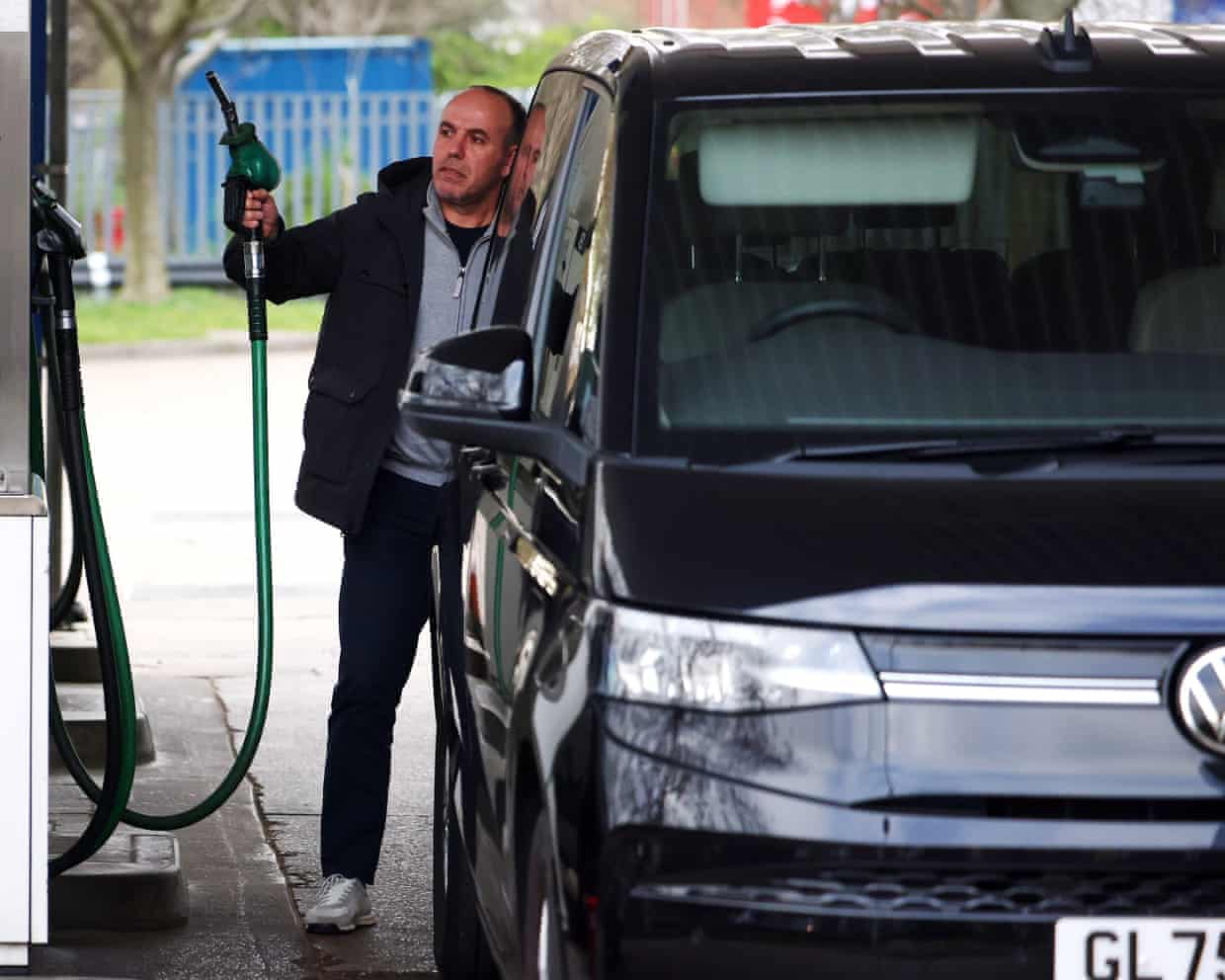
Middle East war ‘could wipe out 75% of chancellor’s budget headroom’; UK inflation climbs to 3.3% – as it happened
Oil prices have gone back above $100 a barrel again.Reversing earlier declines, Brent crude is now 2.1% ahead at $100.57 a barrel, after Iran seized two ships in the strait of Hormuz, tightening its grip on the strategic waterway. Overnight, Donald Trump extended the two-week ceasefire between the US and Iran, until Tehran comes up with a peace proposal
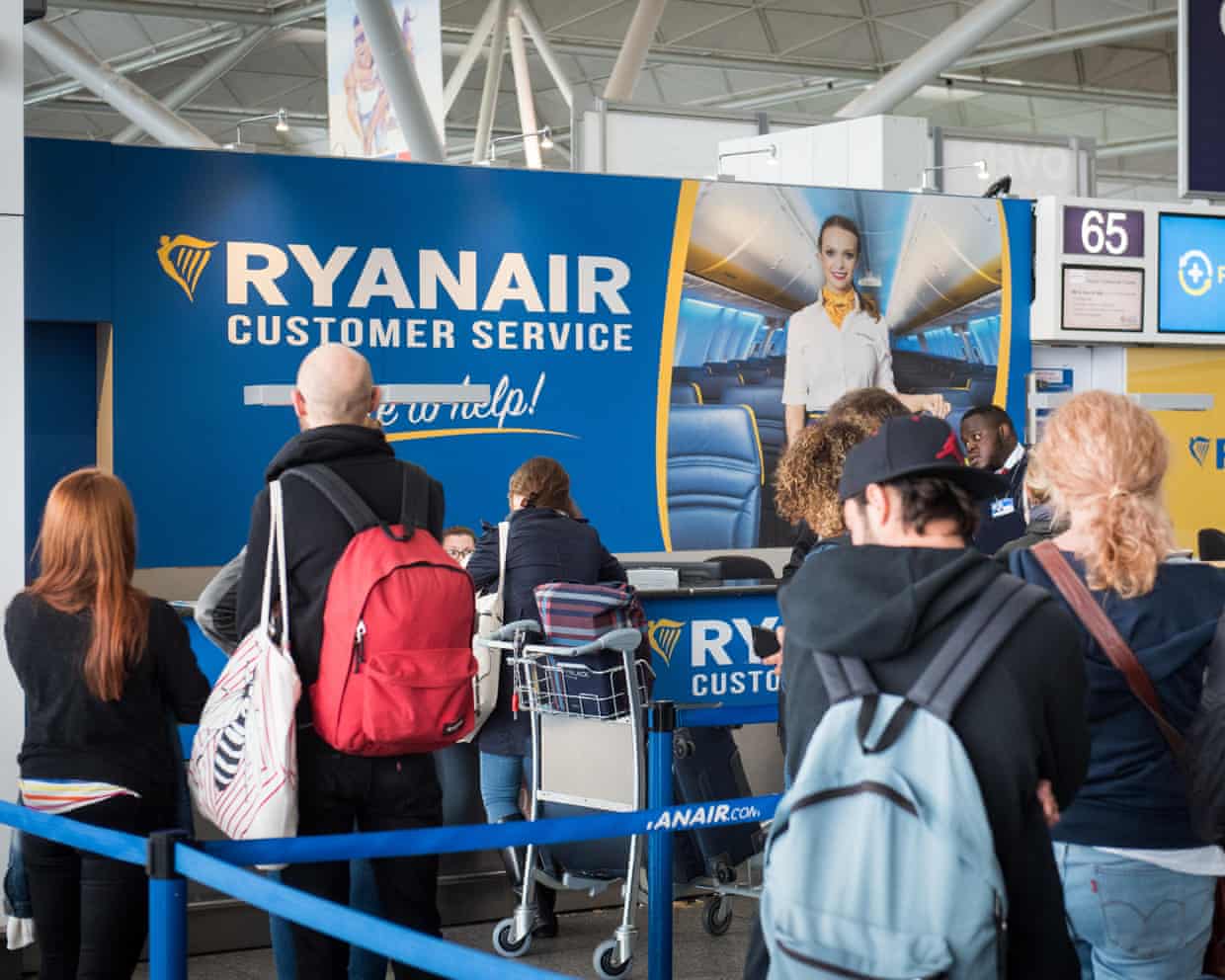
Ryanair to close check-in 20 minutes earlier amid concern over Europe border queues
Ryanair will close airport check-in desks 20 minutes earlier to avoid passengers missing flights, it has announced, amid concern over border queues in Europe.The budget airline, which carries 200 million passengers annually, will require all passengers dropping bags or checking in at the airport to do so one hour before take-off rather than the current 40-minute deadline.Ryanair said the change, which will take effect from November, would give more time for passengers to clear airport security and passport control and reduce the number who miss flights through being stuck in queues.While the move was not prompted by the introduction of Europe’s entry-exit system (EES), which requires most non-EU citizens to provide biometric data at the border, the airline said the system had been a factor in increasing passport queues.Waits of several hours have been reported at some airports in the phased introduction of EES since October

Tui cuts profit forecast as effects of Iran war cost travel group €40m
The Iran war has cost the travel company Tui €40m (£34.7m) so far, including repatriating almost 12,000 holidaymakers and staff, and forced it to cut its profit forecast for this year.Europe’s biggest holiday operator said it had taken the hit in March owing to the impact of the conflict in the Middle East, as it was forced to bring home 5,000 guests from two cruise ships anchored in ports in Abu Dhabi and Doha.A further 5,000 European holidaymakers were also repatriated from destinations in the region, with Tui saying its operations in Turkey, Cyprus and Egypt were particularly badly affected.In addition, the company returned 1,500 crew members from the ships, which were able to escape through the strait of Hormuz “during a pause in hostilities” on Sunday, and will commence their summer season itineraries in the Mediterranean from the middle of next month
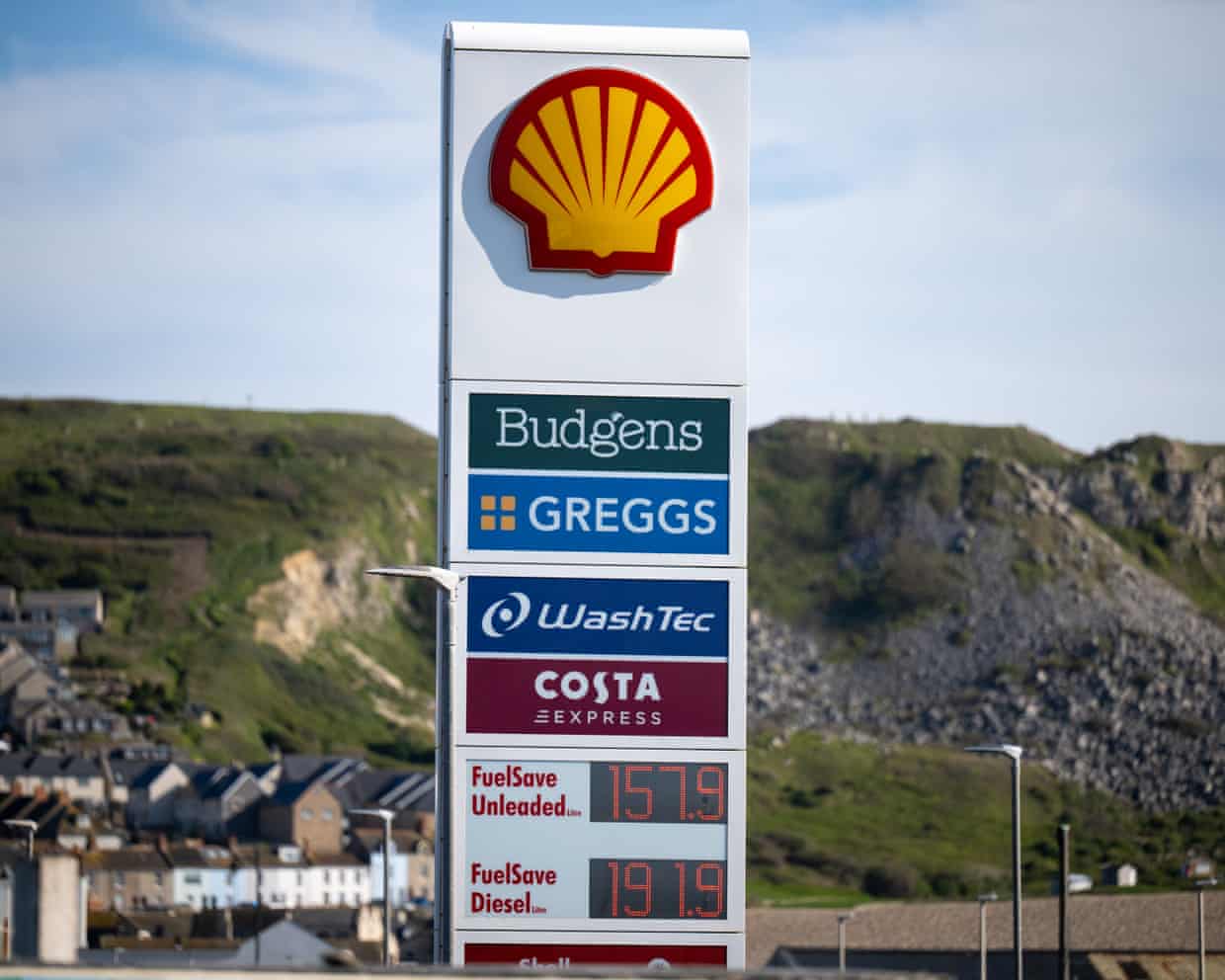
UK inflation rises to 3.3% amid biggest jump in fuel prices in more than three years
UK inflation accelerated to 3.3% in March after the Iran war triggered the biggest jump in fuel prices for more than three years.In the first official snapshot of the damage to living standards in Britain from the US-Israeli war on Iran, the Office for National Statistics (ONS) said the consumer prices index increased last month from a rate of 3% in February. The rise matched the forecasts by City economists.Grant Fitzner, the ONS chief economist, said: “Inflation climbed in March, largely due to increased fuel prices … Air fares were another upward driver this month, alongside rising food prices

Vanessa’s a pillar of the hiking community | Brief letters
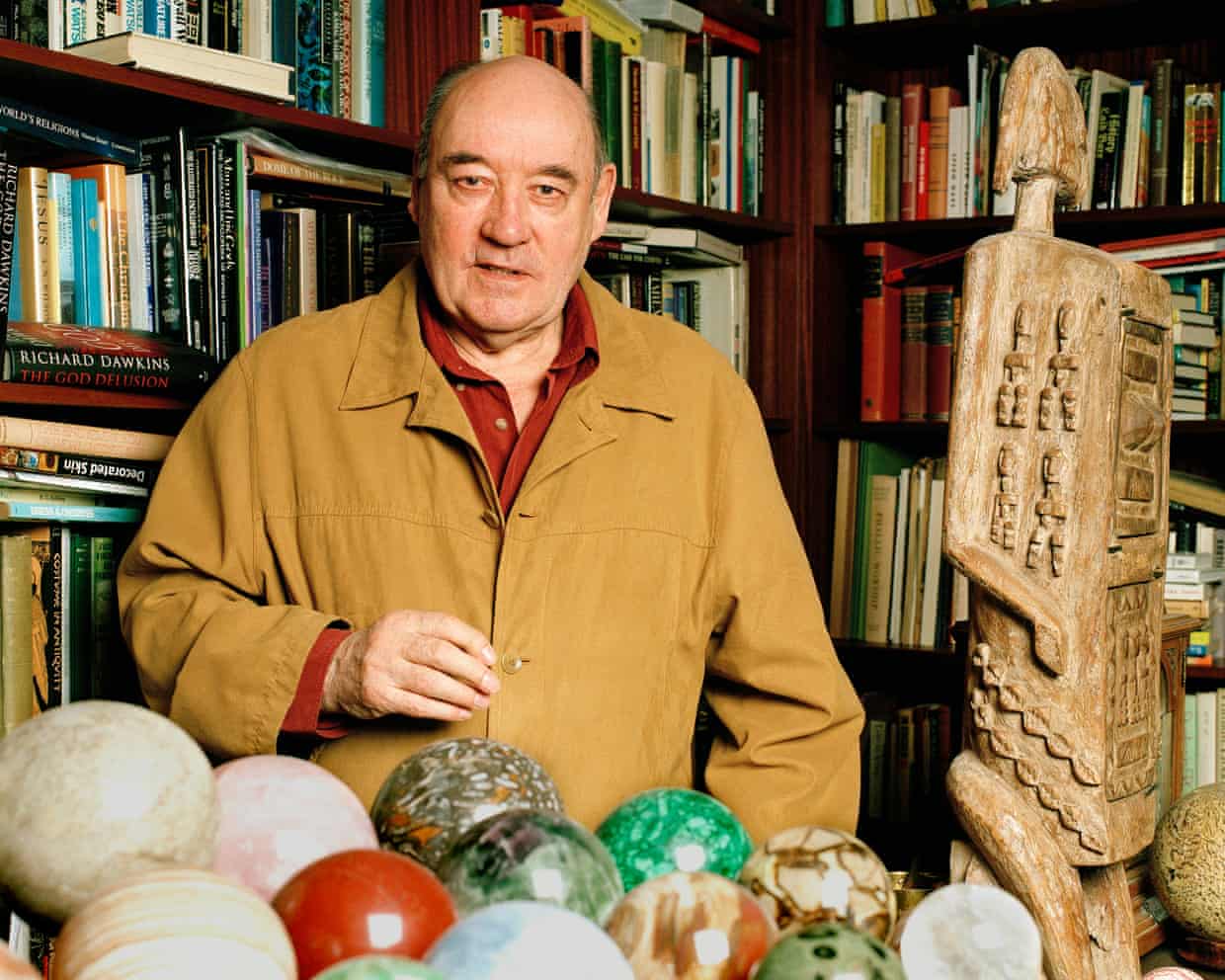
Zoologist, author and presenter Desmond Morris dies aged 98
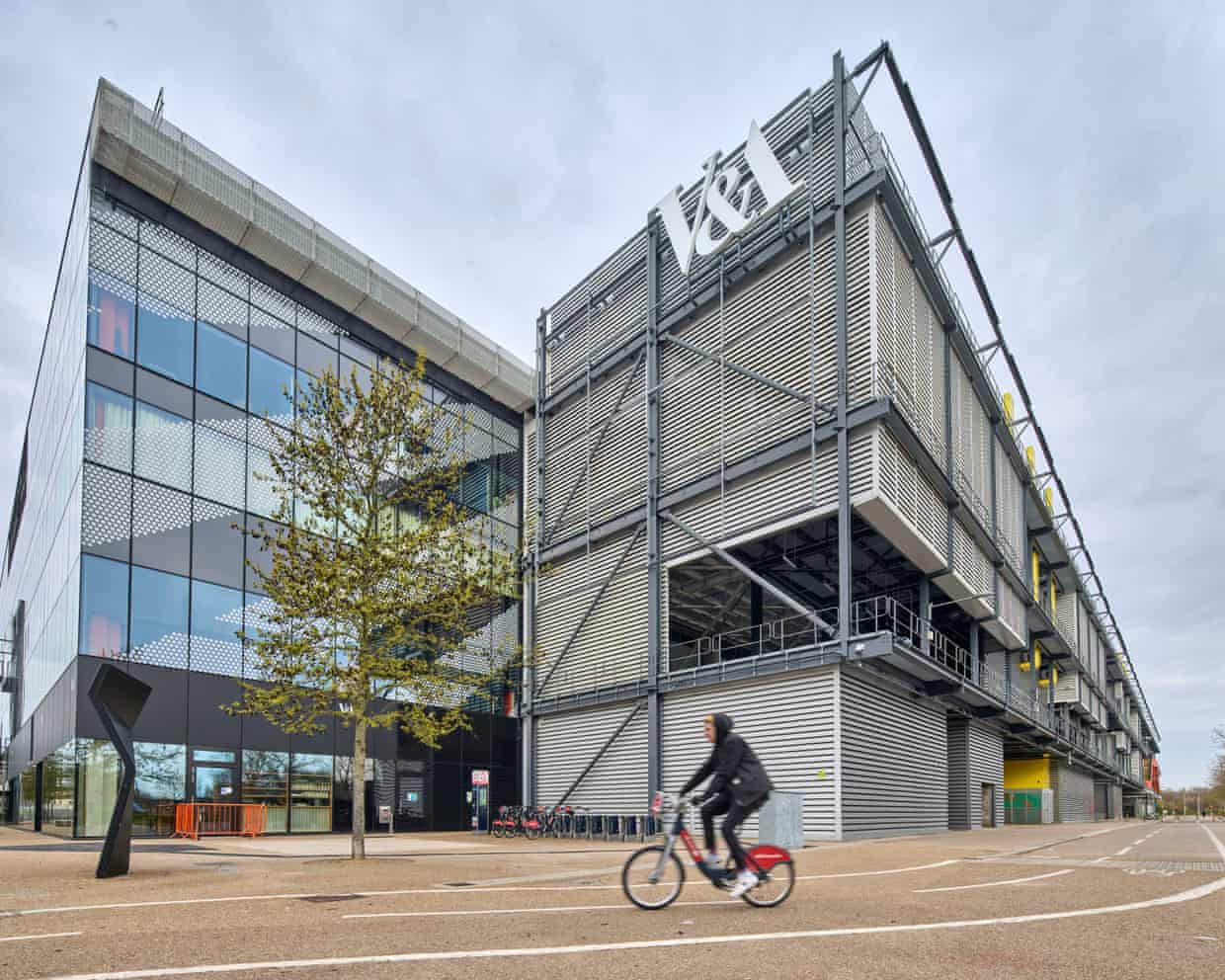
V&A East Storehouse and Norwich Castle among finalists for museum of the year
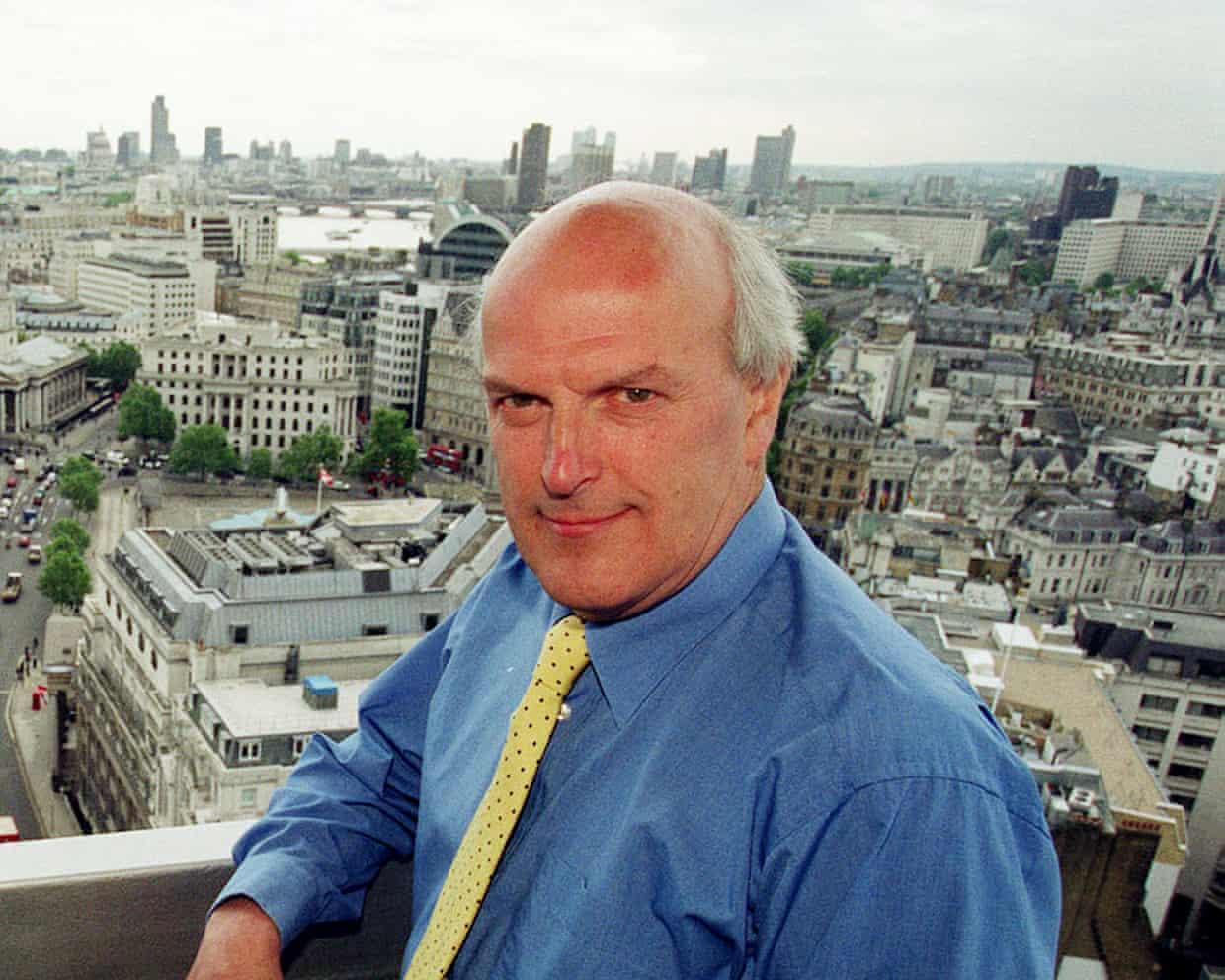
Letter: Sir Neil Cossons obituary

‘Women want to experience pleasure’: how the female gaze caught the attention of film, TV and fiction

Yann Martel: ‘I hate the rich people of this world – of which I’m one, because of Life of Pi’