Gina Rinehart and rival heirs brace for court verdict on claim to billion-dollar fortune
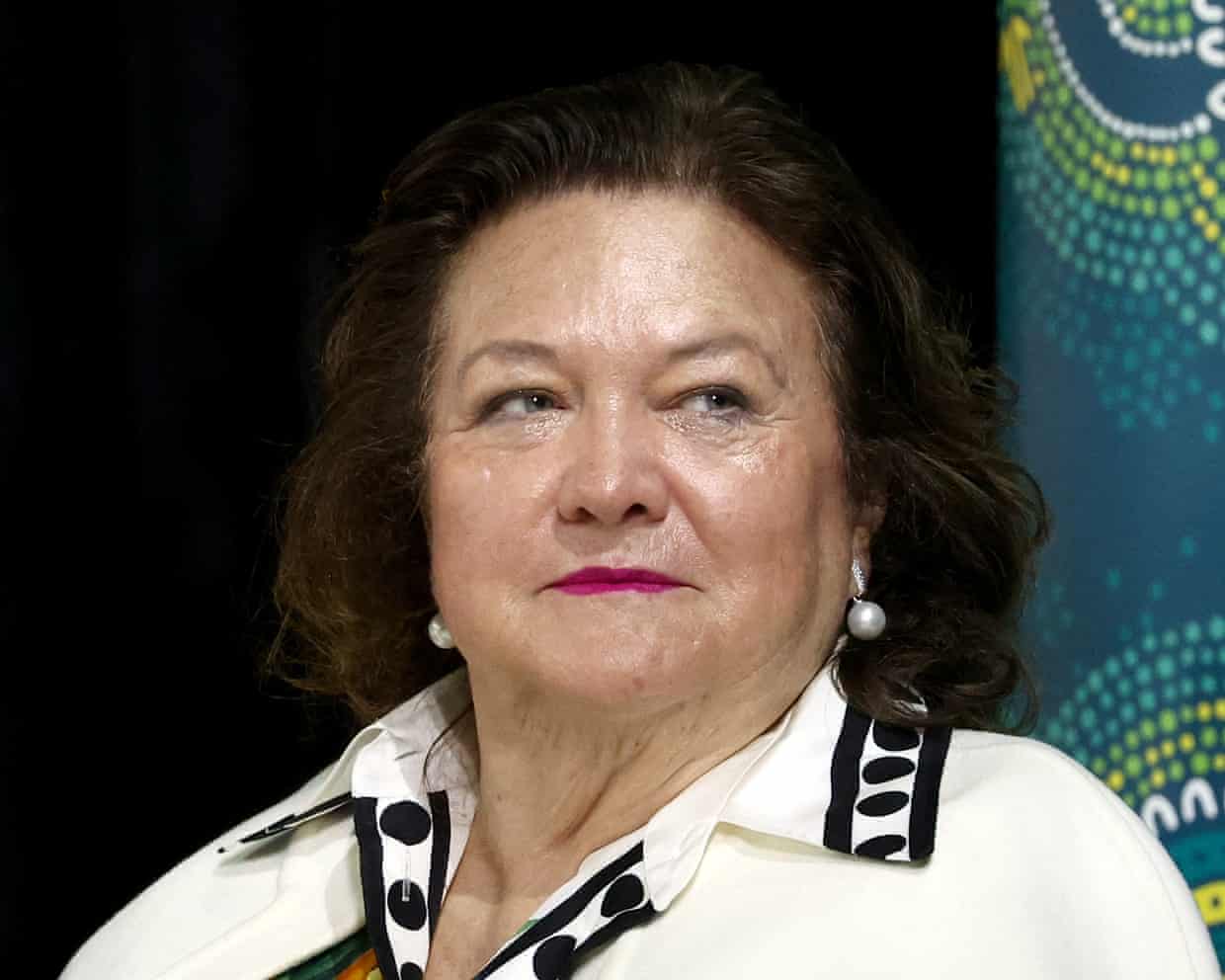
Gina Rinehart faces the possibility of losing billions of dollars in riches from her Pilbara iron ore empire and her mantle as Australia’s wealthiest person when a long-awaited court verdict is delivered in Perth on Wednesday.The Western Australian supreme court judgment will rule on whether Rinehart must share the spoils of some of Hancock Prospecting’s most lucrative iron ore projects with the family of her late father’s business partner.At stake is billions of dollars in royalties and assets arising from the tenements pegged out by her father, mining pioneer Lang Hancock, and his business partner Peter Wright, through the Hanwright partnership in the 1950s and 1960s.At the centre of the claim is the lucrative Hope Downs mining complex near Newman in north-west Western Australia which is a joint venture between Hancock Prospecting and Rio Tinto, and which delivered a $832m profit to Hancock Prospecting in 2025.The Wright family heirs, including billionaire Angela Bennett and her nieces Leonie Baldock and Alexandra Burt, claim they are entitled to an equal share of the 2.
5% royalties coming from Hope Downs to Hancock Prospecting, saying Wright Prospecting never relinquished the assets held by Hanwright.Hancock Prospecting rejects the claim for both past and future royalties, arguing it undertook all the work, bore the financial risk of development and is the legitimate owner of the Hope Downs assets.In another claim that forms part of the leviathan case, the family business of late prospector Don Rhodes says it is entitled to a 1.25% share of the contested royalty stream.The judgment, which comes more than two years after the complex legal case went to trial, is expected to be appealed regardless of the outcome, further prolonging the bitter stoush that has been running for close to two decades.
Justice Jennifer Smith will also rule on a claim brought against Rinehart’s company by two of her own children, John Hancock and Bianca Rinehart, who have accused their mother in proceedings of an “egregious fraud” against them.The children claim that their mother was responsible for transferring assets out of a trust following Lang Hancock’s death in 1992, stripping them of valuable tenements that they argue they should have had the right to develop.The trust comprised part of an alleged 49% shareholding of Hancock Prospecting held by the children that is also in dispute.After being enjoined to the case by the Wright family in 2016, the children are hoping the judgment will rule that they are entitled to royalties and profits from a swag of projects developed by Rinehart following Hancock’s death, including the linchpin of Rinehart’s empire, the Roy Hill mega mine.Rinehart and Hancock Prospecting have rejected all claims, with Rinehart’s lawyers saying her actions in moving mining assets back to her company were done to right an historic wrong by her father.
They allege Hancock shuffled company assets as he sought to maintain the “lavish” lifestyle of Rinehart’s nemesis stepmother, Rose Porteous.Wednesday’s supreme court ruling will also inform a separate federal arbitration process being led by former WA chief justice Wayne Martin that will decide how Hancock Prospecting’s shares are divided between the family.While John and Bianca launched the claim for their alleged entitlement, all four of Rinehart’s children stand to benefit if the court rules in their favour.Hancock Prospecting has rejected the claim, however its latest annual report shows that more than $6.4bn in dividends have been placed in reserve pending the outcome of arbitration.

‘It feels as if I’ve made a new best friend’: my experiment with AI journalling
What’s it like to have a diary that talks back to you, offering comments and advice on your hopes, fears and lunch plans? I spent two months finding outEver since I was a teenager, I have kept some form of diary. These days I favour a paper one for creative brainstorming, and the Journal app on my iPad where I do a speedily typed brain dump every morning. I have always found it a great way to impose some sort of order on my random thoughts, a form of meditation.But I had never even heard of AI journalling until a Google search led me down a rabbit hole where I encountered people enthusing about two apps, Rosebud and Mindsera. It sounded as if Mindsera’s minimalist design was the best for writers

Dr TikTok: patients diagnose chronic illnesses with anonymous commenters’ help
TikTok users increasingly say the app has steered them toward diagnosing medical problems not yet identifiedMalina Lee, a 31-year-old wedding baker based in San Antonio, Texas, joined TikTok during the Covid pandemic lockdowns in 2020. Like many people at the time, she was bored and began using the platform to pass the time and advertise her business. She didn’t expect a cancer diagnosis.Four years after Lee joined the app, a commenter with the username “PickleFart” told her that her neck looked asymmetrical in a way that could suggest she had a goiter – an enlarged thyroid gland – and that she should get it checked out. The anonymous amateur clinician turned out to be right – Lee had thyroid cancer, received treatment quickly, and, less than a year later, was cancer free
AI companies know they have an image problem. Will funding policy papers and thinktanks dig them out?
OpenAI made a surprise announcement this week – not an update to ChatGPT or another multibillion-dollar datacenter – but a policy paper that called for a reimagining of the social contract based around “a slate of people-first ideas”. It’s the latest move in an aggressive effort by the major AI players to reshape the narrative around their industry, as polls show public disapproval of AI increasing.OpenAI’s 13-page paper, titled Industrial Policy for the Intelligence Age, follows its surprise acquisition of tech-friendly podcast TBPN and its announcement of plans to open a Washington DC office that will feature a dedicated space called the OpenAI workshop for non-profits and policymakers to learn about and discuss the company’s technology.OpenAI’s rival Anthropic has meanwhile announced its own thinktank, the Anthropic Institute, which similarly proclaimed an intention to explore how the growth of AI would disrupt society.As disruptions from AI become more tangible and calls for greater scrutiny of big tech companies grows louder, the industry appears to be both recognizing the widespread discontent and looking for ways to reframe the debate
‘Too powerful for the public’: Inside Anthropic’s bid to win the AI publicity war
This week, the AI company Anthropic said it had created an AI model so powerful that, out of a sense of overwhelming responsibility, it was not going to release it to the public.The US treasury secretary, Scott Bessent, summoned the heads of major banks for a chat about the model, Mythos. The Reform UK MP Danny Kruger wrote a letter to the government urging it to “engage with AI firm Anthropic whose new frontier model Claude Mythos could present catastrophic cybersecurity risks to the UK”. X went wild.Others were more sceptical, including the noted AI critic Gary Marcus, who said: “Dario [Amodei] has far more technical chops than Sam [Altman], but seems to have graduated from the same school of hype and exaggeration,” referring to the CEOs of Anthropic and its rival, OpenAI

‘It has your name on it, but I don’t think it’s you’: how AI is impersonating musicians on Spotify
Jason Moran, a renowned jazz composer and pianist, got a strange call from a friend last month. The friend, bassist Burniss Earl Travis, was curious about Moran’s new record that he saw on the music streaming service Spotify.“It has your name on it,” Travis told him. “But I don’t think it’s you.”Moran said he doesn’t use Spotify or put his music on the platform, preferring only to use the site Bandcamp, so this didn’t track
OpenAI CEO Sam Altman’s home targeted with molotov cocktail
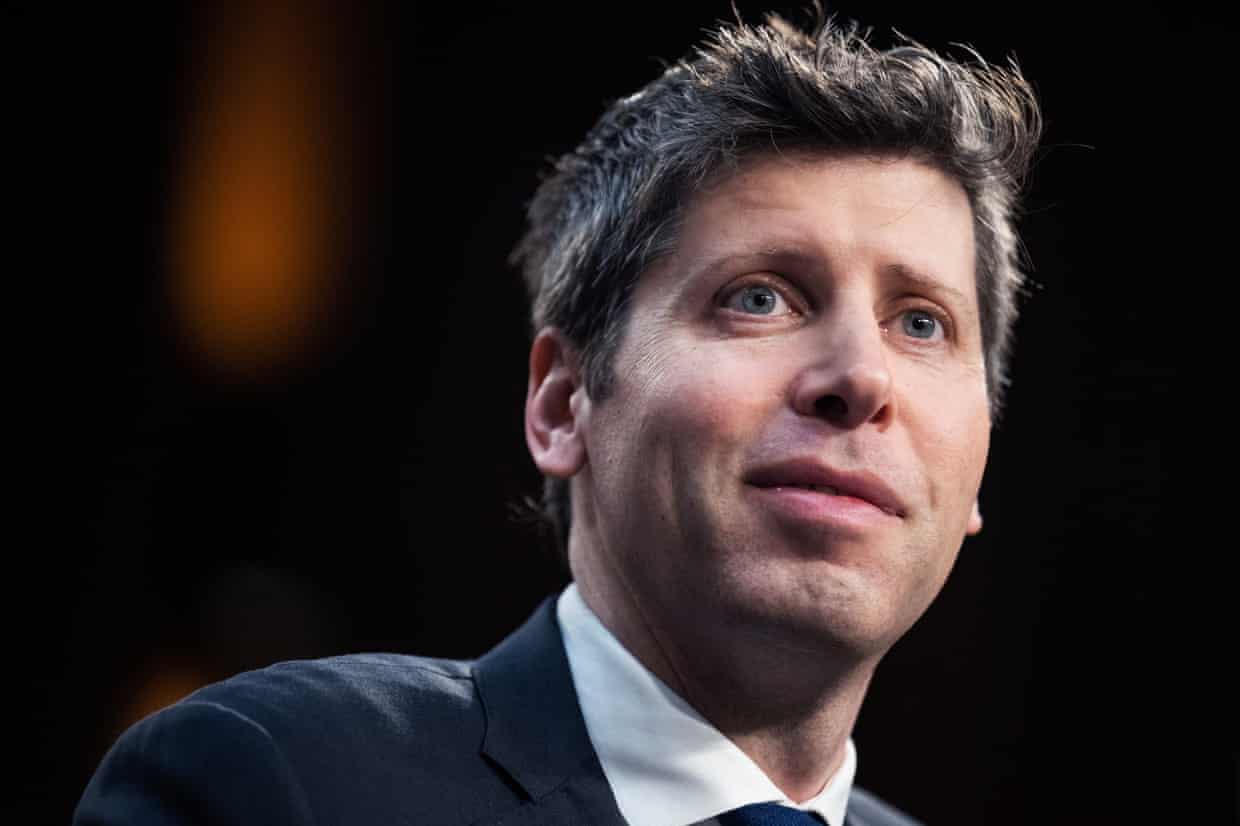
A 20-year-old man allegedly tossed a molotov cocktail at the home of Sam Altman, OpenAI’s CEO, before the sun rose on Friday, according to statements from San Francisco police.The suspect, who allegedly threw the fire bomb at the $27m Russian Hill residence around 4.12am, has been arrested but not identified. The same person allegedly threatened to torch OpenAI’s headquarters in the city. No injuries were reported

Qantas cuts domestic flights and raises fares as travel patterns shift due to Middle East turmoil

Holidays take a hit as UK cost of living fears and Iran war bite
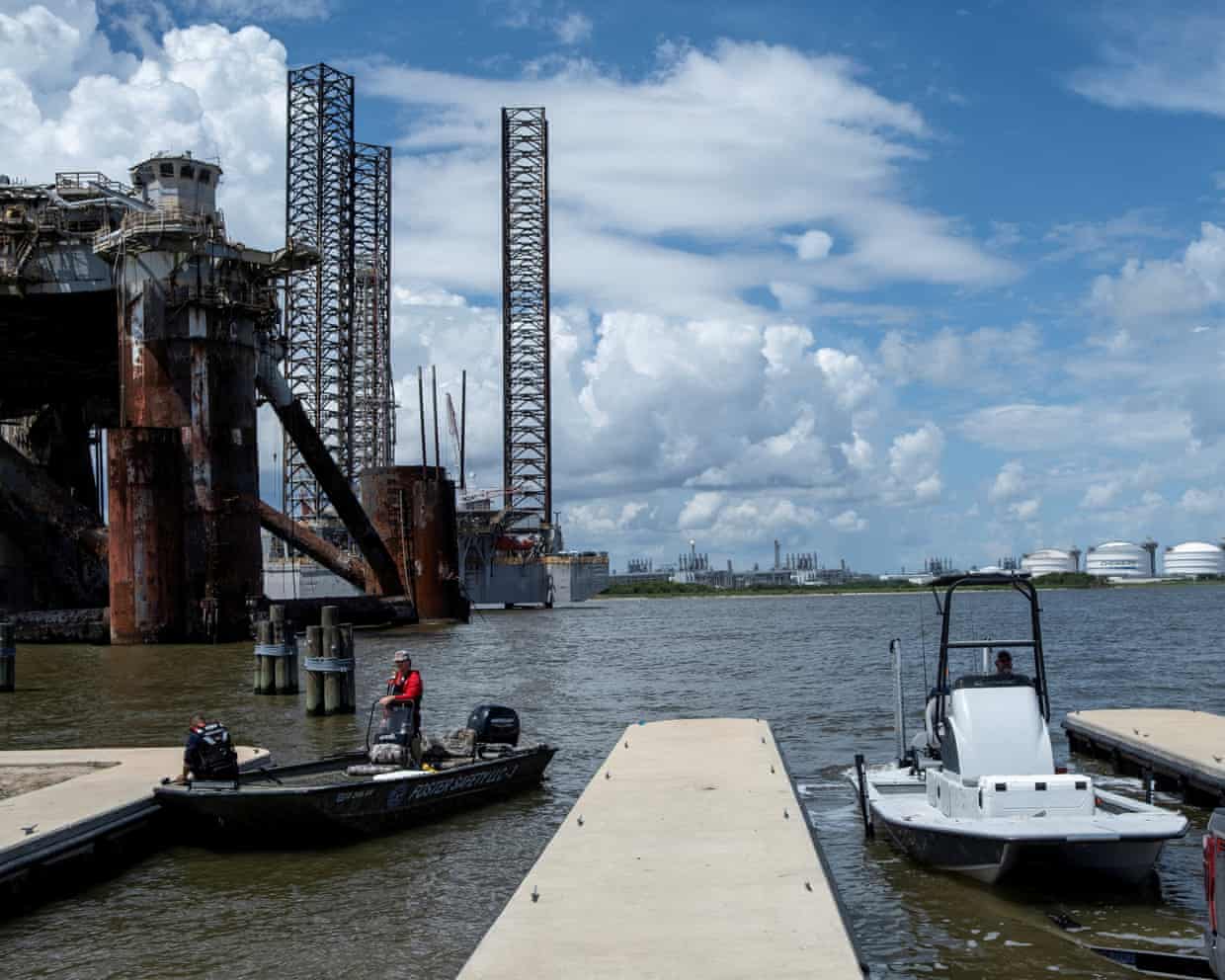
The UK needs more North Sea gas; imports from the US are the real enemy | Nils Pratley

Oil price dips below $100 a barrel after Trump claims Iran wants deal
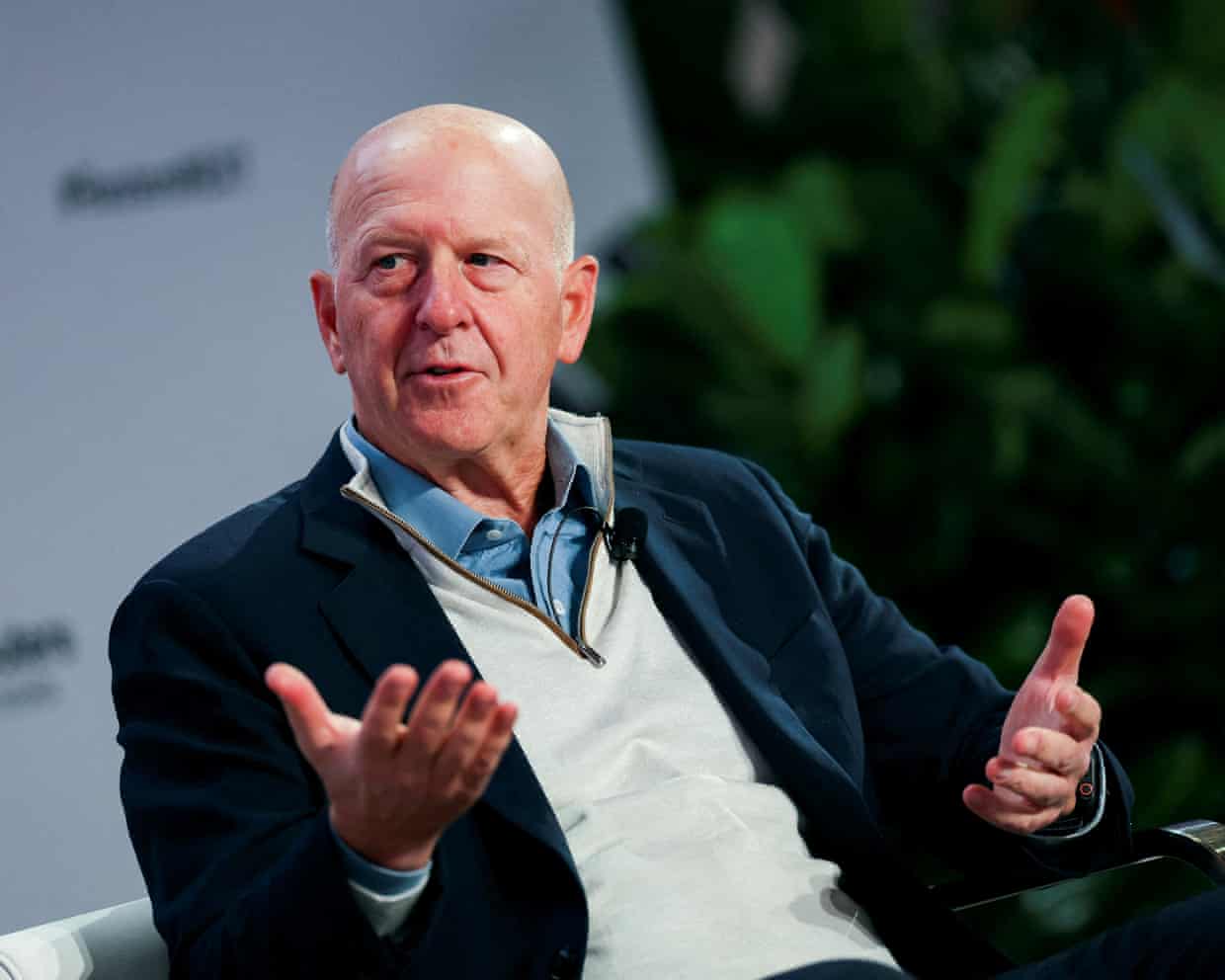
Goldman Sachs chief ‘hyper-aware’ of risks from Anthropic’s Mythos AI

Oil price tops $100 a barrel as US blockades strait of Hormuz; Goldman Sachs posts rise in profits – as it happened