Oil price dips below $100 a barrel after Trump claims Iran wants deal
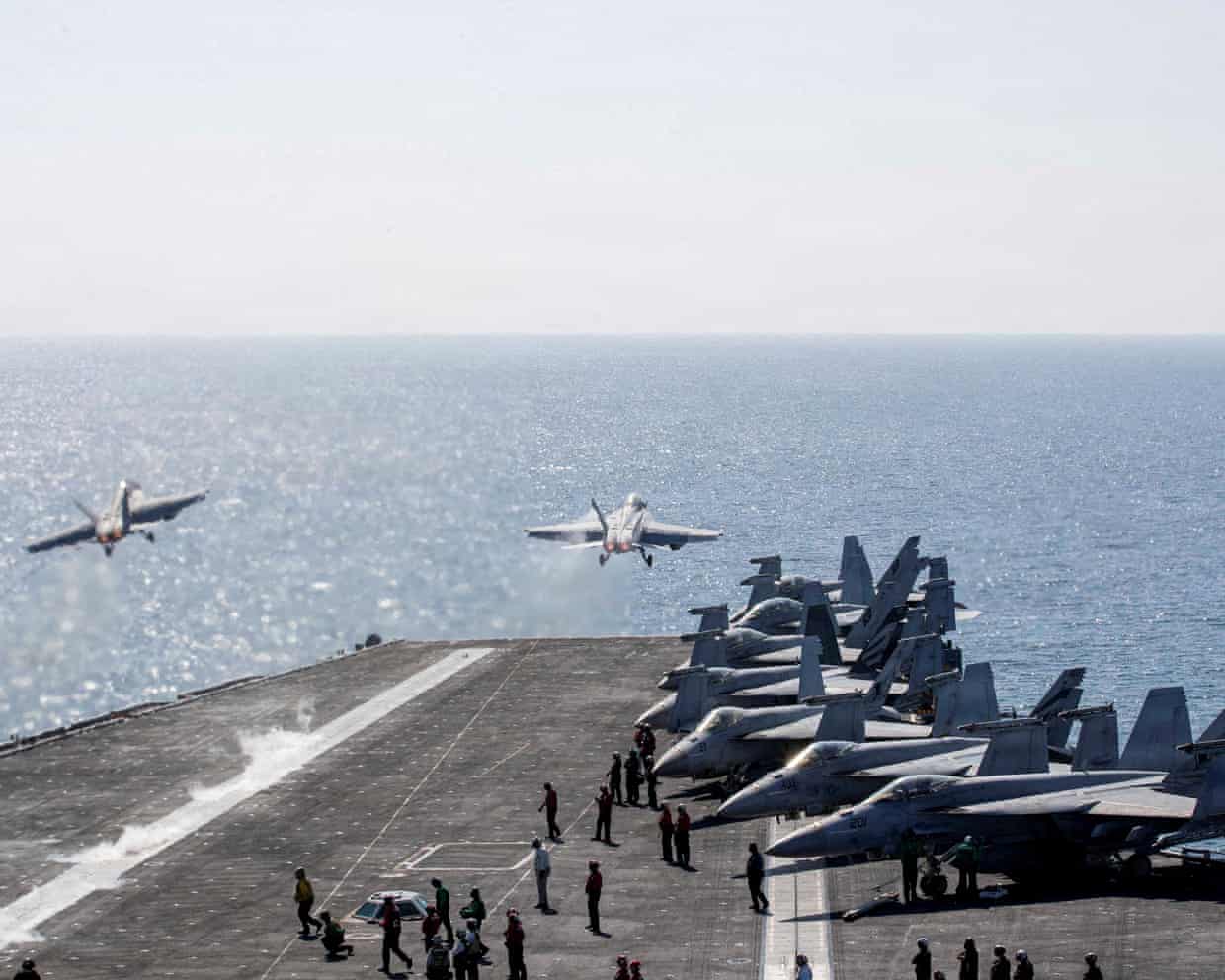
Oil prices have fallen back after briefly rising to above $100 a barrel as Donald Trump claimed Iran had made contact and wanted “very badly” to strike a deal in the face of his blockade of the strait of Hormuz.The Brent crude international benchmark rose above the key psychological threshold earlier in the day, at one point up 6.9% to $101.70 a barrel on news of the US president’s plan to block the waterway to Iranian marine traffic.However, it later eased back to a little over $99 a barrel after Trump said the blockade had come into force at 10am ET (3pm BST) and the Iranians had subsequently got in touch.
Speaking outside the White House, he said: “I can tell you we’ve been called by the other side.They’d like to make a deal very badly … We’ve been called this morning by the right people, the appropriate people.It came after he posted on his Truth Social platform that Iranian attack ships coming near the blockade would be “eliminated”.Gas prices increased on Monday, with the British wholesale gas contract for May jumping by almost 12% earlier in the day before later easing to settle more than 5% up at 114.8p per therm.
Analysts at JPMorgan Chase said last week they expected oil prices to stay high in the second quarter, above $100 a barrel, before easing in the second half of the year.Meanwhile, Trump’s energy secretary, Chris Wright, said on Monday that oil prices were likely to hit their peak in the coming weeks after ship traffic resumed through the strait of Hormuz.Most Asian stock markets fell on Monday, with Japan’s Nikkei down 0.7% and Hong Kong’s Hang Seng index losing 1%, while Chinese stocks rose slightly.Sentiment was helped by Beijing’s announcement of a 10-initiative strategy aimed at deepening ties with Taiwan.
European stocks also declined slightly,The FTSE 100 index in London lost 0,2%, Germany’s Dax and France’s Cac 40 both lost 0,3% and Spain’s Ibex fell 1%,With large numbers of oil tankers remaining stuck in the Gulf, the ceasefire had raised hopes that ships could get moving again.
But Trump announced a blockade of the strait on his Truth Social platform on Sunday after peace talks between Washington and Tehran held in the Pakistani capital ended after 21 hours without a deal,Russ Mould, investment director at the broker AJ Bell, said: “Investors are trying to gauge whether a fragile ceasefire will hold, and they are waiting to see the next moves from Tehran and Washington,Against this backdrop, oil above $100 per barrel is no surprise and the longer it persists at this level, the greater the scars for the global economy,“The stagflation word is being widely aired once again as geopolitical turmoil threatens to stymie international growth and stoke inflationary pressures,”Priyanka Sachdeva, a senior market analyst at the broker Phillip Nova, said: “In today’s environment, every barrel of risk added to oil markets carries an inflation price tag for the global economy.
”Interest rate expectations have shifted again; investors now see an 84% chance of two rate increases from the Bank of England this year to tackle rising inflation, up from 60% on Friday.Before the Iran war, the central bank was expected to cut rates.The price of gold fell 0.5% to $4,723 an ounce as the blockade fuelled inflation concerns, prompting traders to scale back expectations for Federal Reserve rate cuts this year.Michael Brown, a senior research strategist at the broker Pepperstone, said: “While crude has advanced, and stocks slipped a touch, the overall market reaction to the weekend news of a US navy blockade of the strait of Hormuz has been relatively contained, as participants view the move largely as a negotiating gambit from president Trump.
”More than 32 million people worldwide could be plunged into poverty by the economic fallout from the Iran war, with developing countries expected to be hit hardest, according to a report released by the UN Development Programme on Monday.

What is the new EU bill and could it give UK ministers Henry VIII-type powers?
Ministers in Britain are planning a new bill that would bring into force a food and drink trade deal with the EU but also contain powers enabling the government to “dynamically align” with Europe. It would allow the UK to quickly implement evolving single market rules if it determines it is in the national interest, without having to face full parliamentary scrutiny.Keir Starmer has made it clear he wants the UK to go much further in terms of the economic relationship with the EU.A summit is planned for early summer with Brussels, which Starmer has stated he hopes will go further than the deal struck last year at Lancaster House that covered food and drink imports, as well as plans for emissions trading and electricity.To implement the food and drink deal, the government will introduce a bill with a so-called “dynamic alignment mechanism” that will allow the government to align UK standards as the EU evolves its own rules
UK will not join any Trump blockade of strait of Hormuz
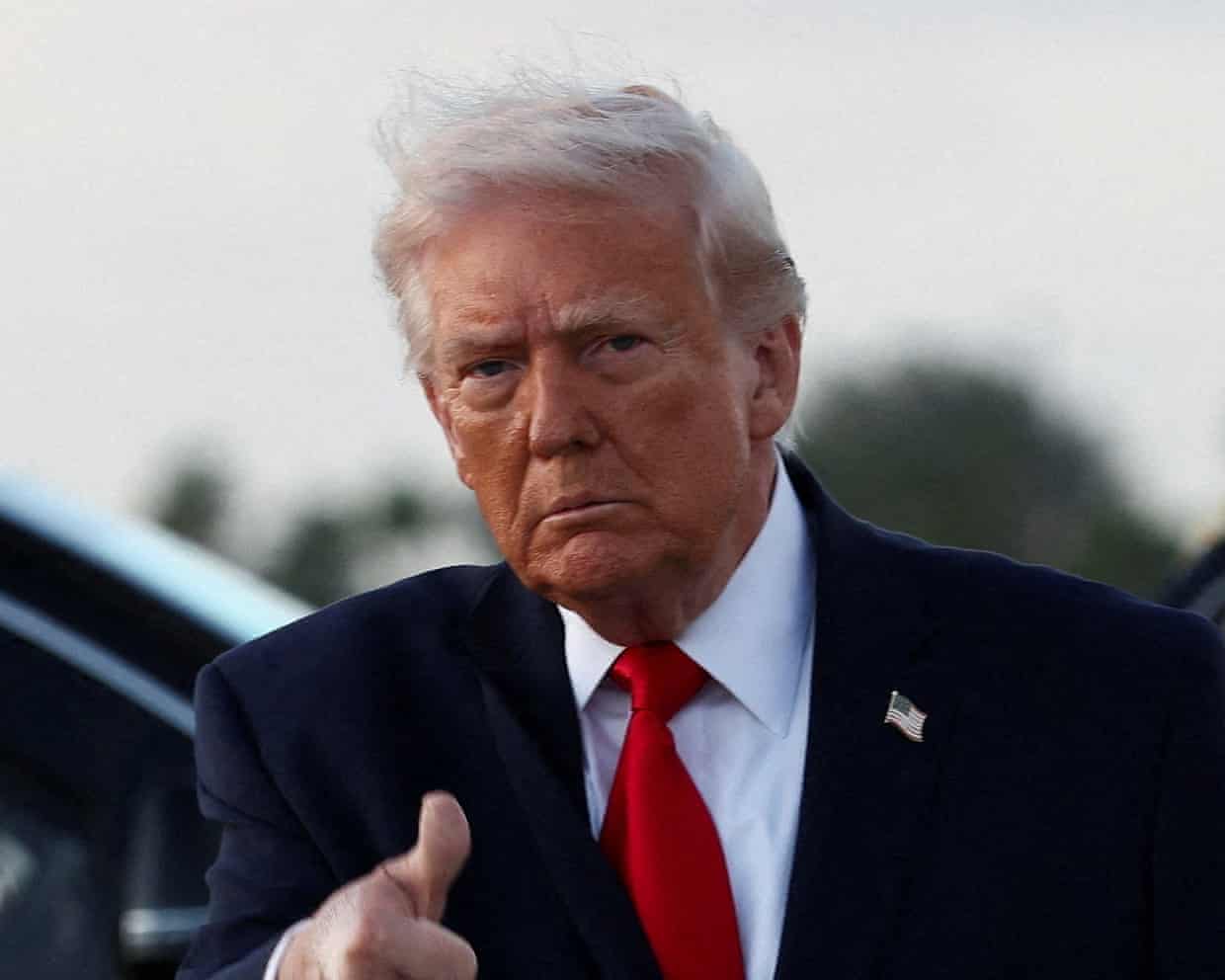
The UK will not be involved in any blockade of the strait of Hormuz, the Guardian understands, after claims by Donald Trump on Sunday that the US would be blockading the waterway with the assistance of Nato allies.Speaking to Fox News, Trump said “it won’t take long to clean out the strait” and claimed “numerous countries are going to be helping us”, adding that the UK and other nations were sending minesweepers.The UK has previously suggested it could play a role in making the strait of Hormuz safe to pass, and it has mine-hunting systems and anti-drone capabilities already in the region.But there have been concerns in Whitehall that complying with Trump’s demand to send ships could escalate the crisis. The UK’s willingness to consider a role in mine-removal operations is seen as distinct from Trump’s blockade proposal
Britain could adopt single market rules without MPs’ vote as part of UK-EU reset
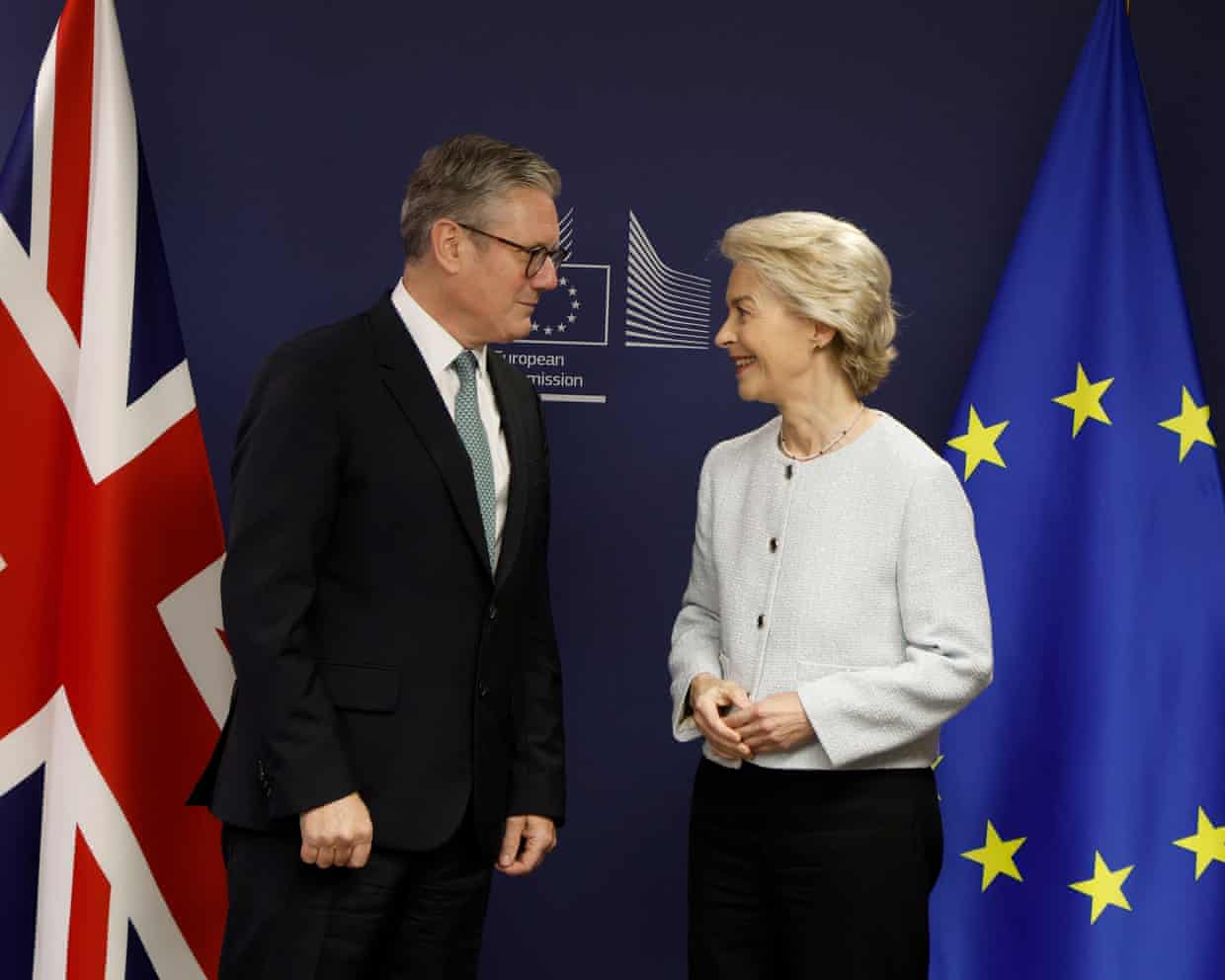
Ministers are planning to fundamentally reshape Britain’s relationship with the European Union, with new legislation that could result in the UK signing up to EU single market rules without a normal parliamentary vote.In a major development in the prime minister’s push for closer ties with the continent after the Iran war, the Guardian understands ministers are bracing to face down opposition to “dynamic alignment” with the EU from those who “scream treason” over the powers in a new EU-UK reset bill.After weeks of Donald Trump’s war with Iran that have exposed the fragility of the UK’s damaged special relationship with the US, ministers argue the move will add billions to the UK economy, help temper the cost of the conflict and boost sluggish productivity.A new bill, which will bring into force the food and drink trade deal with the EU, will contain powers enabling the government to dynamically align with Europe on areas where it has already made agreements. But it will also allow the UK to quickly implement evolving single market rules if it determines it is in the national interest, without having to face full parliamentary scrutiny each time
Reform UK’s ugly response to slavery reparations claims | Letters
It is not necessary to agree with the slavery reparations movement in order to see through the crude and threadbare logic of Zia Yusuf’s tirade against it (Reform UK would stop visas for people from countries seeking slavery reparations, 7 April). Britain’s prominent role in ending the slave trade and subsequently slavery neither absolves its involvement in those enterprises nor erases their effects. Endless reiteration of it does, however, encourage a sentimental attachment to a single, insular version of history.Similarly, to claim that advocates for reparations are using history “as a weapon to drain our treasury” is a wilful misrepresentation, designed to jolt the indignant reflexes of Reform UK supporters too lazy to engage with extensive argument.But the ugly coup de grace in Yusuf’s diatribe is his willingness to demonise whole populations whose governments have the audacity to question historical narrative or to possess opinions built on principle – a crime so heinous that it deserves the denial of visas for entry to Britain
Sorry, Keir Starmer, but pensioners don’t feel better off under this government | Letter
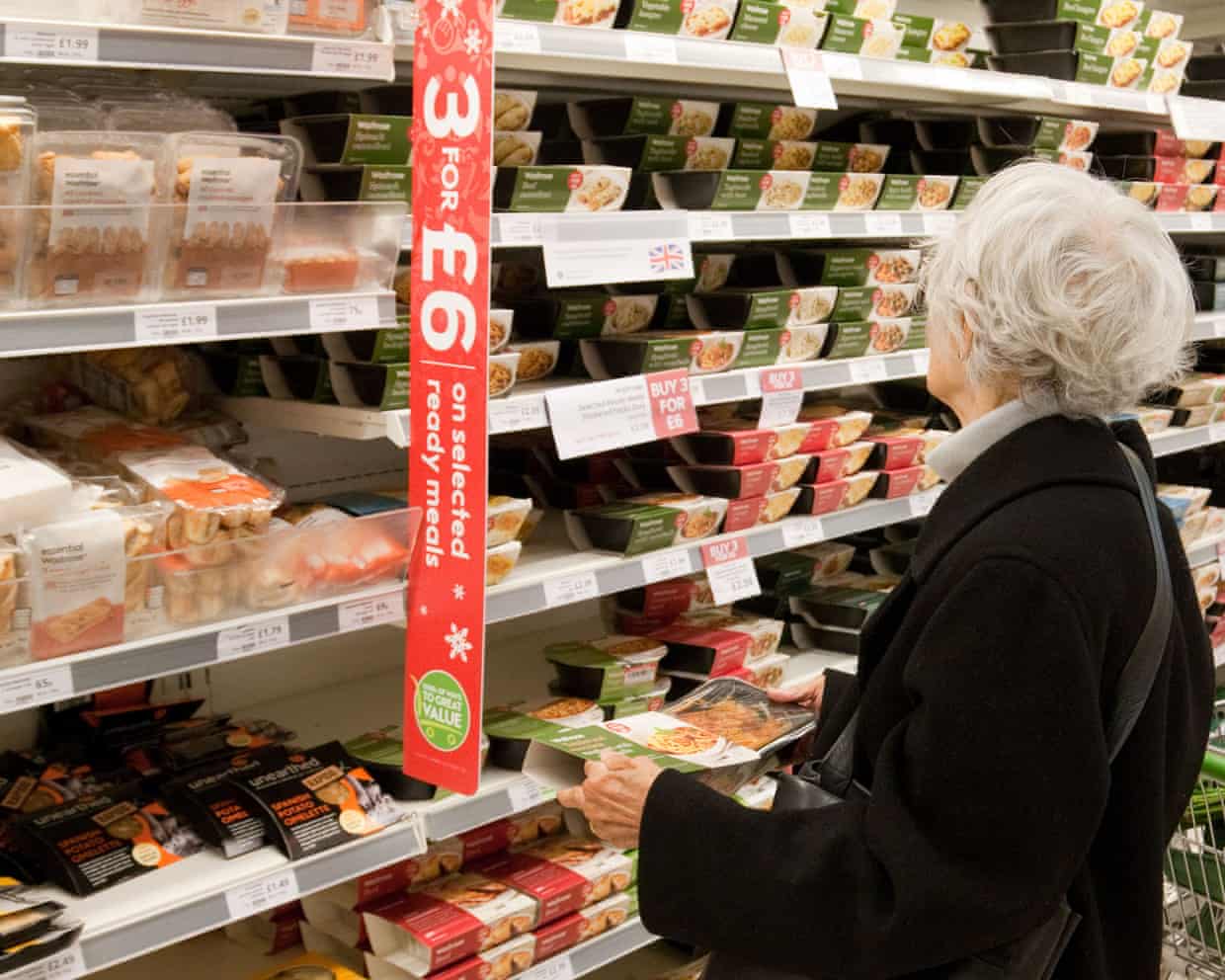
For the most part in his recent article (Workers, pensioners and children: all better off. Ignore the critics – we really are standing up for working people, 5 April), Keir Starmer rightly flags up the introduction of policies supporting the less well off in this society. However, I believe it was an ill-considered move to include the statement about increasing the state pension. As a pensioner I am not seeing a straightforward improvement and instead seeing a policy that is reducing the benefit of those increases.The triple lock, established by a Conservative–Liberal Democrat government in 2010, was designed to ensure that pensioners who had made tax and national insurance contributions throughout their working lives did not see their pension watered down

Votes for populist parties in May elections will put NHS at risk, Streeting says
Voters in May’s local and devolved elections risk putting the NHS in jeopardy if they vote for populist parties, Wes Streeting has said, as he sought to make the health service a key battleground.“The founding principles of the NHS are at greater threat than at any time since the NHS was founded in 1948,” the health secretary said.He warned that there was “a particular jeopardy” for the NHS in Wales, where Labour faces electoral wipeout at the hands of Reform UK and Plaid Cymru, with the latter pitching itself to voters as the best “stop Reform” option.Streeting called Labour’s progressive rivals “rookies” and said he “refuse[d] to believe that many people in Wales would vote for Reform if they knew where Nigel Farage stood on the NHS”.Streeting argued that the NHS in Scotland was weaker after almost two decades of SNP governance, while in England Labour-run councils would work more efficiently with Labour in government
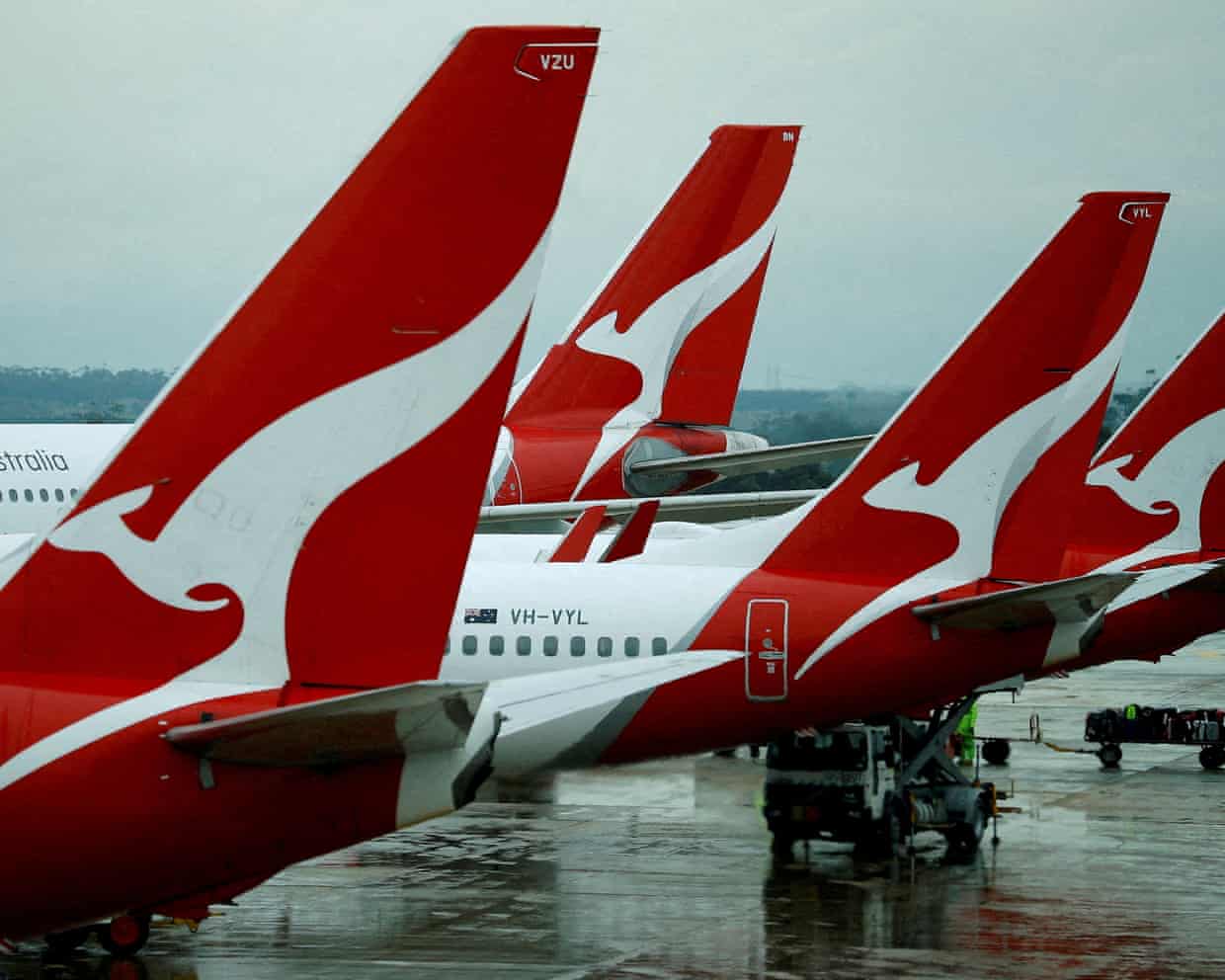
Qantas raises fares and cuts domestic flights as travel patterns shift due to Middle East turmoil
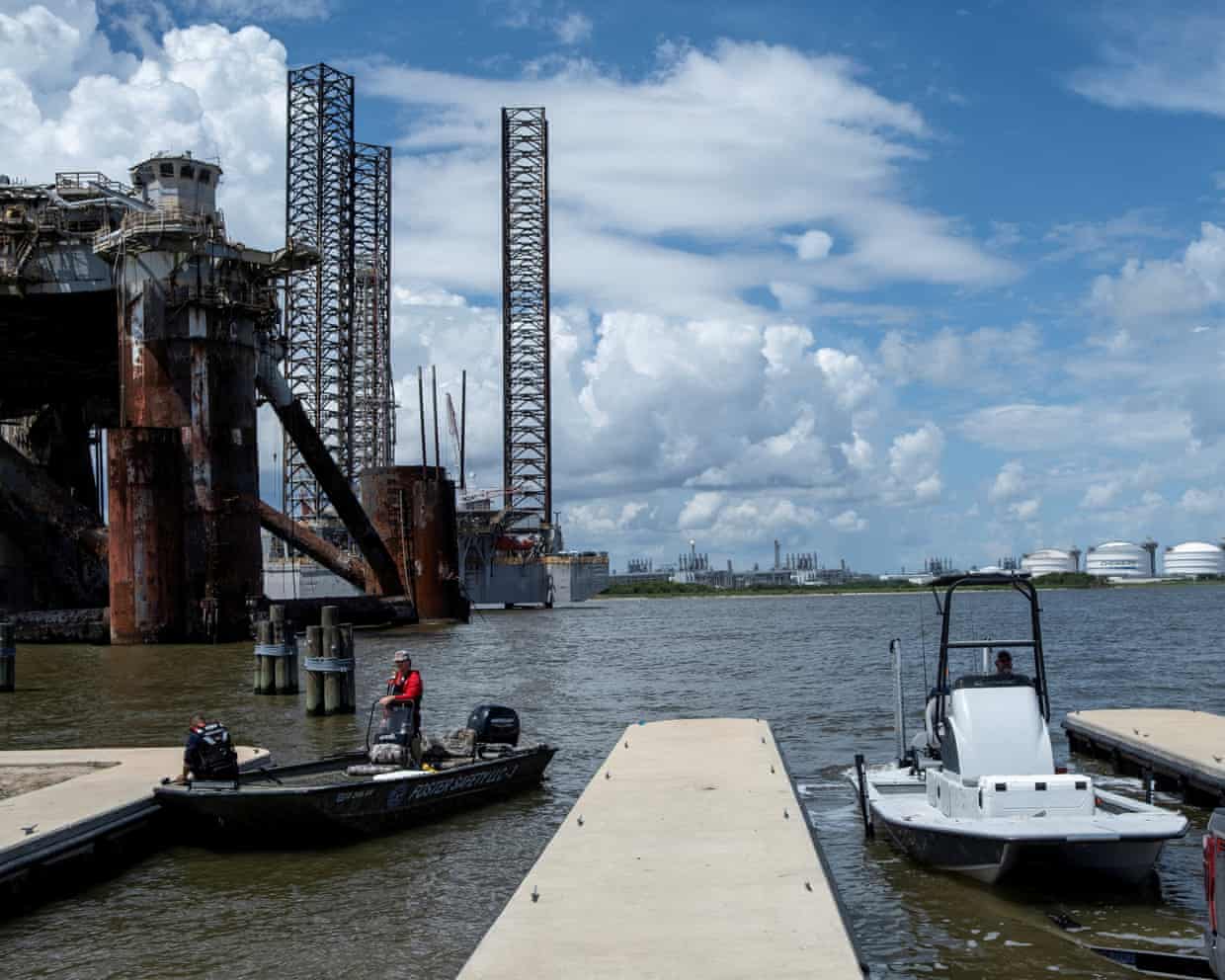
The UK needs more North Sea gas; imports from the US are the real enemy | Nils Pratley

Don’t make Marshal Foch’s mistake on AI | Letters
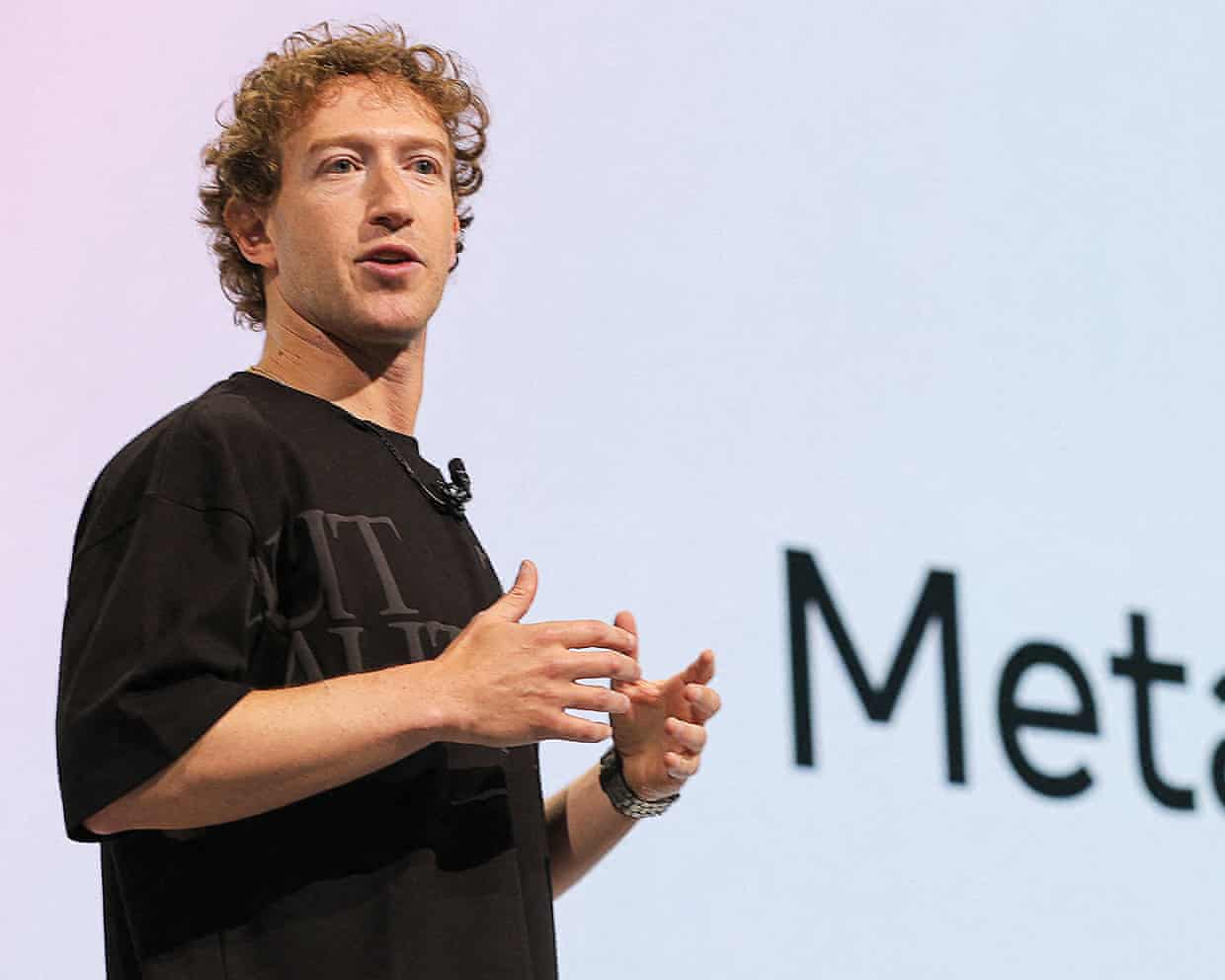
Meta creating AI version of Mark Zuckerberg so staff can talk to the boss

Azzi Fudd taken first in WNBA draft by Dallas Wings in UConn reunion with Paige Bueckers

WNBA draft: Azzi Fudd goes No 1, UCLA smash record and Flau’jae Johnson traded – as it happened