Bakery chain Gail’s plans to open 40 more outlets as sales soar
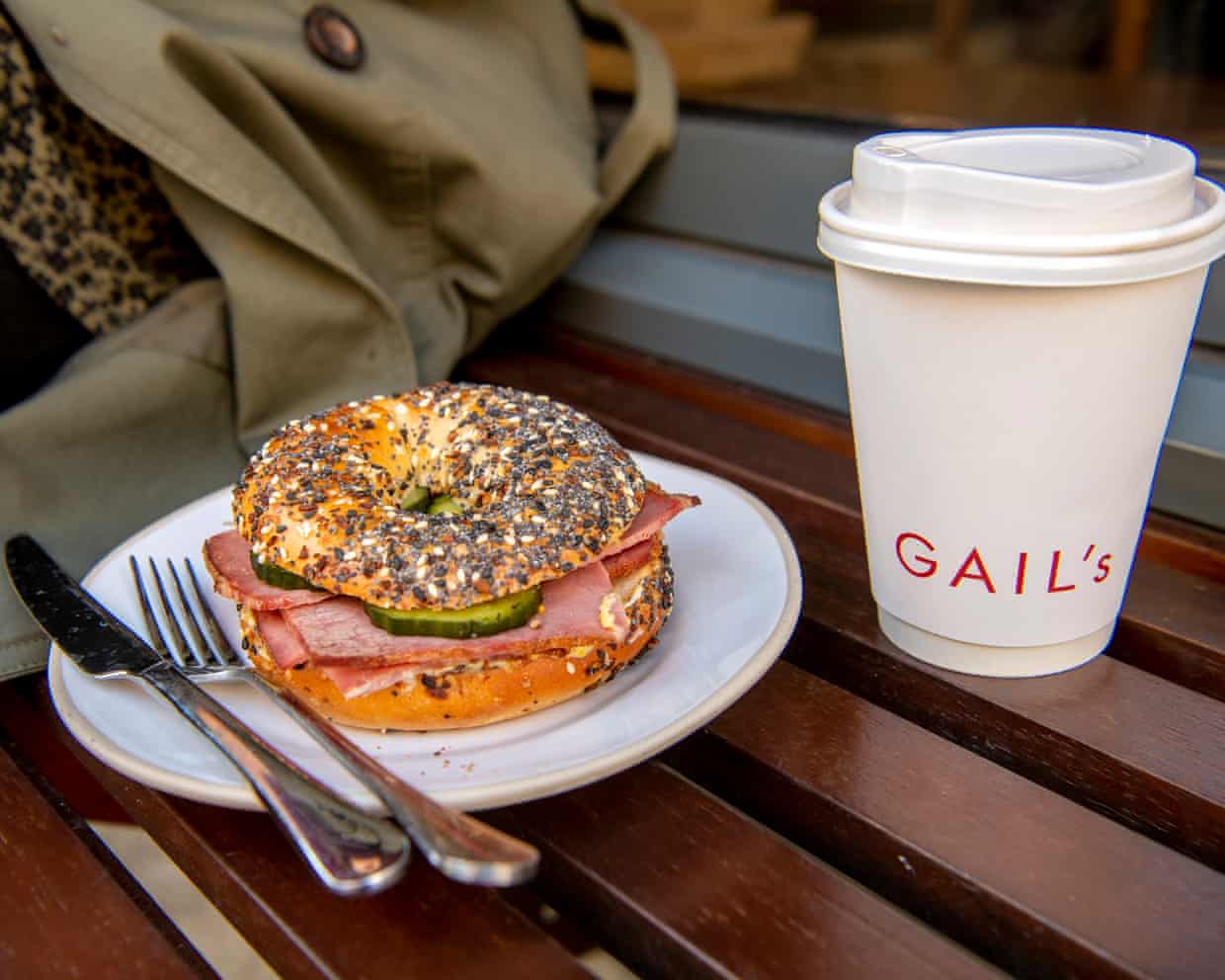
The upmarket bakery chain Gail’s is planning 40 more outlets after sales rose by a fifth last year as it opened 36 new bakeries and sales to supermarkets increased.The cafe and retailer, which currently has 185 sites, said sales rose to £278m in the year to the end of February but that pre-tax losses widened to £7.8m, from £7.4m a year before, as costs rose and it spent millions on opening new outlets, according to accounts filed at Companies House.Gail’s directors said staff and energy costs had risen, hitting profit margins, while it spent £51m on store pre-opening costs.
Sales at its retail arm rose almost 23%, more than double the pace of its wholesale division, which supplies clients including Waitrose, Ocado and Amazon from bakeries in London, Manchester and Bath.A Gail’s spokesperson told the Propel trade journal: “We are pleased to have delivered strong year-on-year growth.This performance is underpinned by the increasing demand for high-quality, nutrient dense food, and by the support of the communities we serve.We will continue to build on this momentum by growing with purpose and remaining committed to improving access to good food.”Speaking at a conference organised by Propel this month, Tom Molnar, who co-founded Gail’s 20 years ago, said the business was “still early in our growth”.
He said: “We do have a lot of bakeries now, but it took 20 years to get there.It wasn’t easy, and it wasn’t very fast.Twice, we had to stop growing altogether, because we didn’t think that we could be better; we were worried about getting consumed by speed.We’re still early in our growth.You take McDonald’s, Greggs or any other successful food business here in the UK – they operate from thousands of sites, and we’re still below 200.
”Gail’s owners, led by the private equity group Bain Capital, last year reportedly hired the financial advisory company Goldman Sachs to help find new investors in an effort to drive expansion.The chain was said to be worth as much as £500m.The bakery was founded by Yael (Gail) Mejia in the early 1990s serving restaurants and other venues in London.In 2003, Molnar and a few others joined Mejia and the group opened the first bakery cafe in Hampstead in 2005.Sign up to Business TodayGet set for the working day – we'll point you to all the business news and analysis you need every morningafter newsletter promotionThe rapidly expanding chain has become an unlikely political bellwether – used by the Liberal Democrats to help identify areas where voters might be ready to switch from the Conservatives.
Its expansion has also spurred local protests, including a heated one in Walthamstow, east London, where a petition to stop a Gail’s opening was signed by hundreds of residents.A new branch in Brighton was spray-painted with the world “boring” and a large image of a penis, according the local newspaper the Argus.

After a teddy bear talked about kink, AI watchdogs are warning parents against smart toys
As the holiday season looms into view with Black Friday, one category on people’s gift lists is causing increasing concern: products with artificial intelligence.The development has raised new concerns about the dangers smart toys could pose to children, as consumer advocacy groups say AI could harm kids’ safety and development. The trend has prompted calls for increased testing of such products and governmental oversight.“If we look into how these toys are marketed and how they perform and the fact that there is little to no research that shows that they are beneficial for children – and no regulation of AI toys – it raises a really big red flag,” said Rachel Franz, director of Young Children Thrive Offline, an initiative from Fairplay, which works to protect children from big tech.Last week, those fears were given brutal justification when an AI-equipped teddy bear started discussing sexually explicit topics
One in 10 UK parents say their child has been blackmailed online, NSPCC finds
Nearly one in 10 UK parents say their child has been blackmailed online, with harms ranging from threatening to release intimate pictures to revealing details about someone’s personal life.The NSPCC child protection charity also found that one in five parents know a child who has experienced online blackmail, while two in five said they rarely or never talked to their children about the subject.The National Crime Agency has said that it is receiving more than 110 reports a month of child sextortion attempts, where criminal gangs trick teenagers into sending intimate pictures of themselves and then blackmail them.Agencies across the UK, US and Australia have confirmed a rising number of sextortion cases involving teenage boys and young adult males being targeted by cyber-criminal gangs based in west Africa or south-east Asia, some of which have ended in tragedy. Murray Dowey, a 16-year-old from Dunblane, Scotland, killed himself in 2023 after becoming a victim of sextortion on Instagram and Dinal De Alwis, 16, killed himself in Sutton, south London, in October 2022 after being blackmailed over nude photographs
Small changes to ‘for you’ feed on X can rapidly increase political polarisation
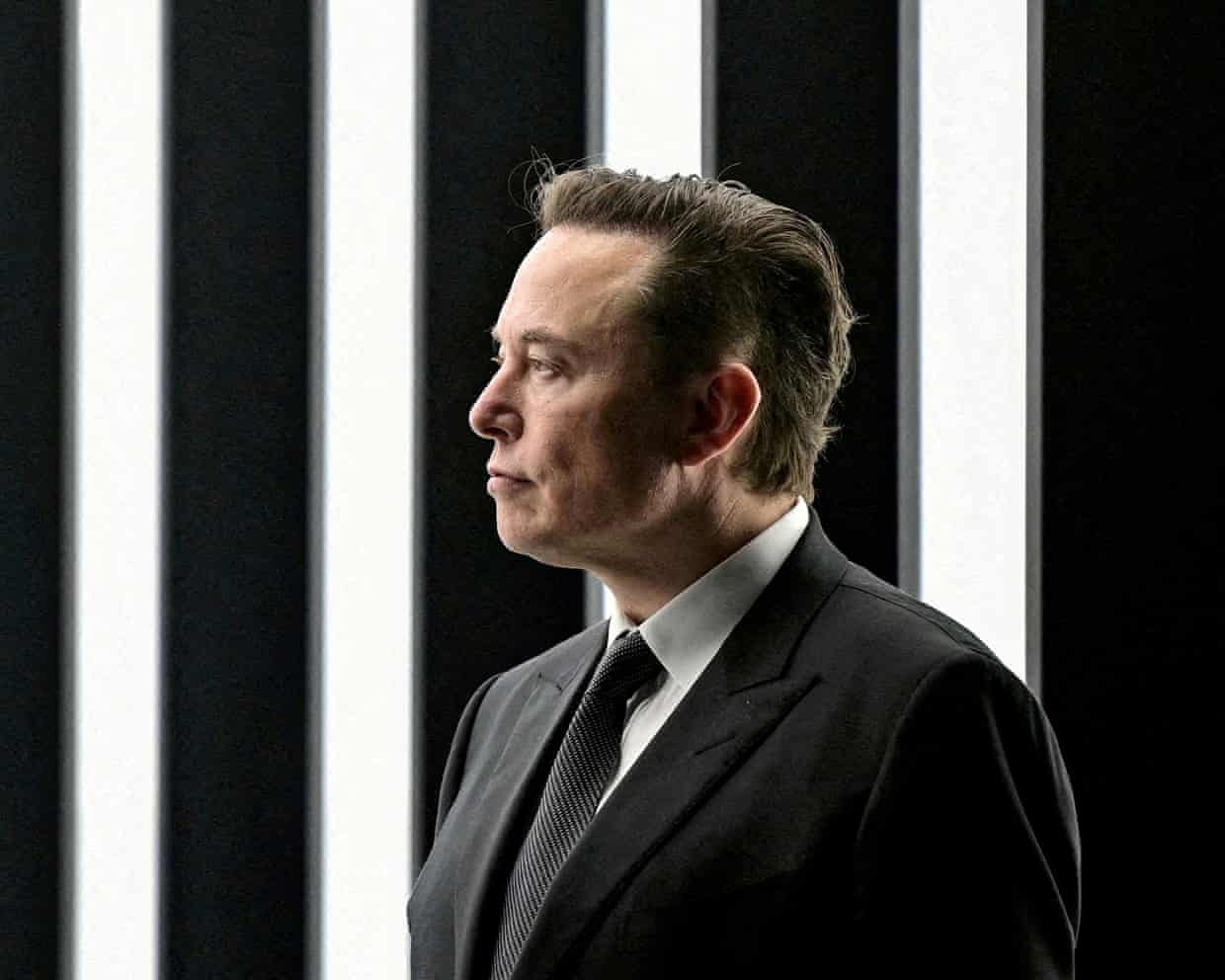
Small changes to the tone of posts fed to users of X can increase feelings of political polarisation as much in a week as would have historically taken at least three years, research has found.A groundbreaking experiment to gauge the potency of Elon Musk’s social platform to increase political division found that when posts expressing anti-democratic attitudes and partisan animosity were boosted, even barely perceptibly, in the feeds of Democrat and Republican supporters there was a large change in their unfavourable feelings towards the other side.The degree of increased division – known as “affective polarisation” – achieved in one week by the changes the academics made to X users’ feeds was as great as would have on average taken three years between 1978 and 2020.Most of the more than 1,000 users who took part in the experiment during the 2024 US presidential election did not notice that the tone of their feed had been changed.The campaign was marked by divisive viral posts on X, including a fake image of Kamala Harris cosying up to Jeffrey Epstein at a gala and an AI-generated image posted by Musk of Kamala Harris dressed as a communist dictator that had 84m views
Foreign interference or opportunistic grifting: why are so many pro-Trump X accounts based in Asia?
When X rolled out a new feature revealing the locations of popular accounts, the company was acting to boost transparency and clamp down on disinformation. The result, however, has been a circular firing squad of recriminations, as users turn on each other enraged by the revelation that dozens of popular “America first” and pro-Trump accounts originated overseas.The new feature was enabled over the weekend by X’s head of product, Nikita Bier, who called it the first step in “securing the integrity of the global town square.” Since then many high-engagement accounts that post incessantly about US politics have been “unmasked” by fellow users.An Ivanka Trump fan account that posts about illegal immigration to the US was shown to be based in Nigeria

London councils enact emergency plans after three hit by cyber-attack
Three London councils have reported a cyber-attack, prompting the rollout of emergency plans and the involvement of the National Crime Agency (NCA) as they investigate whether any data has been compromised.The Royal Borough of Kensington and Chelsea (RBKC), and Westminster city council, which share some IT infrastructure, said a number of systems had been affected across both authorities, including phone lines. The councils shut down several computerised systems as a precaution to limit further possible damage.The Information Commissioner’s Office (ICO) said the London Borough of Hammersmith and Fulham had also reported an attack. Together the three authorities provide services for more than half a million Londoners
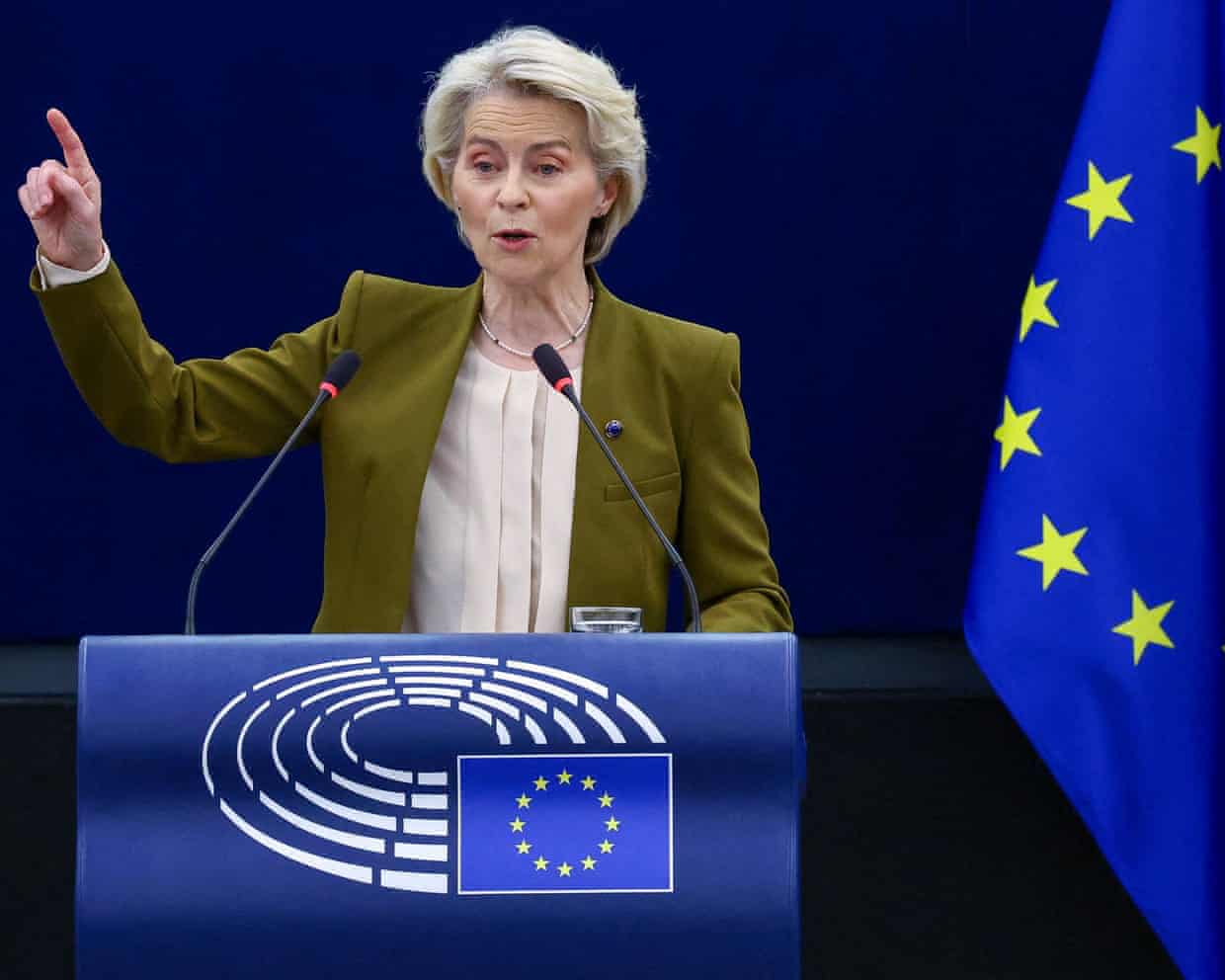
European parliament calls for social media ban on under-16s
Children under 16 should be banned from using social media unless their parents decide otherwise, the European parliament says.MEPs passed a resolution on age restrictions on Wednesday by a large majority. Although not legally binding, it raises pressure for European legislation amid growing alarm about the mental health risks to children of unfettered internet access.The European Commission, which is responsible for initiating EU law, is already studying Australia’s world-first social-media ban for under-16s, which is due to take effect next month.In a speech in September, the commission’s president, Ursula von der Leyen, said she would watch the implementation of Australia’s policy
Bakery chain Gail’s plans to open 40 more outlets as sales soar
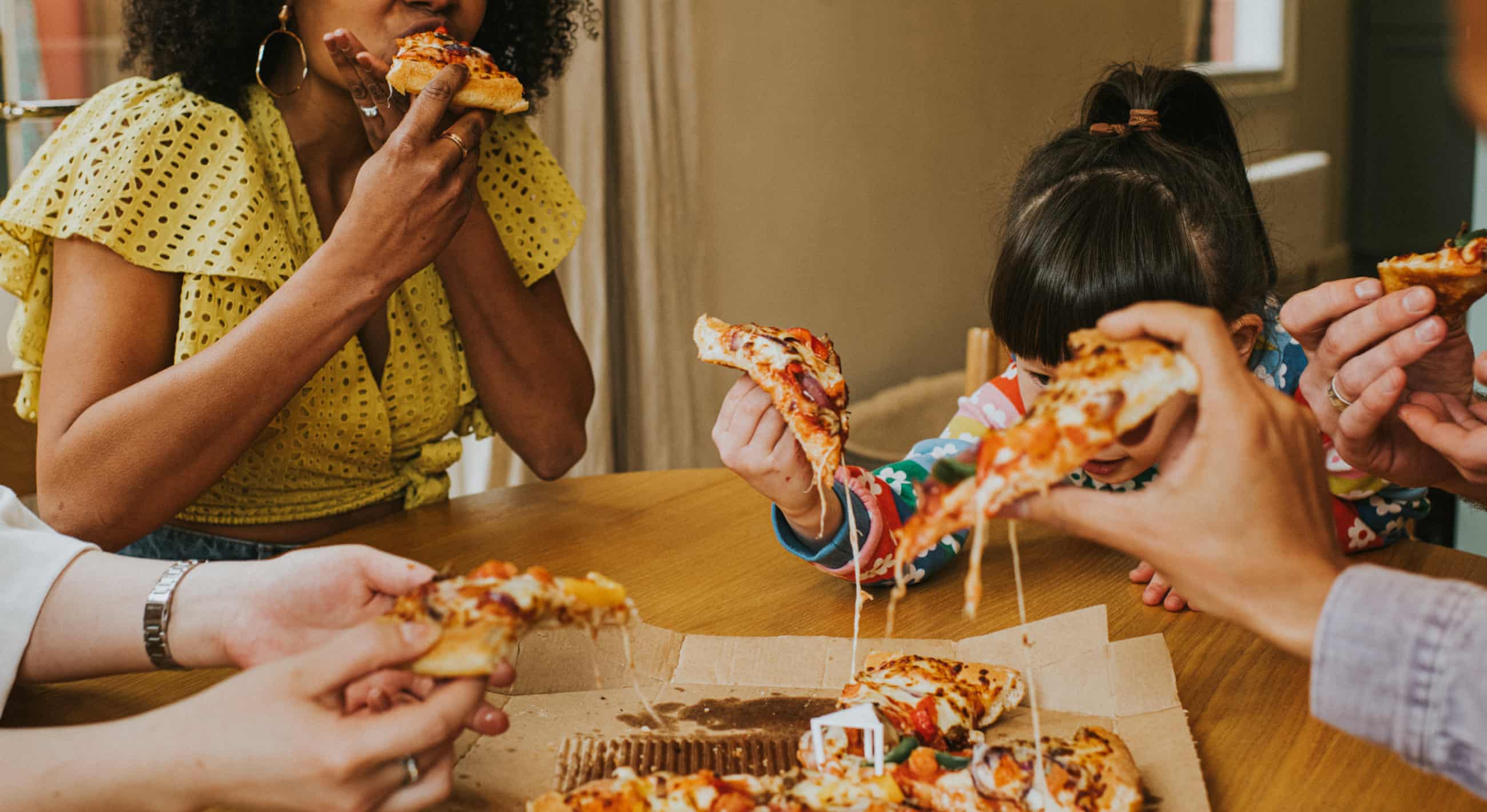
Is gen Z’s love of fried chicken pushing Britain to ‘peak pizza’?

How big tech is creating its own friendly media bubble to ‘win the narrative battle online’
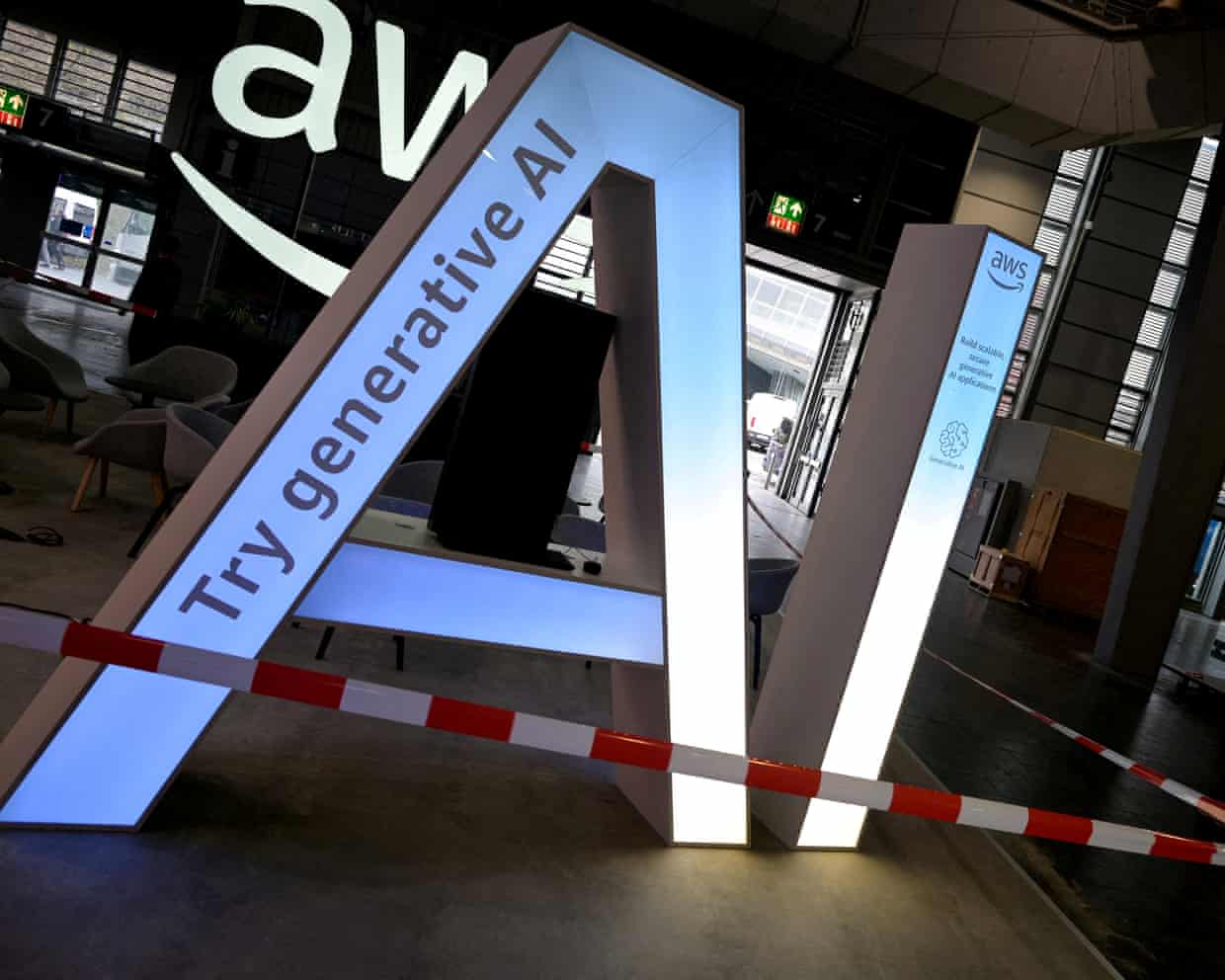
More than 1,000 Amazon workers warn rapid AI rollout threatens jobs and climate

Panthers shock Rams, Texans beat Colts and Bucs best Cardinals: NFL week 13 – as it happened

Lando Norris and Oscar Piastri voice frustration at McLaren’s strategy