Let it be: Paul McCartney urges EU to drop ban on veggie ‘burgers’ and ‘sausages’

Paul McCartney has joined calls for the EU to reject efforts to ban the use of terms such as “sausage” and “burger” for vegetarian foods,The former Beatle has joined eight British MPs who have written to the European Commission arguing that a ban approved in October by the European parliament would address a nonexistent problem while slowing progress on climate goals,The new rules would spell the end the use of terms such as steak, burger, sausage or escalope when referring to products made of vegetables or plant-based proteins,Suggested alternatives include the less appetising “discs” or “tubes”,McCartney said: “To stipulate that burgers and sausages are ‘plant-based’, ‘vegetarian’ or ‘vegan’ should be enough for sensible people to understand what they are eating.
This also encourages attitudes which are essential to our health and that of the planet.”The musician is one of the world’s most prominent advocates of a vegetarian diet.He and his late wife founded the Linda McCartney plant-based foods brand in 1991 and he and their daughters Mary and Stella launched the global “Meat Free Monday” campaign to encourage people to eat less meat.Linda McCartney sausages and burgers have been part of a global trend of increased interest in products to replace meat, even if investment has waned since a bubble during the coronavirus pandemic.Yet with the growth of plant-based products has come a backlash, particularly from the politically powerful farming and meat distribution industries, which are worried about the potential effects of lower demand on jobs.
The European parliament voted 355–247 to ban “meat-related” names from being used on plant-based products,According to Euronews, Céline Imart, a French member of the centre-right European People’s party and proponent of the ban, told the parliament: “I accept that steak, cutlet or sausage are products from our livestock farms,Full stop,No laboratory substitutes, no plant-based products,”The letter signed by the McCartney family and the British MPs argued that the EU rules could force Britain into changes as well, because the markets and regulation are still so intertwined despite the UK’s departure from the EU.
Sign up to Business TodayGet set for the working day – we'll point you to all the business news and analysis you need every morningafter newsletter promotionThe EU has a longstanding “geographical indication” system of preventing businesses from trading off the names of products associated with specific places, such as champagne (north-east France), Kalamata olives (southern Greece) or Parma ham (northern Italy).But the attempt to limit the use of generic terms is more controversial.Many of the terms that would be banned have malleable meanings.For instance, the Collins dictionary defines a sausage firstly in relation to meat but secondly as “an object shaped like a sausage”.Even more problematically for a ban, the primary definition of “burger” is given as a “flat round mass of minced meat or vegetables”.
The eight MP signatories to the letter include the former Labour leader Jeremy Corbyn and the former Green party co-leaders Carla Denyer and Adrian Ramsay.
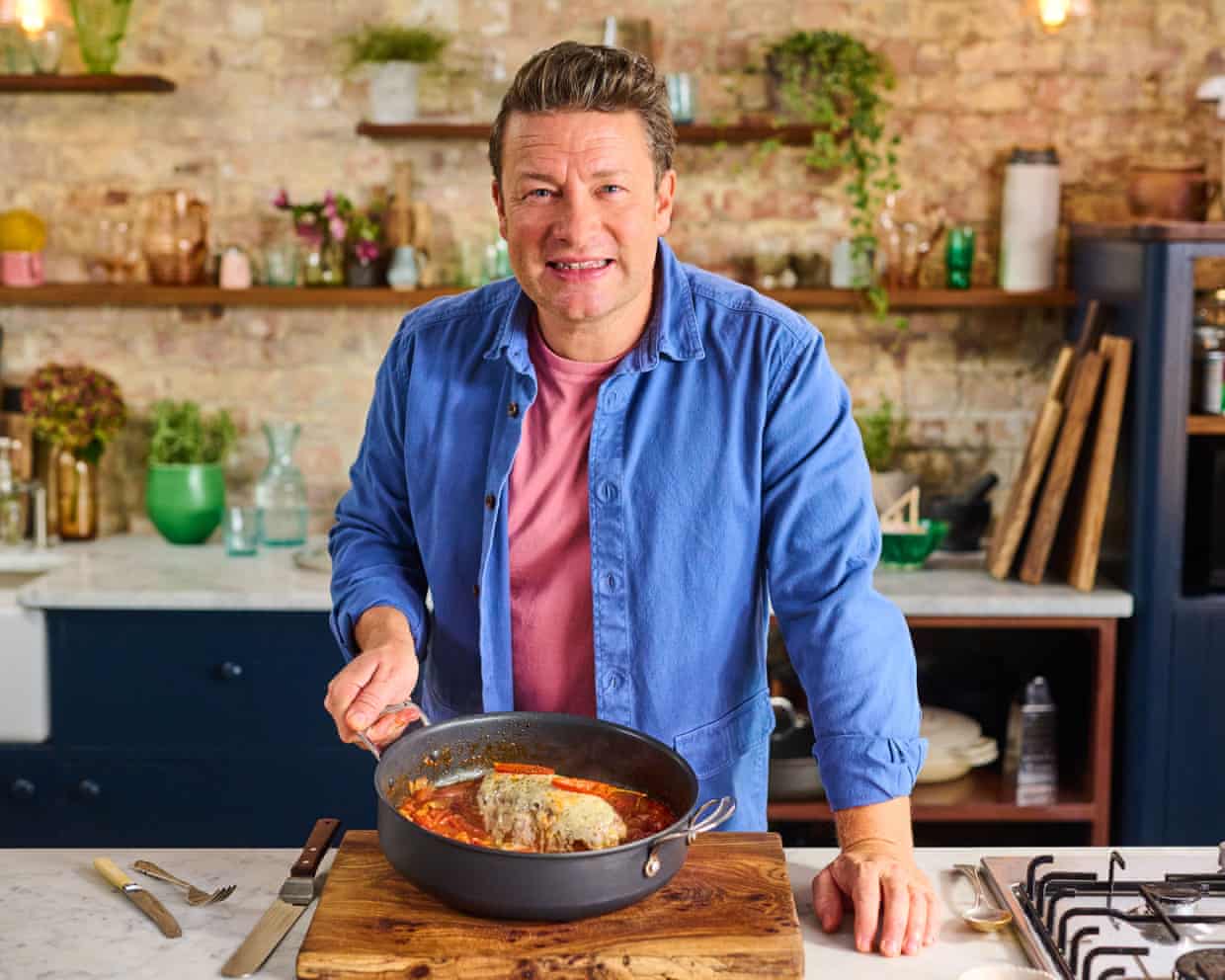
Jamie Oliver to relaunch Italian restaurant chain in UK six years after collapse
Jamie Oliver is to revive his Jamie’s Italian restaurant chain in the UK, more than six years after the celebrity chef’s brand collapsed.Jamie’s Italian is poised to be relaunched in the spring, starting with a restaurant in London’s Leicester Square.Oliver’s return to the UK restaurant scene is being backed by Brava Hospitality Group – the private equity-backed group that runs the Prezzo chain – which intends to relaunch the brand across the UK.“As a chef, having the chance to return to the high street is incredibly important to me,” he said. “I will drive the menus, make sure the sourcing is right, the staff training, and ensure the look and feel of the restaurant is brought to life in the right way
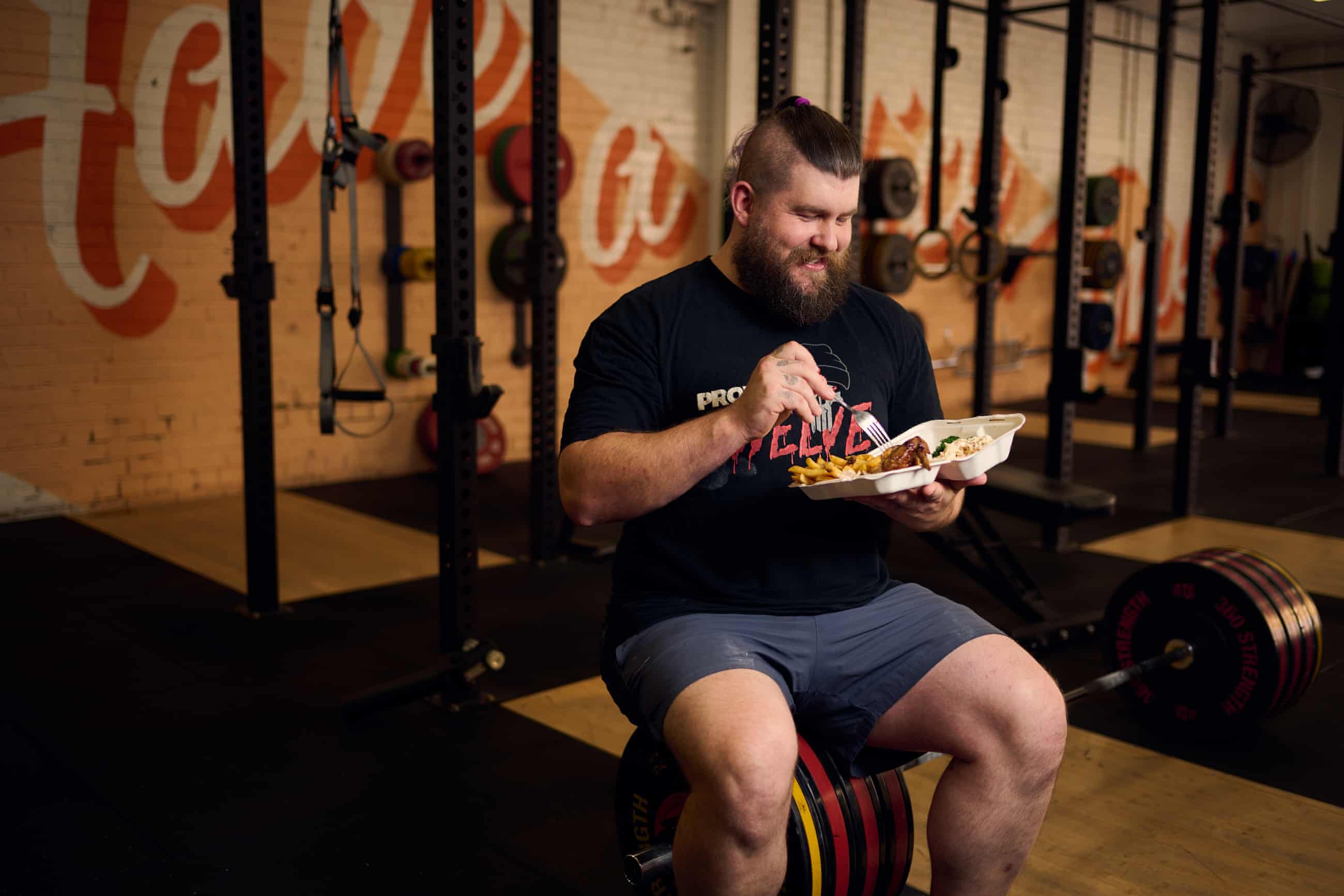
Maximum protein, minimal carbs: why gym bros are flocking to Australia’s charcoal chicken shops
From El Jannah’s webpage dedicated to ‘health-conscious individuals’ to Habibi Chicken’s ‘Gym Bro’ pack, businesses are catering to the post-leg day crowdGet our weekend culture and lifestyle emailPopularised in Australia by Balkan and Lebanese immigrants, charcoal chicken has long been part of our comfort-food canon. But recently, the humble chicken shop has had a renaissance – driven by fresh takes on the classics, the expansion of longstanding chains and a surge of protein-conscious gym goers.In June, charcoal chicken chain El Jannah, which has more than 50 stores, launched a page on its website dedicated to protein and macros – complete with recommendations for the best post-leg day order – a clear nod to the fitness crowd.In Wagga Wagga, Habibi Chicken has a “Gym Bro” pack – a half or quarter chicken, tabbouleh, pita and toum, no chips. Co-owner Mariam Rehman says it’s a top seller, designed to maximise protein and reduce carbs
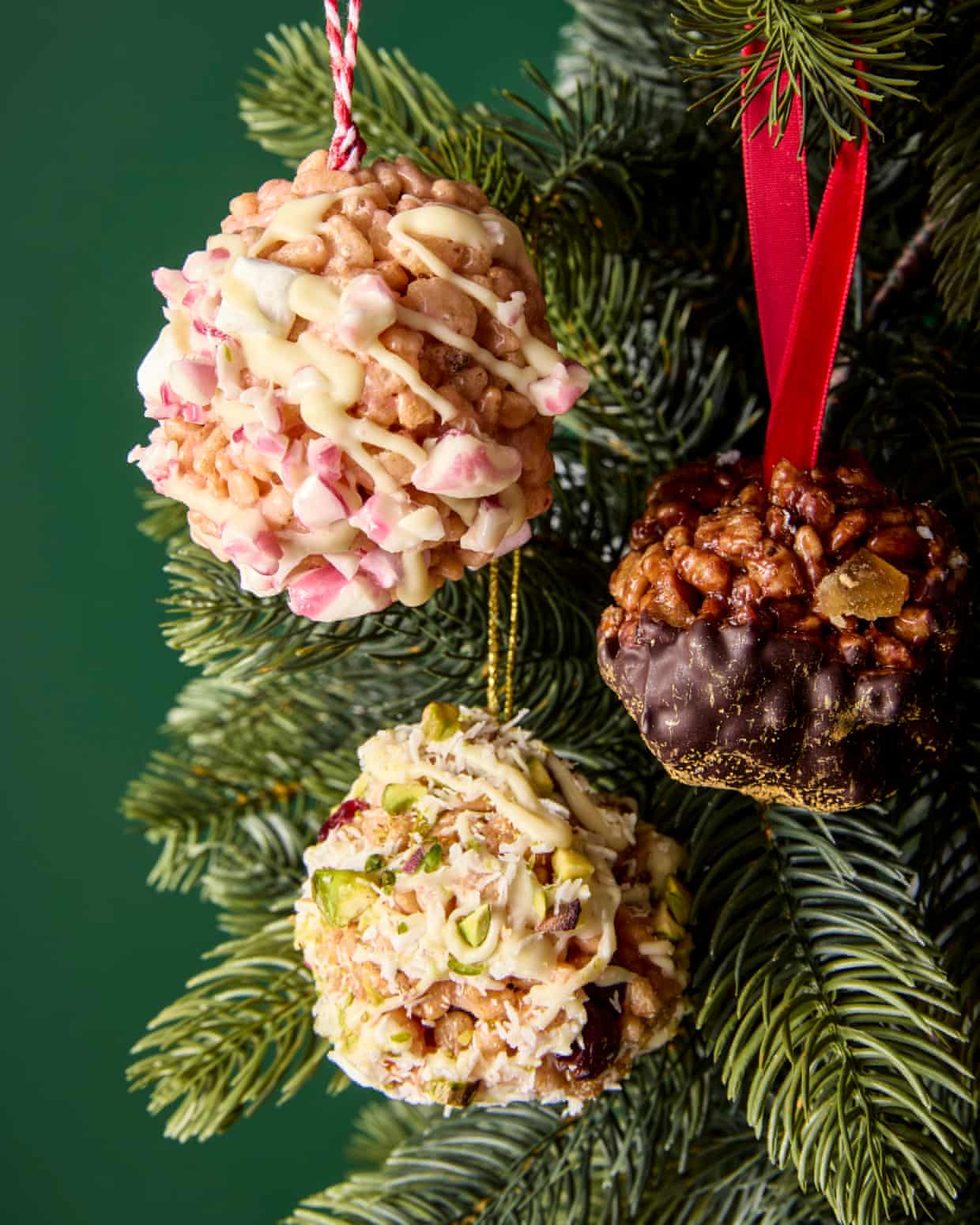
Helen Goh’s recipe for edible Christmas baubles | The sweet spot
These edible baubles make a joyful addition to the Christmas table or tree. Soft, chewy, marshmallow-coated Rice Krispies are studded with pistachios and cranberries, chocolate and ginger, or peppermint candy cane; they’re as fun to make as they are to eat, and they make a perfect little gift. To add a ribbon for hanging, cut small lengths of ribbon, then loop and knot the ends. Push the knotted end gently into the top of each ball while it’s still pliable, then reshape around it, so it holds the knot securely as it sets. Alternatively, wrap each bauble in cellophane, then gather at the top and tie with a ribbon, leaving a long loop for hanging
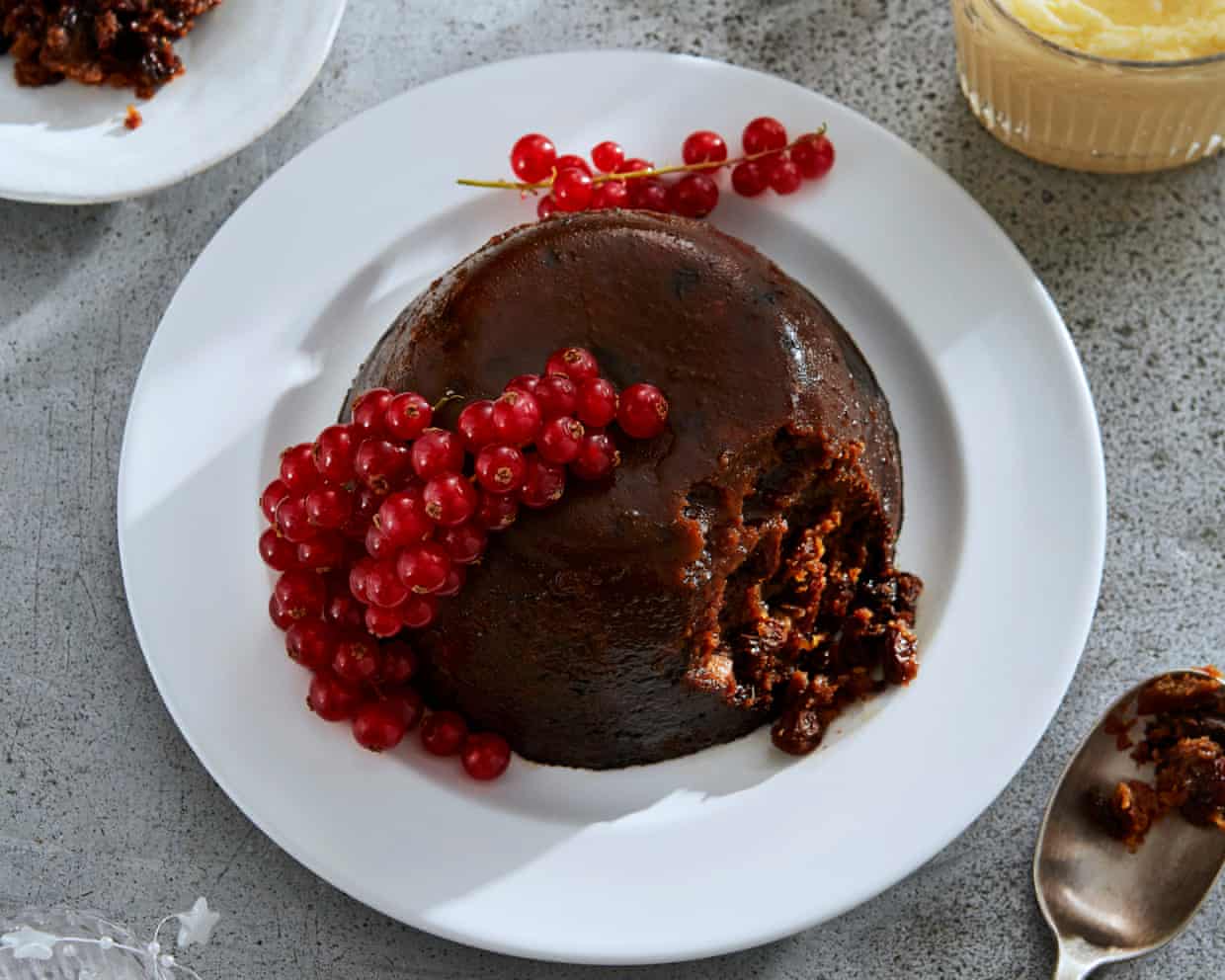
A gentle trade in edible gifts binds communities together
A guest at our restaurant recently told me about her mother’s seasonal side hustle, though no one would have dared call it that out loud: in the weeks before Christmas, she became a quiet merchant of puddings. The proper kind of pudding, too: all dense but not leaden, heavy with prunes and warm with careful spicing.As December crept in, forgotten cousins and semi-estranged uncles seemed to find reasons to drop by her place. She never advertised the fact, of course, but everyone knew that if you came bearing even a modest offering, you might just leave with a pudding wrapped in waxed paper and still warm with possibility. The exchanges were subtle
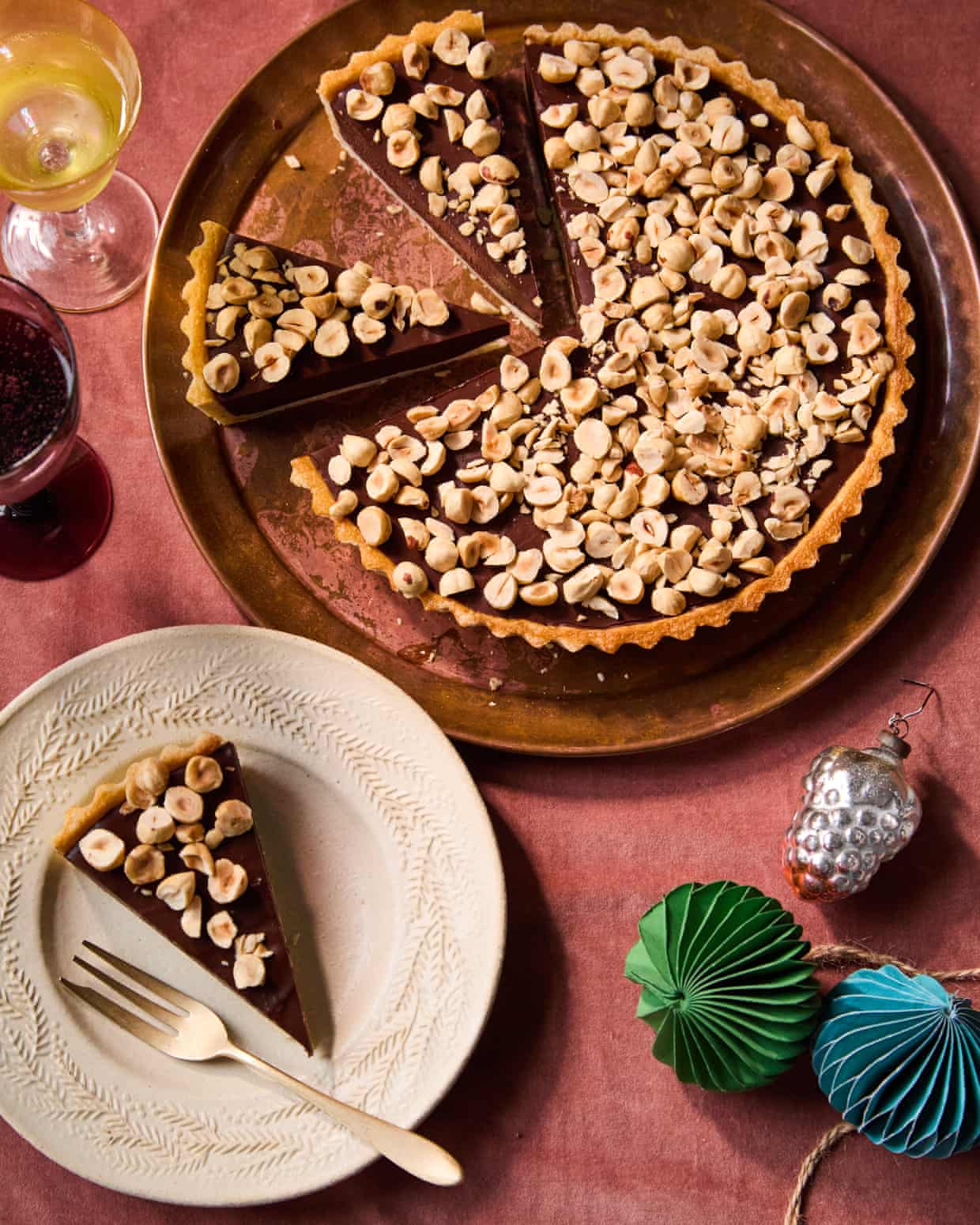
Chocolate tart and zabaglione: Angela Hartnett’s easy make-ahead Christmas desserts – recipes
When you’re the cook of the house, you spend quite enough time in the kitchen on Christmas Day as it is. And, after those time-consuming nibbles, the smoked salmon starter and the turkey-with-all-the-trimmings main event, the last thing you want is a pudding that demands even more hands-on time at the culinary coalface. For me, the main requirement of any Christmas dessert is that it can be made well in advance, not least because, by the time the pudding stage comes around, I’ll be completely knackered and more than ready to put up my feet and finally relax (or, more likely, fall asleep on the sofa).Prep 15 minRest 3 hr+Cook 40 minServes 6-8For the sweet pastry500g plain flour, plus extra for dusting 150g caster sugar 250g cold butter, diced2-3 eggs, lightly beatenFor the filling640g 70%-cocoa dark chocolate, broken into small pieces800ml double cream 64g glucose syrup 64g cold butter, cubed 100g roasted hazelnuts, lightly choppedPut the flour and sugar in a large bowl, stir to combine, then add the diced butter and work it in with your fingertips until the mix takes on the consistency of rough breadcrumbs. Add two of the beaten eggs, then mix until the dough comes together into a ball; if need be, add the third beaten egg, but take great care not to overwork the dough

I called my recipe book Sabzi – vegetables. But the name was trademarked. And my legal ordeal began
Vegetables, in my experience, rarely cause controversy. Yet last month I found myself in the middle of a legal storm over who gets to own the word sabzi – the Hindi, Urdu, Punjabi, Persian, Dari and Pashto word for cooked veg or fresh greens. It was a story as absurd as it was stressful, a chain of delis threatened me with legal action over the title of a book I had spent years creating. But what began as a personal legal headache soon morphed into something bigger, a story about how power and privilege still dominate conversations about cultural ownership in the UK.When the email first landed in my inbox, I assumed it must be a wind-up
Let it be: Paul McCartney urges EU to drop ban on veggie ‘burgers’ and ‘sausages’
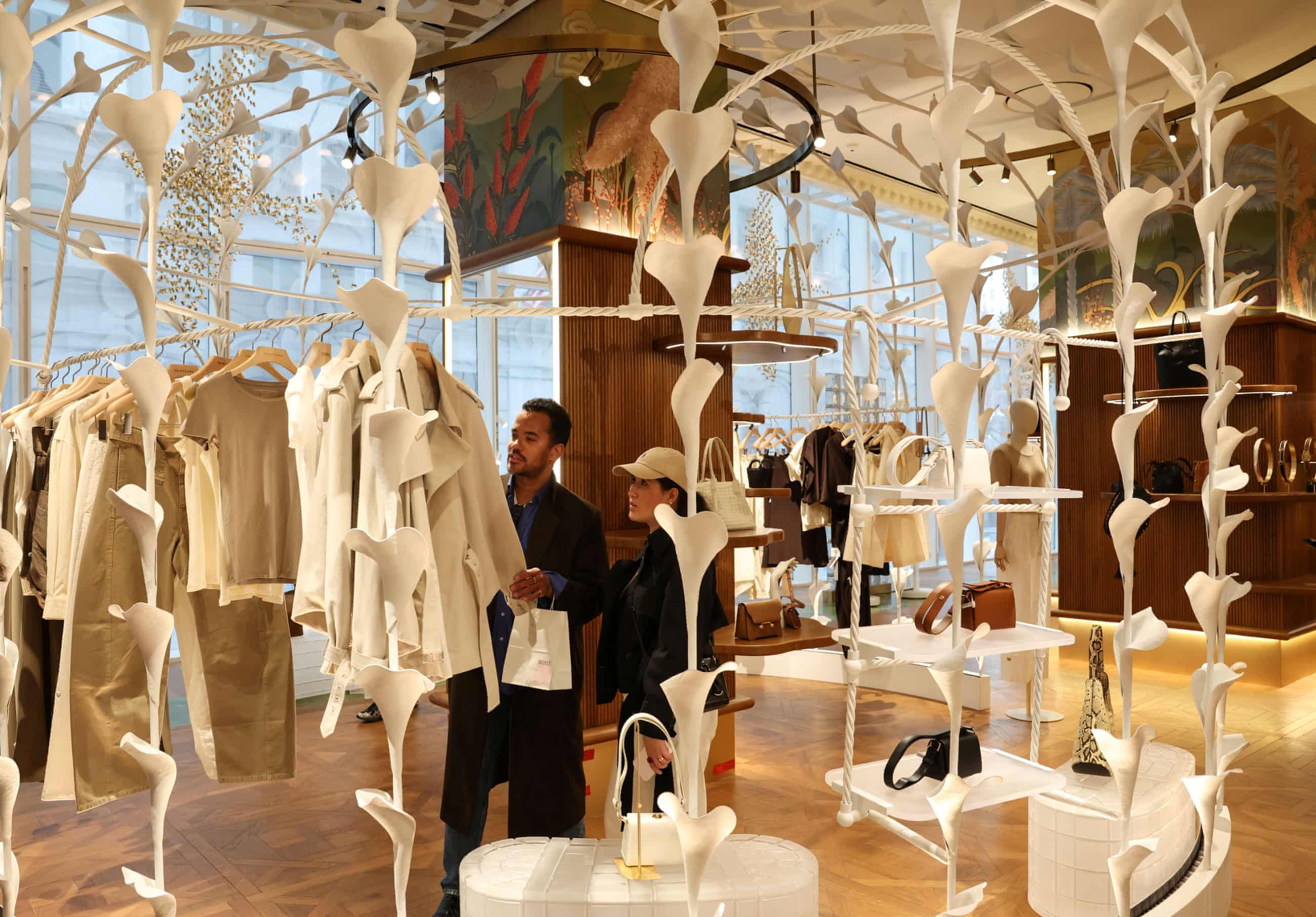
The K-shaped Christmas: wealthy few drive holiday spending splurge while many struggle to get by

Cloudflare apologises after latest outage takes down LinkedIn and Zoom

‘Urgent clarity’ sought over racial bias in UK police facial recognition technology

Britain’s Norris pips Verstappen to win maiden F1 world title after third place in Abu Dhabi – as it happened

Steel, courage and a sense of humour: how Lando Norris claimed his first F1 title | Giles Richards