Forget the AI job apocalypse. AI’s real threat is worker control and surveillance

The real danger that artificial intelligence poses to work is not just job loss – it is the growing divide between people who use AI to extend their skills and those whose working lives are increasingly shaped by opaque, AI-powered systems of surveillance and control,The debate about artificial intelligence and how it will affect workers is stuck in the wrong place,On one side are warnings that machines are coming for millions of jobs,On the other are claims that AI will turbocharge productivity,Both stories miss what is already happening in workplaces across the world, from Britain to Kenya to the United States.
For some, AI can help remove the drudgery from daily work.These are often people in better-paid, higher-autonomy roles: analysts, consultants, lawyers, academics, managers.In these jobs, provided AI is being rolled out to augment workers rather than replace them, it can feel like a copilot.It can support human judgment, speed up routine tasks and create space for more creative thinking.For many others, though, AI is not an assistant.
It is a boss.It appears in scheduling and monitoring tools, route optimisation software and automated performance dashboards – all systems that decide who gets what shift, how long a task should take and whether someone is performing at their maximum capacity.In these workplaces, AI is not something you use.It is something that watches and rules you.That is the new divide we should all be paying attention to.
A third of UK employers are already using “bossware” technology to monitor workers’ online activity.This already prevalent worker surveillance is a glimpse of what is yet to come.This is why the question of whether AI is “good” or “bad” is pointlessly crude.The truth is more nuanced.Employers are using AI to empower some workers while subjecting others to more intensive, inhumane forms of oversight.
It is creating new opportunities at the top of the labour market while tightening control lower down.And further down the line, the same methods of algorithmic management and surveillance that are being honed in warehouses, delivery vans and gig work platforms are likely to spread to corporate headquarters, hospitals and schools.We’re already seeing this at companies including Amazon, as its software engineers say they’re being surveilled and pressured to use AI to achieve more productivity, even when it counterintuitively slows them down.And Meta plans to track and capture its employees’ keystrokes, mouse movements and clicks to train its AI models.Some of the same workers benefiting from the rise of AI now are poised to eventually lose that advantage.
My own research over the past decade on worker-AI coexistence, which was cited in the 2024 White House economic report, suggests that the most pressing issue about AI’s impact on work is not immediate mass unemployment.It is the widening gap in skills, autonomy and wellbeing between those who get to work with AI and those who are finding themselves managed by it.Many jobs will remain in the future, but they will be more pressured, more fragmented and less human.That matters because work is not just about income.It is also about dignity, trust and control.
During the pandemic, many people became acutely aware of how deeply work affects mental wellbeing,AI-managed workplaces are only intensifying the pressures of work,When every click, step, call or pause a worker makes can be measured and graded by a system that they cannot fully see or challenge, the effect is stress,For people in warehousing, retail, hospitality, logistics, customer service or the gig economy, it can mean being pushed harder by systems that are presented as neutral, objective or efficient, even when they are anything but,This is not just a technical problem.
It is a social, political and moral one.Take Britain, which likes to present itself as being ambitious about AI.There are now major plans to expand AI skills across the workforce.All of that sounds positive.But beneath the rhetoric lies a more uncomfortable reality: many organisations are still poorly prepared to introduce AI fairly.
A recent global survey of business leaders found that although most say AI skills are now a source of competitive advantage, relatively few dedicated a meaningful budget amount to develop their employees’ AI skills,Even fewer have strong governance in place,Many managers still have little real responsibility for helping their teams adapt,That is how inequality hardens,If better-paid workers are trained to use AI while lower-paid workers are simply exposed to it through surveillance and automated management, then this will not be a story of shared progress.
It will be a story of deepening imbalance.Workers across the economy need access to meaningful training, not just in using digital tools but in building the wider skills that matter even more in an AI age: judgment, communication and critical thinking.We also need basic democratic principles in the workplace.Systems that affect pay and performance should be transparent and contestable.Most of all, workers need a voice in how these technologies are introduced.
AI should not be something used on people behind closed doors and then justified in the language of efficiency.It should be shaped by the people whose lives it will affect – and research has found that involving workers in the process improves their job quality and allows employers to integrate AI more effectively.The choice about how AI will reshape work is not being made in Silicon Valley boardrooms or summit speeches.It is being made right now, workplace by workplace, across Britain and around the world.And unless we pay attention, the new AI divide will become one more inequality that arrives quietly, embeds itself deeply and is only recognised once it is already everywhere.
Nazrul Islam is a chair professor of business and co-director of the Centre of FinTech at the University of East London’s Royal Docks School of Business and Law
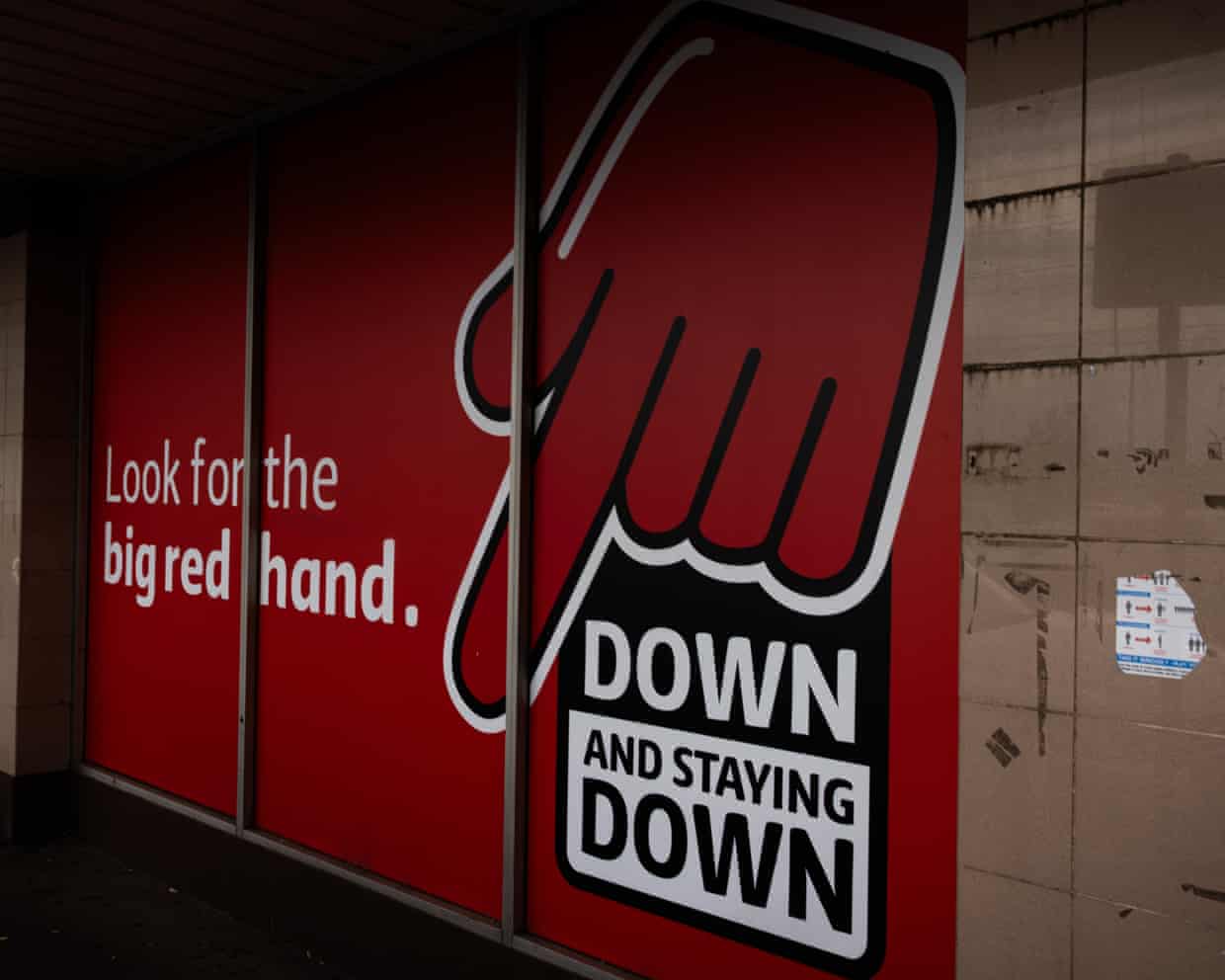
Court rules Coles misled shoppers with its ‘Down Down’ discount campaign
Coles misled Australian shoppers by promoting fake “Down Down” discounts on everyday grocery products, the federal court has ruled in a landmark decision for the supermarket industry.Justice Michael O’Bryan handed down his judgment on Thursday, delivering a significant blow to Australia’s second-largest supermarket chain, which had argued that the discounts represented genuine savings during a period of high inflation.He found the supermarket giant had engaged in misleading conduct, in contravention of the Australian consumer law.The Australian Competition and Consumer Commission sued Coles and its rival Woolworths, accusing the supermarket giants of duping shoppers between 2021 and 2023 by using promotional programs to disguise price increases on hundreds of products.O’Bryan’s verdict in the Coles case – which was heard in February – comes before his decision in a similar trial against Woolworths, which was heard in Sydney in late April and early May and which the judge will rule on later this year

Housing market in England and Wales weakening due to Iran war, say estate agents
Fears of higher mortgage rates and rising inflation as a result of the Middle East conflict are leading to a subdued and downbeat housing market, according to estate agents.Demand from potential homebuyers across England and Wales has shown a “noticeable softening” recently, according to a monthly survey of estate agents by the Royal Institution of Chartered Surveyors (RICS).Members have told the professional body that buyers and sellers are becoming more cautious, and many agents have cited clients who are worried about whether inflation and interest rates will rise in the coming months, leading to slower sales, fewer homes on the market, and more price-sensitive buyers.The Bank of England warned last month that interest rates may have to increase in the coming months as “higher inflation is unavoidable” because of the war in the Middle East and resulting jump in oil and gas prices.At the same time, mortgage rates are likely to be affected by the current sharp rise in government borrowing costs, as swap rates – which lenders use to price their fixed-rate mortgages – tend to move in tandem with government bond yields
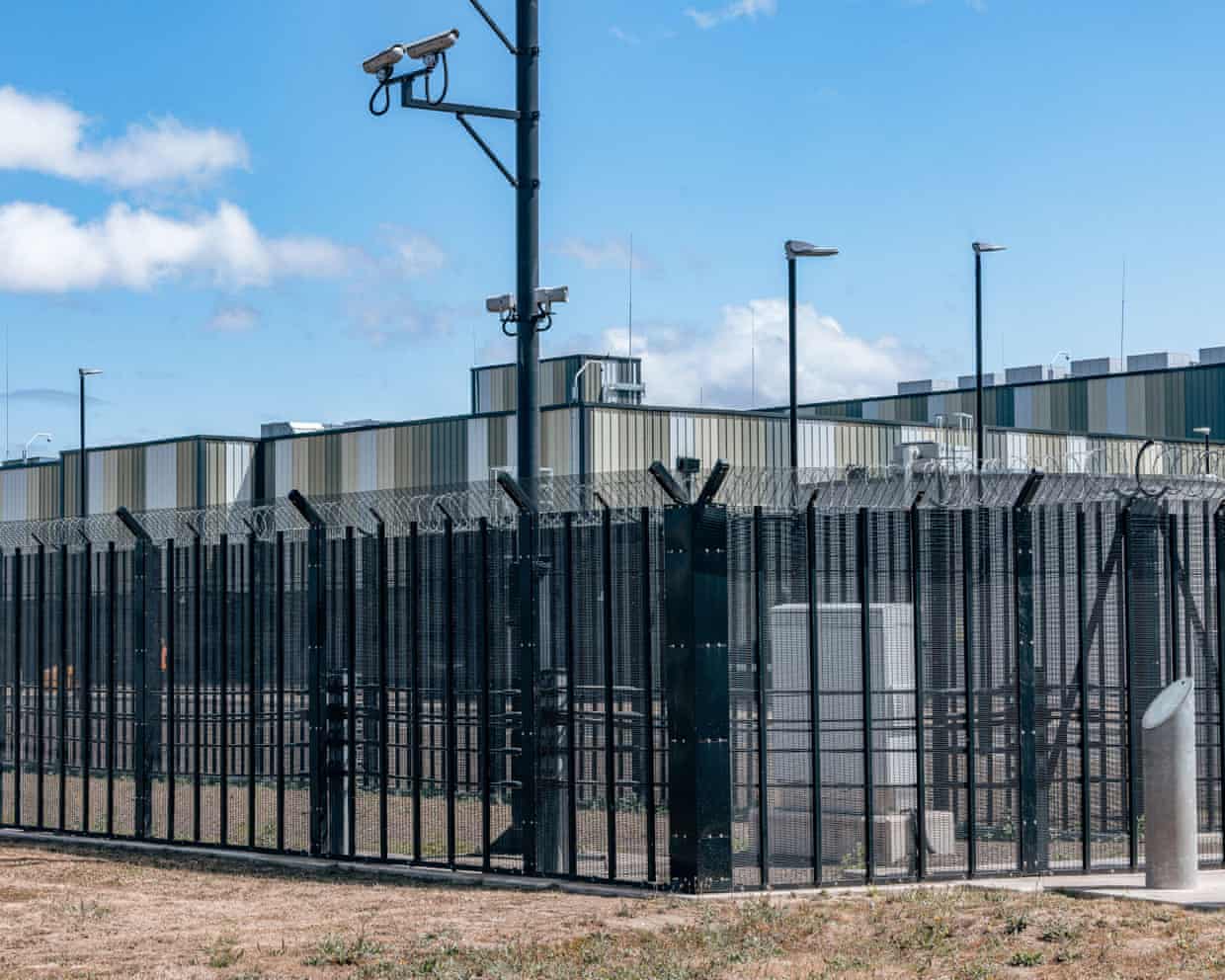
Datacentres using 6% of electricity supply in UK and US, research says
Datacentres are consuming 6% of electricity in the UK and US, with the growing strain of AI on energy supplies prompting community resistance, according to research.The proportion of electricity used by vast warehouses stacked with microchips to power AI and the internet has risen 15% worldwide in the past two years as annual global investment in datacentres approaches $1tn (£740bn) – nearly 1% of the global economy, according to the International Data Center Authority (IDCA).The figures come amid energy shortages in the UK and datacentre developers reporting waits of several years for national grid connections. The IDCA said rising power usage globally was “sparking societal and political concerns” and called on tech companies to become more transparent about their plans for new datacentres to tackle “community frustration”.The Guardian this week reported that developers working for Google significantly misstated how much carbon two proposed AI datacentres would contribute to the UK’s total emissions

Nvidia’s Jensen Huang joins other US bosses on Trump trip to China
The billionaire chief executive of the chipmaker Nvidia, Jensen Huang, has joined Donald Trump’s China delegation after a reported last-minute invitation, highlighting the US’s AI and tech ambitions.Huang will join a roster of US bosses including the Tesla chief executive and X owner, Elon Musk, the Apple chief executive, Tim Cook, and Goldman Sachs’s David Solomon at Trump’s 36-hour meeting with the Chinese president, Xi Jinping.The high-stakes summit is the first overseas trip for Trump since the US and Israel launched attacks on Iran in late February. The summit is expected to cover topics including that conflict, tariffs and China’s relationship with Taiwan.Huang was not on the initial list of business delegates, according to reports

Ivan Cleary begins long goodbye with a legacy built to last long after he leaves Panthers | Nick Tedeschi
The great coaches all have something special that elevates them above others. Wayne Bennett built his success on connection and an ability to authentically forge relationships with generation after generation of players. Craig Bellamy has a foundation of deifying work ethic and simple communication. Trent Robinson, intellect and loyalty.Ivan Cleary is an engineer, the ultimate believer in process, a coach at once ruthless and relatable who dreamt of building a bigger and more complex machine that could sustain itself beyond the people it was initially built around

Sarah Taylor named England men’s fielding coach while Gay, Rew and Baker are called up
On a day when England named three uncapped players in their Test squad, brought Ollie Robinson out of cold storage and officially confirmed a new selector had joined the set-up, perhaps the most significant news was the identity of their fielding coach.Sarah Taylor, the former England wicketkeeper, will be in charge of the fielding drills during the three-Test series against New Zealand that begins at Lord’s on 4 June – the first female coach to work in the men’s senior setup.The fact that Rob Key, the England men’s team director, almost mentioned it in passing was fitting for a coach who has quietly risen through the ranks. Taylor, 36, has held a number of roles in the men’s game since hanging up her gloves five years ago, including spells with Sussex men and Manchester Originals in the Hundred.This latest post is just for the New Zealand series initially but may continue through the summer

Milka maker milked shoppers over size of chocolate bars, German court rules

Global oil inventories falling at record pace amid Iran war; US producer price inflation hits four-year high – as it happened
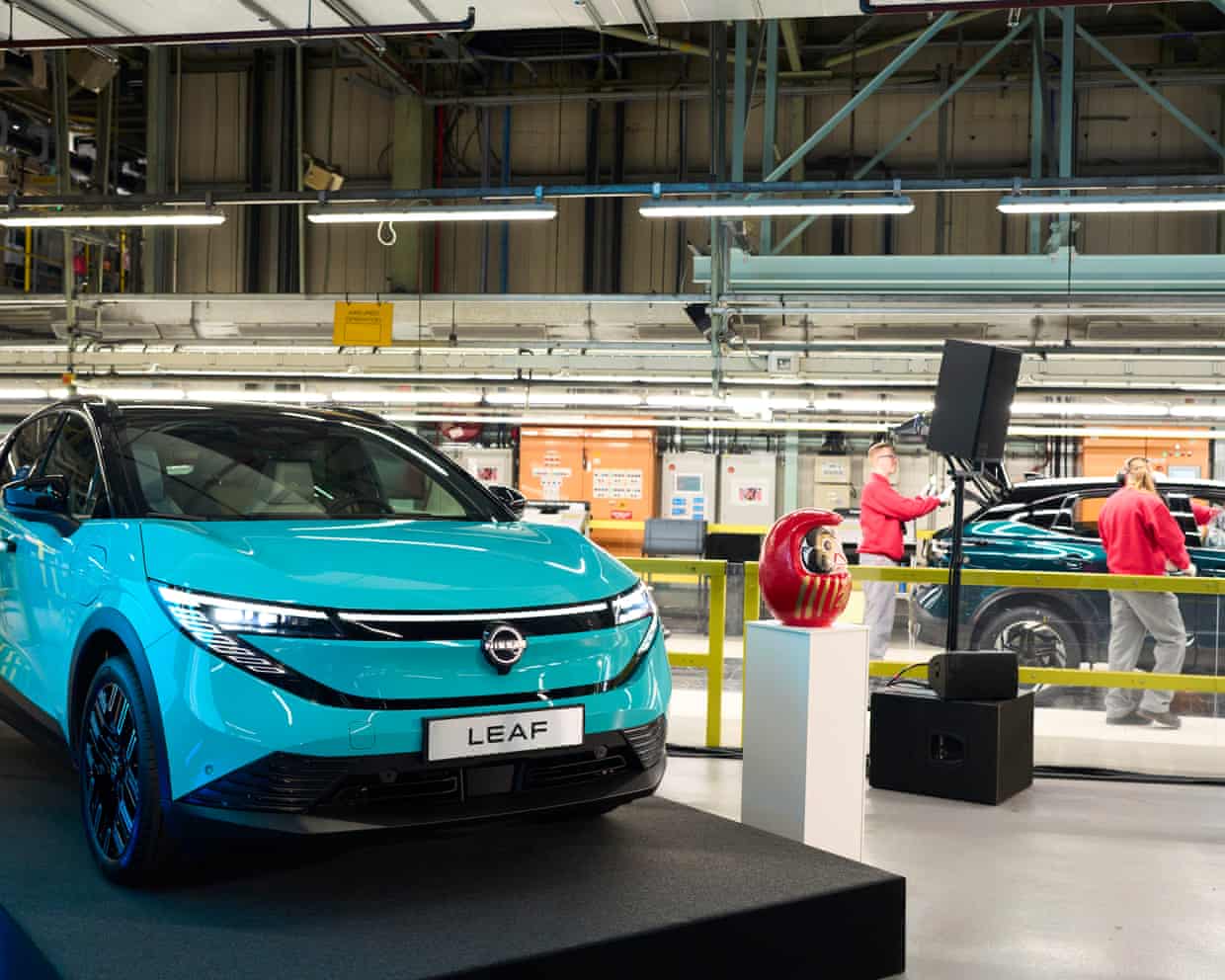
Nissan ponders building cars for Chinese rivals at Sunderland plant

Lab testing group Intertek to back £10.6bn takeover by Swedish firm EQT

UK housebuilder Vistry warns of ‘significantly’ lower profits amid Iran war uncertainty

How new owner became all powerful in ‘high stakes’ attempt to revive former WH Smith chain