US Senate confirms Kevin Warsh as Federal Reserve chair, replacing Jerome Powell
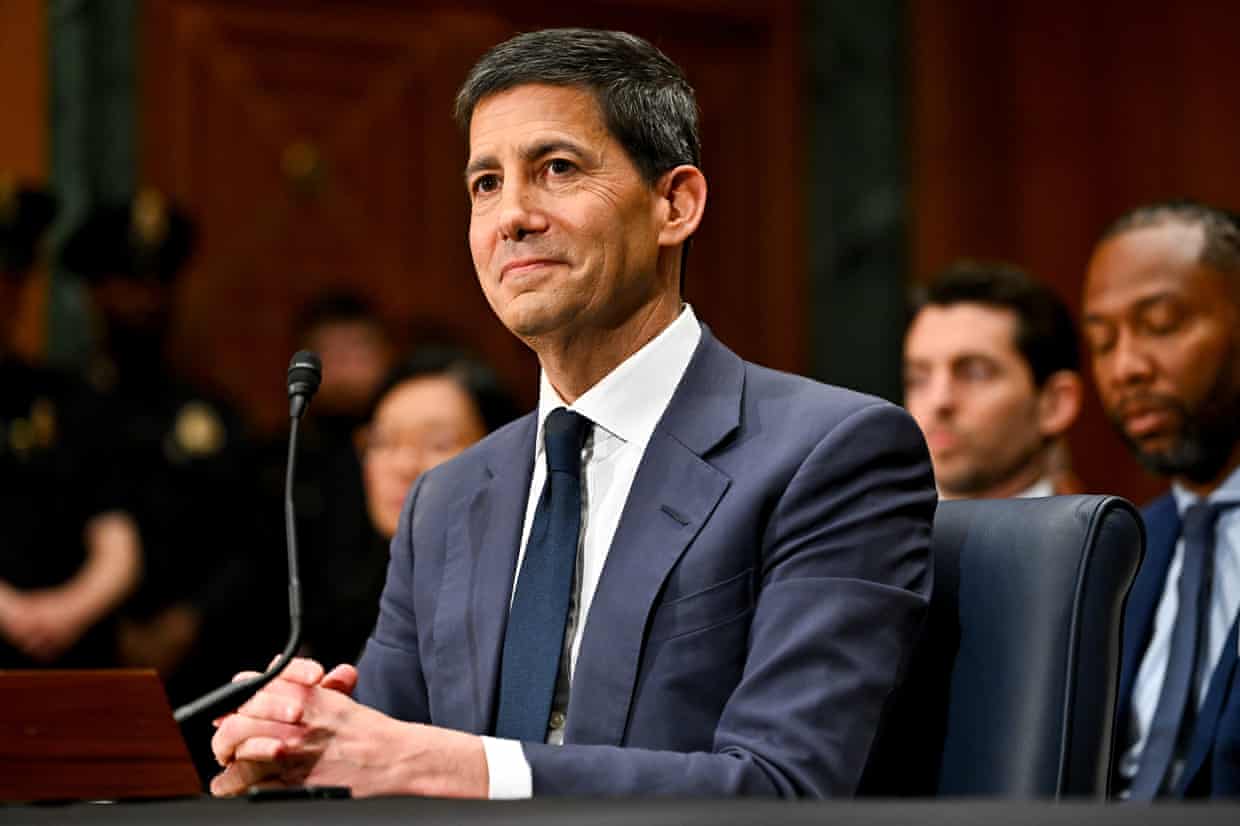
The US Senate confirmed Kevin Warsh as chair of the Federal Reserve, one of the most powerful roles in the federal government that holds enormous sway over the economy.The 54-45 Senate vote on Wednesday was split along party lines, with the exception of the Democratic senator John Fetterman from Pennsylvania, who joined the Republican majority.It was most divisive confirmation vote for the position in history.Warsh was confirmed for a four-year term as chair and a 14-year appointment on the Fed’s rate-setting board.Warsh will officially step into the role on 14 May, when the term of outgoing Fed chair, Jerome Powell, ends.
He is taking over leadership of the Fed at a time when the central bank faces immense pressure from the Trump administration to lower rates, even as inflation climbs and war in the Middle East continues.A White House spokesperson, Kush Desai, called the Senate’s confirmation of Warsh “a welcome step towards finally restoring accountability, competence and confidence in Fed decision-making”.The Fed sets interest rates, which determines the cost of borrowing money.Higher interest rates typically cool spending and prices, at the risk of higher unemployment.Lower interest rates can boost the economy but also raise prices.
Warsh has echoed Donald Trump’s calls to lower rates, but must convince the other members on the Fed’s 12-member voting board to do so.With inflation rising to 3.8%, that could be a hard case to make.Before Warsh, the most divisive Fed chair confirmation was in 2010, when Ben Bernanke was confirmed by a 70-30 vote.Speaking from the Senate floor on Wednesday, John Thune, the Senate majority leader, derided Democrats for opposing Warsh’s nomination.
“I wish I could say I’m surprised, but this is just how bad Trump derangement syndrome has gotten on the other side of the aisle,” he said.Elizabeth Warren, the top Democratic member on the Senate banking committee, said Trump nominated Warsh to be his “sock puppet” to help him control interest rates.“Warsh’s confirmation = another step in Trump’s attempt to take over the Fed,” she wrote on X.“That’s not good for working families – it’s good for Wall Street.”Fetterman, the lone Democrat to vote for Warsh, said in a statement he believes Warsh will be “transparent and responsive to Congress and the public”.
“His promise to maintain Fed independence in setting interest rates is crucial, and I look forward to working with him,” he said, adding that he commended Powell’s tenure as Fed chair and encouraged him to stay on the Fed’s board as long as he wants.An Ivy League economist and former Wall Street banker, Warsh previously served as a Fed governor from 2006 to 2011.During his time on the board, he was known as an “inflation hawk” – advocating for higher interest rates to combat high inflation.He left the Fed board in 2011 due in part to disagreements over the Fed’s post-financial crisis stimulus package.Warsh reportedly interviewed for the top position at the Fed in 2018, but Trump ultimately appointed Powell – a decision the president now calls a “really big mistake”.
At a hearing before the Senate banking committee last month, Warsh said he would maintain Fed independence and “take politics out of monetary policy and monetary policy out of politics”.But he refused to answer whether Trump lost the 2020 election, raising alarm among Democrats who say Warsh will be Trump’s “sock puppet”.Though outgoing Fed leaders typically leave after their terms as chair end, Powell announced last month that he will stay on the Fed board as a voting governor until the White House ends its scrutiny of renovations at the central bank’s headquarters that went over budget.Powell called the scrutiny “pretext” behind wanting to pressure the central bank to lower rates.

Global oil inventories falling at record pace amid Iran war; US producer price inflation hits four-year high – as it happened
Global oil stocks are being run down at a record pace as supply losses mount due to the ongoing Iran war, the International Energy Agency has warned.In its latest outlook report, the IEA reports that global oil inventories fell by 129 million barrels in March, and by a further 117 million barrels in April, as countries dipped into their reserves to cover the shortfall following the Middle East conflict.The IEA, which ordered the largest release of government oil reserves in its history in mid-March, reports:double quotation markMore than ten weeks after the war in the Middle East began, mounting supply losses from the Strait of Hormuz are depleting global oil inventories at a record pace.The IEA also forecasts weaker demand this year, as the jump in prices for crude oil and refined products leads to demand destruction.World oil demand is forecast to contract by 420,000 barrels per day this year, to 104m bpd, which is 1

Lab testing group Intertek to back £10.6bn takeover by Swedish firm EQT
The laboratory testing company Intertek has become the latest FTSE 100 business to agree to a takeover, backing a £10.6bn approach from a private equity firm owned by Sweden’s billionaire Wallenberg family.After rebuffing three previous approaches, Intertek’s board said it was “minded to recommend” the £60-a-share tilt from the Swedish buyout firm EQT to shareholders, if there was a firm offer.The deal is worth £10.6bn including debt, or £9

Fortescue ordered to pay Yindjibarndi traditional owners $150m in record native title payout
Mining company Fortescue has been ordered to pay $150m in compensation to traditional owners over cultural losses caused by the multibillion-dollar Solomon Hub iron ore mine – the largest compensation payout in native title history.The mine, which has extracted millions of tonnes of iron ore and generated an estimated $80bn in revenue for Fortescue since operations began in 2013, was approved by the Western Australian government without the consent of the Yindjibarndi traditional owners.The Yindjibarndi Ngurra Aboriginal Corporation (YNAC) launched the compensation claim in 2022 and sought $1.8bn, including $1bn for cultural damage, $678m for economic loss, $34.85m for the destruction of sites, and $112
British Steel: more questions than answers on the future | Nils Pratley
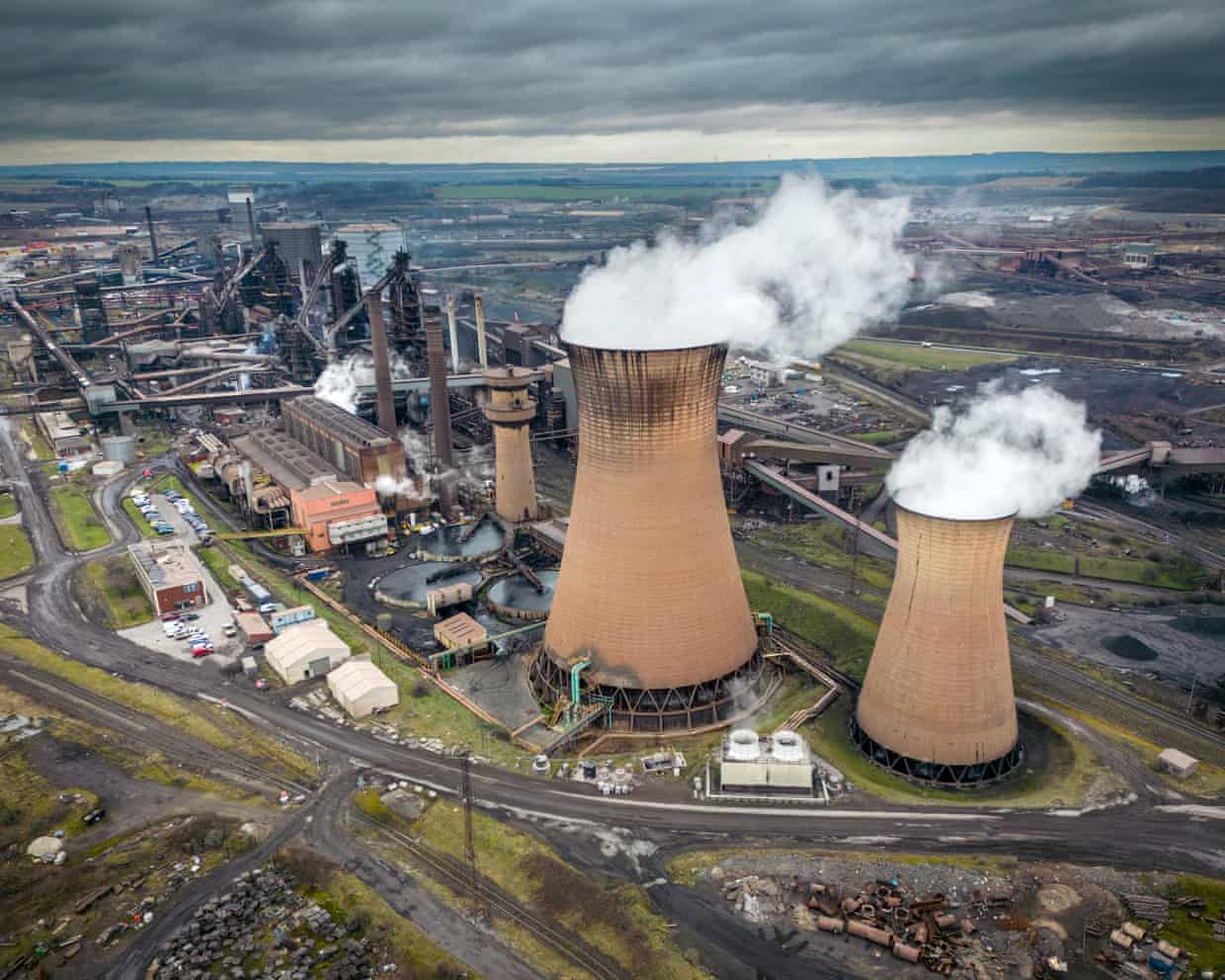
“One of the proudest things we have done in government,” said Keir Starmer in Monday’s big speech about the decision a year ago to recall parliament in order to take control of British Steel at Scunthorpe.It was an odd boast because last year’s action was merely an emergency exercise in saving the patient, as opposed to getting British Steel on its feet and out of the hospital. Taking control meant the Chinese owner, Jingye, could not turn off the two blast furnaces but meant the government was on the hook for operational losses, which will be £615m and counting by next month according to the National Audit Office (NAO).Full nationalisation is now on the cards, which will end the limbo-land state of ownership and give some comfort for 4,000 workers. But it is also the point at which the government will have to choose between its barely described “potential future options” for British Steel
E.ON agrees to buy Ovo in deal to create UK’s biggest energy supplier
The German energy group E.ON has agreed to buy struggling UK rival Ovo in a deal that would create Britain’s biggest gas and electricity supplier by number of households served.The combined company will supply about 9.6 million customers, overtaking the market leader, Octopus, which serves almost 8m homes in the UK.The value of the deal was not disclosed, but reports have estimated it at £600m

Thinktank calls for ‘double lock’ England private rent cap to ease living costs
One of the thinktanks closest to the Labour government is urging ministers to introduce private sector rent controls in England, as the chancellor weighs up how to ease a surge in living costs caused by the Iran war.The Institute for Public Policy Research (IPPR) has published a paper calling for a rent “double lock”, which would link rent increases to either wages or inflation, depending on which was lower.While others on the left have previously called for rent controls, the IPPR’s extensive links inside government will increase pressure on ministers to include the idea in a cost of living package to be announced by Rachel Reeves later in May.The Guardian revealed last month that Reeves had been considering a one-year rent freeze to deal with a rise in inflation which economists say is now inevitable, but the idea was quickly dismissed by Downing Street.Maya Singer Hobbs, the author of the paper, said: “There are millions of people living with unaffordable housing costs, and if you want to bring those down quickly there are not many options

Nvidia’s Jensen Huang joins other US bosses on Trump trip to China
How to use spent tea leaves to smoke Chinese-style duck – recipe

Weight gain as adult increases cancer risk by up to five times, research shows
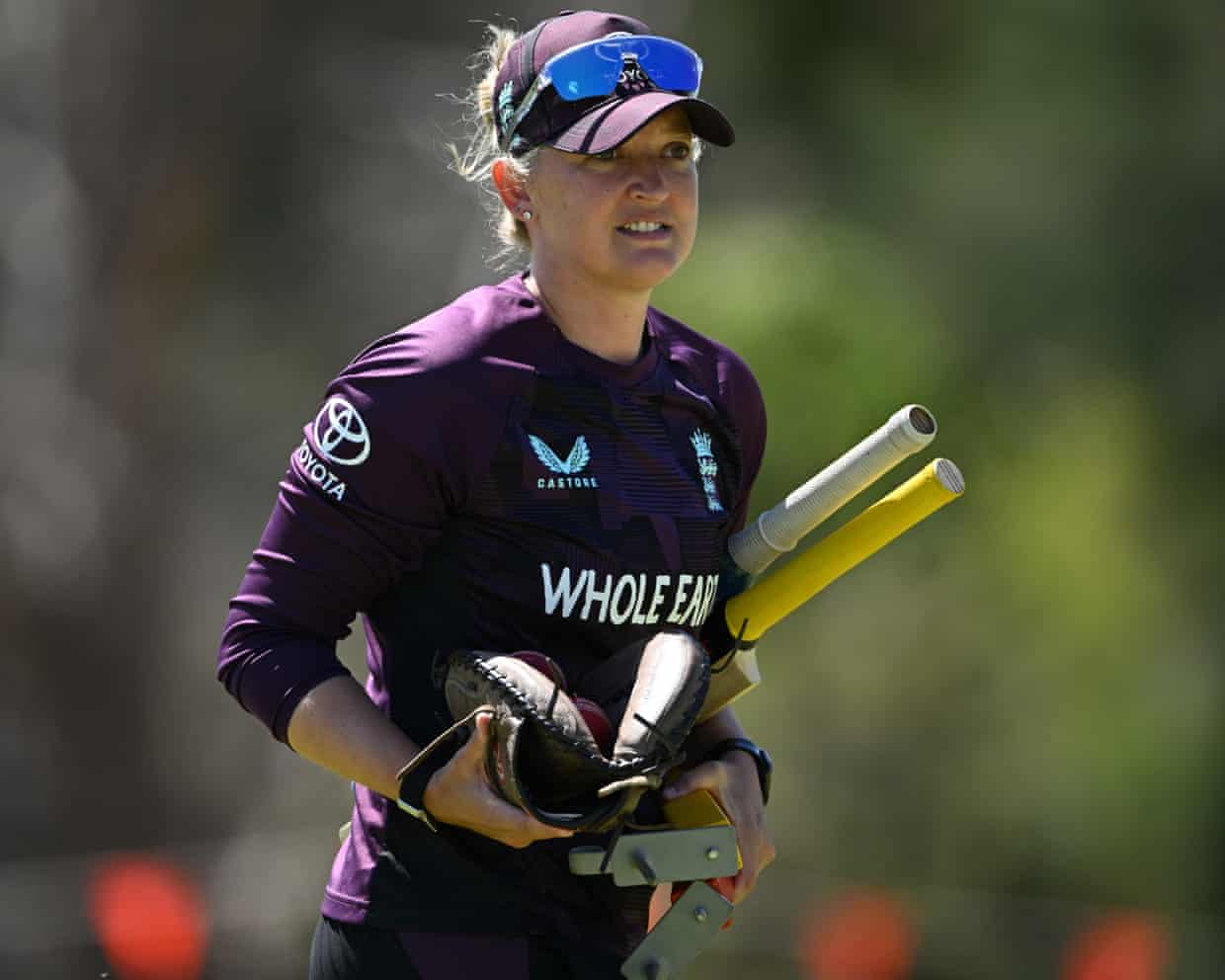
Sarah Taylor named England men’s fielding coach while Gay, Rew and Baker are called up
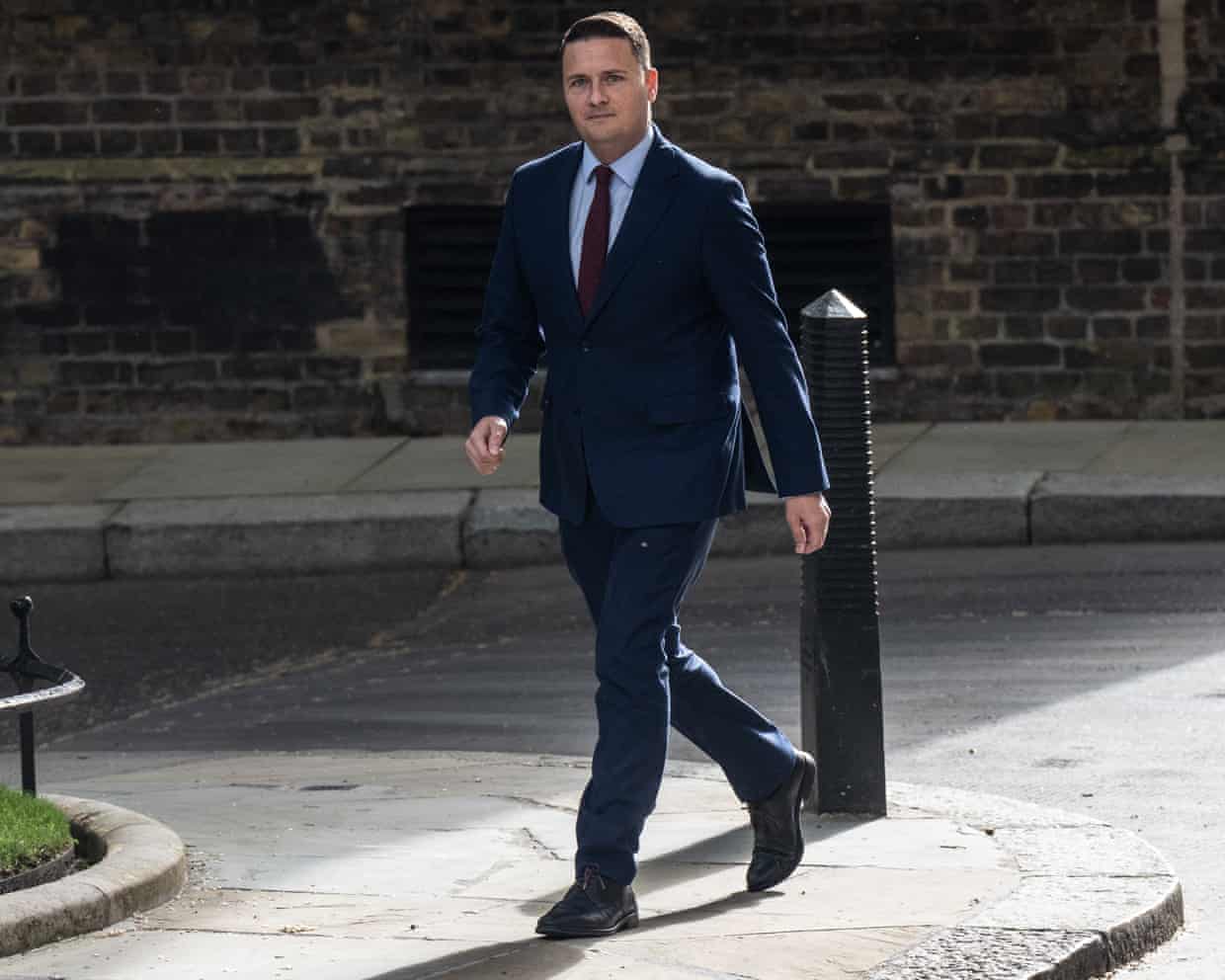
Wes Streeting prepares to launch leadership challenge against Keir Starmer

Coconut dal, cheesy pickle toasties, carrot halva cakes: Ravinder Bhogal’s tastes of home – recipes