UK Society of Authors launches logo to identify books written by humans not AI

The Society of Authors (SoA) has launched a scheme to help identify works written by humans in a market increasingly flooded by AI-generated books.The scheme is the first of its kind launched by a UK trade association, and allows authors to register their books and download a “Human Authored” logo to display on their back cover.The SoA said the absence of any government measure to compel tech companies to label AI-generated output meant readers were struggling to distinguish between books written by a human, and machine-generated work based on AI models trained on copyrighted work without permission or payment.It mirrors a similar scheme launched by the Authors Guild in the US at the beginning of 2025.Mary Beard, the classicist, is one of several high-profile authors who have backed the scheme and plan to register their works on the Human Authored website.
“It’s only going to be human authored books on my desert island,” she said.Malorie Blackman, the children’s author, said the scheme “seeks to highlight the imagination, commitment, craft and care taken to produce stories and books which can be enjoyed by everyone.“Any creative endeavour requires time, effort, a willingness to learn from mistakes and failure, and a determination to persevere – lifelong, essential skills which cannot be learned and honed by allowing AI to do all of our creative thinking and production for us.“Surely part of the pleasure of reading, listening to songs, watching films and dramas, looking at an artwork and, in fact, sharing any creative endeavour is that sense of connection with the content creator, that feeling that they are speaking to you on some deep, emotional level that is entirely absent when the work has been produced by AI.”The scheme and logo was launched by the novelist Tracy Chevalier at the London Book Fair on Tuesday.
It comes as thousands of authors, including Kazuo Ishiguro, Philippa Gregory and Richard Osman, published an “empty” book to protest against AI firms using their work without permission.The work, titled Don’t Steal This Book, includes only a list of the authors’ names.Copies are being distributed to attenders at the London book fair, a week before the UK government is due to issue an assessment on the economic cost of proposed changes in copyright law.Anna Ganley, chief executive of the SoA, said in a recent survey that 82% of the society’s author members said they would be interested in a Human Authored certification scheme.“Since generative AI platforms have become mainstream, the SoA has been campaigning to defend authors’ interests and safeguard creators against the whole-scale theft of their work by AI tech companies to train their AI chatbots,” she said.
“Our new labelling scheme is an important sticking plaster to protect and promote human creativity in lieu of AI labelled content in the marketplace.”
Drug that prevents hot flushes to be available on NHS in England
More than 500,000 women in England are to be offered a drug on the NHS that prevents hot flushes.The green light for Veoza, also known as fezolinetant, comes after the medicines watchdog, the National Institute for Health and Care Excellence, on Wednesday authorised it for use.Hot flushes, also called vasomotor symptoms, affect about 70% of women going through menopause. Women can suddenly and overwhelmingly feel hot, which often has an impact on their quality of life, exercise, sleep and productivity.Despite the enormous numbers of women affected, for decades there have been few safe and effective treatment options
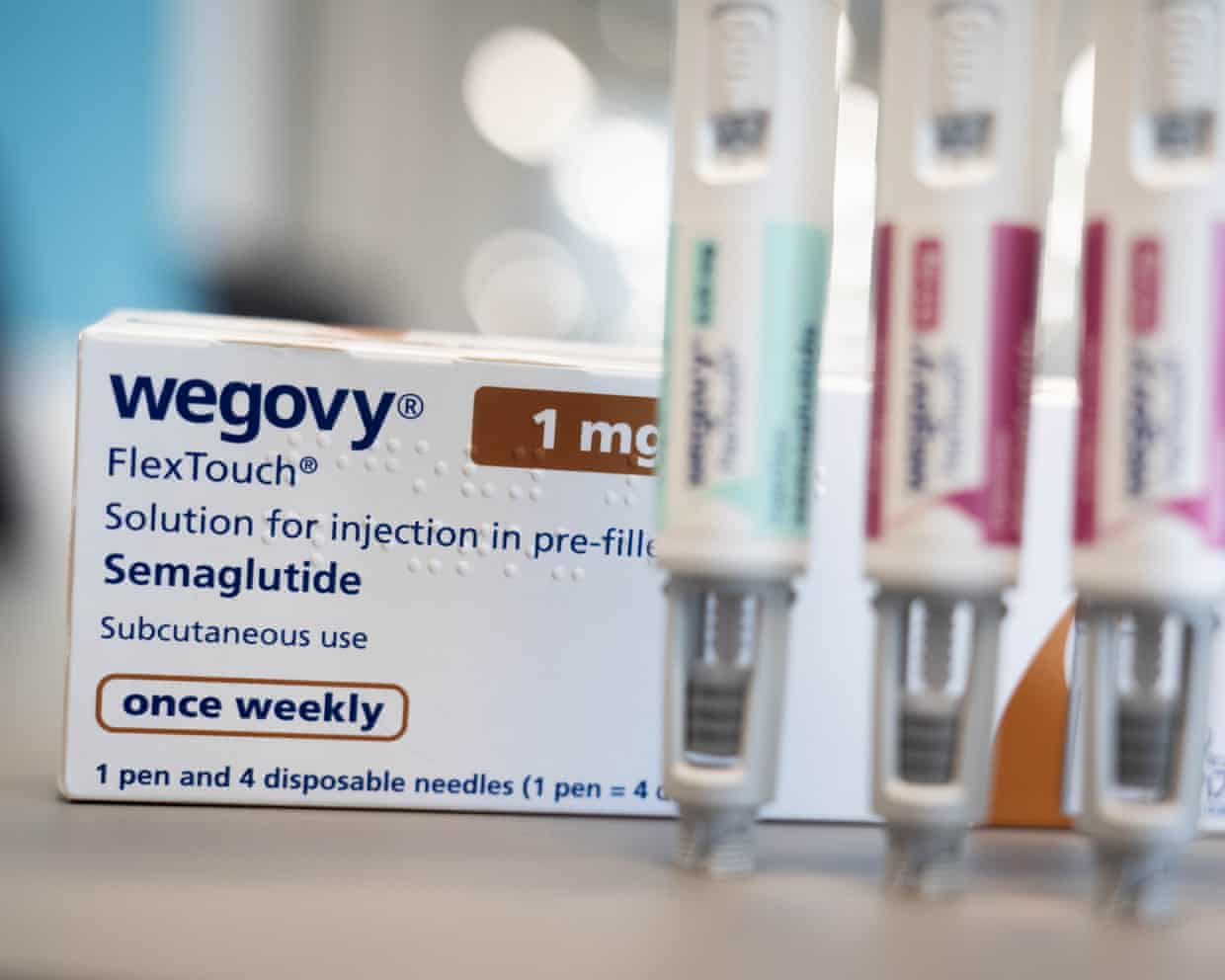
Wegovy users have five times greater risk of sudden sight loss than Ozempic users, study finds
Patients taking Wegovy have nearly five times the risk of sudden sight loss of those on Ozempic, a large-scale study has found.Glucagon-like peptide-1 receptor agonist (GLP-1 RA) medicines such as semaglutide (sold as Wegovy, Ozempic and Rybelsus) and tirzepetide (sold as Mounjaro) help reduce blood sugar levels, slow digestion and reduce appetite, and have been linked to reduced risks of heart attack, fewer drug overdoses and other health benefits.But a study, published in the British Journal of Ophthalmology, found that patients taking Wegovy for weight loss had a fivefold greater chance of developing non-arteritic anterior ischemic optic neuropathy (Naion) than the diabetes drug Ozempic, while men had a three times greater risk than women.These “eye strokes” cause sudden and usually permanent vision loss (pdf) due to reduced blood flow to the optic nerve.Although rare, affecting around one in 10,000 people who take semaglutide, there was “a potential dose-dependent safety concern” for the drug, the study found
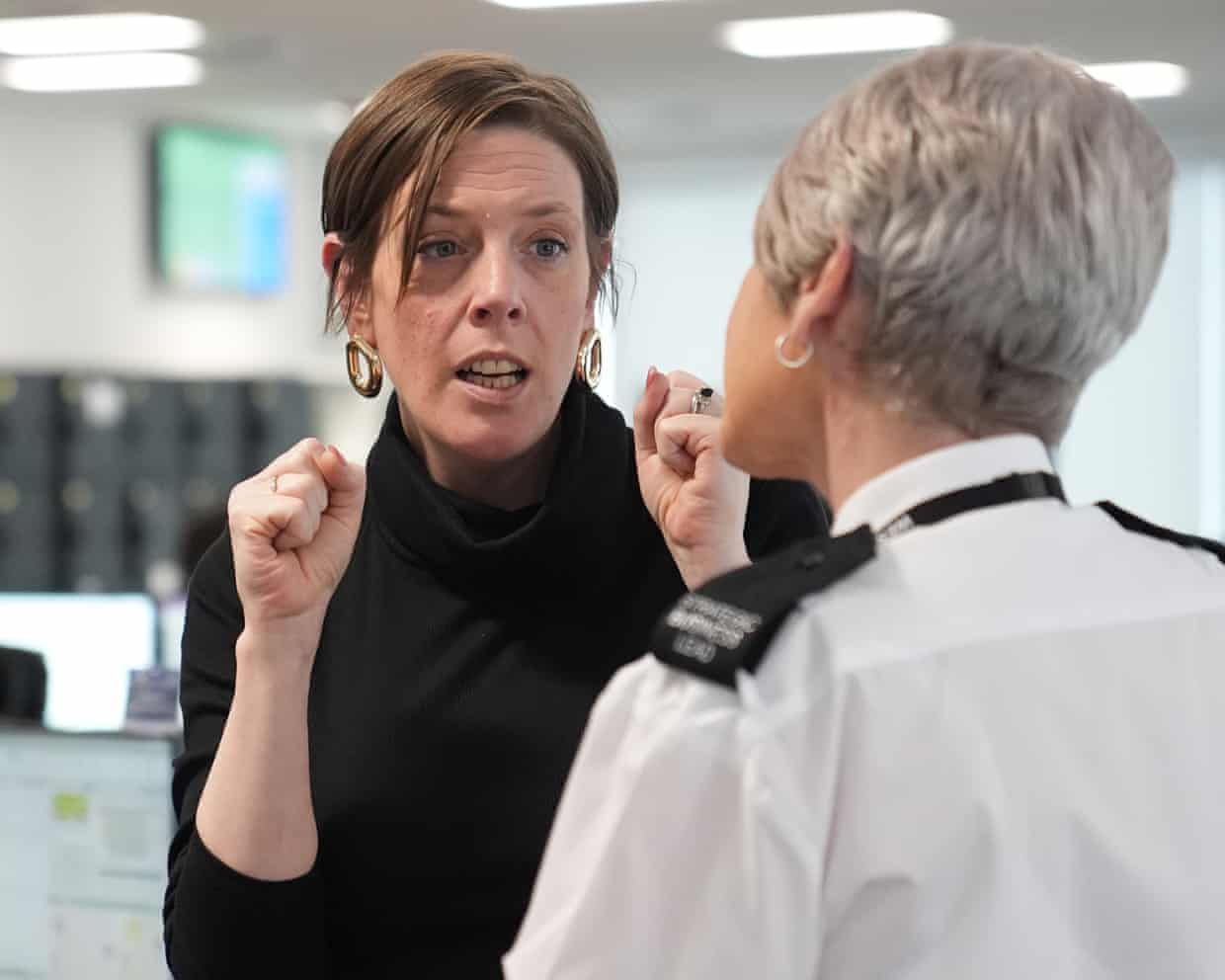
Jess Phillips reveals she is ‘victim of courts backlog’ as jury trial bill passes
A man accused of breaching a restraining order related to Jess Phillips will not have his case heard in the crown court until 2028, the Labour minister has revealed, as MPs voted in favour of controversial plans to scrap some jury trials.During an emotive day in the House of Commons, the Labour MP for Warrington North, Charlotte Nichols, said she had been raped after an event she attended as a member of parliament but did not support the bill and felt that ministers had weaponised victims.Her statement came after hours of debate during which concerns were raised about an “attack” on a fundamental principle of the justice system in England and Wales.MPs voted 304 to 203 in favour of the courts and tribunals bill, which passed its second reading in the Commons. It includes measures to scrap some jury trials, remove the automatic right of appeal from magistrates courts and introduce a new criminal court
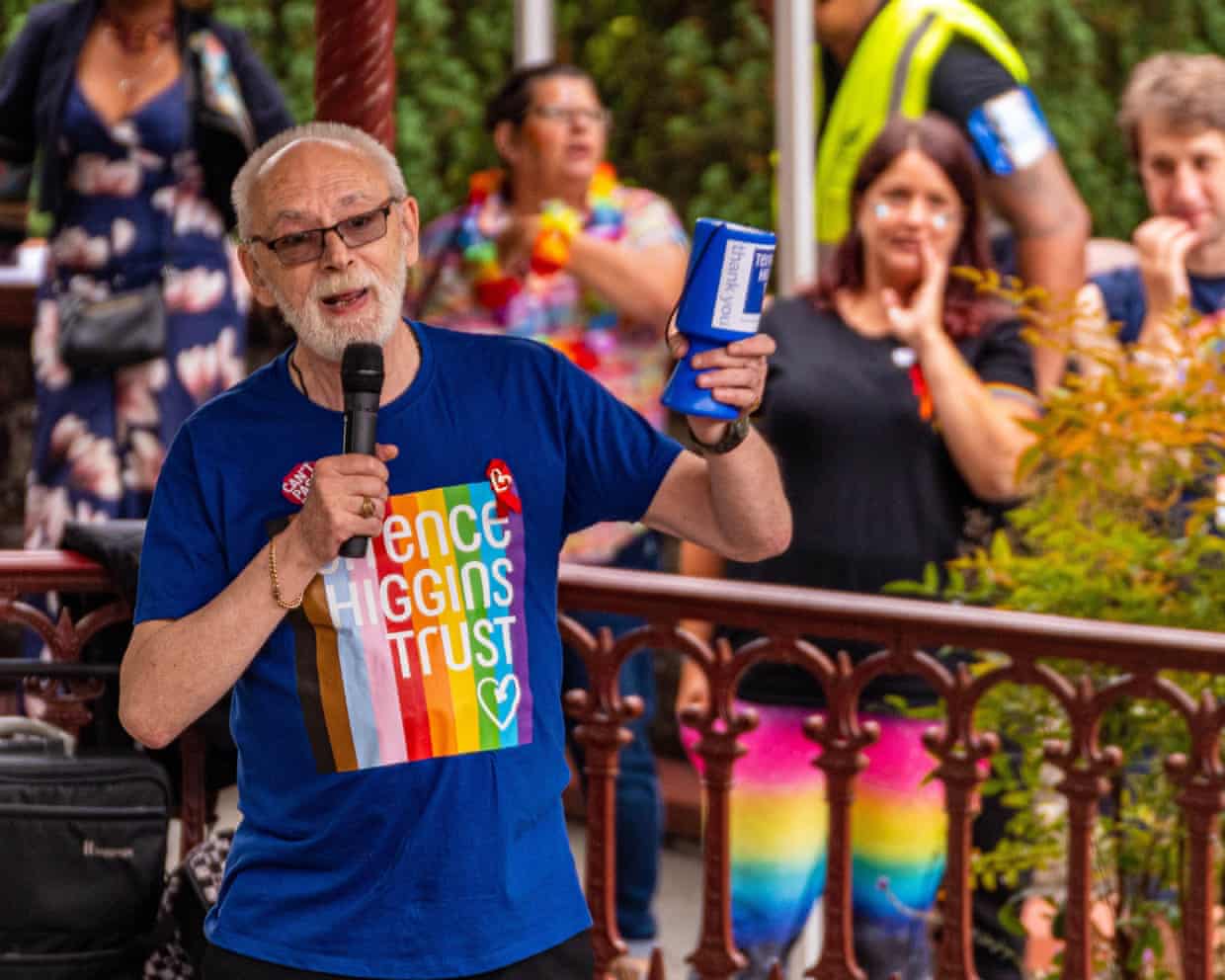
Martyn Butler obituary
In 1982, Martyn Butler co-founded the Terrence Higgins Trust, the first organisation in Europe to respond to the health crisis caused by HIV/Aids, and now Britain’s leading HIV charity. It was the death in July that year of his friend, Terry Higgins – one of the first named people to die of an Aids-related illness in the UK – that spurred Martyn, along with Terry’s partner, Rupert Whitaker, to act.Martyn, who has died aged 71, and Rupert launched the trust with the help of friends to raise money for medical research, but the sums required were huge and would have to be provided by governments and the pharmaceutical industry.However, there was a need for a community response to the new disease. London Lesbian and Gay Switchboard was swamped with calls from worried people, so in 1983 it joined with the Gay Medical Association and the fledgling Terrence Higgins Trust to call a conference at Conway Hall in London, the first on Aids in the UK

We need a national plan to tackle the health inequity that is killing people | Letters
How could I fault Aditya Chakrabortty’s account of the failure to prioritise the nation’s health as he cites me as its inspiration (This is a life and death story for the UK – so why is it being brushed under the carpet?, 6 March). However, it is important to emphasise that the government is well aware of the gross health inequities that scar our nation and limit lives as well as economic prosperity, but chooses not to prioritise them. The ministerial response last month to the House of Lords report on ageing contains this shocking statistic: a girl born in Barnsley can expect an average of 53 years of good health, whereas one born in Wokingham can look forward to 71 healthy years – an extra 18 years.Throughout the country deprivation accelerates ageing, which for many means an unnecessary premature exit from the labour market and premature need for social care. But the main focus of health policy is the manifesto commitment to reduce NHS waiting times, a target that has very little impact on health inequity
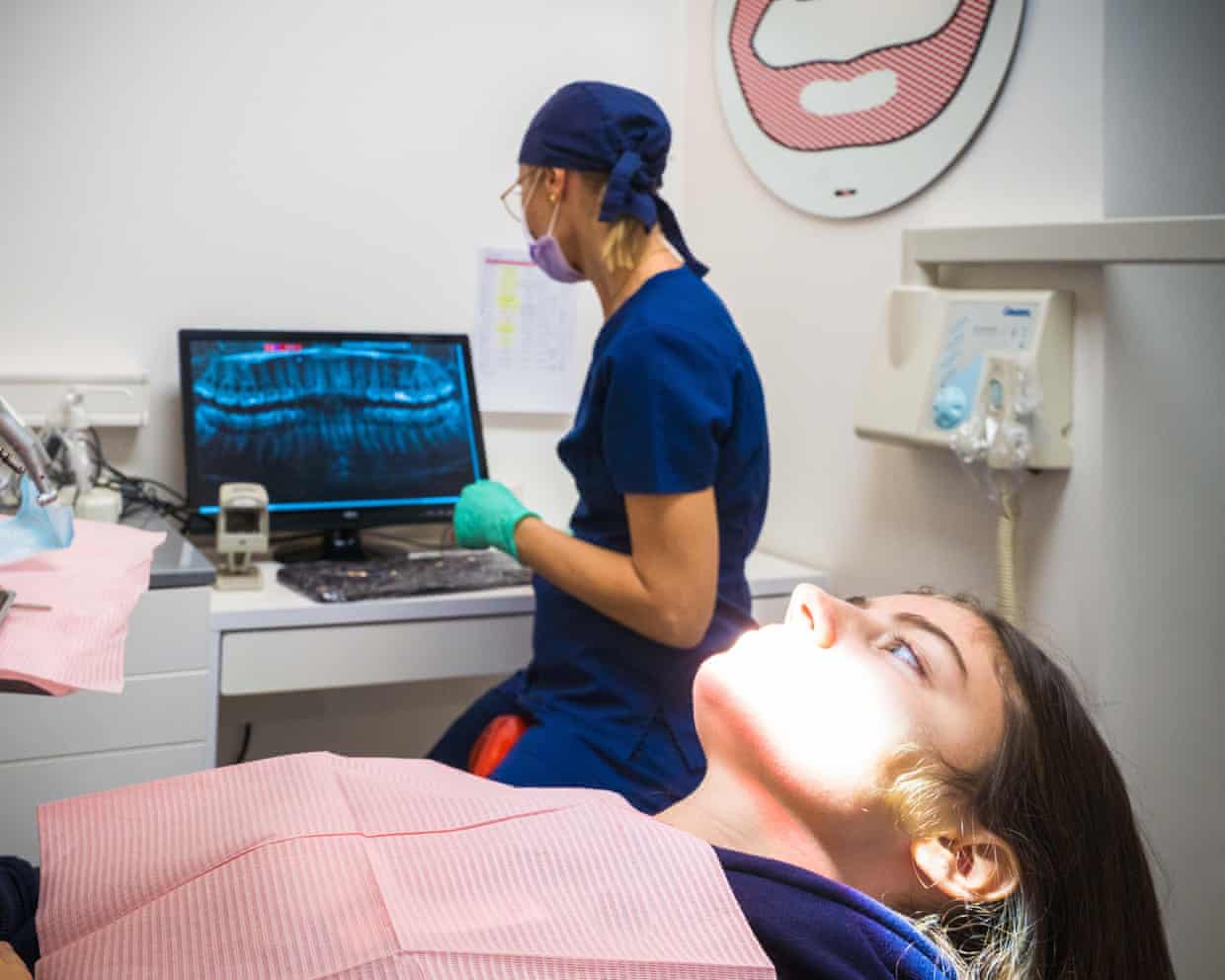
Almost a third of people in England use private dentists amid NHS dental crisis
Almost a third of people in England now use private dentistry, with a sharp rise in the number of poorer households forced to pay for fillings and extractions.The scarcity of NHS care means the proportion of people turning to private dental services jumped from 22% in 2023 to 32% late last year, the health service’s patient watchdog found.The reliance on paid-for treatment is so significant that dental care is becoming a costly “one tier” – private-only – service for more and more people, Healthwatch England is warning.It is concerned that the percentage of people who describe themselves as struggling financially that have used private dentistry has almost doubled in recent years from 14% to 27%.Those who do are hit with a “double penalty”, the watchdog added
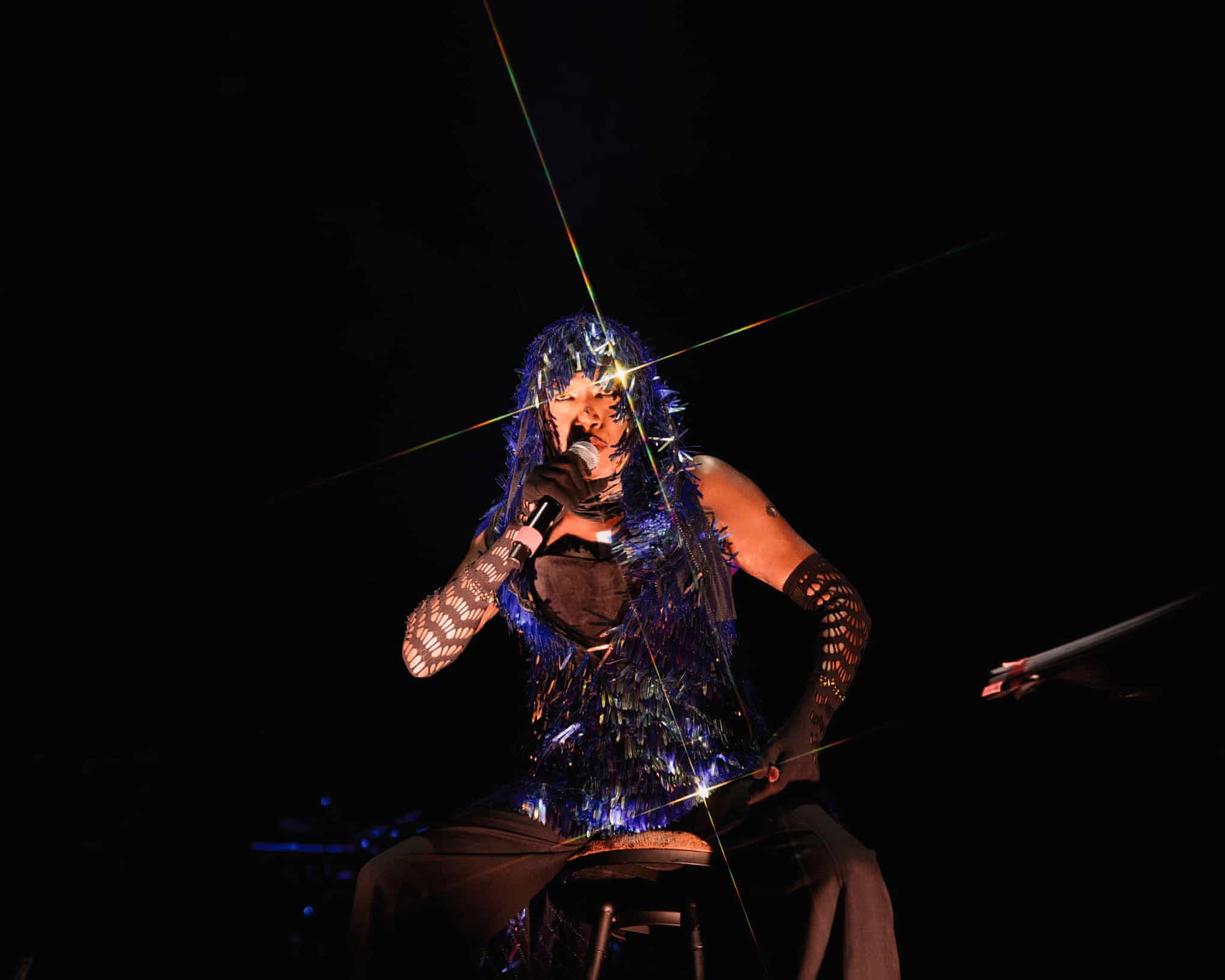
Womadelaide 2026 review: Grace Jones embraces the compulsion for dancing in the dark times
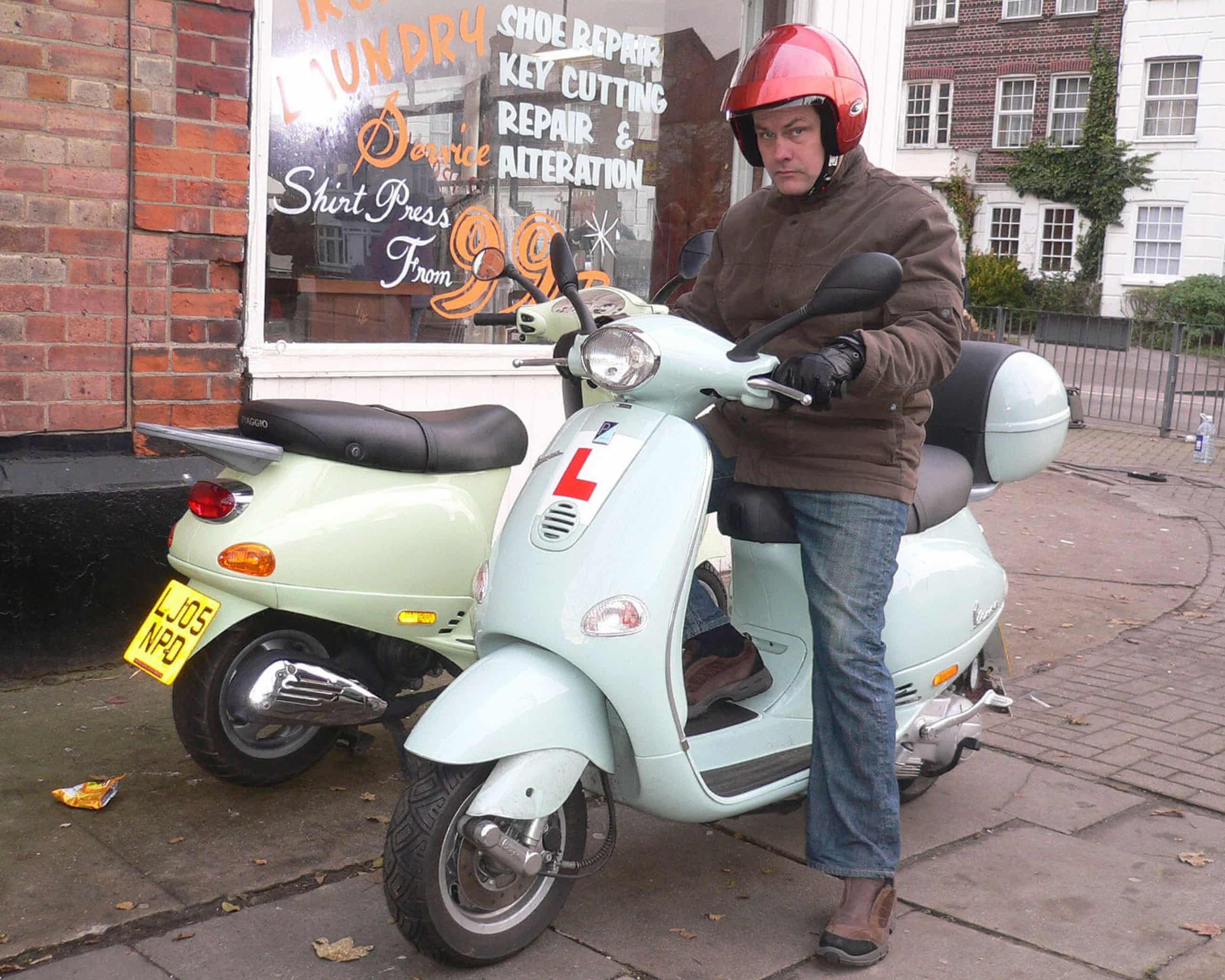
‘A lot of comedians don’t have a sense of humour’: Jack Dee on his loser Lead Balloon creation Rick Spleen
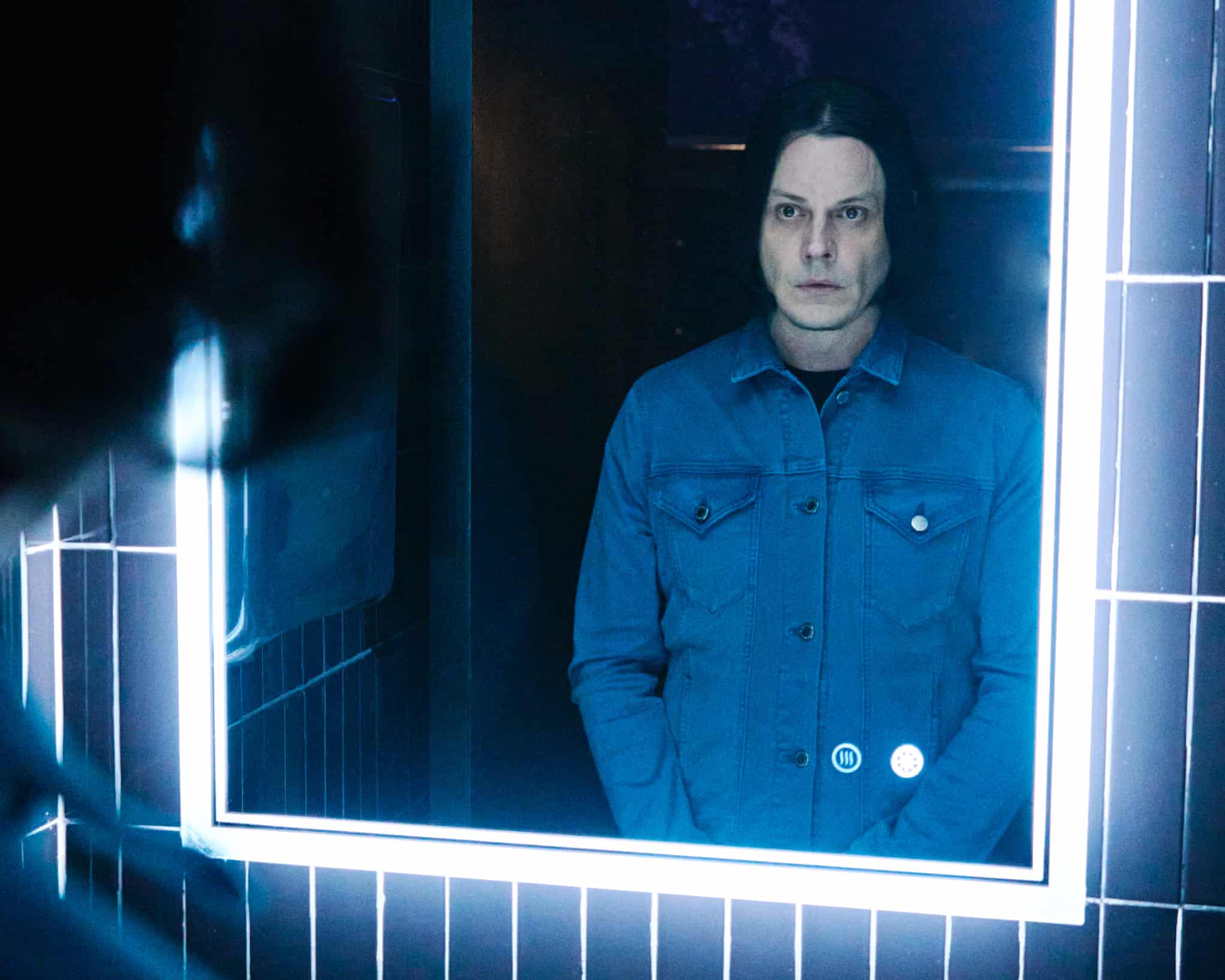
Jack White: ‘I’m not going to put a painful thing out there for some idiot on the internet to stomp all over’
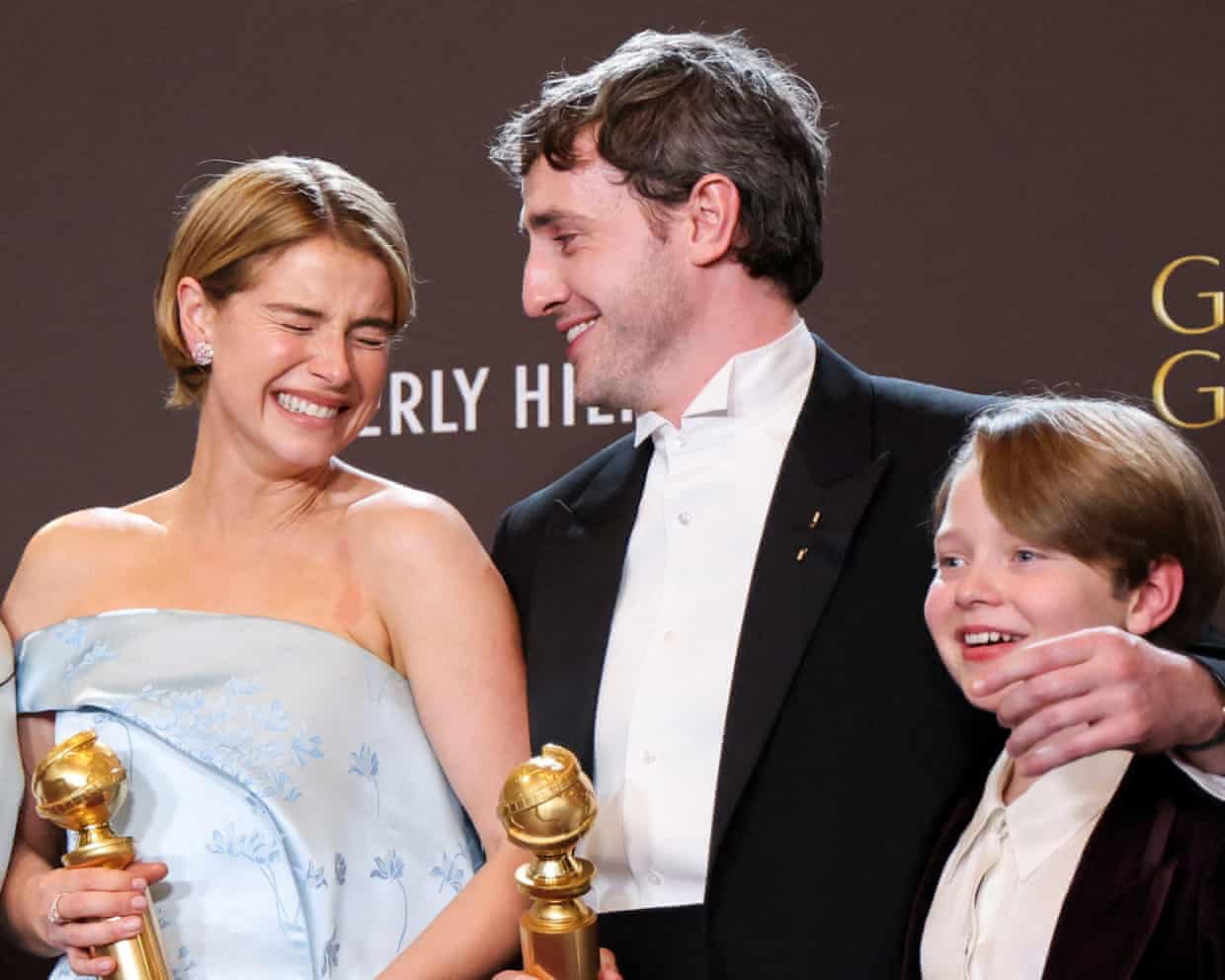
‘Kitty karma’? Jessie Buckley tries to claw back approval after enraging cat-lovers

The Guide #233: From Wonder Man to Girl Taken, here’s one thing to watch on every streamer

My cultural awakening: a Rihanna song showed me how to live as a gay man in Iran