British computer scientist denies he is bitcoin developer Satoshi Nakamoto

A British computer scientist has insisted he is not the elusive developer of bitcoin, after a report claimed to unmask him as its creator.A story in the New York Times details a years-long effort to unmask Satoshi Nakamoto, the mysterious author of the bitcoin white paper which laid the theoretical foundations for modern digital currencies.It names Adam Back, a London-born computer scientist and entrepreneur.In a thread on X, Back promptly denied being the mysterious – and presumably ultra-wealthy – technologist.“I also don’t know who satoshi is, and i think it is good for bitcoin that this is the case, as it helps bitcoin be viewed [as] a new asset class, the mathematically scarce digital commodity,” he wrote.
Nakamoto’s true identity has been the subject of speculation for years,Previous attempts to unmask him have pointed to Nick Szabo, a “reclusive” Hungarian-American computer scientist; Hal Finney, a software developer; and an “unknown Australian genius” who ended up being a fraud,This time, the trail pointed the journalist to Back, who was a member of an online anarchist cryptography community called the cypherpunks in the early 1990s,John Carreyrou unearthed similarities between Back and Nakamoto by combing through decades of old internet postings and analysing commonalities in their public writings – offhand comments such as “I’m better with code than I am with words” – and shared niche interests,He compared timelines – Back suddenly went dormant for some years on cryptography-related forums, when Satoshi emerged as a presence – and used artificial intelligence to compare Back and Satoshi’s use of language.
Then he confronted Back with the evidence at a bitcoin conference in El Salvador, where he described Back as reddening and shifting uncomfortably when presented with the evidence – and making a conversational slip, appearing to speak as if he was Satoshi himself,“He’d removed any lingering doubt in my mind that I had the right man,” Carreyrou wrote,Back said it was all happenstance,The artefacts that had led to Carreyrou’s conclusion were “a combination of coincidence and similar phrases from people with similar experience and interests”, he wrote,Not everyone bought it.
Domer, a well-known Polymarket gambler, replied to Back’s post saying: “After reading that article, I’m going with a 99% chance that you’re Satoshi.Such obvious tells (the disappearing act is a classic mafia/werewolf rookie error).”Others were less convinced.Steven Murdoch, a professor of computer science at University College London, said: “There’s some indication that it’s him, but there’s no smoking gun.”“It’s not implausible but my bet would still be Hal Finney,” Murdoch said, especially because Finney received the first bitcoin transaction from Satoshi.
“Common practice is always to test a system by sending something to yourself.”Dr Jacky Mallett, an assistant professor of computer science at Reykjavík University, said Satoshi was “almost certainly more than one person”, noting updates to the bitcoin code that suggest multiple contributors.“I think there was a small group of people behind this, and that they understood financial structures more than they are credited for,” she said.Back is the owner of a bitcoin treasury firm that is merging with a publicly traded company created by Cantor Fitzgerald, formerly led by the US commerce secretary, Howard Lutnick.Were Back to be Nakamoto – and the owner of 1.
1m coins worth tens of billions of pounds – he would have to disclose that to the Securities and Exchange Commission, as that fortune could materially affect the bitcoin market.“We are all Satoshi,” Back wrote on X.
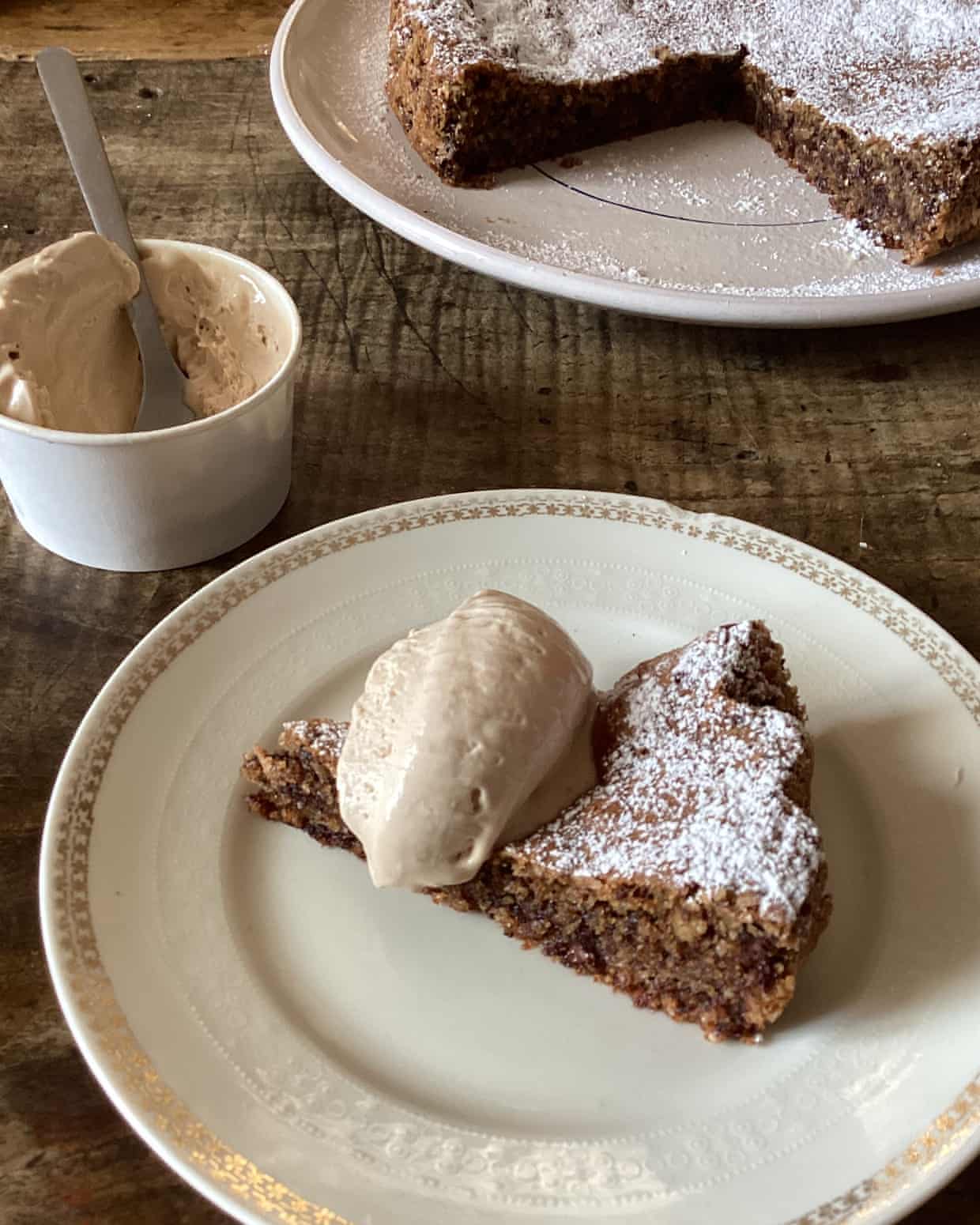
Rachel Roddy’s recipe for hazelnut and chocolate cake | A kitchen in Rome
Having been kept waiting for three hours, Dick Dewy leaves Miss Fancy Day snipping and sewing her blue dress. The plan is that he will return for her a quarter of an hour later, however, Dick convinces himself that he has been scandalously trifled with by Fancy and decides that, to punish her, he will not return. Instead, he leaps over the gate, pushes up the lane for two miles, takes a winding path called Snail-Creep, and crawls through the opening to the hazel grove in Grey’s Wood.Getting a class of 15-year-olds to relay/read the opening of chapter four of Under the Greenwood Tree, which is memorably entitled “Going Nutting”, is an extremely effective way to engage them with the majesty of Thomas Hardy. And the title is nothing compared to the line (as Dick vanished among the bushes): “Never man nutted as Dick nutted that afternoon

How to make cauliflower cheese using the whole plant – recipe | Waste not
This recipe, adapted from one in my cookbook, is a very elaborate way to serve humble cauliflower cheese. The whole plant, including the leaves and core, is seasoned with nutmeg and roasted, and it’s then dressed with a satisfying layer of rich cheese sauce and grilled until charred and bubbling. Choose a cauliflower with plenty of leaves, because they go deliciously crisp when roasted.This is perhaps the most decadent cauliflower cheese I’ve ever made. Inspired by an orange-coloured cauliflower I found sitting proudly in a box at my local Brockley Market in south London, I decided to make a vibrant and very orange cauliflower cheese using red leicester cheese and turmeric
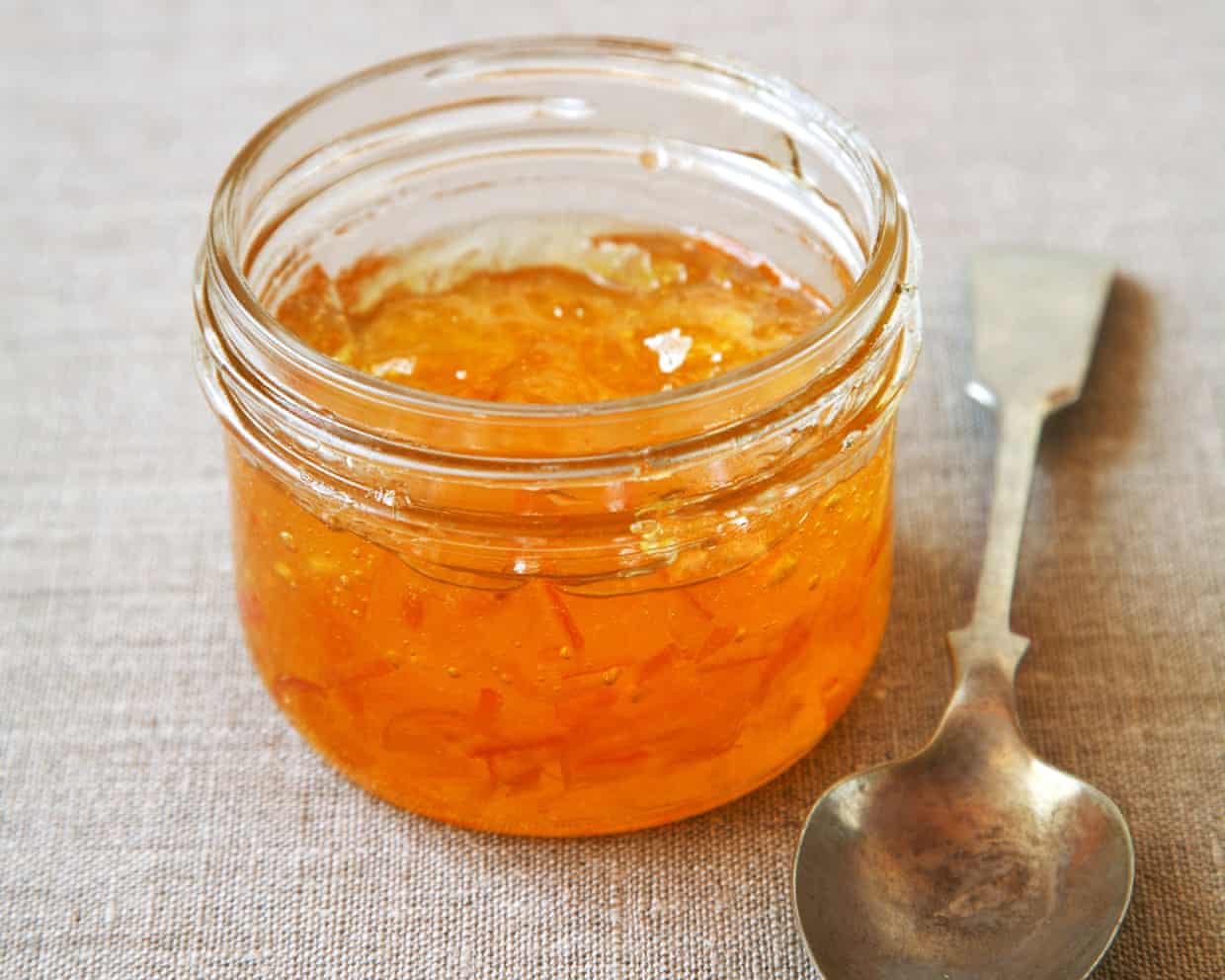
A marmalade-dropper for Paddington Bear? | Letters
As a Portuguese-British citizen, I feel it is my duty to add to your explainer article (Keir Starmalade, anyone? Will marmalade really have to be rebranded in UK?, 4 April) and explain where the word marmalade originated from. Marmalade comes from the fruit marmelo (quince). And marmalade was and is quince jam in Portugal. This jam began to be exported to England at the end of the 15th century. Only in the 17th century did the English start to apply the word marmalade to orange jam

How to save limp herbs | Kitchen aide
What can I do with herbs that are past their best?Joe, by email Happily, Joe and his on-the-turn herbs aren’t short of options. “The obvious choice for hard herbs is to chuck them in a sandwich bag and freeze them for future stock-making,” says Alice Norman, founder of regenerative bakery Pinch in Suffolk. Alternatively, Sami Tamimi, author of Boustany, would be inclined to dry his excess herbs. In summer, he’d simply pop them on a tray and put them outside in the sun, but right now he “dries them in a 60-70C oven, then packs in containers, ready for the next time you’re short of fresh herbs”.Norman’s current MO is to blitz languishing herbs (“rosemary and/or thyme work best”) with a 3:4 ratio of fine salt
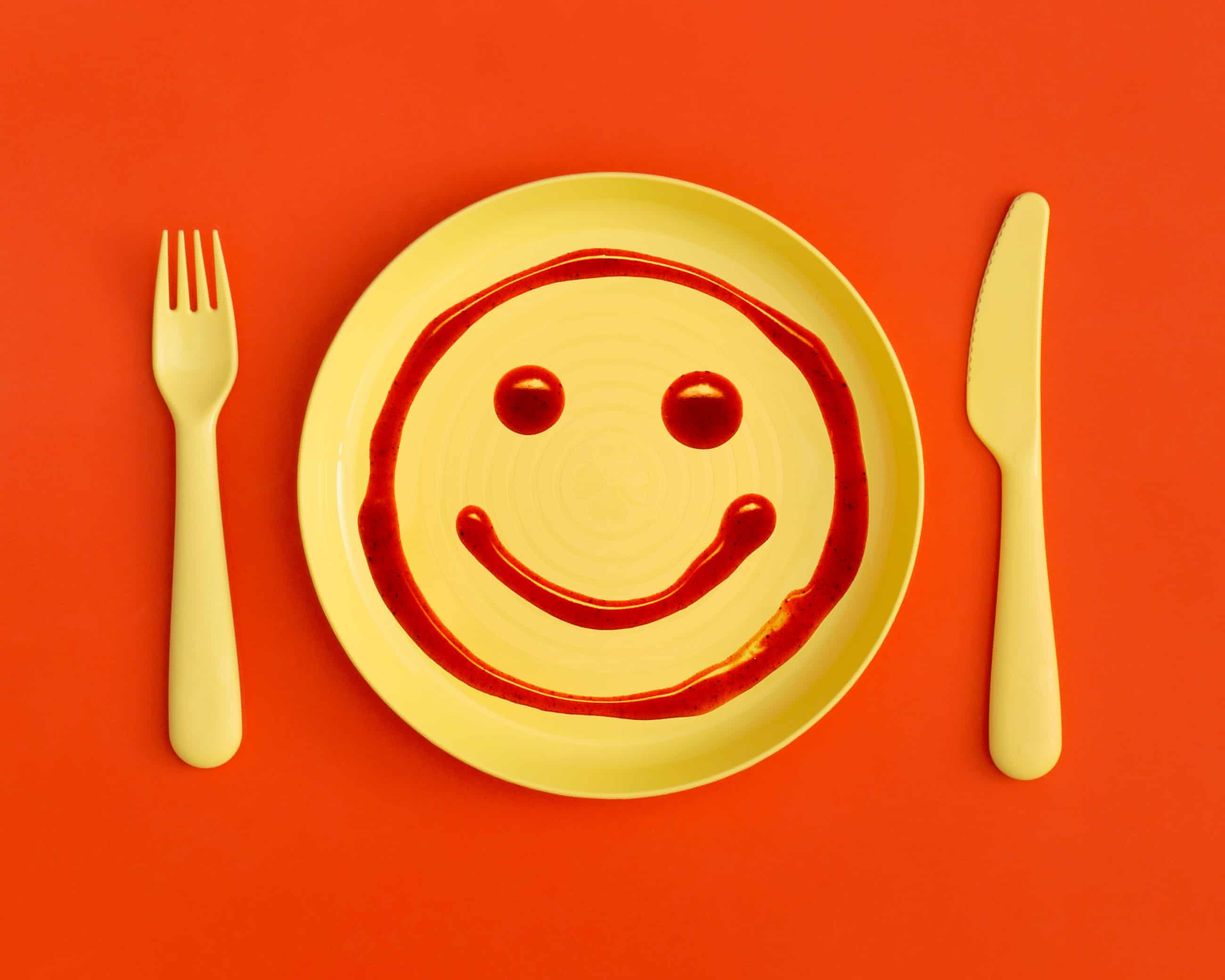
‘Before I can stop her, my daughter is licking crumbs from the table’: my search for the perfect kids’ menu
Chips, fish fingers, pizza … restaurant food for children is depressingly predictable. Are there more adventurous options? I took my four-year-old daughter on a month-long mission to find outWe’re heading out for dinner. Before I tell my four-year-old where we’re going, she has already announced that she’s going to have fish, chips and lots of ketchup. It sounds delicious; a classic. But there’s the irksome feeling that the intrepid impulses of childhood should be met with food that expands palates rather than feeding into the well-trodden path to a beige meal
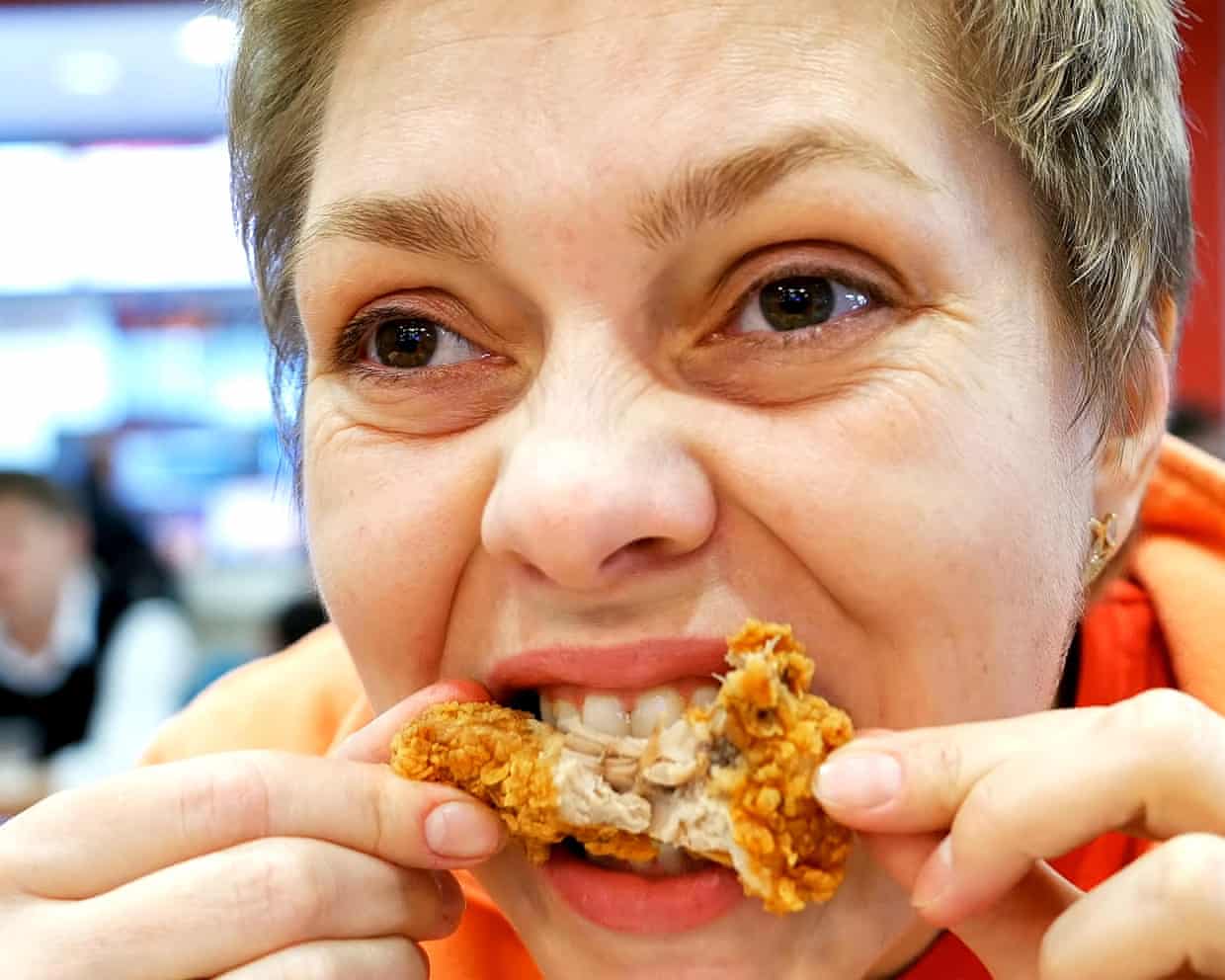
Can’t face another mouthful of chicken? You’re probably coming down with the ick
Name: The chicken ick.Age: Chickens have been around since, well, eggs …Unless it’s the other way round. Whatever. The chicken ick, on the other hand, is new.And what is it, please? You know when you suddenly feel disgusted by the chicken you’re eating, possibly mid-bite, despite previously enjoying it?Er, not really, to be honest
British computer scientist denies he is bitcoin developer Satoshi Nakamoto

Britons warned about Russian hackers targeting internet routers for espionage

The life-changing magic of wearing smartglasses | Letters

Tell us: do you use AI chatbots to make decisions for you?

An AI company with an arsenal of spacecraft: what exactly is SpaceX?

Porn, dog poo and social media snaps: the ‘taskers’ scraping the internet for AI firm part-owned by Meta