Don’t blame AI for the Iran school bombing | Letters
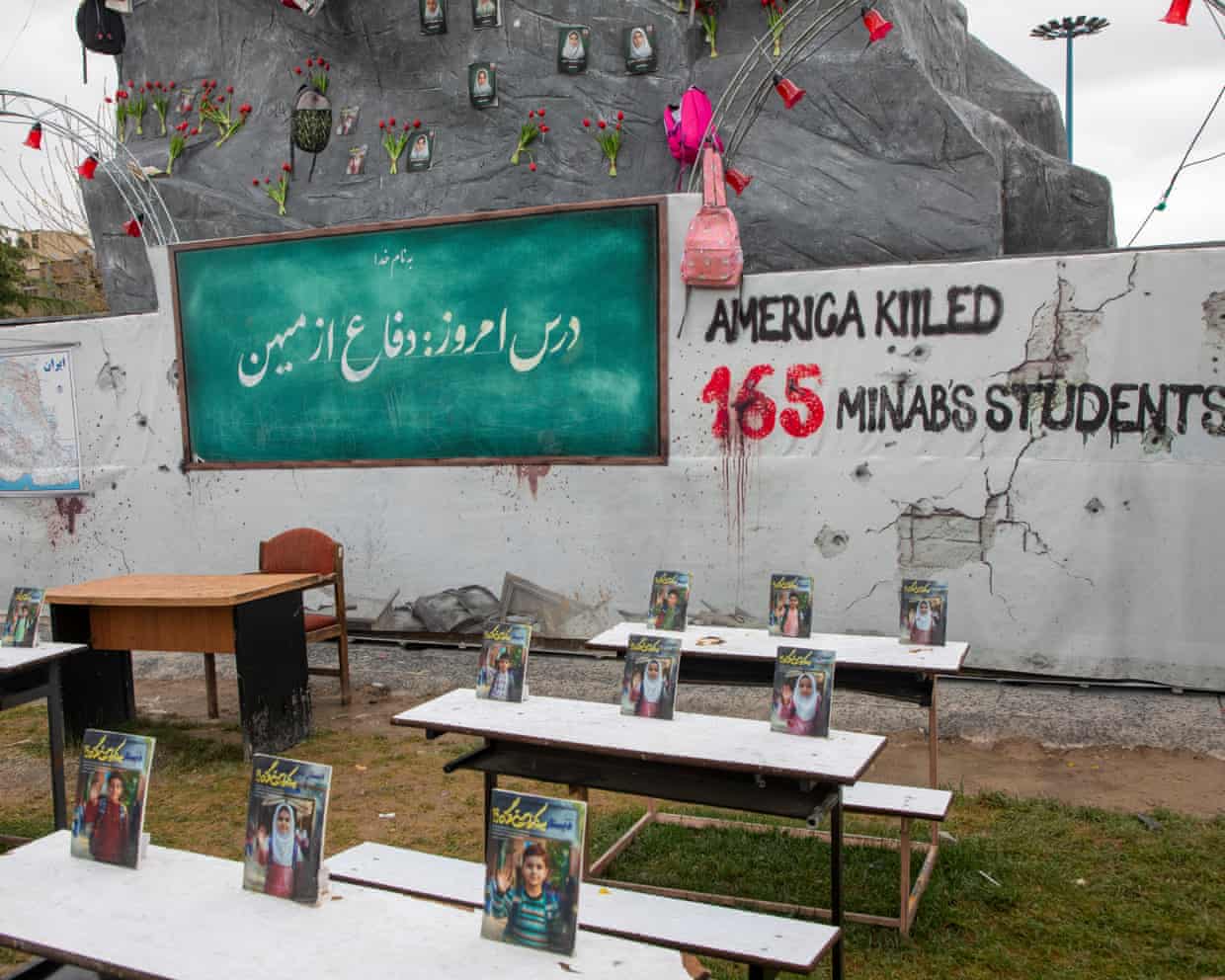
Your article on the Iran school bombing rightly challenges the reflex to blame artificial intelligence (AI got the blame for the Iran school bombing,The truth is far more worrying, 26 March),However, the deeper problem lies not in the technology but in the language now forming around it,To say that there was an “AI error” quietly removes the human subject from the sentence,Where once civilians were “dehoused” or “collateral damage”, responsibility is now displaced altogether: from people to systems.
This matters because moral accountability depends on clarity about who acts.However complex the chain of analysis and command, it remains human beings who design, authorise and execute these decisions.To obscure that fact is not a technical error but a civic one.AI may accelerate warfare, but it is also accelerating a subtler shift: from euphemism to automation as alibi.If public language cannot name human responsibility, public scrutiny cannot hold it to account.
Anthony Lawton Market Harborough, Leicestershire Your article about losing control over AI agents (Number of AI chatbots ignoring human instruction increasing, study says, 27 March) was as alarming for its language as for its content.You say that AI agents “connived”, “conned”, “admitted” and “confessed”; that they “lie” and “cheat”.The term widely used to describe AI rule-breaking – scheming – is similarly anthropomorphic.Such language ascribes moral agency to large language models and in so doing obscures where responsibility actually lies.Imagine a company had released high-speed vehicles on to the roads before fitting them with effective brakes.
We would not say the vehicles “connived” to kill other road users; we would say the humans behind the company had behaved with the utmost recklessness.If out-of-control AI does ever cause harm, we will have no hope of holding the technology companies (and the governments that promote them) to account unless we properly attribute moral agency when we speak about their products.Dr Felicity MellorDirector, Science Communication Unit, Imperial College London Have an opinion on anything you’ve read in the Guardian today? Please email us your letter and it will be considered for publication in our letters section.
Revealed: the vast illegal casino network targeting UK gamblers
Calls for tougher laws as network stretching from Caribbean to Georgia generates riches for offshore tycoons by appearing to prey on the vulnerableImmaculately groomed and beaming from ear to ear, Andres Markou looks every inch the golden boy of the gambling sector. The youthful boss of MyStake, a fast-growing digital casino, has been pictured shaking hands with the Brazilian football legend Ronaldinho over a lucrative branding partnership.Elsewhere, he can be seen collecting industry awards, or offering “visionary” insights to interviewers. There is only one hurdle blocking Markou’s ascent to the very top of his trade: he does not exist.The photos seem to be AI-generated fakes and Markou, it appears, is a decoy, deflecting attention from the true faces behind a sophisticated network of illegal online casinos
A ‘dress rehearsal’ for life: inside the Manchester project helping homeless men rebuild
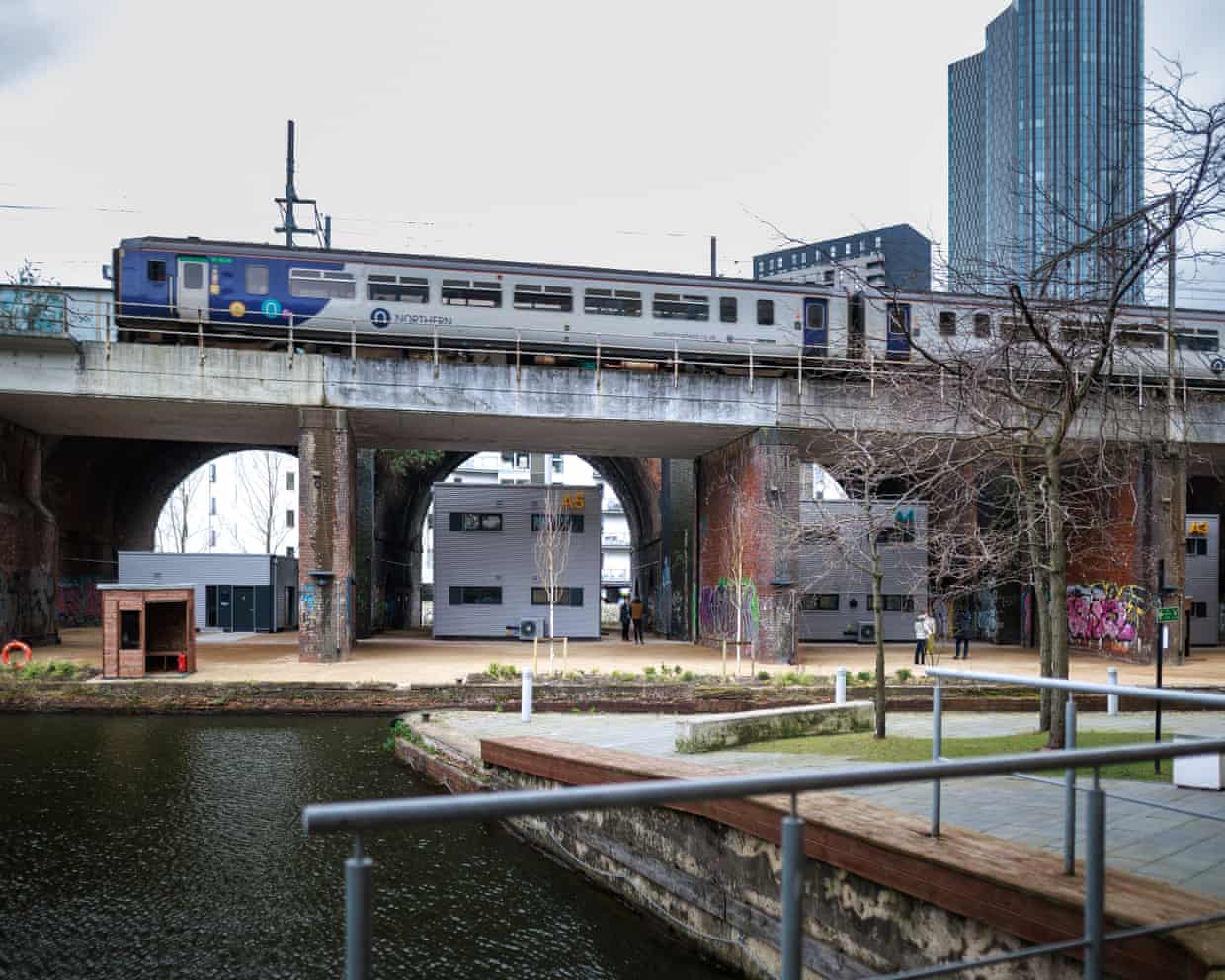
It costs a lot to live by the canal in central Manchester, with even the pokiest of studios renting for £1,000. But in Embassy Village, the city’s newest waterside community, residents do not need to be rich. Quite the opposite, in fact. To live there, you have to be male, homeless and ready to get your life back on track.Nestled between the River Irwell and the Bridgewater canal, just across from the fashionable Castlefield district, Embassy’s 40 studio flats have been built under two Victorian viaducts carrying the city’s trams and trains
Teenager died after asking ChatGPT for ‘most successful’ way to take his life, inquest told
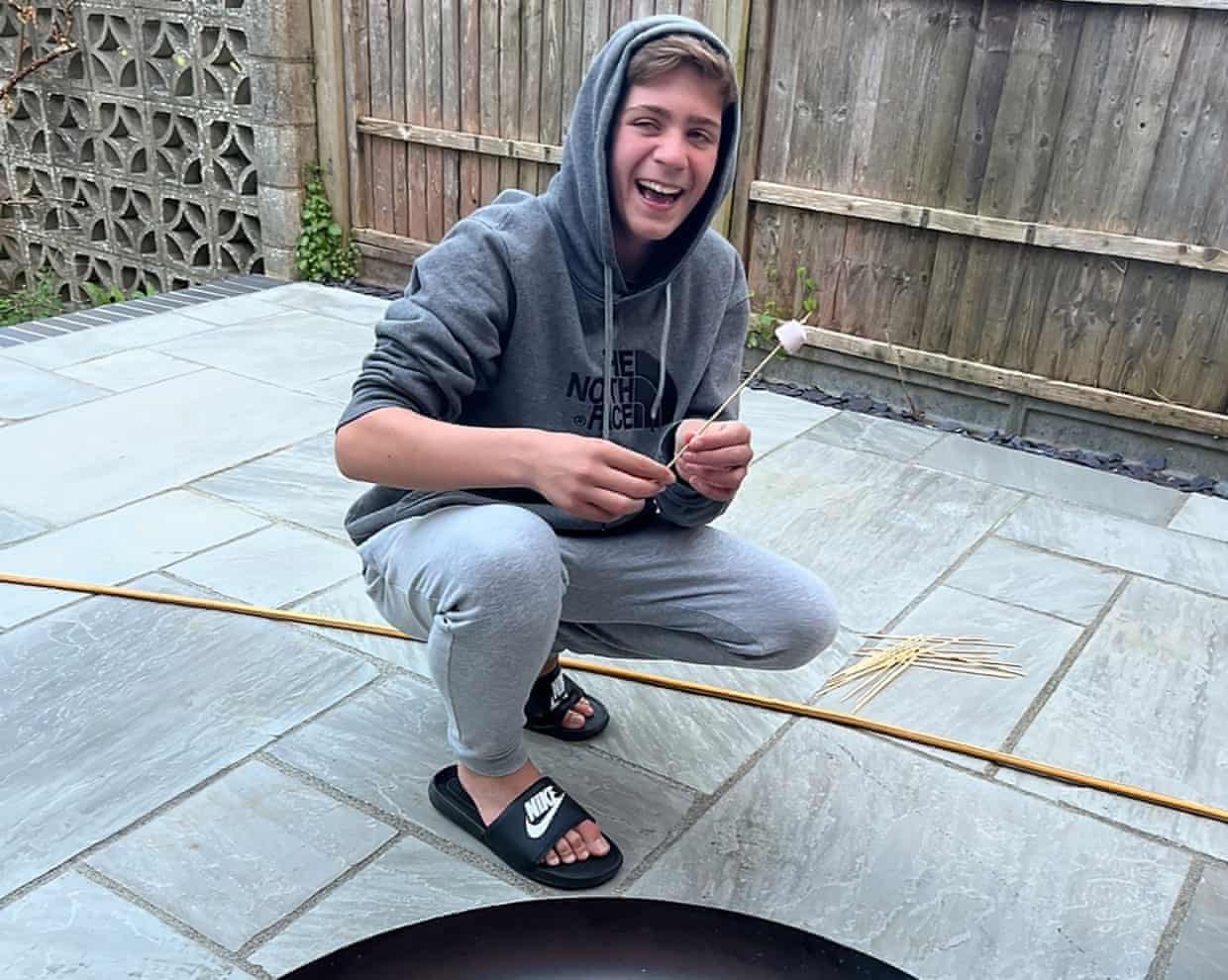
A 16-year-old boy killed himself after asking ChatGPT for the “most successful” way to take your own life, an inquest has been told.Luca Cella Walker, a private school pupil from Yateley, Hampshire, died on 4 May last year.An inquest at Winchester coroner’s court heard on Tuesday that, hours before his death, Walker had asked the generative AI chatbot for the “most successful” way for someone to kill themself on a railway line.At the time of his death, he was studying at Sixth Form College Farnborough. He had recently graduated from Lord Wandsworth College near Hook, Hampshire
Head of NHS England ‘really worried’ about medicine supplies
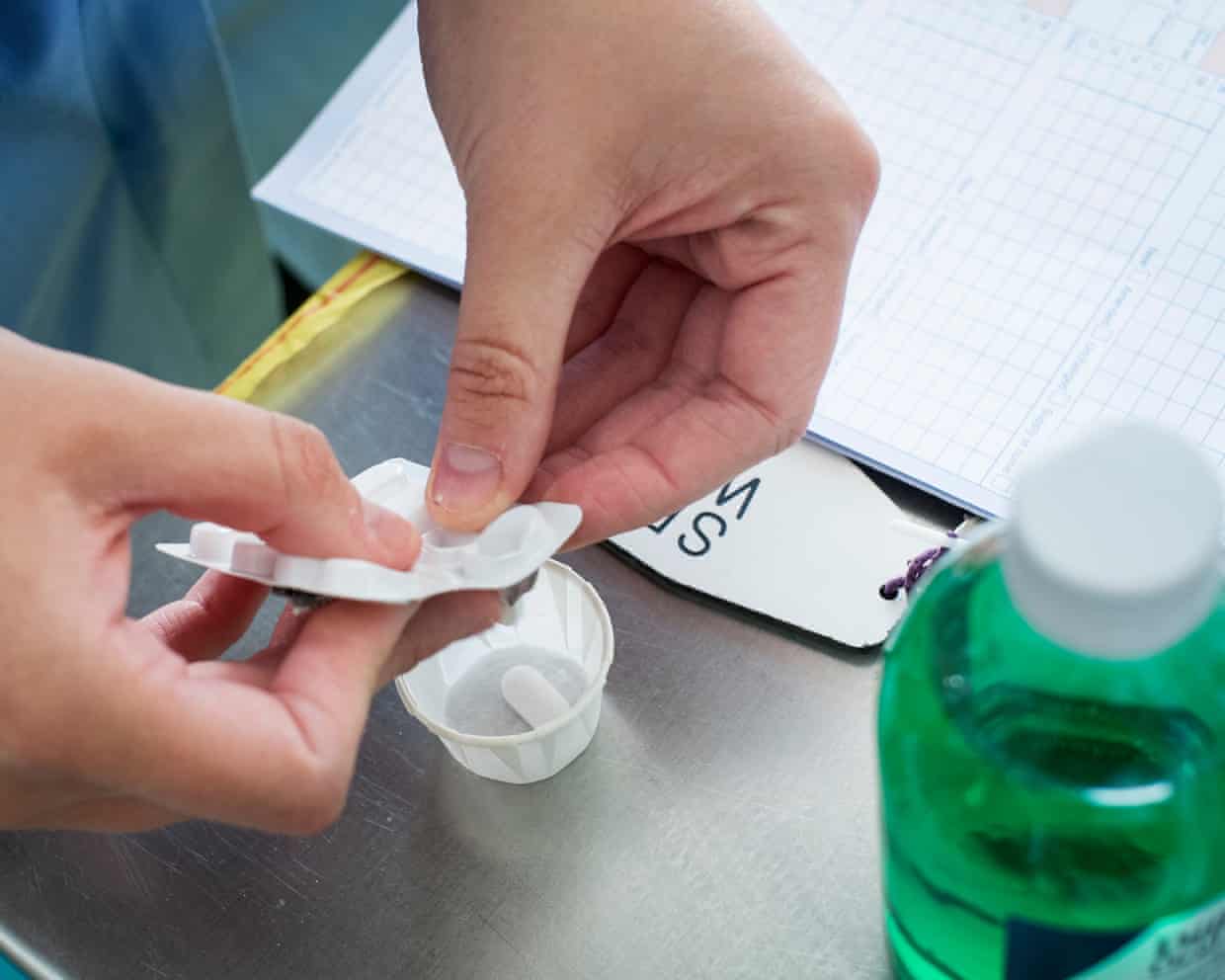
The head of the NHS in England has said he is “really worried” about medicine supply issues.A number of experts have raised concerns about cost implications and supply disruption linked to the war in Iran.The NHS England chief executive, Jim Mackey, was asked during a phone-in on LBC Radio on Tuesday what contingency planning was in place because “the UK imports 75% of its medicine”. He said: “We are really worried about this. We’ve already had a couple of supply shocks in the last 12 to 18 months of key supplies
Three hospital doctors’ groups threaten to coordinate strike action in England
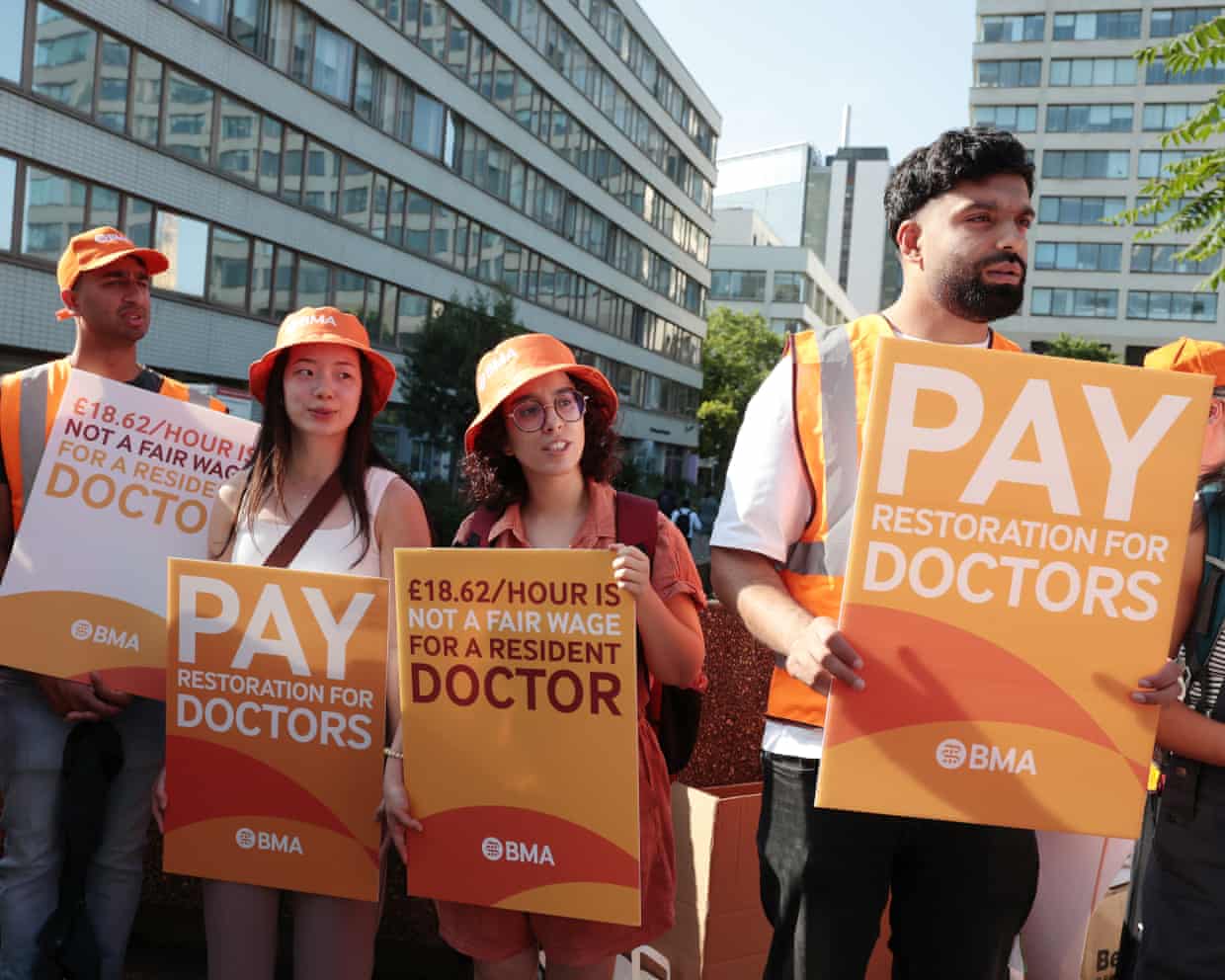
The NHS’s three main groups of hospital doctors in England are threatening to coordinate strike action in a dramatic escalation of their campaign for higher pay.The British Medical Association said on Tuesday it would ballot consultants, and specialist, associate specialist and speciality (SAS) medics about joining resident doctors in taking strike action aimed at improving their earnings.“Should the ballots be successful, the government risks having all doctors working in secondary [hospital] care in England taking industrial action during the same period,” the BMA said.Consultants want better pay and shorter hours, while SAS doctors are seeking increased basic pay, improved overtime rates, more annual leave and better career opportunities.Resident – formerly junior – doctors are due to start a six-day strike next Tuesday, 7 April, just after the Easter weekend
‘Should never have been prescribed’: private UK cannabis clinics face call for tighter regulation
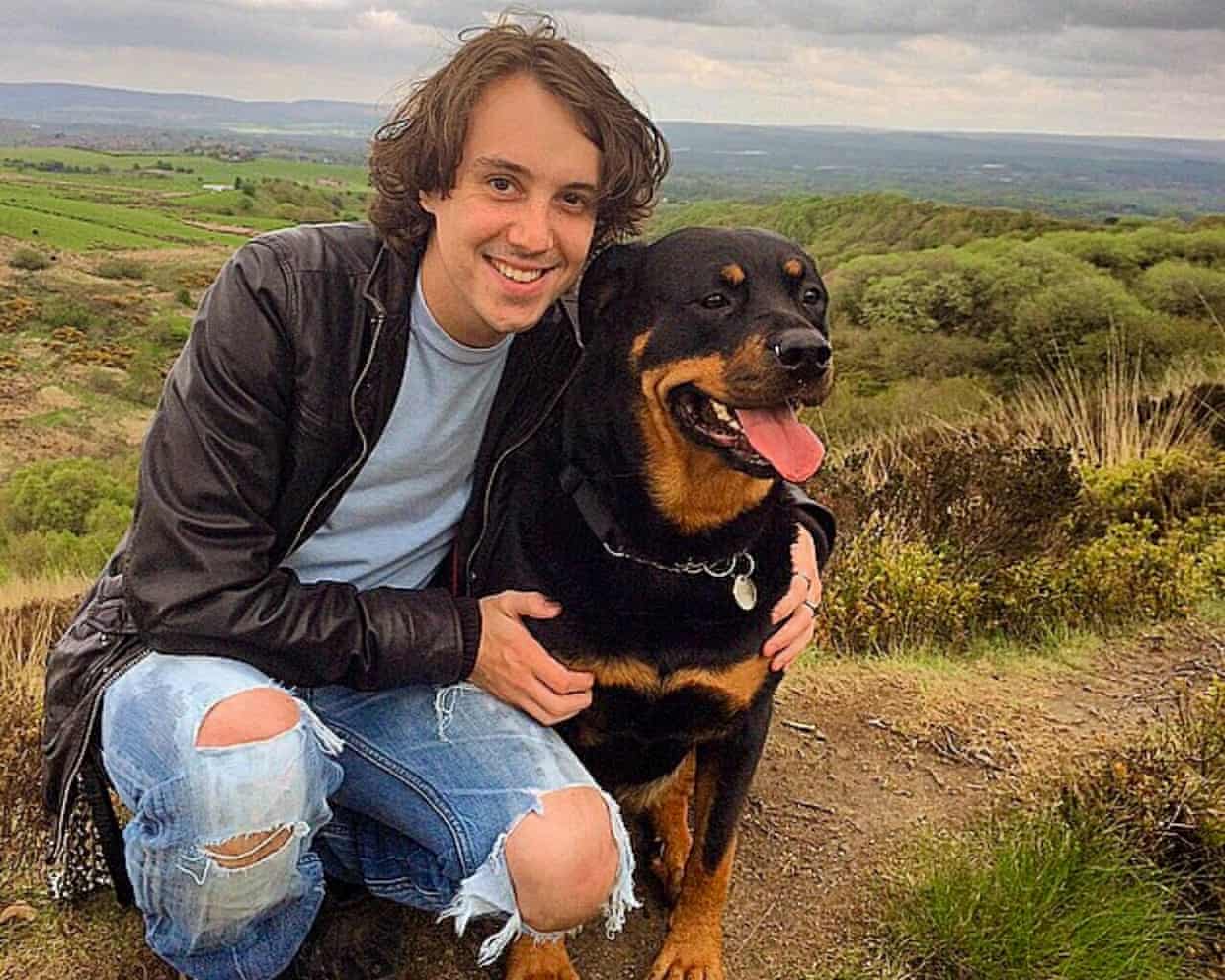
Oliver Robinson felt he had exhausted conventional therapies when he left the Priory, a private mental health facility where he was treated for depression and addiction between 2019 and 2022. Initially he found relief from a new kind of prescription elsewhere. But by the time he took his own life in November 2023, aged 34, his family believe his medicine was making him worse.In January, an inquest concluded that Robinson’s prescription for medicinal cannabis had “probably contributed to his death”. Catherine McKenna, the coroner for Manchester North, also ruled that his continued use of the prescription, first issued to him in May 2022 by Curaleaf Clinic, a private cannabis provider, “acted as an obstacle” to him receiving appropriate psychiatric and addiction care

UK is most vulnerable European country to jet fuel shortages, Ryanair boss says

Oil tumbles and UK’s FTSE 100 posts biggest daily rise in a year on hopes Middle East war will end soon – as it happened

‘System malfunction’ causes robotaxis to stall in the middle of the road in China
Unregulated chatbots are putting lives at risk | Letters

Joyce ‘shocked’ to receive Wales call-up for Women’s Six Nations only months after giving birth

Justin Timberlake’s walk-on part back in spotlight as Chelmsford faces closure fears