Alyssa Healy’s final match underlines recurring truth of women’s Test cricket | Geoff Lemon
Sometimes, those behind-the-scenes cameras show more than they know,In a silent Australian dressing room in 2019, the players were staring at the indeterminate middle-distance like commuters on a train,Eventually, the one raised voice belonged to Alyssa Healy,This was the last day of the Ashes Test at Taunton, where Australia had to decide whether to offer England a chase in an attempt to win, or bat the game to death,Criticised afterwards for choosing the latter, coach Matthew Mott and captain Meg Lanning adopted thin-lipped Australian sternness to insist that an England team trailing in a multi-format series didn’t deserve to be offered a path back.
In the documentary footage shown later, with Mott and Lanning laying out their reasoning and asking if everyone agreed, it was not a forum set up for dissent,But the issue was less about offering England a chance and more about Australia creating one for themselves, however unlikely,When Healy spoke up, she probably wasn’t thinking of the long-term implications of a compelling finish as an argument to administrators to schedule more women’s Tests,She was thinking like a competitor, wanting to have a crack at England with the ball,She didn’t deliver a stirring monologue that got everybody on board: nobody backed her and the issue was dropped.
But it was notable that Healy at least felt compelled to speak, and able to.Nothing changed that day, but it has changed since, from when Lanning retired in 2023 until Healy followed suit last weekend.Perhaps this is simply generational: the team in Healy’s final Test featured genuine youth in Phoebe Litchfield, Georgia Voll, Lucy Hamilton and Darcie Brown, among other youngsters with recent debuts, a change from an era of hardened semi-professionals.But there is a broader change among the players, along with their greater visibility through televised games and the hungry churn of digital media.Perhaps the observation is simplistic, but the Lanning era felt like players could only think about proving themselves.
In the Healy era, they could express themselves.Healy was front and centre of this, with her natural chattiness as well as a flair for deprecation usually directed at herself and occasionally at another deserving target.When among the ranks, she had perhaps felt pressure to keep a lid on her personality, not wanting to set off the tall-poppy tripwire that can take down any Australian seen to be seeking attention.Perhaps she has simply had more opportunities to speak since taking charge.Repeated match-winning knocks in World Cup finals don’t hurt when it comes to being afforded latitude.
Either way, Healy’s entertaining speeches, her smackdowns of online sniping, and her recent star turn on men’s Ashes commentary before returning to the pitch for her own farewell series against India, have all offered an example to women cricketers that they can excel on the field while also being widely seen and heard elsewhere.As a player who took many years at the top before blossoming with the bat, she has flourished most of her all in her final years.In terms of being embraced in the men’s side of cricket, Healy does have advantages through connections of both blood and marriage, but that prominence would also work against her if she hadn’t got herself up to the mark as a player.Her final ODI innings, that monster 158 she looted from India, made sure she stayed at that mark until the end.Her Test that followed, bowing out with a score of 13 in Perth, didn’t duplicate that euphoria, but that’s the way of the game: everyone has more quiet performances than substantial ones.
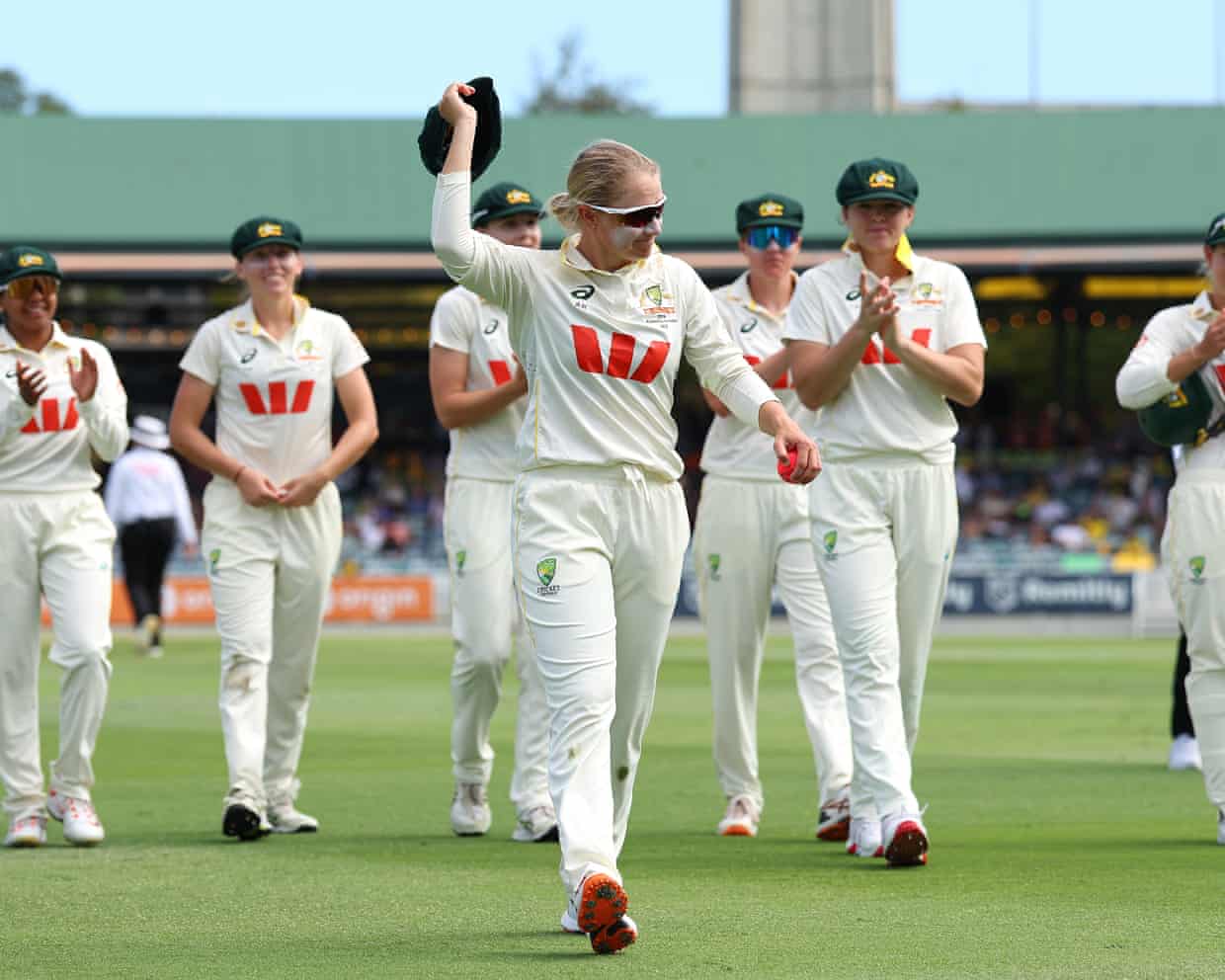
The win is what matters, and Healy skippered one more of those to close out her collection.If anything, her final match underlines a recurring truth about the women’s game: that with Test opportunities so much scarcer than for men, those quirks of bad luck can cut rather than sting.Every odd dismissal, every injury, and the wait for even the best players to get their next chance is most often measured in years, if it comes at all.Healy closes a 16-year career having played 11 Tests.Ellyse Perry has a claim to being Australia’s greatest in the format, and has played 15, pushing through a quad injury that would probably have kept her out of a short-form match so as not to miss the chance in Perth.
Annabel Sutherland averages 89 with the bat and 23 with the ball, but unless the game’s scheduling changes she may not play more than Perry.Had Perry missed last week, it would have meant two years between drinks.The Australians were supposed to supplement six white-ball matches in the Caribbean next month with a Test, their first against West Indies since 1976, and the first time they would have played two Tests in such quick succession since 2005 in England.That match is now cancelled because an underfunded Cricket West Indies operation wanted to offset costs by hosting all seven matches at the same ground, while Cricket Australia wanted two venues.The issue as ever is reluctance to pay the bill, which comes back to how cricket’s finances are unequally apportioned.
There are some things Healy has helped change in the game, and some beyond one player.Hopefully, with a prominent voice in retirement, she can at least keep raising it in support of more opportunity than she received.
We need a national plan to tackle the health inequity that is killing people | Letters
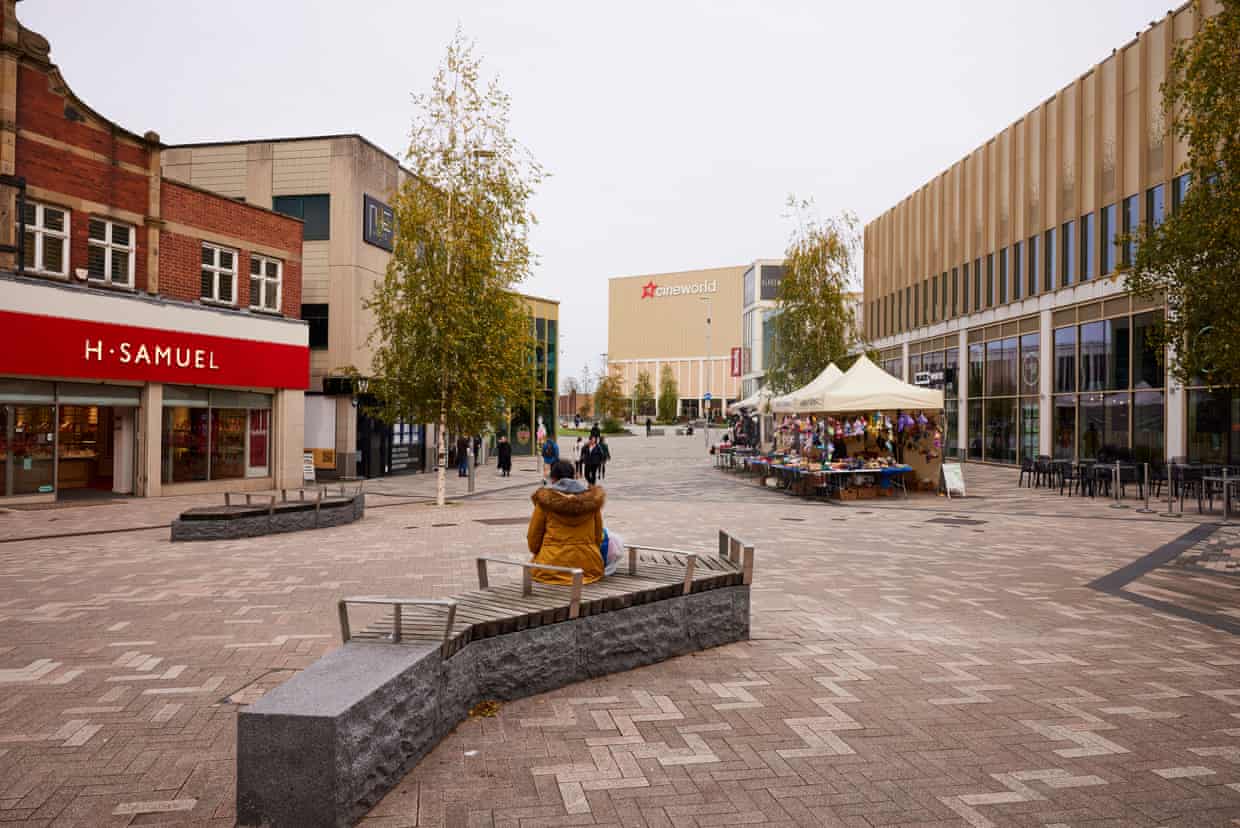
How could I fault Aditya Chakrabortty’s account of the failure to prioritise the nation’s health as he cites me as its inspiration (This is a life and death story for the UK – so why is it being brushed under the carpet?, 6 March). However, it is important to emphasise that the government is well aware of the gross health inequities that scar our nation and limit lives as well as economic prosperity, but chooses not to prioritise them. The ministerial response last month to the House of Lords report on ageing contains this shocking statistic: a girl born in Barnsley can expect an average of 53 years of good health, whereas one born in Wokingham can look forward to 71 healthy years – an extra 18 years.Throughout the country deprivation accelerates ageing, which for many means an unnecessary premature exit from the labour market and premature need for social care. But the main focus of health policy is the manifesto commitment to reduce NHS waiting times, a target that has very little impact on health inequity
Proposed law does not protect children born to convicted paedophiles, Lords to hear
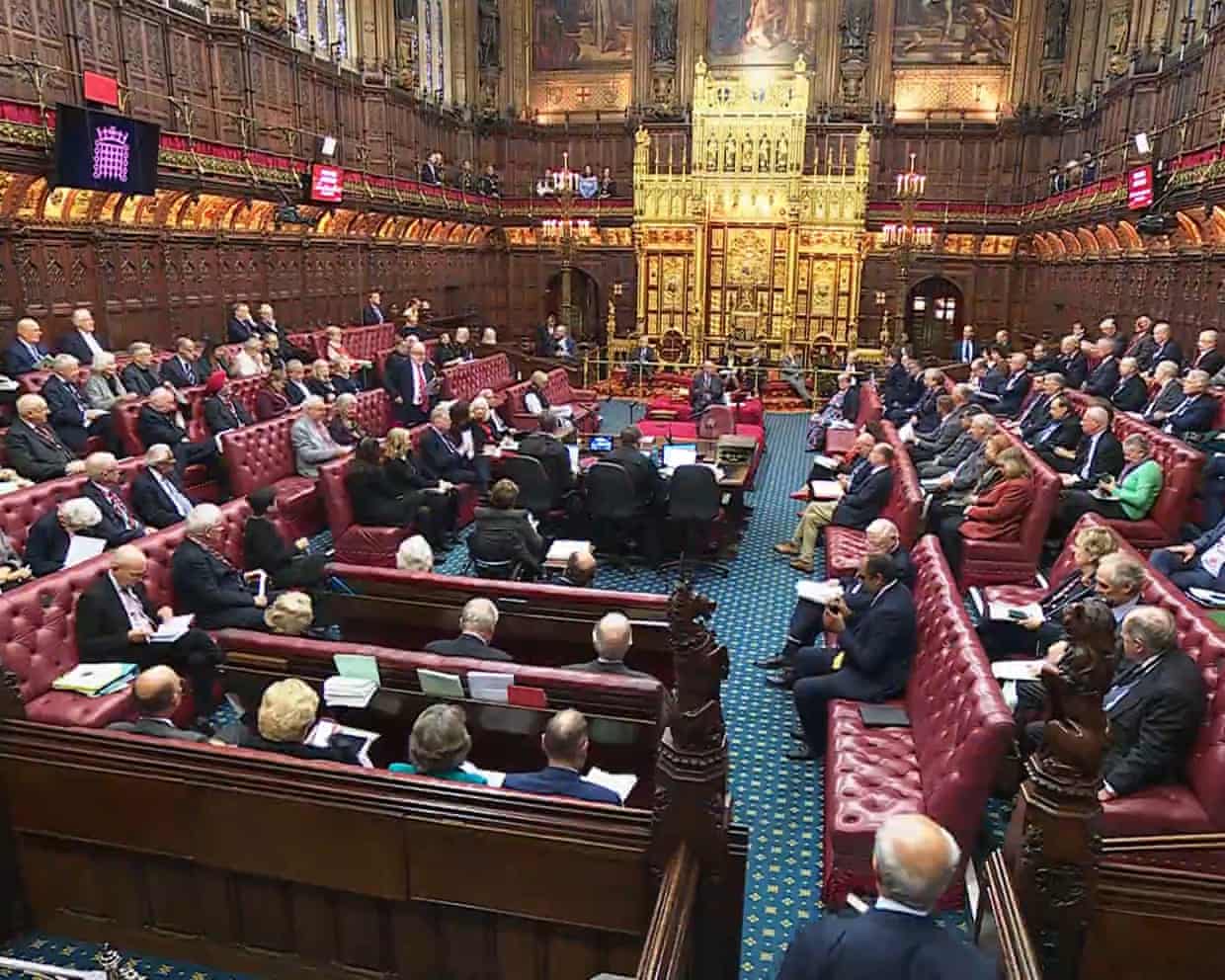
A proposed law to restrict paedophiles’ parental rights in England and Wales is too weak because it does not protect children of theirs born after their conviction, parliament will hear this week.Under the victims and courts bill, a parent convicted of serious sexual offences against any child and who is sentenced to four or more years in prison will lose parental responsibility but they could come out of jail and have other children who would not be protected.An amendment to end this anomaly has been tabled by the crossbench peer and former family court judge James Meston, and will be debated in the House of Lords on Tuesday.The move to restrict parental responsibility came after the BBC reported the case of a mother, Bethan (not her real name), who spent £30,000 in legal fees to stop her paedophile ex-husband having contact with their daughter.Bethan said: “This amendment will prevent the formation of a deeply unfair two-tier system, where children born before the paedophile parent’s conviction are safe from abuse, but younger siblings, born even a day after conviction, are still under the control of, and highly likely to be abused by, the paedophile

Almost a third of people in England use private dentists amid NHS dental crisis
Almost a third of people in England now use private dentistry, with a sharp rise in the number of poorer households forced to pay for fillings and extractions.The scarcity of NHS care means the proportion of people turning to private dental services jumped from 22% in 2023 to 32% late last year, the health service’s patient watchdog found.The reliance on paid-for treatment is so significant that dental care is becoming a costly “one tier” – private-only – service for more and more people, Healthwatch England is warning.It is concerned that the percentage of people who describe themselves as struggling financially that have used private dentistry has almost doubled in recent years from 14% to 27%.Those who do are hit with a “double penalty”, the watchdog added

Gambling crackdown in Romania as councils can ban ‘toxic’ betting shops
Romania’s government has overhauled gambling regulations through an emergency decree allowing municipalities to restrict or ban betting shops and slot machine halls in the biggest tightening of the industry the country has seen.Licensed operators must now obtain not only a national permit but also local authorisation to open a gambling venue, giving mayors and local councils a decisive veto power. Officials say more than 200 localities could pursue full bans.There has been a rapid expansion of Romania’s gambling industry, with tens of thousands of slot machines and betting outlets open nationwide, especially in the capital, Bucharest.Until now, gambling halls were authorised centrally without city approval, leaving communities powerless even as venues proliferated near schools and residential areas

Labour to set up new extremism whistleblowing service for university staff
The UK government will expand powers to tackle extremism by setting up a new whistleblowing route for university staff and giving the Charity Commission powers to shut down charities, as part of a new action plan to strengthen social cohesion.The plan, announced by the housing, communities and local government secretary, Steve Reed, will invest a further £5m in the Common Ground Resilience Fund, which was launched to support organisations and authorities tackling divisions in communities.“We must listen to people’s concerns about growing divisions and take action to bring our communities back together,” Reed said.As well as a new whistleblowing service, the plan will include a new Campus Cohesion Charter to strengthen respect and shared values across universities.The strategy will also introduce an annual State of Extremism report setting out the nature and scale of the threat facing the UK and the government’s response, while the Visa Watchlist Taskforce will be strengthened to block hate preachers and extremists from entering the country

Cancer death rate in Britain down by almost a third since 1980s
The rate of people dying from cancer in the UK has fallen by almost a third since the 1980s amid seismic progress in prevention, diagnosis and treatment, a report has found.About 247 in every 100,000 people die from cancer each year, a 29% drop from the peak in 1989 of about 355 per 100,000, according to an analysis by Cancer Research UK (CRUK).Cancer remains Britain’s biggest killer, causing about one in four deaths, and survival rates lag behind a number of European countries, including Romania and Poland.However, in the past decade alone, the rate of people dying from cancer has fallen by 11%. The death rate for ovarian cancer dropped by 19% between 2012-2014 and 2022-2024, stomach cancer fell by 34% and lung cancer 22%

Middle East crisis could push UK inflation back up to 3%, says OBR
Pipeline of new drugs to fight superbugs is ‘worryingly thin’, experts warn

Datacenters are becoming a target in warfare for the first time

‘I wish I could push ChatGPT off a cliff’: professors scramble to save critical thinking in an age of AI

Cheltenham festival 2026: Lossiemouth leaves rivals in wake to win Champion Hurdle – as it happened

Former Super Bowl champion asked ChatGPT about injuries before girlfriend’s death, court hears