Relay team grab bronze at worlds on another red letter day for Australian athletics
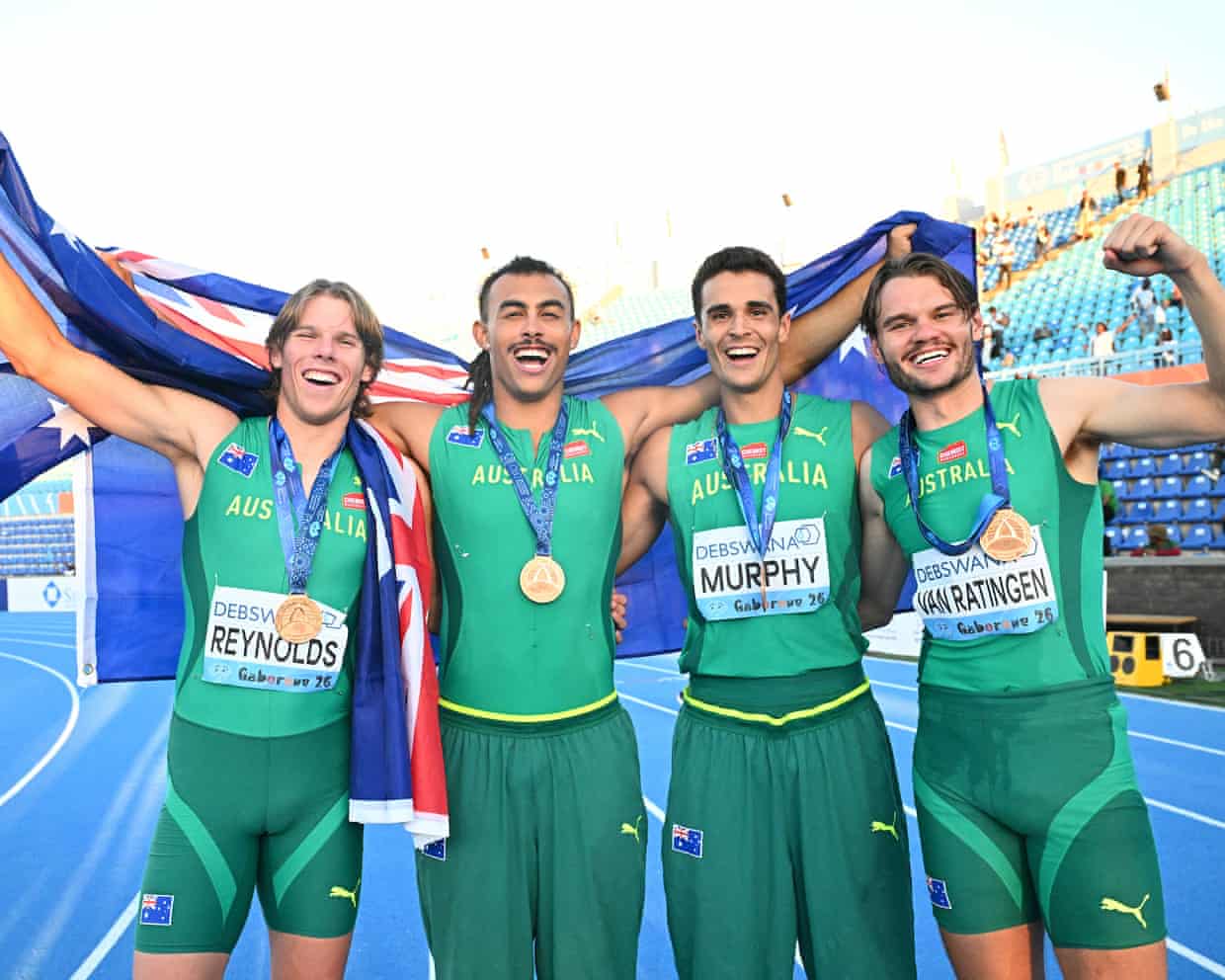
Australia secured a thrilling bronze and ran the sixth-fastest men’s 4x400m time in history at the World Athletics Relays in Botswana, on a day the country proved its pedigree in the team-based format,The team of Luke van Ratingen, Reece Holder, Thomas Reynolds and Aidan Murphy pushed home heroes Botswana and South Africa right to the line in a marvellous contest that was not settled until the final metres,Their time of 2:55,20 broke the Australian record they set in the preliminary round the previous day, and would have won gold at every Olympics apart from Paris 2024, when the United States held off Botswana,The time set by the United States’ 1993 world championship-winning team, anchored by Michael Johnson, remains one of athletics’ longest-standing marks.
Australia finished within a second of it, underlining this young team’s status as a medal threat at Los Angeles 2028 and Brisbane 2032,The Australians’ performance make up for the pain of last year’s world championship in Tokyo, when a positioning error by Murphy triggered the squad’s disqualification from their heat,“It was so surreal and such a vibe out there,” Holder said, reflecting on the carnival-like atmosphere created by the adoring home fans in Gaborone,“To come out and win a medal and do a time like that is pretty incredible,”Holder ran the second leg in a split time of 43.
12sec, the third fastest in the race behind only Botswana anchor Collen Kebinatshipi and South African Lythe Pillay, whose 42.66sec was recognised as the fastest split ever recorded in the event.Although split times are not formally ranked, Pillay’s second leg – when he surged past Botswana’s 200m Olympic champion Letsile Tebogo – eclipsed Johnson’s previous mark from 1993 by a quarter of a second.The swift times and dramatic finale, when Murphy pushed world champion Kebinatshipi and South Africa’s Zakithi Nene around the bend and up the final straight, as the jubilant home fans urged on their countrymen, made this one of the most memorable 4x400m races in history.Australia’s prominent contribution underscored its emergence as a force in team-based events.
Australian Athletics has invested in dedicated relay camps and training in recent years, and the decision appears to be paying dividends.Australia was the only nation to qualify all six relay teams for the Beijing world championships, highlighting both depth of talent and consistent execution in each event.The world relays event sits beneath the Olympics and world championships in the hierarchy of international athletics meets, and was only established in 2014.But its reputation is building, leveraging the dramatic appeal and unpredictable nature of the relays format.This year’s meet in Botswana served as a qualification path for next year’s world championships in Beijing.
All six Australian teams secured a berth, and Australia’s men’s 4x100m came agonisingly close to a medal, finishing fourth.“We wanted to make the final and came wanting a medal, so to get so close is disappointing,” bend-specialist Chris Ius said.“But to show the rest of the world we can do is such a good thing, and I think we are improving every year which is exciting.”The mixed 4x400m team finished seventh in their final, while the other three squads – the women’s 4x100m, 4x400m and mixed 4x100m – all progressed through the qualification races to book their places in China.
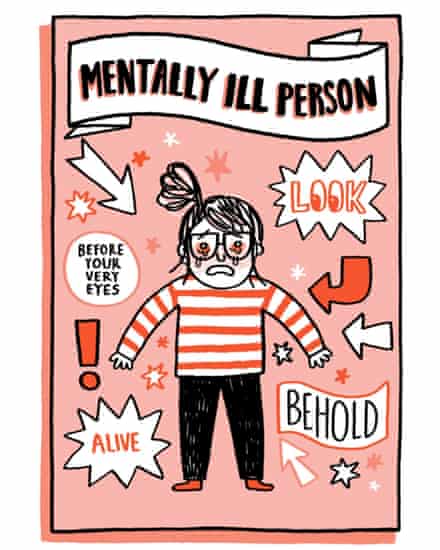
Welcome to Anxietyland: I used alcohol to hide my fear – but booze became a very bad friend
In 2018, I was in my 30s and living in Oakland, California, having moved there from the UK in 2015. I had always struggled with anxiety and panic attacks, but I was doing fairly well – until suddenly I wasn’t. I started having back-to-back panic attacks, wandering the streets of Oakland and nearby Berkeley in a desperate attempt to shake them, without success.My life felt like an out-of-control fairground ride. Actually, it felt more like an entire theme park

UN warns women in public life face increasingly sophisticated online violence
Women in public life are facing growing and increasingly sophisticated forms of online violence, the UN has said, warning that “AI-assisted ‘virtual rape’ is now at the fingertips of perpetrators”.Female rights campaigners, journalists and other public communicators face a deepening threat owing to a combination of artificial intelligence, anonymity and the absence of effective laws and accountability, a report published by UN Women found.Of more than 600 women in public life, 6% said they had been victims of deepfakes, while nearly a third said they had received unsolicited sexual advances online. About 12% said they had had images of themselves shared without their consent, including intimate or sexual content.“Artificial intelligence is making abuse easier and more damaging,” said Kalliopi Mingeirou, who leads UN Women’s efforts to end violence against women

Woman denied permanent birth control on NHS wins case with ombudsman
A woman denied a permanent form of birth control on the NHS over fears she might regret it, while men were allowed contraceptive procedures, has won her case with the health ombudsman.Leah Spasova, a psychologist from Oxfordshire, spent a decade fighting to obtain female sterilisation at her local trust, a procedure that blocks or seals the fallopian tubes to prevent pregnancy. By contrast, men can undergo a vasectomy, a procedure that stops sperm from being released.She was refused the sterilisation procedure on the NHS, with her local trust citing concerns about potential regret and cost-effectiveness. Spasova challenged the decision, taking her complaint to the parliamentary and health service ombudsman, who hears complaints about the NHS in England

Woman’s fight for sterilisation raises questions over access to procedure
A psychologist who was denied sterilisation on the NHS has successfully challenged the decision after taking her case to the health ombudsman, raising questions over how accessible the procedure should be.Leah Spasova spent years seeking an operation to prevent pregnancy by blocking the fallopian tubes. Many argue that barriers faced by women, from funding refusals to stricter eligibility criteria, amount to unequal treatment compared with men seeking vasectomies, and limit bodily autonomy.However, others say tighter controls reflect legitimate medical concerns, including the procedure’s relative risk, its permanence, and evidence that some patients later regret the decision.In 2024-25, 10,793 female sterilisations were carried out, down 22% on a decade ago, while there were 26,385 vasectomies, up 16% year on year

Solicitors report late flood of no-fault evictions before ban in England
Solicitors say they have been inundated with requests to serve last-minute section 21 no-fault eviction notices before they are banned when the Renters’ Rights Act comes into force in England on Friday.The legislation, which has been hailed as the biggest change to renting in a generation, bans no-fault evictions, limits rent increases and abolishes fixed-term tenancies.On the eve of the new rules, solicitors said they were working long hours to keep up with the sudden demand for eviction notices, while Citizens Advice said thousands of people facing a no-fault eviction had approached it for help in the last month.In March, the service helped 2,335 people dealing with a no-fault eviction, up 16% on the same time last year, as well as more than 1,800 people dealing with disrepair such as damp and mould, and more than 1,000 with rent increases.Thackray Williams, a London- and Kent-based law firm, said it had received a wave of last-minute instructions from landlords looking to evict their tenants and sell their properties because of the legislation
Austerity to blame for the fall in healthy life expectancy | Letters
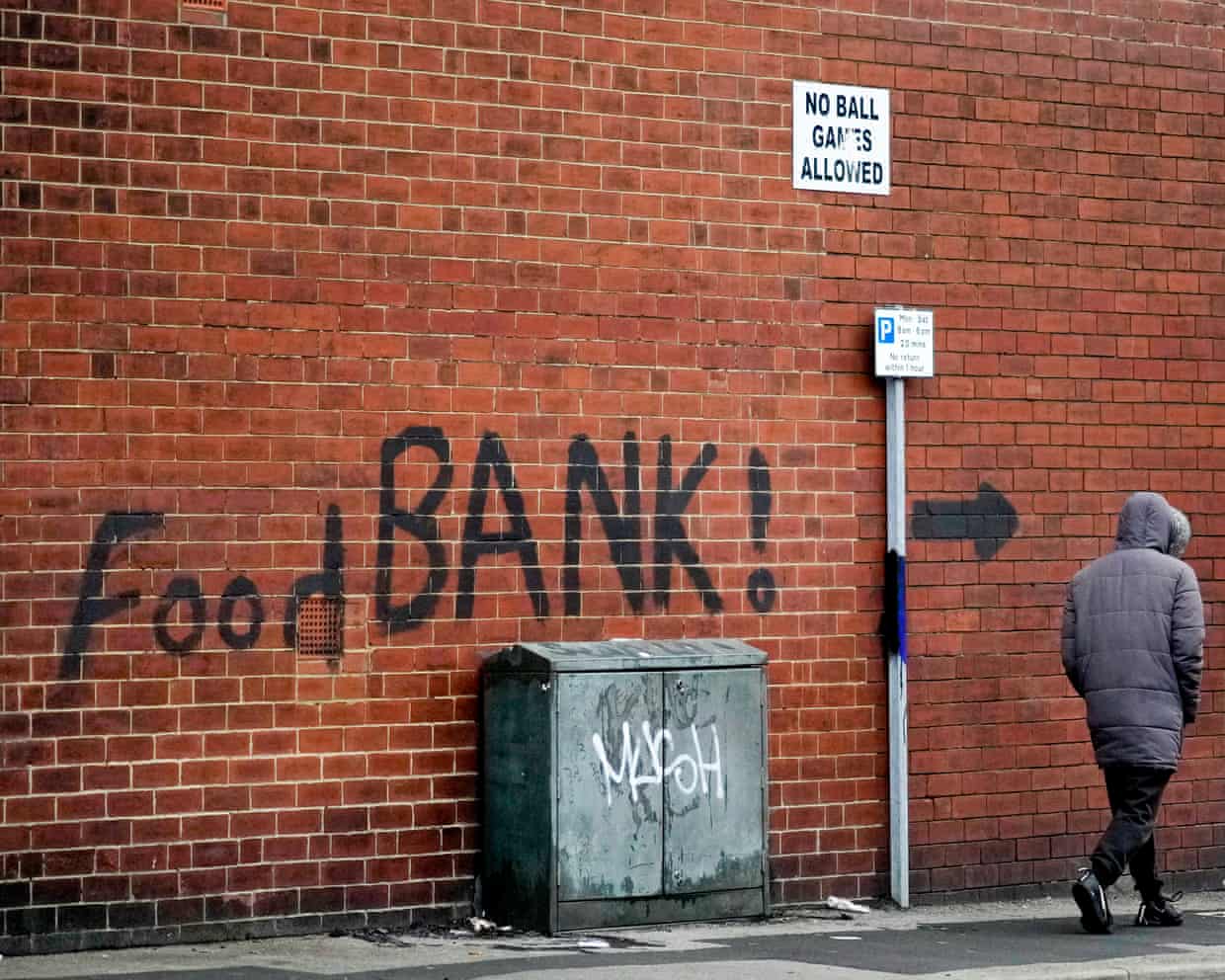
A major cause of the fall in healthy life expectancy (People in UK spend fewer years in good health than a decade ago, study finds, 27 April) is austerity and the continued cuts to social and health spending. In our report Still Digging Deeper: The Impact of Austerity on Inequalities and Deprivation in the Coalfield Areas, which covers Scotland, England and Wales for the period 1984-2024, we highlight how public expenditure cuts since 1984 have disproportionately impacted coalfield areas of the UK.Since 2010, austerity has been stepped up, and we have calculated that welfare reforms and benefit cuts amounted to £32.6bn over the period of 2010-21. Furthermore, in 2025-26 coalfield local authorities had a combined funding gap of £447m

‘Voting Green will stop Reform’: party eyes kingmaker role in Wales
Why UK voters are impossible to satisfy | Brief letters
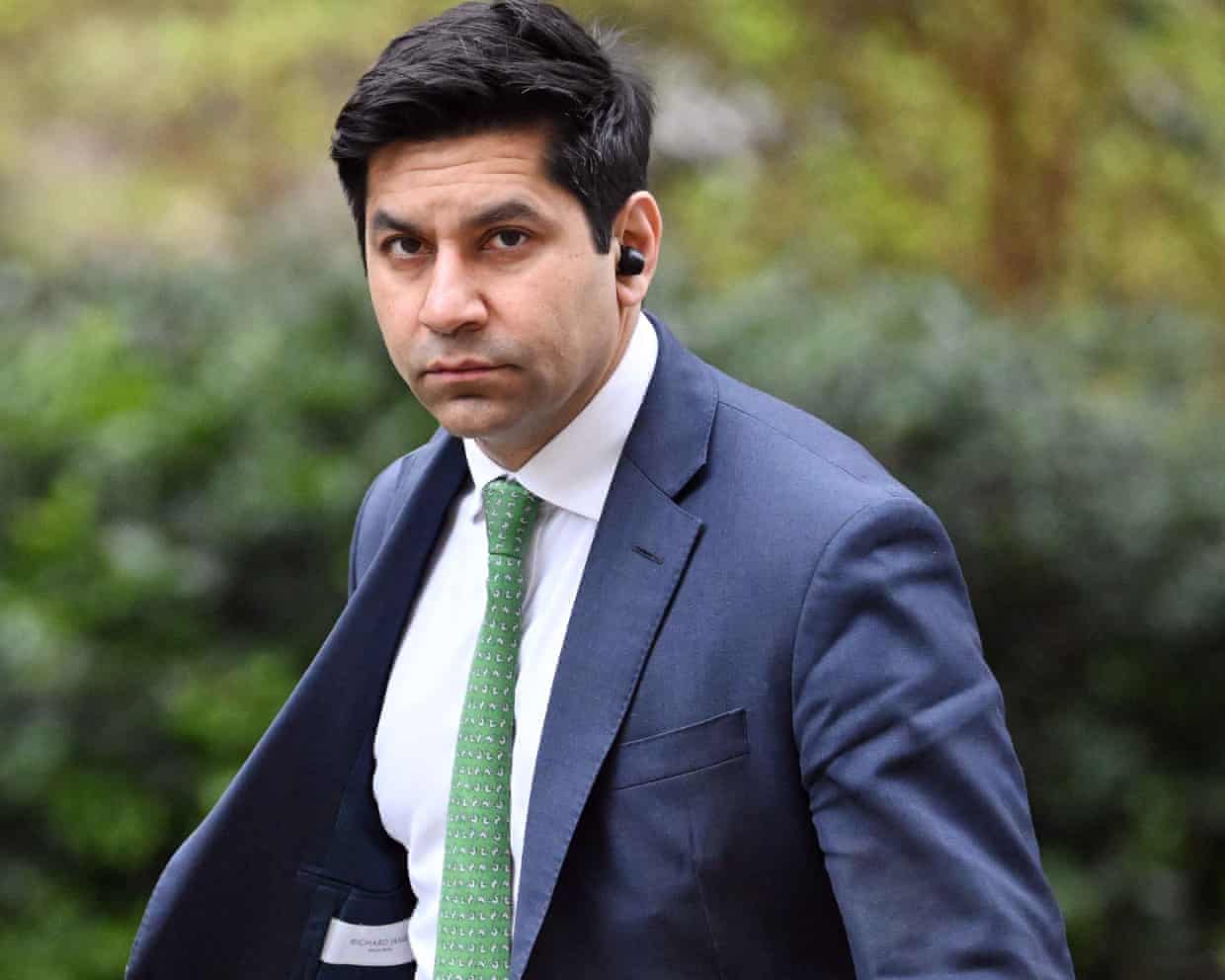
Starmer adviser held 16 undisclosed meetings with top US tech bosses
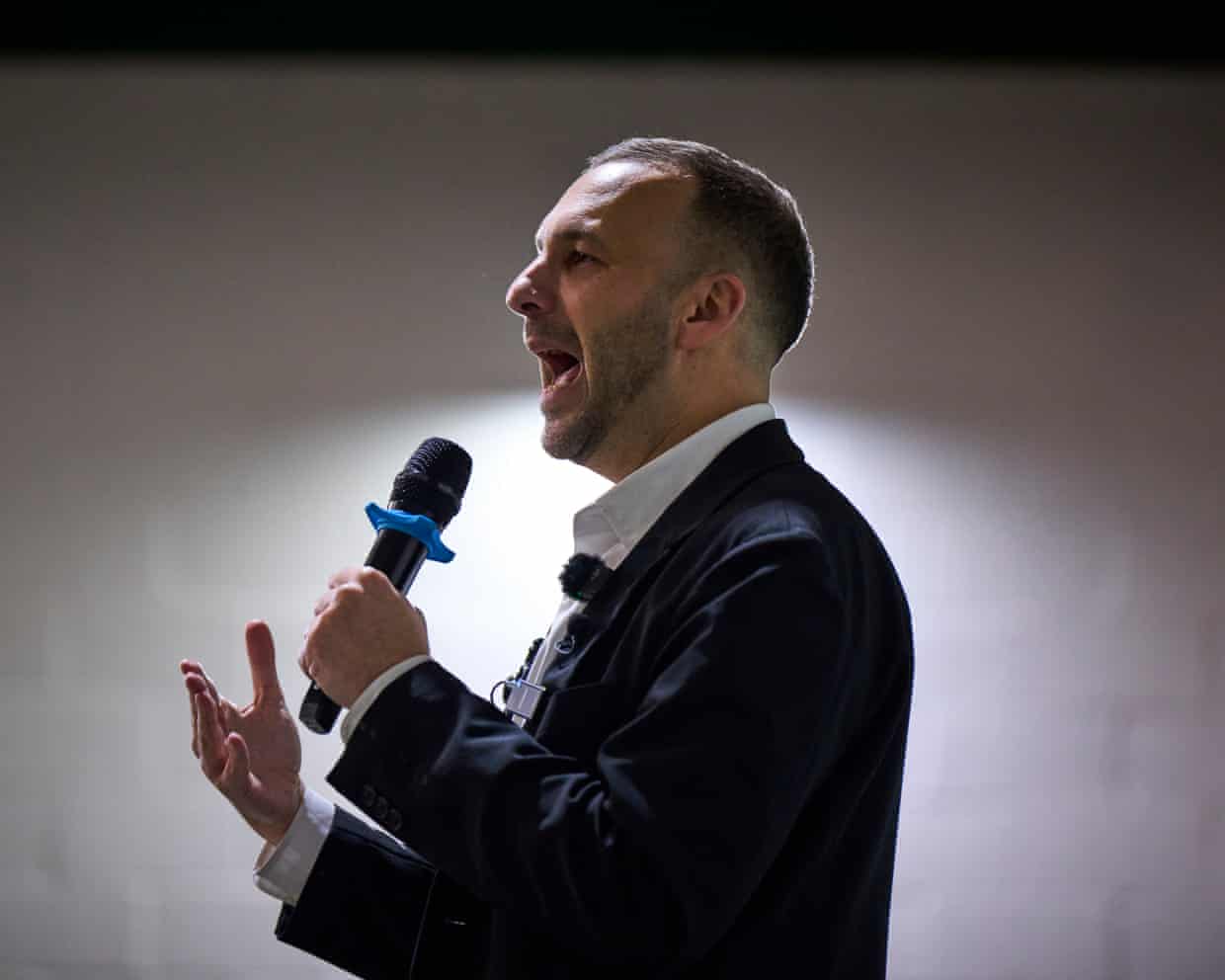
UK politics: Polanski says he would ‘discourage’ the use of ‘globalise the intifada’ chant on marches – as it happened
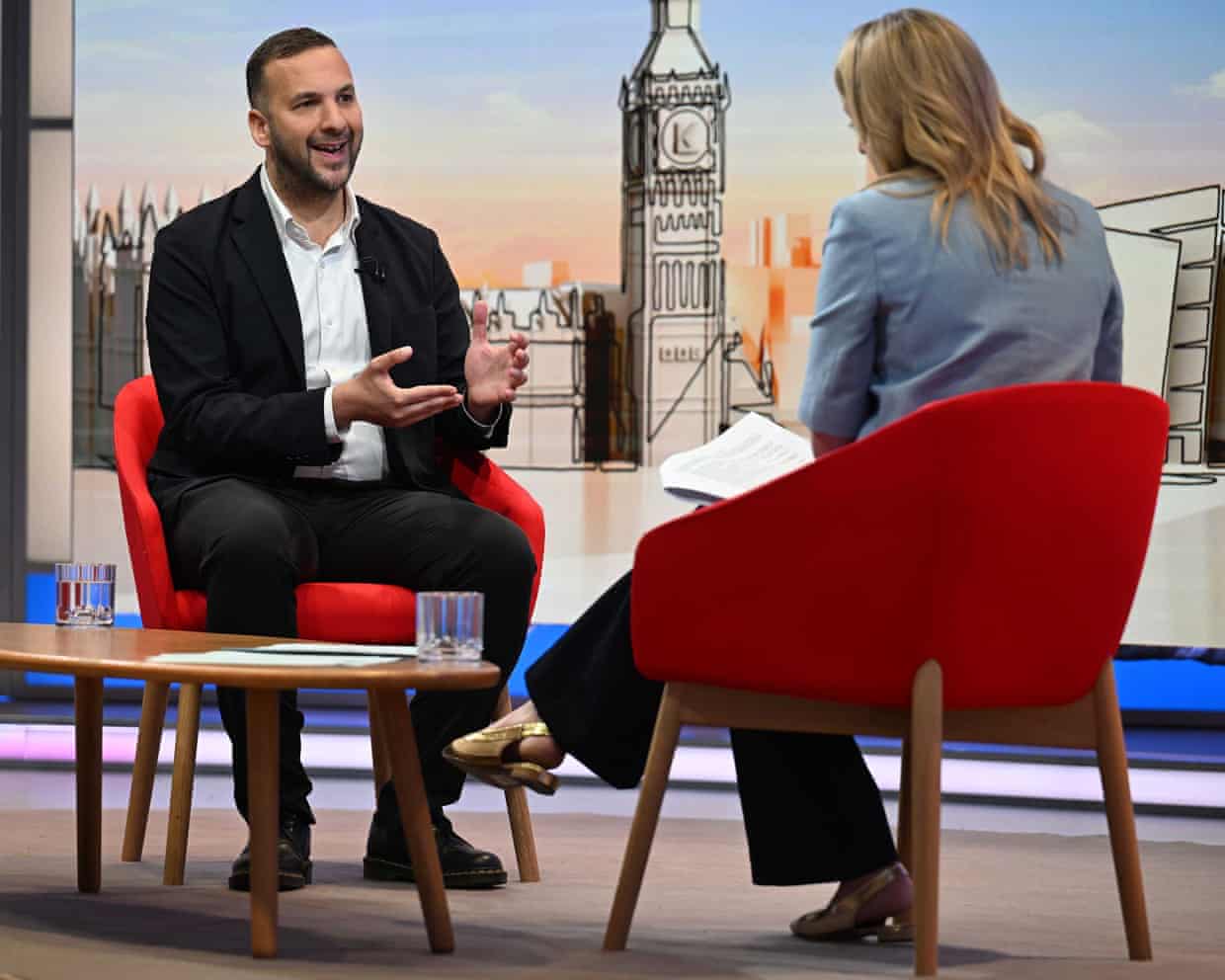
Polanski says he would discourage ‘globalise the intifada’ chant but warns against march bans
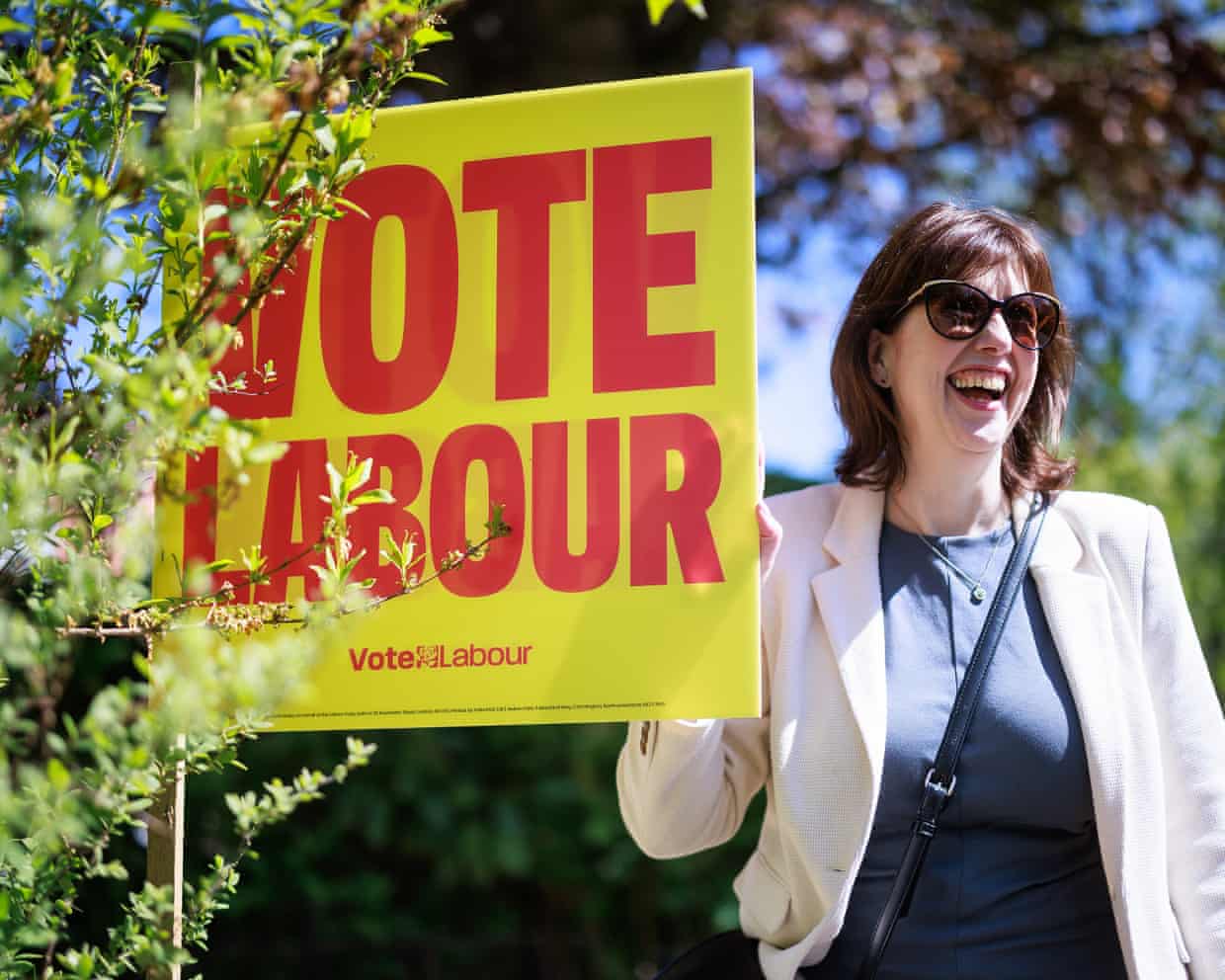
‘We have let them come on to our ground’: Labour fights off Green gains in Leeds