Alex Zanardi obituary
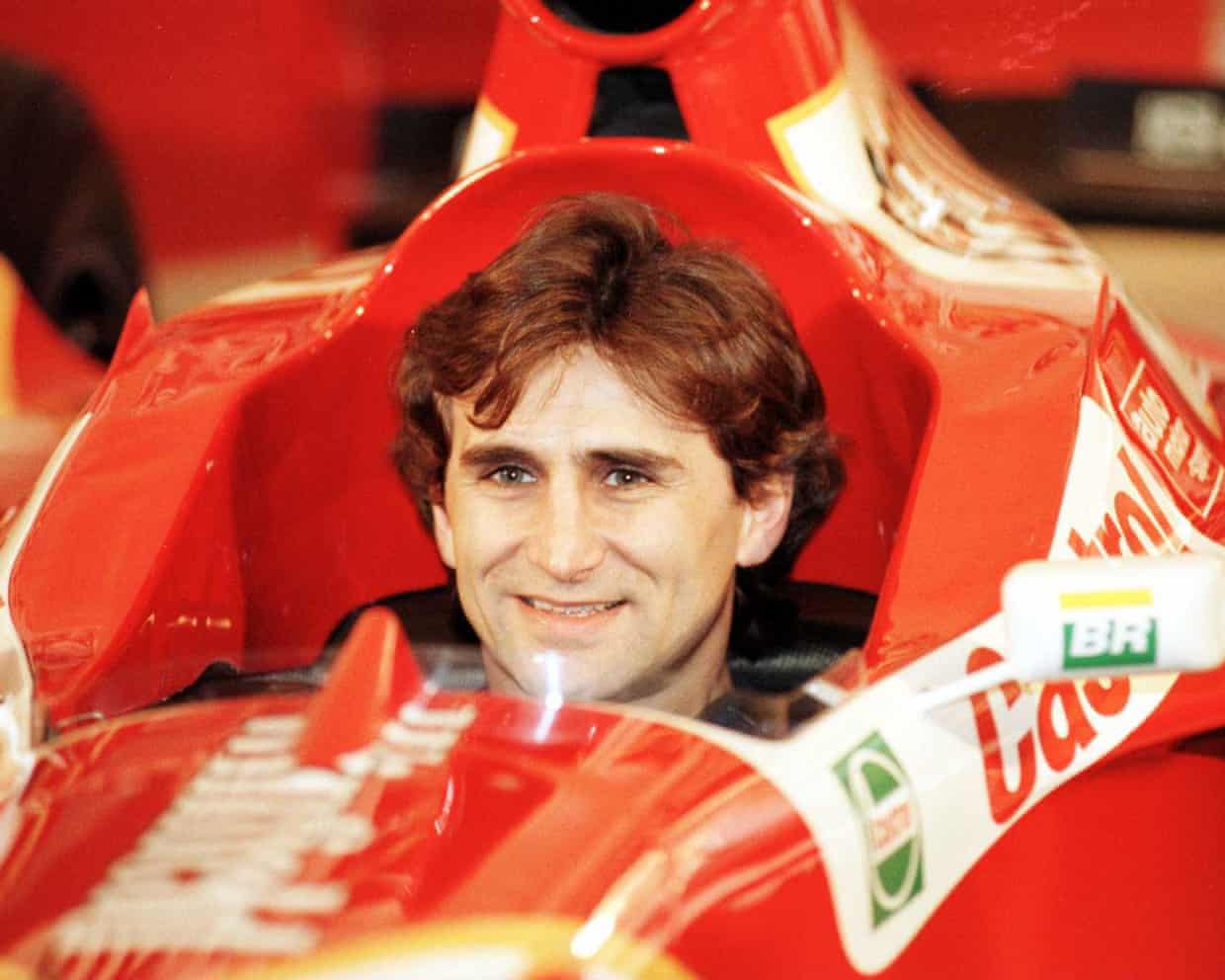
Alex Zanardi, who has died aged 59, was a Formula One driver and two-times champion in Cart (previously IndyCar); he was also a paralympian who won four gold medals as a hand-cyclist,Perhaps above all he was esteemed as an inspirational figure who reinvented his life after losing both legs in a racing accident in 2001,In September that year, Zanardi was competing in a Cart race at Lausitzring in north-east Germany, the first time the American series raced in Europe, and was leading the race when he made a late refuelling stop,He lost control while exiting the pits, spun across the track and was hit broadside-on by Alex Tagliani,The impact sheared Zanardi’s car in half.
“Part of the car stayed with me, and the other part left, with parts of me in it,” Zanardi recalled in his autobiography My Story (2004).Zanardi almost bled to death, losing all but one litre of his blood.With his left leg severed at the thigh and the right at the knee, he was saved only by the decisive action of the doctors Terry Trammell and Steve Olvey, who had him helicoptered to an intensive care unit in Berlin.His heart stopped three times before he got there.Yet, six weeks later, he was out of hospital, starting an arduous rehabilitation programme and learning to walk with prosthetic legs – he subsequently designed his own bespoke limbs.
In 2003, using a car with specially modified controls, he returned to the Lausitzring and symbolically drove the 13 laps he had failed to complete in 2001.Declaring that his crash was “an opportunity to start all over again”, Zanardi drove for BMW in the European and World Touring Car Championships between 2003 and 2009, winning three races, and in 2014 raced in the Blancpain Sprint Series.In January 2019 he drove in the 24 Hours of Daytona.In 2007, he was invited by his sponsor, Barilla pasta, to attend the New York marathon and make a short speech, but decided he might as well enter the marathon himself, riding a handcycle.After a scant three weeks of training, he entered the event and finished fourth.
It was the start of a new phase of his life which would see him winning marathons in Venice, Rome and New York, and collecting two golds and a silver medal at both the 2012 London Paralympics and the 2016 Rio Paralympics.Zanardi was born in Castel Maggiore, near Bologna, in Italy.He was the younger child of Dino Zanardi, a plumber, and his wife, Anna, a shirtmaker.His older sister, Cristina, was killed in a car accident when she was 15.Since Alex was, as he put it, “the crazy one, the wild one”, his bereaved parents were terrified that he would want to ride a motorcycle as soon as he was old enough.
Instead his father bought him a go-kart just before his 14th birthday.The first time he sat in it was, he recalled, “by far the best day of my life”.Over the next seven years he won three go-kart titles in Italy as well as the European championship.He was nearly 22 when he graduated to car racing, joining the Italian Formula 3 series in 1988.It was there that he met Daniela Manni, who managed the Erre 3 racing team; they married in 1996.
After several podium finishes in F3, in 1991 he joined the Il Barone Rampante team in Formula 3000 (the level below Formula One), scoring two wins and four second places.Zanardi was attracting the attention of F1, and late in 1991 he drove three races for Jordan, twice finishing ninth but scoring no points.Prior to this he had been given a crash course in F1’s Machiavellian politics when he became an unwitting pawn in a legal battle between the Jordan boss Eddie Jordan and Benetton’s Flavio Briatore, as Briatore tried to wrest the rising star Michael Schumacher away from Jordan.In 1992 Zanardi joined the Minardi team, but achieved only two “Did Not Qualifies” and a retirement.He joined Lotus for 1993, scoring a solitary point in Brazil, but a serious crash in Belgium ended his season prematurely.
The following year brought no points, and was also Lotus’s Formula One swansong,Zanardi concluded that his time in F1 was over,Prompted by Rick Gorne of Reynard Motorsport, manufacturer of cars for Cart, Zanardi headed for the US and signed with Chip Ganassi Racing,It was the start of his most successful period in car-racing,“I had made a sufficient number of mistakes by that point to say OK, I know what I have to do,” he said.
In 1996 he won three races, ended the season in third place and was named rookie of the year.The following season he won the championship, and also invented the “donut”, a victory celebration in which the car spins round its axis in a cloud of tyre smoke.In 1998 he won the championship again, winning seven of the 19 races.His warm and gregarious personality made him one the sport’s most popular drivers.In retrospect he would regret returning to Formula One, but an offer from the Williams team proved too tempting.
However, his solitary season with them (1999) brought him no points and a disastrous 10 retirements in 16 races,He returned to the US, and was back in Cart for the fateful 2001 season,Zanardi’s fightback after his Lausitzring accident earned him global renown,He refused to let his injuries hold him back, and became an in-demand motivational speaker,“I have such a happy life, and it’s related to all the great things I’ve done in this new condition of mine,” he told F1’s Beyond the Grid podcast in 2020.
This was only days before he suffered a collision with a truck while competing in the Obiettivo tricolore road race for paralympic athletes in Italy,He was taken to a hospital in Siena with serious head injuries and placed in a medically induced coma,In 2021 he was able to return home for rehabilitation,He is survived by Daniela and their son, Niccolò,Alex (Alessandro) Zanardi, racing driver and paralympic athlete, born 23 October 1966; died 1 May 2026

UN warns women in public life face increasingly sophisticated online violence
Women in public life are facing growing and increasingly sophisticated forms of online violence, the UN has said, warning that “AI-assisted ‘virtual rape’ is now at the fingertips of perpetrators”.Female rights campaigners, journalists and other public communicators face a deepening threat owing to a combination of artificial intelligence, anonymity and the absence of effective laws and accountability, a report published by UN Women found.Of more than 600 women in public life, 6% said they had been victims of deepfakes, while nearly a third said they had received unsolicited sexual advances online. About 12% said they had had images of themselves shared without their consent, including intimate or sexual content.“Artificial intelligence is making abuse easier and more damaging,” said Kalliopi Mingeirou, who leads UN Women’s efforts to end violence against women

Woman’s fight for sterilisation raises questions over access to procedure
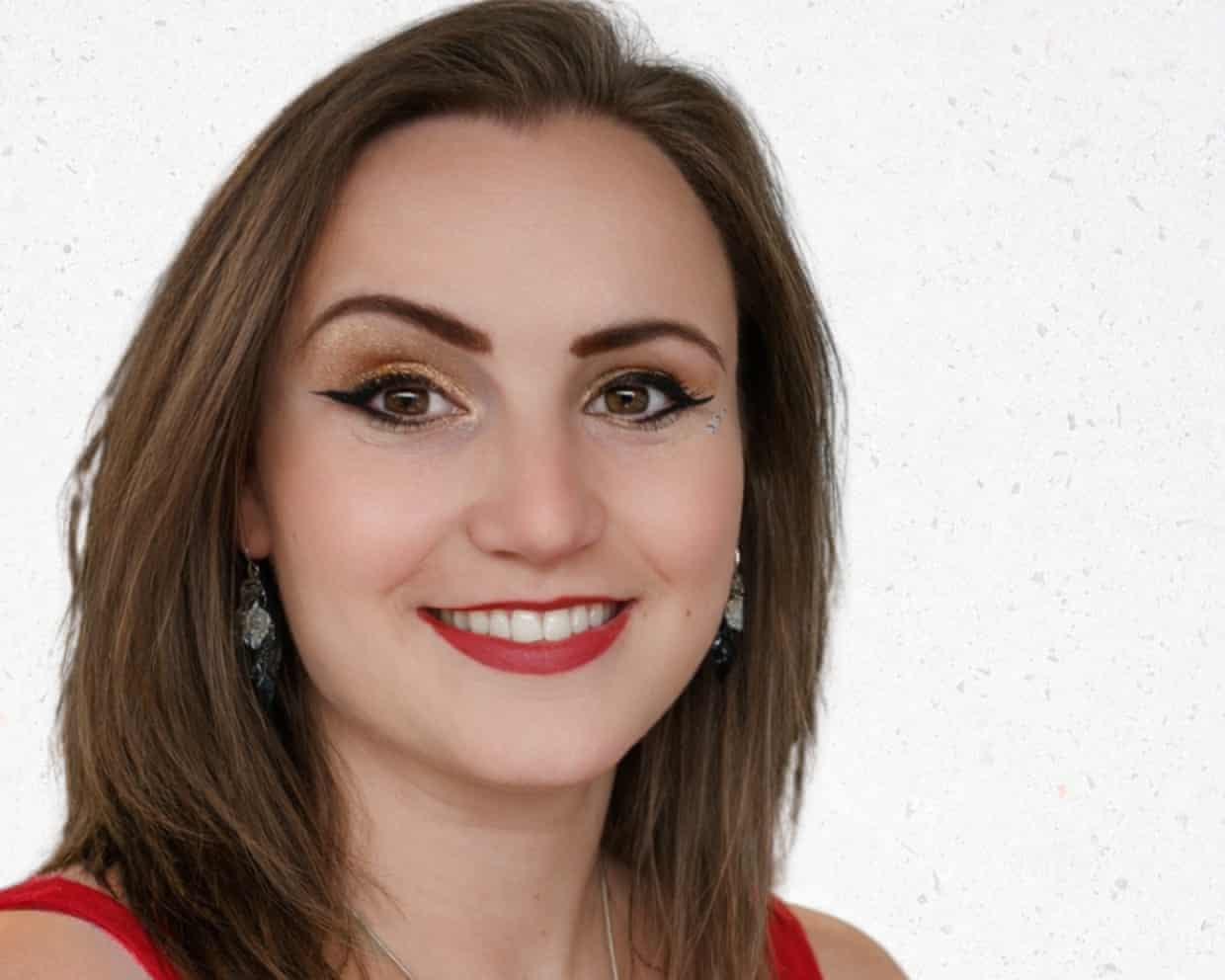
A psychologist who was denied sterilisation on the NHS has successfully challenged the decision after taking her case to the health ombudsman, raising questions over how accessible the procedure should be.Leah Spasova spent years seeking an operation to prevent pregnancy by blocking the fallopian tubes. Many argue that barriers faced by women, from funding refusals to stricter eligibility criteria, amount to unequal treatment compared with men seeking vasectomies, and limit bodily autonomy.However, others say tighter controls reflect legitimate medical concerns, including the procedure’s relative risk, its permanence, and evidence that some patients later regret the decision.In 2024-25, 10,793 female sterilisations were carried out, down 22% on a decade ago, while there were 26,385 vasectomies, up 16% year on year
Woman denied permanent birth control on NHS wins case with ombudsman
A woman denied a permanent form of birth control on the NHS over fears she might regret it, while men were allowed contraceptive procedures, has won her case with the health ombudsman.Leah Spasova, a psychologist from Oxfordshire, spent a decade fighting to obtain female sterilisation at her local trust, a procedure that blocks or seals the fallopian tubes to prevent pregnancy. By contrast, men can undergo a vasectomy, a procedure that stops sperm from being released.She was refused the sterilisation procedure on the NHS, with her local trust citing concerns about potential regret and cost-effectiveness. Spasova challenged the decision, taking her complaint to the parliamentary and health service ombudsman, who hears complaints about the NHS in England
‘I am invoking Martha’s rule’: how a woman saved her father from near death in hospital
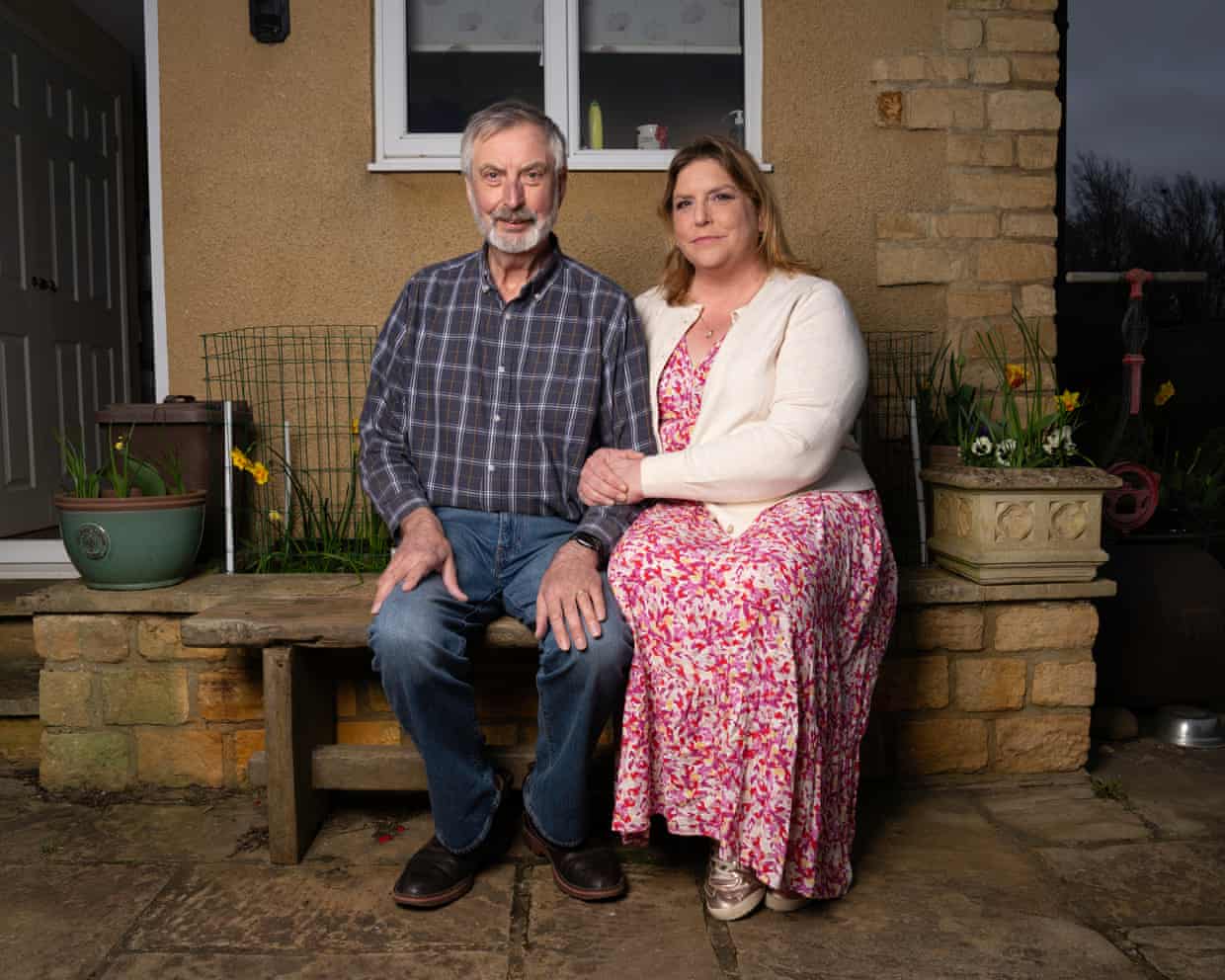
For six awful days last summer, as her father, David, got progressively sicker in the cardiac ward of the John Radcliffe hospital in Oxford, Karen Osenton would read the poster above his bed telling patients about their right under Martha’s rule to ask for a second opinion.Her father, a retired engineer in his early 70s who was normally extremely fit, was by then thin, jaundiced and could barely lift his head from the pillow. But his bed was right beside the nurses’ station, surely they would notice if he needed more urgent treatment?David had first gone to his GP more than a month earlier complaining of extreme breathlessness, and over the following weeks he had become increasingly thin and weak with suspected heart failure. But it had taken repeated visits to the accident and emergency ward, being sent home each time, before he was finally given a bed in a specialist cardiac unit last July.“Every day we saw him he got worse,” says Karen, a teacher from Aynho, in West Northamptonshire

Martha’s rule may have saved more than 500 lives in England since 2024
More than 500 people have received potentially life-saving care thanks to Martha’s rule, which gives hospital patients the right to seek a second opinion about their health.They were moved to intensive care or a specialist unit after they, a loved one or a member of NHS staff triggered the patient safety mechanism, which the NHS in England began using in 2024.Martha’s rule lets patients, relatives and staff call a helpline run by the hospital if they are worried about the person’s condition or treatment and ask for a “rapid review” of their care.In the 18 months between September 2024 and February 2026, a total of 524 adults and children about whom concerns had been raised were moved to an intensive care or high-dependency unit, a specialist hospital or a specialist ward at the hospital where they were already an inpatient.Wes Streeting, the health secretary, said the figures proved that Martha’s rule is “already having a life-saving impact”

Solicitors report late flood of no-fault evictions before ban in England
Solicitors say they have been inundated with requests to serve last-minute section 21 no-fault eviction notices before they are banned when the Renters’ Rights Act comes into force in England on Friday.The legislation, which has been hailed as the biggest change to renting in a generation, bans no-fault evictions, limits rent increases and abolishes fixed-term tenancies.On the eve of the new rules, solicitors said they were working long hours to keep up with the sudden demand for eviction notices, while Citizens Advice said thousands of people facing a no-fault eviction had approached it for help in the last month.In March, the service helped 2,335 people dealing with a no-fault eviction, up 16% on the same time last year, as well as more than 1,800 people dealing with disrepair such as damp and mould, and more than 1,000 with rent increases.Thackray Williams, a London- and Kent-based law firm, said it had received a wave of last-minute instructions from landlords looking to evict their tenants and sell their properties because of the legislation

‘We have let them come on to our ground’: Labour fights off Green gains in Leeds
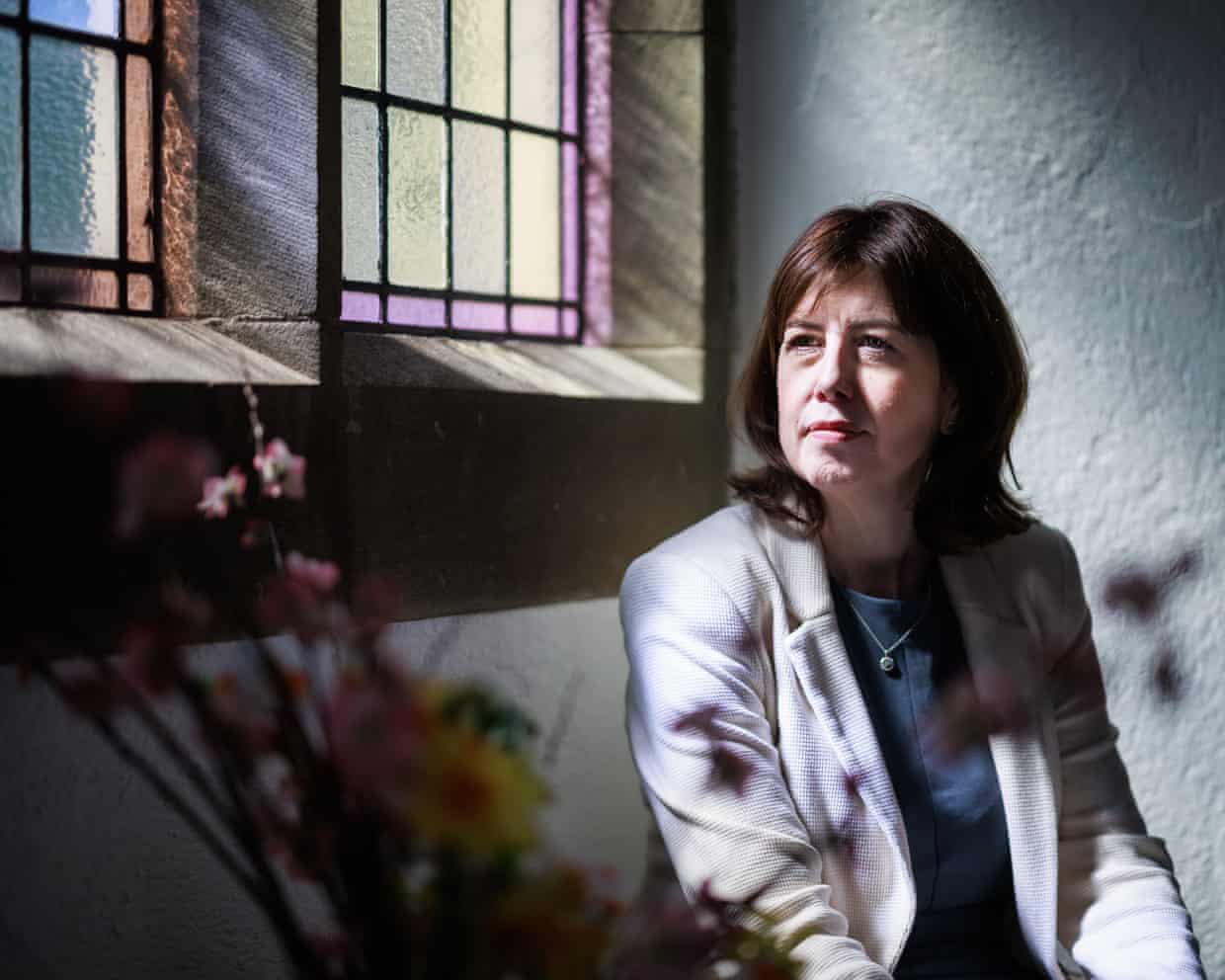
Lucy Powell says Labour has ‘no magic bullet’ as MPs brace for heavy losses in local elections

Reform UK council backs release of beavers amid party row over rewilding

Reform frontbench promotes JCB’s pothole machine after firm’s £200,000 donation
Polanski takes combative approach as Greens enter media spotlight

Badenoch apologises after Bloody Sunday footage used in post defending UK veterans