Paris paradox: did Borthwick liberate England or was it down to player power? | Gerard Meagher
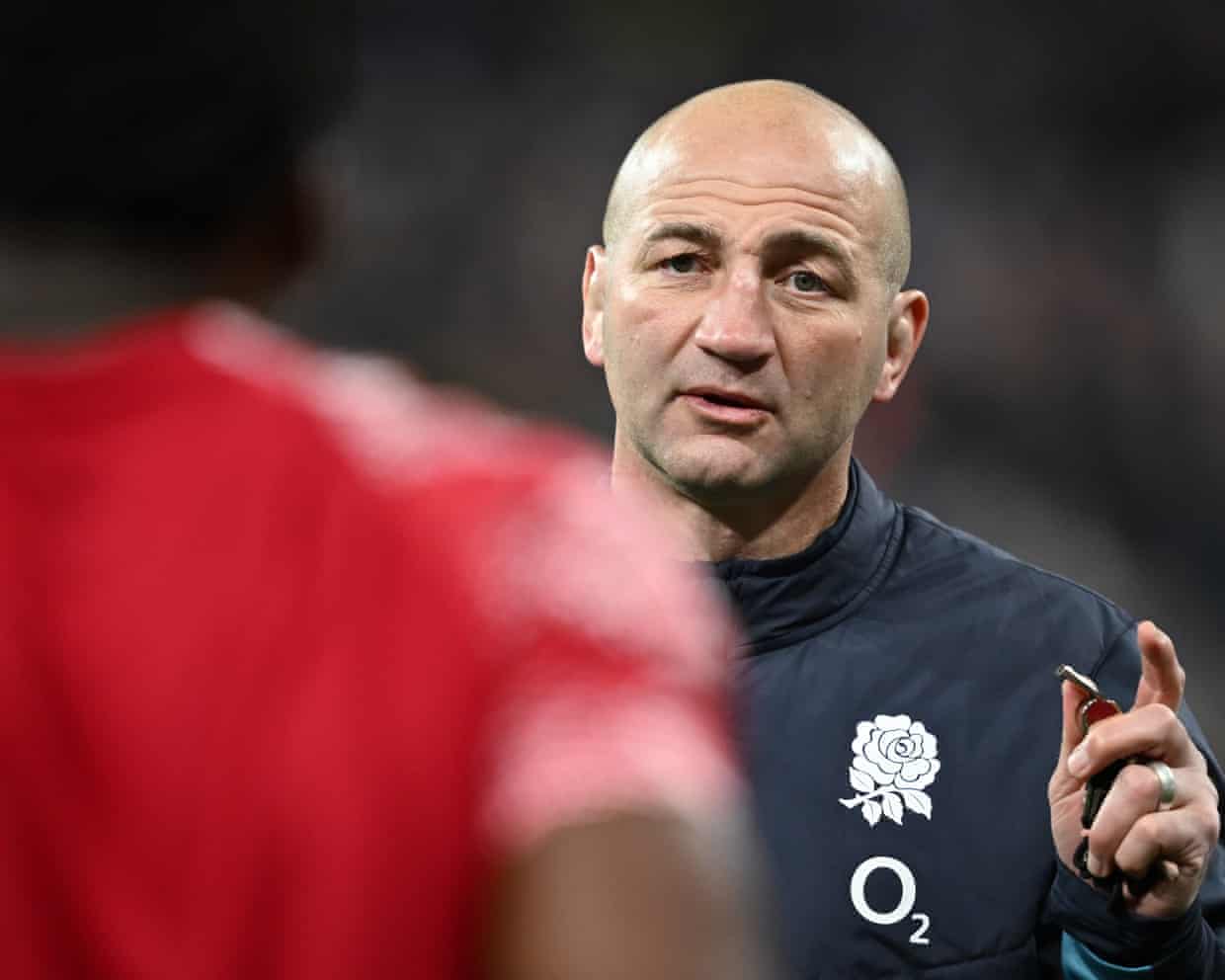
Did England play like that because of Steve Borthwick or in spite of him? For all that the Rugby Football Union will deep dive, look under the bonnet, get into the weeds – pick your own favourite bit of corporate speak – it is the fundamental question that Bill Sweeney and his review panel must ask in the coming weeks.Did Borthwick liberate his players against France, or did they take matters into their own hands?As usual, the panel will include input from Sweeney and Conor O’Shea as well as those from outside the building who insist on anonymity.It is said that despite the huge upswing in performance in defeat against France, the RFU is still determined to establish what went wrong during this Six Nations.That is a positive sign because when the dust settles, this still goes down as their worst-ever championship.The noises coming from the RFU suggest that they will not be blinded by the razzle-dazzle in Paris, that Borthwick still has a case to answer.
A memo for Sweeney: do not drown in a deluge of data, do not get bogged down in too much detail.Address England’s desperate discipline, scrutinise Richard Wigglesworth’s role as coach of a porous defence, the absence of clear thinking in the final minute, but do not conclude that improvements in “lower body strength and appropriate skill modifications” are needed to resolve breakdown indiscipline, as was bizarrely the case in 2021.Instead, Sweeney must assess what was behind the renewed approach against France, and what will ensure England stick to it in the future.If Borthwick instigated it, if it was all smoke and mirrors that they would double down on the kicking gameplan, it does not paint him in a particularly good light because the obvious question is why it took until round five for England to perform in a manner that captivates supporters.Different opponents require strategic tweaks but England were unrecognisable in outlook and approach in Paris.
If it was the players, then it hints at a questioning of Borthwick’s authority.There has been nothing emanating from the camp that suggests even a jot of mutiny, whether uttered publicly or privately, but there is a difference between revolt and taking responsibility.The manner in which Maro Itoje has extolled the virtues of showing character of late certainly suggests that the penny has dropped that rugby by numbers will only get you so far.Indeed, Sweeney and his panel must be rigorous in ascertaining what the players think.Clearly, there is backing for Borthwick, for the “clarity” he brings, for the environment he cultivates, but how do the players really react when they are asked to tighten up because, as Saturday night showed, there is so much talent with which to let loose?“It would have been so easy for us to splinter off, and I’ve been part of many teams that have, and there’s been whispers in corridors and there’s been doubts about gameplan and personnel,” said Jamie George in the aftermath of Saturday’s match.
“Honestly, there has been none of it.We’ve been clear.We’ve been confident in the people that we have, staff and players, and we have stayed so tight.Our togetherness has been a huge strength of the team for 12 plus months.”The next pressing question for the panel to address is why England so often need their backs against the wall to produce a performance like Saturday’s.
Ollie Chessum was in a prickly mood all week.He addressed the squad the night before and proceeded to deliver his best performance in an England shirt.His furious celebration after his first try was, in microcosm, a demonstration of the passion and intensity with which England played.But why does it take a feeling that they have been slighted for England to find the right emotional pitch?Is it an indictment of Borthwick and his coaches’ inability to press the right buttons, is it further evidence of overdue accountability being taken by the squad or is it something deeper than that? Because, while Borthwick’s tenure has been pockmarked by performances born out of intense scrutiny, it is a problem that predates him.Perhaps it is a problem with the English psyche because playing with “character” is far easier when there is a common, higher cause to fight for.
For some, such as South Africa, it is unbridled patriotism.For others, it is for the head coach, as demonstrated by Scotland’s response to their opening defeat by Italy in support of Gregor Townsend.For England, there are blurred lines between patriotism and nationalism while their performances against Scotland and Ireland did not look like a squad fighting for their coach.Then came their Parisian riposte and a willingness to fight for a collective cause amid a feeling of being chastised.Hell hath no fury like an English rugby player scorned.
“It’s an excellent programme as a whole,” George said,“Honestly, the togetherness and how tight we have been over this period of time is the biggest indicator that the right people are in the room,Not many other teams would go out and perform like that under that sort of pressure,” That may be so but the key issue will be whether the RFU believes this current England environment is set up to ensure performances like that continue,

Seth Meyers on Pete Hegseth: ‘The face of a man war-fighting with his colon’
Late-night hosts dug into the Trump administration’s vague intentions for the war in Iran, the conflict’s oil-price effect and a Maga rally in Kentucky with Jake Paul.On Late Night, Seth Meyers checked in on Donald Trump’s now two-week-old war in Iran. “The president is maybe sort of threatening/teasing that he might put boots on the ground in Iran? But Republicans can’t seem to agree on whether they support that idea, or for how long, or why,” he explained.The confusion comes from the top: Pete Hegseth, the “defense secretary/morning show host/fifth-year senior who just found out that yeah, he’s gonna need to do a sixth year” who made a big deal about turning the defense department into “the department of war” and “refocusing on the core mission: war fighting”.“And before we go any further: was there a problem with the term ‘warfare’?” Meyers wondered
Sydney Biennale 2026: politics is everywhere – but with nuance, beauty and heart
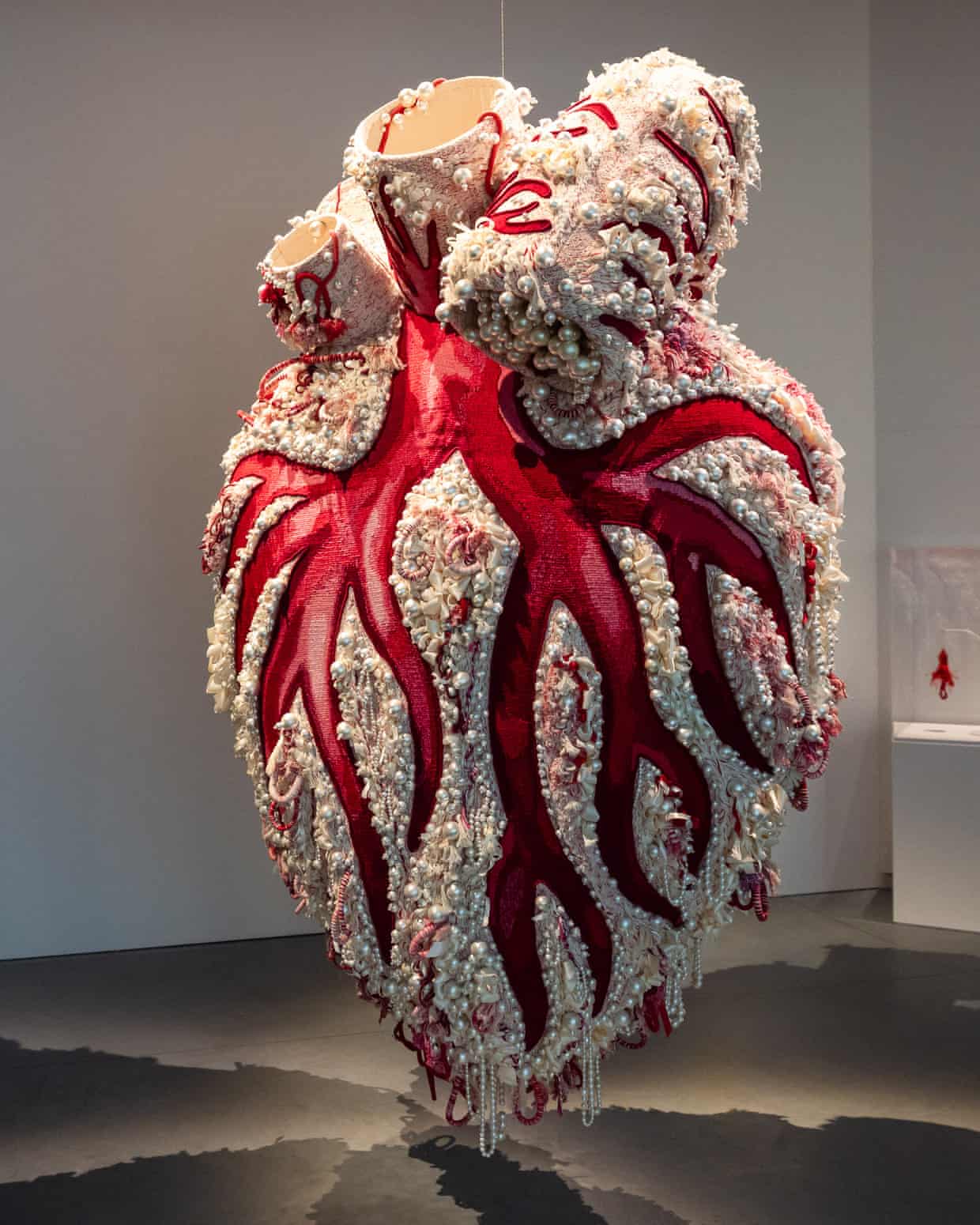
According to its critics, this year’s Biennale of Sydney, under the leadership of Emirati artistic director Hoor Al Qasimi (the first Arab appointed to the role in the festival’s 53-year history) was destined to be a “hate Israel jamboree” at worst; a hotbed of pro-Palestinian politics at best. These fears – which appear to have originated from pro-Palestine statements Al Qasimi and her parents made in the past – are not borne out by the festival itself, which opens this weekend across five key venues, spanning from the inner city out to Penrith and Campbelltown.In an unusual move for the biennale, Al Qasimi wasn’t present at the vernissage – but with or without her, the resulting festival, the event’s 25th, is complex and nuanced. It’s light on spectacle and slogans; not a political chant but rather a polyphony of voices – more than 80 artists from 37 countries – singing their own songs. The theme, “Rememory” – taken from Toni Morrison’s novel Beloved – is reflected in works that look to the past to find answers to present dilemmas and envision better futures
Naples museum to allow visually impaired visitors to experience art through touch
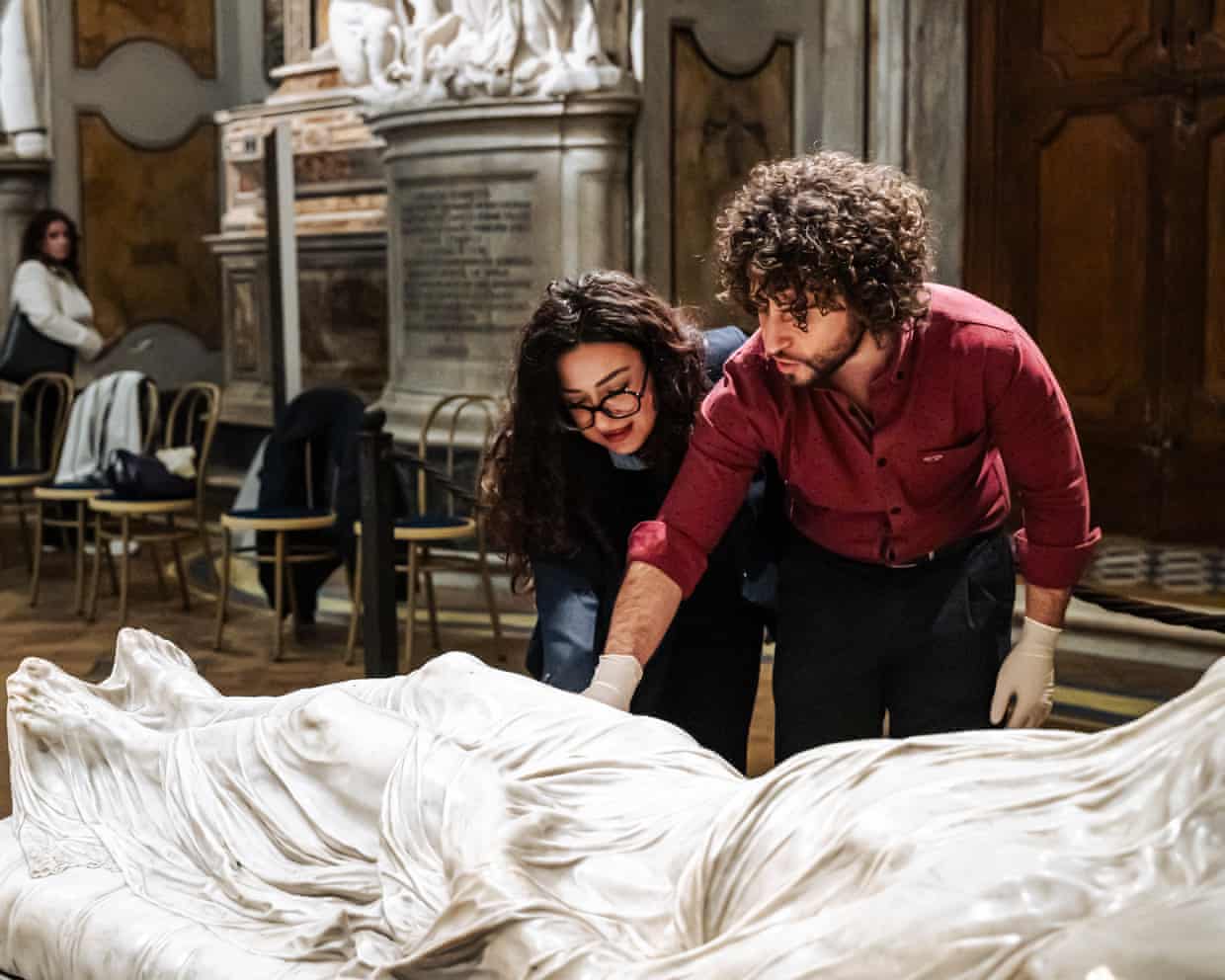
The Sansevero Chapel Museum in Naples will allow dozens of visually impaired visitors to take part in a rare tactile experience, letting them touch celebrated works of art including the Veiled Christ, which is widely regarded as one of the most striking masterpieces in the history of sculpture.On 17 March, the museum will host an initiative called La meraviglia a portata di mano – Wonder within reach – organised in partnership with the Italian Union of the Blind and Visually Impaired of Naples, offering about 80 blind and partially sighted visitors a chance to encounter the marble masterpieces.Visitors will be guided through the chapel by guides who are also visually impaired in a programme designed to place accessibility at the centre of the museum experience.The protective barrier surrounding the sculptures will be removed, allowing participants, wearing latex gloves, to explore by touch the intricate marble surface of the sculptures including Giuseppe Sanmartino’s Veiled Christ, which depicts Jesus covered by a transparent shroud made from the same block as the statue. The tactile route will also extend to the reliefs at the feet of the sculptures La Pudicizia and Il Disinganno
Jimmy Kimmel on Pentagon splurging on doughnuts: ‘Is this My 600lb Defense Department?’
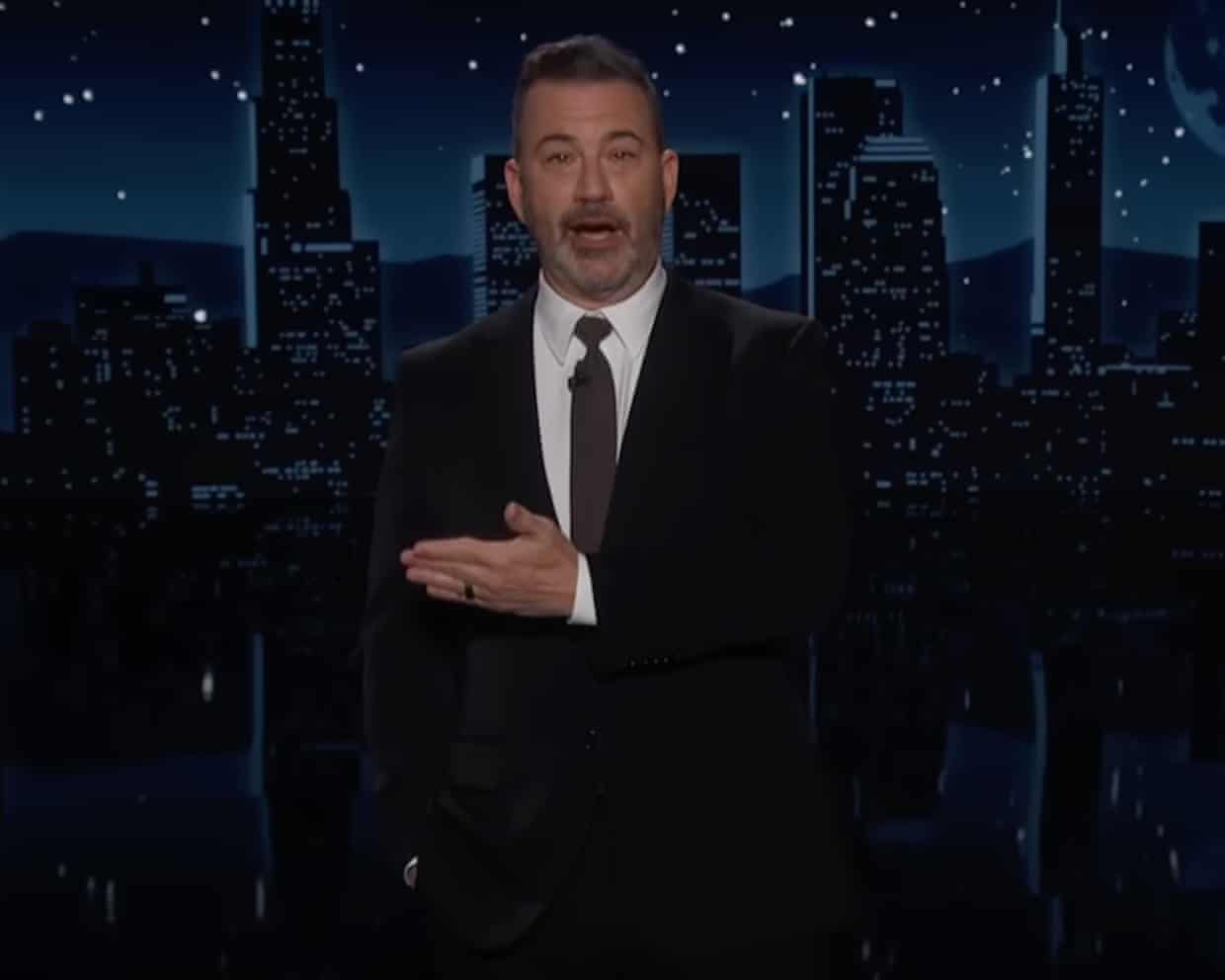
On late-night shows, hosts poked fun at the Trump administration’s inconsistent messaging on the Iran war, Pete Hegseth splurging on high-end food at the Pentagon and New York’s John F Kennedy Jr lookalike contest.On what Jimmy Kimmel called “day 11 of Jabba the Hutt’s war on Iran”, the host focused on Trump’s mixed messages over the Middle East conflict.“Trump said yesterday that the war could end very soon, which would be encouraging, had be not also told us he’d end the war in Ukraine in 24 hours,” said Kimmel.“He’s going to make a huge mess and walk away like it’s the new toilet in the Lincoln bathroom.”Kimmel then turned to reports that Pete Hegseth, the US defense secretary, spent $93bn of US taxpayer money last year, including millions of dollars in September on luxury food items: “$2m on Alaskan king crab, $6
Stephen Colbert on US war in Iran: ‘We’re still no closer to learning what the goal is’
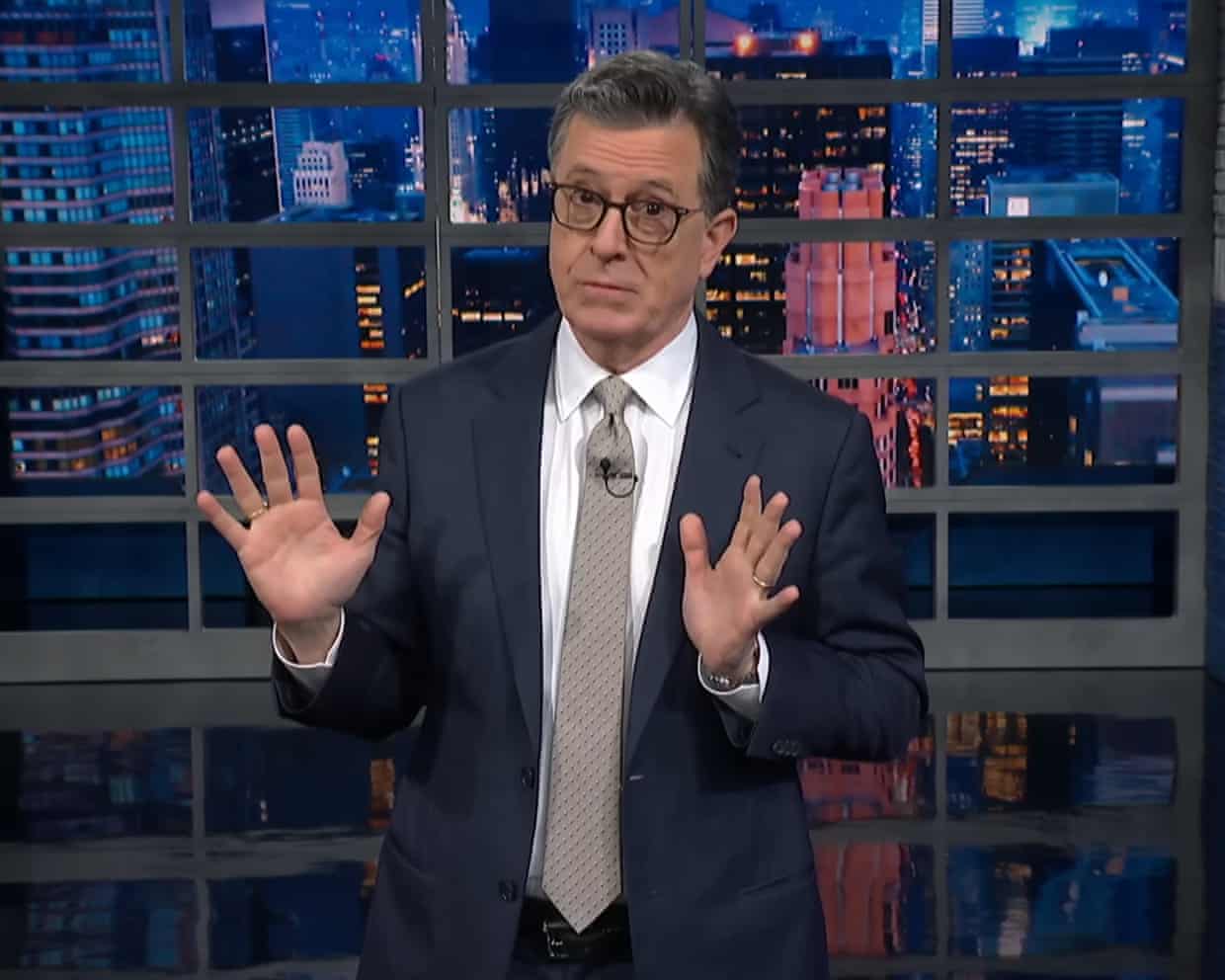
Late-night hosts looked into the murky goals, economic impact and disrespect for military protocol of Donald Trump’s war in Iran.“We’re on day 10 of the Iran war,” said Stephen Colbert on Monday evening, “and we’re still no closer to learning what the goal is. Is it regime change? Is it ending a nuclear program? Is it changing the name to Donald Trump’s Iran-a-Lago?”“But we are learning more about the cost,” he noted, as the first week of the war alone is estimated to have cost about $6bn. “Do you know what you could buy with $6bn? Twenty-seven Kristi Noem horsey commercials!” he joked before clips of the very expensive, controversial ad campaign that likely ended Noem’s tenure as secretary of homeland security.Despite the exorbitant cost, Trump said over the weekend that this new surprise war would stop only after Iran’s “unconditional surrender”, to which Iran replied: “That’s a dream that they should take to their grave
Leap Year is patently ridiculous and widely panned. It’s also the perfect romcom
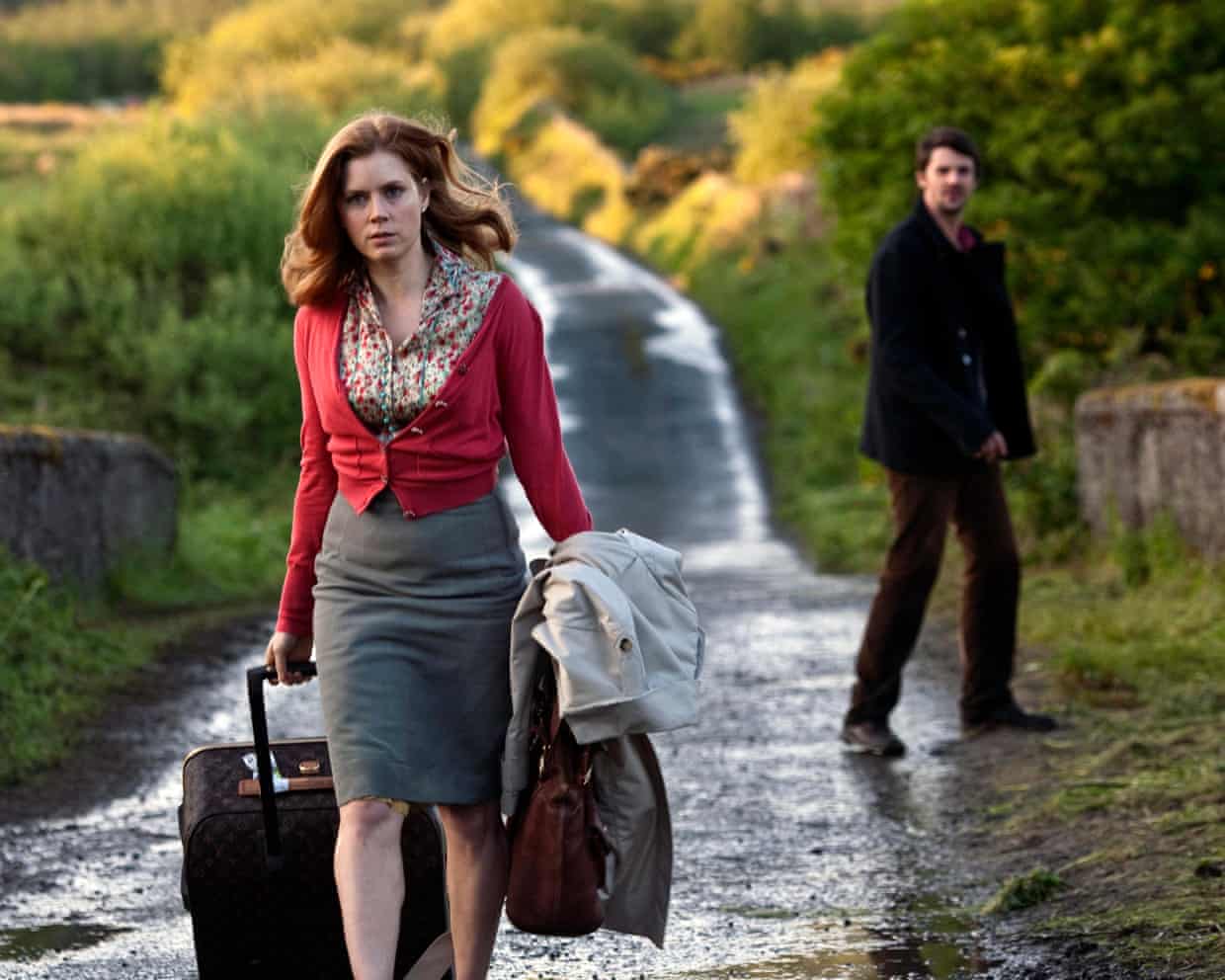
In 2010 the Guardian gave the romcom Leap Year a one-star review. The script was “horrendous”, according to the reviewer: “Afterwards, the only ‘leap’ I felt like making was off a motorway gantry into the fast lane of the M25.”He wasn’t alone. Leap Year has an approval rating of 23% on Rotten Tomatoes; the New York Times called it “so witless, charmless and unimaginative that it can be described as a movie only in the strictly technical sense”.It has been 16 years

‘Cruel hoax’ or ‘work-life balance nirvana’: whatever happened to the four-day work week?
Stout clobber? Guinness tie-up features £1,295 ‘pub carpet’ jumper

Relief for some of Britain’s poorest lands at right moment to cushion Iran aftershocks | Heather Stewart
One of Britain’s last major chemical plants at risk as energy prices surge
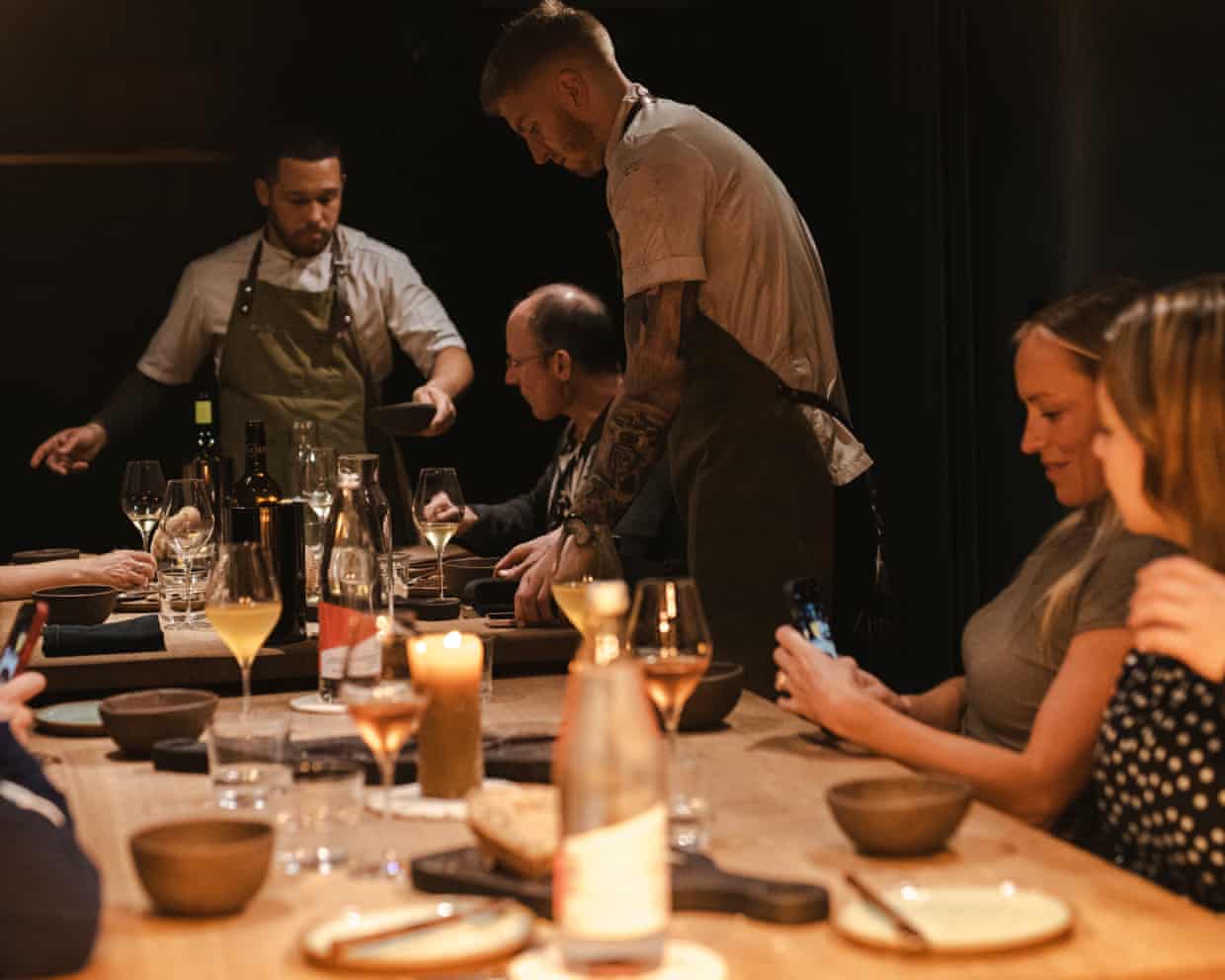
‘The chef is a metre away from you’: the cosy allure of micro-restaurants
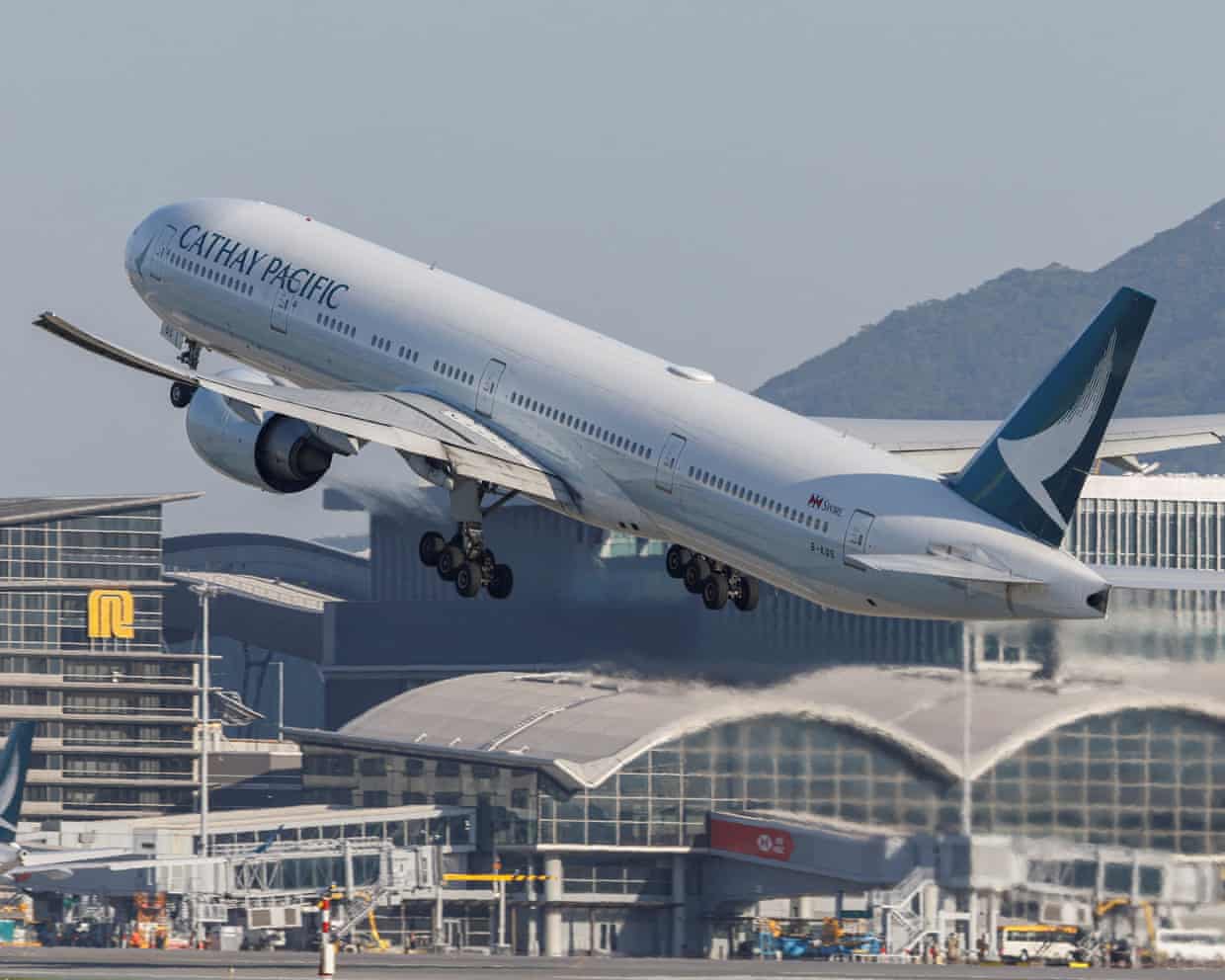
Rate rises, helium shortages, EV sales spikes: how is the disruption in Iran’s strait of Hormuz affecting Australia?