One phone call and John Roberts had the full story – there was an air of amazement in the room

The football and tennis writer, who has died aged 84, was a major force in changing the Guardian’s sports coverage, alongside long stints at the Daily Express and IndependentIn my mind’s eye I remember it all,John Roberts, the Guardian’s northern-based football writer, had come down on a rare visit to the sports desk in London,I was a new boy on the subeditors’ desk,Everyone was pleased to see John: he was that kind of bloke,While he was there, the chief sub wondered, could he perhaps look at a news agency story from his beat that had just come in.
It could have been anything: the latest signing by Bob Paisley or Malcolm Allison or the latest misadventure of George Best.Instead of giving it the once‑over or adding a sentence or two, he walked over to a quiet corner, picked up an office phone and started a long call.By the end he had the full story.There was an air of amazement in the room.It was nearly 50 years ago and the details are hazy; maybe I wasn’t there, but had just heard the story time and again.
Either way, John, who died last Wednesday aged 84, was not a normal recruit to the Guardian; he had already spent nearly two decades on the mighty Daily Express, which then still measured its circulation in millions not dozens.He proved himself a fine phrasemaker in the best Guardian tradition, but he also brought with him the rigorous news gathering that characterised the best popular newspapers of that era.Thus he was a major force in changing Guardian sport, his thirst for hot news sitting alongside the paper’s traditional virtues.This does not mean others on the staff were short of good connections – our boxing and athletics expert, John Rodda, had a hotline to Lord Killanin, president of the International Olympic Committee.But last week Roberts’s son Chris came across his father’s old contacts book: as well as the numbers for friends, colleagues and his dentist it was a who’s who of generations of sporting legends.
John Anthony Roberts was born in Stockport in 1941.He was never built to be a sportsman, but he was a natural newspaperman.He started on the Stockport Express at 15, became sports editor aged 19, then at 21 began commuting into Manchester to join the Daily Express, a paper then so well heeled that they had a resident sports writer in Belfast, a job Roberts fell into four years later.This was a double slice of luck; he met and married Phyllis, his wife for the next 58 years; and the most exciting sportsman around happened to be an Ulsterman, George Best.They became friendly and thus later Roberts was the obvious choice to be Best’s ghost writer.
But by then the footballing meteor was heading towards his tragic downfall.It was a mixed blessing.As he told his friend Nick Harris, he was “always wondering whether George was yet home from his latest night out, or whether he was in bed, and if so, who with”.John might have been an Express man for life or, after his move, a Guardian man.But there were signs that he was falling out of love with football and he switched to the Daily Mail, which would have paid more and also offered him a more varied diet.
When Boris Becker won Wimbledon aged 17, John covered much of the tournament, was sent to Becker’s home town after the final and wrote a jolly piece getting the local reaction.When the Independent started in 1986 he snapped at an offer to become tennis correspondent and stayed until retirement 20 years later.He loved the tennis circuit and the circuit loved him.“He was full of stories,” his Guardian counterpart Steve Bierley said.“And I never heard him say a bad word about anyone.
”His meticulous prose was widely admired, except sometimes by subeditors on busy nights when they wanted Roberts to forget perfection and just file something before deadline.He was, however, a fine representative of a vanishing journalistic breed, who never sniffed a university but could communicate better than a dozen dons.He travelled the world, but never acquired a taste for fancy food and always lived close to Stockport.He leaves behind his family: Phyllis, their children Chris, Leanne and Gerard, and four grandchildren.Plus several books, all from his football years and including the definitive account of Manchester United after the Munich air crash (The Team That Wouldn’t Die).
And several splendid bon mots, the classic one being the description of Kevin Keegan as “not fit to lace George Best’s drinks”.Forty-five years after he left this paper, I still believe John made his mark on it, making the Guardian a better, sharper and more professional product.
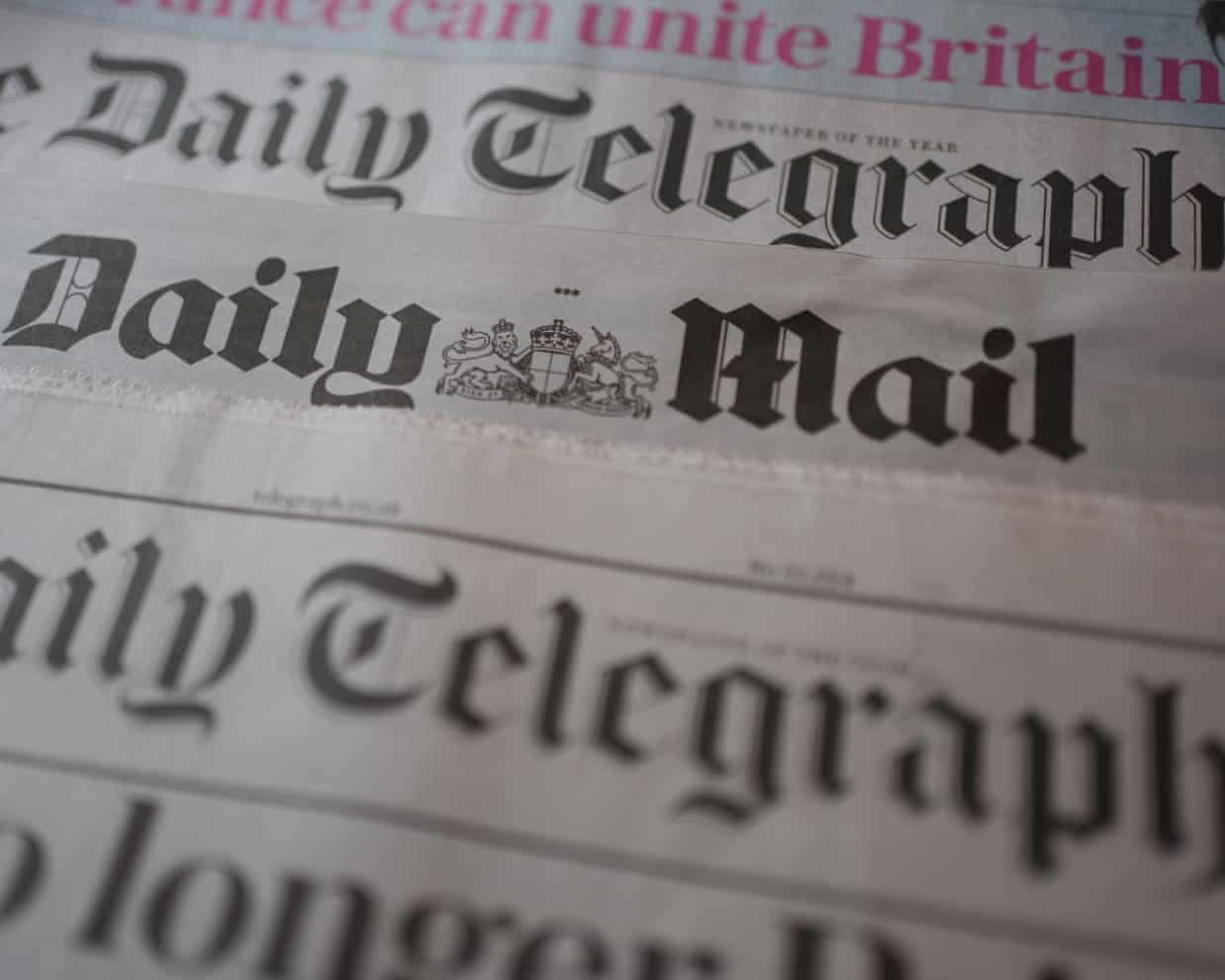
Nandy intends to refer Daily Mail’s Telegraph takeover to regulators
The culture secretary, Lisa Nandy, intends to ask the UK’s media and competition watchdogs to examine the proposed £500m takeover of the Telegraph titles by the owner of the Daily Mail.Daily Mail & General Trust (DMGT) agreed a deal in November to buy the titles, in a move that will create a right-leaning publishing powerhouse.Nandy said on Tuesday she was “minded to” task Ofcom with looking at the impact on media plurality of bringing the Daily and Sunday Telegraph titles together with the Daily Mail and Mail on Sunday.The Competition and Markets Authority will look at whether the proposed deal creates competition issues.Nandy is expected shortly to issue a public interest intervention notice (PIIN), which starts an investigation process of up to 40 working days
Water winners: who will gain from the industry’s spending spree in England and Wales?
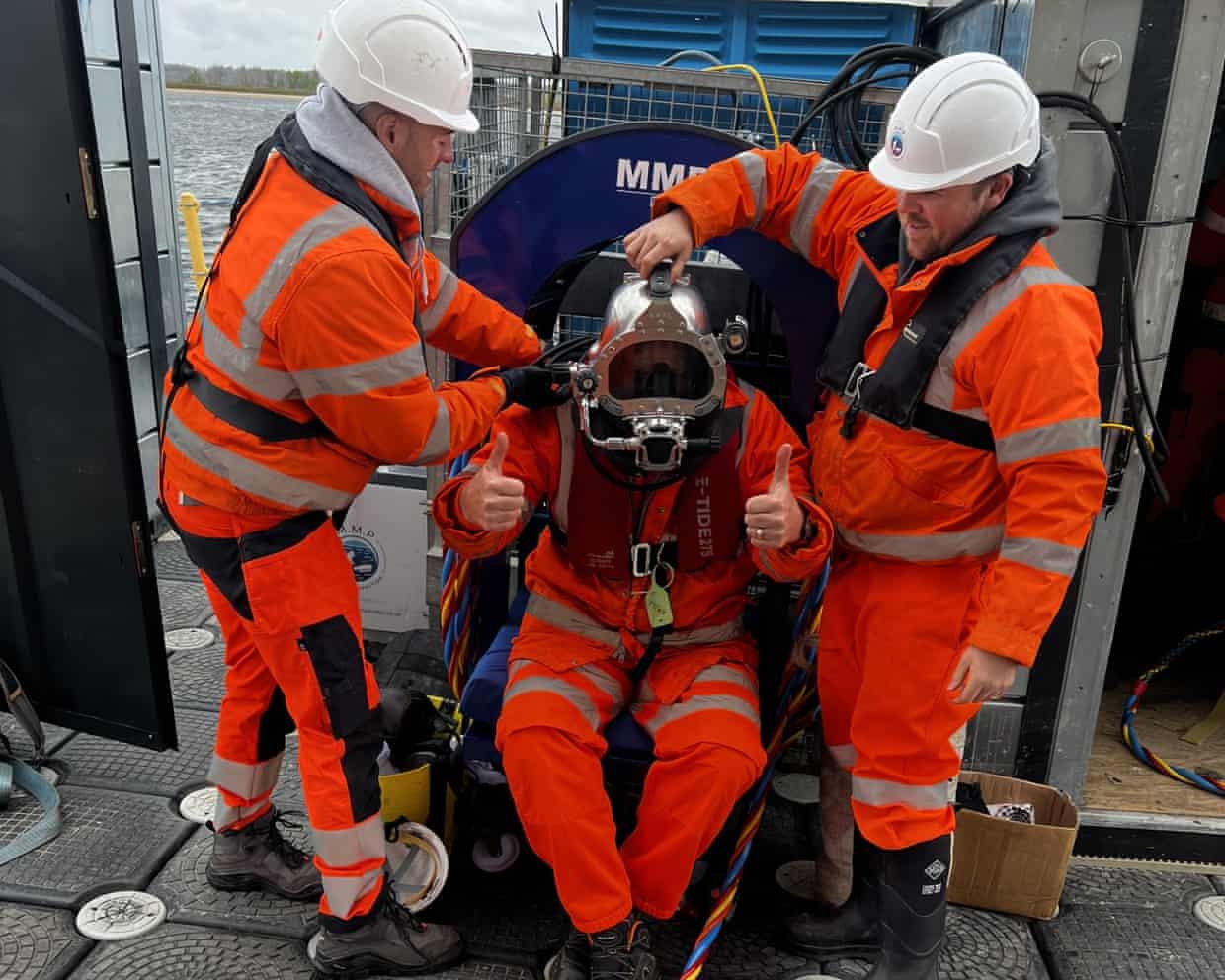
When a sluice gate failed 24 metres below the water’s surface at Thames Water’s Queen Mother reservoir near London’s Heathrow airport, there were no easy fixes available. Emptying 37m cubic metres (1,307m cu ft) of water was not an option, meaning that helmeted divers were limited to 98-minute stints in the high-pressure environment.The risky project required a team on a floating platform with a crane to cut out the broken equipment with thermal lances, bolt a plate on to the reservoir wall, and install the new equipment. It took more than a year until last October to complete, according to Glenfield Invicta, the contractor that carried out the work for Thames Water.Water companies across Britain are gearing up for more of these repairs and upgrades than ever this year, as the industry undertakes the biggest spending spree in its history until 2030
Donald Trump trashed global economic orthodoxy. A year on, did he leave Australia a winner or loser?
One year into Donald Trump’s presidency and experts in Australia and around the world can hear the grinding of history’s gears.“We have entered a new economic era; one with rules that are very different to the past,” the Commonwealth Bank’s chief economist, Luke Yeaman, wrote in October.We exit the heyday of globalisation and its relentless, single-minded pursuit of efficiency, to … what?At this point it looks like a world of rising trade protectionism, populism, self-sufficiency, suspicion, conflict and crackdowns on the movement of people and capital.Sign up: AU Breaking News emailTrump has exploded so many established norms that his return to the White House seems to have ruled a line between what was before, and what is now and will be.The “liberation day” tariffs in April last year triggered fears of a global trade war that would smash the world economy

GSK to buy food allergy drug maker RAPT in $2.2bn deal
GSK, the UK’s second-biggest drugmaker, has unveiled a $2.2bn (£1.6bn) deal to acquire a Californian biotech company which is developing a drug to protect against severe food allergies, including allergies to nuts, milk and eggs.It is the first large deal announced by GSK’s new chief executive, Luke Miels, who joined the London-based company in 2017 as chief commercial officer and took the reins from Emma Walmsley at the start of the year.RAPT Therapeutics is developing therapies for people with inflammatory and immunologic diseases
Bessent urges Europe not to retaliate against Trump’s Greenland tariffs
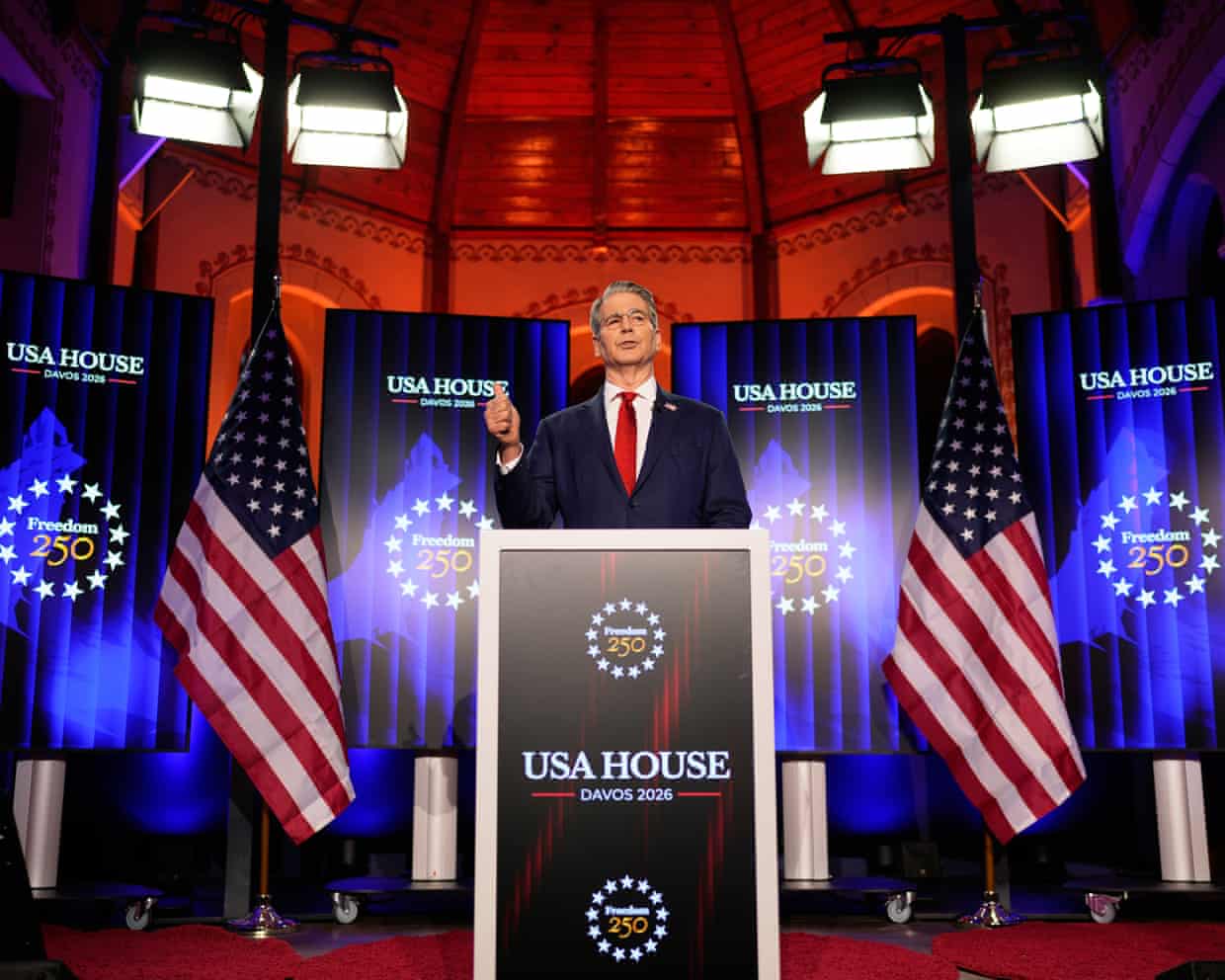
The US treasury secretary, Scott Bessent, has urged European countries not to retaliate against the US’s trade tariffs announced over the Greenland crisis.Speaking in Davos during the World Economic Forum, Bessent said countries and companies should pause and “let things play out” after Donald Trump threatened a 25% tariff on a slew of European countries in his pursuit of the autonomous Danish territory.As global stock markets fell amid political uncertainty, Bessent indicated that retaliatory tariffs would be unwise, citing last year’s tit-for-tat tariff war that broke out between the US and China.Last April, Trump’s “liberation day” tariff announcement caused turmoil in global stock markets before some countries agreed trade deals and markets recovered to reach record highs later in the year, fuelled in part by the AI boom.Bessent told a press conference at the annual meeting of global leaders: “I would say this is the same kind of hysteria that we heard on 2 April
Number of employed people in UK falls again as wage growth slows
The number of employed people in the UK has fallen, particularly in shops, restaurants, bars and hotels, reflecting weak hiring, while private sector wages grew at the slowest rate in five years, official figures show.Figures from the Office for National Statistics (ONS) showed the number of employees on payrolls fell by 43,000 in December from the previous month, to 30.2 million – the biggest monthly drop since November 2020.The rate of unemployment remained at a four-year high of 5.1% in the three months to the end of November, but this was up from 4
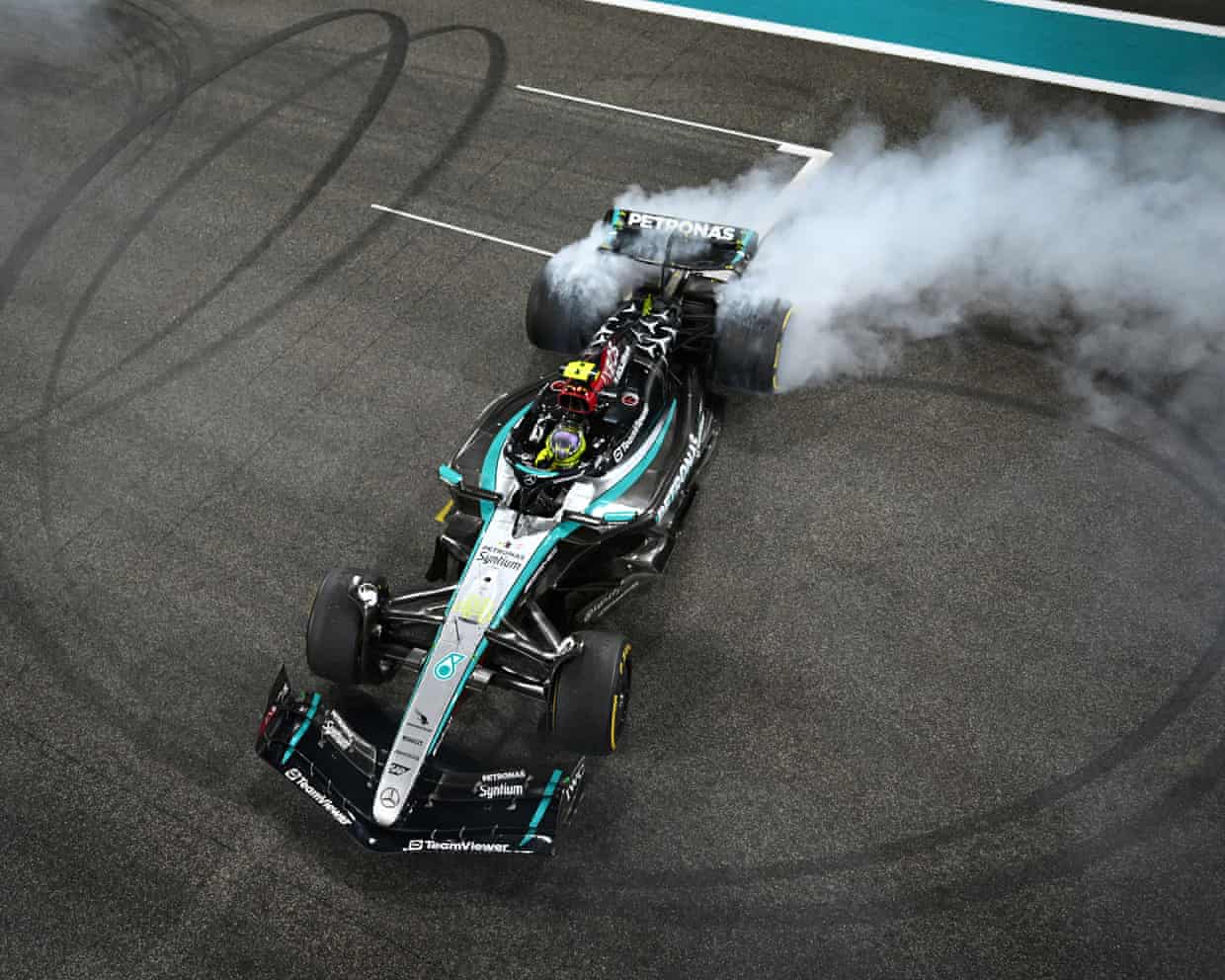
Mercedes lead designer John Owen to leave team during upcoming F1 season

Australian Open 2026: Osaka opens ‘jellyfish season’ with win, Tsitsipas battles through – as it happened

Bencic delivers statement Australian Open performance to outclass Boulter
One phone call and John Roberts had the full story – there was an air of amazement in the room

Luke Donald to hold talks with Ryder Cup executives as he eyes third tilt at captaincy

The Breakdown | England prepare to reveal Six Nations hand with Borthwick aware of ticking clock