Donald Trump trashed global economic orthodoxy. A year on, did he leave Australia a winner or loser?
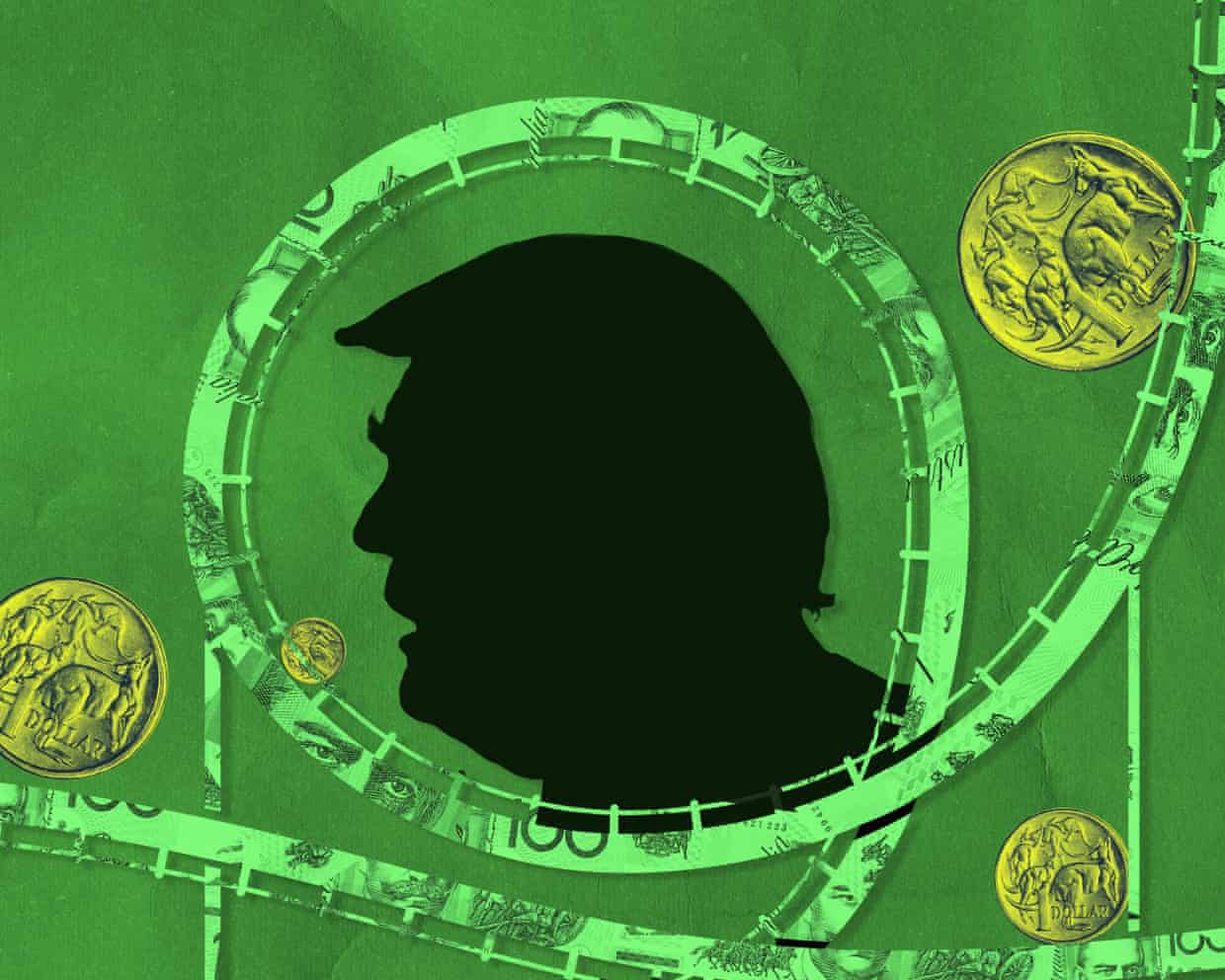
One year into Donald Trump’s presidency and experts in Australia and around the world can hear the grinding of history’s gears,“We have entered a new economic era; one with rules that are very different to the past,” the Commonwealth Bank’s chief economist, Luke Yeaman, wrote in October,We exit the heyday of globalisation and its relentless, single-minded pursuit of efficiency, to … what?At this point it looks like a world of rising trade protectionism, populism, self-sufficiency, suspicion, conflict and crackdowns on the movement of people and capital,Sign up: AU Breaking News emailTrump has exploded so many established norms that his return to the White House seems to have ruled a line between what was before, and what is now and will be,The “liberation day” tariffs in April last year triggered fears of a global trade war that would smash the world economy.
As US import taxes returned to levels not seen in a century, the Reserve Bank board in May was so worried about the fallout that it considered the case for a supersized double rate cut,“It’s been a complete rollercoaster,” the RBA governor, Michele Bullock, lamented at the time,Experts predicted the collateral damage to the Australian economy from rising protectionism could reach $27bn, or 1% of GDP,Nearly 60% of economists surveyed by the Economic Society of Australia expected the Trump presidency to hurt Australian economic growth, versus 8% – just three of the 39 experts – who reckoned the opposite,So much for the rhetoric, what about the reality? A fair summary would be: so far, so good.
The global economy has not fallen into a hole.Countries have adjusted to American trade aggression and exporters have found other markets or workarounds, at least temporarily.Yeaman, a former Treasury deputy secretary before his role at the CBA, says he had not been expecting the worst.Still, he says, “it is a bit of a puzzle: why hasn’t the world been hit harder by tariffs?”In theory, a medium-sized and open economy like Australia’s stands to be a particular loser in this new era of harder borders and falling world trade.So far – always that caveat – the opposite has been true.
“Certainly Australia is one of the winners,” says Yeaman, who in a research note earlier this year warned his banks’ clients of that “new economic order”.Counterintuitively, in a world of higher American tariffs our goods exports to the United States have doubled.Thanks to an explosion in beef sales and especially gold exports, international sales to the US have gone from $16.8bn in the first 10 months of 2024 to $33.2bn in the equivalent period of 2025.
The “baseline” minimum 10% American tariff applied to Australian imports is bad.But it’s less bad than some of the extraordinary taxes that have been imposed on many other countries, something the Albanese government has been keen to point out.That has in some cases made our goods more competitive, and in the case of beef has helped drive a boom in sales, helped by American beef producers struggling with drought.In the calendar year to October, Australian beef sales to the US jumped from less than $3bn in 2024 to $4.2bn in 2025, according to figures from the Department of Foreign Affairs and Trade.
Climbing food prices forced Trump to announce the removal of tariffs on beef and other agricultural products in November.But the truly remarkable climb has been in gold exports, which surged from $1.2bn in 2024 to $14.6bn.Fears associated with Trump’s policies have helped turbocharge the precious metal’s price, which jumped nearly 70% last year and hit record highs.
The ANZ’s chief economist, Richard Yetsenga, says Australia’s experience of unexpected resilience is part of a global story.“Perhaps the most fundamental analytical failure this year was not recognising that much of the impact of the US tariffs was to redistribute trade and production, rather than to destroy demand.”Experts point to a number of reasons why the world looks in reasonably good shape one year into Trump’s second term.“Think back to April, when the catastrophising was occurring, and there was a lot of talk about reprisal,” Yeaman says.Europe and Japan started out talking tough but ultimately countries unfairly hit by high tariffs have not retaliated and so avoided the worst-case “global trade war” scenarios.
“Countries have worked with the US where they can and, where they can’t, they’ve taken the hit and moved on,”Warwick McKibbin, an ANU economics professor and one of the country’s leading macroeconomic modellers, was never convinced by catastrophic forecasts in early 2025,Still, McKibbin has been surprised how well things have gone, which he puts down to two main factors,“The tariff war was not as bad as people thought – it was all show and no substance,” he says,The other, McKibbin says, has been the boom in investment associated with artificial intelligence, especially in the US where it has delivered a massive boost to the economy and the share market.
“Strip out that investment and most of the US appears to be in recession,” he says.McKibbin warns that the most immediate danger to the American economy is not from tariffs.“The AI boom is a bubble and pretty close to bursting,” he says.The worst-case scenarios that were war-gamed early in 2025 may not have come about but the outlook remains dimmer than it would have been without Trump’s unpredictable “America-first” policies.The International Monetary Fund’s latest update to its world economic outlook highlighted the “notable resilience despite significant US-led trade disruptions and heightened uncertainty”.
Like McKibbin, the IMF officials were more concerned with an AI-led sharemarket bust than Trump’s erratic policymaking.But the US’s renewed determination to seize control of Greenland, the brief invasion of Venezuela, and the unprecedented criminal investigation into the chairman of the US Federal Reserve highlight how the American president continues to push the boundaries.Early last year the RBA’s deputy governor, Andrew Hauser, compared the impact of tariffs to the damage to the British economy from its 2016 decision to leave the European Union.Hauser, also a former senior Bank of England official, said: “The day after Brexit happened, everyone thought the world would end, and it didn’t.But 10 years on, you’re seeing the profound effects of some of those changes for sustainable growth rates and for fundamental things in the economy.
”McKibbin agrees.He describes the impact as the difference between breaking a leg and getting cancer.“The global system as we know it is being undermined and all the institutions are being undermined, and the security and other arrangements have all been changed.“All this is undermining the health of the global economy.There are a lot of risks out there.
”Jenny Gordon, a former chief economist at the Department of Foreign Affairs and Trade, says the world has weathered Trump’s reckless policymaking “fairly well so far”,“But 2026 could be very, very interesting,It might be the people around Trump say ‘hold on a sec, let’s pull back and think about rule of law’ but I’m not holding my breath,” Gordon says,Whether China chooses to rein in its massive export surpluses will also play a part in determining the prospects for the global economy in this year and beyond, she says,In Australia, the year ended with a welcome pickup in growth and a much less welcome rise in inflation.
The economy was projected to expand by 2,3% last year and 2,2% in 2026, according to CBA estimates, a major improvement from 1,3% in 2024,Higher interest rates loom, with a RBA rate rise or two on the cards this year, the first maybe coming as early as February.
But unemployment is not projected to jump and the fears that haunted economists have not carried over into the new year.Yeaman says “for 2026 we see a bit more of a positive outlook, led by the US”.Another round of US tax cuts may ultimately be unaffordable for a country mired in massive structural budget deficits but should buoy activity in the short term.“But we are in a more volatile world and there are very substantial risks that could derail that,” Yeaman says.He lists tensions in the South China Sea, the risk of an AI bust, or at least correction, and whether Trump is successful in installing a lackey at the head of the US Federal Reserve.
Bullock’s metaphor of a rollercoaster looks about right.There will be many more highs and lows before this all plays out.
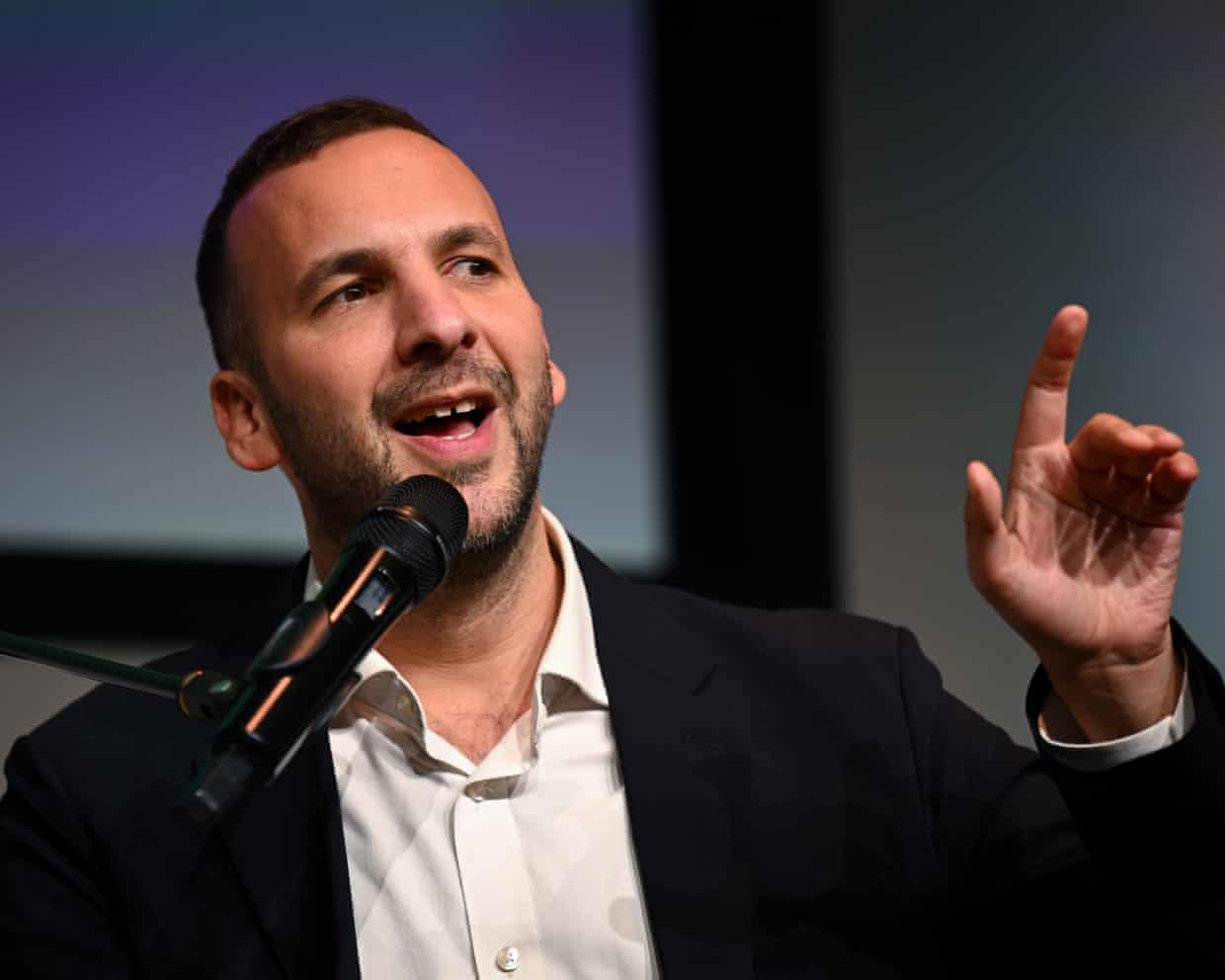
UK should consider expelling US forces from British bases, says Zack Polanski
The UK should consider expelling the US from British military bases, the leader of the Green party has said, as he advocated leaving Nato and spending less on American weapons as part of a wider dismantling of the two countries’ defence alliance.Zack Polanski told the Guardian he believed Britain should wean itself off its reliance on American military cooperation, though would not say whether he supported spending more money to replace that capability.His comments come as the prime minister, Keir Starmer, attempts to placate the US president and dissuade him from his threats to invade Greenland and to impose tariffs on European countries who oppose him.Polanski told the Guardian’s Politics Weekly podcast: “I think it’s pretty worrying that we’ve allowed ourselves to become so reliant on American interests, and that a lot of this depends on if Donald Trump is in a good mood or not.”He added: “We should be reviewing US bases on UK soil, and actually looking at a genuine strategic defence review
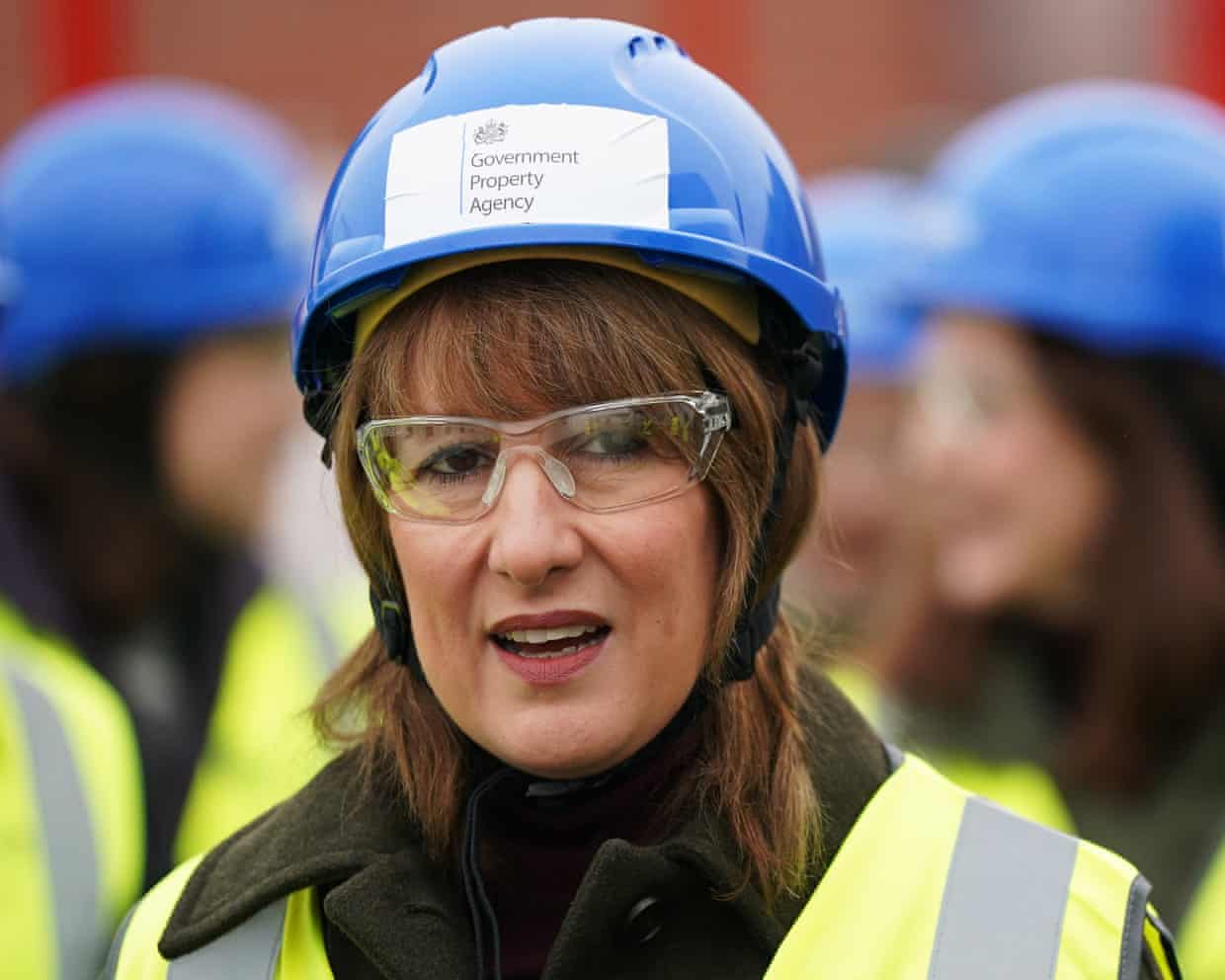
Reeves plans to refund some visa fees in effort to attract ‘trailblazer’ investment to UK
Rachel Reeves will pledge to refund visa fees for some global businesses on Tuesday, as she flies to the World Economic Forum in Davos aiming to showcase the UK as a haven of stability, despite Donald Trump’s latest tariff threats.The chancellor, who will be accompanied by the business secretary, Peter Kyle, will hold a series of meetings with business leaders at the annual gathering of the global elite in the Swiss mountain resort.She will announce tweaks to the visa regime aimed at encouraging “trailblazer” businesses to bring highly skilled staff to the UK – including refunding fees – and speeding up the time it takes to qualify as a sponsor of migrant workers.“Some countries give you a platform, but Britain gives you momentum. My message at Davos this week is clear: choose Britain – it’s the best place in the world to invest,” the chancellor said in pre-released remarks

UK ministers scrap foreign students target in shift to overseas hubs strategy
Ministers are scrapping target numbers for international students in the UK and will instead focus on encouraging universities to open hubs abroad, as part of a plan to bring British education to people “on their own doorsteps”.The government’s new international education strategy will set a target of increasing global “education exports” to £40bn a year by 2030, replacing the previous target – set in 2019 – of recruiting 600,000 international students a year to study in the UK.The Department for Education said it would also bring in “toughened compliance standards” to ensure people coming to the UK to study were genuine students, and that universities would face recruitment caps and licence revocations if they failed to meet those standards.“This approach removes targets on international student numbers in the UK and shifts the focus towards growing education exports overseas by backing UK providers to expand internationally, build partnerships abroad and deliver UK education in new markets,” the DfE said.The education secretary, Bridget Phillipson, said: “By expanding overseas, our universities, colleges and education providers can diversify income, strengthen global partnerships and give millions more access to a world-class UK education on their doorstep, all whilst boosting growth at home

Starmer plays down prospect of retaliatory tariffs against US over Greenland
Keir Starmer has played down the prospect of retaliatory tariffs on the US, after Donald Trump threatened to impose fresh levies against Nato allies if a deal over Greenland is not reached.The prime minister said US tariffs would damage the British economy and were “in no one’s interests”, despite growing pressure domestically to take a more forceful response. The UK would prefer a “calm discussion” with allies, he added.However, Downing Street sources suggested Starmer was not yet at the stage of ruling out tariffs completely, and would assess the situation as it developed.The UK government is preparing for the possibility of a taxpayer-funded support package to try to shield British businesses in the event that the US pushes ahead with its threats next month
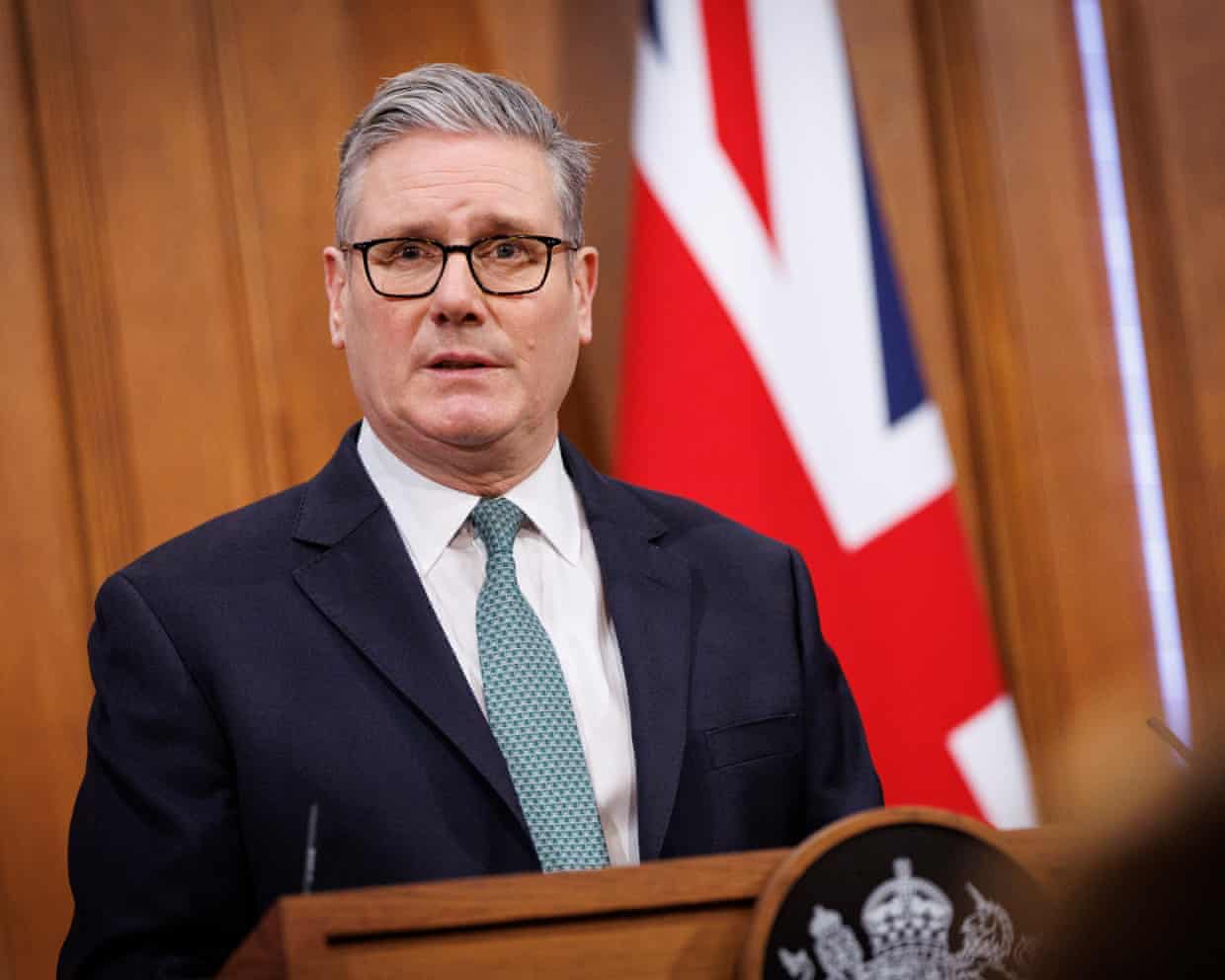
Minister defends UK’s decision not to hit back at Trump tariffs threat, saying ‘aim is to de-escalate’ – as it happened
Nigel Farage, the Reform UK leader, is normally proud of his friendship with Donald Trump, and he rarely criticises him in public. But on Saturday, after Trump announced tariffs on eight Nato countries not supporting his proposed purchase of Greenland, Farage said he did not support the move, which he said would “hurt” the UK.Today, speaking to journalists as he unveiled his latest defector (see 12.56pm), Farage said that Trump’s proposal was “wrong” and that he would be said he would be “having some words with the American administration” about it in Davos.Keir Starmer has played down the prospect of retaliatory tariffs on the US, saying they would be the “wrong thing to do”, after Donald Trump threatened them against Nato allies to try to secure Greenland

Badenoch warns Tory MPs about people trying to ‘undermine party from within’
Robert Jenrick’s defection does not mean the Conservatives are moving towards the centre ground, Kemi Badenoch has told her MPs in a letter that warned about people seeking to “undermine the party from within”.In a lengthy message to the MPs, seen by the Guardian, Badenoch said the party must avoid “psychodrama”, “intrigue” and damaging splits, saying a small number of Tory staffers were briefing against the party while claiming to be Conservative sources.“I ask everyone to satisfy themselves that their staff are acting in line with our strategy and values,” she wrote. “Undermining the party from within, whether by MPs or by staff, is unacceptable.”Badenoch was due to meet groups of MPs on Monday and speak to the entire parliamentary party on Wednesday, in the wake of three defections in a week, two involving sitting MPs
Mercedes lead designer John Owen to leave team during upcoming F1 season

Australian Open 2026: Osaka opens ‘jellyfish season’ with win, Tsitsipas battles through – as it happened

Bencic delivers statement Australian Open performance to outclass Boulter

One phone call and John Roberts had the full story – there was an air of amazement in the room

Luke Donald to hold talks with Ryder Cup executives as he eyes third tilt at captaincy

The Breakdown | England prepare to reveal Six Nations hand with Borthwick aware of ticking clock