Winter Olympics were again unrelatable and ‘useless’ and yet utterly astounding to watch
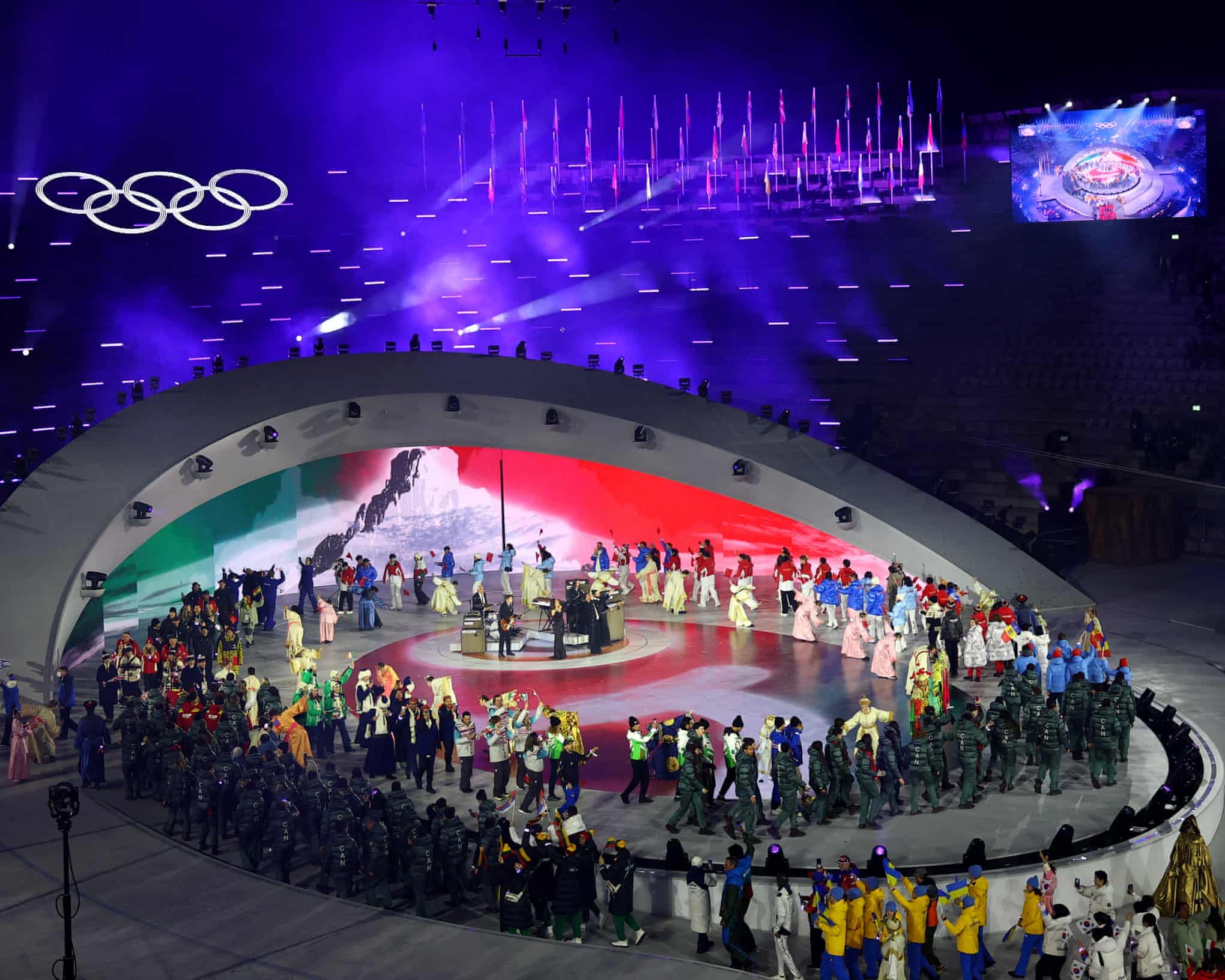
It was the Olympics of politics and penises, of JD Vance being jeered and of Ukrainian bobsledders being banned from the competition, of a convicted criminal beating the teammate she was guilty of defrauding, of Lindsey Vonn crashing out 12 seconds into the race and of Ilia Malinin making one mistake too many, of the internet became momentarily obsessed with slow‑motion videos of a Canadian stroking a curling stone with the tip of his finger, and it was the Olympics where the Norwegian ski‑jump team refused to dignify questions about whether or not they were injecting acid into their genitals.Like I said right at the beginning, Pierre de Coubertin never wanted a Winter Olympics.If that line sounds a little familiar it might be because you read it here a fortnight or so ago.“The great inferiority of these snow sports is that they are completely useless,” Coubertin wrote, “with no useful application whatsoever.” But it’s true, too, that over time he changed his mind.
And by the end of the International Olympic Committee’s very first Olympic “winter sports week” at Chamonix in 1924 he gave a speech in which he told his audience that “winter sports are among the purest”.You had to hold both these ideas in your mind at the same time at Milan-Cortina.By and large the Winter Olympic sports are, yes, “completely useless”.Unless you live in one of the handful of countries in the world where one or another of these pastimes actually counts in popular culture, the way speed skating does in the Netherlands, or cross-country skiing does in Norway, or ice hockey does in Canada, they’re not going to inspire mass participation.A decade from now, no one except a handful of future competitors will ever say they grew fitter, stronger, or more sporty, because they took place.
And it is exactly that uselessness that makes them what they are.Pure is the word Coubertin used.Inspiring is the one the Instagram generation would choose.Nobody is here because they’re going to get rich from competing, nobody comes with the aim of getting famous, a lot of the competitors don’t even hope to win a medal, and some of the ones who do know better than anyone that the biggest single advantage they have is the amount of money their country has decided to invest in their training, often in events where, in all honesty, there’s just not that much elite competition.So why are they here? The answer is the same one that humans have always had in the mountains, the same one George Mallory gave when they asked him why he wanted to climb Everest: “Because it’s there.
” They come to test themselves.As the rest of us get to watch.You don’t need to want to ski downhill to be struck dumb by the bravery of Lindsey Vonn’s decision to try to race the Olimpia di Tofane with a ruptured anterior cruciate ligament.You don’t need to want to ride skeleton to admire Matt Weston’s relentless perfectionism.You don’t need to know how to cross-country ski to find something to love in Johannes Høsflot Klæbo’s bloody-minded determination to overcome every single obstacle in front of him across two weeks of competition.
You don’t need to be able to slalom to experience the joy at watching Mikaela Shiffrin overcome her PTSD 16 months after she nearly died in a crash, or be astounded by the speed and grace of Federica Brignone 11 months after she broke her leg so badly that she wasn’t sure she would ever be able to walk normally.You don’t need to be able to tell a run-back takeout from a hit-and-run to feel regret at just how much it hurt Bruce Mouat, Hammy McMillan, Bobby Lammie and Grant Hardie, to win a silver medal in the men’s curling when they had spent four years dreaming about the gold.And at the end of it all, it is still OK to ask whether the price paid was worth it.These Olympics, like almost every Olympics, have run grotesquely over budget.Athletes always talk about the jeopardy of winter sports, but there has been an abiding sense of uncertainty about these entire Games.
A hell of a lot of effort went into making sure they looked good on TV, but on the ground it’s hard to avoid the sense that Italy only just got away with it.They left everything so late that well over 50% of the budgeted construction work on roads, rails, and car parks won’t even be finished until long after they’re over and everyone has gone home.The latest on the slate isn’t due to be finished till 2033.There is a lesson here too, about accepting imperfection, not that anyone at the IOC will learn it.Because even though these Olympics were half-finished, they worked fine.
The Games don’t always need to be more than the one before,There was no need to carve a new snow park into the mountains at Livigno when there was one in the next valley over, no need to cut down a forest to build a new sliding track in Cortina when there’s one 60 miles away in Innsbruck, no need to erect new, bigger, ski jumps when there’s a smaller one already next door,The Olympic creed is Faster, Higher, Stronger, but the IOC’s sometimes seems like Better, Bigger, Richer,Because it’s the athletes who make them great,Give them ice, and they will race; give them mountains, and they will throw themselves down them.
All the rest is just set dressing,

Stephen Colbert on Andrew’s arrest: ‘Let’s hear it for British justice’
Stephen Colbert discussed the arrest of the former prince Andrew and Donald Trump’s confusing new Board of Peace.The Late Show host told the audience of Epstein pal Mountbatten-Windsor’s arrest to a sea of cheers. “Yes, finally, someone, anyone!” he said.He added: “Let’s hear it for British justice, which is better than American justice because it comes with frilly wigs.”Colbert also shared the now viral image captured by a photographer of Mountbatten-Windsor lying back in a car leaving the police station

From patriotic parody to threat: Flanders and Swann, the Likely Lads and Reform | Letter
Stuart Heritage rightly observes the satire that is inherent in For He is an Englishman, the “patriotic” song from HMS Pinafore, cropping up in popular culture (‘The rallying cry of the rich and horrible’, 17 February).For a more xenophobic but equally tongue-in-cheek exploration of the same vein of nationalism, screenwriters need look no further than A Song of Patriotic Prejudice, by Flanders and Swann. In this paean to the English, every other nation of the UK is rubbished through caricature, and the rest of Europe dismissed in a few lines (“The Germans are German, the Russians are red, and the Greeks and Italians eat garlic in bed!”).This line of reasoning is explored in Whatever Happened to the Likely Lads? too, where Terry, to the derision of his friend Bob, runs through the shortcomings of every other nation. “To tell you the truth, I don’t like anybody much outside this town,” Terry adds

Goodies galore in a Clued-up crossword tribute to Graeme Garden | Brief letters
Thanks to Soup for the splendid birthday compliment to Graeme Garden (Cryptic crossword, 18 February). It brought back joyous memories of the Goodies, and reminded me of how many years I’ve been hooting with laughter at I’m Sorry I Haven’t a Clue. Many happy returns, Graeme – and all power to your setting, Soup.Julie MottersheadDeal, Kent Roger Mosey makes a lot of good points in his critique of the current news agenda (While we’re seeking to fix what’s wrong with Britain, look hard at our policy-lite, sensation-seeking media, 18 February). At the BBC, we used to have something called “the significance test”

Salman Rushdie among 170 figures to sign open letter over Barbican arts lead departure
Salman Rushdie, John Akomfrah and Pankaj Mishra are among more than 170 cultural figures who have signed an open letter to the Barbican expressing concern over the departure of its arts director, Devyani Saltzman.Saltzman, who became director of arts and participation at the Barbican in February 2024, is leaving the institution amid a significant leadership change a few weeks after its new CEO joined.Saltzman was recently named as one of the 40 most influential women working in the arts in the UK, and was described as the driving force behind the organisation. Her departure comes months after she unveiled a five-year creative vision for the Barbican.“We are writing as a group of global majority creative and cultural leaders and allies to express our profound disappointment and alarm at the decision to curtail Devyani Saltzman’s tenure,” the letter said

Colbert on RFK Jr’s Maha workout video: ‘Senior softcore that feels like dropping acid’
Stephen Colbert was feeling under the weather on Wednesday night but didn’t pull his punches, despite being “on enough steroids to be named the secretary of health and human services”.The host focused on Robert F Kennedy Jr and Maha in his monologue, particularly a surreal workout video that the health secretary released with Kid Rock this week, which Colbert described as “senior softcore”.After playing a clip of the “Rock Out Work Out” video, which featured shark attacks, taxidermized bears and lots of American flags, the host commented: “Why does this make you feel like you dropped acid at a Cracker Barrel?”The Maha clip features RFK Jr and Kid Rock working out together in some unexpected gym apparel. “Working out in tight jeans is not what a sauna is for,” said Colbert. “Saunas are for accidentally seeing your dad’s friend’s penis and never getting it out of your head for the rest of your life

Colbert on Trump’s Epstein ties: ‘Apparently he does not know the meaning of exonerated’
Stephen Colbert spoke about Donald Trump’s bizarre reaction to more Jeffrey Epstein questions and how Americans are struggling to feel optimism.On the Late Show, the host brought up a new Gallup poll, which shows that Americans are less hopeful than ever, with optimism at a new low.The number has reached into the 50s after previously landing at 69%. “Back then the future looked … nice,” he said.Trump has also seen his approval rating fall to a new second-term low of 36%

‘Very dangerous’: a Mind mental health expert on Google’s AI Overviews
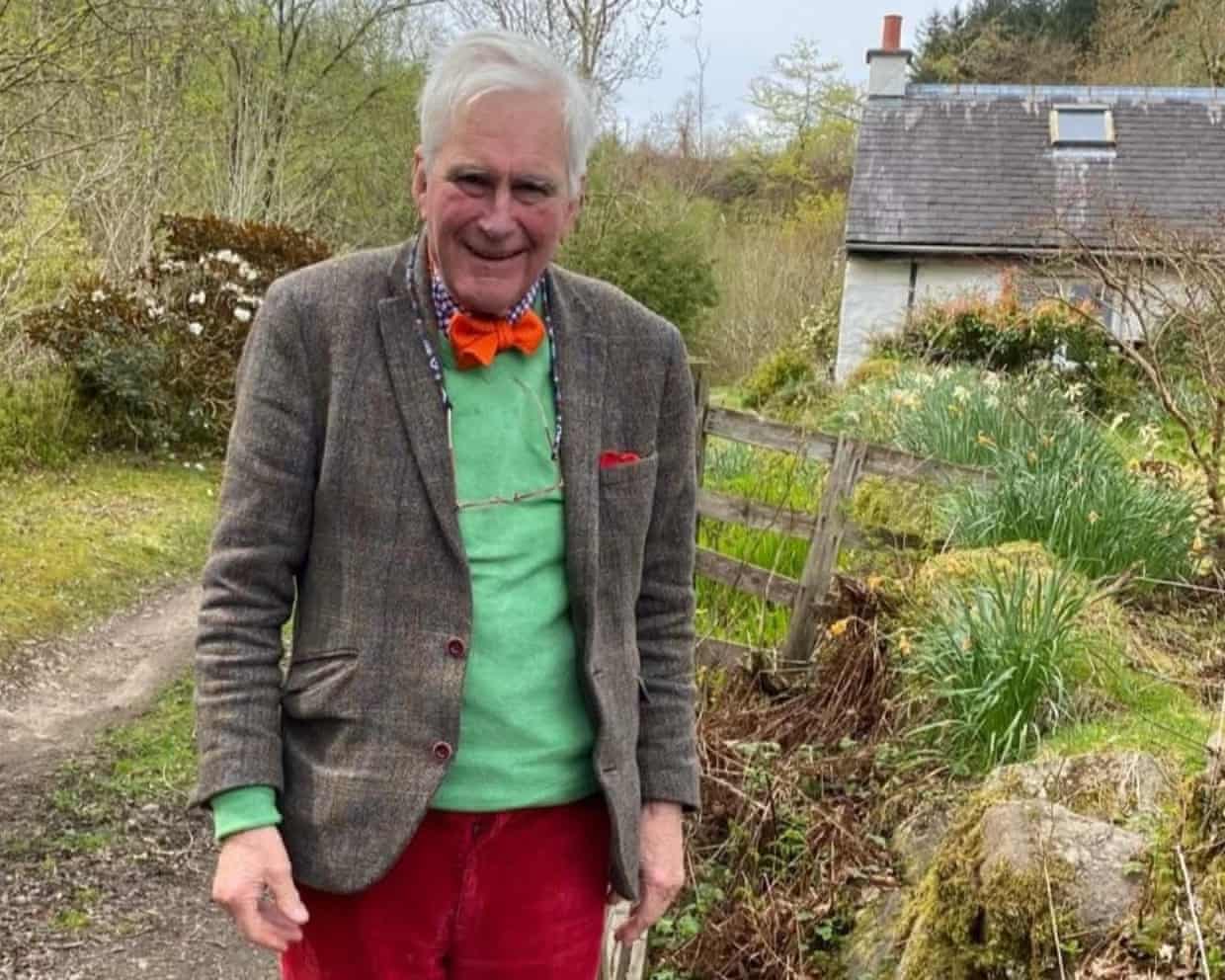
Martyn Webster obituary
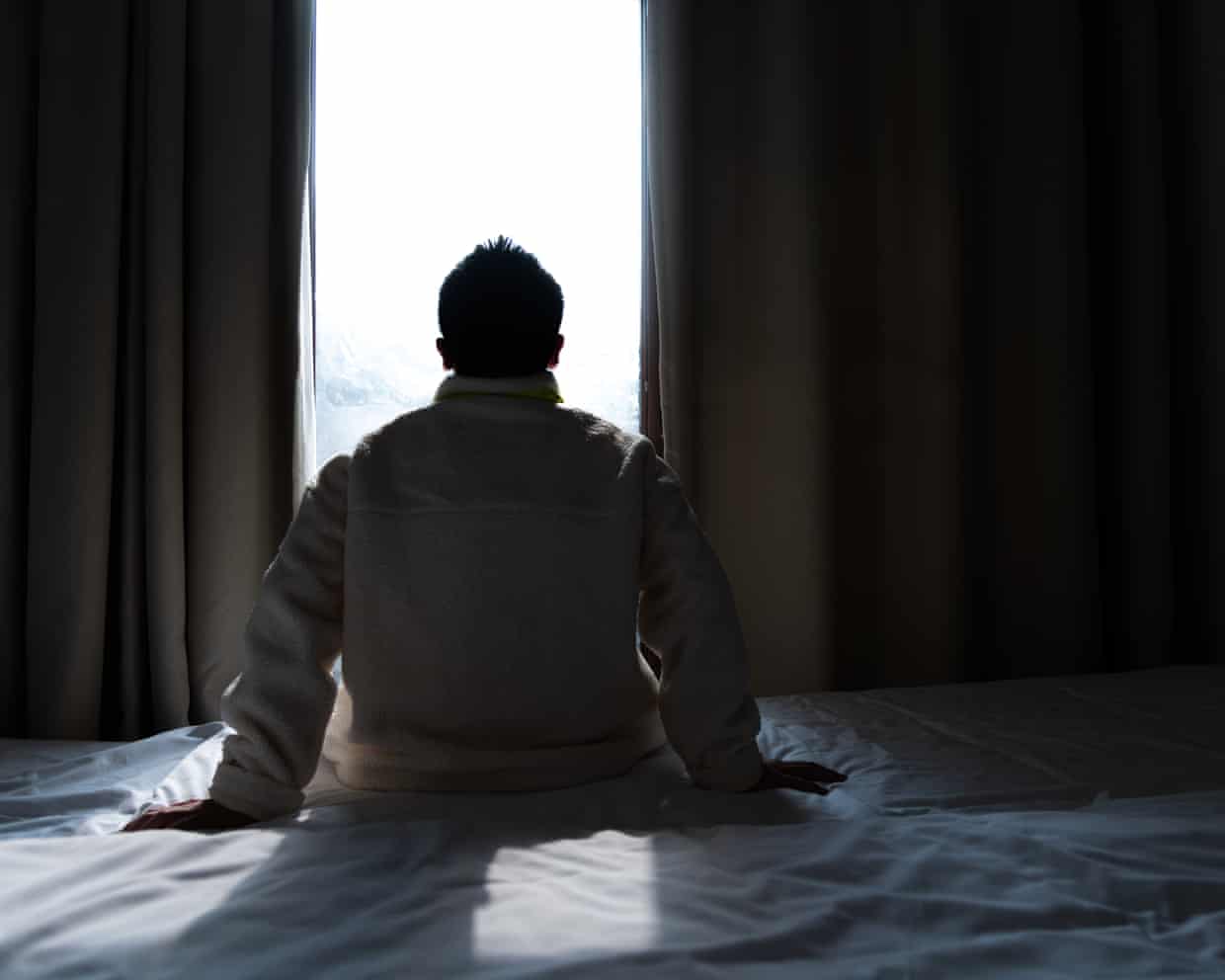
Ketamine addiction making teenagers wet the bed, says UK’s first specialist clinic
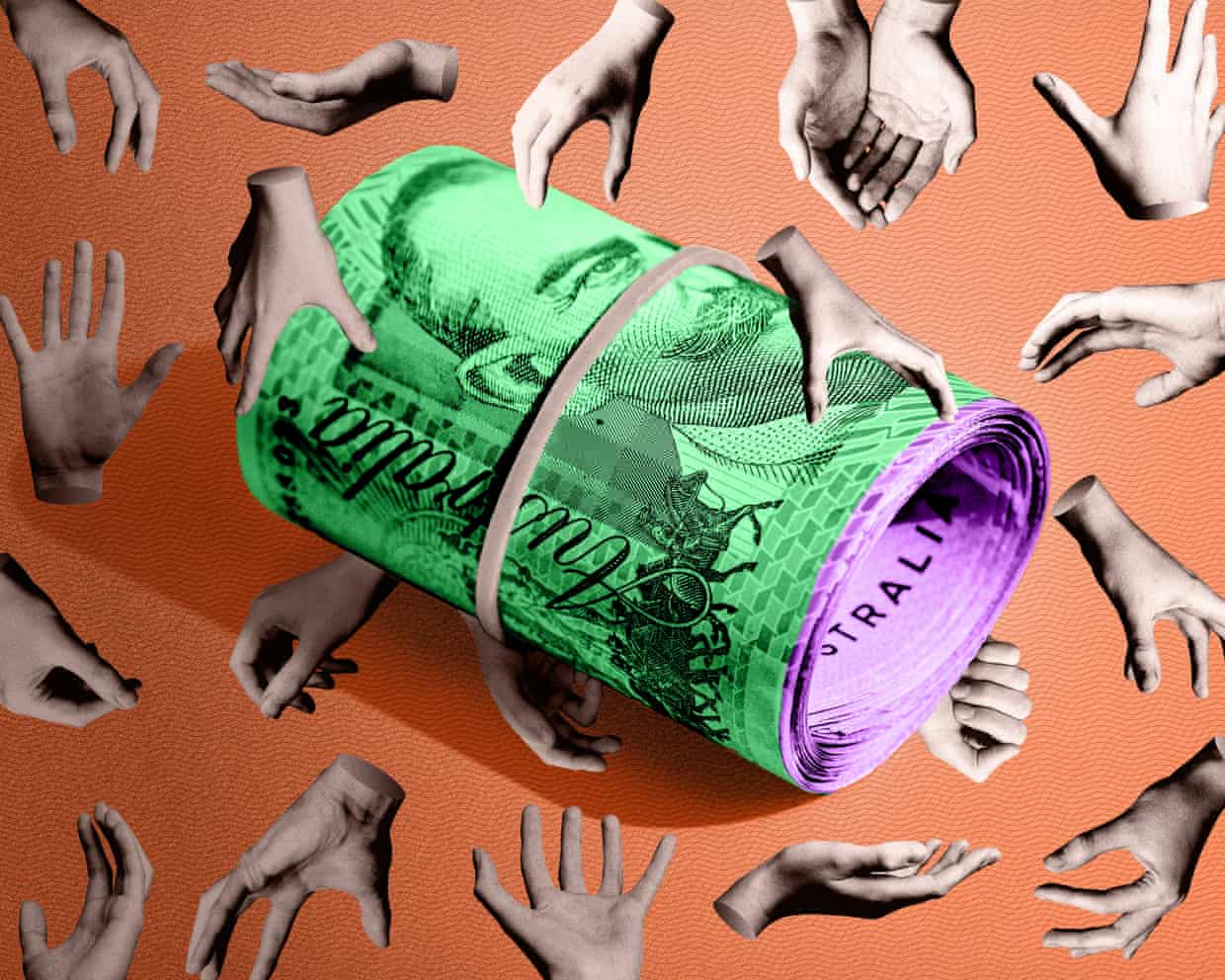
Death tax? Property tax? Four ideas that could offset inheritance inequality in Australia
The disturbing rise of Clavicular: how a looksmaxxer turned his ‘horror story’ into fame

Ministers may slow youth minimum wage rise amid UK unemployment fears