‘I’m trying to expand what it means to be a skier’: Mallory Duncan on jazz, freedom and the mountains
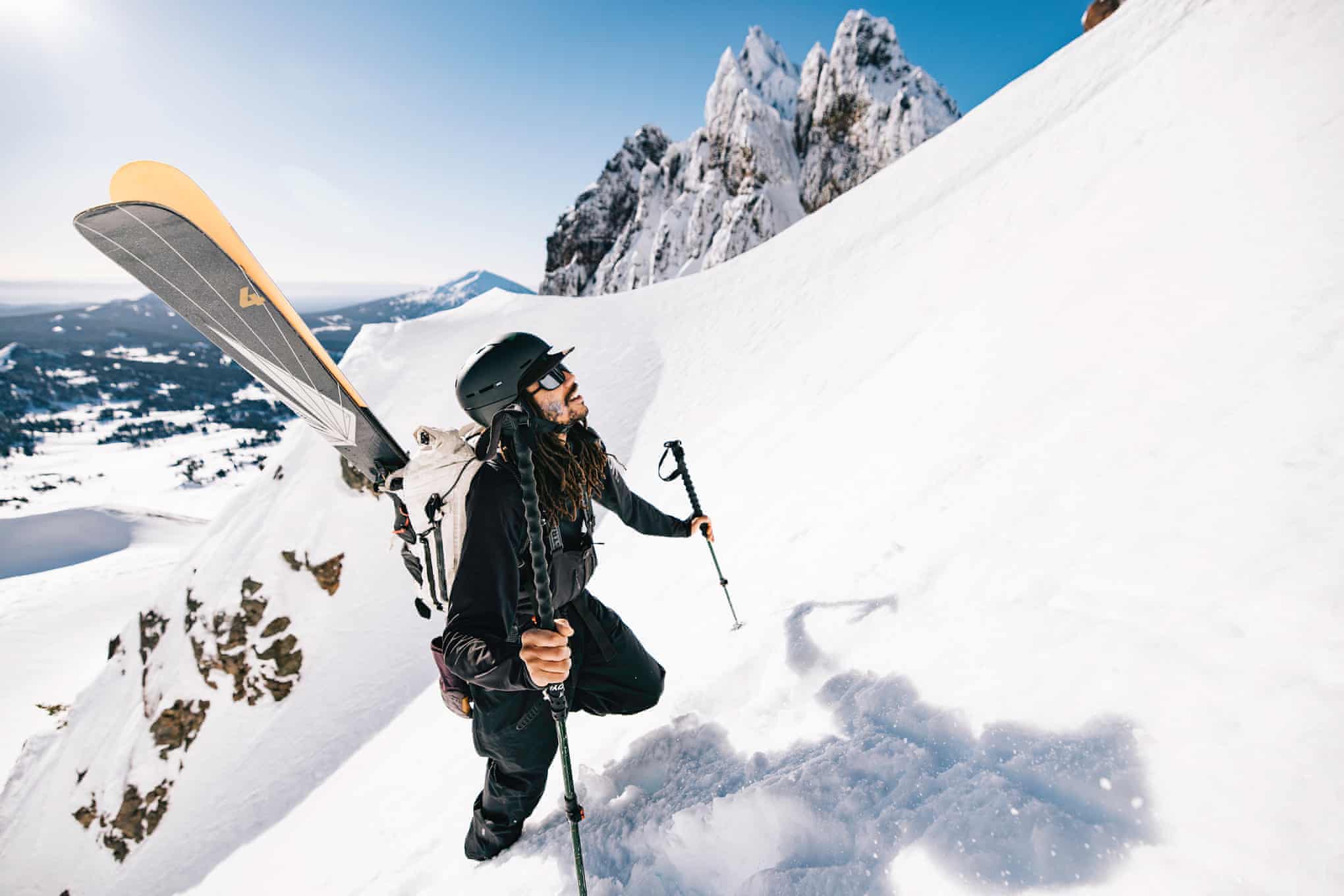
The Californian once had ambitions of winning gold at the Winter Olympics.But now he is more interested in what skiing can do for the soulGrowing up in the Hayward Hills, just south of Oakland, California, Mallory Duncan lived a hybrid lifestyle throughout his childhood.Weekdays were spent at school, avoiding homework, disrupting class and getting in trouble.Weekends at Alpine Meadows, a ski resort on the north-west shores of Lake Tahoe, were for jumping off cliffs and skiing powder with friends.Every Sunday he would have dinner at his grandad’s house, watch football and listen to jazz.
“I’ve come to accept that I don’t always fit into the ski industry,” says Duncan, a professional skier, award-winning film-maker, entrepreneur and saxophonist.“I live in Portland and love the city life, music and the integration of art into my work.Being exposed to many different types of experiences helps me be more creative in everything I do.”To Duncan, jazz and skiing have been inextricably linked since he was young.He started playing the saxophone in third-grade band class, inspired by a Charlie Parker album cover he saw at his grandad’s house.
“I could memorize a song and play it, but I couldn’t read music,” says the 33-year-old.“That’s largely still true today.I still can’t play sheet music well, but I loved playing the sax right away.”At the same time he was learning the sax, Duncan was progressing as a skier.He learned how to ski at just 18 months old, and his parents later would drop him off at the hill as a de facto daycare.
When he was eight, a family friend recommended the Alpine Meadows development program and he began pursuing skiing on a more serious level.By the age of 13, he was the second-ranked skier in his division, leading to a scholarship at Sugar Bowl Academy, a private high school near Lake Tahoe focused on skiing.Had things worked out differently, Duncan might have been competing for an Olympic medal this month.“My ambition was to be one of the best in the country, to win a gold medal at the Olympics, even if that sounds bold now,” says Duncan.“There were around 10 kids in my class.
We lived on campus and it was very regimented, which felt stifling at the time.But we got to ski almost every day, which kept me in line.For a decade, racing was my whole life.”Despite being comfortable on the slopes, Duncan didn’t always fit in at school.He was one of the few kids who listened to hip-hop, soul, funk, and jazz.
He also dreamed of working as a producer at a record label.“I remember my dad listening to Stevie Wonder, Marvin Gaye and Kool & The Gang,” says Duncan, “and stealing my sister’s hip-hop CDs, but I didn’t develop my own taste until I moved away from home.”With a goal to race at the highest level with the US Ski Team, Duncan enrolled at the University of Vermont, home to one of the best collegiate programs in the country.But he didn’t make the team and decided to step away from the sport.A year later, friends brought him back to the slopes and it didn’t take long for Duncan to reconnect.
“When I stopped racing, it was like relearning how to ski,” says Duncan, “Without gates, it felt like playing music from the soul, flowing with what felt natural.A friend later said to me that playing from sheet music is like learning to ski backwards.You first need to learn how to ski from your soul.”For the first time, Duncan felt an alignment between music and the way he wanted to ski: no one could tell him where he could go or what he could do.“It was all about exploring new areas, following your heart, being adaptable, and seeing what Mother Nature gave you, it didn’t have to be uniform [giant slalom] turns down the fall line,” says Duncan.
“That’s just like jazz.You listen to what’s happening in order to keep that song moving forward.“Jazz is a disruptive genre that doesn’t always follow the rules, an improvisational thing.You don’t always play the right notes or stay in the same key as everyone else.Both give you endless opportunities to express yourself.
”In 2019, Duncan signed his first ski sponsor, a major step in his career.The timing was nearly perfect, as backcountry skiing – his primary discipline – exploded in popularity during the pandemic, with many skiers looking for safe ways to get outside and feel a sense of freedom.He also launched his own creative agency, focused on sales, marketing and film projects.“Creativity isn’t just music and art, it’s the way you bring an idea to life,” says Duncan.“Entrepreneurship is one of the best ways I’ve found to be creative, finding new ways to create, form, and mould a business.
It’s an expression of my creativity.”Duncan started turning heads with his fresh perspective on the industry.Despite being one of the very few Black pro skiers, he wanted his work to speak for him.“I like to be about things, not talk about them,” he says.“I live a Black experience, but being Black doesn’t define me as a skier.
”His award-winning short film, Blackcountry Journal, premiered in the fall of 2023 and exemplified his ethos.It blends backcountry skiing with jazz in a way that had never been done before.It surprised much of the ski industry.“I wanted to show that Black people have a place in skiing, not tell people they do.Jazz is a historically Black discipline, but by not saying that explicitly opened the door for more people to connect with it.
”This insight comes from years of bias he felt growing up, always trying to fit into a ski industry where he didn’t always feel that he fit in.“I didn’t always feel like a skier,” says Duncan.“I sometimes still don’t.When I’m in a space with a lot of people just talking just about skiing, I feel othered because that’s not why I got into it.I got into skiing for freedom, so I’m trying to expand what it means to be a skier so others can have that.
”Duncan’s goals have evolved from traditional accolades and achievements to improvements in his personal style and new ways to be creative.He’s lost all desire to be the fastest or do the biggest tricks; instead he simply wants to finish a backcountry ski line and, “look up to see art”.

Starmer to extend online safety rules to AI chatbots after Grok scandal
Makers of AI chatbots that put children at risk will face massive fines or even see their services blocked in the UK under law changes to be announced by Keir Starmer on Monday.Emboldened by Elon Musk’s X stopping its Grok AI tool from creating sexualised images of real people in the UK after public outrage last month, ministers are planning a “crackdown on vile illegal content created by AI”.With more and more children using chatbots for everything from help with their homework to mental health support, the government said it would “move fast to shut a legal loophole and force all AI chatbot providers to abide by illegal content duties in the Online Safety Act or face the consequences of breaking the law”.Starmer is also planning to accelerate new restrictions on social media use by children if they are agreed by MPs after a public consultation into a possible under-16 ban. It means that any changes to children’s use of social media, which may include other measures such as restricting infinite scrolling, could happen as soon as this summer

California’s billionaires pour cash into elections as big tech seeks new allies
Tech billionaires are leveraging tens of millions of dollars to influence California politics in a marked uptick from their previous participation in affairs at the state capitol. Behemoths such as Google and Meta are getting involved in campaigns for November’s elections, as are venture capitalists, cryptocurrency entrepreneurs and Palantir’s co-founders. The industry’s goals run the gamut – from fighting a billionaire tax to supporting a techie gubernatorial candidate to firing up new, influential super political action committees (Pacs).The phenomenon squarely fits the moment for the state’s politics – with 2026 being the year that Politico has dubbed “the big tech flex”.Gavin Newsom, California’s tech-friendly governor who has been quick to veto legislation that cramps the sector’s unfettered growth, is reaching his term limit

No swiping involved: the AI dating apps promising to find your soulmate
Dating apps exploit you, dating profiles lie to you, and sex is basically something old people used to do. You might as well consider it: can AI help you find love?For a handful of tech entrepreneurs and a few brave Londoners, the answer is “maybe”.No, this is not a story about humans falling in love with sexy computer voices – and strictly speaking, AI dating of some variety has been around for a while. Most big platforms have integrated machine learning and some AI features into their offerings over the past few years.But dreams of a robot-powered future – or perhaps just general dating malaise and a mounting loneliness crisis – have fuelled a new crop of startups that aim to use the possibilities of the technology differently
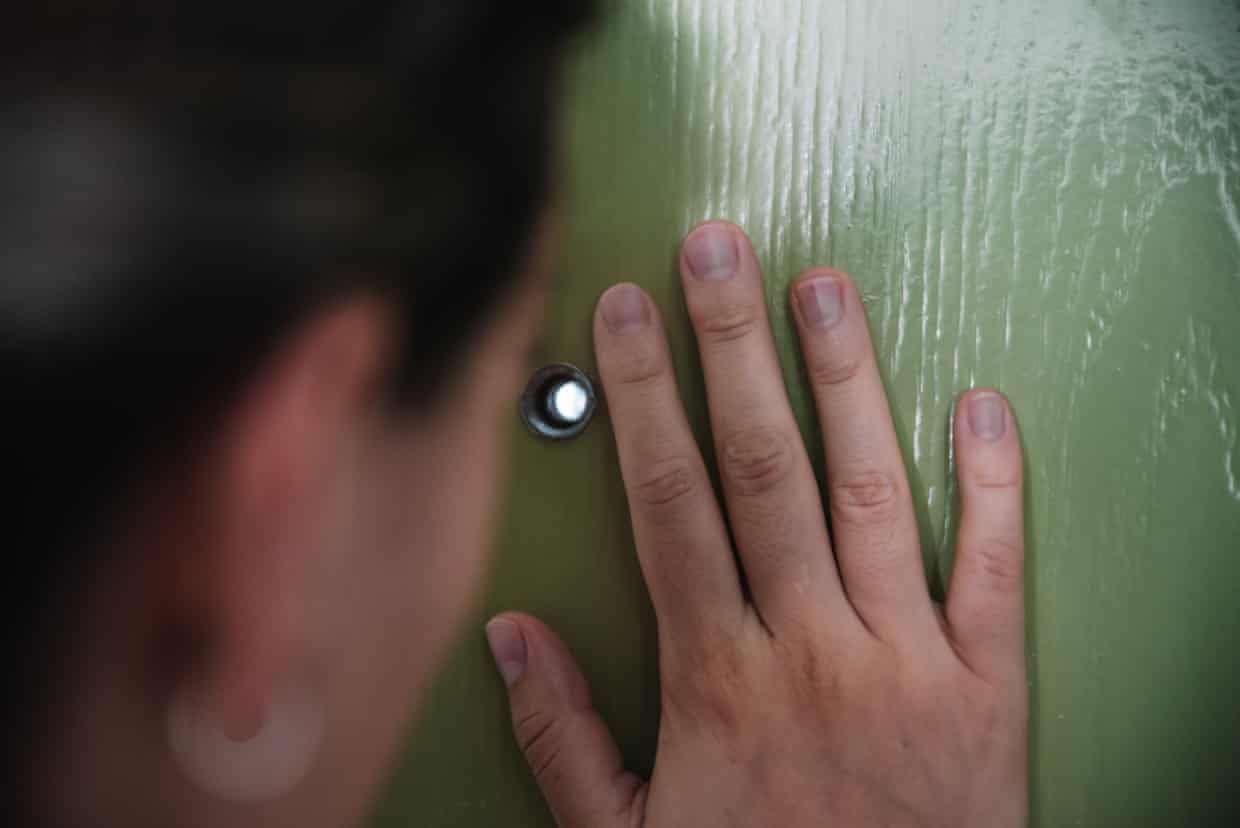
The problem with doorbell cams: Nancy Guthrie case and Ring Super Bowl ad reawaken surveillance fears
What happens to the data that smart home cameras collect? Can law enforcement access this information – even when users aren’t aware officers may be viewing their footage? Two recent events have put these concerns in the spotlight.The Guardian’s journalism is independent. We will earn a commission if you buy something through an affiliate link. Learn more.A Super Bowl ad by the doorbell-camera company Ring and the FBI’s pursuit of the kidnapper of Nancy Guthrie, the mother of Today show host Savannah Guthrie, have resurfaced longstanding concerns about surveillance against a backdrop of the Trump administration’s immigration crackdown
US military used Anthropic’s AI model Claude in Venezuela raid, report says
Claude, the AI model developed by Anthropic, was used by the US military during its operation to kidnap Nicolás Maduro from Venezuela, the Wall Street Journal revealed on Saturday, a high-profile example of how the US defence department is using artificial intelligence in its operations.The US raid on Venezuela involved bombing across the capital, Caracas, and the killing of 83 people, according to Venezuela’s defence ministry. Anthropic’s terms of use prohibit the use of Claude for violent ends, for the development of weapons or for conducting surveillance.Anthropic was the first AI developer known to be used in a classified operation by the US department of defence. It was unclear how the tool, which has capabilities ranging from processing PDFs to piloting autonomous drones, was deployed

Elon Musk’s xAI faces second lawsuit over toxic pollutants from datacenter
Elon Musk’s artificial intelligence company xAI is facing a second lawsuit alleging it is illegally emitting toxic pollutants from its enormous datacenters, which house its supercomputers and run the chatbot Grok.The new pending suit alleges xAI is violating the Clean Air Act and was filed Friday by the storied civil rights group the NAACP. The group’s 40-page notice of intent to sue alleges xAI has been polluting Black communities near its facility in Southaven, Mississippi. The pollution comes from more than a dozen portable methane gas generators that xAI set up without permits, the notice alleges.The NAACP’s first notice of intent to sue was filed last June and involves similar allegations regarding the company’s datacenter in Memphis, Tennessee
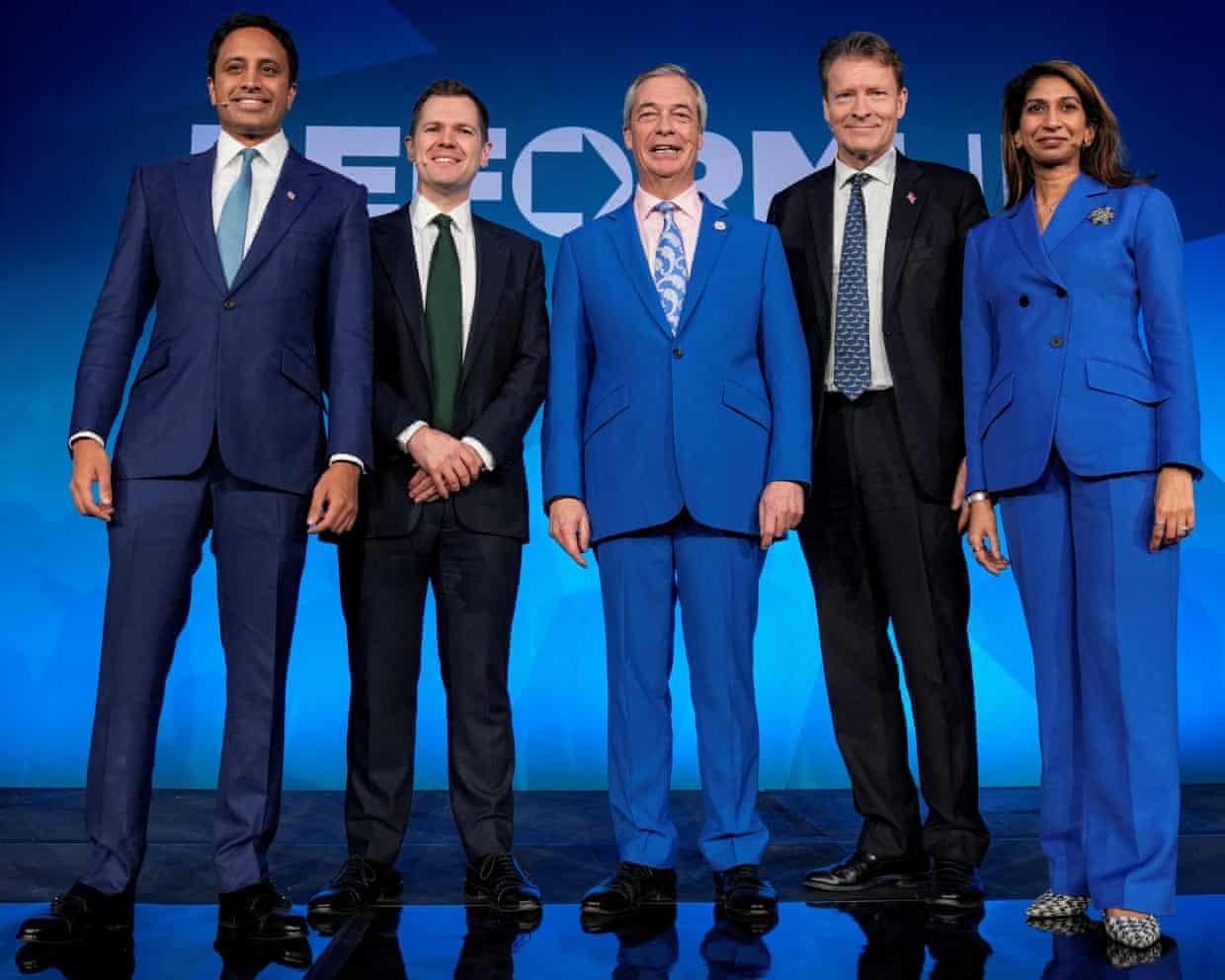
What do we know about Reform UK’s frontbench team of four?

Nigel Farage unveils Reform UK frontbench team and warns over dissent

‘Scandalous and unacceptable’: readers on the new UK entry rules for dual nationals
‘Betrayed’: 21 Hartlepool councillors threaten to quit Labour over care budget

Farage expected to name Jenrick as potential future chancellor

Starmer abandons plans to delay local elections in England in latest U-turn