Lindsey Vonn, skiing with ruptured ACL, takes crucial step in downhill medal bid
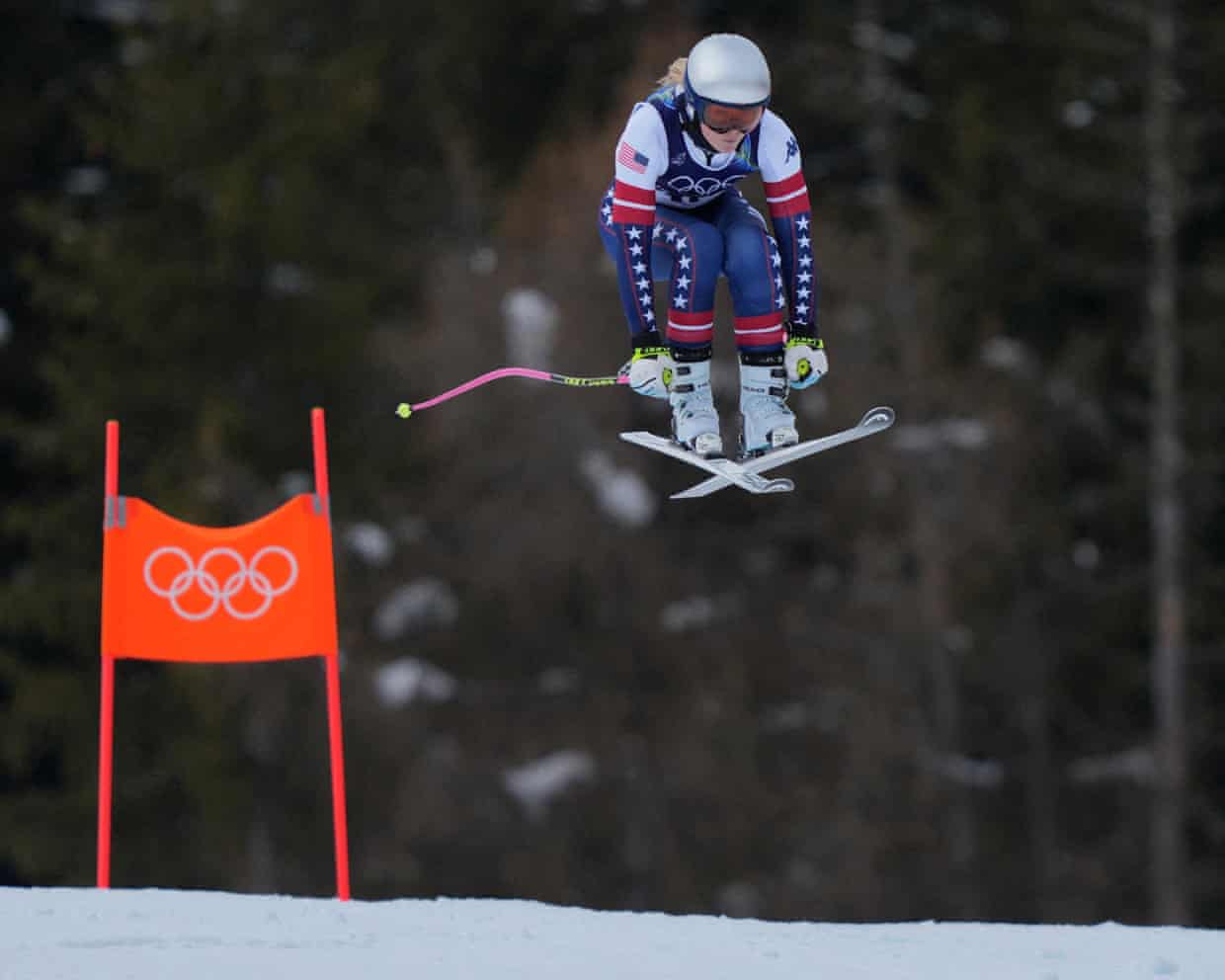
Lindsey Vonn moved a step closer to one of the most improbable Olympic starts in Alpine skiing history on Friday, producing an aggressive and largely clean downhill training run on the Olimpia delle Tofane course less than a week after fully rupturing the ACL in her left knee and being airlifted off a mountain in Switzerland.The 41-year-old American clocked 1min 40.33sec in a fog-delayed session, but the time itself was secondary to what the run represented: proof that she can still attack a course at speed – and survive it – as she targets Sunday’s medal race.Wearing bib No 10 and a brace on the injured knee, Vonn was forced to wait more than 90 minutes at the top of the mountain as low cloud and fog repeatedly halted the session.The delays came after Slovenia’s Ilka Stuhec crashed early, forcing course regrooming, before fog again rolled in after the fourth starter, Austria’s Nina Ortlieb.
Norway’s Marte Monsen, who also crashed in Crans-Montana last week, did not start.Vonn kept warm in her ski jacket alongside teammates while waiting for the restart, passing time with stretches, social media posts and even brief impromptu dance breaks to Usher as officials waited for visibility to improve.When she finally pushed out of the start gate, the run itself lasted little more than 100 seconds but answered the question hanging over her Olympic participation.Vonn skied with visible intent from the top, briefly getting tight to her line midway down and only narrowly clearing one gate.She was among the fastest through the final checkpoints, reaching a maximum speed of 75.
2mph (121km/h), before standing up out of her tuck approaching the finish.At the bottom of the piste, she exchanged fist pumps and a hug with US teammate Breezy Johnson, who started just ahead of her as the session resumed after more than an hour’s delay due to fog.The session carried added weight after Thursday’s scheduled opening training was canceled because of heavy snowfall, leaving Friday as the penultimate on-course test before the race.Skiers are required to complete one training run in order to compete in the final.Vonn’s Olympic preparation was dealt a catastrophic blow last week when she crashed during the final World Cup downhill before the Games in Crans-Montana.
She was airlifted to hospital after losing control on a landing in deteriorating conditions during a chaotic morning that saw multiple crashes before organizers abandoned the race,Scans later confirmed a complete ACL rupture in her left knee, along with a bone bruise and meniscal damage of uncertain origin,Since the injury, she has framed participation as a day-to-day decision based on swelling, muscle response and knee stability inside a heavy brace she has worn throughout training,“Last Friday in Crans Montana in the last World Cup I completely ruptured my ACL,” Vonn said Tuesday,“I have to take it day by day.
My goal is obviously right now the downhill.I have to see how it feels – if it’s stable and I feel confident, I’ll continue to race.But I can’t tell you that answer until I actually ski 85 miles an hour.”Friday’s run represented the closest thing yet to that test.Vonn has maintained that her overall conditioning remains elite even as she manages structural damage in the knee.
“My fitness is 100%, but that doesn’t mean my body is 100%,” she said Tuesday,“As long as my swelling is down and my muscles are firing, my strength is what it was a few days ago,”She has also leaned into the emotional weight of the moment, posting on social media before Friday’s training: “Nothing makes me happier,No one would have believed I would be here,But I made it.
I’m here, I’m smiling and no matter what, I know how lucky I am.I’m not going to waste this chance.”
Violence is part and parcel of how prisons function | Letter
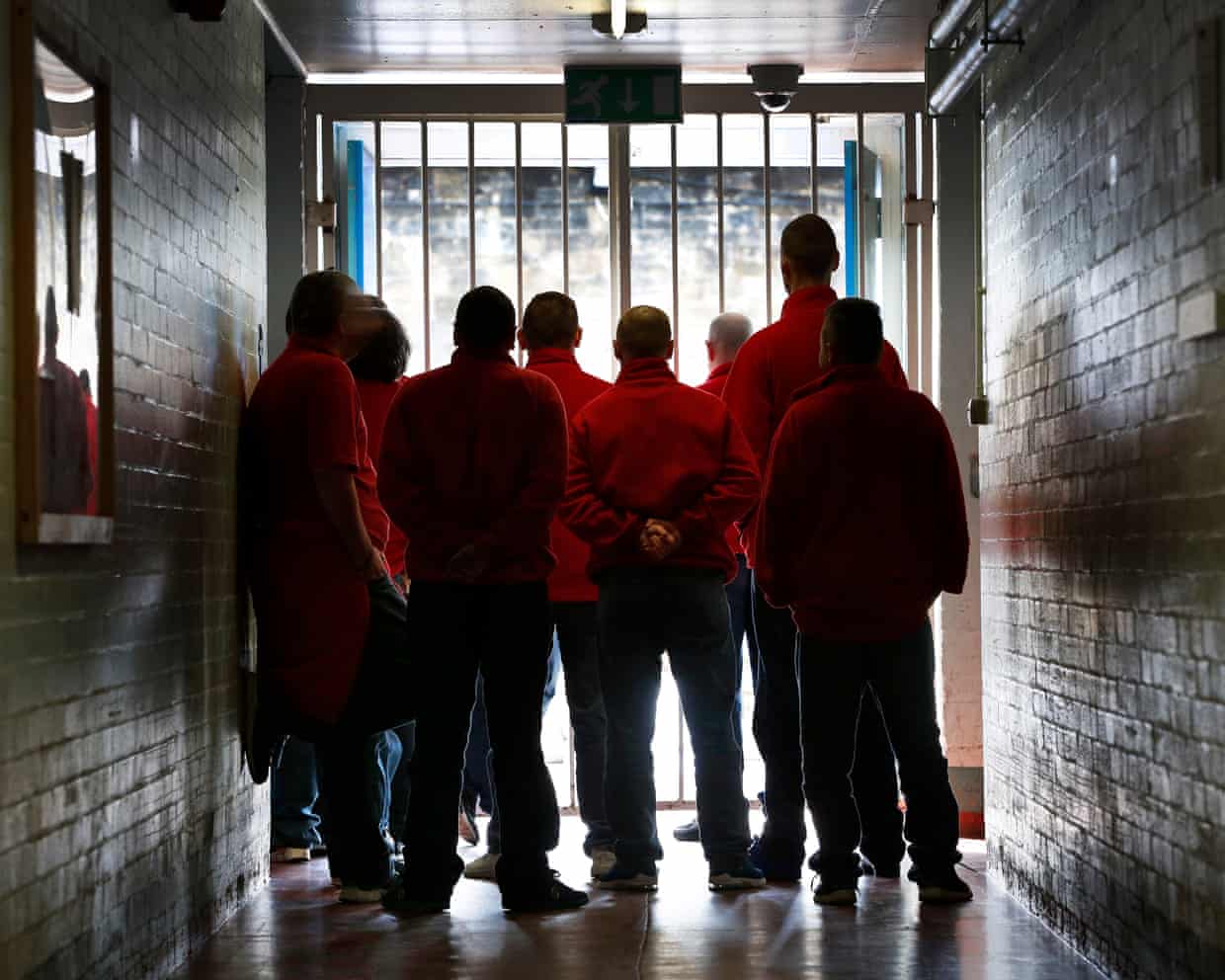
Alex South’s article (Death on the inside: as a prison officer, I saw how the system perpetuates violence, 13 January) limits the scope of prison violence to individual acts by focusing on prisoner-on-prisoner homicides. But violence is part and parcel of how prisons function.Hundreds of people die in prison each year, the majority by suicide, medical neglect or drugs. Even if we focus on homicides, they reveal how violence operates at an institutional level. Last year, the inquest of Sundeep Ghuman exposed how it was multiple failures by the prison, not just the actions of his cellmate, that led to his unlawful killing

Blanket rule on trans women in men’s prisons would deny their identity, says Scottish government
A blanket rule to house transgender women in men’s prisons, even when they pose no risk to others, would be a “fundamental denial” of their identity, the Scottish government has argued.Placing a trans inmate in a prison that does not align with their lived gender runs counter to the aims of rehabilitation, Gerry Moynihan KC said on Thursday as he set out Scottish ministers’ position that a blanket rule on where prisoners are housed could contravene obligations under the European convention on human rights.In its latest court battle with the SNP government, For Women Scotland is challenging guidance that says trans prisoners should be housed according to individual risk assessment, which the group argues is contrary to the supreme court’s ruling on women-only spaces.For Women Scotland brought the original challenge that resulted in last April’s landmark ruling that the definition of a woman in equalities law refers to biological sex.Arguing that the supreme court decision was “not a universal proposition” but only for the purposes of the Equality Act, Moynihan said: “Where a transgender prisoner does not pose an article 8 problem, does not threaten the rights of others – are we to have an absolute rule that says that they must be accommodated in a prison of their sex?“Why? The sole reason is that they are to be classified as a man
Does getting cold increase your chances of catching flu?
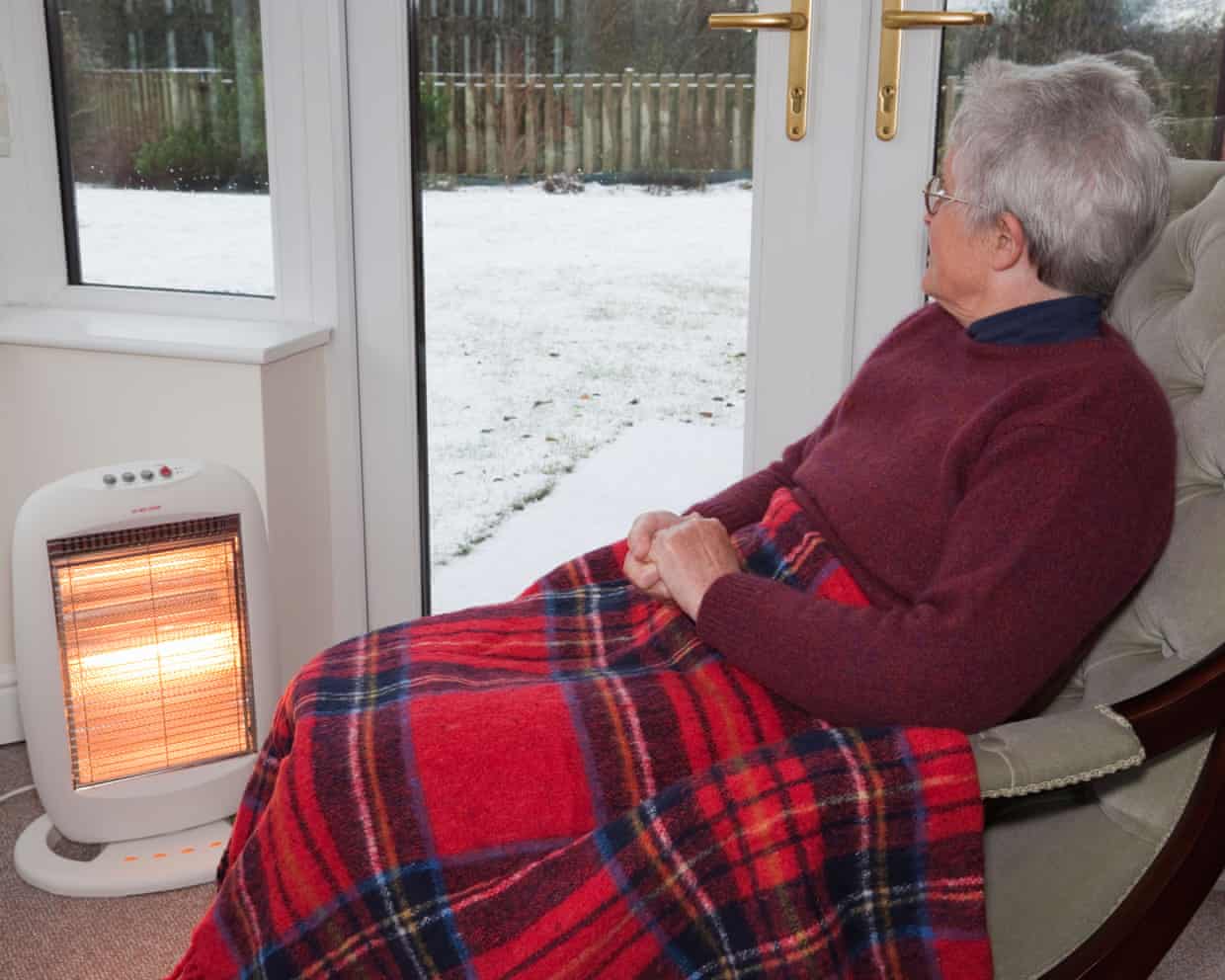
“Put your coat on or you’ll catch your death of cold.” It’s a common refrain that feeds the narrative that getting cold will make us sick. And it’s true that illnesses are more common during the winter months, but is it true that you are more likely to catch the flu if you forget your hat?Not exactly. Writing in The Conversation, medical microbiologist Manal Mohammed from the University of Westminster has explained that colds and flu are caused by viruses that spread either by respiratory droplets or person to person regardless of the temperature. However, there is a bit of truth in the idea – many viruses survive for longer in colder and dryer conditions, increasing the chances of them hanging around and infecting a fresh victim

Autistic girls much less likely to be diagnosed, study says
Females may be just as likely to be autistic as males but boys are up to four times more likely to be diagnosed in childhood, according to a large-scale study.Research led by the Karolinska Institutet in Sweden scrutinised the diagnosis rates of autism for people born in Sweden between 1985 and 2020. Of the 2.7 million people tracked, 2.8% were diagnosed with autism between the ages of two and 37
Wes Streeting to offer resident doctors bigger pay rise to end dispute
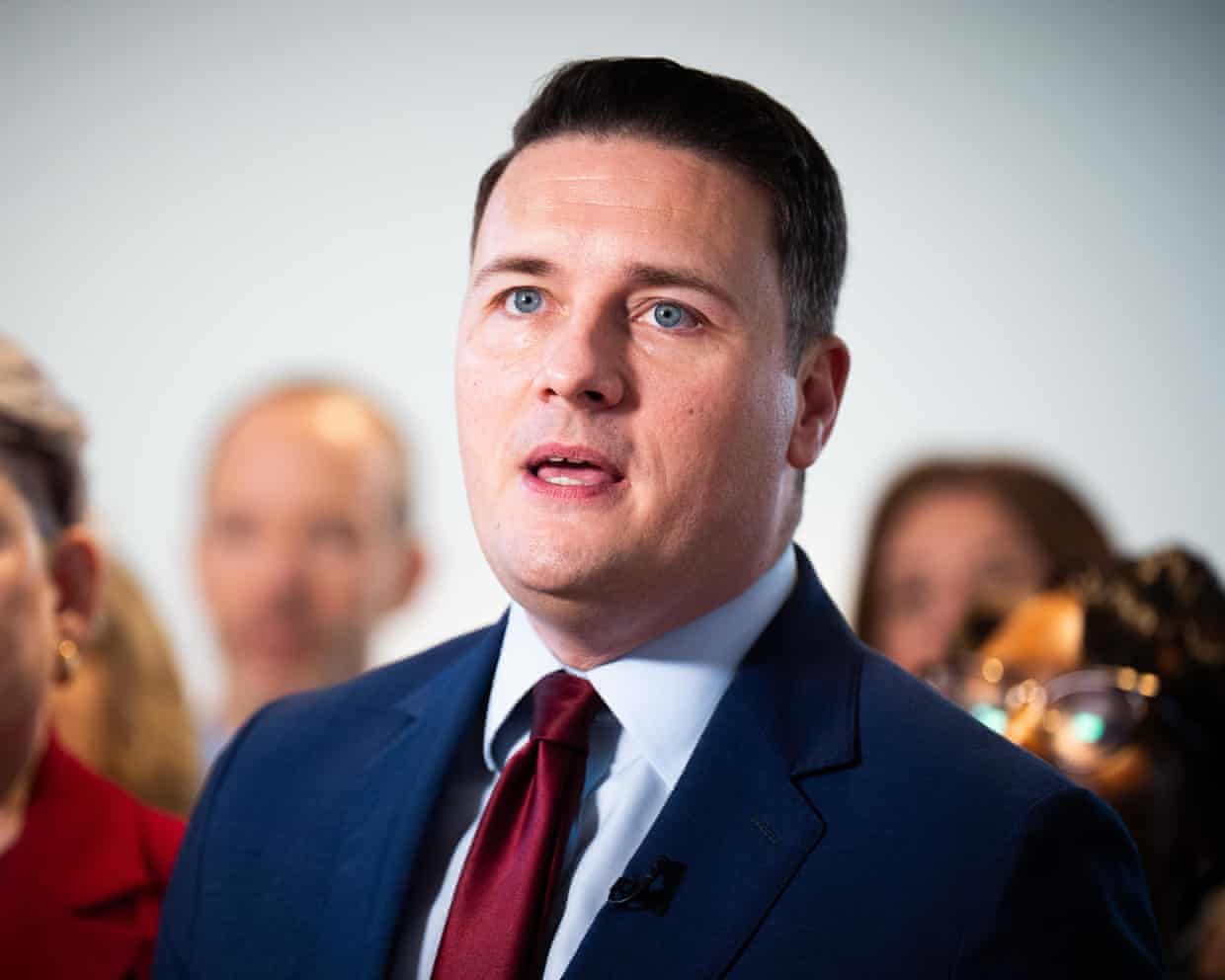
Wes Streeting is to offer resident doctors a bigger pay rise than other NHS staff in England as part of a new package of measures to try to end their long-running dispute.The health secretary also plans to guarantee resident doctors that hospitals will be fined if they do not give them good working conditions, such as rest areas and access to hot food.Streeting is looking at making a series of improvements to previous offers he has made, which may persuade the British Medical Association (BMA) to call off its nearly three-year-long campaign of industrial action.Senior figures in the NHS briefed on Streeting’s thinking are increasingly optimistic that the measures he is finalising may prove enough to break the deadlock before the third anniversary of the first doctors’ strike of the current dispute on 13 March 2023.The health secretary hopes that by offering to significantly improve – but for resident doctors only – the 2
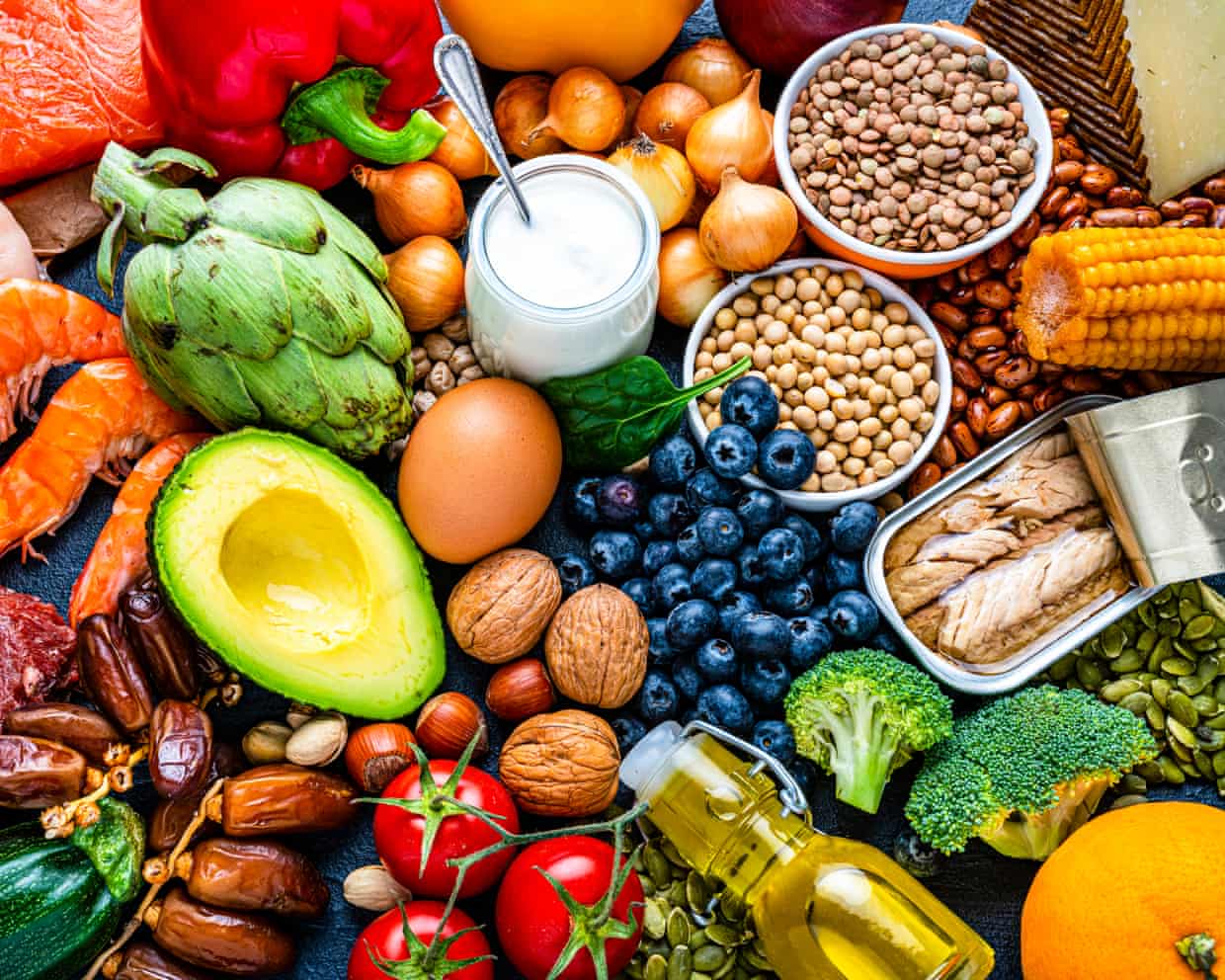
Mediterranean diet can reduce risk of stroke by up to 25%, long-term study suggests
A Mediterranean diet can reduce the risk of every type of stroke, in some cases by as much as 25%, a large study conducted over two decades suggests.A diet rich in olive oil, nuts, seafood, whole grains and vegetables has previously been linked to a number of health benefits. However, until now there has been limited evidence of how it might affect the risk of all forms of stroke.The study, published in Neurology Open Access, a journal of the American Academy of Neurology, shows an association but does not prove the Mediterranean diet causes a lower risk of stroke.However, experts not involved with the research welcomed the findings, and said there was “huge potential” to reduce a person’s chances of experiencing a stroke

Amazon shares tumble as $200bn AI rollout plan worries markets – business live

Stellantis takes €22bn hit after ‘overestimating’ pace of shift to EVs

Tell us: how have you been affected by falling cryptocurrency prices?

Hail our new robot overlords! Amazon warehouse tour offers glimpse of future
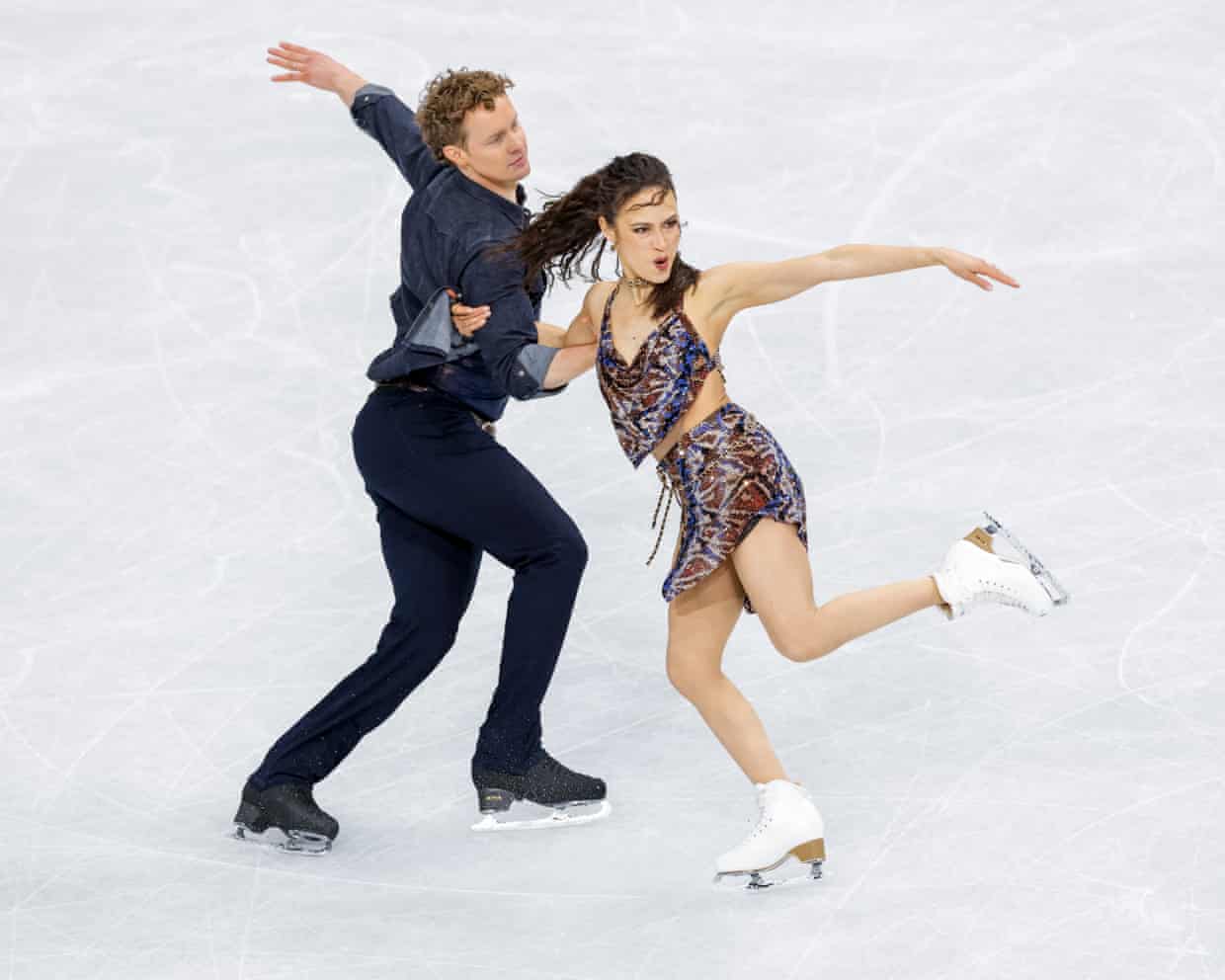
Chock and Bates power US team to open Olympic figure skating
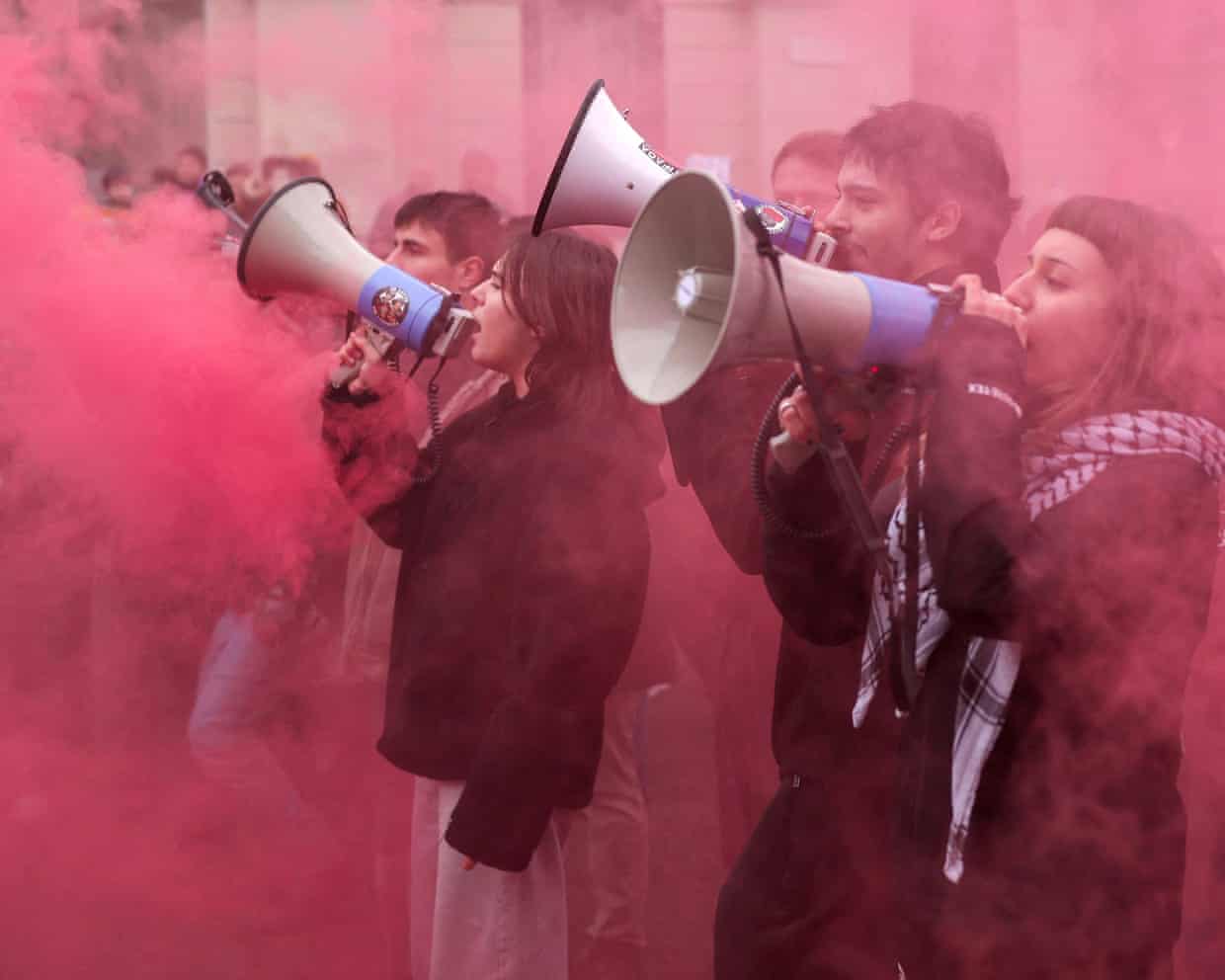
Winter Olympics 2026: Anti-ICE protests before opening ceremony, Vonn completes training run – live