Unhappy Verstappen ‘has to be listened to’ over new rules, says F1 chief Domenicali
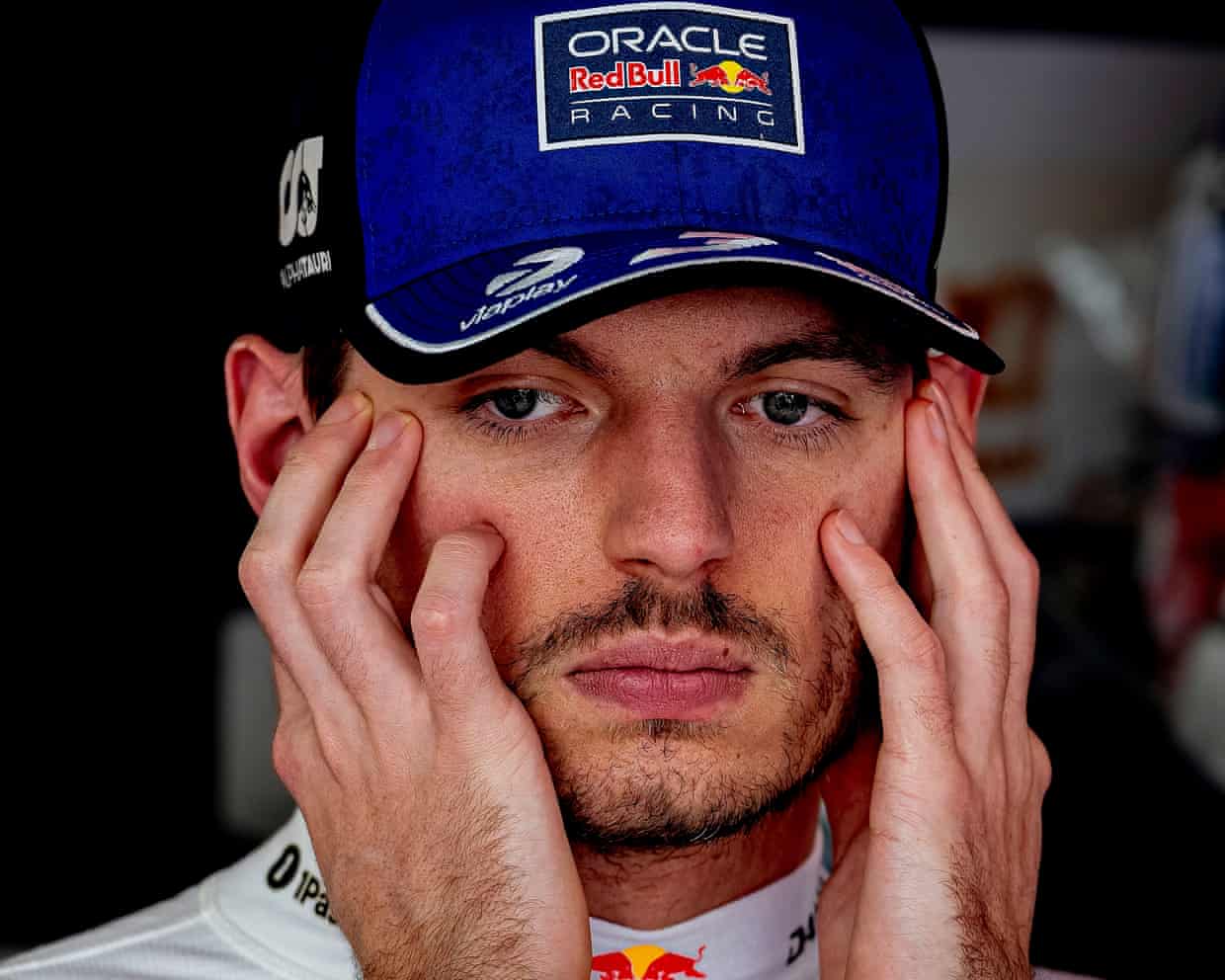
Formula One must listen to Max Verstappen’s grievances about the sport’s new regulations and their effects on racing, according to F1’s CEO, Stefano Domenicali.His intervention comes as key players hold meetings to consider adjusting the rules for the remainder of the season.Verstappen has been outspoken in his dissatisfaction with the new formula and the part energy management now plays in preventing being able to race flat-out.The four-time champion is not alone in his feelings with other drivers also critical of the deployment and recharging of electrical energy.Verstappen, one of F1’s biggest names, has been so disenchanted, however, that he has repeatedly suggested he is considering his future in F1 and Domenicali confirmed he had been speaking to the Dutchman and other drivers about their concerns.
“He’s the best driver, he’s a world champion, multiple world champion, and his voice has to be listened to,” Domenicali said in an interview with Autosport,While the Italian conceded F1 was taking drivers’ opinions into consideration, he cautioned that repeated criticism was not good for the sport,“With Max, we have spoken many, many times,” he said,“So we understand that I understand his comments and he understands the bigger picture,“Even today he has been in a meeting where he was very keen to give suggestions.
I don’t want to fall into the trap of trying to create an antagonism because that’s not me.It’s not the way we want to see that.“He knows his voice has a weight and he needs to respect that weight.Sometimes, some people can take it the wrong way and this is something we should not allow to happen.”Talks on the regulations are taking place this month between the sport’s governing body, the FIA, the teams, power-unit manufacturers and the commercial rights holders, Formula One Management.
Technical and sporting considerations from the opening three rounds and potential changes were discussed last Thursday with another technical meeting set for Thursday,This will be followed by a further meeting on 20 April for the senior representatives, including team principals and their CEOs, the power-unit manufacturers and Domenicali,Changes to the regulations will be decided then, subject to ratification by the world motorsport council,It is expected this will be in time for the next round in Miami on 3 May,There will be no adjustment to the engines, but it is expected the changes will focus on the parameters of energy recovery and deployment.
These can be adjusted to influence the effects of energy management in racing and safety.The latter was brought sharply into focus when Oliver Bearman suffered an accident at Suzuka because of the differing closing speeds of cars managing electrical energy in different modes at the same point on track.
Five key questions: who overruled decision to deny Mandelson security clearance?
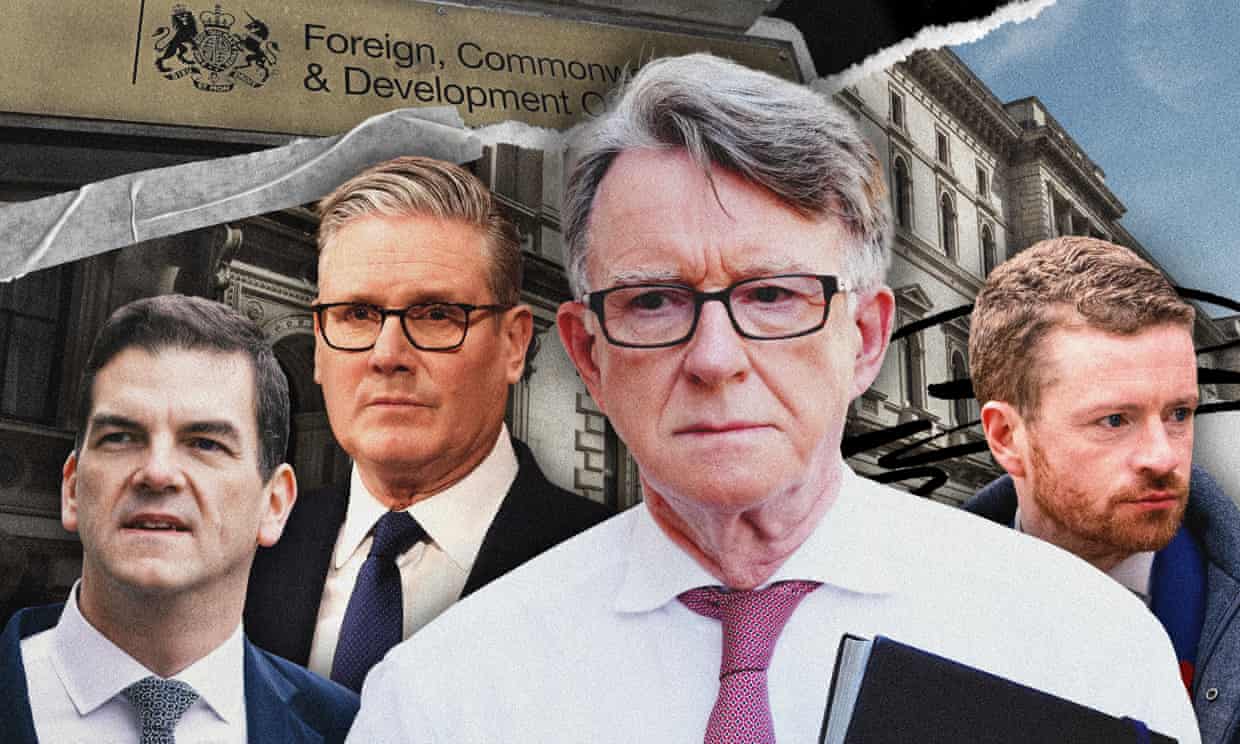
The revelation that Peter Mandelson failed his security vetting clearance, only for the decision to be overruled by the Foreign Office so he could take up his post as ambassador to the US, raises a number of questions.According to multiple sources, Mandelson was initially denied clearance in late January 2025 after a developed vetting process, a type of a highly confidential background check carried out by UK Security Vetting (UKSV), a division of the Cabinet Office.By that stage he had already been announced as Keir Starmer’s pick for ambassador in Washington. Within two days, the Foreign Office had overruled the UKSV decision, granting him clearance despite the recommendation from security officials. It is not known who made the decision to overrule security officials, or why
Officials debate withholding Mandelson vetting documents from parliament
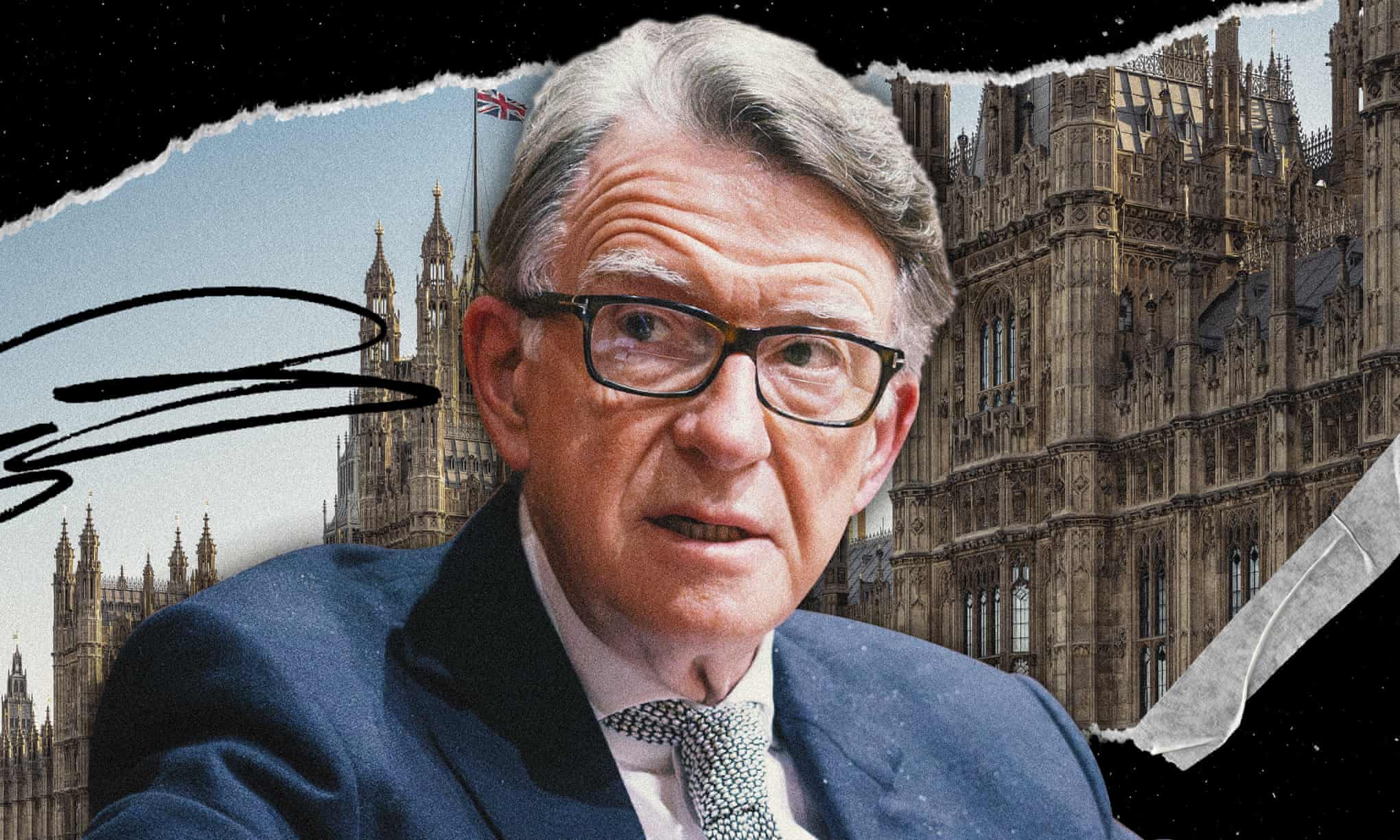
Exclusive: Opinions split on ‘unprecedented’ release of files, despite demand for ‘all papers’ related to ex-US ambassador’s appointmentRevealed: Mandelson failed vetting but Foreign Office overruled decisionFive key questions: who overruled decision to deny Mandelson security clearance?Senior government officials have been considering whether to withhold from parliament sensitive documents that show Peter Mandelson failed security vetting before he assumed the role of US ambassador, the Guardian can reveal.Any such decision could amount to an extraordinary breach of a parliamentary vote that ordered the release of “all papers” relevant to Mandelson’s appointment.The Guardian has revealed that Mandelson did not receive vetting clearance from security officials, but that their decision was overruled by the Foreign Office to ensure he could take up his post.According to multiple sources, officials across government have been in dispute over whether to release documents that would reveal those facts, and other information about Mandelson’s security vetting, to the parliamentary intelligence and security committee (ISC).The committee has been entrusted by parliament with the role of assessing the most sensitive papers relating to Mandelson’s appointment
Revealed: Mandelson failed vetting but Foreign Office overruled decision
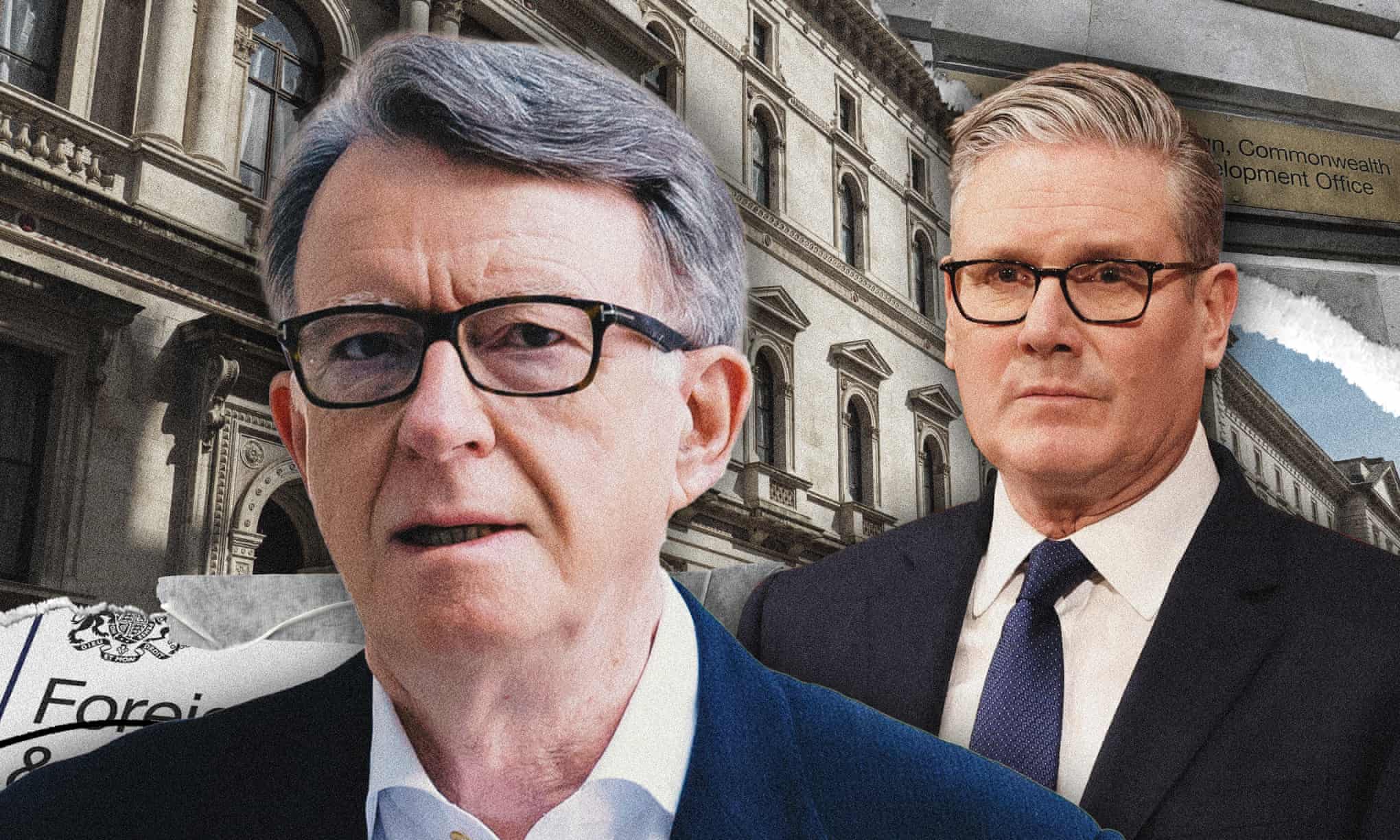
Guardian investigation uncovers decision by UK security officials to deny clearance before Mandelson took up role as US ambassadorOfficials debate withholding Mandelson vetting documents from parliamentFive key questions: Who overruled the decision to deny Mandelson security clearance?Peter Mandelson failed his security vetting clearance but the decision was overruled by the Foreign Office to ensure he could take up his post as ambassador to the US, an investigation by the Guardian can reveal.According to multiple sources, Mandelson was initially denied clearance in late January 2025 after a developed vetting process, a highly confidential background check by security officials.Keir Starmer had by then announced he would be making Mandelson the UK’s chief diplomat in Washington, posing a dilemma for officials at the Foreign Office, who decided to use a rarely used authority to override the recommendation from security officials.Mandelson’s failure to secure vetting approval has not previously been publicly revealed, despite intense scrutiny over his appointment and the release by the government of 147 pages of documents supposed to shed light on the case.Further documents are due to be released

Blue Labour gets bluer with MP’s noble quest for a summer of sex | John Crace
We could almost be back in the San Francisco of the 1960s. Tune in, turn on, drop out. Make love not war. A hippy counterculture that turned its back on the American involvement in Vietnam. One determined to shape a new world order
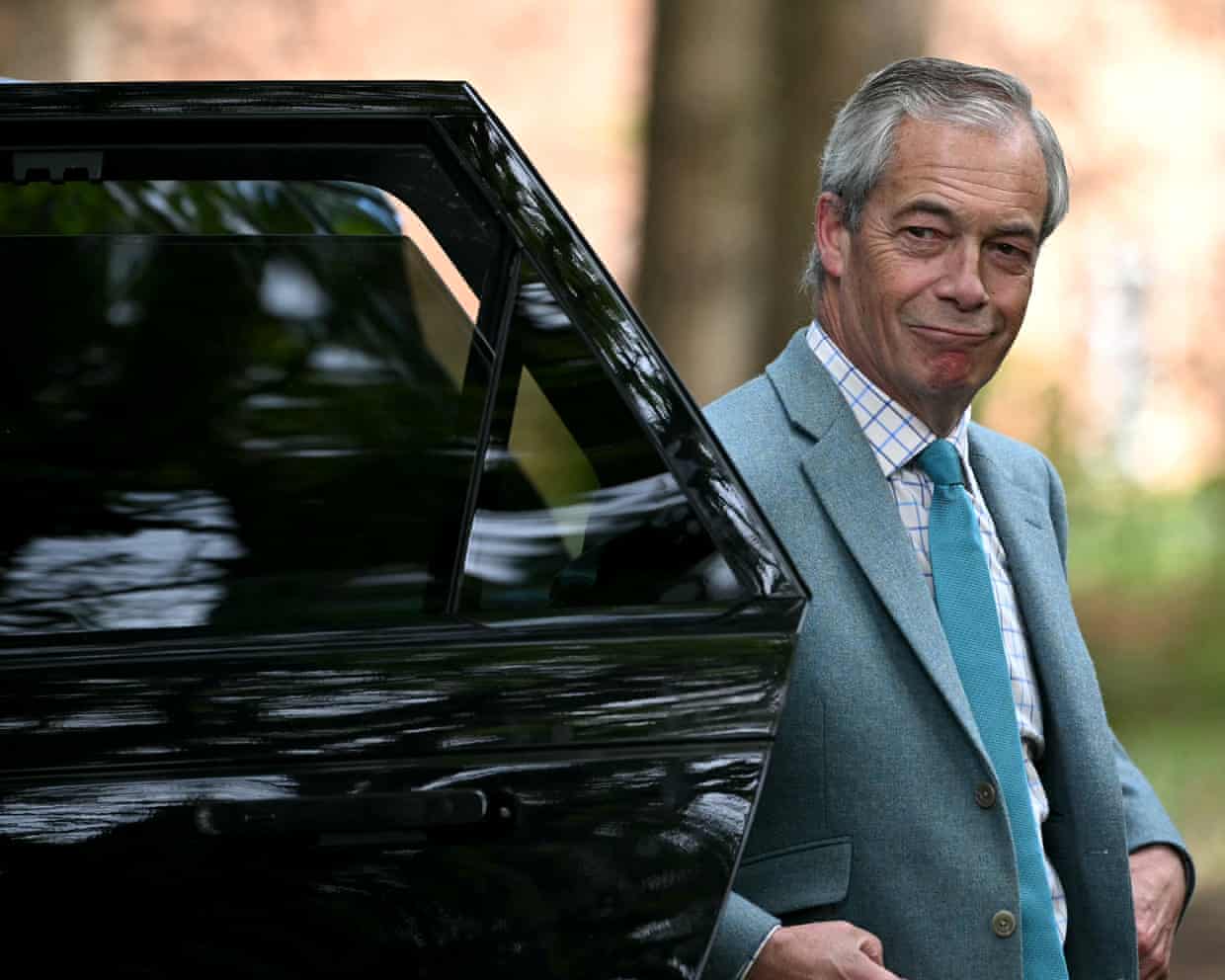
CEO of bitcoin firm championed by Nigel Farage leaves company
The chief executive of a bitcoin company promoted by Nigel Farage has left his role as the venture attempts to convince investors that it is going to deliver “long-term value” for shareholders.Stack BTC was launched to much fanfare in March this year, with Farage and former chancellor Kwasi Kwarteng becoming some of its first shareholders. The company says its founder is Paul Withers, a friend of the Reform UK leader who owns a gold bullion company that Farage has also promoted, Direct Bullion.However, Stack BTC is a renamed company which was founded in 2021 by Jai Patel, whose departure as chief executive was announced on Wednesday. The company, formerly called Kasei Investment Holdings, invested in cryptocurrency and a range of other digital assets
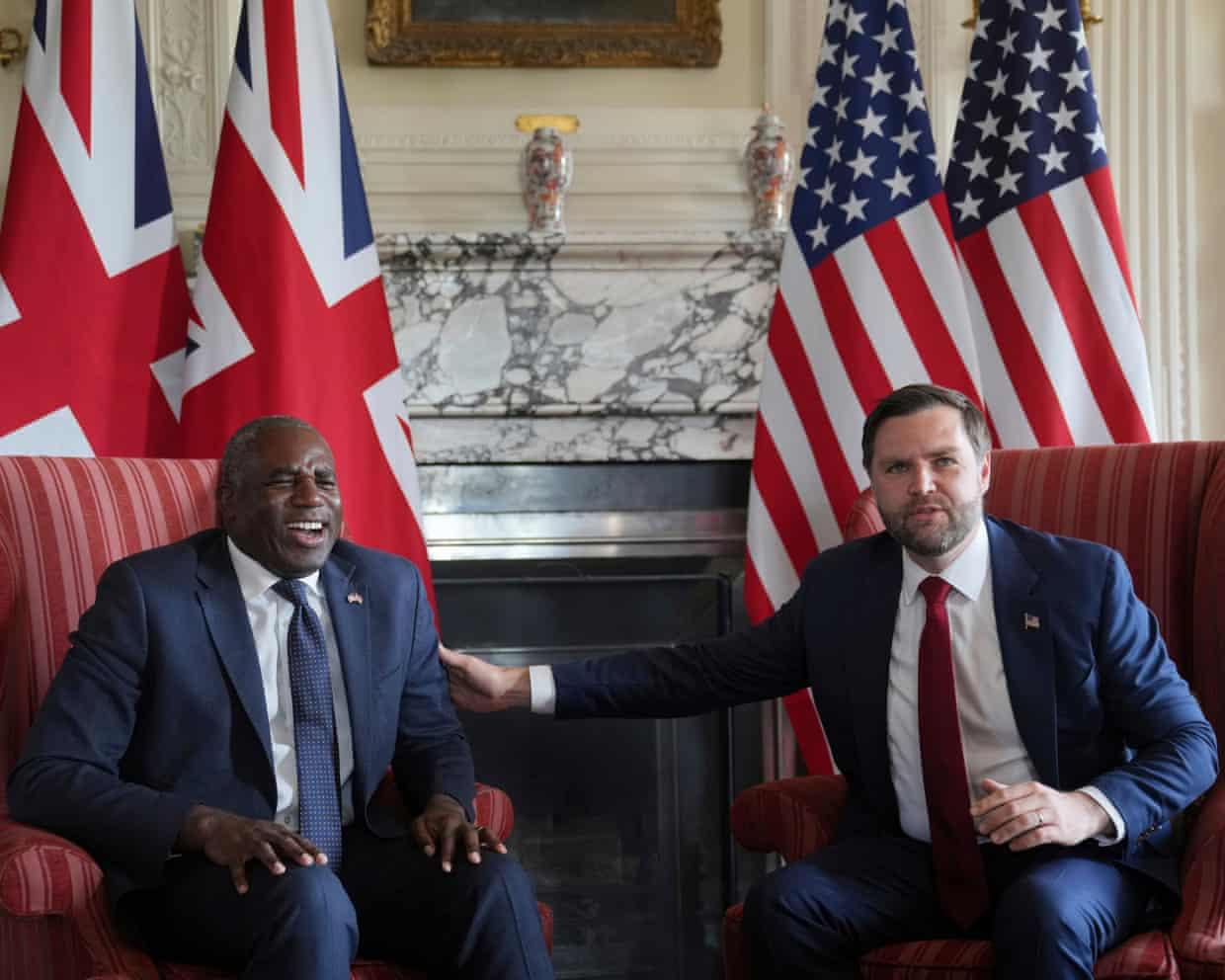
David Lammy still plays an important role in UK foreign policy – but he is not the only one
The first foreign official JD Vance met with after he returned from peace talks with Iran in Islamabad this week was not a diplomat or foreign policy official – it was David Lammy, the UK’s justice secretary and deputy prime minister.Lammy will follow his trip to Washington, where he saw the vice-president and the secretary of state, Marco Rubio, with another to Barcelona, where he will represent the UK at a conference of global progressives, and then one to the Gulf.The whistle-stop diplomacy from the former foreign secretary has prompted questions in Whitehall over who is really driving the government’s foreign policy at a time when it is more important than ever.“Obviously the prime minister is in charge of the government’s foreign policy, especially when it is so important domestically as well,” said one government official.“Beneath him though there are quite a lot of people all of whom are doing slightly different jobs and who think of themselves as the real foreign secretary
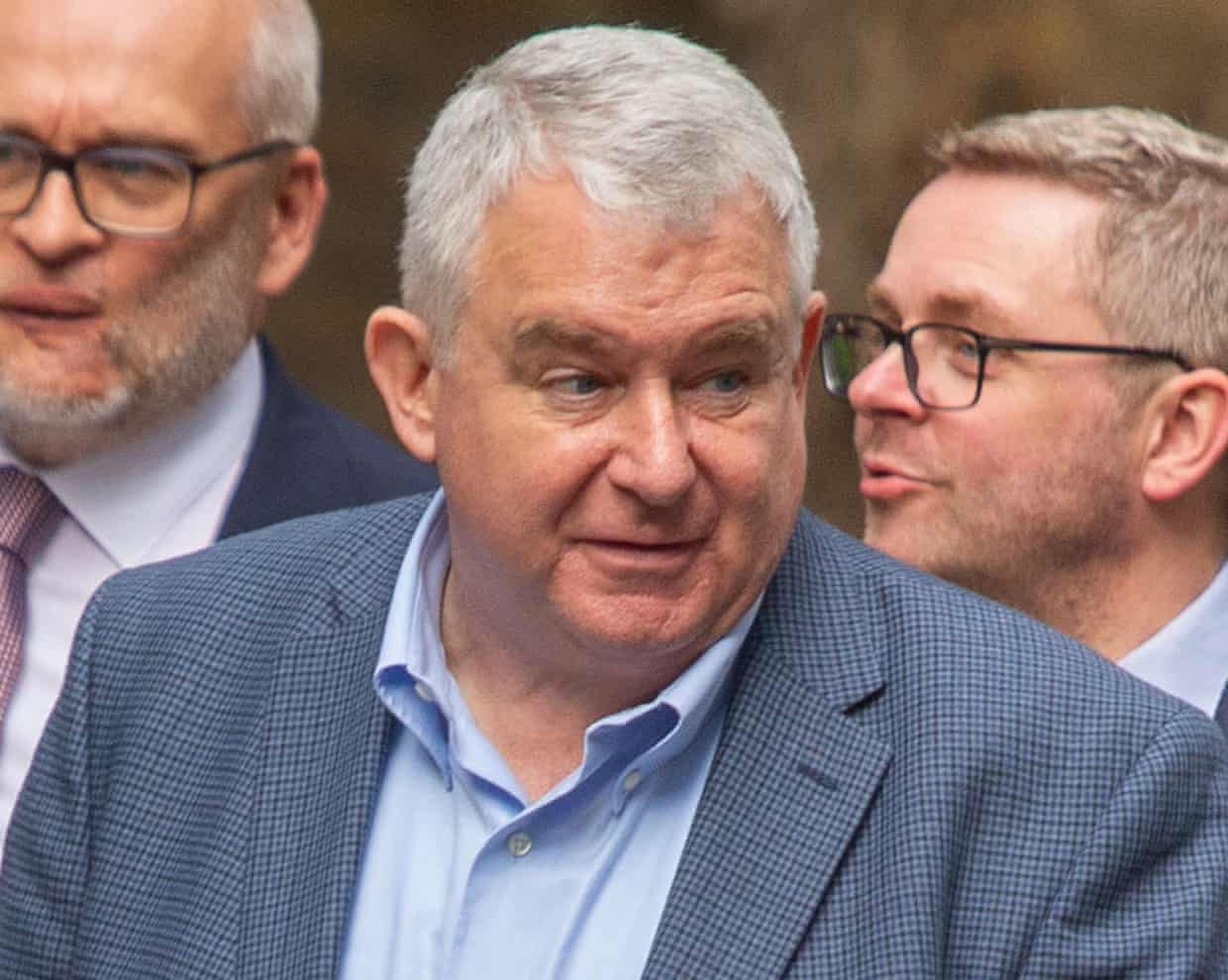
Metro Bank boss handed record £2.6m after slashing 1,000 jobs
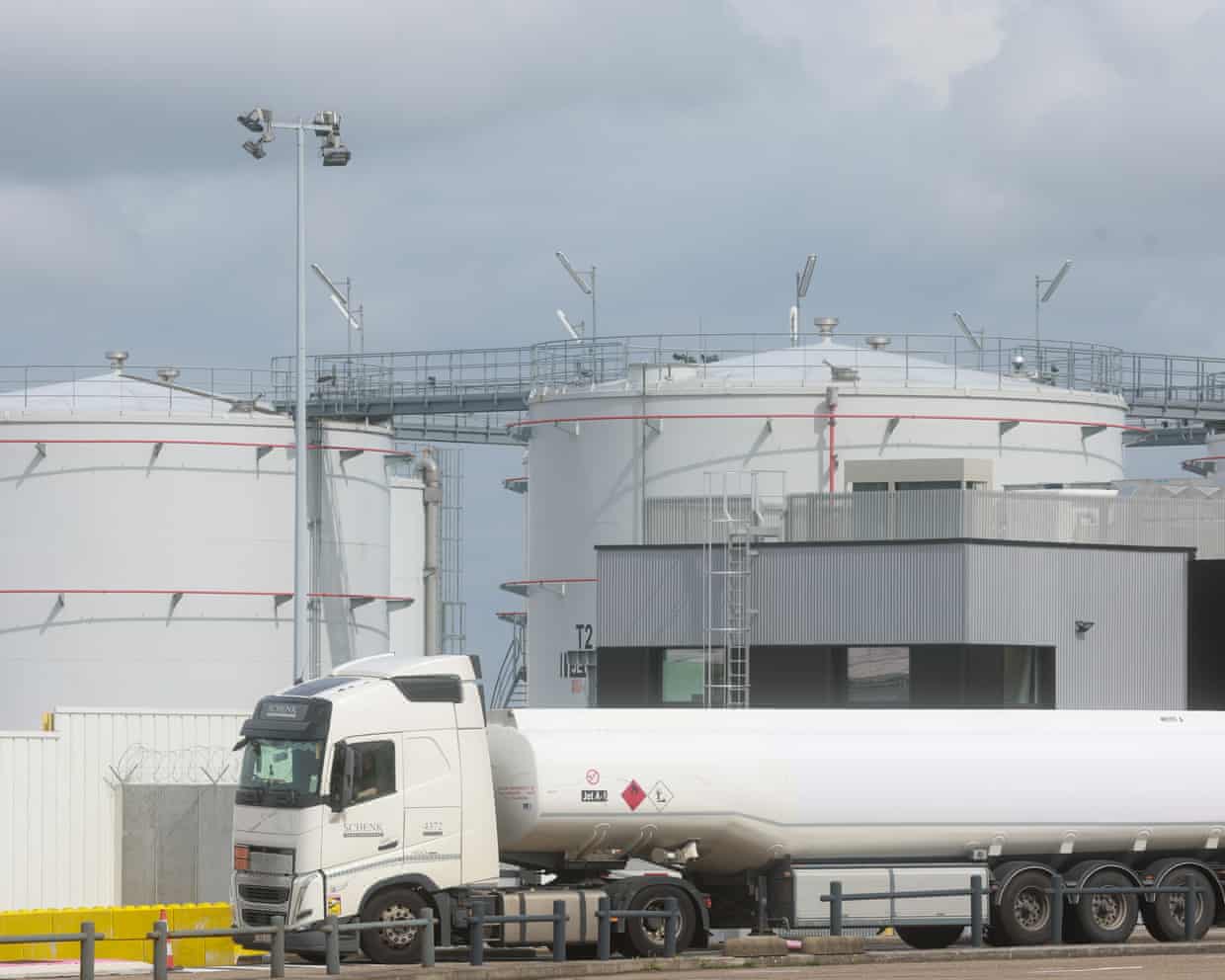
Europe has ‘maybe 6 weeks of jet fuel left,’ energy agency head warns – business live
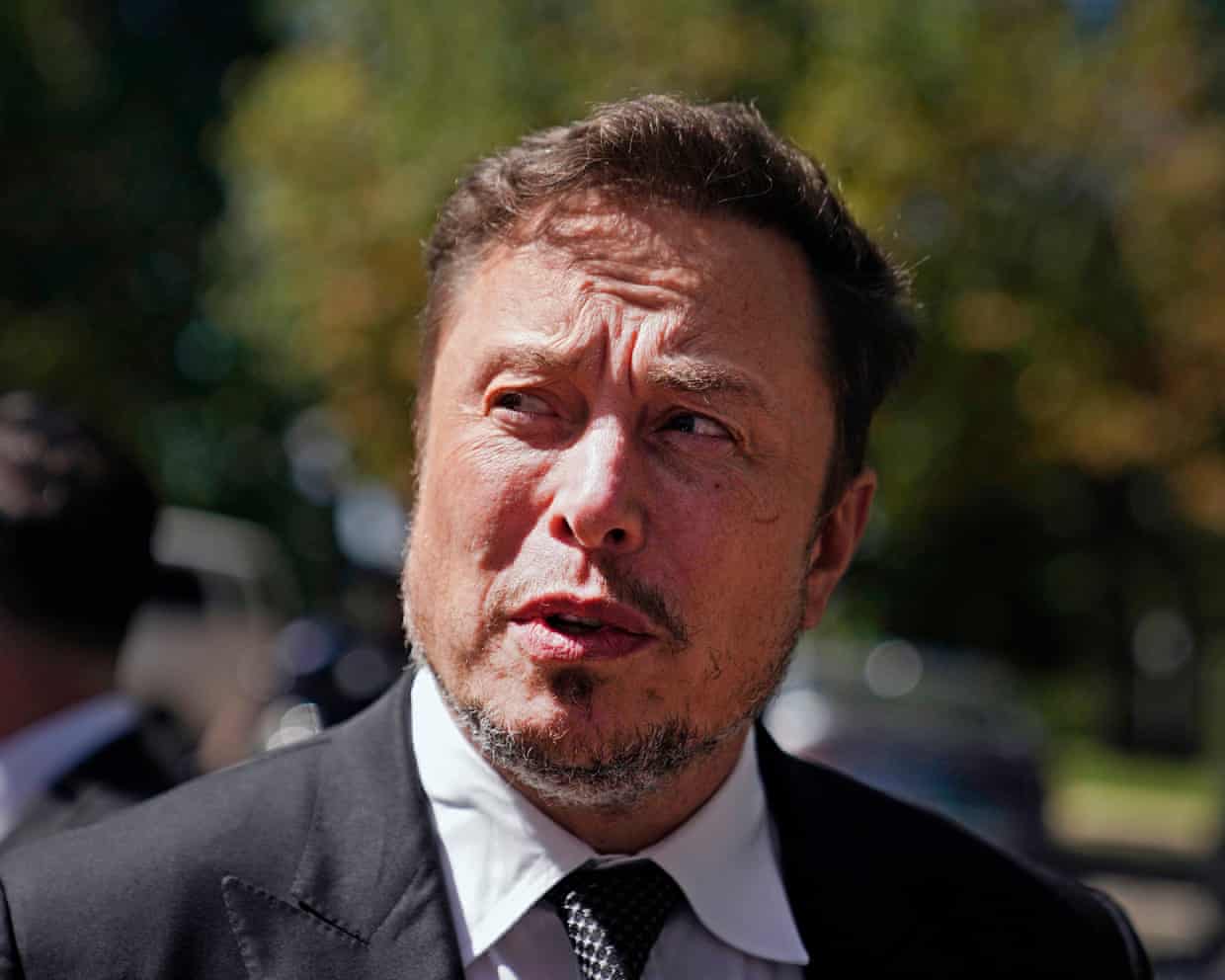
NAACP lawsuit accuses Elon Musk’s xAI of polluting Black neighborhoods near Memphis
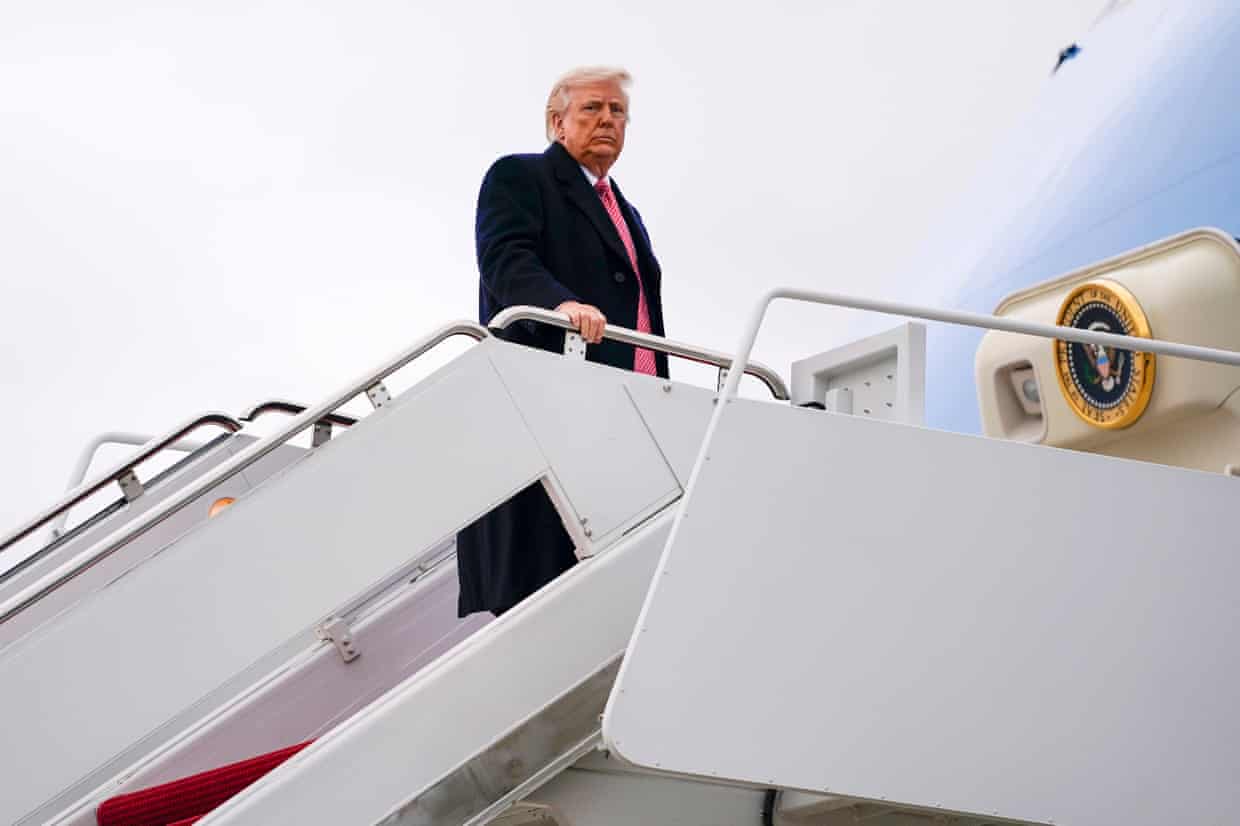
Fisa surveillance vote sparks fierce debate as Congress splits on warrantless monitoring
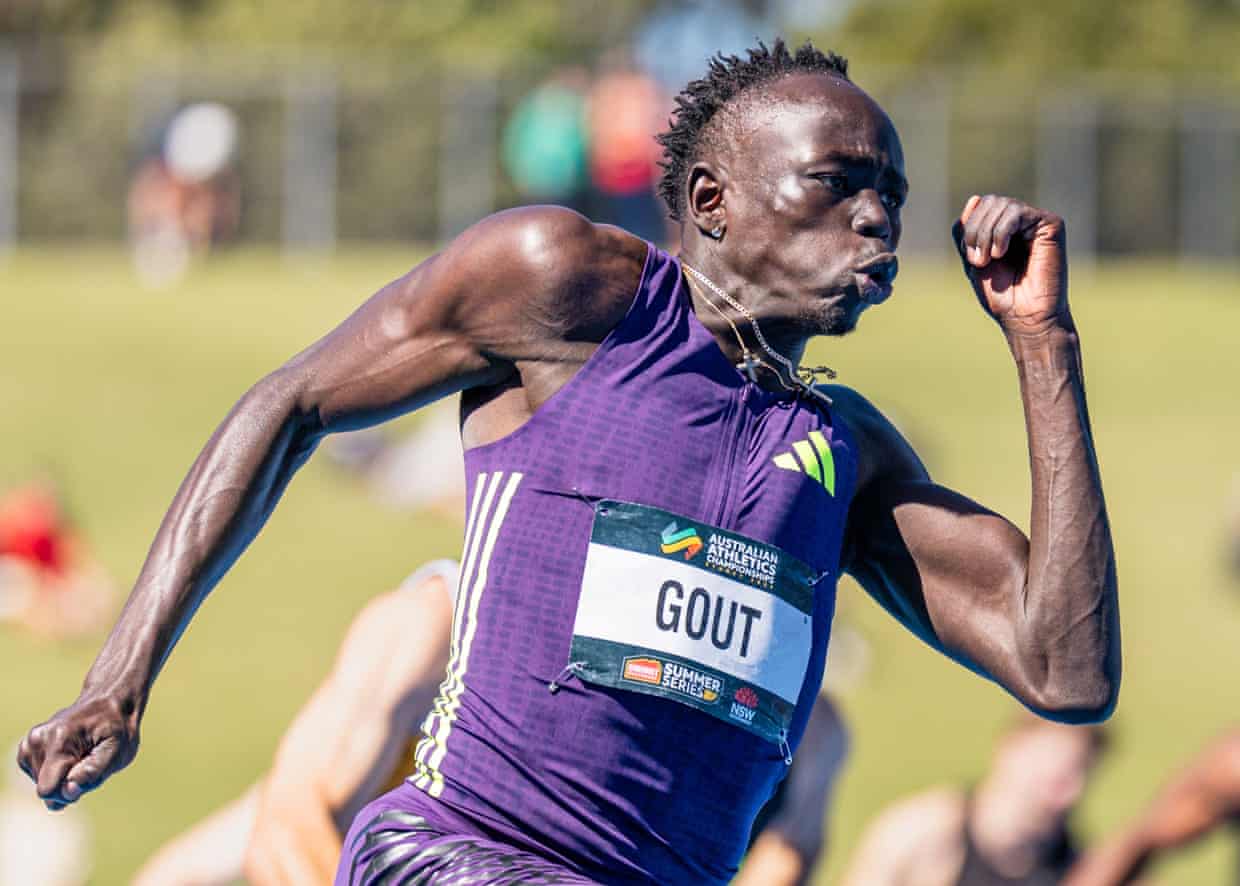
Gout Gout may be bigger than Cathy Freeman, but he alone is not athletics’ elixir
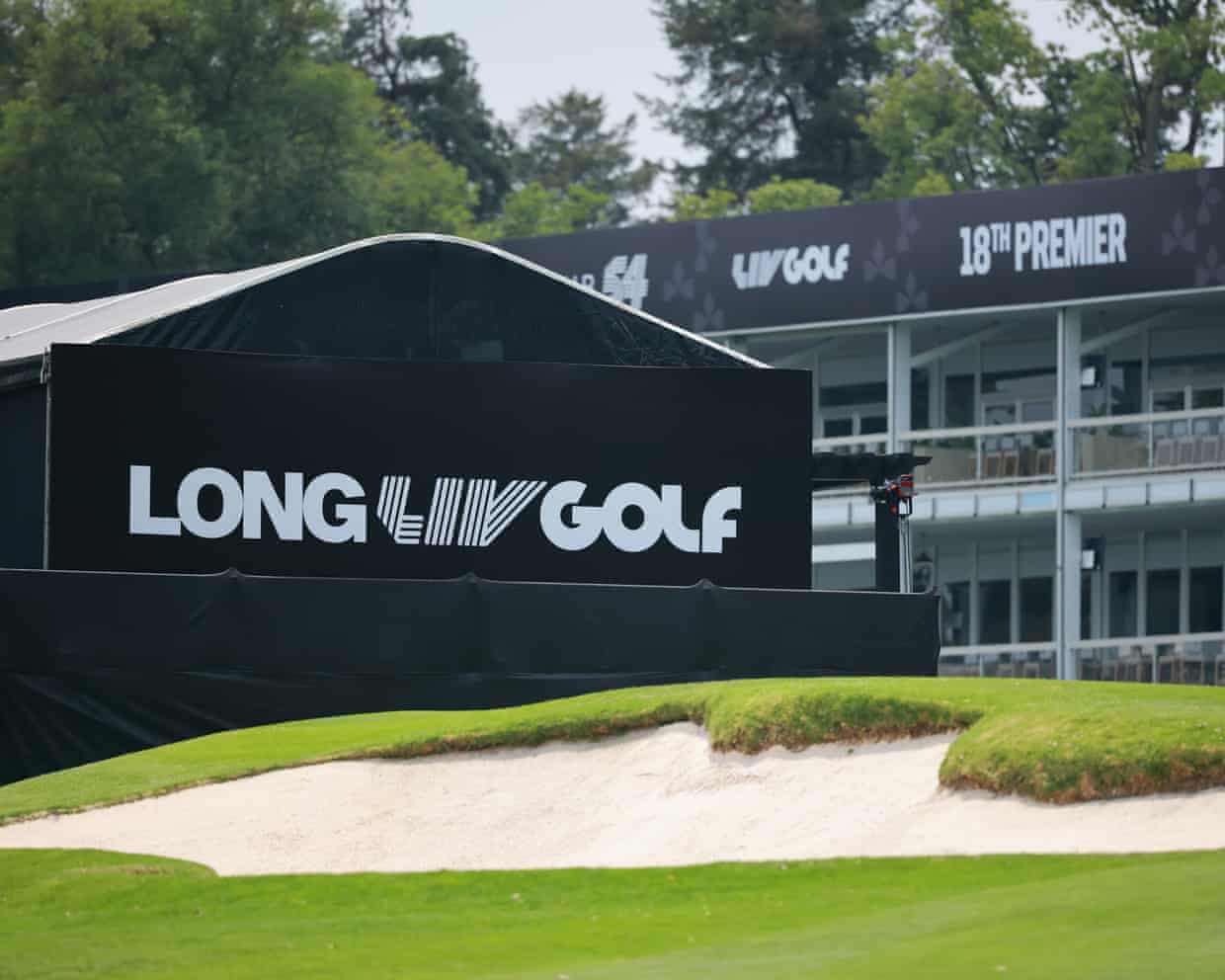
LIV Golf insists season will go ahead ‘at full throttle’ amid doubts over future