Rory McIlroy holds nerve to be the Master again as rivals succumb to tension
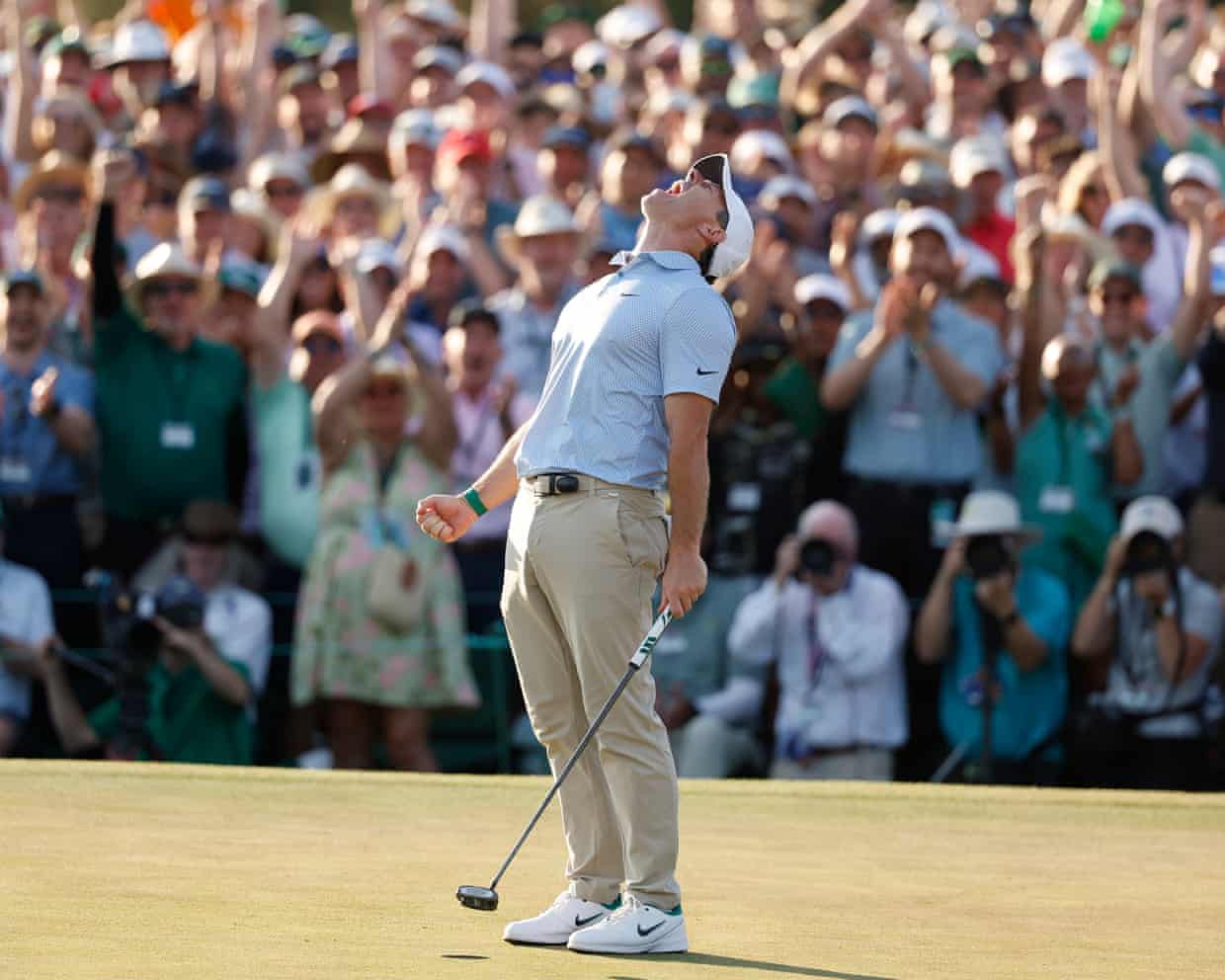
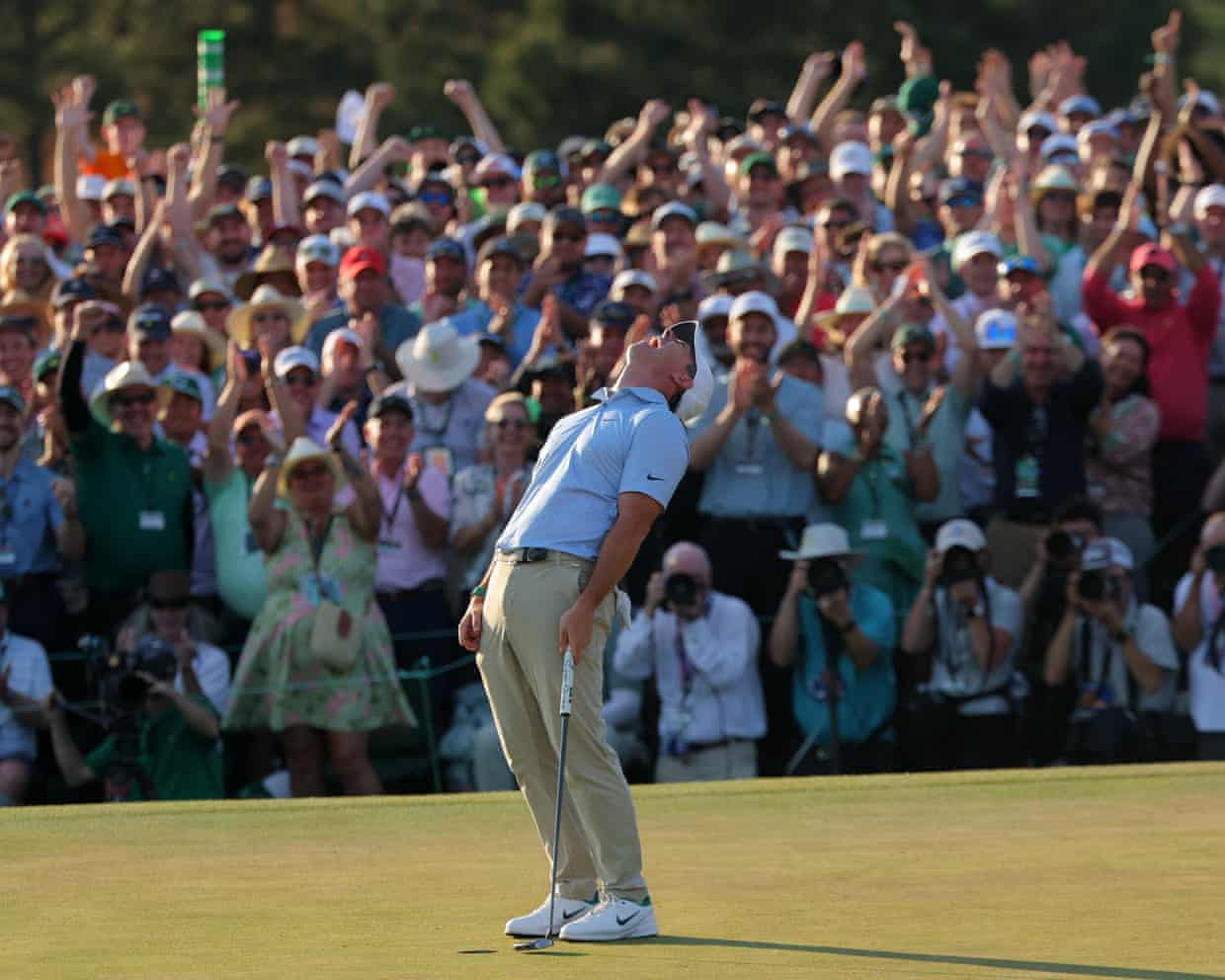
You are left wondering how on earth Augusta National managed to inflict such psychological torture on Rory McIlroy for all those years.Or maybe that is precisely the point, that McIlroy’s ending of his Masters hoodoo in 2025 placed him into a fresh head space where failure is not an option.It turns out Green Jackets are like London buses.Back in Augusta, where he became only the sixth man in history to complete a career grand slam, McIlroy entered the record books once more.He is now the fourth golfer to successfully defend the Masters, after Jack Nicklaus, Nick Faldo and Tiger Woods.
As a six-time major winner, he has surpassed Seve Ballesteros.What next, Rory? He could walk on Rae’s Creek.McIlroy’s latest Masters triumph arrived with the 36-year-old considerably short of his best for much of the tournament.That only emphasises his excellence.McIlroy was emotional when paying tribute to his parents, who watched on at the prize ceremony.
“I wanted to come back here and prove last year wasn’t a fluke,” he said.“The Masters continues to be the shining light of the majors.I am so honoured and thrilled to win for a second time.”McIlroy’s genius has taken him into the pantheon of golfing greats.His propensity for involvement in high drama is what makes his journey so utterly compelling.
McIlroy held a six-shot lead at halfway in this major, which had vanished after 54 holes.The Northern Irishman’s swing had lost its wonderful, distinctive rhythm.As McIlroy made a double bogey at the 4th on Sunday, before dropping a further shot at the 6th, obituaries were being prepared.Those who doubted McIlroy ignored not only his talent but his tenacity.He was unwilling to give up his Masters title.
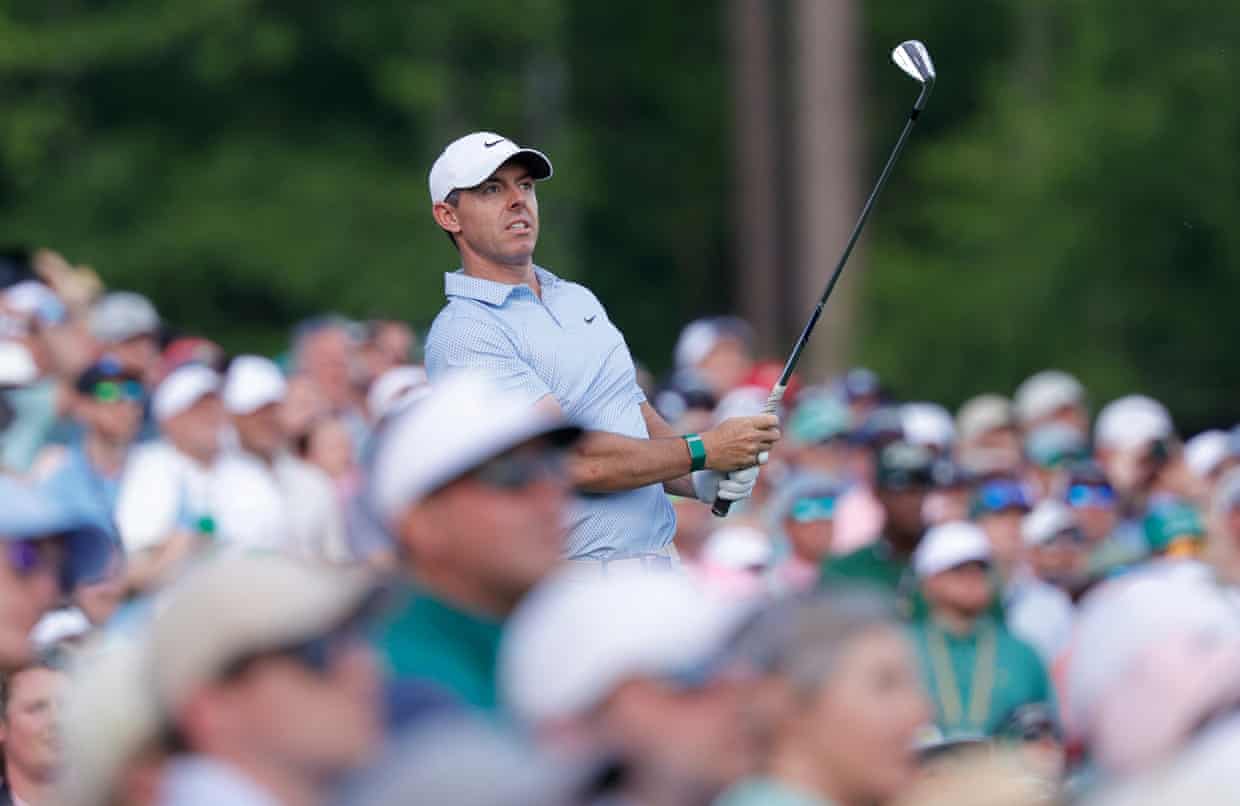
Under blazing Georgia sun, on a course rendered especially tricky by gusting wind, McIlroy roared back.He made birdies at the 7th and 8th before making a statement at the 12th, where a two placed the same number of shots between McIlroy and the field.With a birdie at the 13th, McIlroy was three clear.He had obliterated the par five with a 350-yard drive.Mere mortals wonder how on earth you could feel your arms in this sporting scenario.
McIlroy looked shaky on the 15th, where he drove into timber on the right,His third shot, a relatively straightforward chip, was closer to the pond than he would have fancied,Murmurs shot out from the galleries once more at the 16th, where McIlroy’s iron bounded over the green,He had to play the closing three in plus one at worst to avoid a playoff,Augusta messes even with the emotions of its champions.
Scottie Scheffler emerged as McIlroy’s main threat,Well, he is not the world No 1 without reason,Had Scheffler’s putter behaved even to a moderately greater level than was the case over 72 holes, he could have won the Masters at a canter,Instead, frustrations on the greens ended Scheffler’s hopes of a third Green Jacket,Scheffler made a birdie at the 3rd to move to minus nine.
A run of 11 pars in a row was barely any use from there but Scheffler’s status is such he can never be discounted,He made birdies at the 15th and 16th before leaving an opportunity agonisingly above ground on the 17th,As Scheffler’s second to the last trickled back off the front of the green, his race was run,The only player who could hurt McIlroy was McIlroy himself,His putt from behind the 16th putting surface was magnificent.
Par.Seventeen, par.Even a bogey at the last was irrelevant.Record books will show McIlroy won by one, at 12 under par, after a 71.With Scheffler the runner-up, third at 10 under was shared by Tyrrell Hatton, Justin Rose, Russell Henley and Cameron Young.
Falling marginally short in back-to-back Masters will sting Rose,His day started in electric fashion, courtesy of a chip-in at the 1st,As Rose played an extraordinary approach to the 7th, through trees and to within a foot of the cup, it looked as if this could be his time,Rose held the lead, at 12 under, with three birdies in a row from the 7th,A wayward approach to the 11th and a loose tee shot on 12 hauled the Englishman back into the pack.
Rose, typically, refused to give up and moved back to within two of McIlroy at the 15th.But Rose missed a tiddler for par at the 17th, which curtailed his latest shot at glory.Hatton had marauded through the field, courtesy of a 66 which set 10 under as the clubhouse lead with the final groups navigating Amen Corner.Hatton’s first round of 74 cost him here, given the playing of subsequent holes 12 under.Collin Morikawa’s surge to nine under is worth of huge credit given the back problems that plagued the two-time major winner during Masters week.
“I’m going to remember this one for many reasons,” Morikawa said.“Mostly how strong the mind is, to be able to go out and convince yourself that everything is going to be OK.”Golf.A sport played between the ears.McIlroy, not content with defeating Masters demons, is determined to turn Augusta National into his playground.
From soups and greens to roots, how to survive the ‘hungry gap’
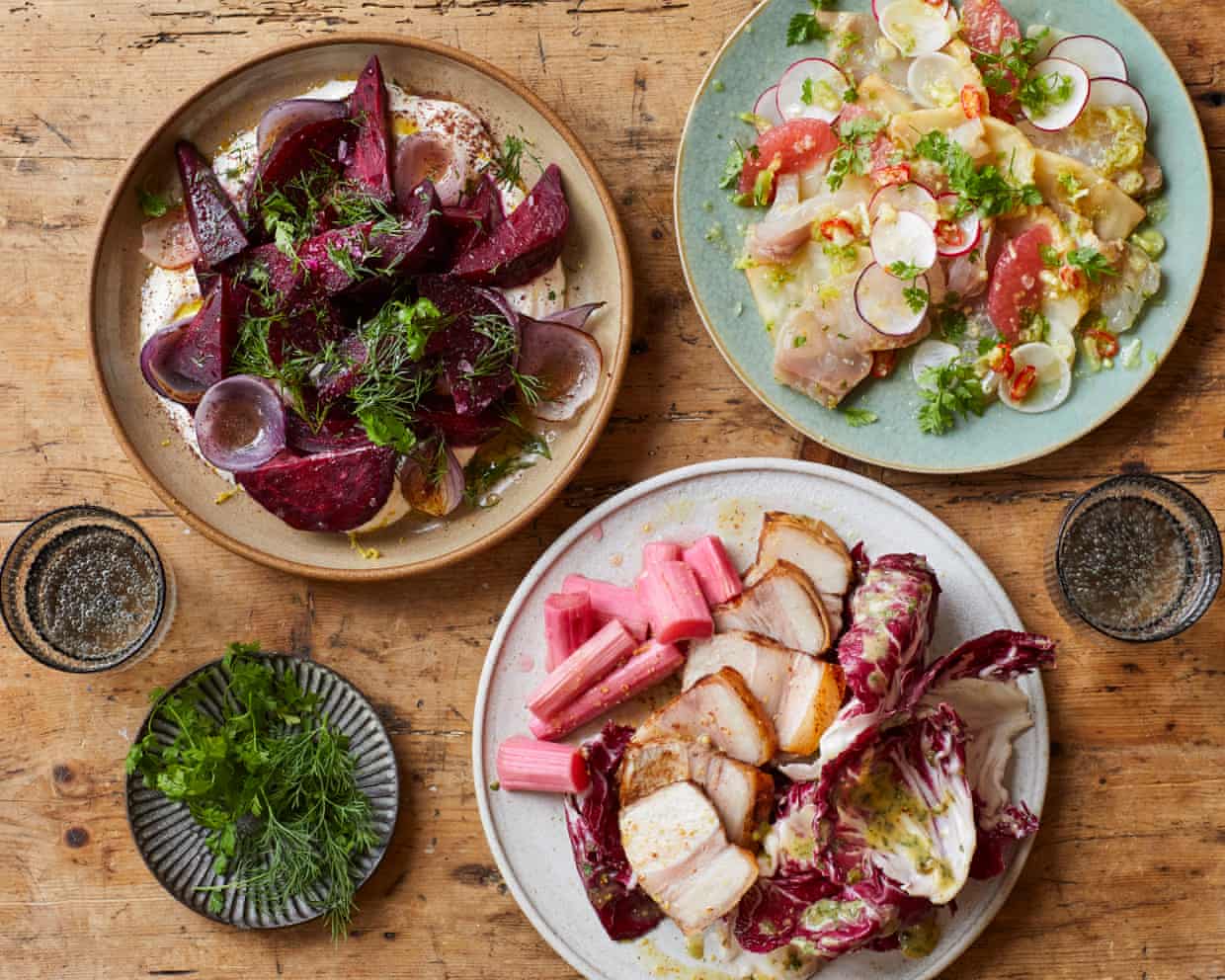
Spring may have firmly sprung – I write this with a view of vivid yellow forsythia blossom in next door’s garden, and the melodious warble of full-throated birdsong – but though the greenery may be flourishing in our gardens, it’s a different story at the farmers’ market. Despite a few spindly spears of asparagus and miniature jersey royals making an appearance on our Easter tables last weekend, the new season of British produce doesn’t kick off in earnest for another few weeks yet. That means we’re now heading into the so-called “hungry gap”, an annual quirk of our relatively northern latitude, when temperatures are too high for much winter veg such as kale and brassicas, but too low for the more delicate likes of peas and broad beans to ripen – let alone high-summer treats such as berries, squash and stone fruit.Happily, many hardy winter crops store well, and are versatile enough to shake off their heavy winter coat of cream and butter in favour of a lighter treatment. The late Skye Gyngell gifted us a carrot, celery, farro and borlotti bean soup, Nigel Slater has an early spring laksa with purple sprouting broccoli (and some spinach, which I suspect you could use frozen), and Nicholas Balfe offers a ceviche with celeriac and a baked beetroot dish (pictured top) – both of which look just the thing to wake up your taste buds
Rachel Roddy’s recipe for hazelnut and chocolate cake | A kitchen in Rome
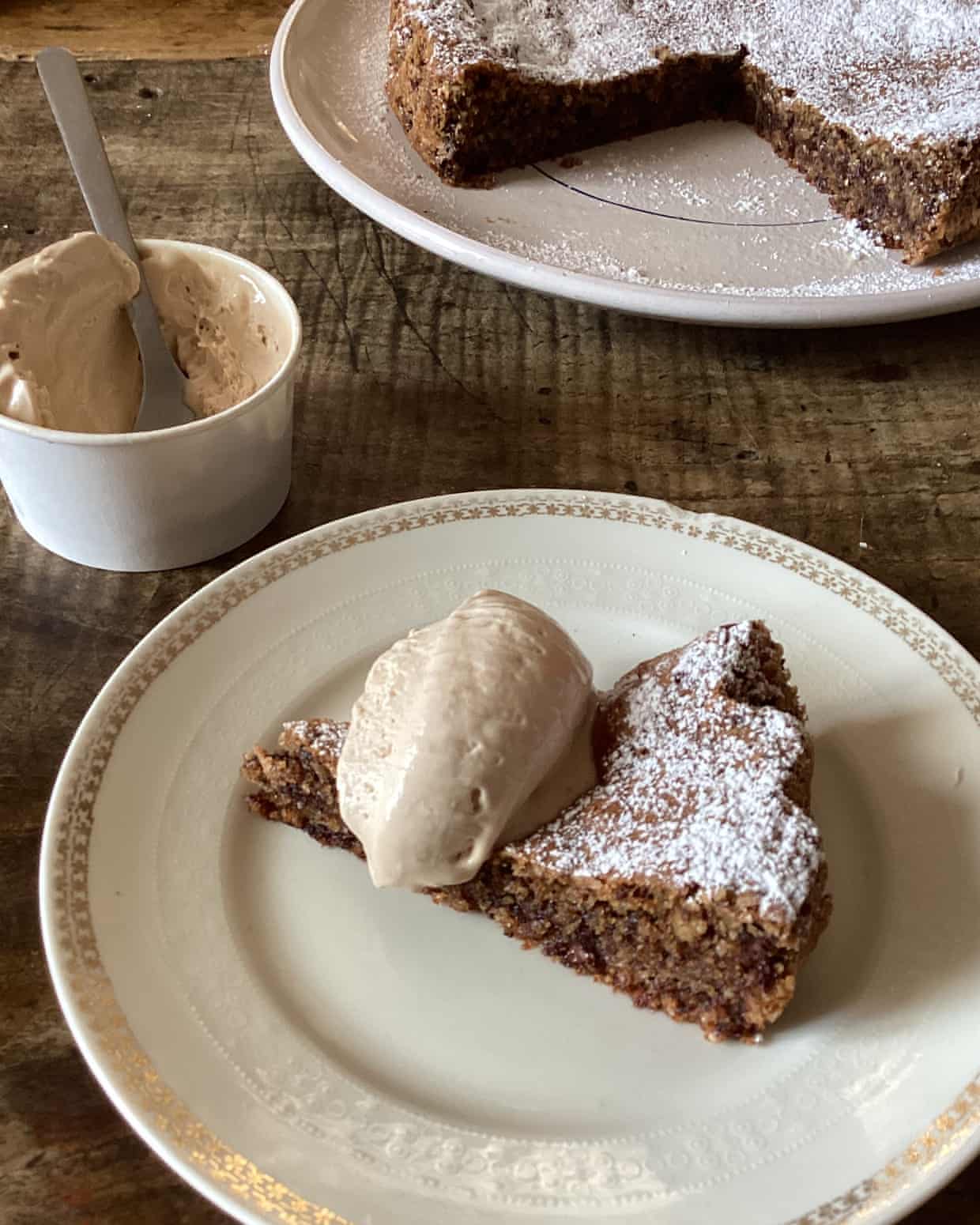
Having been kept waiting for three hours, Dick Dewy leaves Miss Fancy Day snipping and sewing her blue dress. The plan is that he will return for her a quarter of an hour later, however, Dick convinces himself that he has been scandalously trifled with by Fancy and decides that, to punish her, he will not return. Instead, he leaps over the gate, pushes up the lane for two miles, takes a winding path called Snail-Creep, and crawls through the opening to the hazel grove in Grey’s Wood.Getting a class of 15-year-olds to relay/read the opening of chapter four of Under the Greenwood Tree, which is memorably entitled “Going Nutting”, is an extremely effective way to engage them with the majesty of Thomas Hardy. And the title is nothing compared to the line (as Dick vanished among the bushes): “Never man nutted as Dick nutted that afternoon
How to make cauliflower cheese using the whole plant – recipe | Waste not
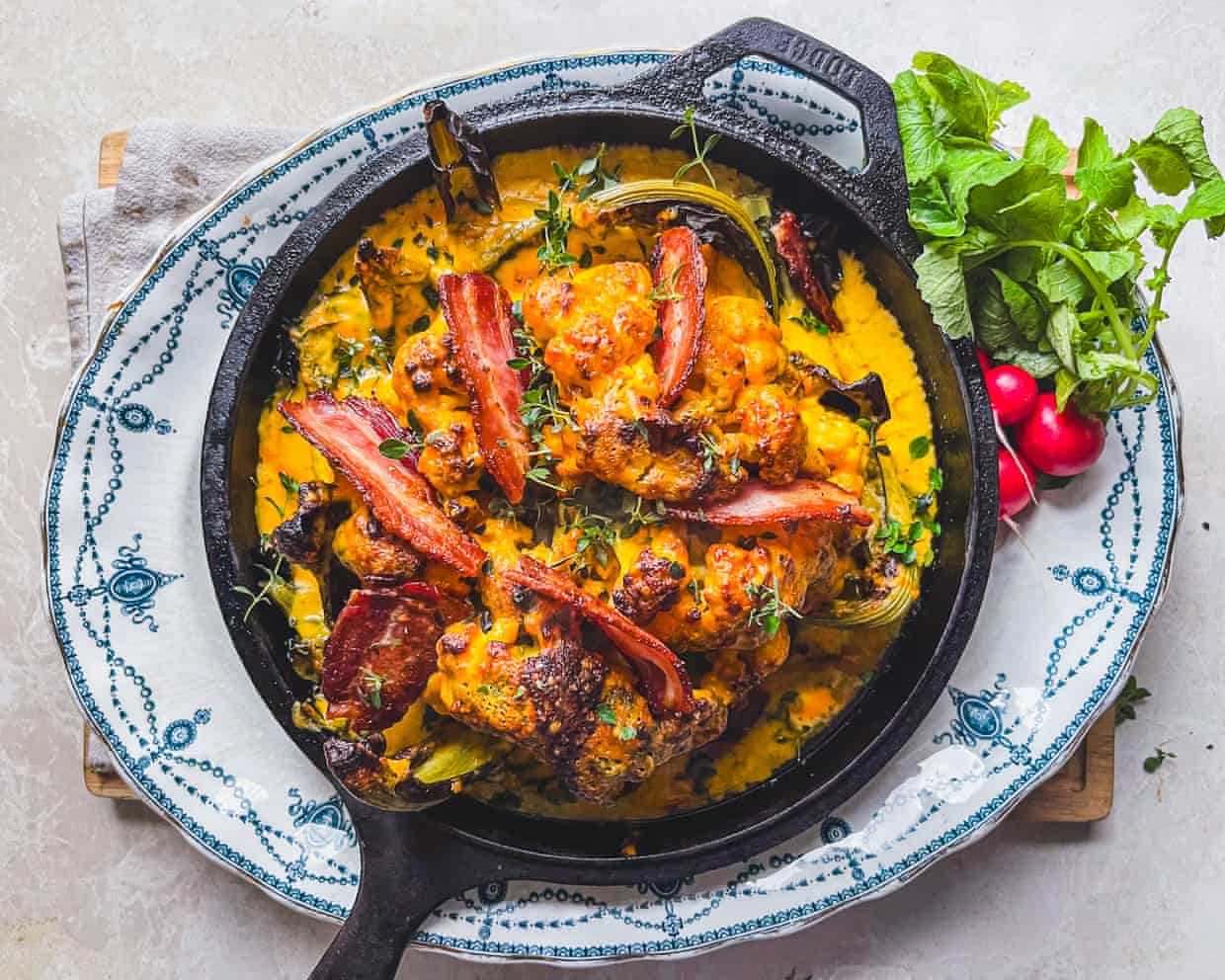
This recipe, adapted from one in my cookbook, is a very elaborate way to serve humble cauliflower cheese. The whole plant, including the leaves and core, is seasoned with nutmeg and roasted, and it’s then dressed with a satisfying layer of rich cheese sauce and grilled until charred and bubbling. Choose a cauliflower with plenty of leaves, because they go deliciously crisp when roasted.This is perhaps the most decadent cauliflower cheese I’ve ever made. Inspired by an orange-coloured cauliflower I found sitting proudly in a box at my local Brockley Market in south London, I decided to make a vibrant and very orange cauliflower cheese using red leicester cheese and turmeric
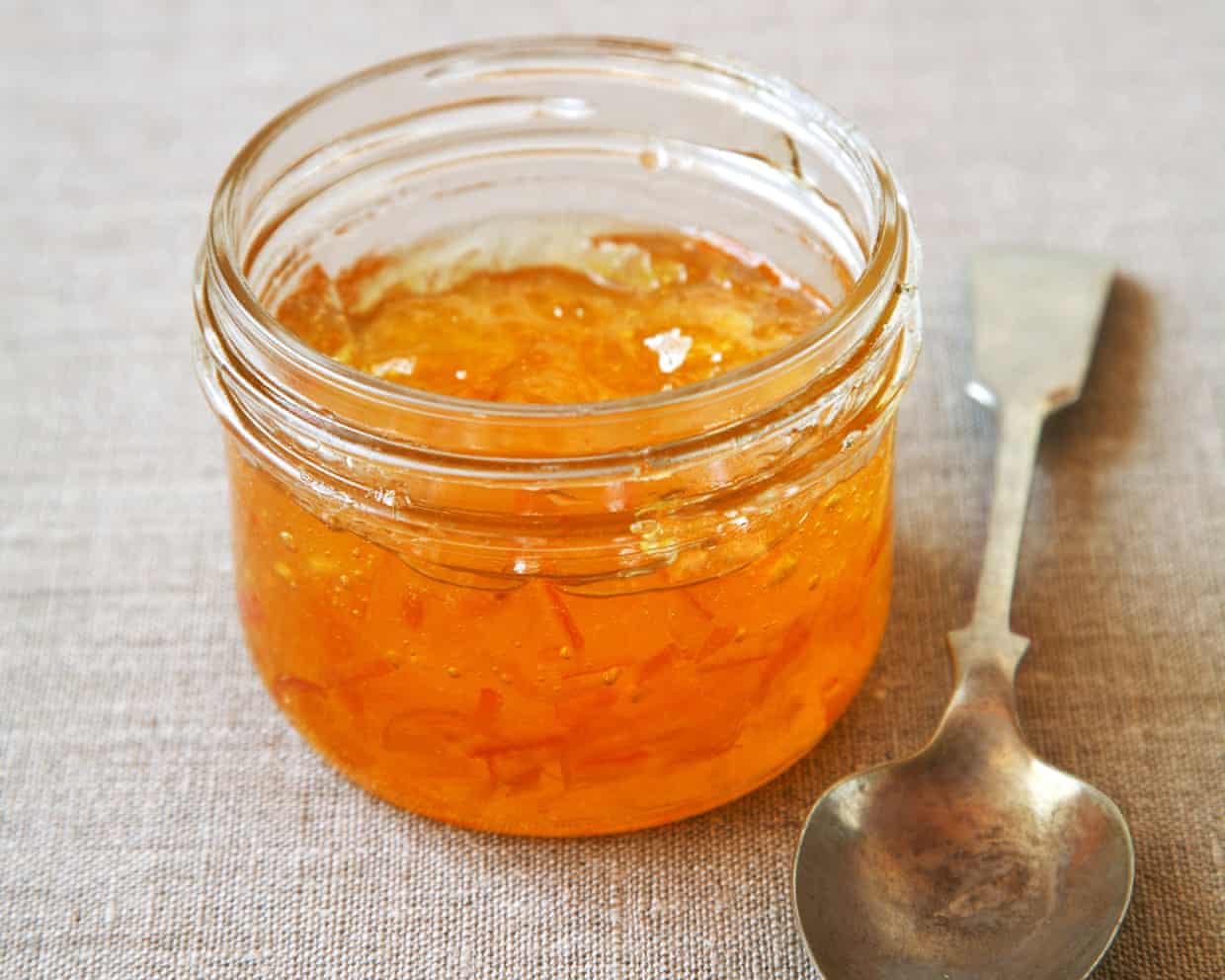
A marmalade-dropper for Paddington Bear? | Letters
As a Portuguese-British citizen, I feel it is my duty to add to your explainer article (Keir Starmalade, anyone? Will marmalade really have to be rebranded in UK?, 4 April) and explain where the word marmalade originated from. Marmalade comes from the fruit marmelo (quince). And marmalade was and is quince jam in Portugal. This jam began to be exported to England at the end of the 15th century. Only in the 17th century did the English start to apply the word marmalade to orange jam
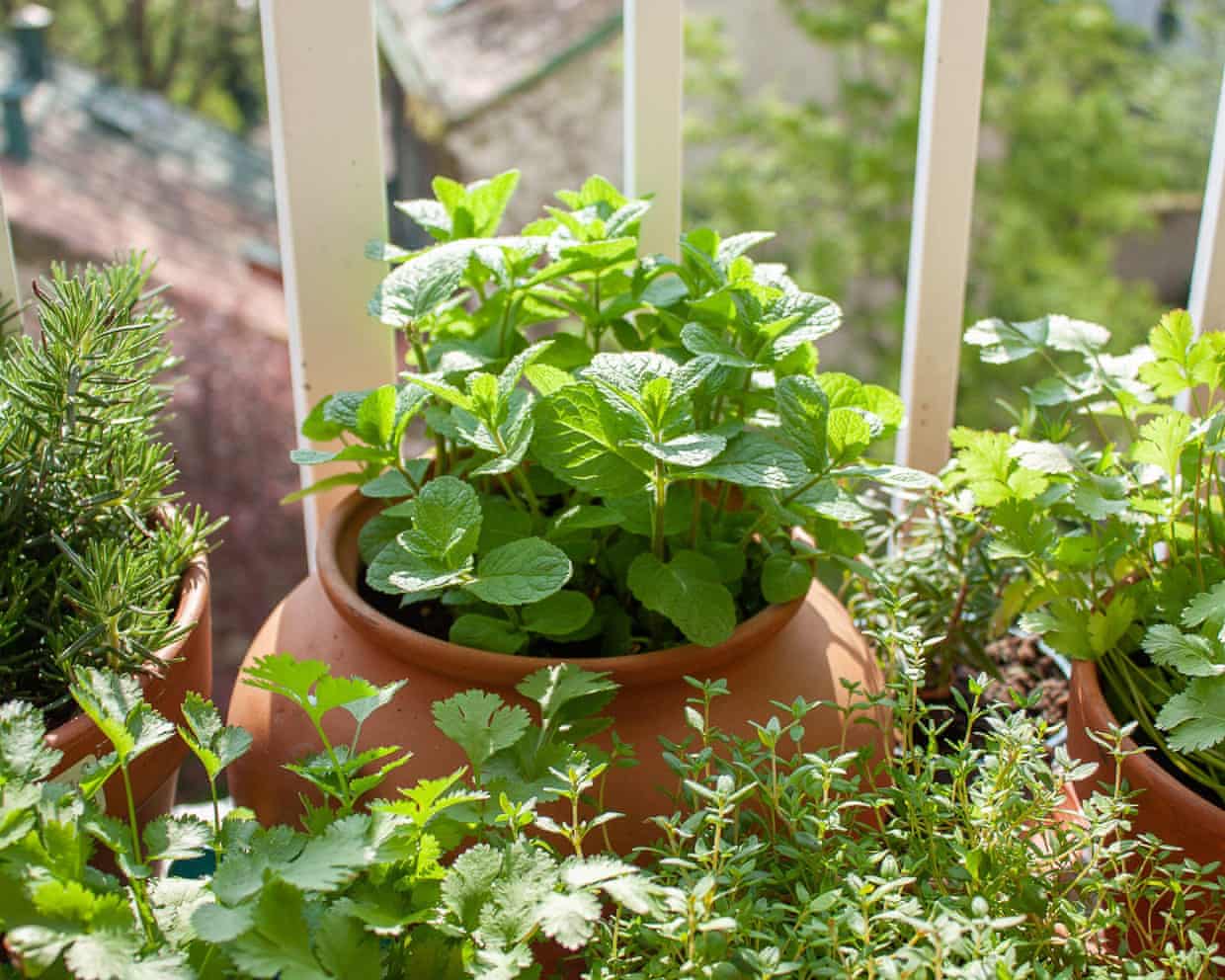
How to save limp herbs | Kitchen aide
What can I do with herbs that are past their best?Joe, by email Happily, Joe and his on-the-turn herbs aren’t short of options. “The obvious choice for hard herbs is to chuck them in a sandwich bag and freeze them for future stock-making,” says Alice Norman, founder of regenerative bakery Pinch in Suffolk. Alternatively, Sami Tamimi, author of Boustany, would be inclined to dry his excess herbs. In summer, he’d simply pop them on a tray and put them outside in the sun, but right now he “dries them in a 60-70C oven, then packs in containers, ready for the next time you’re short of fresh herbs”.Norman’s current MO is to blitz languishing herbs (“rosemary and/or thyme work best”) with a 3:4 ratio of fine salt
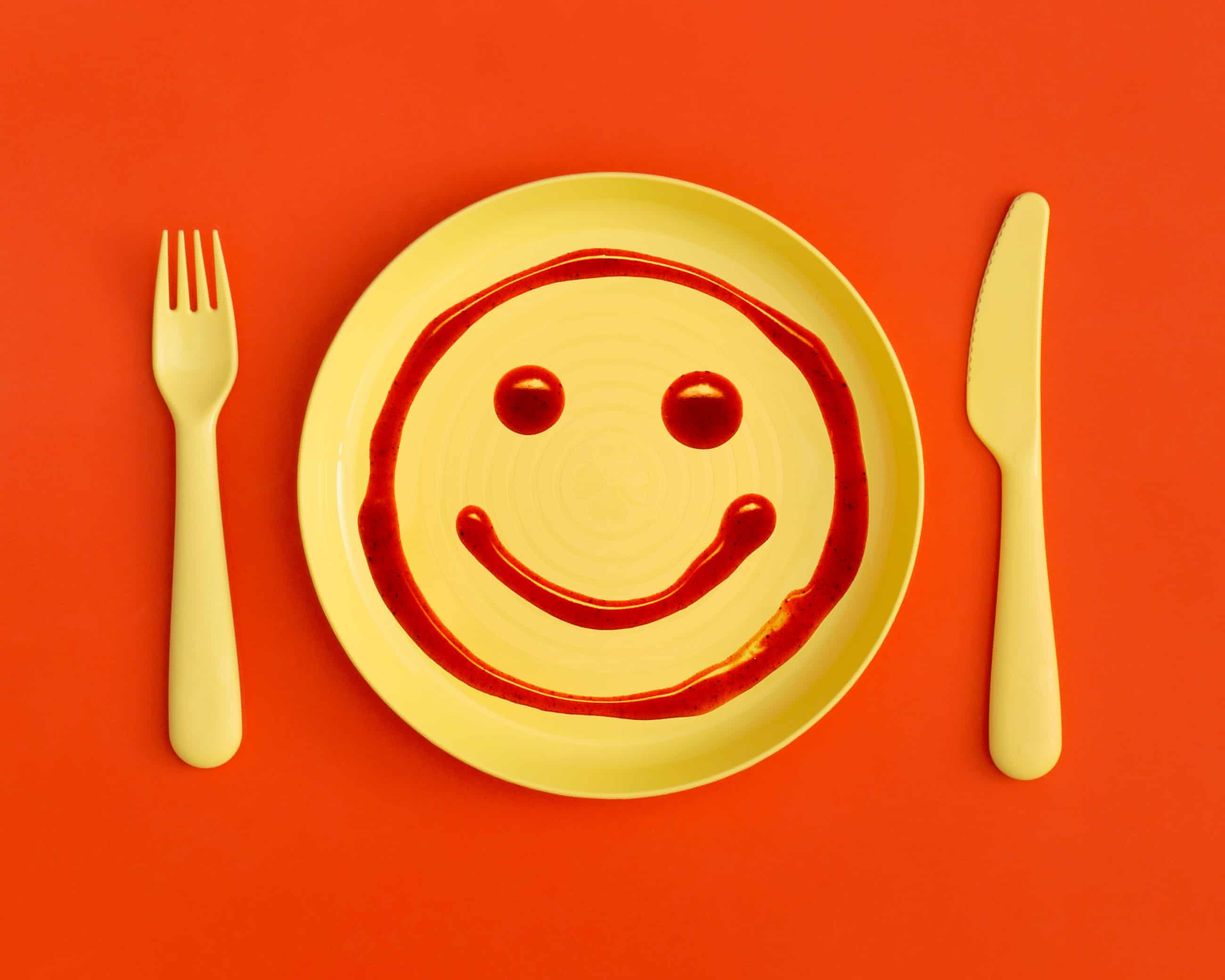
‘Before I can stop her, my daughter is licking crumbs from the table’: my search for the perfect kids’ menu
Chips, fish fingers, pizza … restaurant food for children is depressingly predictable. Are there more adventurous options? I took my four-year-old daughter on a month-long mission to find outWe’re heading out for dinner. Before I tell my four-year-old where we’re going, she has already announced that she’s going to have fish, chips and lots of ketchup. It sounds delicious; a classic. But there’s the irksome feeling that the intrepid impulses of childhood should be met with food that expands palates rather than feeding into the well-trodden path to a beige meal
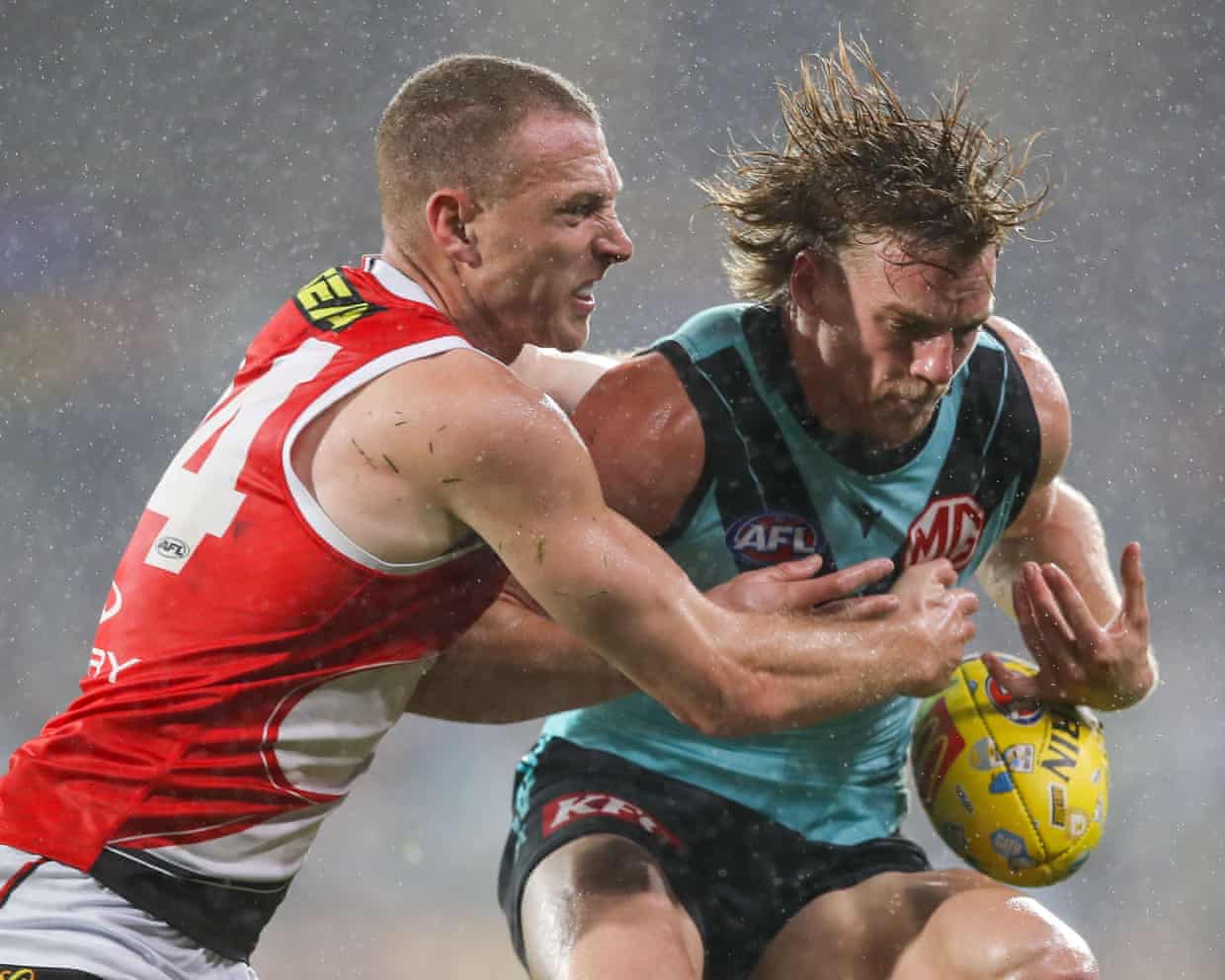
Rain puts dampener on Gather Round despite AFL’s hype and schmoozing | Jonathan Horn
The Masters 2026: McIlroy retains title after thrilling final round – as it happened
Rory McIlroy ignores Jack Nicklaus’s advice and tames the deadly 12th at Augusta | Andy Bull
Rory McIlroy holds nerve to be the Master again as rivals succumb to tension

‘This is not serious leadership’: Donald Trump and Marco Rubio watch UFC in Miami as Iran talks fail
County cricket: Craig Overton completes game to remember by finishing off Essex – as it happened