Australia mull over spin question as Todd Murphy enters mix with plenty to play for
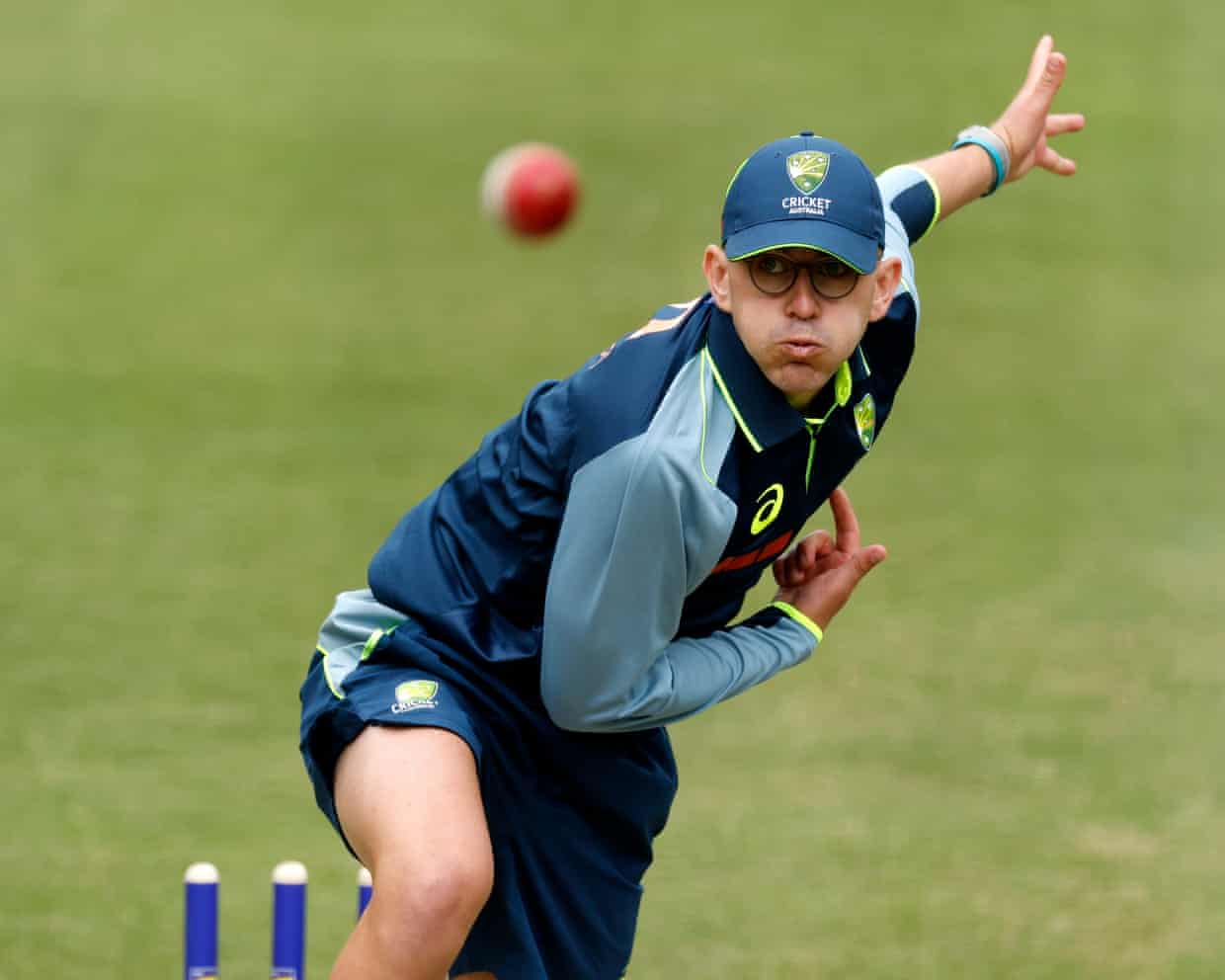
It would really be something,A Victorian spin bowler – one from St Kilda Cricket Club, no less – walking out on Boxing Day to play an Ashes Test in the shadow of the Shane Warne Stand at the MCG,Todd Murphy is not much like Warne in most respects: quiet, modest, thoughtful, bespectacled, a student of the even tempered practice of off-spin bowling rather than the lavish excess of leg-spin,But still,The links that do exist are too appealing to ignore.
Not that Murphy is guaranteed to play the fourth Test in place of the injured Nathan Lyon, with Australia’s coach, Andrew McDonald, prevaricating about whether to pick four frontline fast bowlers plus an all-round seamer in Cameron Green or Beau Webster.But in picking him as the lone option in the squad, Australia have already given their spinner more positive feedback than Shoaib Bashir has received from England, who have repeatedly referred to him as their No 1 choice while leaving him on the bench for all four Tests so far.That support could do a lot for Murphy, who excelled on debut in India in 2023, then would probably have been the matchwinner who sent Australia 3-0 up in England had multiple catches not been dropped in the deep while Ben Stokes was looking to take him down at Headingley.England rebounded to 2-2, and whether causative or not, Murphy’s domestic performance tanked before injuries crept in.Despite all this, and left-armer Matt Kuhnemann’s success in Asia, this selection says that Murphy is still seen as Lyon’s principal successor.
The recent interest in all-pace bowling attacks, though, is a curious fascination of the current regime,They have gone that way in two of Australia’s last four Tests, Jamaica and Brisbane, but there’s no clarity on whether it was necessary: both were day-night games, easy wins, and only three seamers had much impact in any given innings,The MCG has been more pace friendly in recent years, and selectors may have memories of Scott Boland destroying England in two-and-a-half days during the previous Ashes visit, but last year’s match against India topped 400 overs and Lyon bowled nearly 50 of them,This is before you factor in the opposition, a team full of players who find it hard to resist trying to clear boundaries, facing the scrutiny of having already lost the series while batting on the biggest playing surface in the game,Jos Buttler pretty much waved the white flag on his Test career on this ground in 2021 with his early slog to the deep from Lyon.
India should have drawn that Test last year until the final session when Rishabh Pant pointlessly tried to launch Travis Head.Spin tempts mistakes, and selecting a team without the option is one in itself.However it pans out, England will be back to facing a more modest attack now that Lyon has had hamstring surgery and Pat Cummins will go back into cotton wool thanks to his recent back problem.The Cummins story is extraordinary, doing months of rehab to come back for a single Test in Adelaide, produce a decisive bowling effort in each innings while captaining the win that clinches the trophy, then deciding that effort was enough.With no Test cricket scheduled until August, the captain could play if needed but will pass up the chance of two more Ashes Tests in favour of caution.
The bowling then will be Mitchell Starc, Boland, and if not Murphy, two of Michael Neser, Brendan Doggett, and another comeback-trail candidate in Jhye Richardson,While on paper this should give England an opportunity, in practice they couldn’t win in Perth or Brisbane facing variations of this attack,The condescension that English pundits showed Boland before the series has been returned to them via the windpipe as he bowled 18 overs for 35 runs to do the bricklaying for the Adelaide win, after damaging bursts in the previous two Tests,Australia’s batting, too, will face some shuffling,With McDonald keen to keep wicketkeeper Alex Carey at No 6, and Steve Smith to come back at No 4, Josh Inglis and Usman Khawaja have to scrap for the spot in between them, and the all-rounder’s spot will shuffle down to No 7.
That low in the order is more likely to suit the versatile Webster than the wooden starting style of Green, even though selectors would like to give Green a bit more leeway as their long-term project player.This match may be superfluous to deciding the series, as it was in 2021, and 2017, and 2013, and 2006, and 2002, but huge crowds will still roll in throughout every available day.England will have the distant challenge of sorting out scrambled heads and finding the motivation to get past their natural deflation.Whatever the scoreline, though, Australia’s players won’t be short of that.They still have two Ashes Tests to enjoy, and still have plenty riding on who can perform.
Motor neurone disease patients in England die waiting for home adaptations, campaigners say
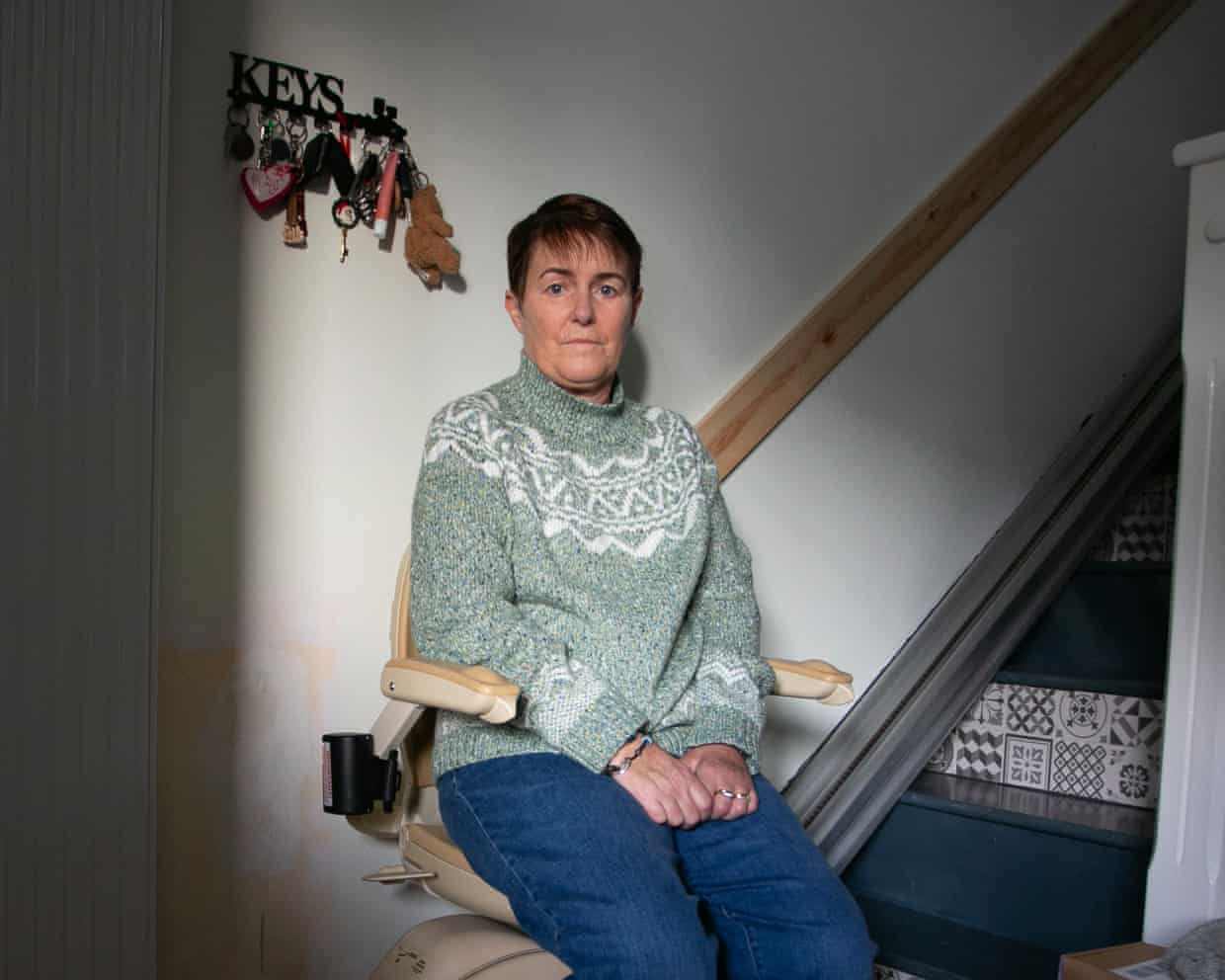
People with motor neurone disease (MND) are dying waiting for grants to make their homes fit to live in due to a huge backlogs in applications, campaigners have said.The MND Association has found it takes an average of 375 days for people in England to get essential home adaptations through the government’s disabled facilities grant (DFG) due to growing delays in the system.But a third of people with MND die within a year of diagnosis, and about half die within two years, meaning they are spending the last months of their lives fighting for support, with many dying in unsafe and unsuitable homes.The charity’s chief executive, Tanya Curry, said: “For someone whose condition may progress dramatically in a matter of months, waiting a year or more for vital adaptations is equivalent to being denied them altogether.”Nicole Foster, 56, was diagnosed with MND in May and has spent her entire life’s savings, as well as money fundraised on her behalf, replacing her bathroom with an accessible one after she was told she faced a two to three-year year wait for DFG funding
People in poorest areas of England ‘more likely to need emergency care for lung conditions’
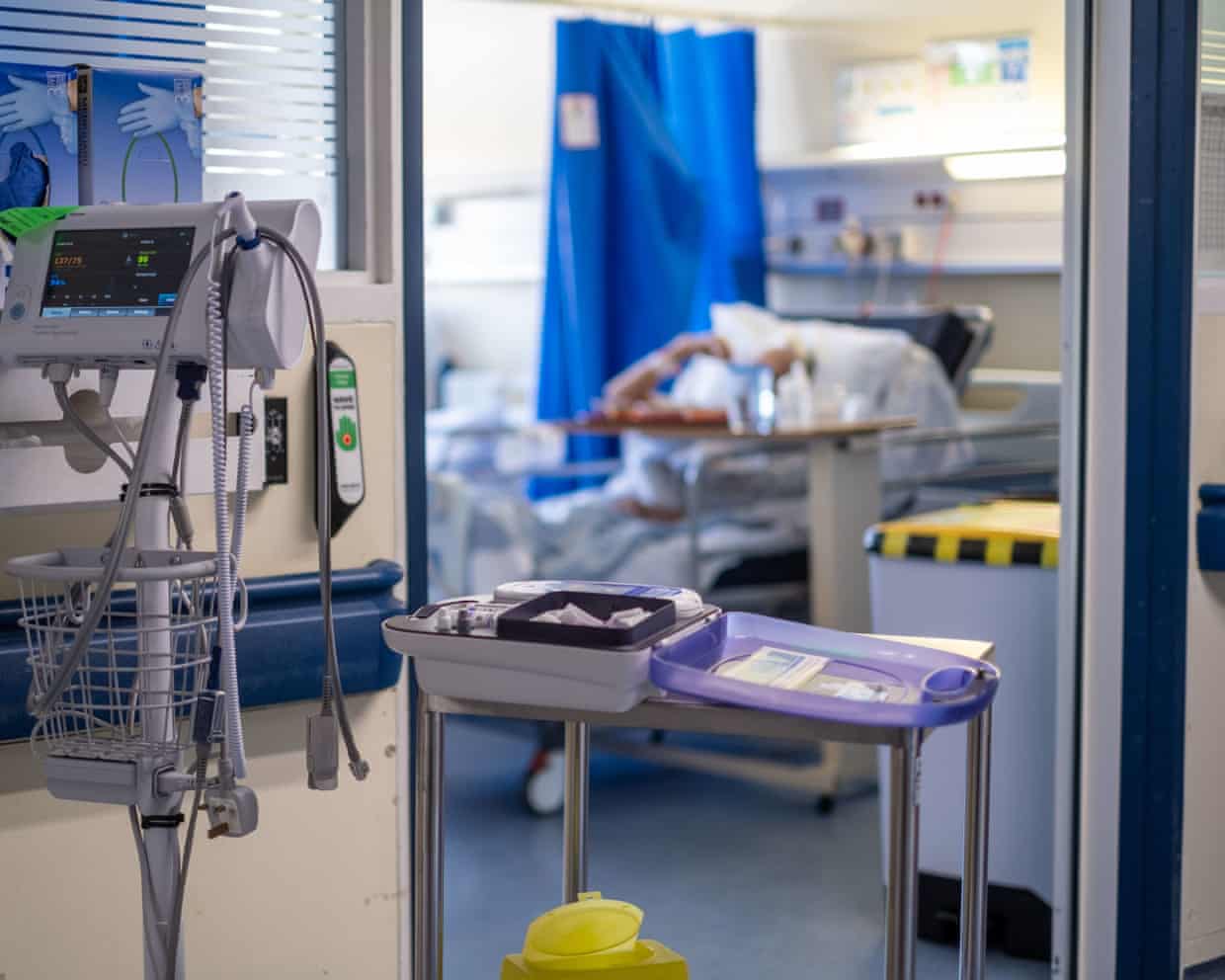
People from the poorest backgrounds in England with serious lung conditions are more likely to be admitted to hospital for emergency care than their more affluent counterparts, according to research.Analysis of NHS admissions data for November by Asthma + Lung UK found people from the most deprived backgrounds in England were 56% more likely to be admitted for emergency care, while 62% were more likely to be readmitted within 39 days of an emergency admission, which is linked with an increased chance of dying.The research also found that people in deprived areas were almost twice as likely to be admitted to hospital for a respiratory condition.One expert said the findings should act as a wake-up call to end the “postcode lottery”.The highest rates of chronic obstructive pulmonary disease (COPD) admissions per population are in deprived areas including Blackpool, Manchester, Hastings and Burnley

Prosecutions for strangulation in England and Wales increase sixfold in three years
The number of suspects charged for strangulation and suffocation in England and Wales has increased almost sixfold in the three years since the offence was first introduced, Crown Prosecution Service data has revealed.Brought in under the Domestic Abuse Act, which came into force in 2022, the legislation closed a gap in the existing law, giving courts much greater sentencing powers.Kate Brown, the CPS’s lead prosecutor for domestic abuse, said that previously there had been “a lot of cases for which it didn’t seem like we had the right offence”, and the new legislation marked “a significant shift in recognising the serious nature of the offence”.“There were some thoughts that it might not be necessary and that the act of strangulation or suffocation could be covered by other offences,” she said, but added that the options previously open to prosecutors “didn’t really hit the mark in terms of the seriousness, because strangulation is a really serious offence”.Suffocation and strangulation carries a maximum sentence of five years’ imprisonment, whereas previously, except for the most serious cases which could be charged as grievous bodily harm or attempted murder, prosecutors were having to charge offenders with common assault, which carries a much lesser maximum sentence of six months

Britons reported to be drinking less, as data shows consumption at record low
People in Britain are drinking less alcohol than in previous years, according to reports.The average UK adult consumed 10.2 alcoholic drinks a week last year, the lowest figure since data collection began in 1990 and a decline of more than a quarter from the peak of 14 two decades ago, according to figures published in the FT from research company IWSR.However, total abstention is not on the rise despite the decline in consumption, which suggests more moderate drinking habits have driven the trend.“The population is ageing and older consumers physiologically can’t drink as much,” Marten Lodewijks, the IWSR president, told the newspaper

Resident doctors say they will resume talks to avoid further strikes with ‘can-do spirit’
Resident doctors have said they will approach talks with Wes Streeting with a “can-do spirit” to avoid further strikes in the new year, as their five-day action ended on Monday morning.The British Medical Association called on the health secretary to come to the table with the same “constructive” attitude, saying the tone of 11th-hour talks before their stoppage had been encouraging but too late to avoid the strike in England.Streeting also signalled his determination to get back to the talks, saying he did “not want to see a single day of industrial action in the NHS in 2026”, and that he would “be doing everything I can to make this a reality”.“My door remains open, as it always has done, and I’m determined to resume discussions with the BMA in the new year to put an end to these damaging cycles of disruption,” he said.Streeting and Keir Starmer have taken a tough line towards the strike, with the prime minister saying it was “beyond belief” that it should go ahead when the flu-hit NHS was facing its worst crisis since Covid
One in eight of 14- to 17-year-olds in Great Britain say they have used nicotine pouches
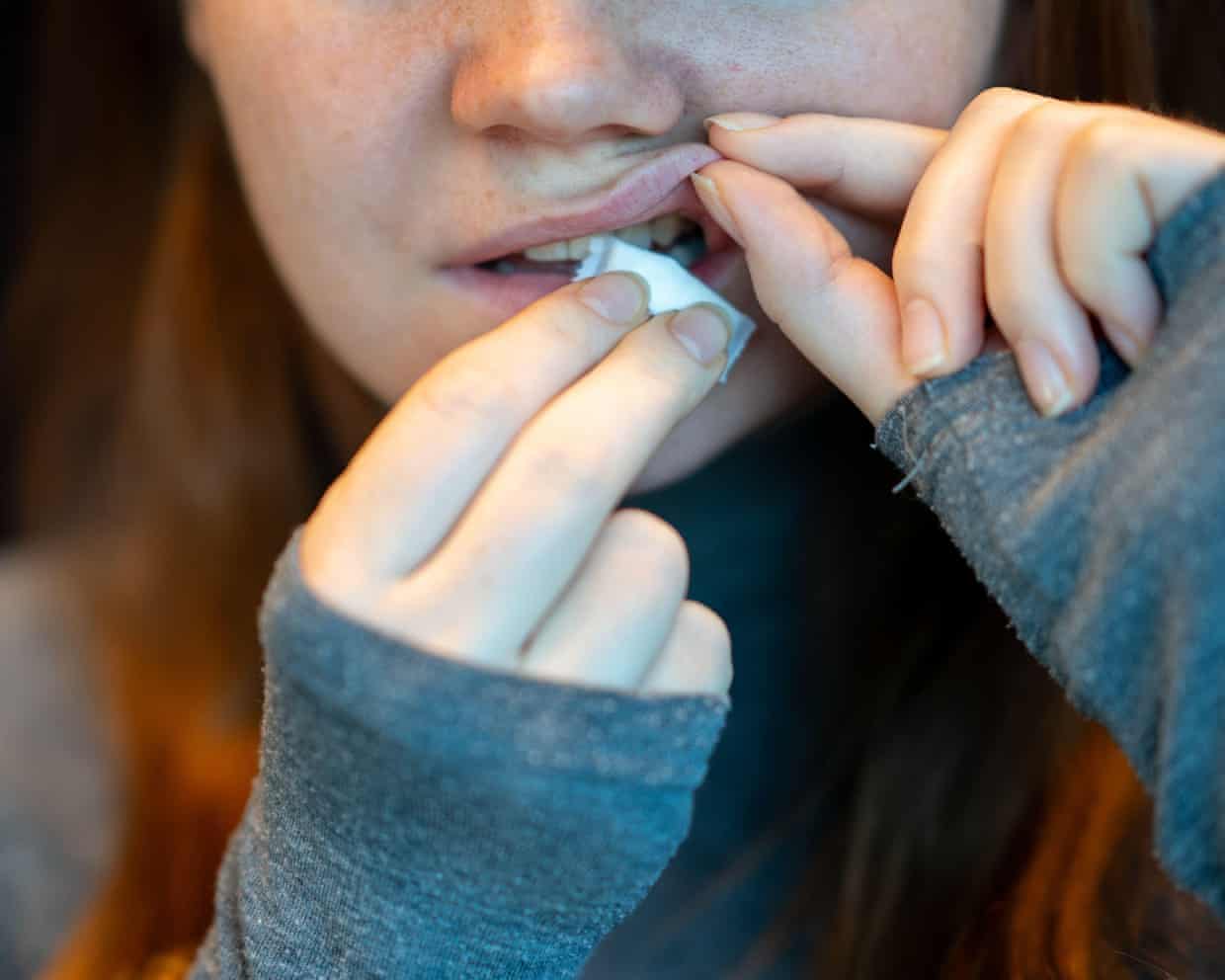
One in eight teenagers aged 14 to 17 have used nicotine pouches, a survey has found, adding to health experts’ concern about their growing popularity.Users hold the small sachets, which look like mini-teabags and are often flavoured, in their mouths to enjoy the release of the nicotine they contain. They are also known as “snus”.Unlike smoking the pouches do not raise the risk of cancer, but they have caused alarm because of the fear that users could become addicted to nicotine and suffer mouth and dental problems.A survey of 500 teenagers aged 14 to 17 in England, Scotland and Wales found that 13% have used a nicotine pouch, of whom 30% said they did so at least once a week

‘Am I allowed to hold it?’: behind the seams of the MCG’s Shane Warne exhibition
Australia mull over spin question as Todd Murphy enters mix with plenty to play for

Venus Williams marries actor and model Andrea Preti in Palm Beach ceremony

Koepka’s departure is a blow for LIV but also raises questions for PGA Tour | Ewan Murray

The Spin | Women’s cricket team of the year: from Jemimah Rodrigues to Alana King

Stokes calls for ‘empathy’ for England players and pledges support for Duckett