Adults underestimate risk of abuse posed to women by ex-partners, UK data shows

The risk posed to women by ex-partners in cases of abuse is underestimated by large swathes of the British public, according to the charity Refuge.Data from the charity’s helpline found that 42% of people who call Refuge for help identify a former partner as their abuser, a statistic which underlines how common it is for an ex to be a cause of harm after a relationship has ended.Despite this, a survey of the wider national population found that many UK adults did not name a former partner as a probable culprit in ongoing abuse.YouGov data commissioned by Refuge found that, while 71% of UK adults identified that a woman is most likely to be abused by somebody she knows, of this percentage, only 12% recognised an ex-partner as the most likely to be the abuser, while 78% identified a current partner.Sasha* said she has experienced stalking and harassment since separating from her partner and father of her child in 2012.
Despite not living together when the relationship ended, Sasha’s ex-partner would “still show up unannounced, demand to be let in and insist on seeing my son, especially on specific occasions like holidays”,Coercive and controlling behaviour became an offence in England and Wales in 2015,Post-separation abuse – coercive and controlling behaviour by a former partner after the relationship has ended – was criminalised through the Domestic Abuse Act 2021 and came into force in April 2023,Sasha said the stalking continued even after she moved house,At Christmas, she sent photos of her son to her ex-partner at his request.
He then used the metadata from the photos to geolocate her street and track down her home.He also followed her to family events and community gatherings she was attending with her son, such as the Notting Hill carnival.“He’s white British, and I’m of Jamaican heritage, so going to carnival with my family was a big deal – it’s a way of celebrating who I am and making sure my son connects with his heritage,” Sasha said.“For him to weaponise those events was incredibly difficult and eventually made me stop going.”For Sasha, the “breaking point” came when her ex-partner began making threats of suicide and saying it would be her fault.
When she went to his house to check on him, she said, “he was laughing – he thought it was funny that I believed he would actually hurt himself”.Charlotte Eastop, the senior operations manager at Refuge, said a “huge proportion” of calls came from victims of post-separation abuse.“It’s extremely prevalent and I don’t think it’s recognised [to be] as much of an issue as it actually is.”While not all cases of post-separation abuse involved children, Eastop said abusers could often weaponise children to “continue that control and abuse” of their victims, by demanding to see the children, or alienating the victim by blaming or insulting her to the children.Family courts could be used as another method of control, added Eastop.
Abusers might “constantly and subtly bend” court-ordered agreements by not picking up children at agreed times or not confirming their schedule, meaning a victim could not plan their social life around parenting,Eastop added that post-separation abuse was often dismissed, since the victim was not in a relationship with their abuser,“Police might respond and say: ‘Look, he just wants to see the kids’, not recognising the threat there,Even, unfortunately, with some domestic abuse agencies, she might be labelled as a ‘historical survivor’ where the threat is not there right now, but actually it is and it’s continuing,“The sense of hopelessness is overwhelming in that situation because you’ve done all you can and it still continues,” she added.
While post-separation abuse is a criminal offence, Eastop said more mandatory training and awareness was needed for police and judiciary members to help them respond adequately to cases of controlling behaviour by former partners.“Legislation takes time to really embed,” Eastop said.“Separation is a really dangerous time in terms of escalation risk.It’s about the police understanding the risk and ongoing impacts.”* Not her real name
Families hardest hit by energy crisis could be given funds dispensed by councils in England
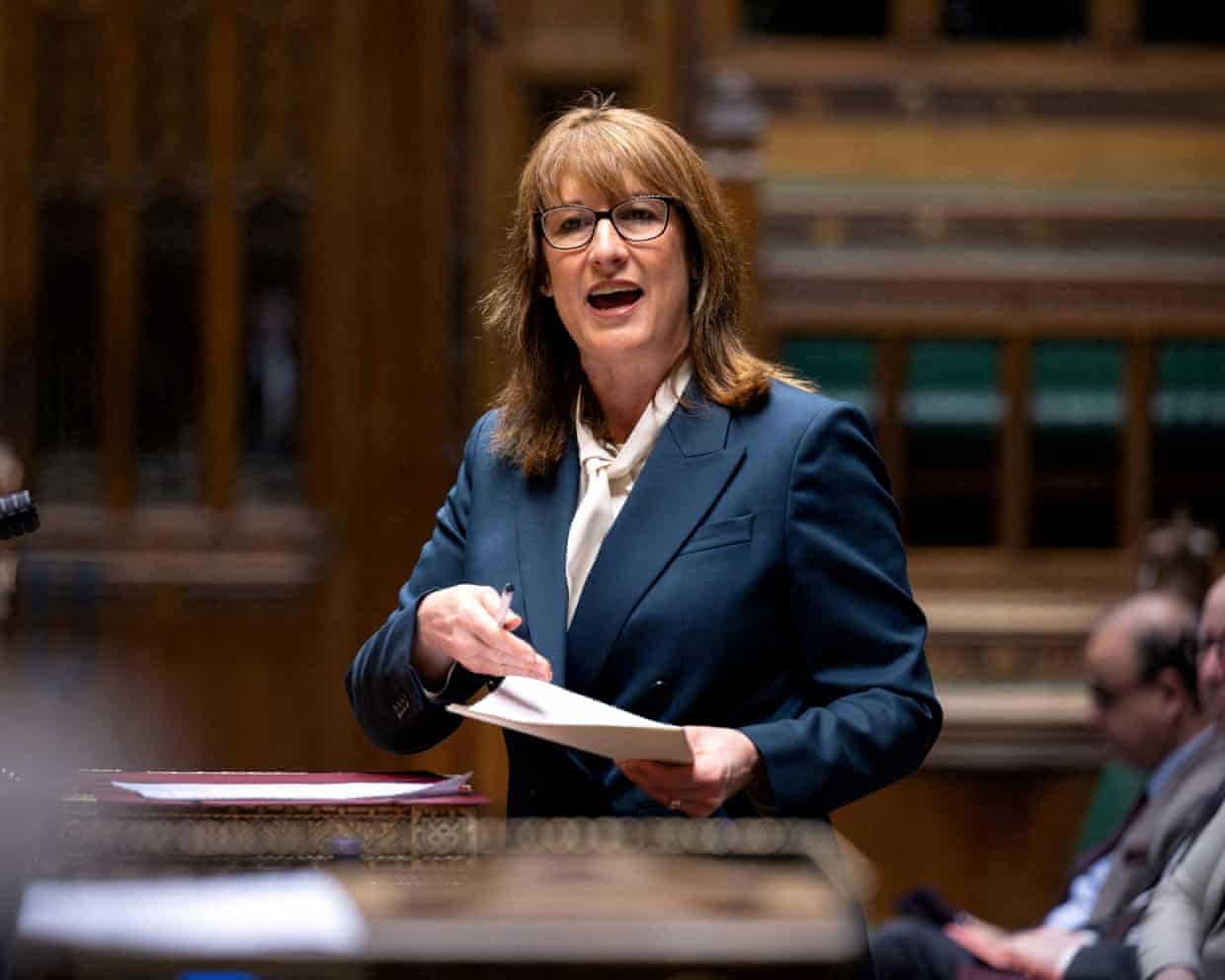
Families hardest hit by the looming energy crisis caused by the Iran war could be given funds dispensed by local councils, under plans being considered by UK ministers keen to keep a lid on costs.As concerns increase about the impact of rising fuel and energy costs in response to a drawn-out conflict in the Middle East, a government official said several options for extending support were being debated inside Whitehall.Under one plan, extra cash could be injected into the crisis and resilience fund (CRF), a £1bn a year council-run scheme in England that takes effect from Wednesday “to provide preventative support to communities, as well as assisting people when faced with a financial crisis”.It is understood that the fund could be topped up to help cushion households identified by councils as facing particular hardship from higher energy bills.The chancellor, Rachel Reeves, is examining plans to support households with energy bills forecast to hit nearly £2,000 a year from July
Brent crude rises after Trump says he wants to ‘take the oil’ in Iran and Yemeni Houthis launch second attack on Israel – as it happened
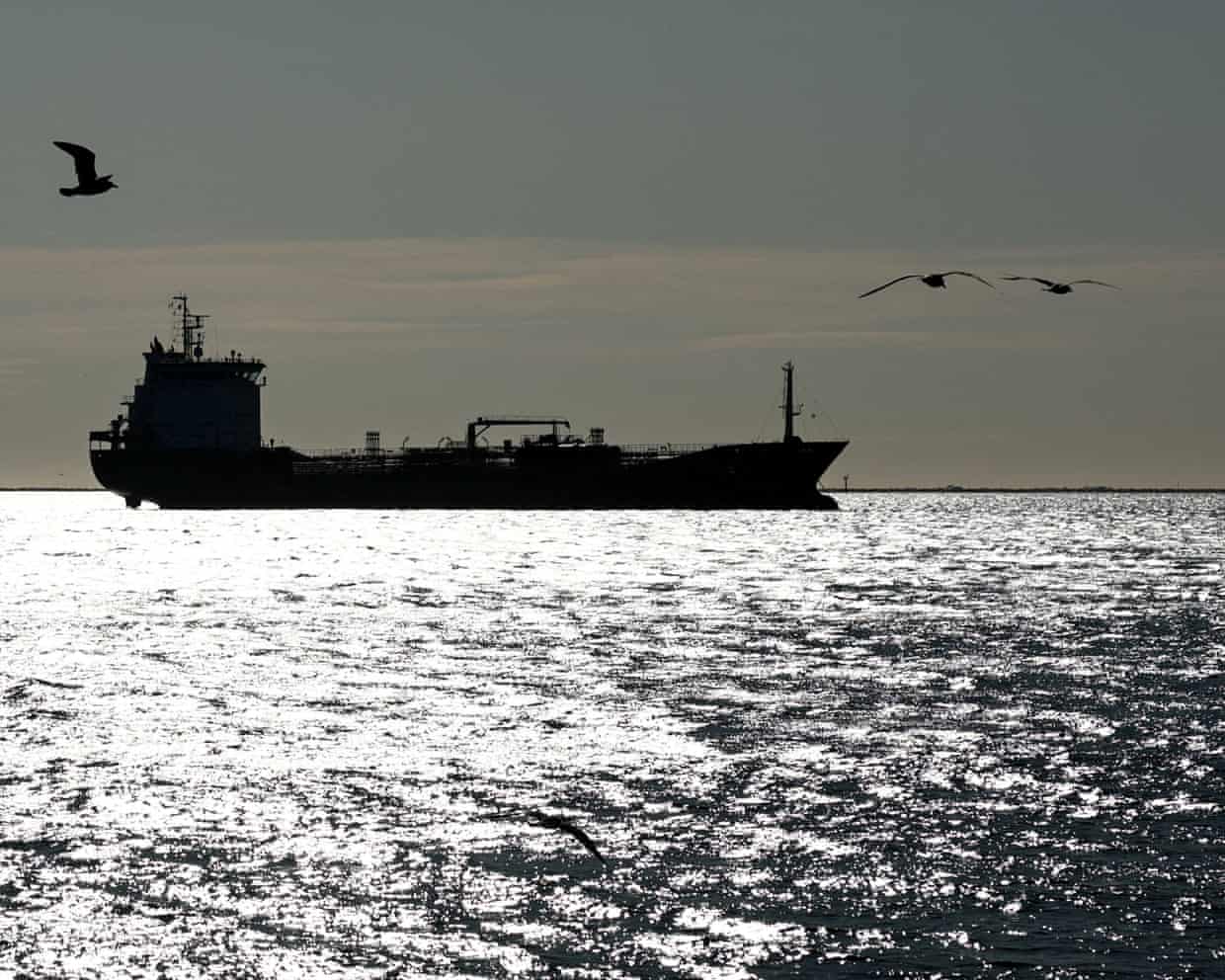
Brent crude is on course for a record monthly rise of nearly 60%, exceeding gains it made during the 1990 Gulf War.The global oil benchmark is currently trading 3.5% higher at $116.051 a barrel – up 59% so far in March – while New York light crude rose 2% to $101.6 a barrel

Brent crude hits $116 a barrel as Trump threatens to ‘blow up’ Iran’s oilwells and export hub
The price of oil hit nearly $117 (£89) a barrel on Monday as Donald Trump threatened to “blow up” and “completely obliterate” Iranian electricity plants, oilwells and its export hub Kharg Island if it did not agree to a deal.Brent crude rose after the US president wrote on his social media platform Truth Social that if a deal was not agreed and the strait of Hormuz was not reopened, the US would take further action.He wrote: “We will conclude our lovely ‘stay’ in Iran by blowing up and completely obliterating all of their Electric Generating Plants, Oil Wells and Kharg Island (and possibly all desalinization plants!), which we have purposefully not yet ‘touched’ …“This will be in retribution for our many soldiers, and others, that Iran has butchered and killed over the old Regime’s 47 year ‘Reign of Terror’.”Jerome Powell, the US Federal Reserve chair and a regular target of the president’s ire, claimed on Monday that the central bank was in a “good place … to wait and see” how the economic fallout of the war on Iran unfolds. But he cautioned that policymakers would monitor two conflicting factors – the stability of both the US workforce and prices – as they consider what to do with interest rates
Mounjaro maker wants NHS drug price rises in return for more investment in UK
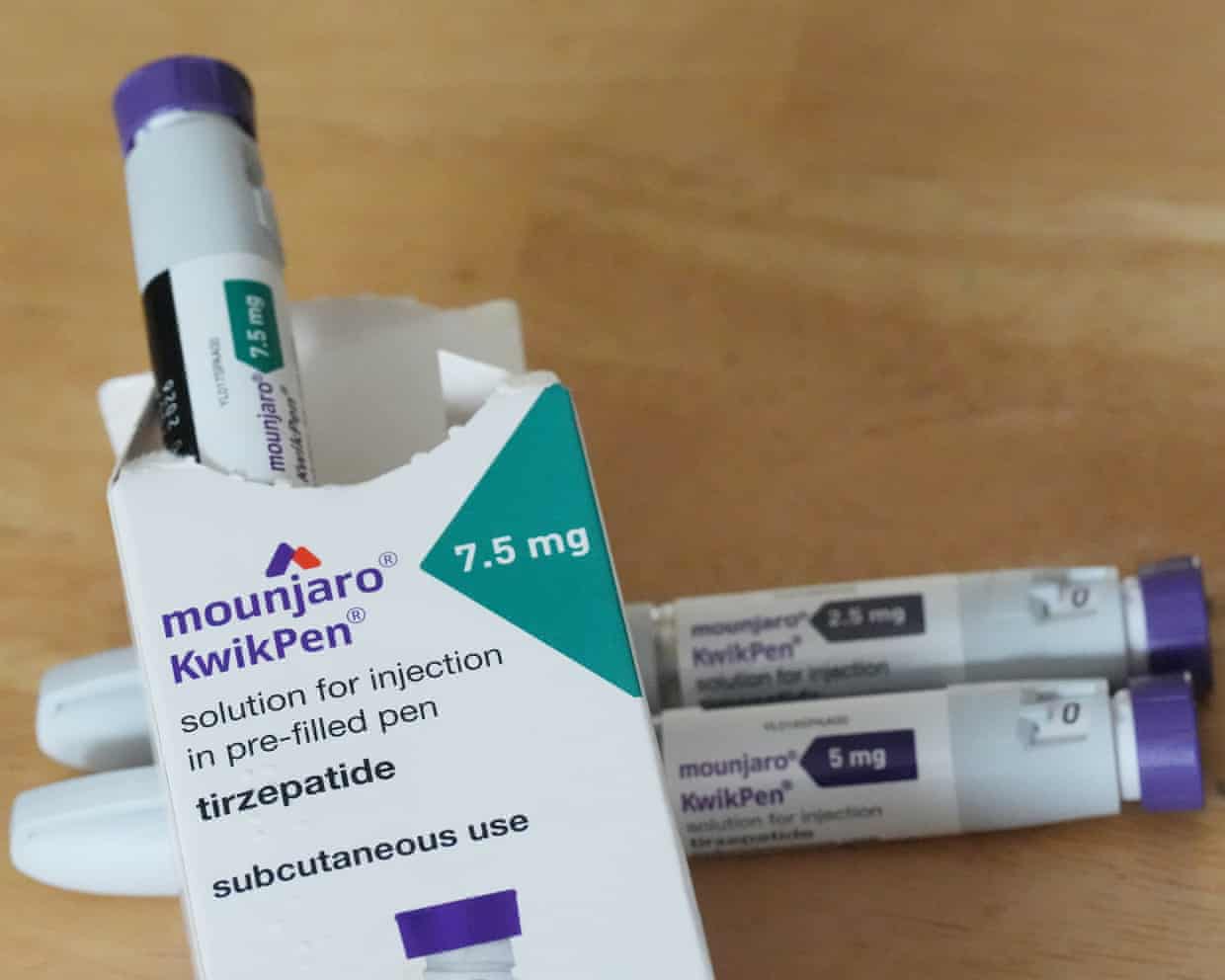
The US pharmaceutical group behind the Mounjaro weight-loss drug has said it will unpause its UK investments if ministers agree to regularly increase NHS drug prices and end a rebate scheme.Patrik Jonsson, the president of Eli Lilly’s international business, said the company was in talks with UK ministers and that he was optimistic about reaching an agreement this summer for Britain to pay more for its medicines.He said in an interview with the Financial Times that the talks would also explore “innovative” pricing plans, such as linking payments for anti-obesity drugs to whether the treatment will help patients return to work.It comes as the US pharmaceutical industry ramps up pressure on the UK, with Keir Starmer agreeing last year to the first increase in NHS cost effectiveness thresholds in 27 years. This raised the price the NHS will pay on potentially life-extending drugs, from £20,000 to £30,000 a year for every year of life gained to £25,000 to £35,000
Pessimism takes root in UK as shoppers struggle to afford essentials
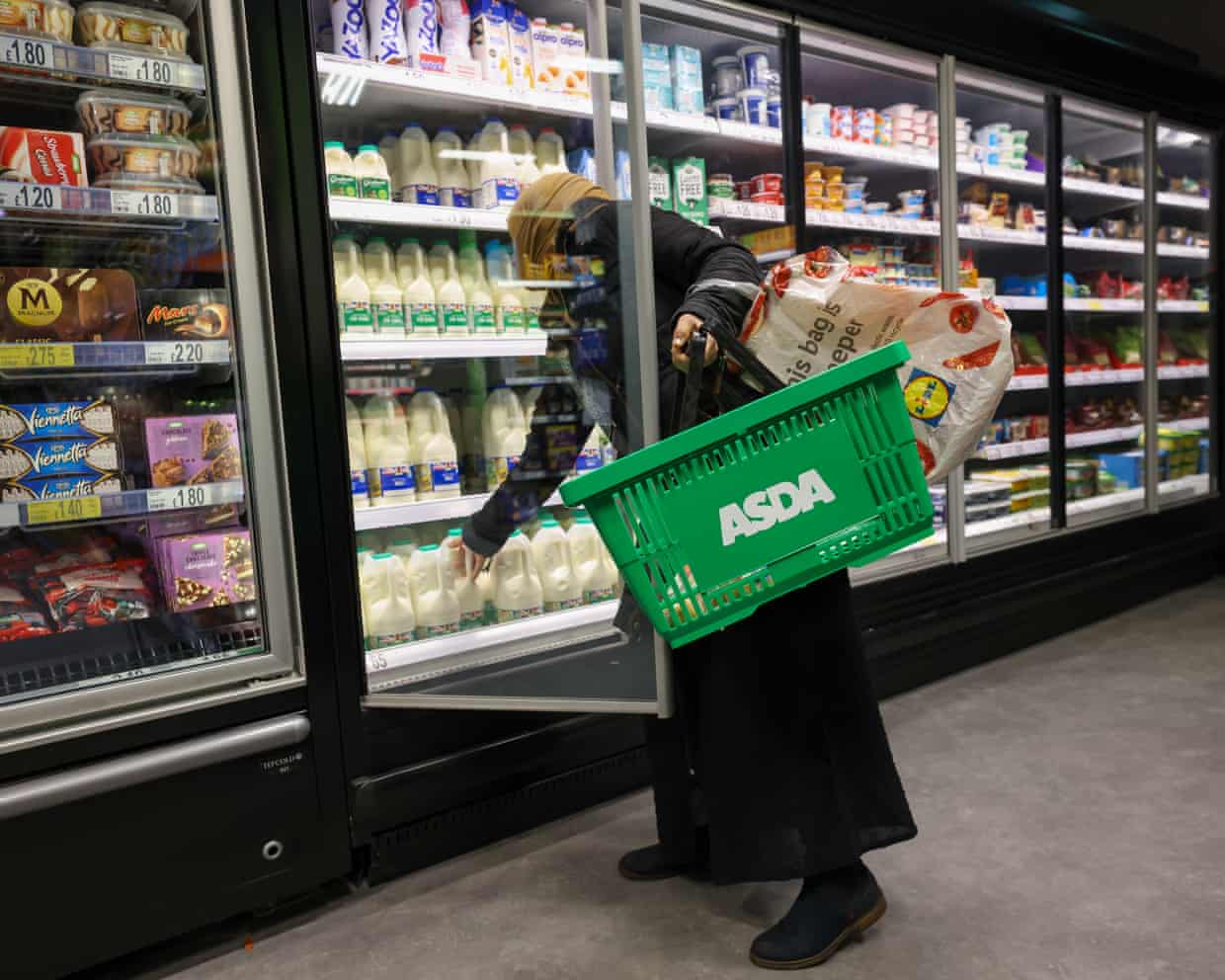
The Iran war has led to a surge in pessimism in the UK as half of households are already struggling to afford everyday essentials.The escalating conflict in the Middle East, which has driven the price of oil, gas, crop fertiliser and other raw materials sharply higher, threatens to cause another cost of living shock.The latest Which? consumer insight tracker found that price pressures were forcing half of households, an estimated 14 million, to make at least one adjustment – dip into savings, sell possessions or borrow money – to cover the cost of essentials on a daily basis.Confidence in the future of the UK economy plummeted by 13 points to a score of -56 in the month to 13 March, the lowest level recorded since the end of 2022, the tracker found.Which? said this score reflected “a deep-seated pessimism across the country”, with two-thirds (67%) of UK adults now expecting the national economy to worsen over the next 12 months, while just 12% think it will improve

Millions of boomer small business owners will soon retire. Will their companies just disappear? | Gene Marks
Want to buy my business? It’s been very profitable. I’ve run it for more than 25 years. But no, you don’t want to buy it. Like most small businesses in this country, there’s really nothing of value here.According to the Small Business Administration, there are approximately 33m small businesses in the US

The Guide #236: Is celebrity casting a cynical marketing stunt or does it help to democratise theatre?

From The Magic Faraway Tree to 5 Seconds of Summer: your complete entertainment guide to the week ahead

Jimmy Kimmel on Mike Johnson’s new award for Trump: ‘You can almost feel his spine exiting his body’

Dark Mofo: 2026 festival to show Willem Dafoe film that can only be watched by one person at a time
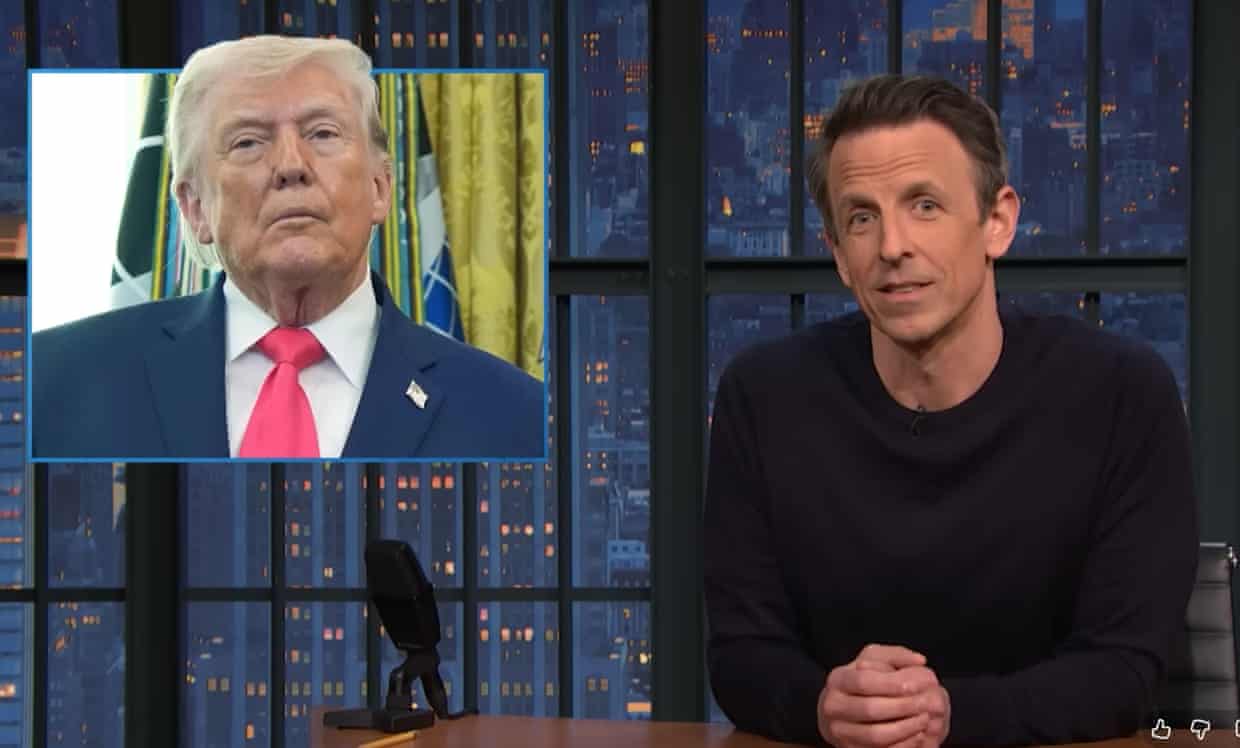
Seth Meyers on Donald Trump’s ‘present’ from Iran: ‘Is the president getting catfished?’
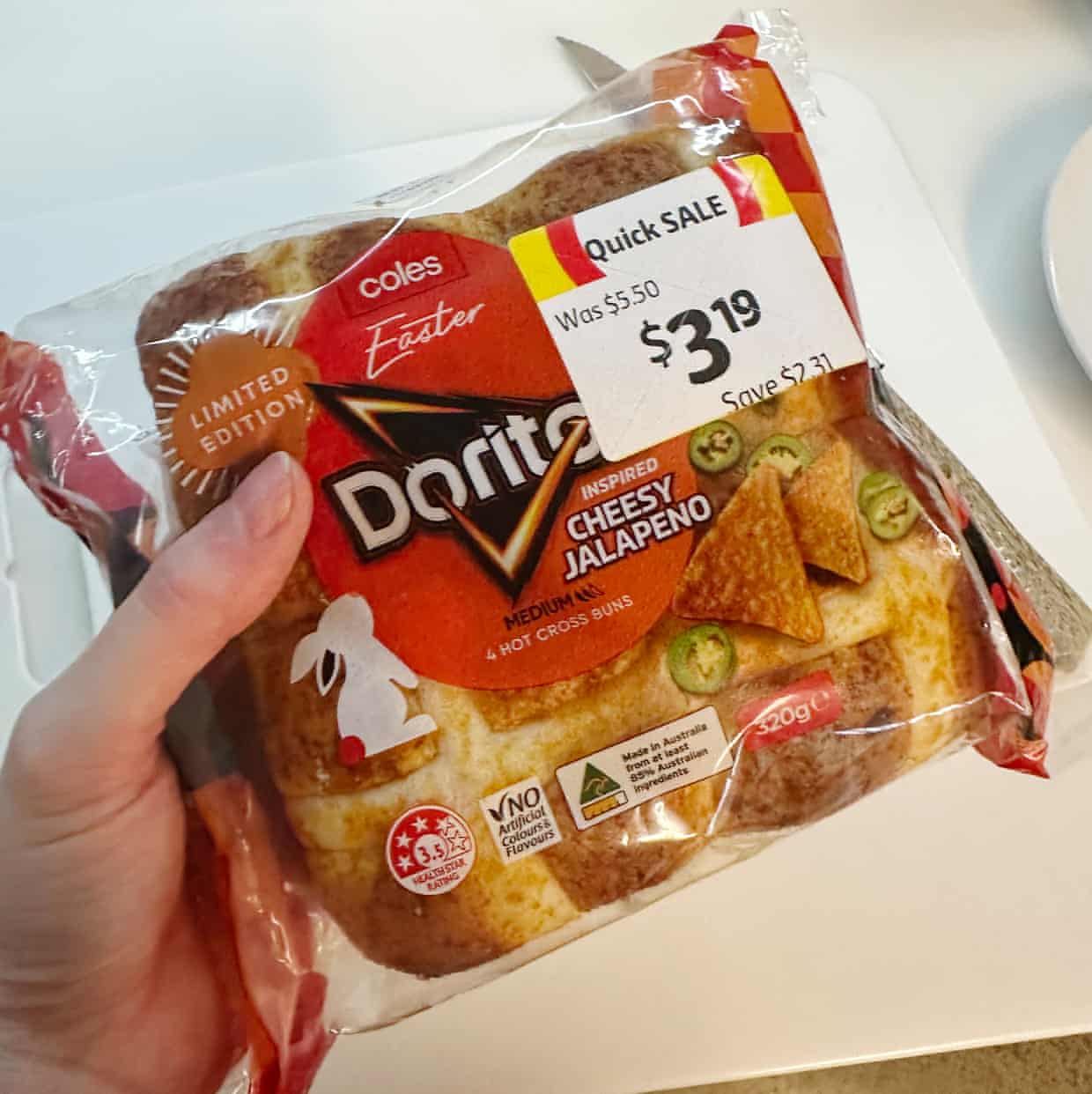
Will this ‘Doritos-inspired’ hot cross bun cause some spicy full-scale anarchy – or is it merely weird-smelling clickbait?