A death scholar on why we need to stop being naive about dying: ‘I always hear, “Can’t you just put me into a nice meadow?”’
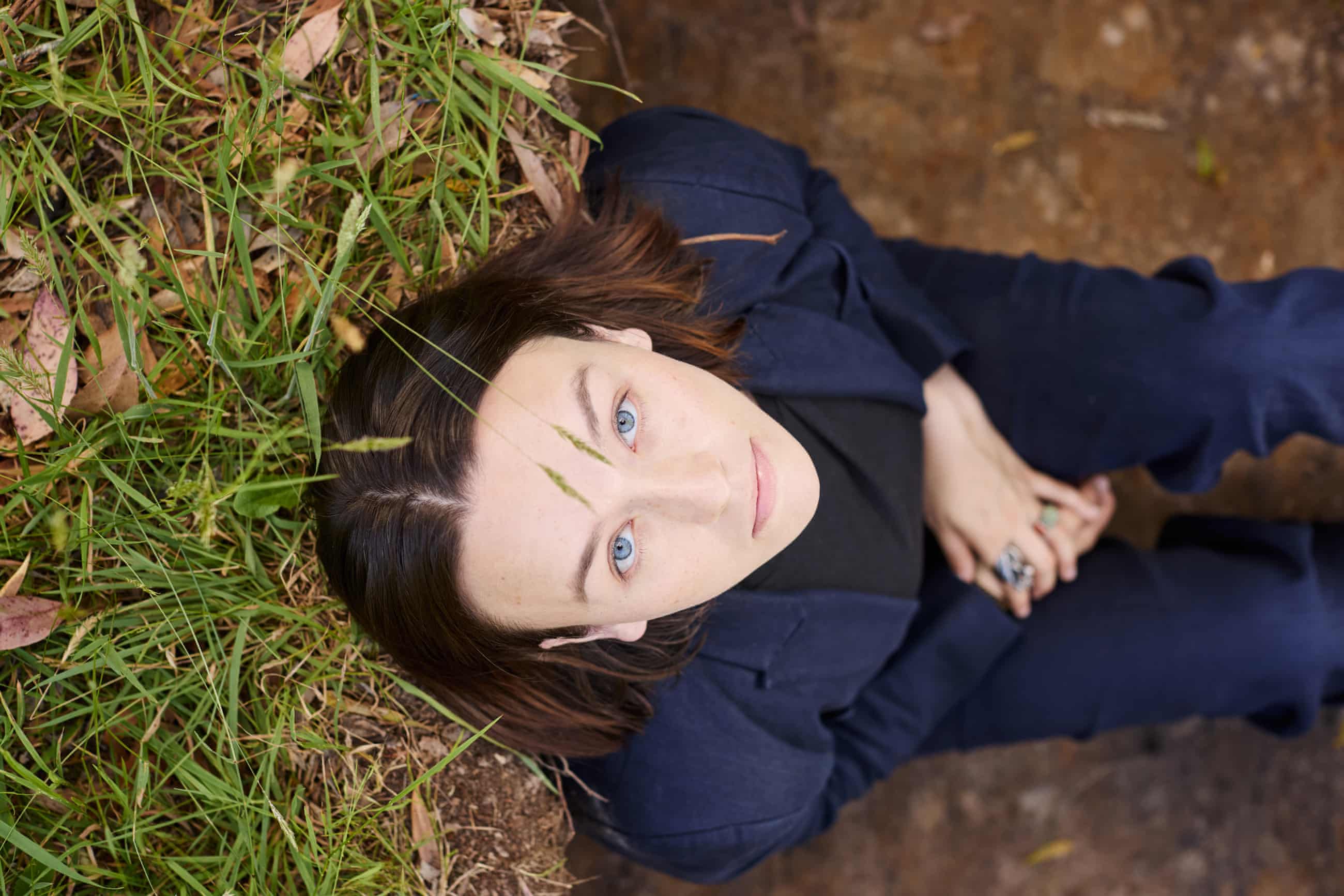
Dr Hannah Gould on eco-funerals, being ‘the death person’ and the one thing everyone should know before they dieGet our weekend culture and lifestyle emailAround 2040, Australia will reach peak death,A silver tsunami of boomers are predicted to propel the annual death rate to double that of today, putting immense strain on the healthcare and deathcare systems,Dr Hannah Gould – a death scholar and author of the book How to Die in the 21st Century – calls it “boomergeddon”, and says it brings with it a certain range of ideas about what a good death looks like,“The overwhelming value of end-of-life decisions, particularly among the baby boomer population, is this value of right, autonomy and control,” she says,Choreographing end of life – from bespoke aged care solutions and medical interventions to prolong quality of life to one-of-a-kind burials – is increasingly possible if you have the resources.
The idea of trying to wield total control over our final act, however, gives Gould, who lectures in Buddhist Studies at the University of Melbourne, the heebie-jeebies,“It’s very different to how previous generations have seen death and it might be quite different to how millennials will see death,I’m a millennial, and it doesn’t strike me that control is a value that I’ve ever had a part of,“I don’t think millennials think they’ve got enough resources to be in control of anything,”As a small child, Gould held her breath when the family drove past cemeteries, but later became interested in comparative religion and religiosity and wound up specialising in religious materiality – in particular, altars to family ancestors and to Buddha – while doing her Masters at Oxford University.
Sign up for our rundown of must-reads, pop culture and tips for the weekend, every Saturday morningShe further became credentialed in death by becoming a member of the “dead dad club” when she was 23.That got her considering what people regard as a “good death” and a “bad death”.“Classifying that whole complicated experience as ‘bad’ enrages me just about as much as when people said he ‘lost his battle with cancer’,” she writes.Now she’s the go-to person for questions about death from journalists and dinner party guests alike.Gould say she doesn’t resent the questions, which are as varied as “Do I really get my person’s remains back from the crematorium” and “Will I ever stop crying over my dead pet?” (“No”).
As she says, “People never get the chance to ask about death, so once they get over the initial shock, they do love asking me,I’m happy to have conversations with taxi drivers and people in a bar and at the dog park – if I can be brave enough to tell them what I do,“Sometimes, I’m just like, ‘I study something’,”For those not immediately dealing with death, their questions might be along the lines of the more spectacular ways that a person can be sent off – increasingly it’s seeming as though the sky’s the limit, particularly if you have the means to be fired into space in a rocket,Personalisation of funerals is the No 1 trend Gould is seeing, with the most common desire being a return to nature.
“I always hear, ‘Can’t you just put me into a nice meadow and put a sapling on top of me?’” Gould says.“But you will kill that tree.And also, where is this meadow?“The idea of what a green death [is] is often quite naive.It’s not informed by good knowledge about what deathcare actually looks like, and it’s certainly often not informed by compassion about people who work in deathcare.”While working on her PhD, Gould had stints working at a crematorium and at funeral homes, so she’s a strong advocate for the welfare of death workers – something to be considered when making your creative demands of being wrapped into a shroud, planted, or buried at sea.
Research has suggested that increasingly elaborate funeral demands carry with them increased worker hazards, particularly psychosocial ones.As people’s expectations of what they should be able to demand in death is expanding, independent providers are rushing to meet that trend.Body disposal options are broadening.Gould worries that the media excitedly reports on new technologies, without any factchecking of their environmental claims.“There are a lot of promises made,” she says.
“The problem is that it’s an unequal knowledge relationship.People assume they’re regulated.People assume that there are health and safety checks.People assume that these processes are legalised.”But while technology and options in death are expanding, Gould says we remain, as a society, averse to talking and thinking about dying.
A case in point is AI grief companions and AI-assisted advance care planning.“I think this further entrenches this idea of us being afraid of death, like we can’t even have this conversation with another human being,” she cautions.“More fundamentally, it robs people of being carers.The experience of confronting mortality through caring for someone who’s dying and talking to a loved one about death is a very human experience, and you are giving that job to a robot.”How to die in the 21st Century contains six lessons in mortality – on contemplating, dying, disposing, celebrating, grief and memorialisation.
Yet even as the book’s author, as someone who works in the death sector, Gould admits she hasn’t done much death admin of her own (“No one does; it’s the funniest thing.I have a will.”).She does recommend one action we should take immediately, even if we don’t plan on dying any time soon.“Know who your legal next of kin is,” she says.
“If you have a problem with that person making your decisions, change that person.It often happens with young queer people who maybe have a contentious relationship with their parents.And I say to them, ‘Well, if you were to die, it’s your mum and dad who will be organising the funeral.’ Or maybe it’s your ex-husband, because you’re still technically legally married.”Gould thinks it’s important to advocate for our wishes – but also, of course, to communicate them.
“It doesn’t have to be a big, scary conversation.It can be a Post-It note on the fridge.“I’m ‘the death person’ now, but when my mum had to get quite minor heart surgery I made her email both my brother and I a paragraph: if it is the case that I can’t do X, Y and Z, I don’t want to be here.I want this kind of thing for my funeral.I want this to happen to my remains.
OK, love you, bye,”How to Die in the 21st Century is published by Thames & Hudson Australia on 3 March,
Women built, and still shape, our culinary culture every day
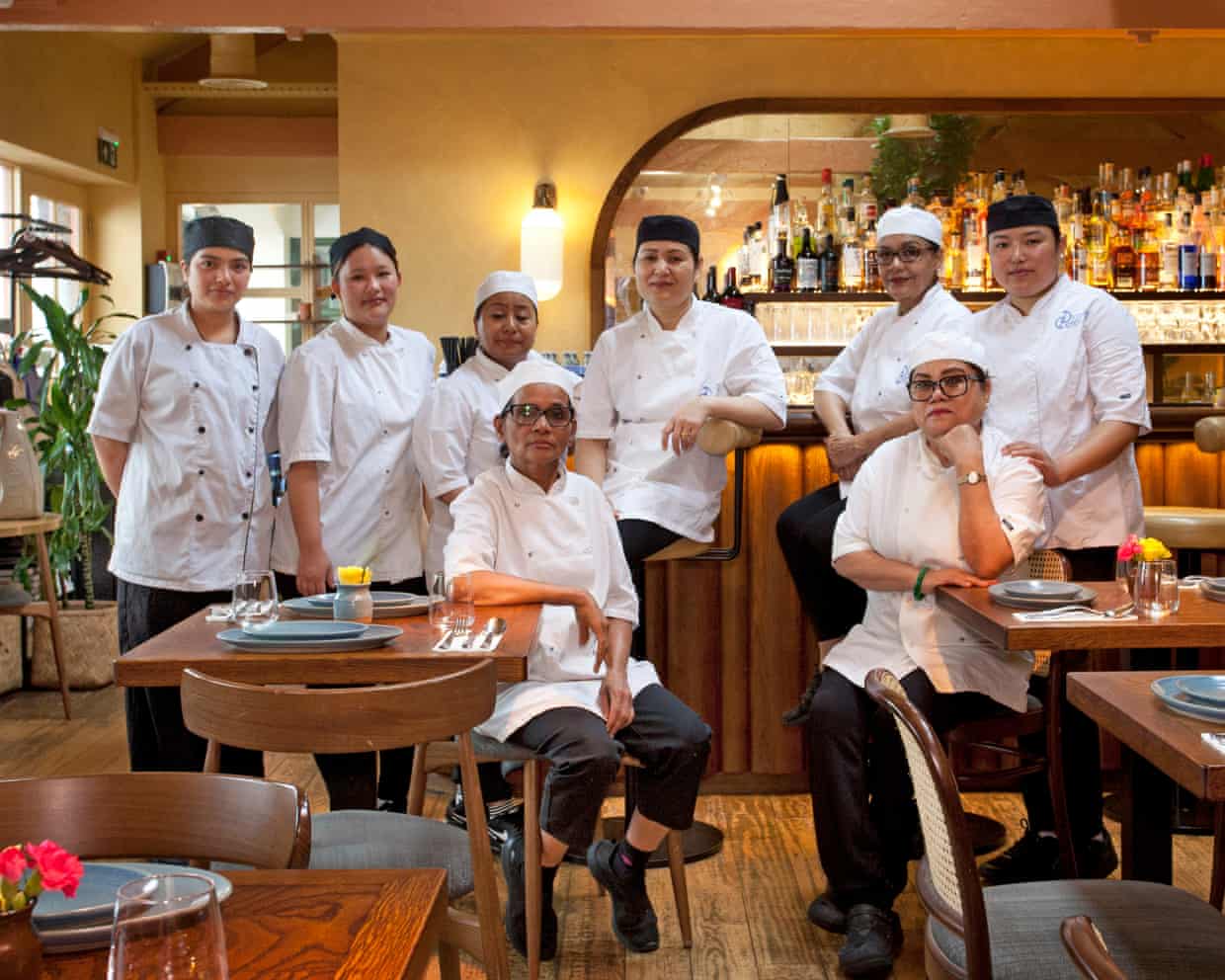
On 8 March each year, the calendar lights up: dinners celebrating women, panel talks, articles and online events amplifying female voices. The mood on International Women’s Day is joyful, the conversations energised and it feels as if the world is finally paying attention. But then 9 March arrives. Do the celebrations stop? Do we tuck away the banners with the last of the desserts? When the events conclude, are women no longer worth celebrating? The sad truth is that many International Women’s Day events can feel like lip service.Less so in the food world – or at least in our corner of it
The future is rosy for English red wines
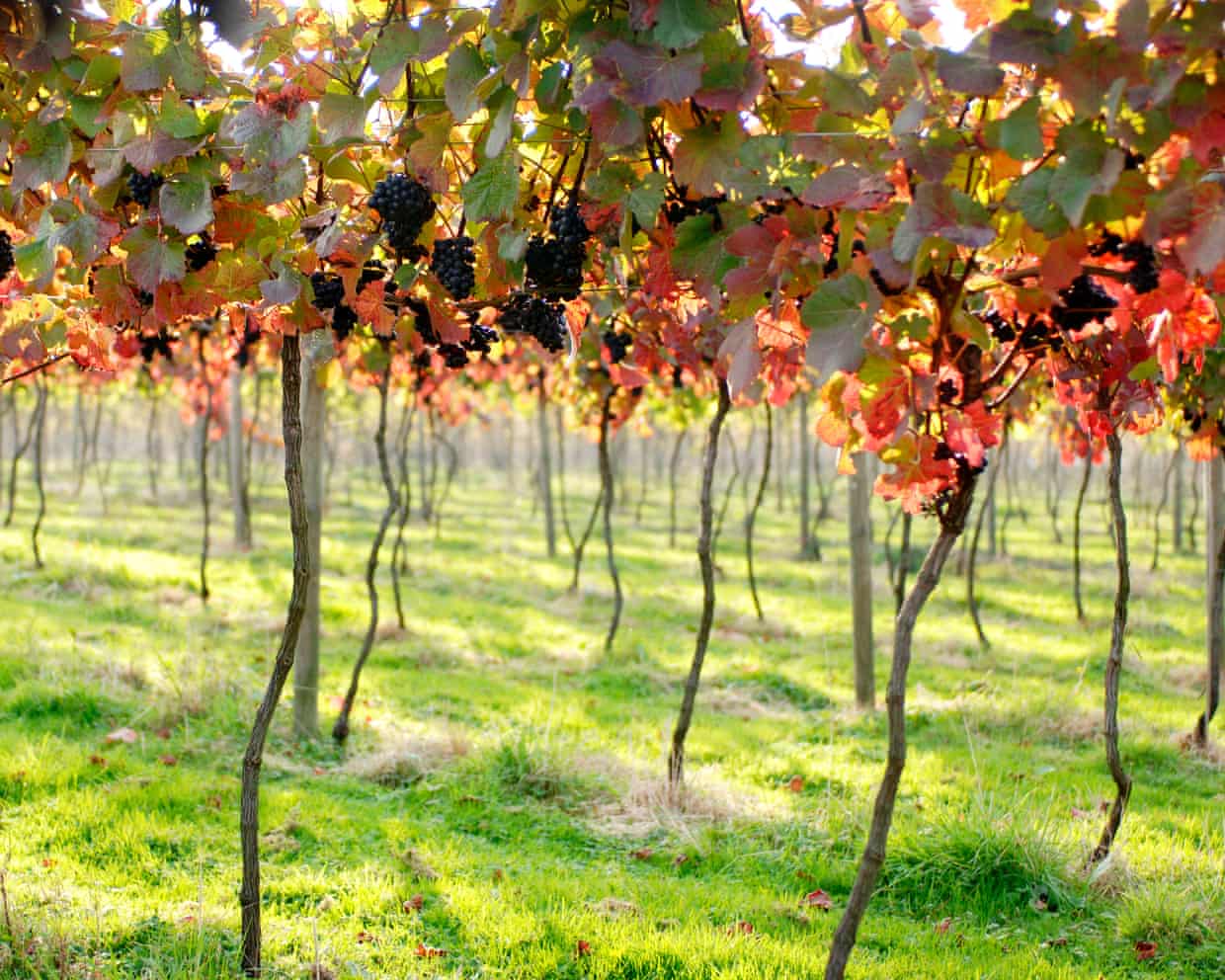
When did you last buy a bottle of English red wine? Chances are, you never have. Though increasingly available on the high street – Ocado and Waitrose Cellar both stock a couple – reds grown in Blighty have struggled to shift a reputation for being overpriced: the vast majority still cost £15-25 a bottle, which is well outside what most people might consider “everyday drinking”.The Guardian’s journalism is independent. We will earn a commission if you buy something through an affiliate link. Learn more
Rachel Roddy’s recipe for apple, honey and poppy seed cake | A kitchen in Rome
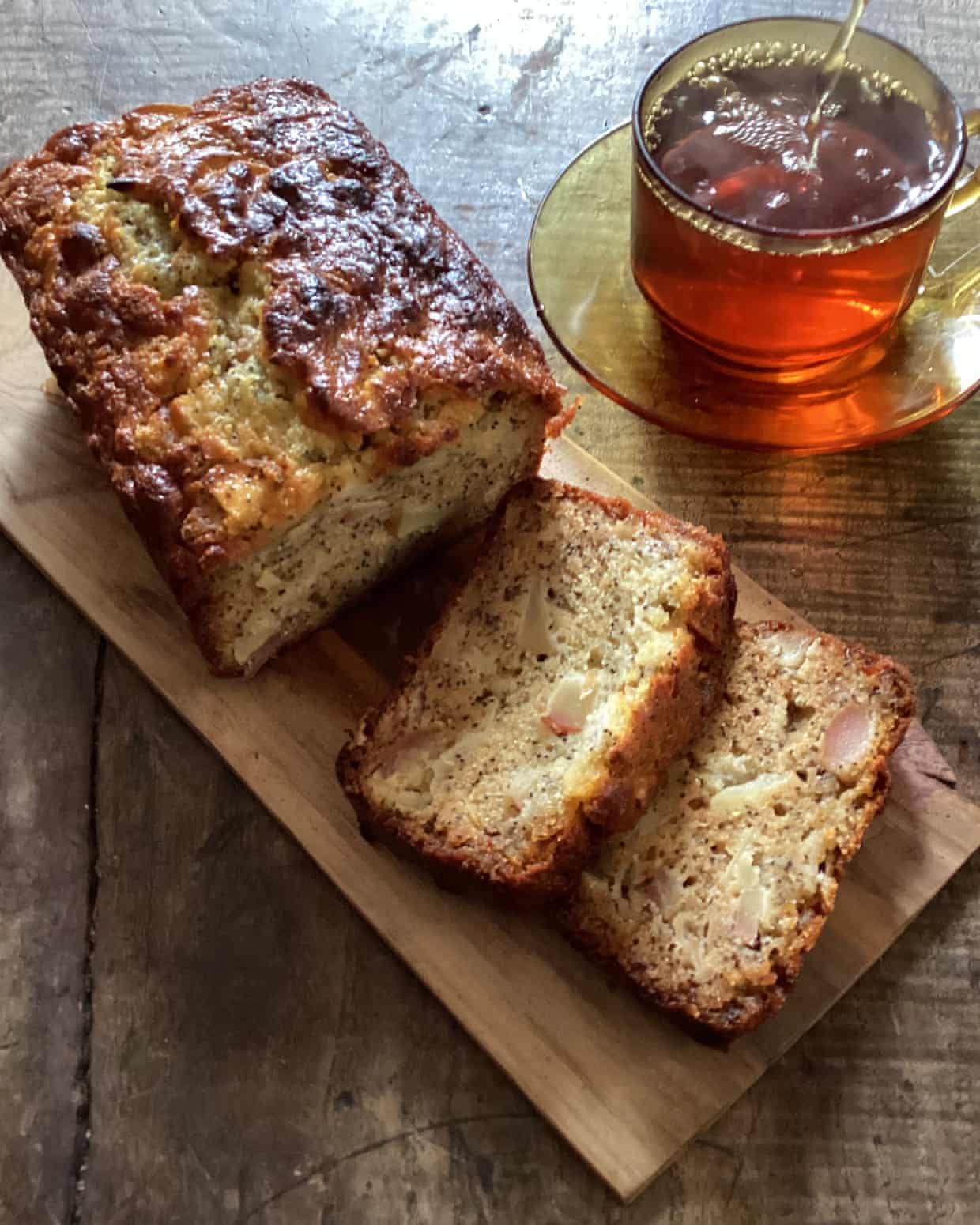
Honey is, among other things, a successful embalming agent. It is also a humectant, which isn’t an eager cyborg, but one of many short-chained organic compounds that are hygroscopic, meaning they attract and hold water, which in turn prevents hardening and encourages softness. Other hardworking humectants are glycerine, which is what keeps face creams creamy and hydrating, and sorbitol, which ensures toothpaste can be squeezed and smeared all over the sink and on the mirror. Honey, though, is the humectant that’s most suitable for this week’s recipe: a one-bowl, everyday cake inspired by my neighbour’s Polish honey cake, miodownik, combined with the tortino di mele e papavero (apple and poppy seed cake) enjoyed at a station bar in Bolzano.Not only does honey keep the cake moist, its sweetness comes largely from fructose, which is naturally sweeter than refined sugar, so the perception of sweetness is much greater even when less is added
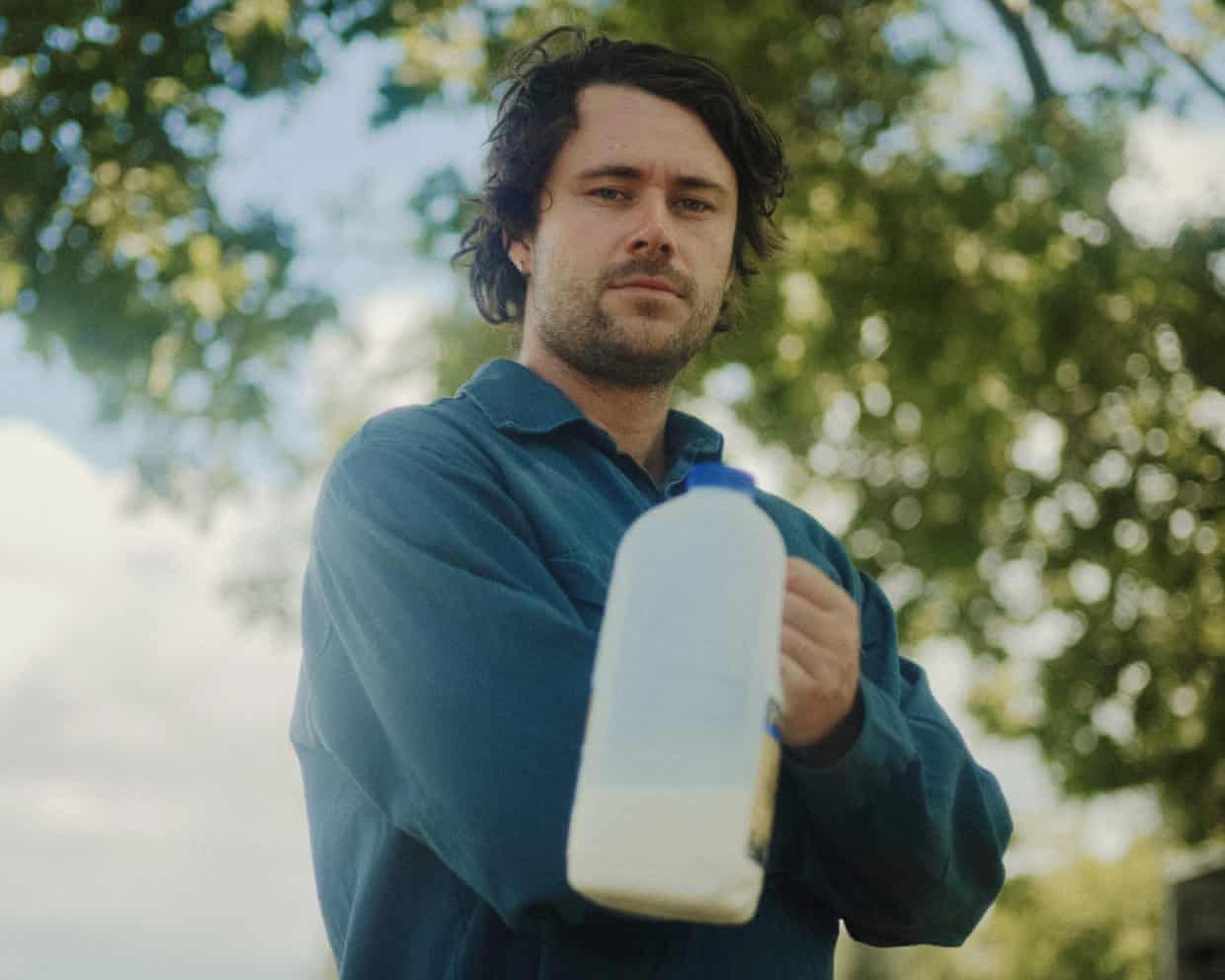
My whey: dairy milk back on menu as protein boom cuts demand for plant-based alternatives
Gabriel Morrison hadn’t touched dairy milk for a decade until he read the ingredients label on his cheap carton of oat milk.“It’s [so much] canola oil and you imagine that in your glass, and imagine discovering that much olive oil, you’re like, that’s actually really gross,” he says.“I was just like, ‘ooft, I should stop this’.”The 28-year-old cinematographer had exclusively drunk soy, then almond, then oat milks since 2015 but had started worrying about processed foods – despite expert reassurance.In early 2025, with his housemate already buying cheaper dairy, he gave the old classic another look
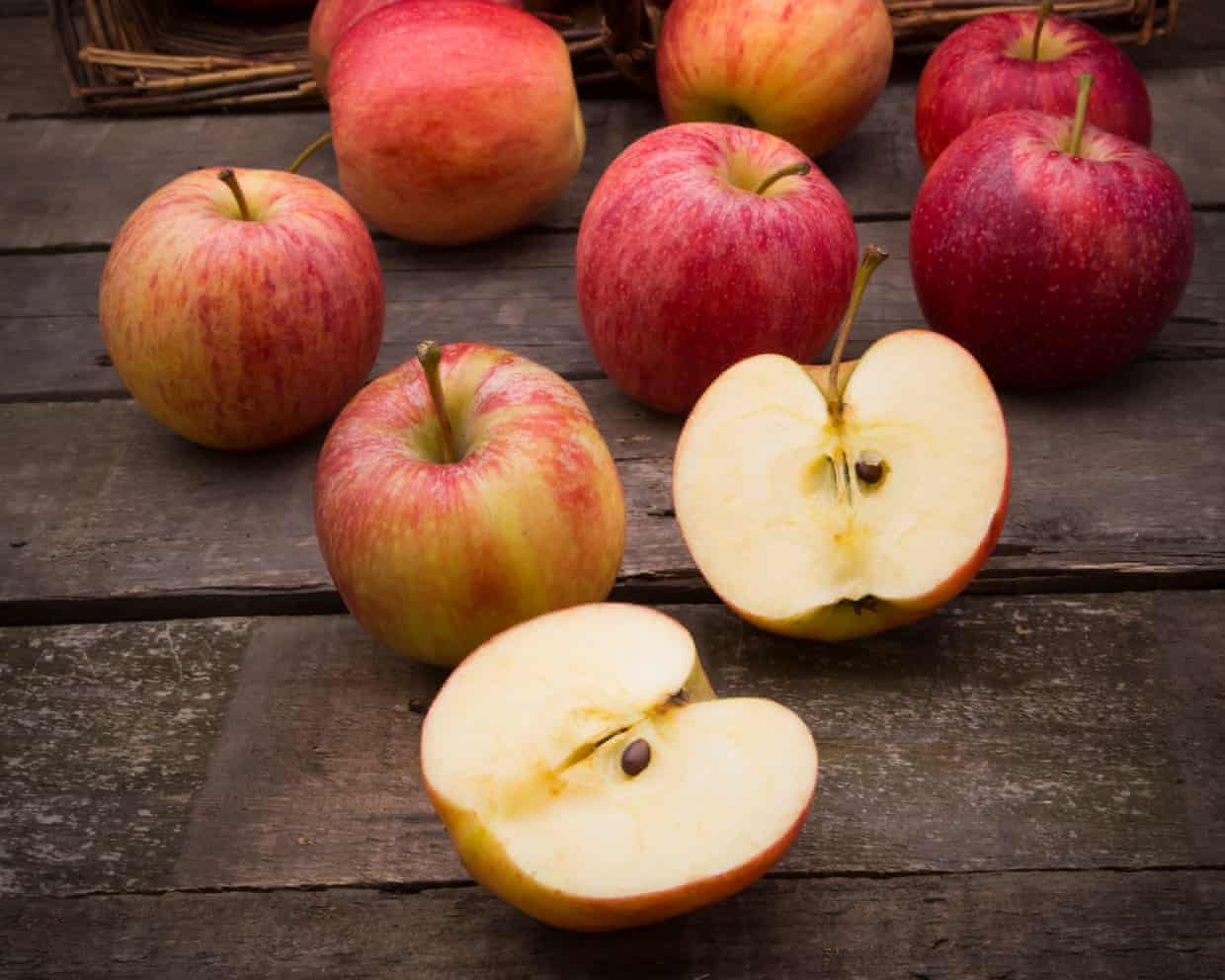
It’s crunch time! Gala apples and nashi pears among Australia’s best-value fruit and veg for March
It’s a core month for pome fruit, with apples, pears and quince all heralding the start of autumn. “The first cab off the rank is the gala – a big sweet and juicy apple,” says Graham Gee, senior buyer at the Happy Apple in Melbourne.Granny smith, jazz and kanzi apples will come in during March too, and “Australia’s most popular variety, the pink lady, generally starts in April,” he says.Royal gala apples are between $5 and $8 per kilo at supermarkets. They’re $7 to $9 per kilo at Sydney’s Galluzzo Fruiterers, and Gee is selling them for about $3 to $5 per kilo; Spudshed in Perth is selling bags of prepacked new season apples for $3
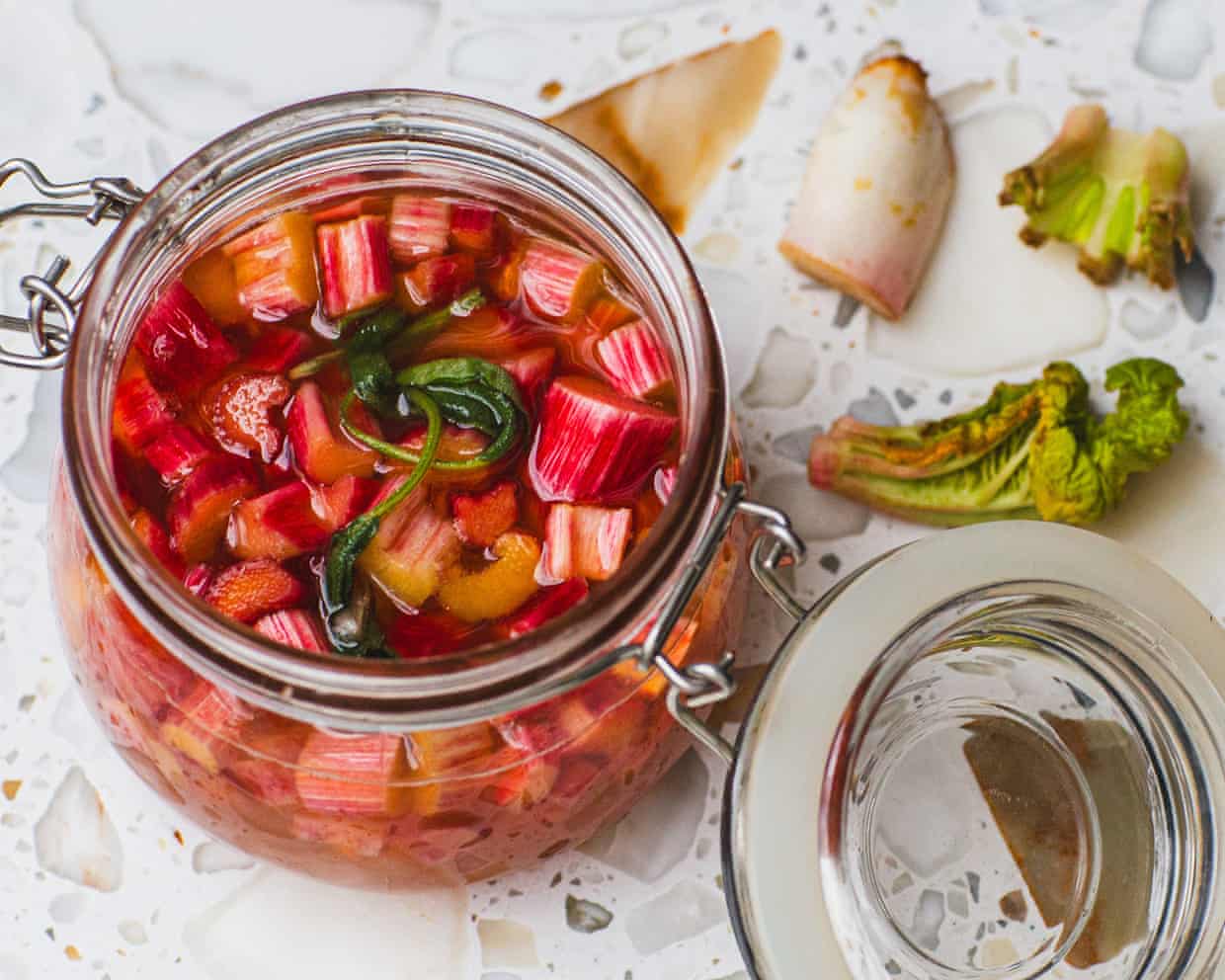
How to turn limp rhubarb into tasty jam – recipe
Rachel de Thample is one of my food heroines. She’s the author of six books, and has also been course director of the College of Naturopathic Medicine’s natural chef diploma, head of food for Abel & Cole and commissioning editor of Waitrose Food Illustrated, among so much else. She trained with the likes of Marco Pierre White, Heston Blumenthal and Peter Gordon, and now teaches fermentation and gut health at River Cottage HQ, where I cut my own teeth in teaching eco-gastronomy more than 20 years ago. While researching honey fermenting recently, I came across her recipe in River Cottage’s Bees & Honey Handbook, which I’ve adapted here so you can make as much as you like using a variety of aromatics.The Guardian’s journalism is independent

AI chatbots point vulnerable social media users to illegal online casinos, analysis shows

The Guardian view on AI in war: the Iran conflict shows that the paradigm shift has already begun
Ben Affleck sells his AI postproduction startup to Netflix
UK arts must not be sacrificed for speculative AI gains, peers say
Mark Zuckerberg says criminal behavior on Facebook inevitable

Trump says he fired Anthropic ‘like dogs’ as Pentagon formally blacklists AI startup