UK loses WHO status as measles-free after rise in deaths and fall in jab uptake
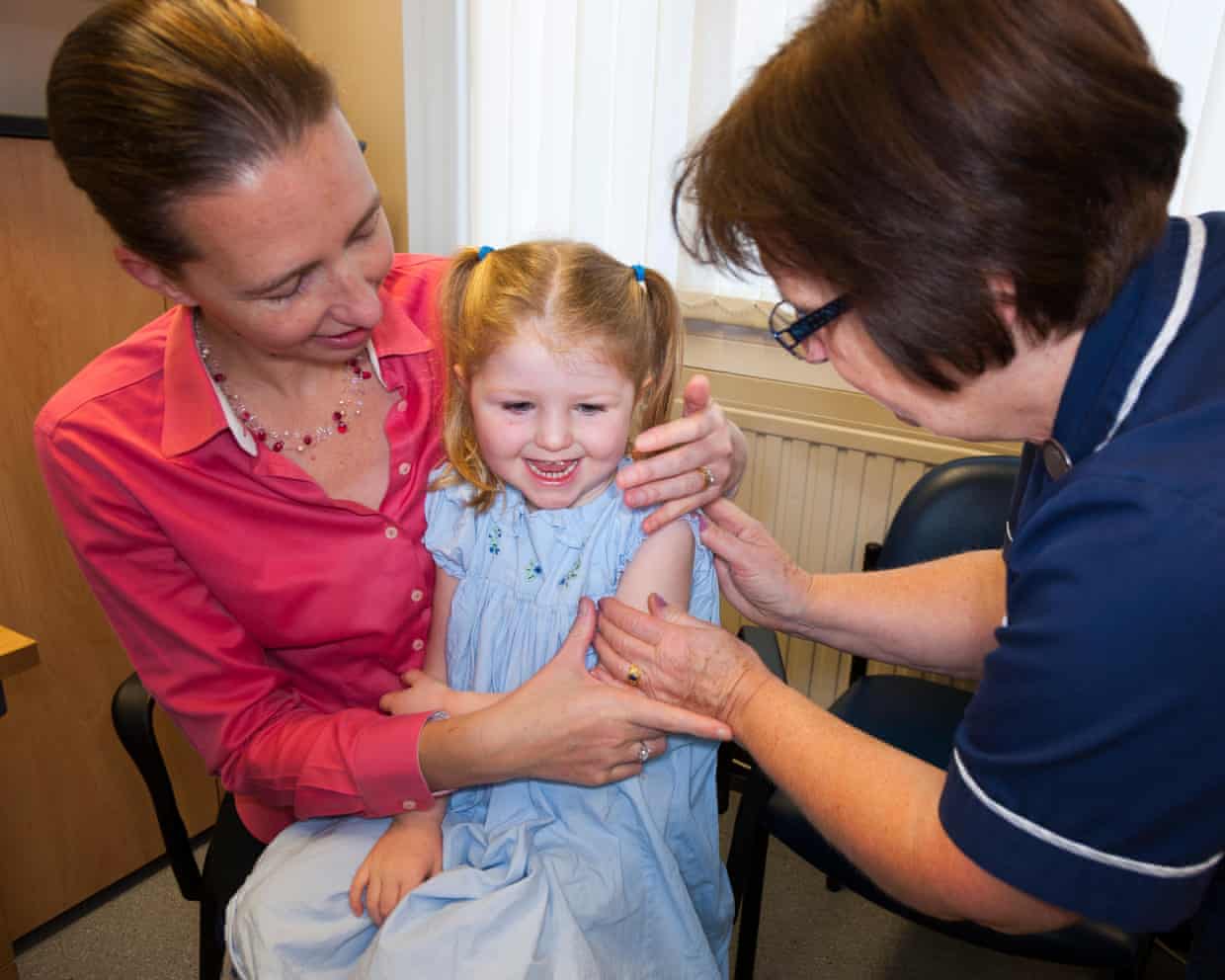
The UK has lost its status as a measles-free country after a rise in deaths from the disease and fall in the proportion of children having the MMR jab in recent years.The World Health Organization said it no longer classified Britain as having eliminated measles because the disease had become re-established.The UK is one of six countries in Europe and central Asia that the WHO says is no longer measles-free, the others being Spain, Austria, Armenia, Azerbaijan and Uzbekistan.The WHO had adjudged the UK to have eliminated the disease between 2021 and 2023, but recent increases in the number of recorded cases – there were 3,681 in 2024 – and rises in the number of outbreaks and deaths has led to a rethink.There were 20 deaths from measles in the six years between 2019 and 2025, the same number as in the 19 years between 1999 and 2018.
Doctors, public health experts and local councils said the WHO’s decision reflected the country’s diminishing uptake of the MMR vaccination, which they linked to vaccine hesitancy and parents’ difficulty in getting appointments for their child to be immunised.Dr Simon Williams, a public health researcher at Swansea University, said: “It’s sad to see the UK losing its measles elimination status, although it’s not surprising given outbreaks in recent years.Measles is an eminently preventable disease but vaccine coverage of MMR has declined.We are seeing vaccine hesitancy growing in the UK, as in many countries, and social media-based conspiracies about MMR are a factor.”He said the decision by the UN health body “is a wake-up call that more needs to be done” to get rates of MMR in children in the UK back up to the 95% that the organisation says is needed to eliminate measles, mumps and rubella altogether through herd immunity.
The WHO’s European regional verification commission for measles and rubella elimination said it “noted with concern the loss of measles elimination status in some member states, including some with high-performing immunisation programmes”.It highlighted the fact that the vast majority of people across Europe who had contracted either disease were not immunised and it urged governments to revamp their vaccination efforts in order to “close all remaining immunity gaps, focusing especially on vulnerable and hard-to-reach populations”.Dr Vanessa Saliba, a consultant epidemiologist at the UK Health Security Agency, said: “Infections can return quickly when childhood vaccine uptake falls.Measles elimination is only possible if all eligible children receive two MMRV doses before school.Older children and adults who missed vaccination must be caught up.
”Children in Britain are offered two doses of the MMR jab, at 12 and 18 months old, but coverage has declined over the last decade,The most recent annual data shows that uptake of the first MMR jab in England fell from 91,9% in 2015-16 to 88,9% in 2024-25,Similarly, the proportion of five-year-olds who have had a second MMR vaccine, which the WHO recommends to ensure immunity, fell from a peak of 88.
2% in 2015-16 to 83,7% in 2024-25,Dr Helen Stewart, the officer for health improvement at the Royal College of Paediatrics and Child Health, said: “The UK measles resurgence is a failure of policy, not parenting,While vaccine hesitancy plays a role in low vaccine uptake, the reality is that there are many who simply need better support and easier access to appointments,“When appointments are difficult to get and support isn’t there, the system ends up failing the very families who need it most.
”In a report last year, the college said many patients were unable to get their child vaccinated because they “simply can’t access services that work for them”.It said they faced difficulty booking appointments, transport problems and a lack of access to the same GP every time they sought help, which made them less likely to seek vaccination.

Ignore the snobbery and get into blended whisky
We have Robert Burns to thank for perhaps the greatest poem about any dish ever – a poem so good that it inspires an entire nation to dedicate an evening of each year to eating haggis, even though most people find it kind of gross.The Guardian’s journalism is independent. We will earn a commission if you buy something through an affiliate link. Learn more.No? If the “Great Chieftan o’ the Puddin-race” were that delicious, we’d all be eating it all the time, surely? And yet Burns’ Address to a Haggis is enticing enough to dispel any such doubts just once a year
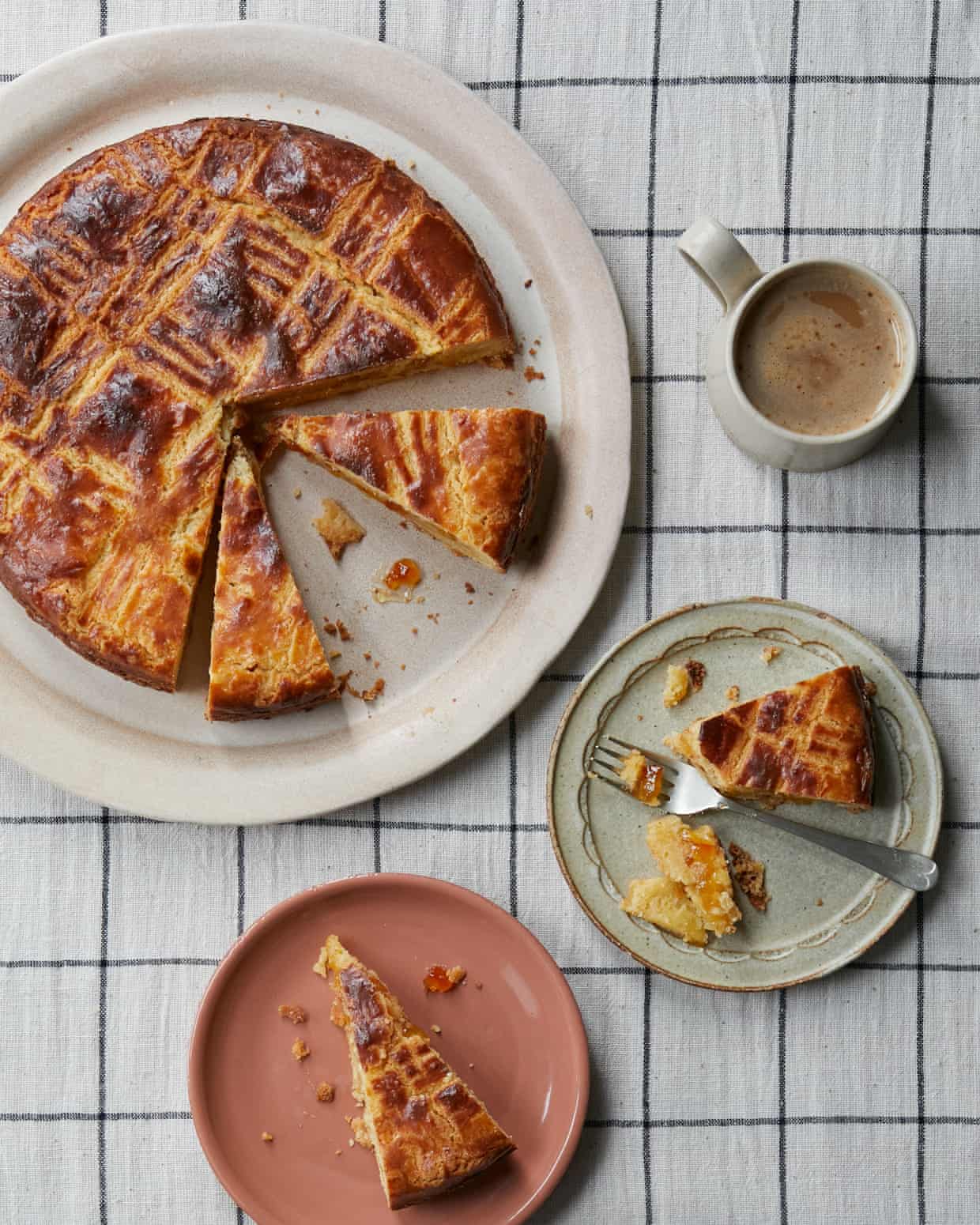
Helen Goh’s recipe for Breton butter cake with marmalade | The sweet spot
A Breton butter cake is a proud product of Brittany’s butter-rich baking tradition: dense, golden and unapologetically indulgent. True to its origins, my version uses salted butter, with an added pinch of flaky salt to sharpen the flavour. It also takes a small detour from tradition: a slick of marmalade brings a fragrant bitterness, while a handful of ground almonds softens the overall richness and lends a tender crumb. The result is still buttery and luxurious, but with a brighter, more aromatic edge.Brief stints in the freezer help firm up the dough between layers, making it easier to spread the marmalade without disturbing the base

Gordon Ramsay says tax changes will make restaurants ‘lambs to the slaughter’
The celebrity chef Gordon Ramsay has accused the government of cooking up a kitchen nightmare at restaurants across the country with tax changes that he says will make hospitality businesses “lambs to the slaughter”.Ramsay, whose company operates 34 restaurants in the UK including Bread Street Kitchen, Pétrus and Lucky Cat, said the industry was “facing a bloodbath”. He said restaurants were closing every day as a result of rising business rates, which came on top of higher energy, staffing and ingredient costs and little growth in consumer spending.“I’ve never seen it so bad,” Ramsay told the Standardnews site. “When I look ahead to April, when the budget measures come in, I think those of us in hospitality are lambs to the slaughter
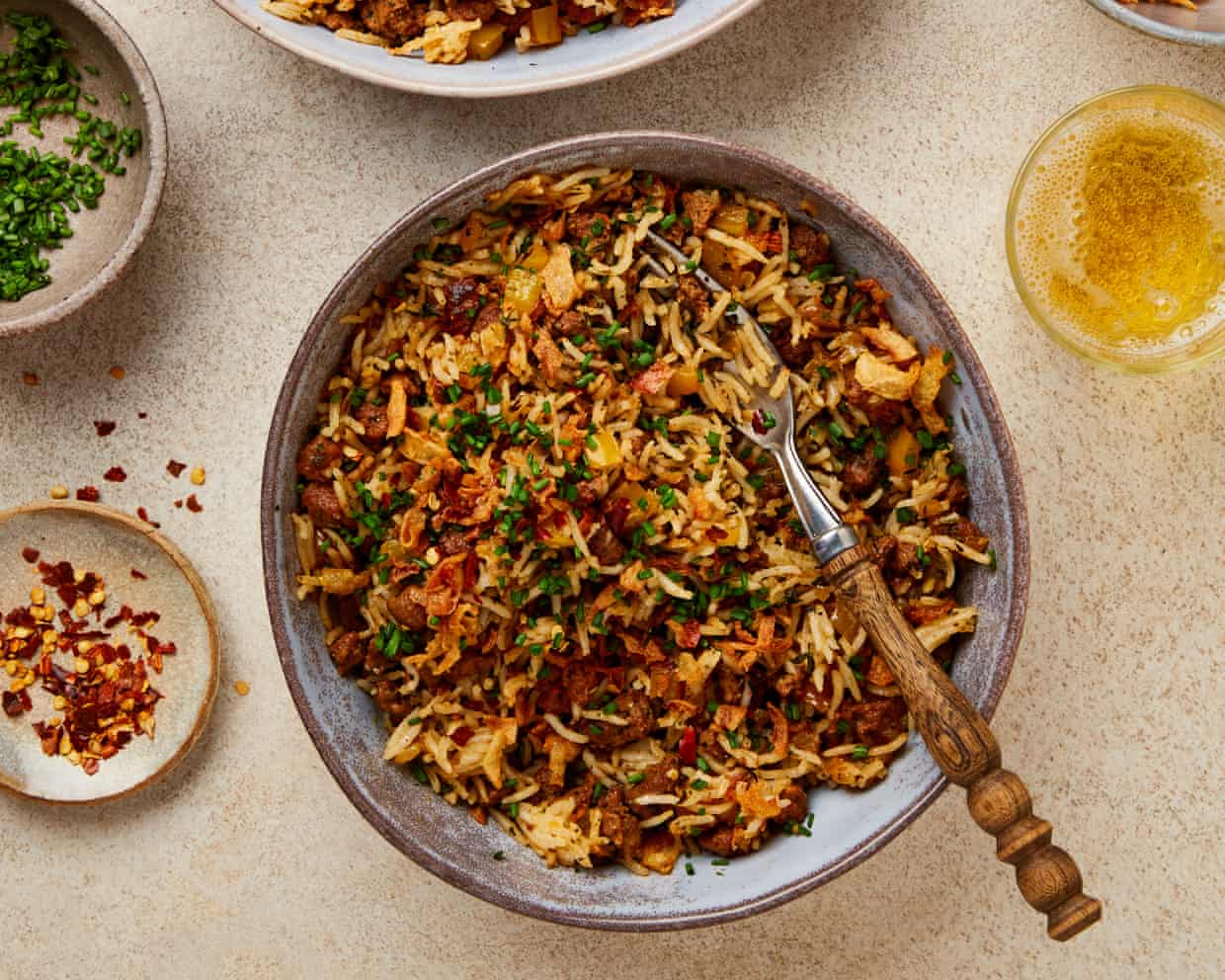
No more sad sandwiches and soggy salads: here’s how to make a proper packed lunch
Even if you have no truck with Blue Monday, Quitter’s Day or any of the other new-year wheezes concocted by enterprising marketeers, the last weeks of January can feel like a bit of a confused slog. Seasonal colds and lurgies abound. The weather is generally at its rain-lashed and blackly overcast worst. Well-intentioned attempts at self-improvement or abstemiousness are starting to creak in the face of a desire for whatever scraps of midwinter comfort we can find.Nowhere is this more apparent than when it comes to food and, more specifically, the daily puzzle of how to have something nourishing as a working lunch

Rum is booming but only Jamaican classics have the true funk
After Hurricane Melissa hit Jamaica last October, rum lovers anxiously awaited news from the island’s six distilleries. Hampden Estate, in the parish of Trelawney to the north, was right in the hurricane’s path, and the furious winds deprived its historic buildings of their roofs and the palm trees of their fronds. Then came more alarming rumours: the dunder pits had overflowed.The Guardian’s journalism is independent. We will earn a commission if you buy something through an affiliate link
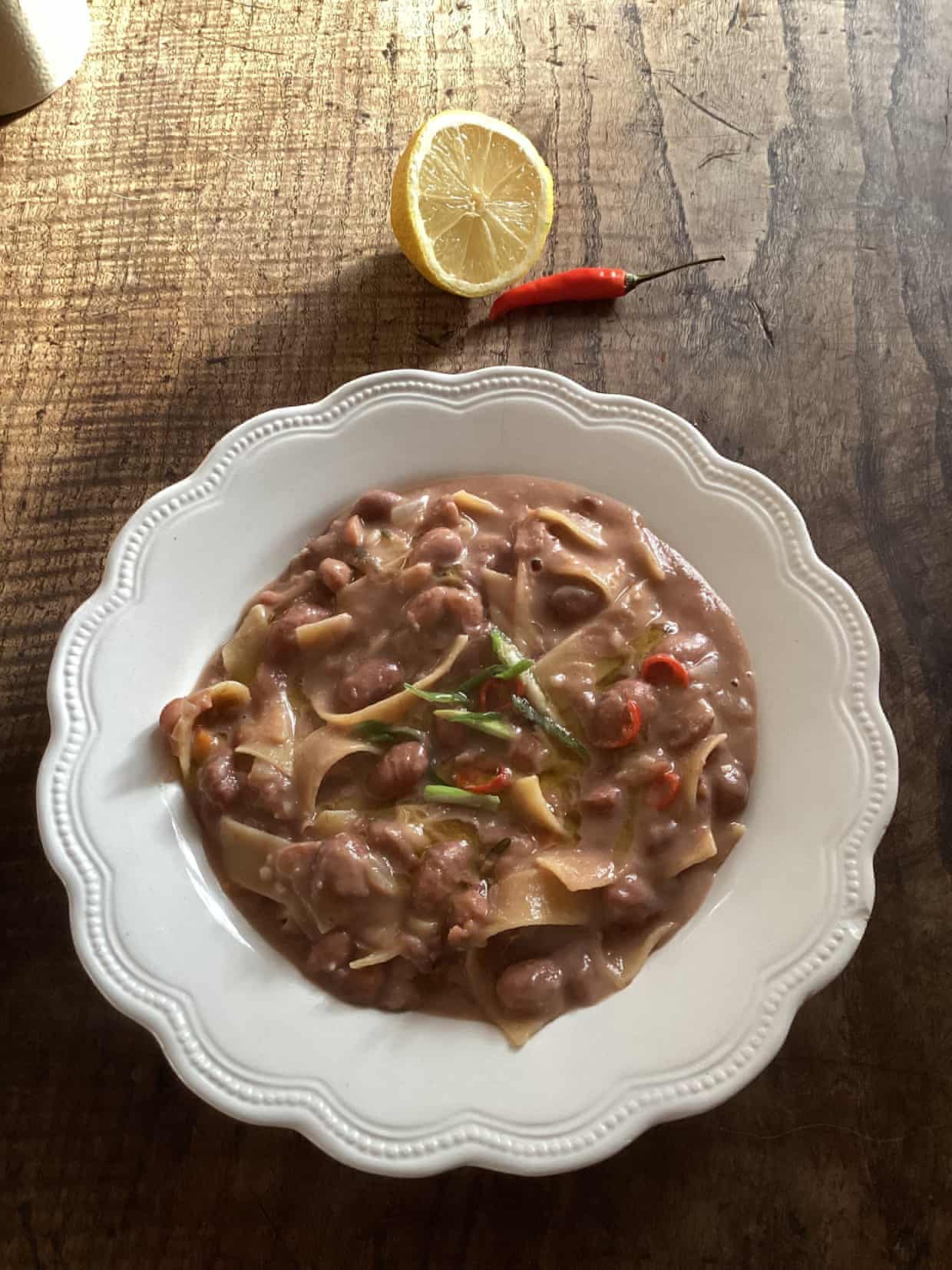
Rachel Roddy’s recipe for pasta e fagioli with coconut, spring onion, chilli and lemon | A kitchen in Rome
Throughout the 1990s and into the early 2000s, under the banner of story, art and folklore, the Roman publishing house Newton Compton published a series of 27 books about regional Italian cooking. Some, such as Jeanne Carola Francesconi’s epic 1965 La Cucina Napoletana, were reprints of established books, while others were specially commissioned for the series. There is considerable variation; some of the 20 regions occupy 650 densely filled pages, sometimes spread over two volumes, while other regions have 236 pages with larger fonts, with everything in between. All of which is great, although I can’t help feeling affectionate towards the regions with 14-point font.In the face of the vast variation of regional culinary habits, knowledge and rituals, I also feel affectionate towards the common traditions; those that are specific to a place, but at the same time that cross local and national borders, as well as for the stories of the ingredients

Tories say mental health claim about Suella Braverman was ‘sent out in error’

Braverman’s predictable defection is Farage’s biggest political gamble yet

Suella makes the ultimate sacrifice as she ditches Tories for Reform | John Crace

A sad day for Labour and Andy Burnham | Brief letters

Reform says it would cut green policies to fund £2bn income tax cut in Scotland

On Labour’s soft left, the question isn’t whether to challenge Starmer, but when