Almost a quarter of UK GPs are seeing obese children aged four and under
Almost a quarter of GPs are seeing children aged four or under who are obese, according to a survey of UK family doctors.The “alarming” research also found that almost half (49%) of GPs have seen boys and girls up to the age of seven who have obesity, including a handful younger than a year old.However, four out of five family doctors find it difficult to talk to children or their parents about the condition, in case such conversations make them feel upset, angry or ashamed.Dr John Holden, the chief medical officer at the medical organisation MDDUS, which ran the survey, said: “These findings are an alarming confirmation of the growing crisis of childhood obesity across the country and the very real difficulties this creates in everyday GP consultations.”The survey asked 540 family doctors about their experience of managing obesity, the explosion in the use of weight loss drugs and what widespread levels of dangerous overweight means for the NHS.
Almost one in four (23%) said they had seen children aged zero to four where obesity was a clinical concern,Among the doctors, 81% have seen obesity in those between their first 12 months and the age of 11,Four in five (80%) find it somewhat or very challenging to talk to the parents of an obese child under the age of 16 about their weight and health, with only 10% saying that is easy to do,Nearly two thirds (65%) find it hard to talk to obese young people themselves, with just 20% saying that is easy,Discussing a child’s weight with their parents is difficult because they may become upset (72%), angry (47%) or make a complaint (24%) or that may cause shame or stigma (74%).
Similar concerns hamper such conversations with children, including that they may develop disordered eating habits as a result.The complex factors that explain obesity, including poverty, lack of access to nutritious food, and children having limited opportunities to be active, means GPs approach conversations about children’s weight “with care and empathy for families under pressure”, Holden said.“When parents feel judged or blamed, conversations can quickly become emotionally charged and, as our members tell us, can lead to complaints from distressed or angry parents,” he added.Katharine Jenner, the executive director of the Obesity Health Alliance, a coalition of 65 health and children’s groups, said that the large numbers of GPs who had seen obese infants and young children “is another sign we’re letting children down before they even start school.If we’re serious about prevention, it has to begin in the earliest years, otherwise the damage follow them through life.
”She called for reformulation of food and drink products to make them healthier, restrictions on the marketing of products high in fat, salt and sugar, and better support for families.GPs also disclosed in the survey that adult patients who should not be using weight loss drugs are putting themselves at risk by obtaining them through deception from private pharmacies.They include people with eating disorders, such as anorexia or bulimia, and those already taking other medications that may interact badly with “fat jabs” and pose a risk to their health.Most of the estimated 1.5 million people in Britain using GLP-1 drugs to lose weight have obtained them privately, with only a small minority receiving them on the NHS, which has strict eligibility rules.
One GP said GLP-1s are being “accessed privately pretty indiscriminately by many people whose body mass index is not in the obese category”.Another told how a patient with a history of anorexia nervosa had also obtained the drugs privately.Two-thirds (67%) of family doctors have seen patients who have done so despite not meeting eligibility rules.The findings raise questions about how rigorously private pharmacies are conducting proper checks on people who want to start using GLP-1s, such as checking what other drugs they already take.Large majorities of GPs surveyed said that obesity was likely to be a defining public health challenge in their career (92%), and that it would significantly affect the NHS’s ability to deliver care (95%).
But 59% believe weight loss jabs will save the NHS money – only 22% disagree.The Department of Health and Social Care did not comment directly on MDDUS’s findings.But a spokesperson said: “Every child deserves the best possible start in life, which is why this government is taking decisive action to tackle childhood obesity.“We are restricting junk food advertising on television before 9pm and online, a move expected to remove up to 7.2bn calories per year from children’s diets; while giving local authorities new powers to stop fast food shops opening outside schools.
“Through our ten-year health plan, we’re shifting the focus from sickness to prevention to create a healthier nation,”
National insurance hike and energy bills behind food price rise, say UK retailers
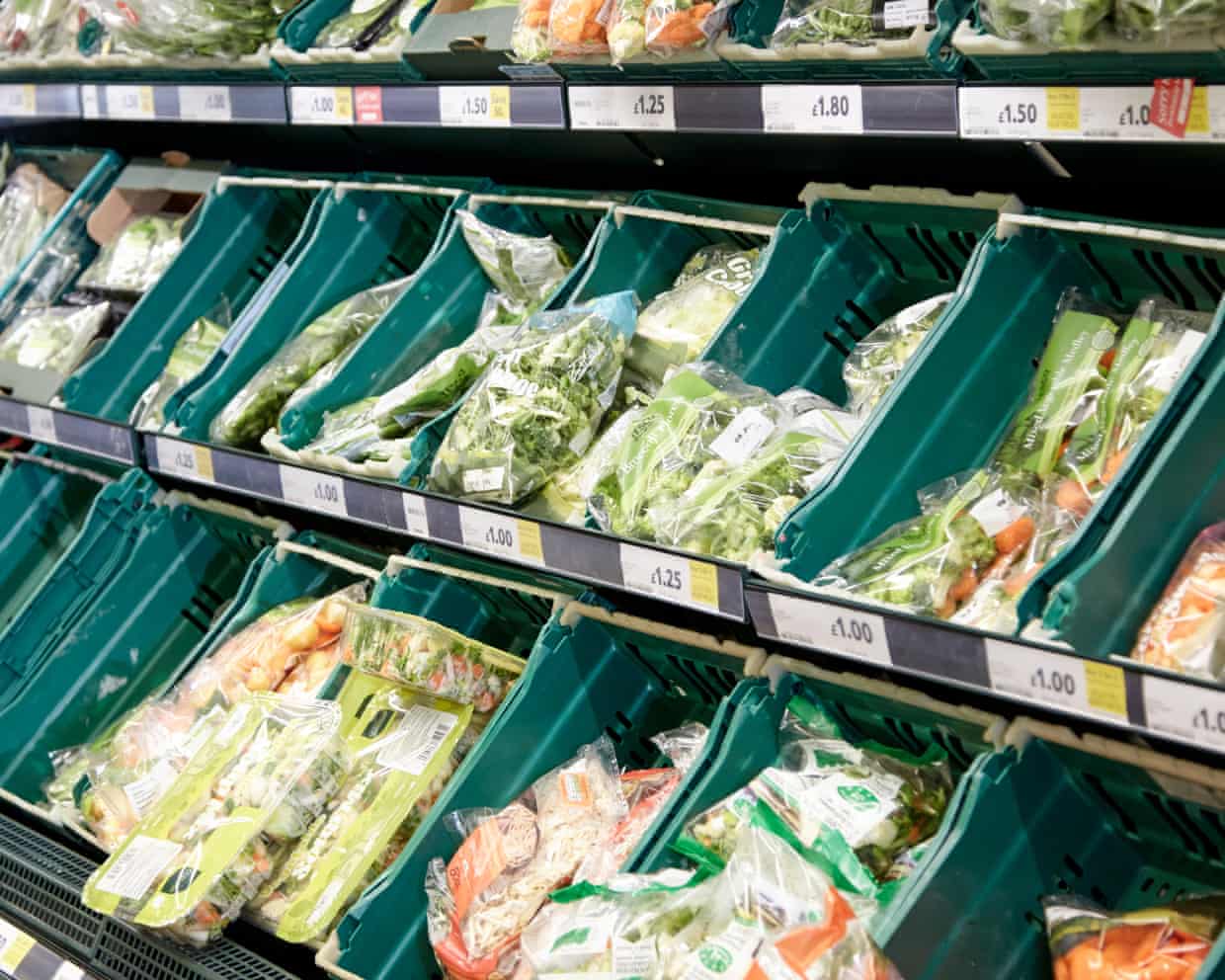
Retailers have blamed rising energy bills and the chancellor Rachel Reeves’s hike in employers’ national insurance contributions for a jump in food prices, as suppliers and supermarkets struggle to absorb higher costs.The British Retail Consortium (BRC), the trade body for retailers, said prices across all goods in shops rose by 1.5% in January compared with the same month last year, up from a 0.7% rise in December and higher than the 0.7% increase economists had been expecting

Bank of Scotland fined £160,000 over account for sanctioned Putin ally
The UK’s sanctions watchdog has fined Bank of Scotland £160,000 for opening a bank account and processing payments for an ally of Vladimir Putin.Dmitrii Ovsiannikov, who became the first person to be prosecuted for circumventing UK sanctions last year, made 24 payments totalling £77,383 to or from a personal current account during February 2023.The Russian has held senior positions in Russian government and is a former governor of Sevastopol, in Russian-occupied Crimea.The EU made Ovsiannikov a designated person under its sanctions legislation in November 2017, saying his work had compromised or threatened the territorial integrity, sovereignty and independence of Ukraine. This restricted him from entering or accessing funds in member states including the UK, then still an EU member

Georgia leads push to ban datacenters used to power America’s AI boom
Lawmakers in several states are exploring passing laws that would put statewide bans in place on building new datacenters as the issue of the power-hungry facilities has moved to the center of economic and environmental concerns in the US.In Georgia a state lawmaker has introduced a bill proposing what could become the first statewide moratorium on new datacenters in America. The bill is one of at least three statewide moratoriums on datacenters introduced in state legislatures in the last week as Maryland and Oklahoma lawmakers are also considering similar measures.But it is Georgia that is quickly becoming ground zero in the fight against untrammelled growth of datacenters – which are notorious for using huge amounts of energy and water – as they power the emerging industry of artificial intelligence.The Georgia bill seeks to halt all such projects until March of next year “to allow state, county and municipal-level officials time to set necessary policies for regulating datacenters … which permanently alter the landscape of our state”, said bill sponsor state Democratic legislator Ruwa Romman
EU launches inquiry into X over sexually explicit images made by Grok AI
The European Commission has launched an investigation into Elon Musk’s X over the production of sexually explicit images and the spreading of possible child sexual abuse material by the platform’s AI chatbot, Grok.The formal inquiry, launched on Monday, also extends an investigation into X’s recommender systems, algorithms that help users discover new content.Grok has sparked international outrage by allowing users to digitally strip women and children and put them into provocative poses. Grok AI generated about 3m sexualised images in less than two weeks, including 23,000 that appeared to depict children, according to researchers at the Center for Countering Digital Hate.The commission said its investigation would “assess whether the company properly assessed and mitigated risks” stemming from Grok’s functionalities in the EU, including risks on the sharing of illegal content such as manipulated sexually explicit images and “content that may amount to” child sexual abuse material
Australian Open 2026 quarter-finals: Zverev v Tien, Sabalenka through to semis– live
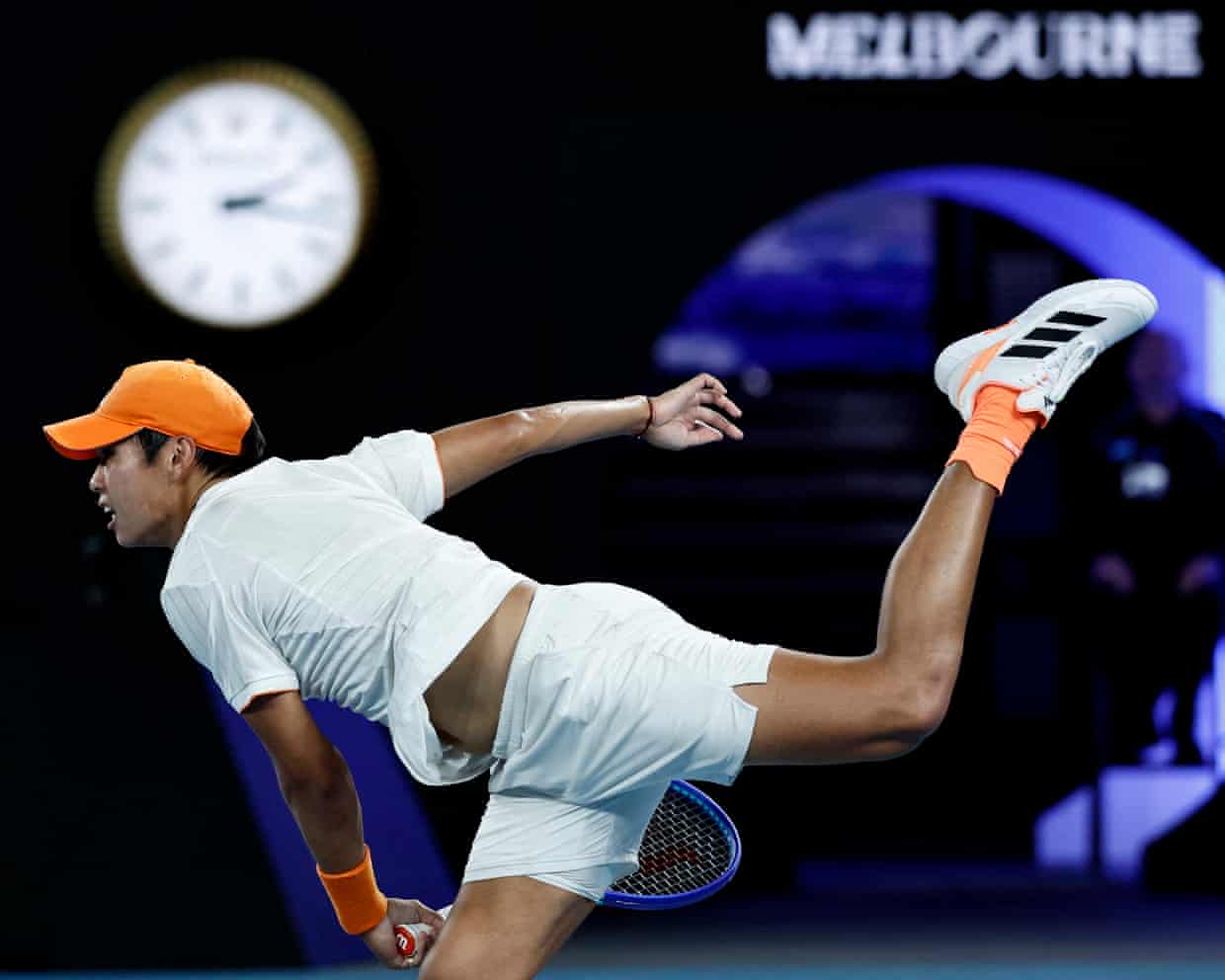
Alexander Zverev* (3) 4-4 6-3 Learner Tien (25) Zverev sends a backhand into the net to open things but responds with a 204 km/h serve Tien can’t return. Tien gets on top of Zverev’s subsequent second serve but commits a frustrating error to fall further behind but Zverev then commits an unforced error of his own when he pushes a forehand out.Tien then finds an angle as Zverev charges forward and induces an error – the first point Zverev has lot coming to the net today – and brings up break point. Zverev dashes those hopes, however, and brings up deuce with an ace smashed down the T. An extended rally ends with Tien sending a backhand into the net and responding by smashing the top of his racquet into the surface in frustration
Australian Open insulates tennis from extreme heat but still faces million-dollar hit
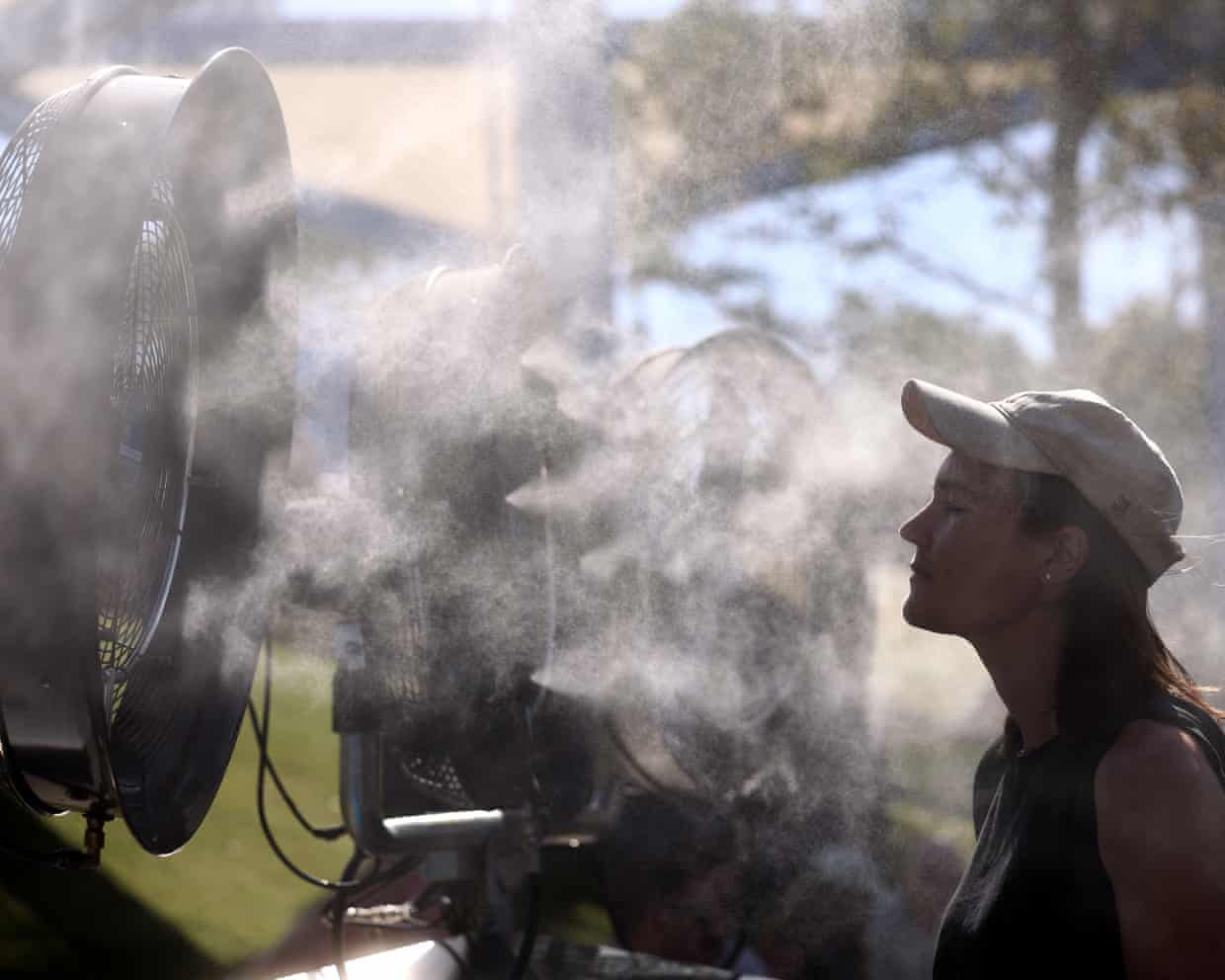
Tens of thousands of tennis fans are expected to stay away from the Australian Open on Tuesday as temperatures climb above 40C, but the Melbourne Park grand slam has largely been able to insulate itself – physically and commercially – from the effects of extreme heat.The daytime attendance for the heat-affected Saturday was 51,048, down more than 10,000 compared with the previous and following days, and an even greater decline is expected on Tuesday given widespread publicity of the Victorian heatwave. Sales of $35 ground passes have been slow and queues at security appeared shorter than usual shortly after gates opened at 9am.Those who do attend are also less likely to spend as long at the precinct. On Saturday, Melbourne Park was largely empty when play resumed shortly after 7pm, leaving food and beverage vendors twiddling their thumbs at dinnertime when they would usually be run off their feet

Gold price jumps above $5,000 an ounce for first time amid Trump turmoil
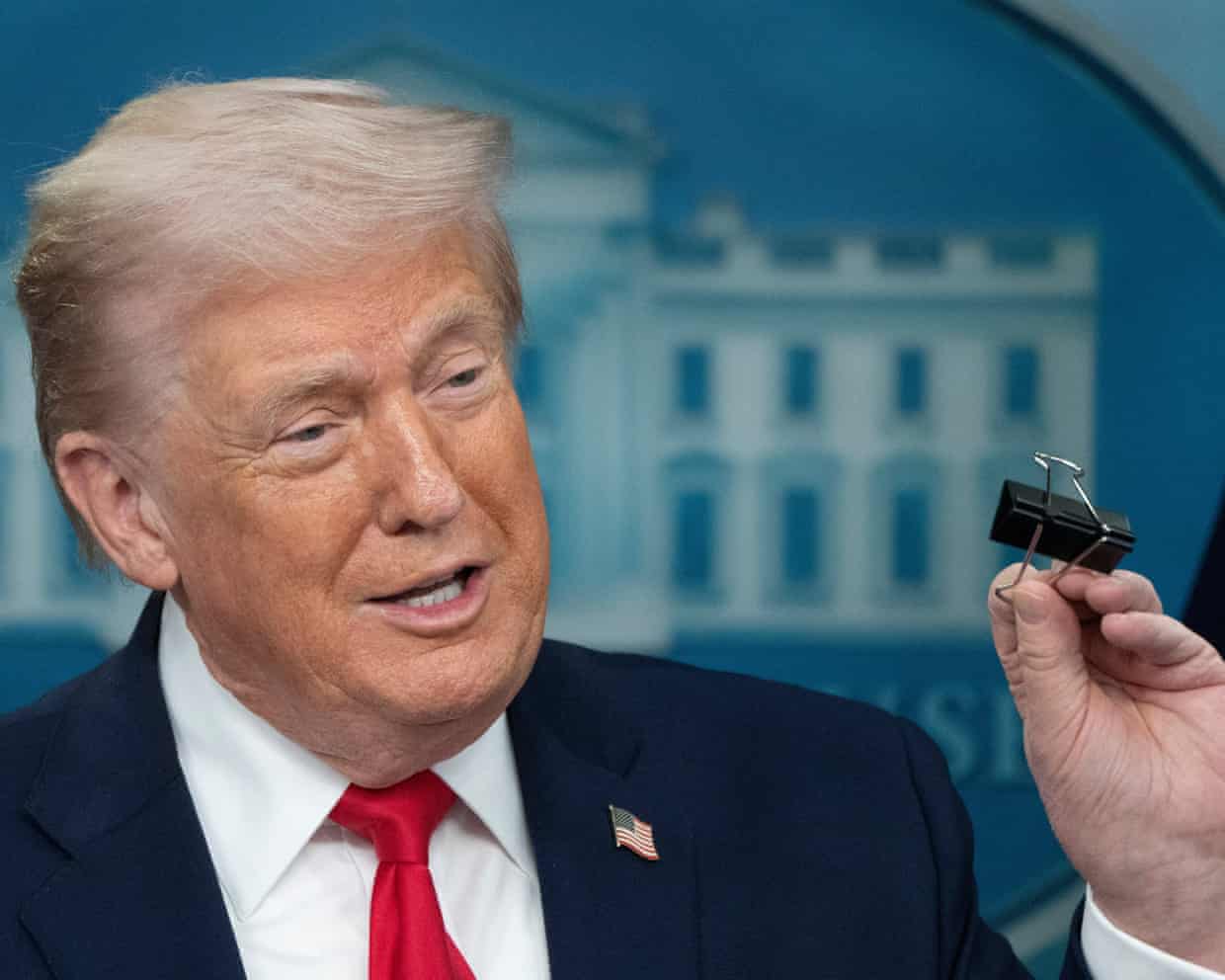
Gold soars past $5,100 an ounce, silver hits new record on tariff and US shutdown fears – as it happened

UK maker of AI avatars nearly doubles valuation to $4bn after funding round

AI is hitting UK harder than other big economies, study finds
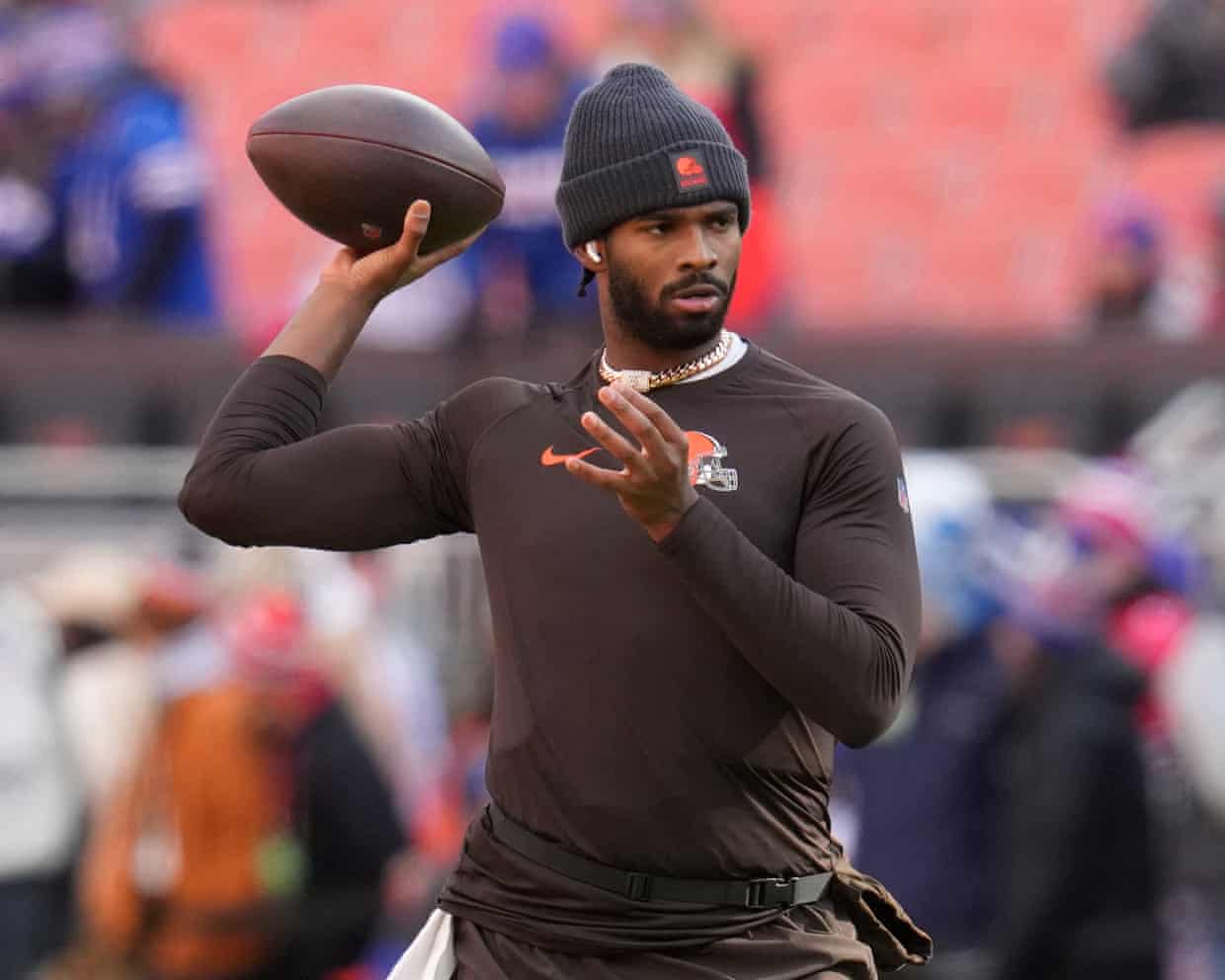
Shedeur Sanders set to better father Deion by reportedly making Pro Bowl as rookie
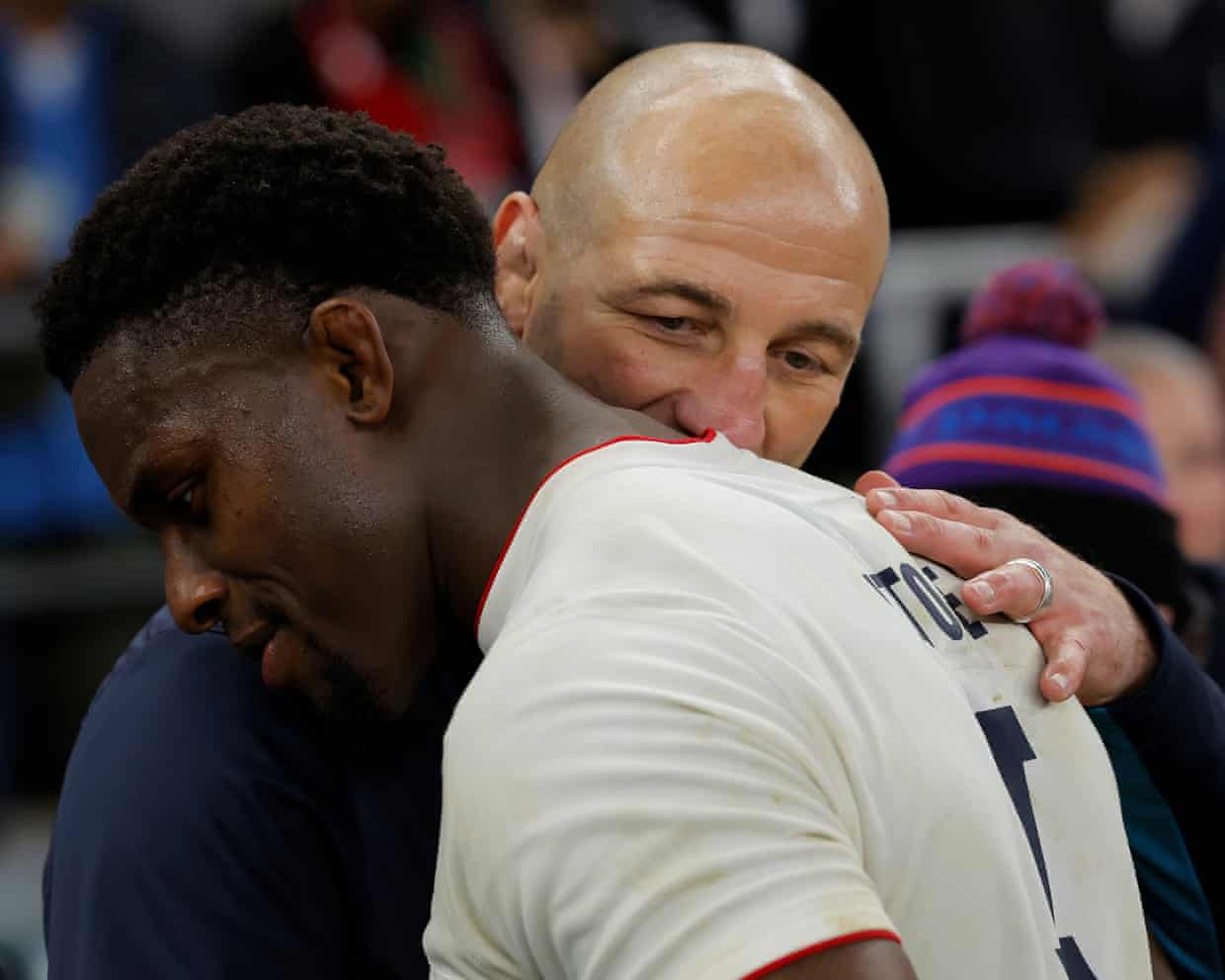
England captain Maro Itoje absent from training camp to attend mother’s funeral in Nigeria