Singing the praises of political plurality | Brief letters

Polly Toynbee says Angela Rayner, in her local government white paper, “boasted that it will mean ‘fewer [local] politicians’” (Opinion, 18 February), as if they are a bacillus to be wiped out.I am represented by a Conservative councillor on Ilkley town council.On Bradford city council I rejoice in a Green councillor.And in my county of West Yorkshire I have the benefit of a Labour mayor.Such a plurality is the lifeblood of democracy.
Rodney BrookeIlkley, West Yorkshire Nadia Khomami says sales of Wuthering Heights, the actual book, have increased by 469% (Opinion, 16 February).I predict shelves full of copies discarded in charity shops when readers search in vain for nuns or masturbation, and are left wondering who the devil Hindley Earnshaw is, as Emily Brontë clearly should have left him out.Jane GhoshBristol When I was a child, we had a Belling bed warmer, a flying-saucer-shaped metal shell with a standard 40-watt lightbulb inside (Letters, 16 February).It was surprisingly efficient, but occasionally scorched a sheet or two.We called it Horace – I have no idea why.
Stephen IngamellsIlford, London After losing all his titles, Andrew Mountbatten-Windsor has now suffered the ignominy of being omitted from the Guardian Birthdays list in the print edition (19 February),Peter MitchellLondon Have an opinion on anything you’ve read in the Guardian today? Please email us your letter and it will be considered for publication in our letters section,

The feast before the fast … my pre-Lent indulgent recipes
In terms of religious food festivals, this week is kind of a double whammy. First up was pancake day, which is always a whole-day affair in our kitchen, with both sweet and savoury stations, crepe pans and all the toppings (you can always rely on Felicity Cloake for a foolproof recipe). And, because of the way the calendars fall this year, we are also celebrating Orthodox Maslenitsa, or cheesefare, week at the same time.OK, so the sentiment is pretty much the same (it’s the week before the start of Lent, when people ease into their strict fasting period), but these two celebrations can often be weeks apart (blame the battle of the Gregorian and Julian calendars). For those of Orthodox faith, last week was all about eating meat, and this week is all about dairy
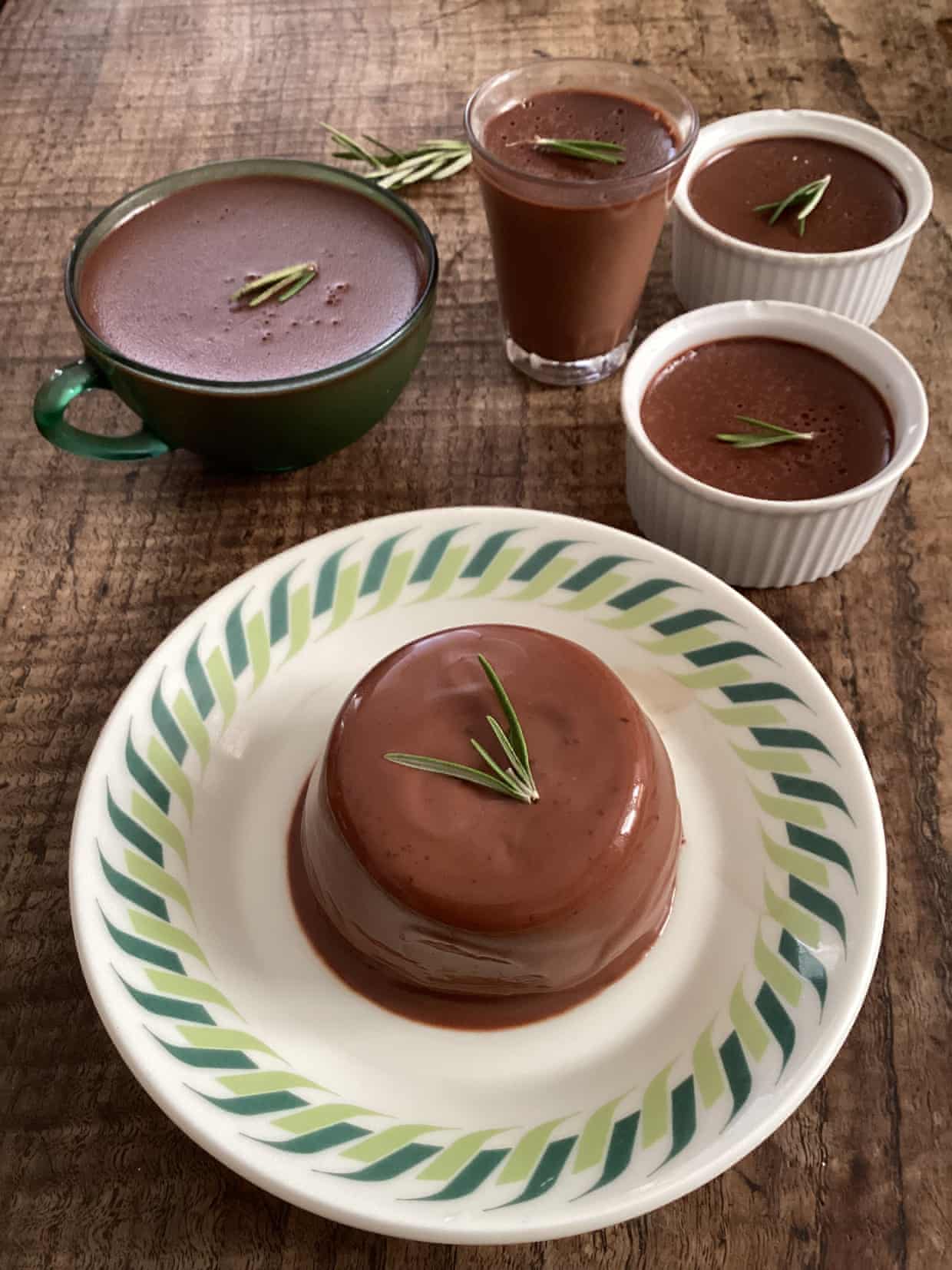
Rachel Roddy’s recipe for chocolate and rosemary panna cotta | A kitchen in Rome
The pungent and lingering aromas of familiar kitchen herbs – oregano, rosemary, sage, thyme, bay, lavender, mint – seem purposely made to donate their landmark volatiles to our everyday lives and food. In fact, their design is not for domestic calm and onion basket or fridge drawer neglect, but for uncultivated wilds. In particular the limestone terrain of the Mediterranean, where their defining smells are hardcore chemical defences, with every small, tough leaf or needle loaded with enough volatiles to deter both predators and competitors.Rosemary is particularly kick-arse in this respect, with those volatiles (mostly organic compounds called terpenoids) synthesised and stored in minuscule glands that project from the surface of each dark green needle, which breaks when brushed against or bitten, releasing an intense, hot, bitter shot. It’s the evergreen equivalent of carrying personal defence spray
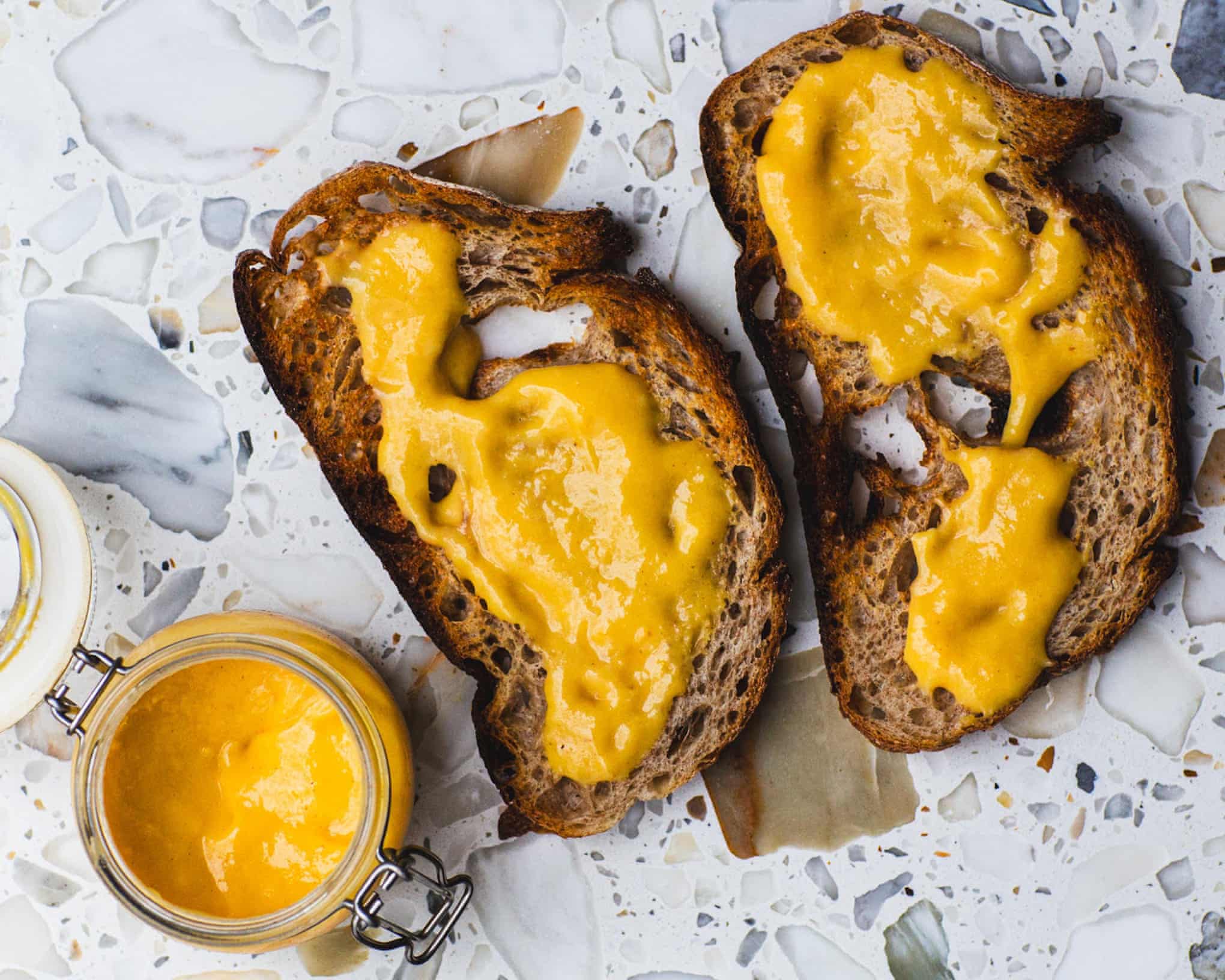
How to turn any leftover fruit into curd – recipe
You can make curd with almost any leftover fruit, as long as you add a little lemon juice for acidity and blend it to that familiarly special smooth textureI love ingenious recipes like curd that have the superpower to turn a tired piece of fruit or a forgotten offcut into something utterly decadent. Lemon curd is the original and a classic, but you can make curd with almost any fruit, as long as you add a little lemon juice for acidity. Each version is intense, indulgent and dreamy. So, please approach with caution: this spread is deeply moreish, in the best possible way.When testing this recipe, I had some leftover frozen mango that had been accidentally defrosted on the counter, a sad golden kiwi and some wrinkled grapes, so I split the recipe and made three small batches of different curds

‘Food porn’: are sexy meal pics ruining the restaurant industry?
Name: Food porn.Age: Entered common parlance around the 1980s – Rosalind Coward used the term in her 1984 book Female Desire (one of its earliest documented uses).Appearance: A total restaurant killer.Your thesis is that nice-looking food is destroying the restaurant industry? Yes, and I’m sticking with it.Why? Because if you make your food look nice, it attracts the wrong sort of customers, that’s why
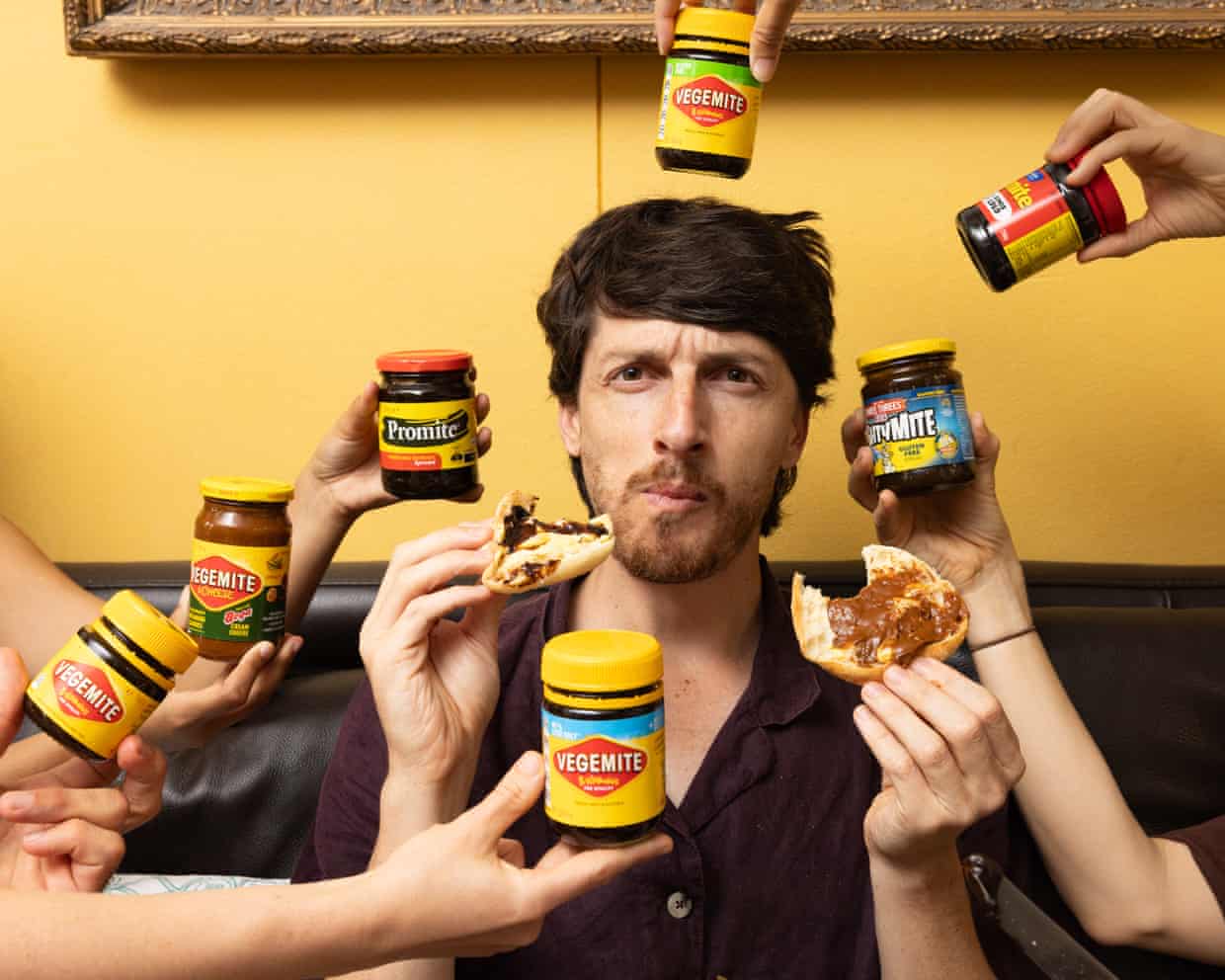
In a taste-test battle of supermarket mite-y bites, which will win? (Spoiler: it isn’t Vegemite)
At the end of most taste tests, I have a clear idea of winners and losers, and I’m usually confident enough in the findings that I’d bet if I repeated it 100 times, with a different set of testers, the results would be similar. This is not a normal taste test.After blind tasting eight yeast spreads, readily available at Australian supermarkets, I don’t even know what my favourite is, let alone which are the best and worst.In Australia it is impossible to taste yeast spreads without comparing them with Vegemite, for better or worse. So this isn’t really a yeast spread taste test, it’s a taste test of Vegemite and things that taste like it
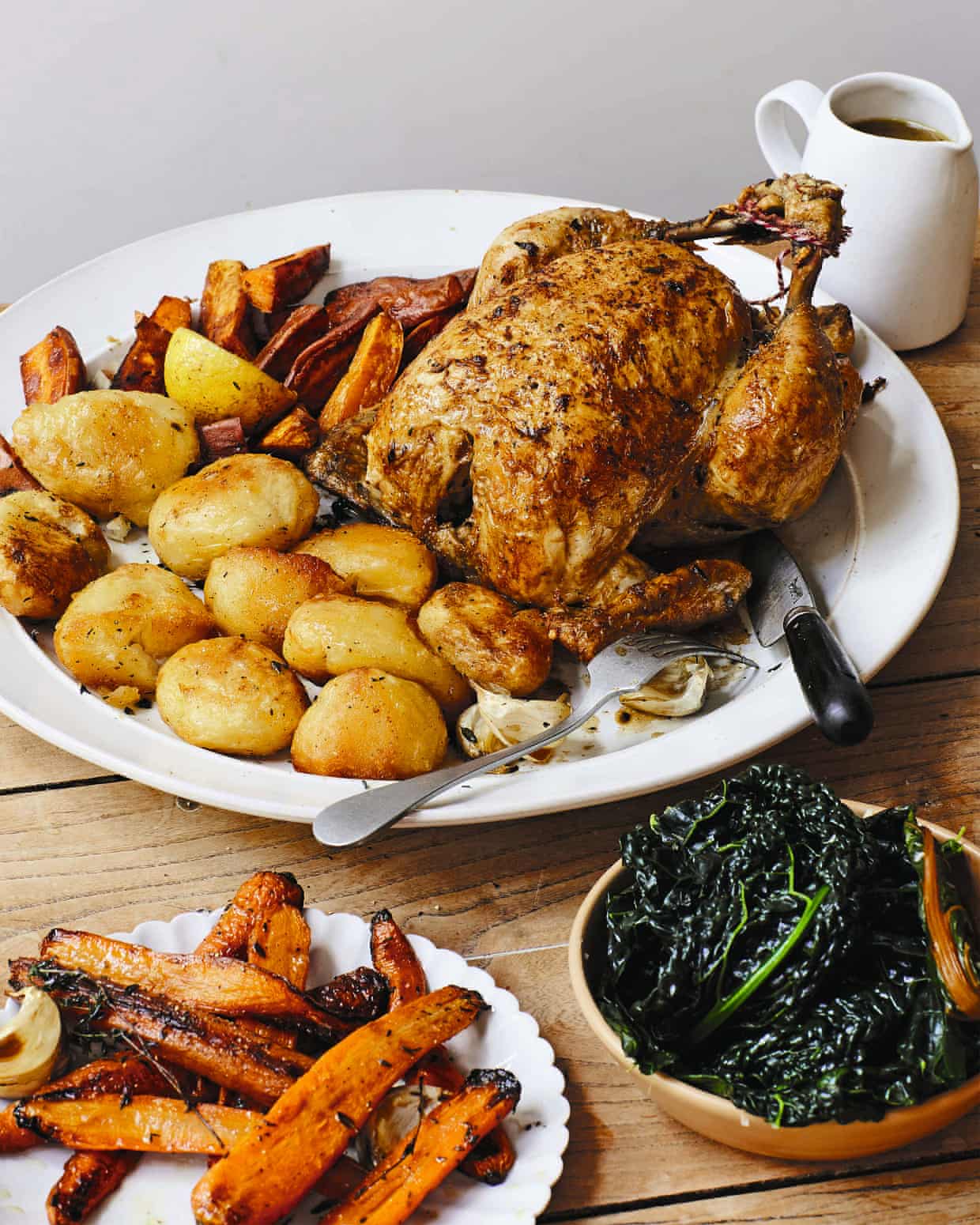
The secret to perfect roast chicken | Kitchen aide
What’s the best way to roast a chicken?Nicola, by email “Fundamentally, people overcomplicate it,” says Ed Smith, who has, rather conveniently, written a new book all about chicken, Peckish. “Yes, you can cook it at a variety of temperatures, use different fats, wet brine or dry brine, etc etc, but, ultimately, if you put a good chicken in the oven and roast it, you will have a good meal.”To elaborate on Smith’s nonchalance, he has three key rules: “One, start with a good chicken: free-range, ideally slow-reared and under the 2kg mark – small birds just roast better, I think.” Second, it doesn’t need as long in the oven as you might think. “Whatever it says on the packet will be too long,” says Smith, who roasts his chicken for about 50 minutes in a 210C (190C fan) oven

Nvidia reportedly plans to invest $30bn in OpenAI’s next funding round

Mind launches inquiry into AI and mental health after Guardian investigation

West Virginia sues Apple over child sex abuse material stored and shared on iCloud

Skiers stranded by California avalanche used iPhone SOS feature to seek help

US builds website that will allow Europeans to view blocked content

Accenture ‘links staff promotions to use of AI tools’