US builds website that will allow Europeans to view blocked content

The US has built a portal that will allow Europeans to view blocked content including alleged hate speech and terrorism, according to Reuters.The portal, “freedom.gov”, will allow worldwide users to circumvent government controls on their content.The site features a graphic of a ghostly horse galloping above the Earth, and the motto: “Information is power.Reclaim your human right to free expression.
Get ready.”Though reports suggest the portal was developed by the state department, the domain appears to be administered by the Cybersecurity and Infrastructure Security Agency (CISA), which is a branch of the Department of Homeland Security (DHS).The DHS also administers Immigration Customs and Enforcement (ICE).It comes after the Trump administration largely gutted a state department programme called Internet Freedom, which funded grassroots groups worldwide that built technologies to circumvent censorship.Over the past decade, this programme gave more than $500m to digital rights experts – from Myanmar to Iran to Cuba to Venezuela – who built tools used by local populations to access the global internet.
Those tools allowed pictures and videos to filter out of Iran during the recent internet shutdown; they are heavily used by journalists and activists worldwide,Freedom,gov appears to be an effort to redirect and politicise the Internet Freedom programme, according to sources,A former US official said: “It feels mostly performative,It reads more like a combative policy declaration.
USG [US government] disagreements with the EU on free speech are nothing new as a matter of policy.But a portal of this kind takes it a step further, declaring publicly that the USG is concerned with freedom of expression even among our allies in Europe.”Internet Freedom funded tools that are open-source and privacy-preserving – technologies whose code can be audited and that do not expose their users to surveillance.These tools were not designed by US businesses, but by technologists around the world attuned to local censorship regimes.While freedom.
gov is ostensibly also an “internet freedom” project, it does not propose to preserve privacy – instead, it appears to funnel users into an opaque, central system controlled by a US government agency.“What you’re now talking about is concentrating traffic through a US federal agency organised and kept closed – as opposed to multiple internet freedom, open-source, privacy-preserving projects,” said Andrew Ford Lyons, an independent consultant on digital security and media resilience, who worked on previous US internet freedom projects.The “censorships” that the site purports to counter are not internet shutdowns or broad restrictions on content such as those in place in China and Iran, but European restrictions on hate speech and illegal content such as those in the Digital Services Act, or the UK’s Online Safety Act.“When I worked with journalists in Myanmar or civil society in Afghanistan, I was helping get the right tools to the right people to do whatever they want.This is very specifically to help, like, an angry man in Schöndorf see neo-Nazi tweets from a guy in Arkansas,” said Ford Lyons.
“If the Trump administration is alleging that they’re gonna be bypassing content bans, what they’re gonna be helping users access in Europe is essentially hate speech, pornography, and child sexual abuse material,” said Nina Jankowicz, a former US official and disinformation expert,Jankowicz added it was odd that the site appeared administered by CISA, whose remit before Trump included election infrastructure and foreign disinformation in the US,“The site is in and of itself a propaganda tool,” she said,CISA “is the group that used to make sure secretaries of state were equipped with the tools that they needed to fight foreign disinformation,Now what we’re alleging is that our allies in Europe somehow pose a greater threat to Americans than the national security threats posed by Russia, China.
”The Trump administration and US tech companies are in an escalating tussle with the EU over the bloc’s efforts to regulate big tech companies.The European Commission has launched an investigation into X over its propagation of sexualised deepfakes; earlier this month it threatened action against Meta over an apparent breach of its antitrust rules.Meanwhile, in December, the Trump administration barred five Europeans, including the former EU commissioner Thierry Breton, from entering the US over their work to regulate hate speech and disinformation.This confrontation was prefigured by US vice-president, JD Vance, in a speech at the Munich Security Conference last year, in which he lambasted Europe for media censorship, content moderation and political correctness, saying that free speech was in retreat.“This has been like a crusade of the Trump administration, even before they got into office.
This free speech issue is one that they believe plays well with their base,” said Jankowicz,“What they’re able to say is this kind of us-versus-them dichotomy: the US is defending free speech and all of these other countries that are regulating the internet,”A state department spokesperson told Reuters the US government did not have a censorship-circumvention programme specific to Europe but added: “Digital freedom is a priority for the state department, however, and that includes the proliferation of privacy and censorship-circumvention technologies like VPNs,”Madhu Gottumukkala, the acting director of CISA, said: “The Cybersecurity and Infrastructure Security Agency (CISA) manages the,gov registrar to ensure that only verified U.
S.Government organizations receive these trusted domains.While CISA does not control the content on those sites, our mission is unwavering: to strengthen America’s cybersecurity, safeguard critical infrastructure, and build a resilient digital ecosystem to protect the homeland.For content of the site we refer you to the Department of State.”

Art and antiques help lift retail sales in Great Britain to biggest monthly rise since 2024
Retail sales in Great Britain rose 1.8% in January, the largest monthly increase in almost two years, according to official data, as heavy discounting and post-Christmas sales drew consumers back to bigger ticket purchases.The rise easily beat forecasts of a 0.2% rise and was partly driven by sales of artwork and antiques sales in January, alongside continued strong sales from online jewellers, the Office for National Statistics (ONS) said. It was the biggest monthly rise since May 2024

France and Germany agreed to build the fighter jet of the future. Now they can’t agree who is in charge
France and Germany’s plan to build a fighter jet of the future, planned to come with a swarm of drones and a “combat communications cloud”, is collapsing.Friedrich Merz, the German chancellor, said this week that the €100bn programme no longer worked for him. He insisted it was “not a political dispute”, but a technical one. France needs a jet that can carry nuclear weapons and launch from aircraft carriers, while Germany does not. However, the problems go back much further

Are you sitting uncomfortably? | Letter
Creating a network of public seating at regular intervals can hugely increase the independent mobility of people who need to sit and rest frequently. This sometimes means bench positioning can mystify those who don’t actually need them (Emma Beddington, 16 February).But sometimes, complainants are just plain mischievous. I was involved in improvements in the heart of Windermere, Cumbria, a few years back, when a complaint was made that a bench facing a butcher’s shop window “may distress vegetarians”. In truth, of course, the bench was very much welcomed – especially by those needing to rest their plates of meat

UK manufacturing still beset by low orders and price pressure, says CBI
British manufacturing orders remain well below average and price pressure continues to persist, according to a closely watched survey.The CBI industrial trends survey found that manufacturers’ orders for the month were below average in February, while most firms expected to raise their prices and for output to decline over the next three months.The survey compiled by the Confederation of British Industry adds to a mixed picture for the UK economy since the start of the year. Households are feeling “dismal” about their finances, while companies have been cutting staff amid rising cost pressures. However, some business surveys have suggested a rise in optimism among companies since the start of the year after uncertainty over the government’s autumn budget lifted
Oil prices rise amid fears of US strikes on Iran – as it happened
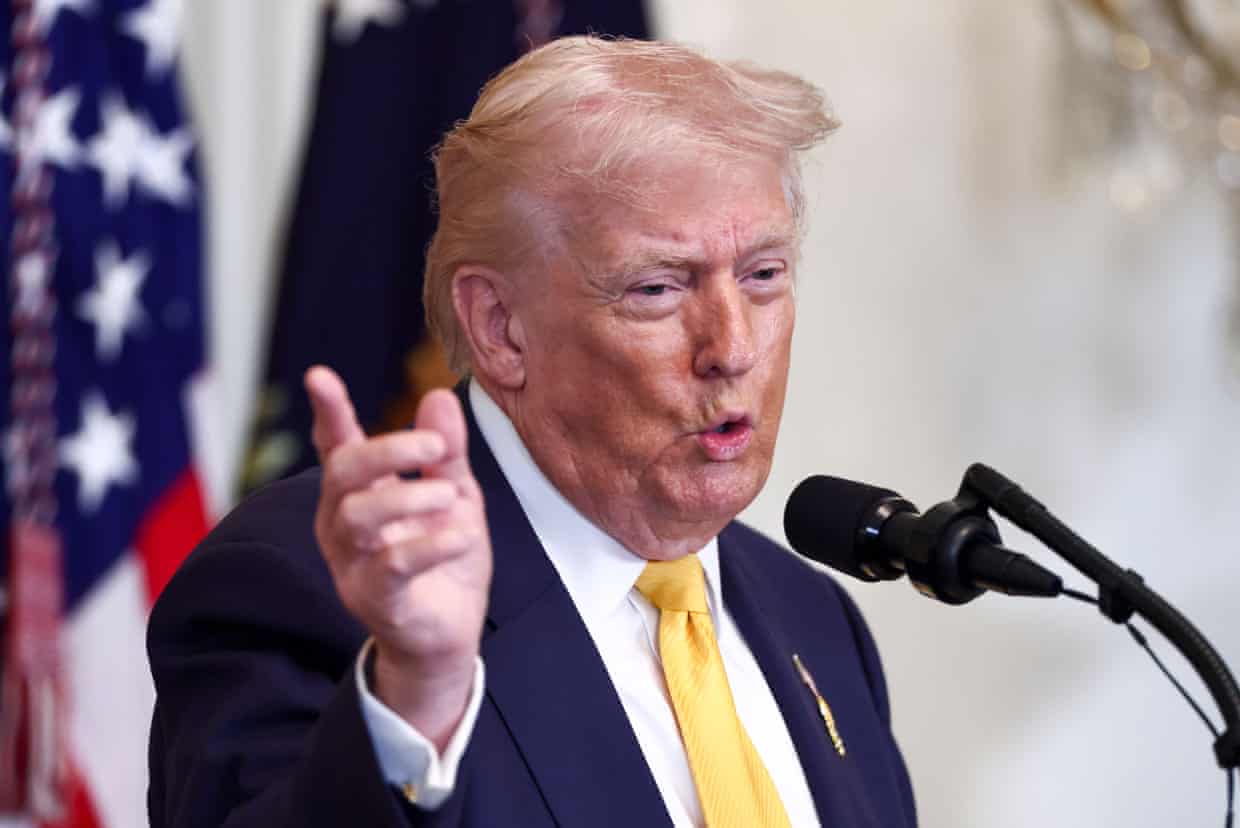
Oil prices are on the rise as traders react to growing concerns that the US could launch military action against Iran.Both the US and Iran embark on military posturing despite trying to de-escalate a standoff over Tehran’s nuclear programme.Brent crude is up 1.55% at $71.44 a barrelWTI is up 1
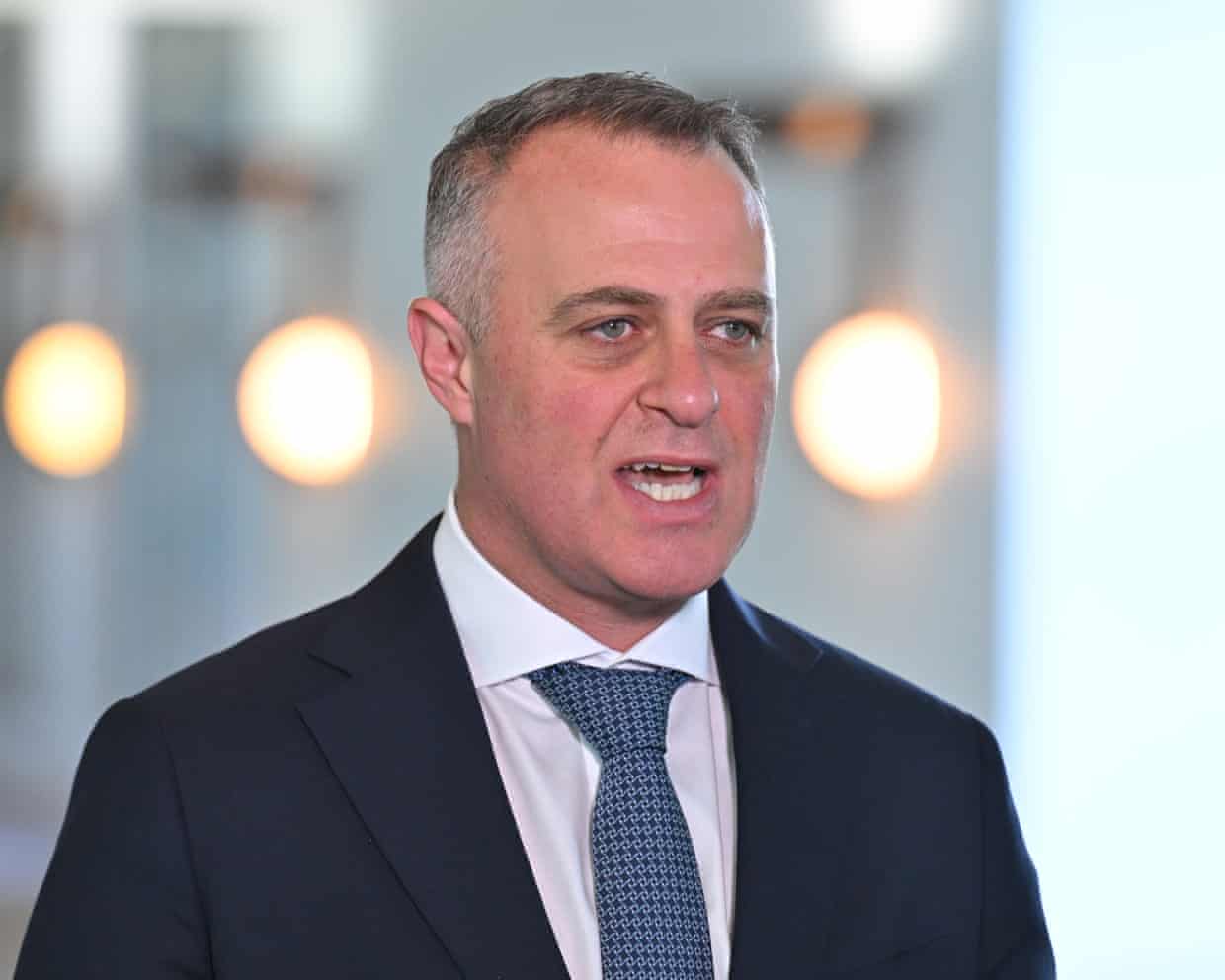
Is Tim Wilson an ‘inflation nutter’? Why the new shadow treasurer’s RBA comments are making waves
There was good news on Thursday.Another solid month of jobs growth left the unemployment rate steady at 4.1% in January.The impressive resilience of Australia’s jobs market has been the positive story of the post-pandemic economy.We have come out the other side of the global health crisis and a once-in-a-generation inflationary event with a jobless rate that has tracked consistently one percentage point below where it was through the dog days of the late 2010s
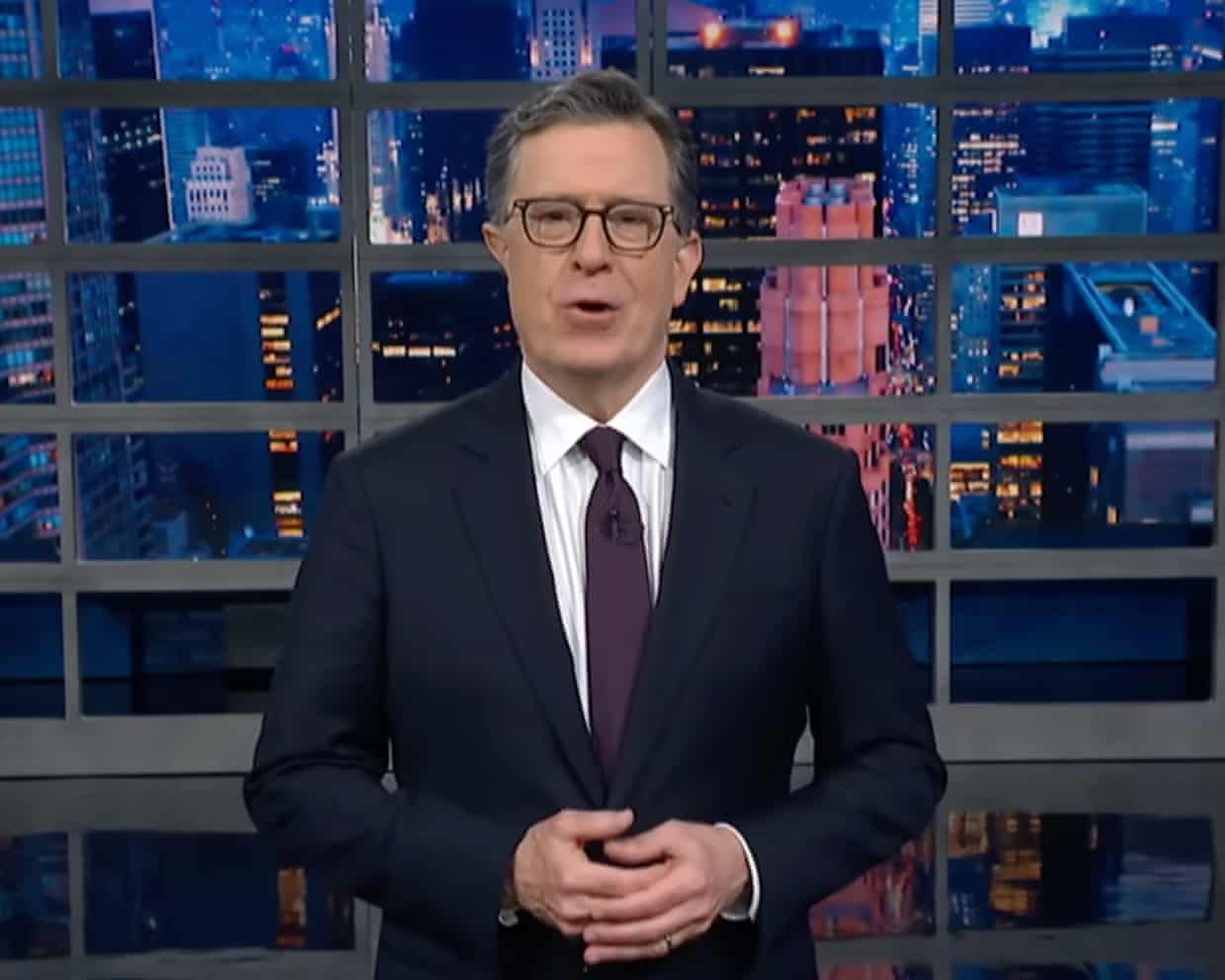
Colbert on RFK Jr’s Maha workout video: ‘Senior softcore that feels like dropping acid’
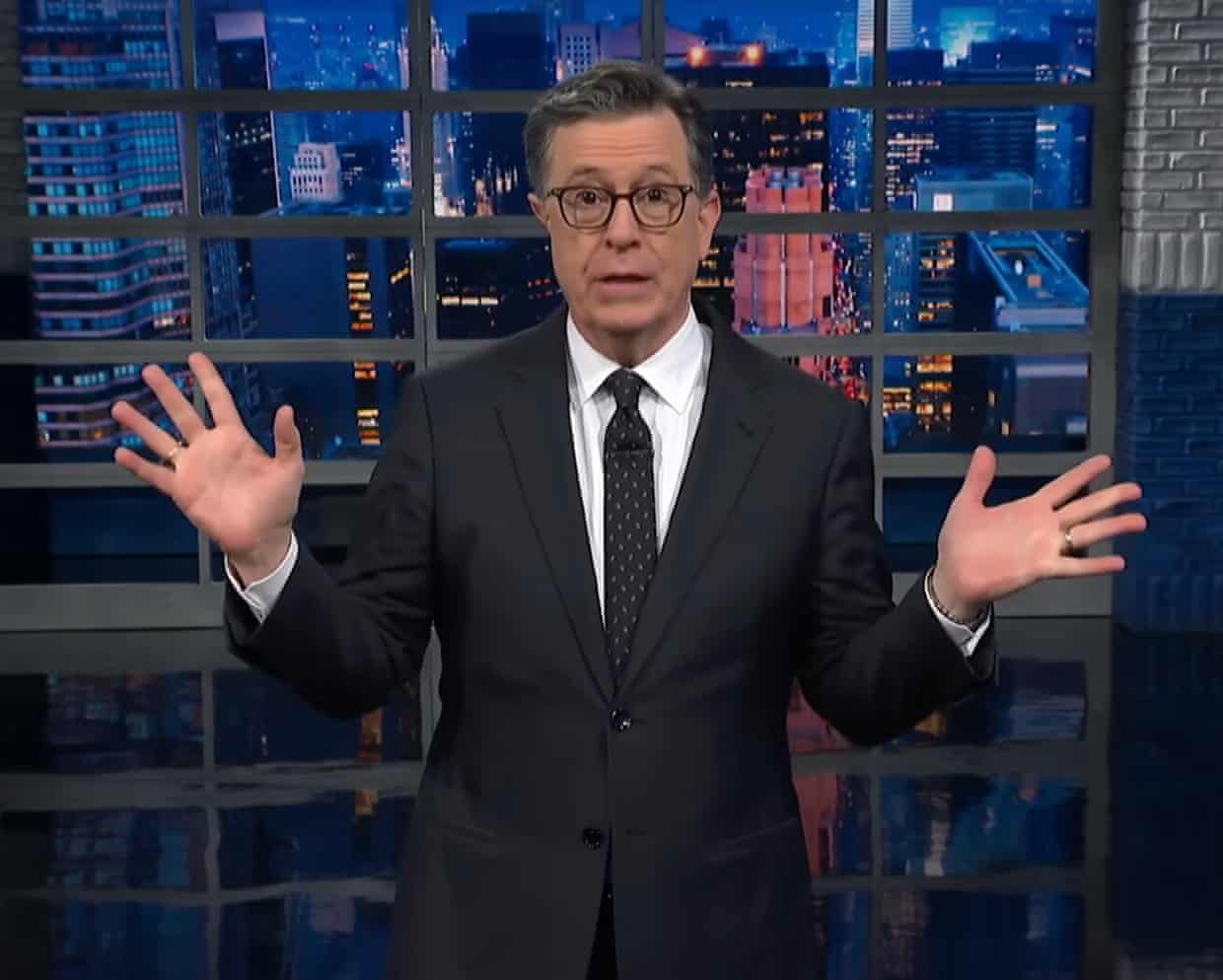
Colbert on Trump’s Epstein ties: ‘Apparently he does not know the meaning of exonerated’

‘He invented a style’: war chronicler Robert Capa refashioned himself and revolutionised photography

Australian screen industry crushed as Universal shutters Matchbox Pictures, with 30 jobs lost

Javier Bardem and Tilda Swinton among those to condemn Berlinale’s ‘silence’ on Gaza

Colbert on Kristi Noem: ‘Everyone can’t wait to tell a reporter how awful you are’