Aysha Raza obituary

My friend Aysha Raza, who has died of a stroke aged 52, was a neuroscientist and naturalist, and a Labour councillor for the London borough of Ealing,Representing the Central Greenford ward from 2014 until her death, Aysha was the first Muslim woman to serve on the cabinet of Ealing council, with a focus on tackling crime and inequality,She was also an active member of the Ealing Wildlife Group (EWG), a community-led conservation and rewilding organisation,The group is one of the partners in the Ealing Beaver Project, which was set up to establish a beaver colony in Paradise Fields, a nature reserve in Aysha’s ward,As well as being involved as a volunteer in the project, Aysha liaised with Ealing council to select a suitable site and get permission to establish the colony there.
Other EWG projects include supporting the peregrine falcons that nest on Ealing hospital and carrying out harvest mouse releases in nature reserves across the borough,In the 2025 David Attenborough documentary Wild London, Aysha can be seen releasing a harvest mouse at Paradise Fields,Born in Aberdare, Wales, to Sabiha (nee Rahman), a council administrator, and Asghar Raza, a civil engineer, Aysha grew up in Ealing,She attended Oldfield and Coston primary schools, and Notting Hill and Ealing high school, where she and I met on our first day in 1985,She developed an interest in nature from an early age, and through youth activities with the London Wildlife Trust she was thrilled to meet Attenborough and another naturalist hero, David Bellamy.
At school, she loved being out in the countryside on Duke of Edinburgh award expeditions, and after completing her A-levels, she took part in a green turtle conservation project in Sindh province, Pakistan.She then studied anatomy and developmental biology at University College London, where she remained after her BSc degree (1995) to undertake a neuroscience PhD – helping to further the understanding of Huntington’s disease.Aysha continued her scientific work through several postdoctoral appointments but, following a decline in funding, she decided instead to stand for election in Ealing as a Labour councillor, building on previous political campaigns she had joined to save NHS hospitals in west London.She was dedicated to her constituents, memorably acting in the annual pantomime staged by the Holy Cross Players.She served as a trustee or governor for numerous organisations in her ward, including Stanhope primary school, which has a house named after her and a “Be Like Aysha” award.
She was warmly regarded in the Labour movement and the west London Muslim community,The mayor of London, Sadiq Khan, spoke at her funeral at Harrow Central mosque,Aysha loved singing, dancing, Hollywood and Bollywood movies, gardening and fossil hunting,She was known for her hearty laugh, energy and sense of style – often featuring her favourite colour purple and always Dr Martens boots – and for unfailingly showing up for friends and family,Aysha is survived by her mother, her sister, Saira, and her brother, Adil.
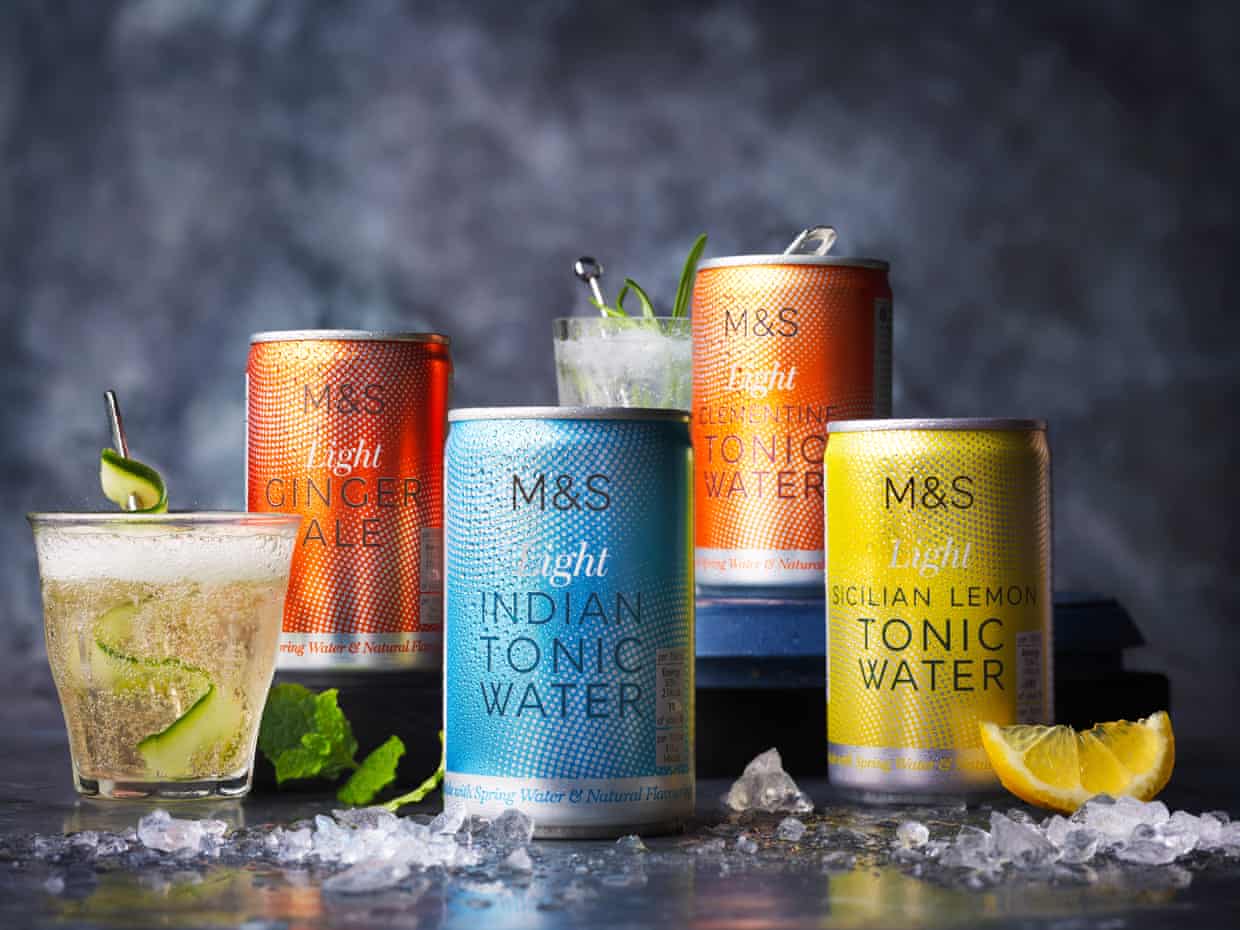
Just the tonic: why it’s more than a mixer
If a tonic is something that “makes you feel stronger and happier”, my tonics come in the form of good wine, bad chocolate and an ageing whippet called Ernie. Recently, though, I’ve found myself craving the OG tonic – tonic water – which started life as a malaria treatment in the age of the British empire.The Guardian’s journalism is independent. We will earn a commission if you buy something through an affiliate link. Learn more

Move over matcha: how ube cocktails and coffees are hitting the UK’s sweet spot
Bright purple coffees and cocktails made with a root vegetable called ube have hit the high street in the UK after the yam’s striking hue caused a sensation on social media. Many are calling ube the “new matcha”, and it has a nutty, creamy, sweet taste, like a mix between coconut and vanilla.Ube coloured and flavoured drinks became popular in the US last year, after an earlier boom in Australia. Farmers in the Philippines, where the root vegetable is often sourced, have been struggling to meet demand.Now, the purple drinks have crossed the pond: Starbucks and Costa both launched ube drinks in their UK stores last month
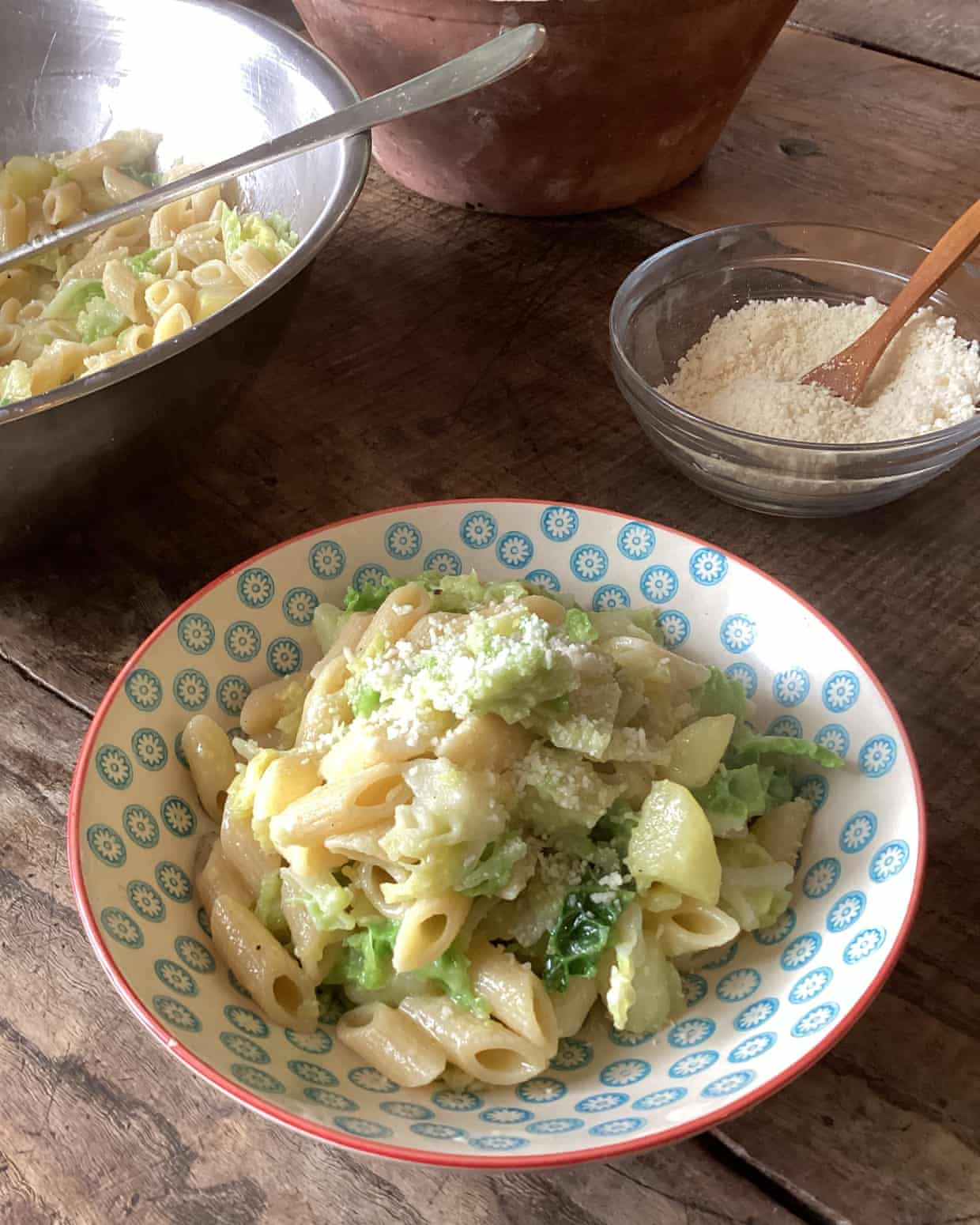
Rachel Roddy’s ‘high-ranking’ penne with potatoes, cabbage, butter and cheese – recipe
In December 2023, the magazine La Cucina Italiana ranked Italians’ favourite pasta shapes, according to data gathered by Unione Italiana Food (“the leading association in Italy for the direct representation of food product categories”). I love this sort of thing. According to the UIF, by processing NielsenIQ data (comprehensive market research, consumer intelligence and retail measurement), they identified the five most popular shapes from over 500, and examined how preferences vary in different regions.In first place was spaghetti, while penne came in second, with these two shapes – which also takes in thinner spaghettini, chunkier spaghettoni and both ridged and smooth penne – accounting for 78% of all pasta sold in Italy in 2023. The regional variations of three, four and five are as follows: in the north-west and north-east, fusilli, short pasta and mixed pasta for broth or minestra; in central Italy, short pasta, fusilli and rigatoni; in the south, mixed pasta for broth or minestra, short pasta and tortiglioni
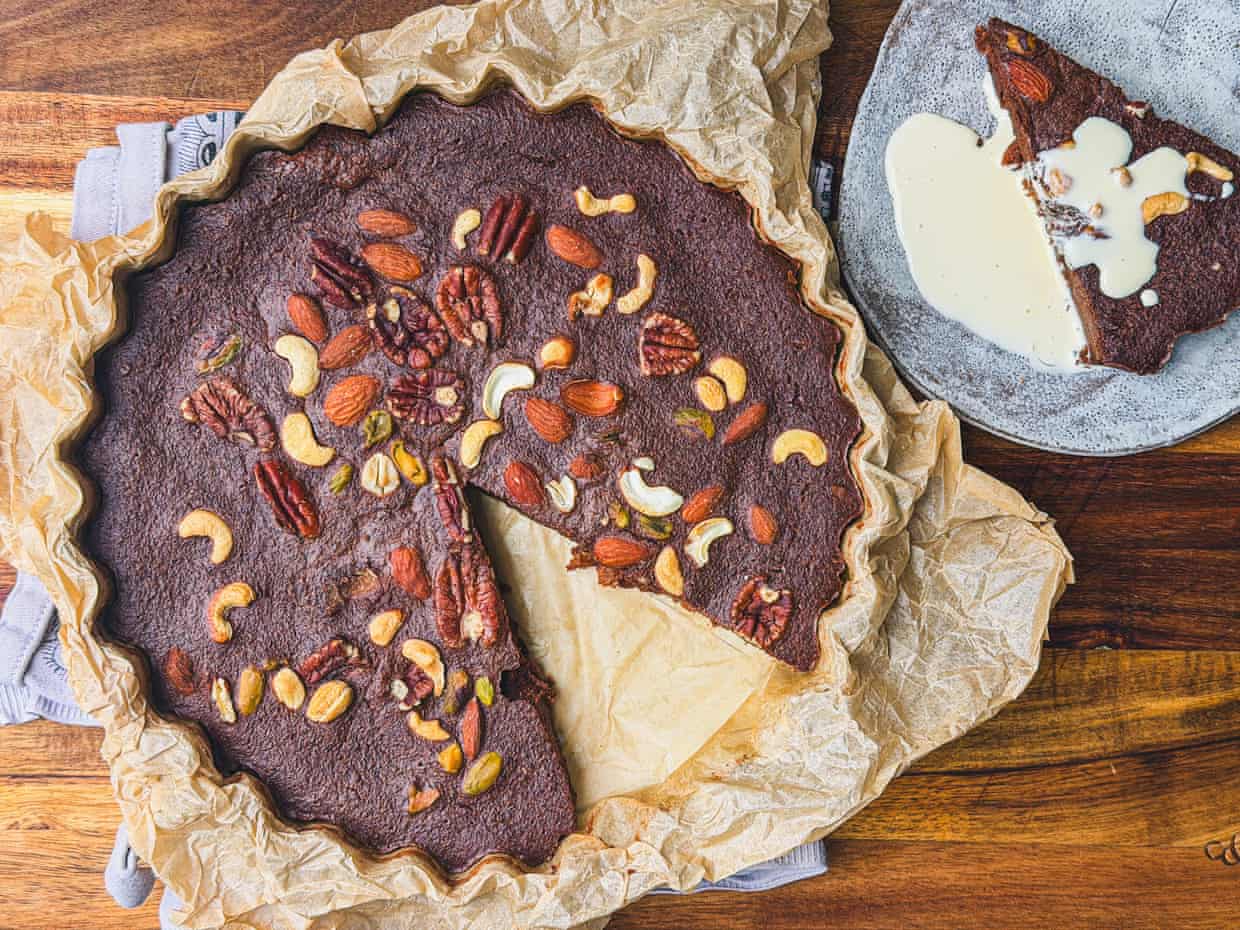
How to turn old bread into a brilliant Italian cake – recipe | Waste not
Old sourdough is my secret ingredient. To stop it going mouldy, I take it out of any plastic packaging and keep it in the bread bin with plenty of airflow around it – that way, it will dry out slowly, rather than turning mouldy. Any odds and ends, meanwhile, I store in a cloth bag to use in various dishes, from pangrattato (or poor man’s parmesan) to strata, a savoury bread-and-butter pudding.My new favourite recipe discovery for using up stale bread is today’s torta paesana, or village cake, from Lombardy. The best way I can come up with to describe it is that it’s a bit like a firm baked custard
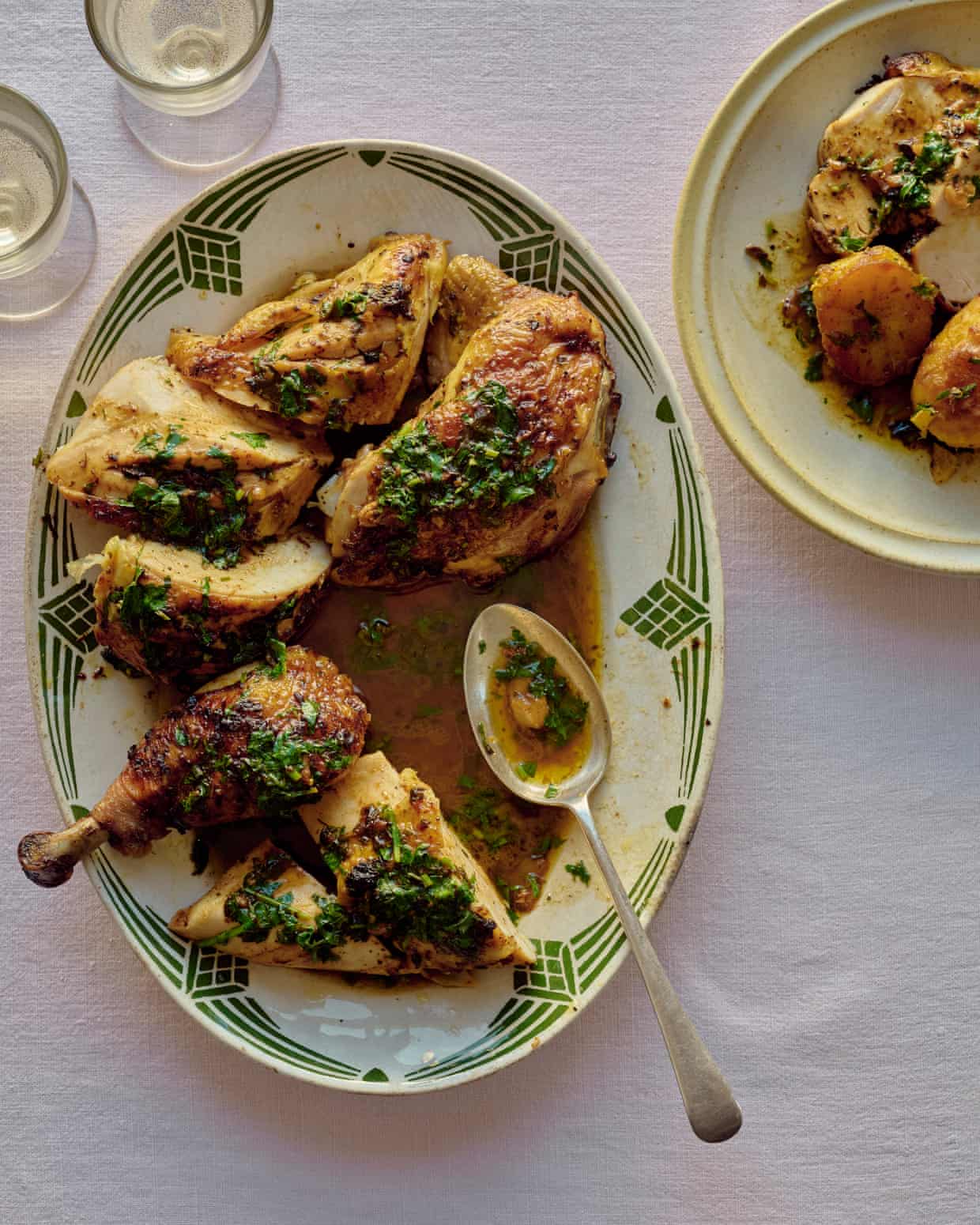
Roast chicken, cheesy scones and a genius cocktail: Ravinder Bhogal’s recipes for cooking with lime pickle
I’m obsessed with lime pickle. It’s savoury, sour, funky, spicy and full of bold personality that enlivens anything it’s smeared on. It’s made by salting and fermenting limes with chillies and spices for a fierce, flavour-packed condiment that’s traditionally eaten as a side to poppadoms or with simple dal and rice. Over the years, I have also folded it into grilled cheese toasties, marinades for fat prawns to barbecue in the summer or made compound butters with it to smother over sweet potatoes before roasting. It’s an instant flavour bomb and my pantry is never without a jar

Vegemite is recognised globally – but how many people know Milo was invented in Australia?
The chocolate malt powder is sold in more than 40 countries, and Australian cafe owners say there’s ‘jingoistic pride’ in serving it on their menusGet our weekend culture and lifestyle emailWhen I order the jumbo-sized Milo Godzilla at Ho Jiak in Sydney’s Haymarket, it arrives as advertised – it’s comically large. The Malaysian restaurant prepares the drink by swirling Milo powder with hot water, adding sweet drizzles of condensed milk then chilling the mix with ice. Scoops of ice-cream are added and extra choc-malt powder is showered on top. Served in a one-litre jug, it’s so big I can’t finish it solo: staff hand me three takeaway cups to transport the leftovers.Like many beloved Milo drinks, the Godzilla is native to south-east Asia

‘Last year is over’: Oklahoma City launch title defense as NBA’s parity era faces test

The Crucible holds tribute to former player and commentator John Virgo

‘That’s a guppy’: Baumgardner swats aside Britain’s Dubois as feud escalates

AFC Bournemouth’s owner Bill Foley behind US takeover of Exeter Chiefs

‘I’m extremely lucky to be here’: Jelena Dokic on childhood dreams and talking tennis

Hampshire v Somerset, Warwickshire v Essex, and more: county cricket – as it happened