Most Europeans think state pensions will become unaffordable, polling shows

Most Europeans believe their country’s state pension system will soon become unaffordable – but they also think the current scheme is not generous enough, and do not support options for overhauling it such as raising the retirement age,As populations age and fertility rates decline, Europe’s “pay as you go” state pension systems, cornerstones of the welfare state that have always relied on people in work paying the retirees’ pensions, are coming under increasingly heavy pressure,With attempts to reform them meeting stiff and sometimes violent resistance in countries including France, Germany, Spain and Italy, a six-country YouGov poll reveals the extent of the public-opinion problem governments face,Many people acknowledge state pension schemes are in trouble: majorities of between 61% and 52% in Italy, France, Germany and Spain said theirs was already unaffordable, as well as 45% of respondents in Poland,In the UK the figure was 32%.
Looking to the future, people were even more pessimistic: majorities or near-majorities (49%–66%) in all six countries said they thought that by the time people currently in their 30s and 40s retire, their country’s system would be unaffordable.Retirees were more optimistic about their country’s capacity to fund its state pension system.Pensioners in the UK were particularly upbeat, with 62% saying they think the UK state pension is affordable, against only 27% of their non-retired counterparts.However, while they acknowledged the unsustainable cost, majorities of between 53% and 83% in all countries felt the amount that retirees receive was too low, with that sentiment even stronger (72-88%) among those actually getting it: pensioners.Most European pensioners rely on a state pension for their retirement income and in all six countries, majorities of those still in work – ranging from 57% in Germany and the UK to 72% in Italy – were not confident they would have a comfortable retirement.
Moreover, asked what measures they would support to make state pension schemes more affordable, there was a marked reluctance across all the countries surveyed to accept some of the reforms that many governments are seeking to implement.The survey found net opposition in all six countries to the ideas of raising the state pension age; increasing taxes on working-age people; obliging working-age children to support retired parents; and reducing the amount of the state pension.Resistance to raising the retirement age was strong, with majorities or near-majorities ranging from 47% in France to 65% in Germany saying they were opposed to making people wait longer to claim their state pension than the current age.Proportions ranging from 20% in the UK to 38% in Poland felt the state pension age should be 60, while 22% (Italy) to 45% (UK) felt it should be 65.A plurality (22%) in France said 62 – the age at which it now stands at after a planned increase to 64 was suspended.
Opposition to reducing the amount pensioners receive was even more overwhelming, ranging from 81% in Germany to 61% in Italy.But there was some support for legally obliging working-age people to pay into some form of private or workplace pension.That suggestion was most popular in the UK (57%), where recent laws introduced an automatic system of payments into workplace pension schemes, but also found significant backing in Germany (49%) and France (41%).The idea that the state should provide support for older workers to stay in their jobs for longer rather than retiring also proved fairly popular, with support ranging from 57% in Poland through 42% in Germany and France to a low of 27% in Italy.Italians also stood out on measures increasing the burden on the richest: 66% supported higher taxes on better-off pensioners to fund better pensions for the poorest, and 52% favoured denying high-income retirees a state pension.
Across all six countries, more people (28% to 55%) felt retirees with higher-than-average pension incomes should bear more responsibility for funding more generous state pensions for low-income retirees, rather than younger generations (15% to 31%).In general, pensioners and working-age people responded according to their interests: retirees tended to oppose lower pension payments, while people of working age mostly rejected raising the state pension age or taxes on their age group.

From Central Cee to Adolescence: in 2025 British culture had a global moment – but can it last?
Despite funding cuts and shuttered venues, homegrown music, TV, film and, yes, memes have dominated the global zeitgeist over the past 12 years. Now this culture must be future-proofed from the forces of globalisationOn the face of it, British culture looks doomed. Our music industry is now borderline untenable, with grassroots venues shuttering at speed (125 in 2023 alone) and artists unable to afford to play the few that are left; touring has become a loss leader that even established acts must subsidise with other work. Meanwhile, streaming has gutted the value of recorded music, leading to industry contraction at the highest level: earlier this year the UK divisions of Warners and Atlantic – two of our biggest record labels – were effectively subsumed into the US business.In comedy, the Edinburgh fringe – the crucible of modern British standup, sketch and sitcom – is in existential crisis thanks to a dearth of sponsorship and prohibitively high costs for performers

The best songs of 2025 … you may not have heard
There is a sense of deep knowing and calm to Not Offended, the lone song released this year by the Danish-Montenegrin musician (also an earlier graduate of the Copenhagen music school currently producing every interesting alternative pop star). To warmly droning organ that hangs like the last streak of sunlight above a darkening horizon, Milovic assures someone that they haven’t offended her – but her steady Teutonic tenderness, reminiscent of Molly Nilsson or Sophia Kennedy, suggests that their actions weren’t provocative so much as evasive. Strings flutter tentatively as she addresses this person who can’t look life in the eye right now. “I see you clearly,” Milovic sings, as the drums kick in and the strings become full-blooded: a reminder of the ease that letting go can offer. Laura SnapesIn a year that saw the troubling rise of AI-generated slop music, there is something endlessly comforting about a song that can only have been written by a messy, complicated human

The Guide #223: From surprise TV hits to year-defining records – what floated your boats this year
Merry Christmas – and welcome to the last Guide of 2025! After sharing our favourite culture of the year in last week’s edition, we now turn this newsletter over to you, our readers, so you can reveal your own cultural highlights of 2025, including some big series we missed, and some great new musical tips. Enjoy the rest of the holidays and we’ll see you this time next week for the first Guide of 2026!“Get Millie Black (Channel 4), in which Tamara Lawrance gives a powerhouse performance as a loose-cannon detective investigating a case in Jamaica. The settings are a tonic in these dreary months, and the theme song (Ring the Alarm by Shanique Marie) is a belter. But be warned: the content of the final, London-set episode goes to some dark places.” – Richard Hamilton“How good was Dying For Sex! This drama about a terminally ill woman embarking on an erotic odyssey was so funny and sad and true and daring

My cultural awakening: a Turner painting helped me come to terms with my cancer diagnosis
My thyroid cancer arrived by accident, in the way life-changing things sometimes do. In May of this year, I went for an upright MRI for a minor injury on my arm, and the scan happened to catch the mass in my neck. By the following month, I had a diagnosis. People kept telling me it was “the good cancer”, the kind that can be taken out neatly and has a high survival rate. But I’m 54, and my dad died of cancer in his 50s, so that shadow came down on me hard
From Marty Supreme to The Traitors: your complete entertainment guide to the week ahead
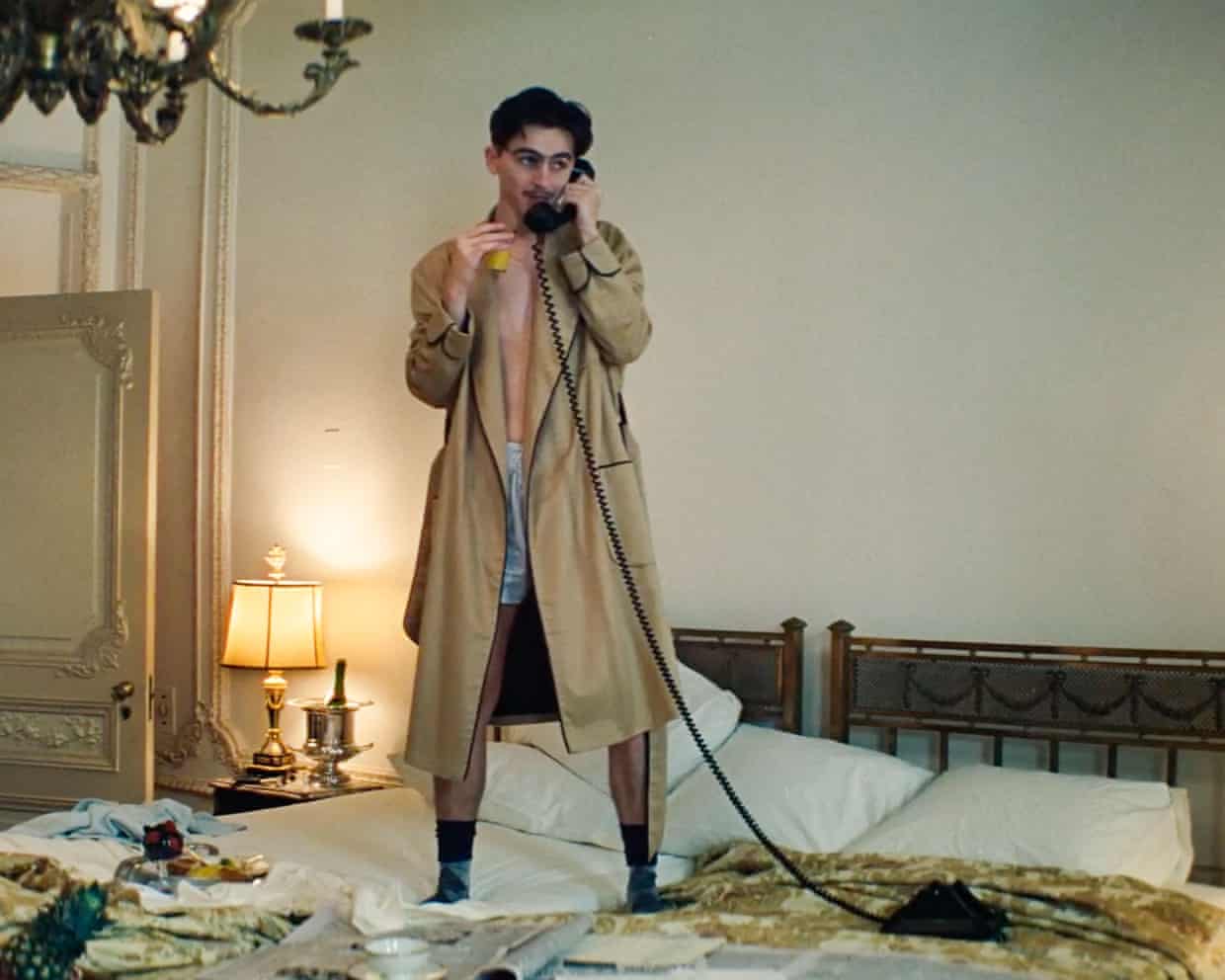
Marty SupremeOut nowJosh Safdie’s new sports comedy takes loose inspiration from the career of New York ping-pong icon Marty “the Needle” Reisman, with Gwyneth Paltrow, Abel Ferrara and Fran Drescher in supporting roles, and Timothée Chalamet in the lead as the vibrantly eccentric sportsman.The SpongeBob Movie: Search for SquarePantsOut nowThe ever-popular underwater adventures of the amiable yellow sponge continue, with a fourth big-screen adventure that sees SpongeBob tracking down the Flying Dutchman (Mark Hamill). Expect to see just as many child-free millennials in the audience as families.AnacondaOut nowApologies to anyone who views it through rose-tinted spectacles, but the original 1997 Anaconda was a load of drivel. But this isn’t a faithful remake: it’s a meta-horror-comedy-action remake about a couple of guys (Jack Black and Paul Rudd) attempting to remake Anaconda only to be attacked by – yes – a giant snake
Jewish klezmer-dance band Oi Va Voi: ‘Musicians shouldn’t have to keep looking over their shoulders’
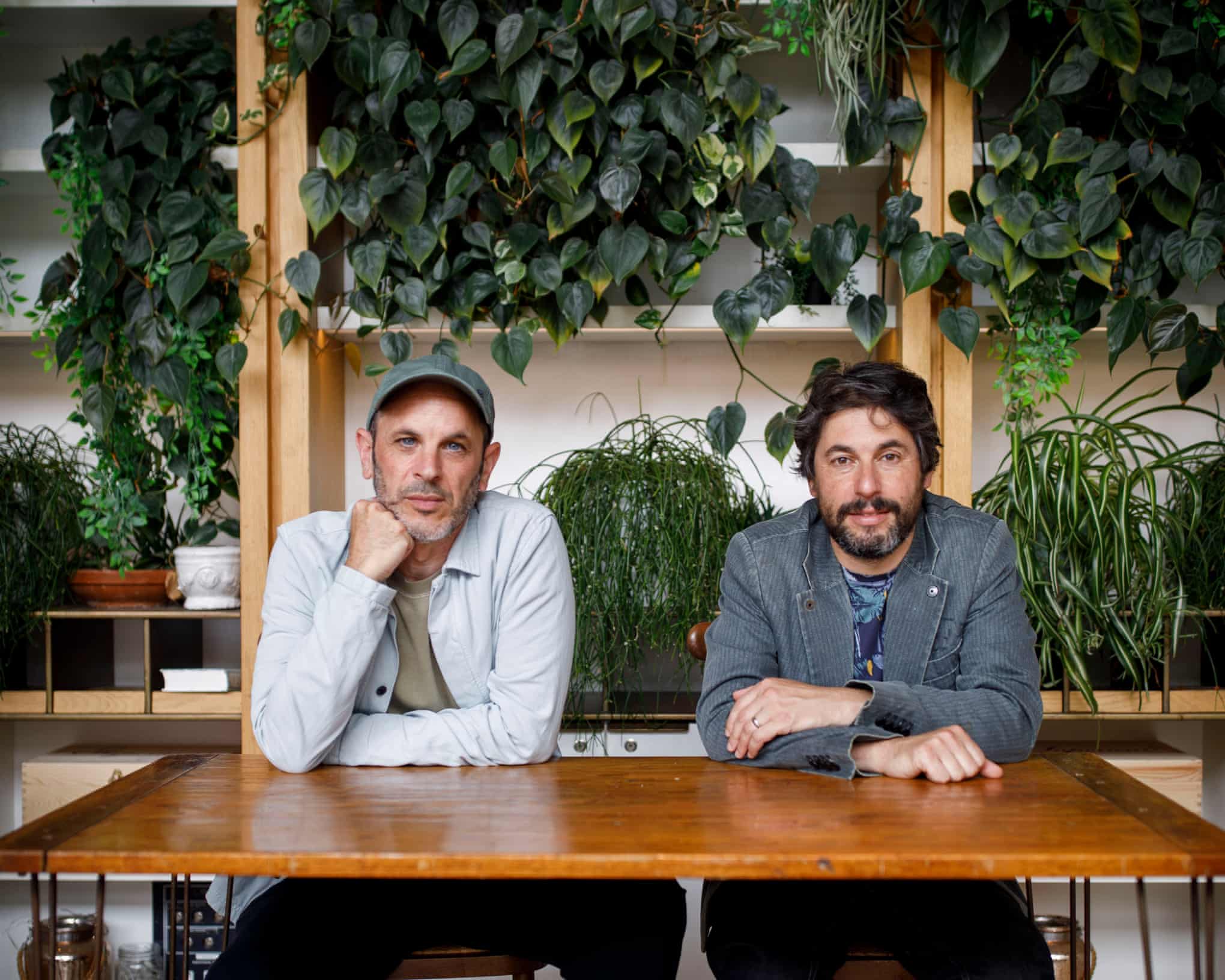
After 20 years playing around the world, the group had two UK gigs cancelled this year after protests from activists. It’s made them feel targeted for who they are, the band sayJosh Breslaw was looking forward to a homecoming gig with his band of two decades’ standing. Oi Va Voi, a predominantly Jewish collective mixing traditional eastern European folk tunes with drum’n’bass and dance, were due to conclude a spring tour of Turkey with a gig in May at Bristol’s Strange Brew club, plus one in Brighton where Breslaw lives. But then, after protests from local activists about both the band’s past performances in Israel, and with Israeli singer Zohara, Strange Brew abruptly cancelled, citing “the ongoing situation in Gaza”.To be told they hadn’t met the venue’s “ethical standards” was devastating, says Breslaw, the band’s 52-year-old drummer: “It felt so unjust

The Las Vegas Raiders and the thin line between tanking and incompetence
The Ashes inspiration, overpreparation and bold tactics: a history of Australia v England two-day Tests | Geoff Lemon

Piastri intrigue, Picklum magic and Gout goes global: reflections on a year of Australian sport | Jack Snape
‘I like No 3’: Bethell always looks the part and now has chance to shine in Ashes

I was there: Europe’s dramatic Ryder Cup win signed off a strange week

Matthew Potts poised to play in fifth Ashes Test after England rule out Gus Atkinson