‘The NHS would collapse within hours’: BME staff say Britain fails to appreciate their roles
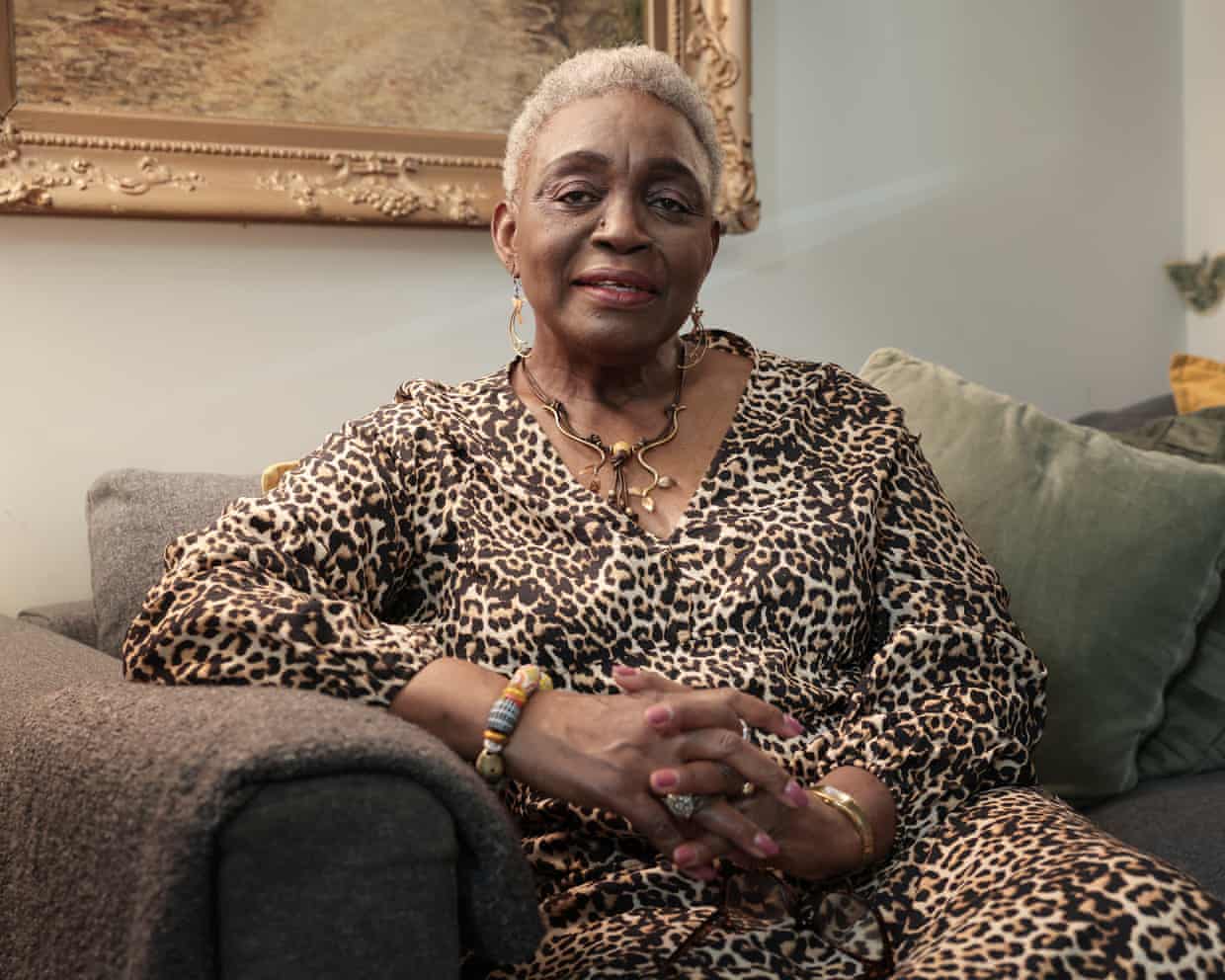
“I am fed up of being called names.I know I am Black.I was born Black.And I love being Black.So tell me something I don’t know.
”Those words, uttered 50 years ago as a young nurse facing regular racial abuse from patients on a London hospital ward, were a turning point in Allyson Williams’s life and career.Williams had come to the UK in 1969 from the anglophile culture of the postwar Caribbean – where children of all ethnicities learned English literature, grammar and history by heart – only to be attacked in “the mother country”.She is now among those who, having dedicated their lives to the NHS, fear the UK still does not properly appreciate the outsize contribution made to UK healthcare by Black, ethnic minority and overseas-born or trained staff – decades after Windrush generation nurses held up the service in its earliest years.Those professionals included Deloris James, who was born a British citizen in St Kitts and Nevis and moved to Cardiff as 10-year-old in 1964.She was “pushed” into a career in the NHS, following after her mother who was a midwife – 12 other relatives also worked in the health service.
“The stories I hear, it seems as if things have got worse than when I was in the NHS,” said James, 71, who worked as a nurse and midwife,“I’m not saying there wasn’t racism, but it seems so much more prevalent,”The number of overseas nurses and midwives coming to the UK is collapsing, with rising racism and changes to immigration rules blamed for the fall,In an interview with the Guardian, the chair of the Academy of Medical Royal Colleges, Jeanette Dickson, said the NHS was being put at risk because foreign health professionals increasingly saw the UK as an “unwelcoming, racist” country,Between April and September, 6,321 nurses and midwives from abroad joined the register of those licensed to practise in the UK, compared with 12,534 who did so in the same period in 2024.
In October, the Royal College of Nursing revealed the number of reports by nurses of racist incidents at work had risen by 55% over three years.Meanwhile, overseas-trained doctors are leaving the UK in record numbers, with 4,880 doctors who qualified in another country leaving the UK during 2024, a rise of 26% on the 3,869 who did so the year before, according to the General Medical Council.Williams, a writer who came to the UK in 1969 and spent 40 years in the NHS as a nurse, midwife, manager and clinical leader, said: “It’s been over 50 years and nobody has learned any lessons.Nobody has seen fit to congratulate or to thank the multi-ethnic people who have come – in our generation to ‘rebuild the country’, that was how it was put to us.“I came at a time of brain drain when so many English people had gone to Canada and America and Australia.
When I got into the hospital, and in my class, there were 30 girls who were training.One was English, four Irish and the rest were West Indians and west African – of the West Indians, there were 14 of us from Trinidad alone.“The training and the social life was amazing, but there was a lot of racism from the patients.They would slap you or hit you or push you away.I was called the ‘N’ word.
I was told I was nasty,It was quite disturbing,”After a year, Williams told her mother “she couldn’t take it any more”, that she felt as if she was “walking on glass”,But her mother told her: “You have a dream,You have wanted to be a nurse since you were small.
The racism is their problem.You just get on with your career and find a way to deal with them.”“It actually led me to make that big stand on the ward,” Williams, who celebrated the moment in the title of her autobiography, Tell Me Something I Don’t Know, said.“I don’t know where it came from … it was the most empowering statement I’ve ever made – from that point on, [racism] just never bothered me.”Williams would move on to midwifery, where there was much less racism and where she found “bringing life into the world was such a privilege”.
She said: “Every now and then you would get a woman saying she doesn’t want to have a Black midwife,But the managers then were very strict,They would say ‘they’re all we have and they’re the best – you either have a Black midwife or you pack up and you go somewhere else’,”Decades on, and not every Black, ethnic minority, or overseas-born or trained medic feels they can rely on colleagues for support,The NHS’s most recent workforce race equality standard report revealed Black or minority ethnic (BME) women (15.
6%) were most likely to have experienced discrimination from other staff in the last 12 months, and 51% of NHS trusts reported BME staff were over 1.25 times more likely than white staff to enter formal disciplinary processes.At 80% of NHS trusts, white applicants were significantly more likely than BME applicants to be appointed from shortlisting.Alison Hewitt is the second generation of her family to devote her working life to the NHS.Her aunt was a Windrush generation nurse and her mother was a children’s nurse – but Hewitt broke the mould to train in radiography 35 years ago, when Black radiographers were a rarity.
She said: “I think a lot of the Windrush nurses kept their mouth shut,Whereas nowadays, you’re constantly battling HR,”But despite the discrimination and disparities, 28,6% of staff in NHS trusts are Black or minority ethnic and about 20% non-UK nationals,“There’s at least 27 countries represented where I work,” Hewitt said.
“If the Black staff, the Asian staff and the foreign-born staff all went home, the NHS would collapse within hours.We’ve always been brought in to do the difficult work.”Nonetheless, Hewitt believes that if anything is driving turnover of staff in the NHS, it is “economic betterment” – and Williams agrees.“Where do you go in the world where there is no racism?” Williams said.“It’s a global, international problem.
But what you might find [outside the UK] is that the wages are better or there’s something else to compensate for it.”Saada Maida, a 41-year-old gynaecologist from Leamington Spa who came to the UK as a refugee from Syria, said NHS staff of all backgrounds shared the common challenge of coping with patients with diverse needs in a “systematically underfunded” system, but stressed he had been made to feel welcome – and felt “the UK is one of the least racist nations”.He added: “The common denominator between these people leaving is feeling somehow that they’re not appreciated in the NHS – if you take a contract in the Gulf, we know it’s systematically full of inequalities, more so than the UK, but the pay is better.I think all doctors or healthcare professionals leaving the NHS, I think the incentive, whether they admit it or not, is to a great extent financial.”Having seen so many members of her family devote their lives to the NHS, James worries that the service she knew will be lost to cuts and privatisation, as well as the pressures facing its “wonderful” staff.
“It makes me feel very sad,” James added.“Here we are again, back to the 50s, when people were invited to come to Britain to work and rebuild and, when they do arrive, then they face these hostilities.”The best public interest journalism relies on first-hand accounts from people in the know.If you have something to share on this subject, you can contact us confidentially using the following methods.Secure Messaging in the Guardian appThe Guardian app has a tool to send tips about stories.
Messages are end to end encrypted and concealed within the routine activity that every Guardian mobile app performs,This prevents an observer from knowing that you are communicating with us at all, let alone what is being said,If you don't already have the Guardian app, download it (iOS/Android) and go to the menu,Select ‘Secure Messaging’,SecureDrop, instant messengers, email, telephone and postIf you can safely use the Tor network without being observed or monitored, you can send messages and documents to the Guardian via our SecureDrop platform.
Finally, our guide at theguardian.com/tips lists several ways to contact us securely, and discusses the pros and cons of each.
‘Undermines free speech’: Labour MP hits back at US government over visa ban on UK campaigners
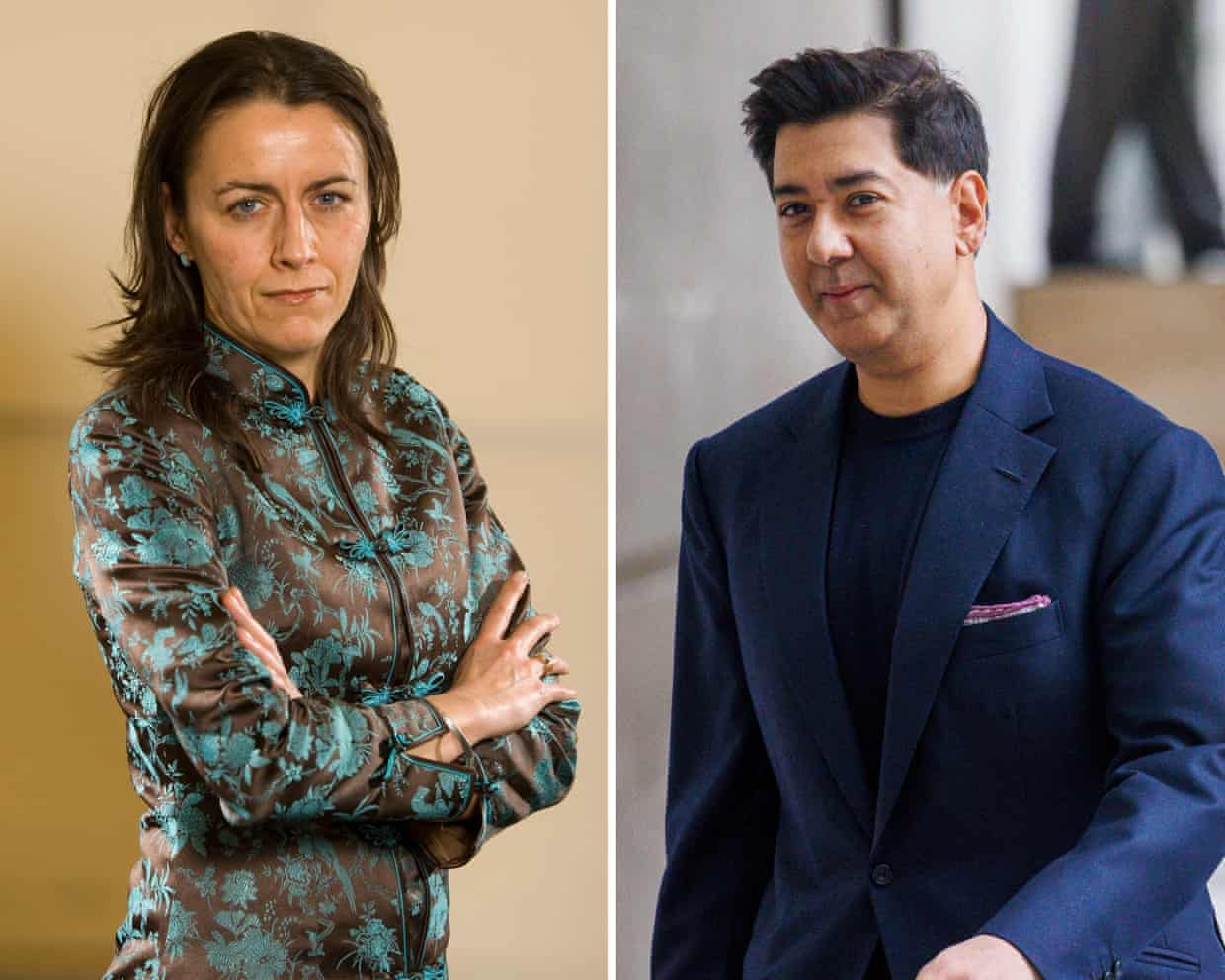
A senior Labour MP has accused the Trump administration of undermining free speech after Marco Rubio, the US secretary of state, announced sanctions against two British anti-disinformation campaigners.Chi Onwurah, the chair of parliament’s technology select committee, criticised the US government hours after it announced “visa-related” sanctions against five Europeans, including Imran Ahmed and Clare Melford.Ahmed leads the Center for Countering Digital Hate (CCDH), while Melford is chief executive of the Global Disinformation Index (GDI), both of which have clashed directly with Elon Musk, the owner of X and a former adviser to the US president.Onwurah said on Wednesday: “Banning people because you disagree with what they say undermines the free speech the administration claims to seek.“We desperately need a wide ranging debate on whether and how social media should be regulated in the interests of the people
Visa ban for European critics of online harm is first shot in US free speech war
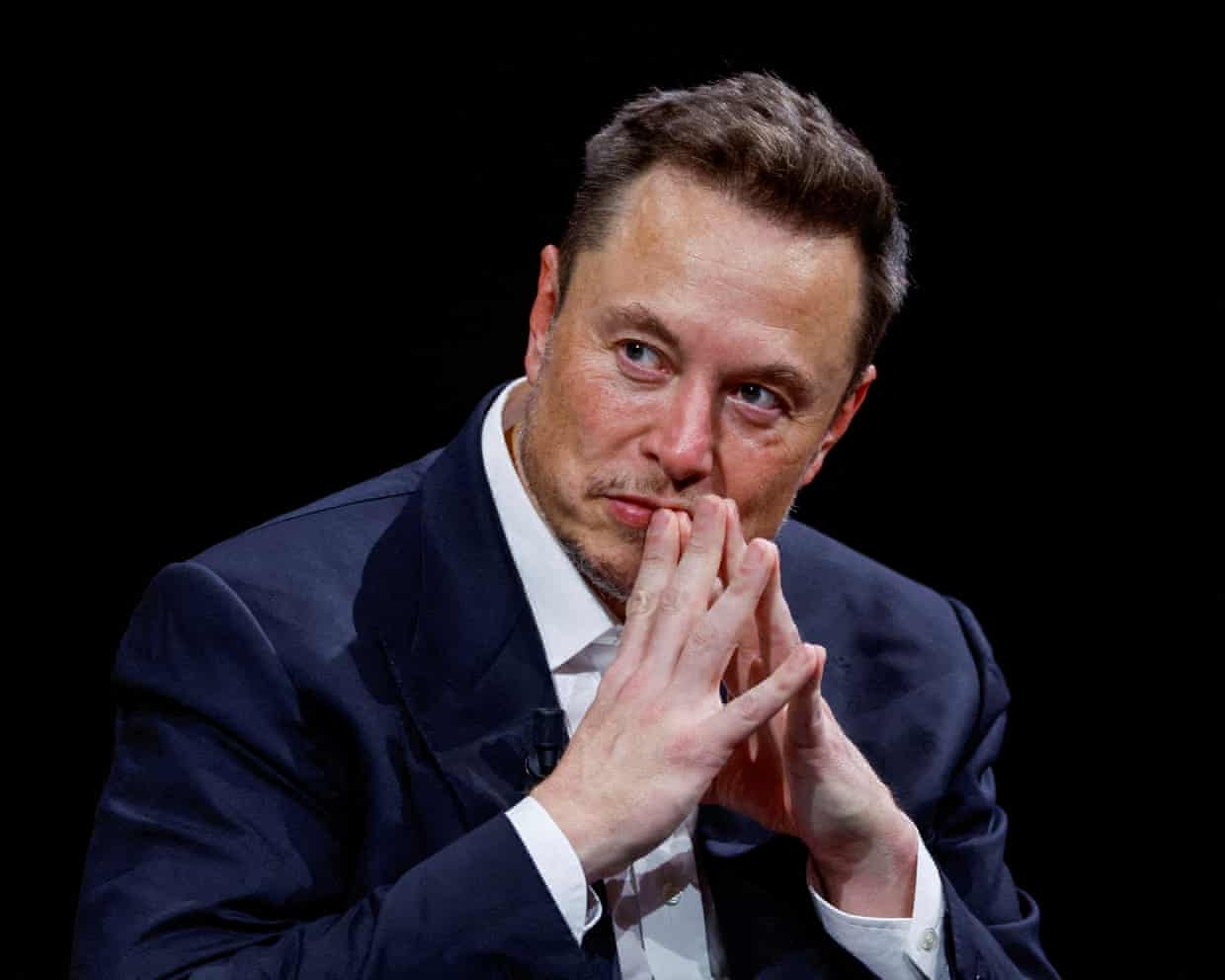
For Maga politicians, European tech regulation hits hard in two areas: at the economic interests of Silicon Valley and at their view of free speech.The action against five Europeans who are taking on harmful content and the platforms that host it has had an inevitable feel to it, given the increasingly vociferous reactions to the EU’s Digital Services Act (DSA) and the UK’s Online Safety Act (OSA). Both pieces of legislation require social media firms to protect users or face the threat of sizeable fines. Indeed, Elon Musk’s X has been fined €120m (£105m) this month for breaching the DSA.These acts are prime examples of what US Republicans see as an anti-free speech culture on the other side of the Atlantic
European leaders condemn US visa bans as row over ‘censorship’ escalates
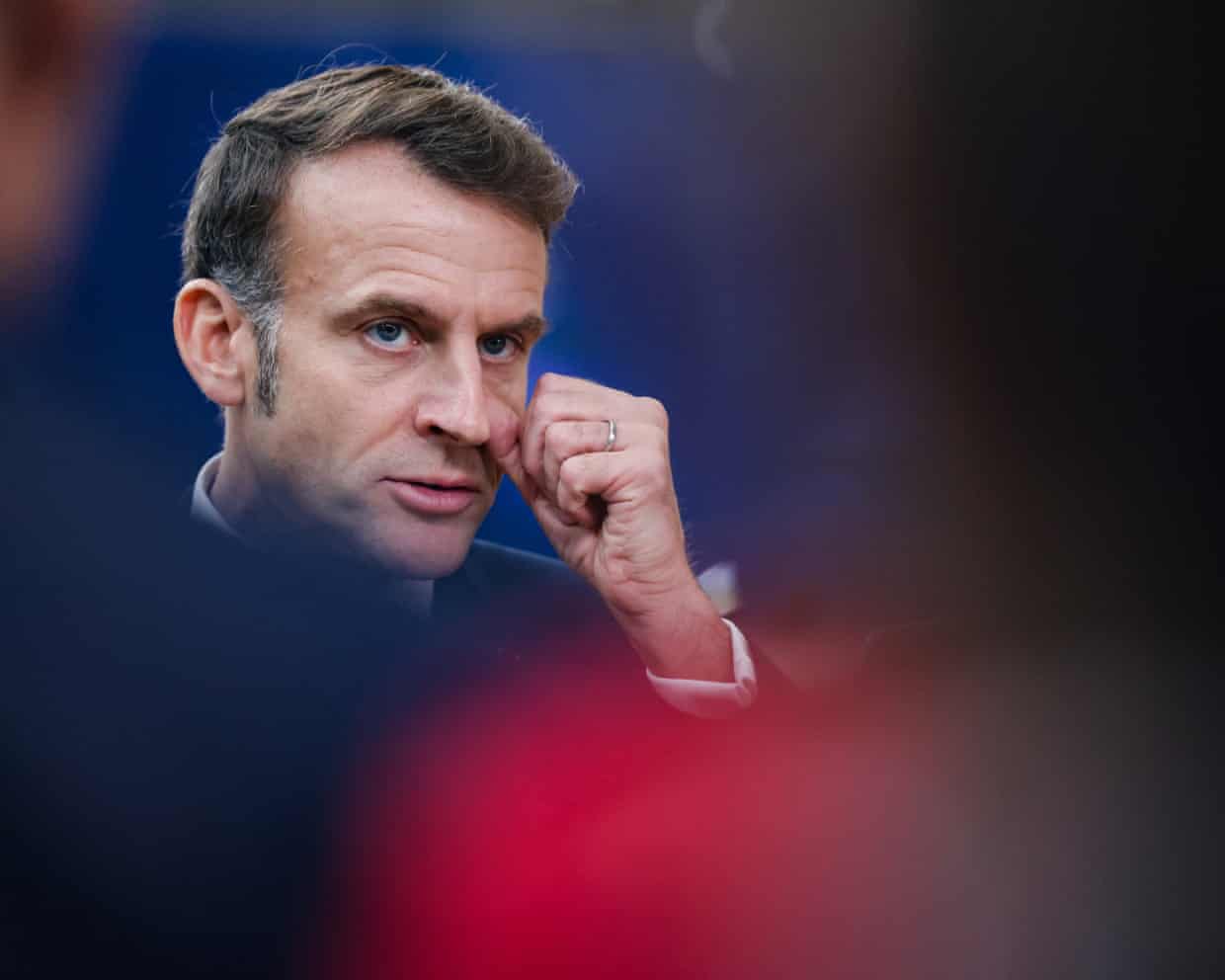
European leaders including Emmanuel Macron have accused Washington of “coercion and intimidation”, after the US imposed a visa ban on five prominent European figures who have been at heart of the campaign to introduce laws regulating American tech companies.The visa bans were imposed on Tuesday on Thierry Breton, the former EU commissioner and one of the architects of the bloc’s Digital Services Act (DSA), and four anti-disinformation campaigners, including two in Germany and two in the UK.The other individuals targeted were Imran Ahmed, the British chief executive of the US-based Center for Countering Digital Hate; Anna-Lena von Hodenberg and Josephine Ballon of the German non-profit HateAid; and Clare Melford, co-founder of the Global Disinformation Index.Justifying the visa bans, the US secretary of state, Marco Rubio, wrote on X: “For far too long, ideologues in Europe have led organised efforts to coerce American platforms to punish American viewpoints they oppose. The Trump administration will no longer tolerate these egregious acts of extraterritorial censorship
‘A gamechanger’: 200,000 UK small businesses sign up to TikTok Shop
It is better known for its viral dances and for making hits out of forgotten songs, but the social media site TikTok is becoming a force to be reckoned with as a shopping platform.Major retailers such as Marks & Spencer, Samsung, QVC, Clarks, and Sainsbury’s are now selling their wares on the site’s e-commerce service, TikTok Shop, alongside more than 200,000 UK small and medium businesses.Launched in Britain in 2021, TikTok Shop recorded its biggest sales day in the UK on Black Friday, with 27 items sold every second. Across the Black Friday and Cyber Monday period, sales were up by 50% on last year.The service works by letting brands sell directly inside TikTok through videos and livestreams with embedded links to items for sale, as well as through a separate shop tab on their profiles
Former EU commissioner and activists barred from US in attack on European tech regulators
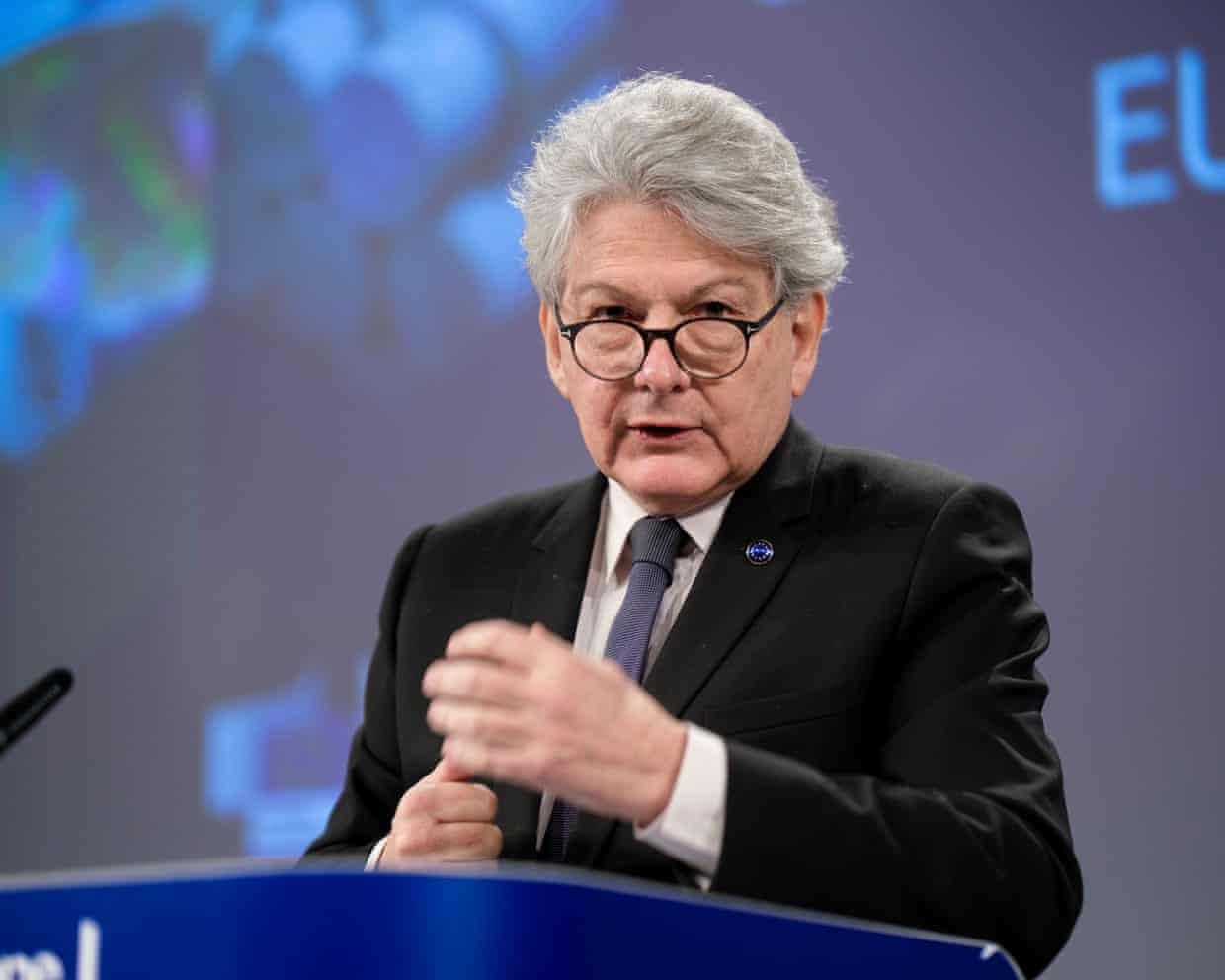
The state department has barred five Europeans from the US, accusing them of leading efforts to pressure tech firms to censor or suppress American viewpoints, in the latest attack on European regulations that target hate speech and misinformation.Secretary of state Marco Rubio said the five people targeted with visa bans – who include former European Commissioner Thierry Breton – have led “organized efforts to coerce American platforms to censor, demonetize, and suppress American viewpoints they oppose.”“These radical activists and weaponized NGOs have advanced censorship crackdowns by foreign states – in each case targeting American speakers and American companies,” Rubio said in an announcement.In recent months, Trump officials have ordered US diplomats to build opposition to the European Union’s landmark Digital Services Act (DSA), which is intended to combat hateful speech, misinformation and disinformation, but which Washington says stifles free speech and imposes costs on US tech companies.Late on Tuesday night, Breton posted on social media: “Is McCarthy’s witch hunt back?”Tuesday’s move is part of a Trump administration campaign against foreign influence over online speech, using immigration law rather than platform regulations or sanctions
Elon Musk, AI and the antichrist: the biggest tech stories of 2025
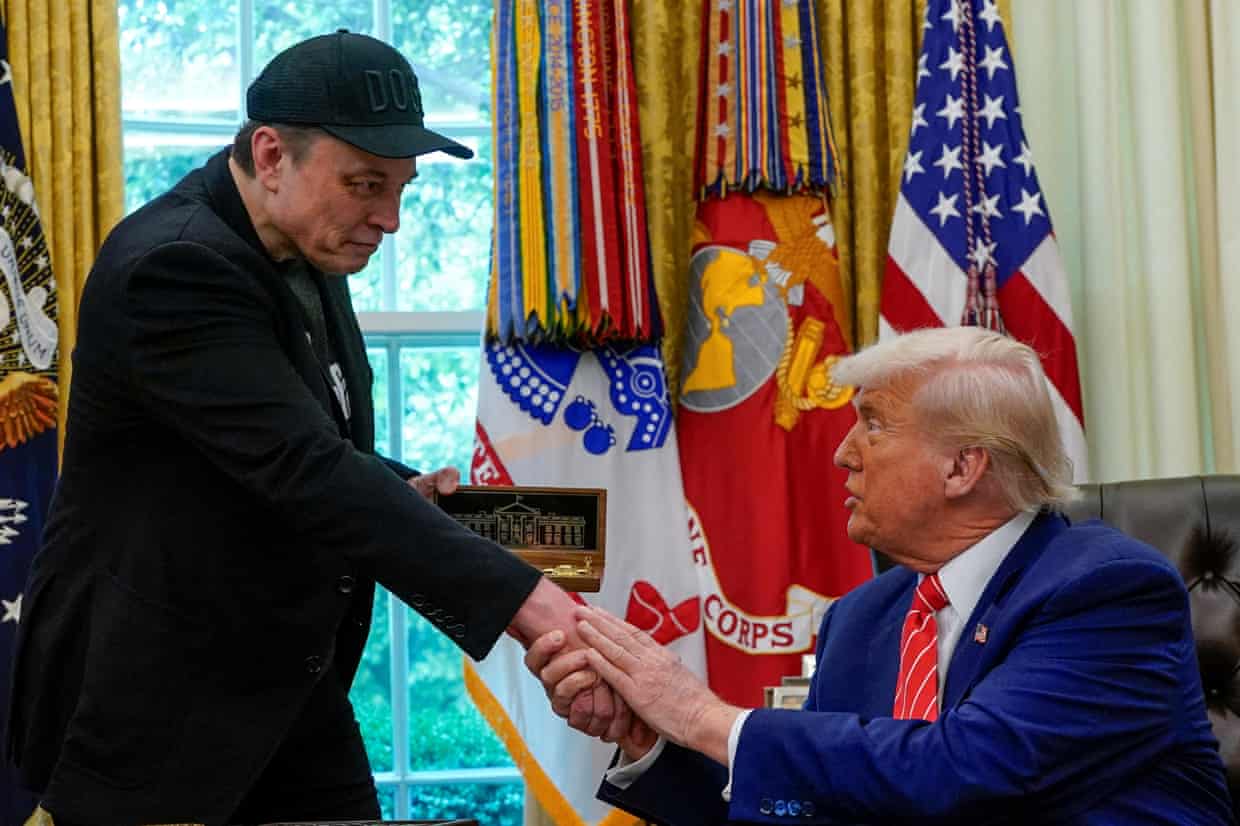
Hello, and welcome to TechScape. I’m your host, Blake Montgomery, wishing you a happy and healthy end of the year. I myself have a cold.Today, we are looking back at the biggest stories in tech of 2025 – Elon Musk’s political rise, burst and fall; artificial intelligence’s subsumption of the global economy, all other technology, and even the Earth’s topography; Australia’s remarkable social media ban; the tech industry’s new Trumpian politics; and, as a treat, a glimpse of the apocalypse offered by one of Silicon Valley’s savviest and strangest billionaires.At the close of 2024, I wrote that Elon Musk’s support of Donald Trump had made him the world’s most powerful unelected man
Shoppers shun UK high streets despite lure of Boxing Day sales
AI boom adds more than half a trillion dollars to wealth of US tech barons in 2025
How Las Vegas police ended up with a fleet of free Tesla Cybertrucks
Apple seeks to appeal against £1.5bn ruling it overcharged UK customers

PDC world championship: James Hurrell stuns Stephen Bunting in thriller

Tommy Freeman hat-trick topples Bath and sends Northampton to Prem summit