Visa ban for European critics of online harm is first shot in US free speech war

For Maga politicians, European tech regulation hits hard in two areas: at the economic interests of Silicon Valley and at their view of free speech.The action against five Europeans who are taking on harmful content and the platforms that host it has had an inevitable feel to it, given the increasingly vociferous reactions to the EU’s Digital Services Act (DSA) and the UK’s Online Safety Act (OSA).Both pieces of legislation require social media firms to protect users or face the threat of sizeable fines.Indeed, Elon Musk’s X has been fined €120m (£105m) this month for breaching the DSA.These acts are prime examples of what US Republicans see as an anti-free speech culture on the other side of the Atlantic.
Ofcom, the UK’s communications regulator charged with overseeing the OSA, has not been affected by the visa bans announced on Christmas Eve, but there is an implicit threat in the air,One of those targeted by the move is the former European industry commissioner Thierry Breton, an architect of the DSA,The message is clear: watch out regulators,Trump allies have also targeted Imran Ahmed’s Center for Countering Digital Hate (CCDH), a US-UK organisation which campaigns against online hate speech,Ahmed was one of the people who received a visa ban on Wednesday.
CCDH was the target of an Elon Musk lawsuit in 2023 but the claim was thrown out by a judge last year who said the legal challenge, which focused on allegations that CCDH accessed data on X illegally, was in fact “about punishing the defendants for their speech”.In a post on X, Musk, a self-proclaimed “free speech absolutist”, described CCDH as a “truly evil organization that just wants to destroy the first amendment under the guise of doing good!”The UK’s OSA remains a subject of White House ire.JD Vance, the US vice-president, has said free speech in the UK is “in retreat”.In July, Jim Jordan, a Republican congressman who has criticised the act, led a delegation of US politicians to discuss the legislation with the Labour government and Ofcom.Ofcom is aware it could be in the crosshairs.
In May, the state department announced it will block entry to the US to “foreign nationals who censor Americans”.The watchdog has said it is seeking “clarity” on the planned visa restrictions.The EU and UK have only just got going on implementing their acts and, as the visa ban for Breton shows, opposition is building.In October, Ofcom fined the online forum 4chan £20,000 for breaching the act by failing to respond to a request for a risk assessment.Emboldened by domestic opposition to the OSA, 4chan is suing Ofcom in the US, claiming its enforcement of the OSA violates Americans’ right to freedom of speech.
The UK government has said it won’t back down on the OSA, while the X fine signals the EU is determined to enforce its own legislation.There is also an effective non-profit ecosystem – in Europe and the US – campaigning for online safety.These visa bans are just the latest shot in what will be a long-running battle under the Trump administration.

VIP viewing: cinemas bet on luxury bars and beds to usher in a new film era
From champagne coolers to front row VIP beds, cinema owners are investing heavily in premium experiences as the industry gets its box office mojo back.As the third instalment in James Cameron’s blockbuster Avatar series pulls in the Christmas holiday crowds, the UK box office is expected to surpass £1bn in 2025 for the first time since before the global Covid pandemic.Amid financially testing times – with the pace of a hoped-for box office recovery derailed by the Hollywood actors’ and writers’ strikes – cinema owners have focused on reinventing the movie-going experience to win back film fans.“We are rolling out 200 of our Ultra Lux seats, which have a built-in champagne or wine cooler, each day across Europe,” says Tim Richards, chief executive and founder of the Vue cinema chain. “Our ‘worst’ seat in the house is a leather recliner, and it is amazingly comfortable

Sustainable aviation fuel take-up in UK unlikely to hit 2025 target, data suggests
The take-up of sustainable aviation fuels is on course to fall short of the UK government’s first annual mandate, official figures suggest.Production data published by the Department for Transport (DfT) covering most of 2025 shows that sustainable fuels (SAF) only accounted for 1.6% of fuel supplied for UK flights – 20% less fuel in volume than the 2% needed to fulfil the requirement.The government introduced the mandate in January, which requires suppliers to hit targets for SAF – which the industry has argued is important for cutting its carbon emissions – within the overall UK aviation fuel mix.Themandatory target rises sharply from 2% in 2025 to 10% in 2030 and then to 22% in 2040, including the use of second-generation fuels that are seen as more sustainable in the long term
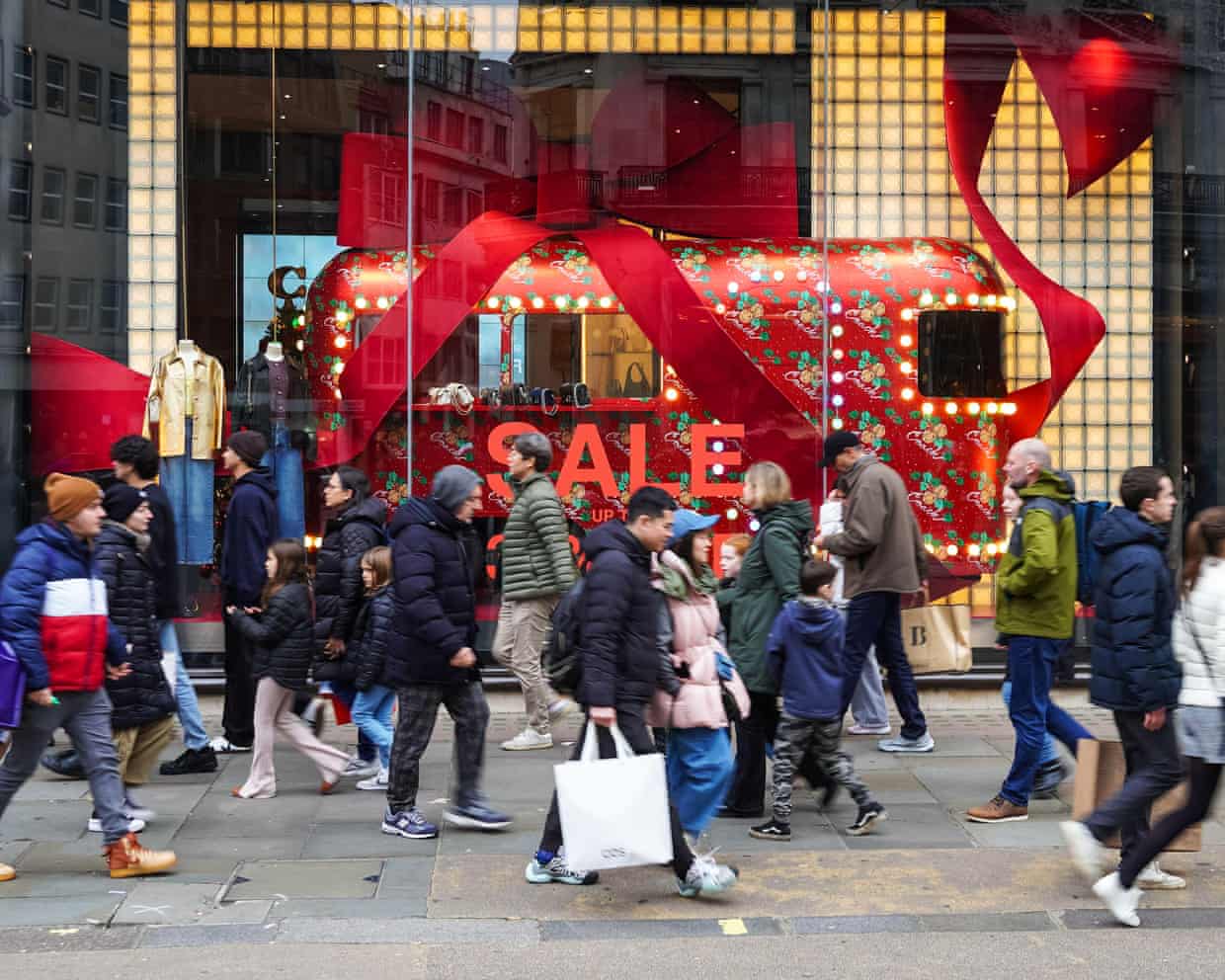
Renewed zeal for Boxing Day sales expected to ring up £3.8bn for retailers
UK shoppers are expected to spend £3.8bn this Boxing Day, 2% more than last year, with online sellers experiencing most of that growth but high streets also enjoying a boost from a renewed appetite for post-Christmas bargains.Boxing Day remains one of the busiest shopping days of the year, but in recent years the dash for the high street has eased as more people opt to search for bargains from the sofa.With many discounts kicking off from midnight on Christmas Eve, Christmas Day is now worth more than £1bn in sales, with 23 million people in the UK expected to be buying online shortly after unwrapping their gifts. That is half a million more than last year, according to analysis by the research company GlobalData for Vouchercodes
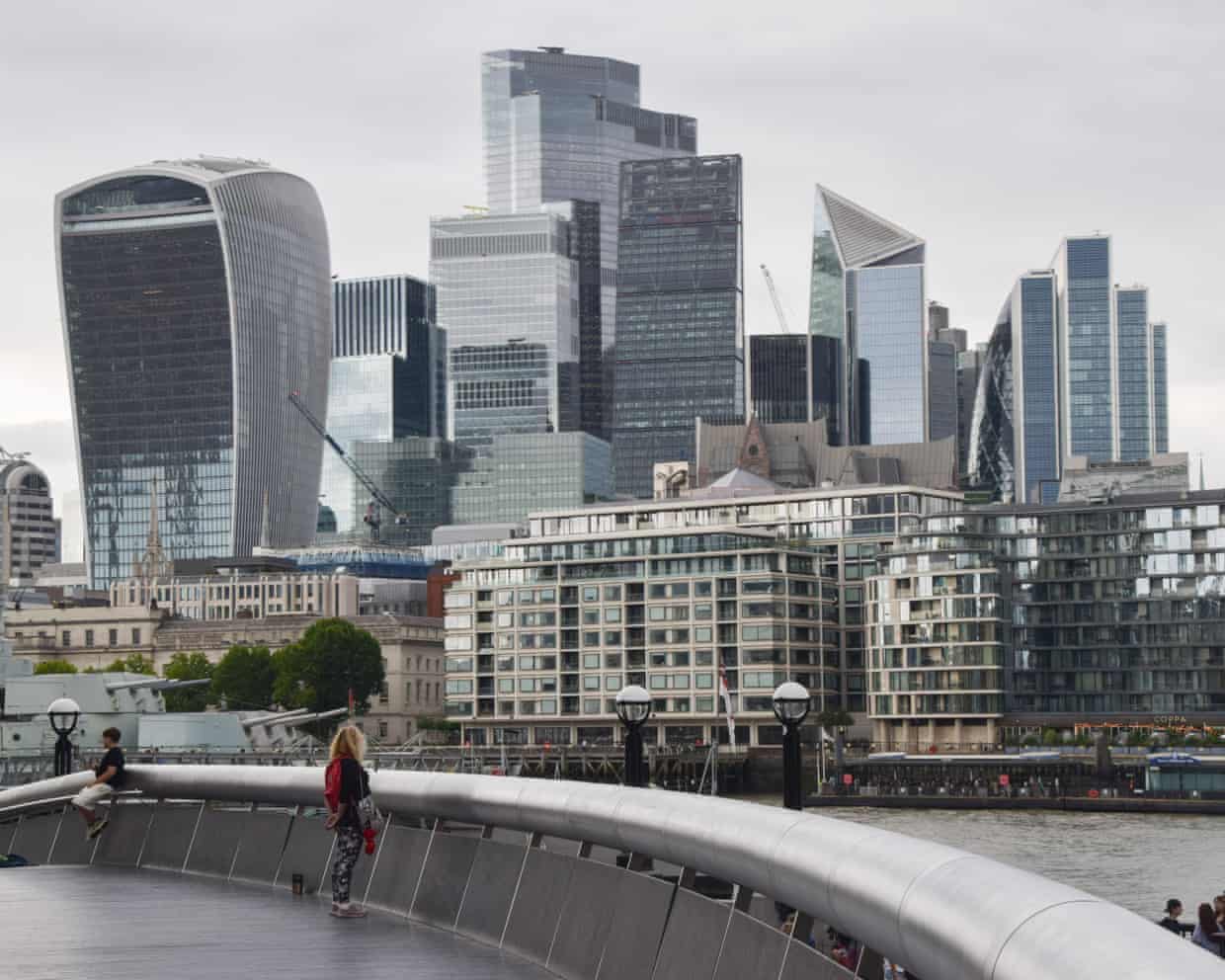
End of shareholder revolt register ‘will help UK firms bury pay controversies’
UK-listed companies will be able to bury controversies over executive pay for the first time in eight years, a thinktank has warned, after the Labour government shut down a public tracker meant to curb “abuses and excess in the boardroom”.The public register was launched under the Tory prime minister Theresa May in 2017 to name and shame companies hit by shareholder revolts at their annual general meetings (AGMs). That included rebellions over issues such as excessive bonuses or salary increases for top earning bosses.However, the Treasury – under the chancellor, Rachel Reeves – instructed the Investment Association (IA), the UK asset management trade body that maintained the register, to shut it down this autumn as part of a wider regulation action plan to increase economic growth by cutting “red tape” for businesses. The closure of the public log follows lobbying campaign by companies including the London Stock Exchange, whose bosses claim bad publicity over executive pay is harming the City’s competitiveness and deterring UK listings

‘Nostalgic and calming’: lava lamps are groovy again as sales glow
Depending on your age, you may remember them from Doctor Who and The Prisoner in the 1960s, or from TFI Friday and the Big Breakfast in the 90s. Or if you’re young enough, you might not remember them at all. But now it seems lava lamps are back.Rising sales would suggest a third wave of the lava lamp phenomenon is on the horizon, thanks to the ongoing trend towards mid-century interiors and gen Z’s fascination with the late 90s and early 2000s.Cressida Granger, the managing director of the British lava lamp pioneers Mathmos, said there had been a surge in interest in its lamps

Security bosses warn of rise in UK building site thefts by organised crime
Thefts of tools and equipment from building sites are increasingly being carried out by organised criminal groups, according to security bosses, amid warnings that the crimewave could accelerate during the Christmas construction shutdown.Copper cables, tools and even telehandlers and diggers costing tens of thousands of pounds have been stolen in recent months, according to the security firm Kingdom Systems.Now there are concerns that there could be a spate of thefts during the annual closure of construction sites, which sometimes last as long as two weeks over the festive period.Criminals often exploit long winter-nights as they look to break into sites, hoping to make off with the most costly tools and equipment stored there.“Darkness helps thieves to move in the shadows,” said Paul Worsley, the chief services officer at Kingdom Services, which runs temporary CCTV for more than 100 construction sites across Scotland and northern England

Abuse survivors need safe housing above all | Letters
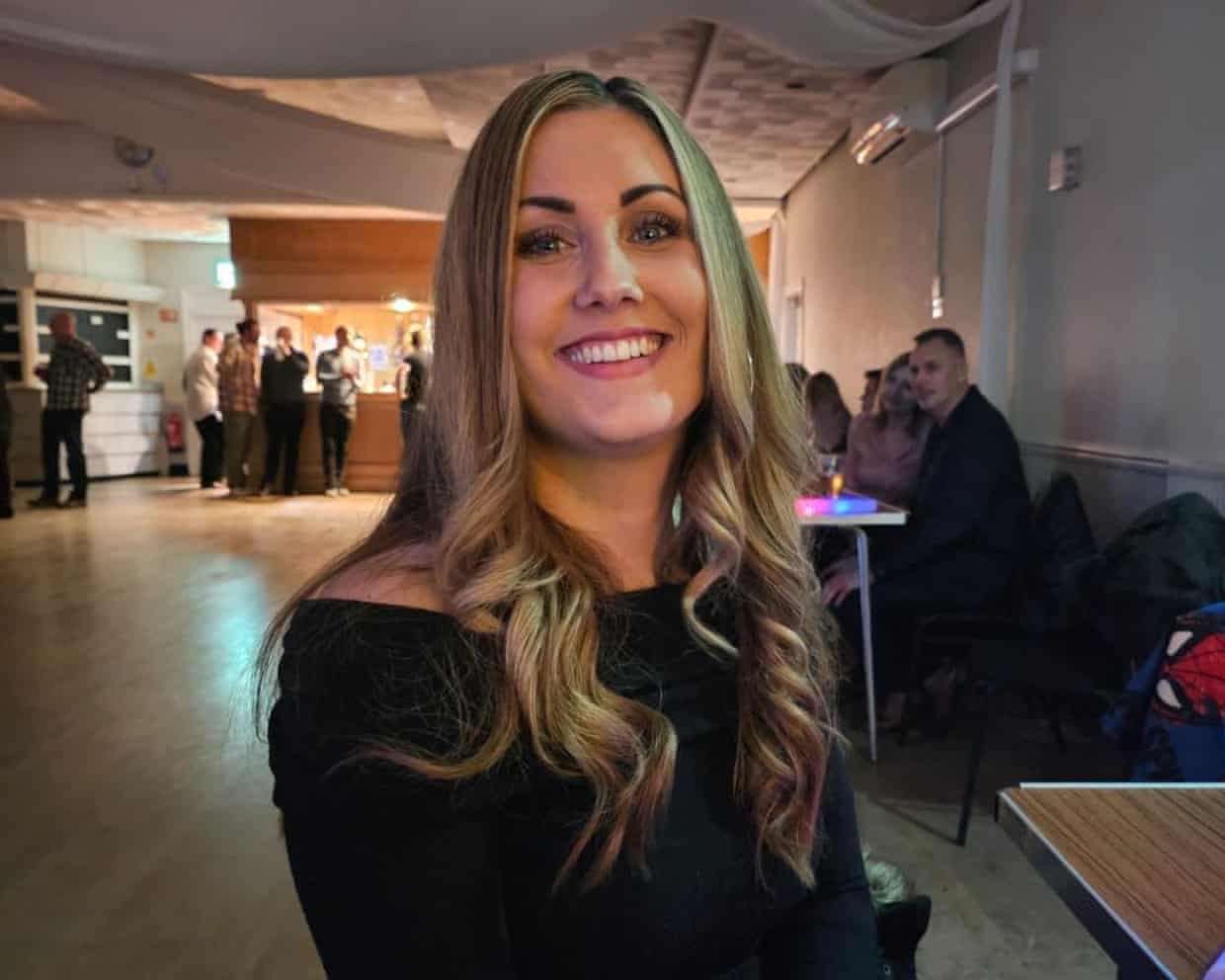
Blood test could predict who is most at risk from common inherited heart condition

Inside the US’s psychedelic church boom, where taking drugs is legal

Key figures in creation of Milton Keynes criticise England’s new towns plan
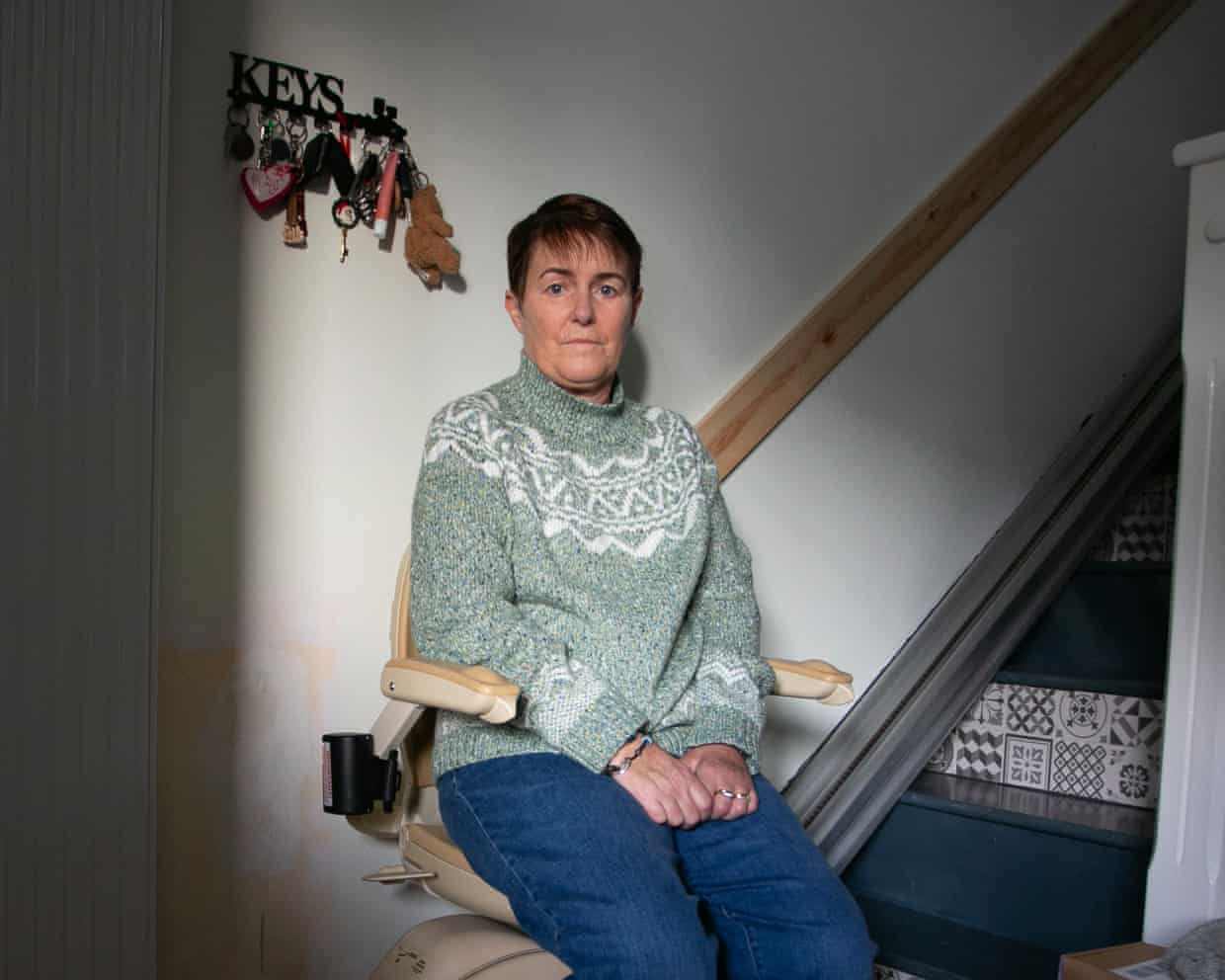
Motor neurone disease patients in England die waiting for home adaptations, campaigners say

Guardian readers’ Christmas appeal donations surpass £500,000