Psychedelic treatments show promise for OCD while cannabis doesn’t, review finds

A recent review of alternative treatments for obsessive compulsive disorder (OCD) indicates that psychedelic treatments show promise for the disorder while cannabis does not,Dr Michael Van Ameringen, a psychiatry professor at McMaster University in Ontario, Canada and lead author of the review published in the Journal of Psychiatric Research, said that 40-60 % of OCD patients get either partial or no relief with available treatments, including SSRIs and exposure and response prevention therapy,While psychedelics and cannabinoids have become part of the conversation surrounding OCD – a disorder characterized by intrusive, obsessive thoughts and/or compulsive behaviors – there is a much larger body of published evidence on the efficacy of these substances for more common conditions, like depression and anxiety,“We wanted to hone down and really understand, is there evidence for these things that have been talked about to be used as the next step treatments?” Van Ameringen explained,Given the paucity of existing literature, Van Ameringen said he didn’t know what to expect.
To make up for the lack of published information, he included conference presentations and preliminary, unpublished findings in the review paper,Upon compiling available evidence, Van Ameringen and his team found “stronger signals” for the efficacy of psychedelics, specifically psilocybin (the psychoactive component of “magic mushrooms,”) than for cannabinoids like THC and CBD,Van Ameringen theorizes that the difference is related to how these substances interact with areas of the brain related to OCD,While cannabinoids activate the brain’s CB1 receptors, which regulate symptoms like compulsions and anxiety, available evidence shows they don’t offer lasting relief from OCD symptoms,Psilocybin, on the other hand, can reduce connectivity in the brain’s default mode network, which “essentially is involved in self referential thinking and rumination.
The default mode network is really activated in OCD”, he says.A difference in the methodology of cannabis and psilocybin studies might also have contributed to the different results, says Dr Mohamed Sherif, a psychiatrist and computational neuroscientist at Brown University who will lead a future clinical trial on psilocybin for OCD.Psychedelic clinical trials, like the one Sherif is planning, tend to offer patients not only medication but also encouragement to frame their experience as a therapeutic “journey”.“This was not done in cannabinoids [studies,]” Sherif explained.Dr Terrence Ching, a clinical psychologist at the Yale School of Medicine, similarly wondered if the way people use cannabis versus psilocybin might explain the different outcomes.
While people tend to use cannabis for temporary relief, psilocybin can help facilitate actual changes in the brain and in patients’ perception of their OCD.“One could use cannabis for the same therapeutic reason, of confronting something deeper about their OCD or their obsessive fears.But conventionally, people tend to use cannabis for an avoidance function,” Ching explained.Preliminary results from Ching’s clinical trial on a single dose of psilocybin for OCD were included in Van Ameringen’s review paper, and showed that psilocybin was effective for OCD symptoms compared to placebo.Ching is now preparing the results of the trial for publication, and planning a second clinical trial where OCD patients will receive two doses of psilocybin at different times.
During the single dose trial, 11 patients each received psilocybin or niacin, a placebo intended to mimic some of psilocybin’s effects so that patients would be unsure which drug they’d received.During dosing sessions, patients would sit with two facilitators who would offer minimal guidance in the form of open ended questions.Ching said his protocol included strict rules about the type of touch that was allowed if patients requested it – only a hand on the shoulder or forearm – to create unambiguous ethical limits.Past psychedelic clinical trials have generated controversy when facilitators initiated unwanted touch with participants who were under the influence.Ching said the trial was useful not only in showing that psychedelics can improve OCD symptoms, but also in revealing more about the nature of OCD, both for clinicians and for the participants themselves.
Psilocybin is known for inducing “mystical experiences”, characterized by a specific type and intensity of psychedelic effects, according to Ching.“What we see in OCD is more often partial mystical experiences, people are kind of pumping the brakes when they have a sense that the psilocybin wants to take them into a deeper state of experiencing,” Ching said, adding that this highlights one of the core features of the disorder – the need to be in control.While clinicians in psychedelic trials might typically encourage patients to go deeper, Ching said that with OCD patients, it’s important to remain “non-directive and non-judgemental”.During the trial, Ching saw patients recognize their own resistance to the drug and gain deeper insight into their need for control, saying things like: “I really realize that this is how I’ve approached unknowable things in my life, but that’s what life is.Life is full of unknowable things.
”Ching is hopeful about the future of psychedelic medications, but there are several obstacles that make researching them difficult.Psilocybin is still an illegal schedule I substance in the US, which means that researchers must take additional steps to study it, including working with a DEA liaison and using a DEA approved safe that “needs to be bolted down to the ground”, in a private windowless room.Researchers also must deal with the issue of “functional unblinding”, or the fact that psychedelic effects can mean trial participants are able to guess whether they received psilocybin or a placebo, which could alter their perception of their own symptoms.This is especially problematic given the hype around psychedelics, Ching said.Many participants will enter a trial expecting a “miracle cure” – a narrative Ching believes is actually harmful to psychedelic research: “What we need to do now is to seriously, to treat psychedelics seriously, as any other worthwhile medication, to investigate in a controlled, rigorous way, in a way that is ethical, that pays homage to traditional Indigenous users of psychedelics, because there are, there is great wisdom there too.
”

Maria Balshaw to step down as director of Tate after nine years
Maria Balshaw is to step down as the director of Tate in 2026, after a challenging nine-year tenure when she steered the organisation through the Covid-19 pandemic and had to deal with fluctuating attendance figures and financial instability.Balshaw, who joined as director in June 2017 after a celebrated spell as the leader of the Whitworth in Manchester, said it was a privilege to serve as director but now was the time for her to move on.She said: “With a growing and increasingly diverse audience, and with a brilliant forward plan in place, I feel now is the right time to pass on the baton to the next director. My greatest thrill has always been to work closely with artists, and so it is fitting that Tracey Emin’s exhibition will be my final project at Tate.”Balshaw was described as a “trailblazer” by the Tate chair, Roland Rudd, who said she “has never wavered from her core belief – that more people deserve to experience the full richness of art, and more artists deserve to be part of that story”

‘Astonishing’: how Stanley Baxter’s TV extravaganzas reached 20 million
The description “special” is overused in television schedules; Stanley Baxter’s programmes justify it. The comedian is one of the few stars whose reputation rests on a handful of astonishing one-offs – standalone comic extravaganzas screened in the 1970s and 1980s, first by ITV’s London Weekend Television and then the BBC.In both cases, the networks ended their associations with Baxter not because of lack of audience interest – at their peak, the shows reached more than 20 million viewers – but due to the colossal costs demanded by the performer’s vast and perfectionist visual ambition. One of Baxter’s favourite conceits was to re-create, in witty pastiche, scenes from big-budget Hollywood movies that made it look as if his versions had also spent millions of dollars.Cashflow was further stretched by the fact that Baxter played multiple roles – 18 of them in one sketch
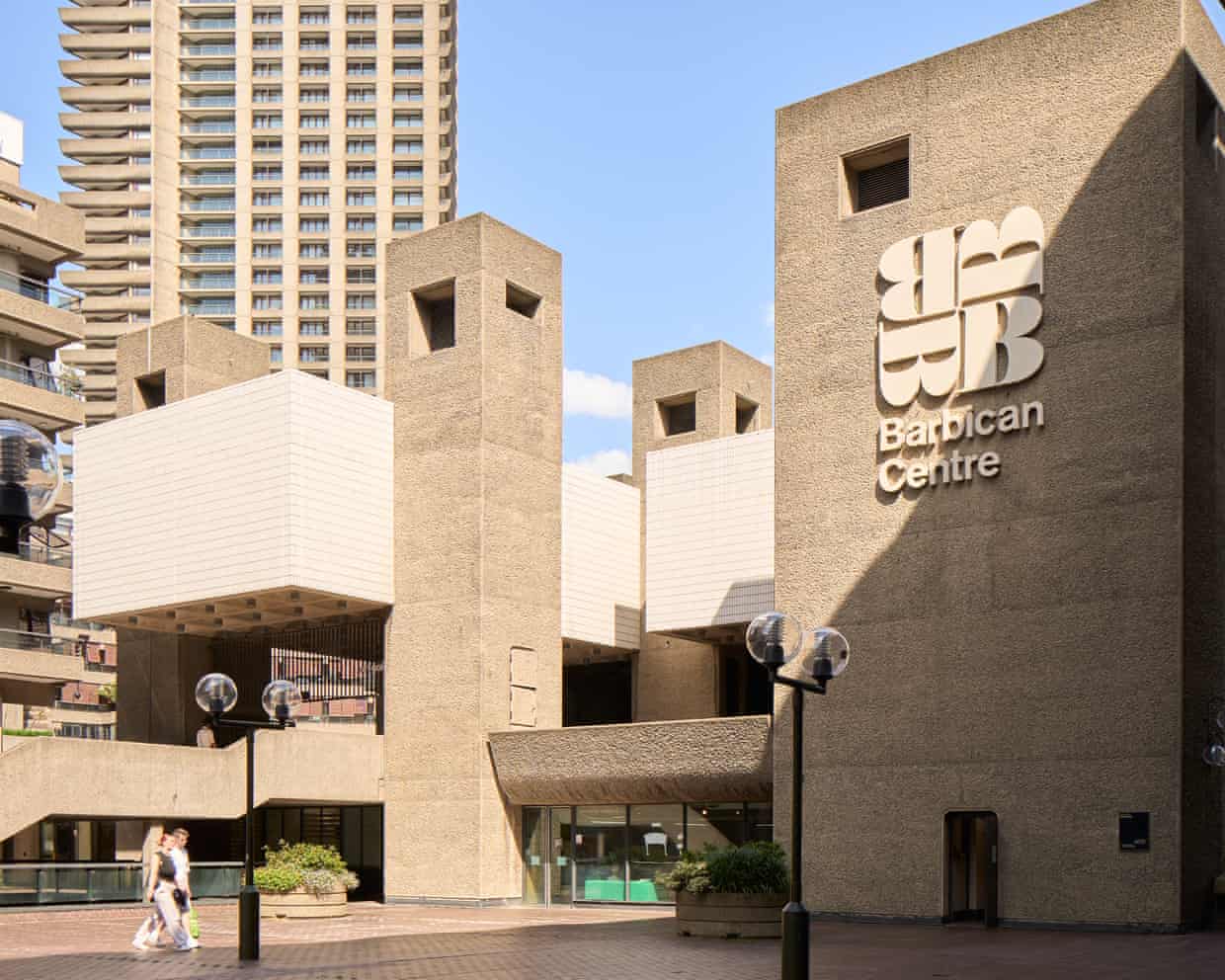
Barbican to close its doors for a year for multimillion-pound renovation
The Barbican will close its doors for 12 months from June 2028 as it undergoes a multimillion-pound renovation that its leaders say will secure its future.The arts organisation’s Beech Street cinemas will remain open but its theatre, music venue, conservatory and visual arts galleries are set to shutter as the overhaul of the 43-year-old building begins in the lead-up to its 50th anniversary in 2032.The main Barbican site will close its doors in June 2028 and reopen in June 2029, but some disruption will happen before that as the foyer, lakeside area and internal control room are all renovated.The conservatory, which is open only for a few hours at the weekend and currently has netting to stop falling glass, will close earlier, in 2027.Philippa Simpson, the director of buildings and renewal at the Barbican, said the work could not be completed while the site was open to the public as it would be too dangerous, but that it was essential to secure the site’s future
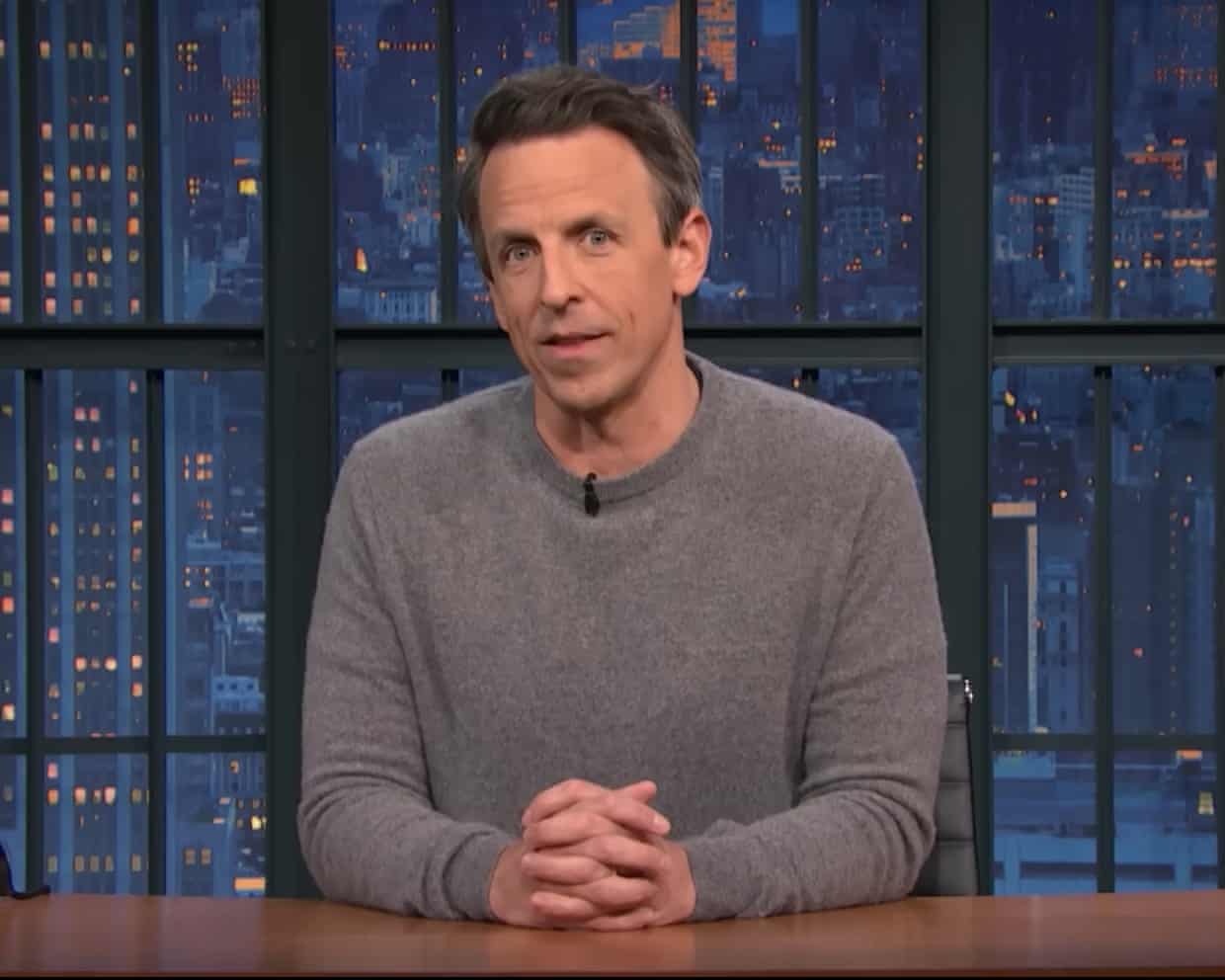
Seth Meyers to Trump: ‘You can’t convince people the economy is good when they can see the truth’
Late-night hosts recapped Donald Trump’s attempts to reassure Americans on the economy as the private sector sheds jobs and grocery prices keep rising.Seth Meyers devoted his main segment on Wednesday’s Late Night to the US economy, which has seen better days. “Costs of everything, from food to electricity, are soaring while employers are shedding jobs,” he explained. “This is when a president needs to show empathy and demonstrate that he knows the plight of hardworking Americans, and – oh no, as I’m saying this I’m remembering who I’m talking about and realizing that there’s no fucking way he’s going to do that.”Instead the president, in an interview with Politico this week, gave the economy the grade of “A+++++”
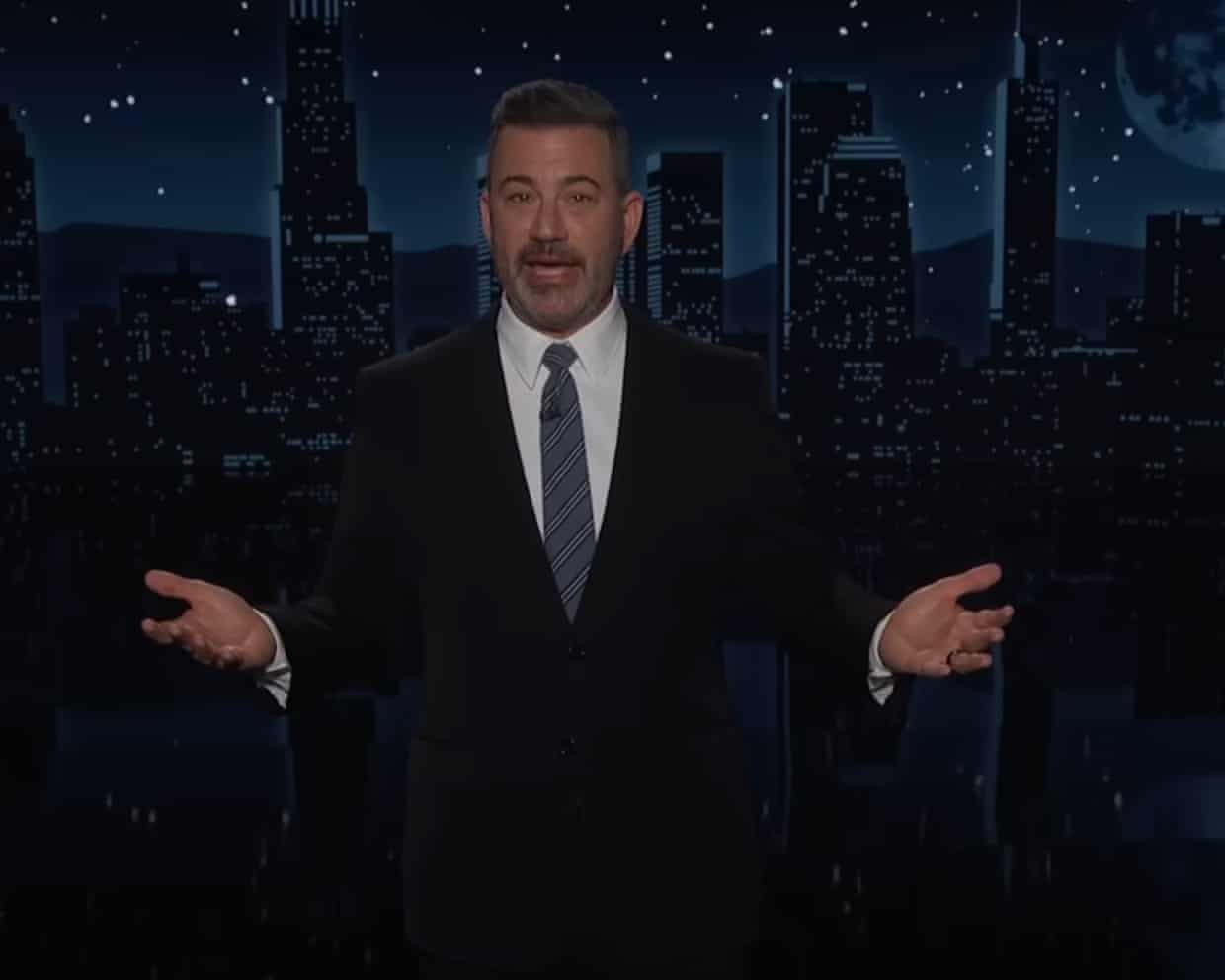
Jimmy Kimmel on Trump: ‘What a child he is’
Late-night hosts dug into Donald Trump’s back-pedaling over footage of the controversial Venezuela boat strikes and a White House UFC fight for his 80th birthday.On Jimmy Kimmel Live!, the host checked in on the US president’s economy talk, as he once again condemned use of the word “affordability”:“The reason he’s out talking about the economy is that he wants to convince us that it’s good, which it isn’t,” Kimmel explained. “But we also don’t know how bad it is because we stopped reporting job numbers. It’s like if the NBA just stopped keeping score. ‘We won

Jon Stewart on Fifa’s peace prize: ‘An entirely fictitious golden butt plug’
Late-night hosts mocked Donald Trump for gleefully accepting the inaugural Fifa peace prize ahead of the World Cup in the US.On the daily show on Monday evening Jon Stewart roasted Donald Trump for accepting the inaugural Fifa peace prize at the World Cup draw on Friday. “Oh my God, he won the prize specifically created to appease him!” he joked. “The Fifa appease prize!“I don’t know if you guys got a good look at the trophy, but come on,” he laughed before a photo of the trophy, sculpted to appear as though several hands rising from below cupped the world.“I think its design somewhat reflects, in all likelihood, how it was conceived

Want job security in the age of AI? Get a state license – any state license
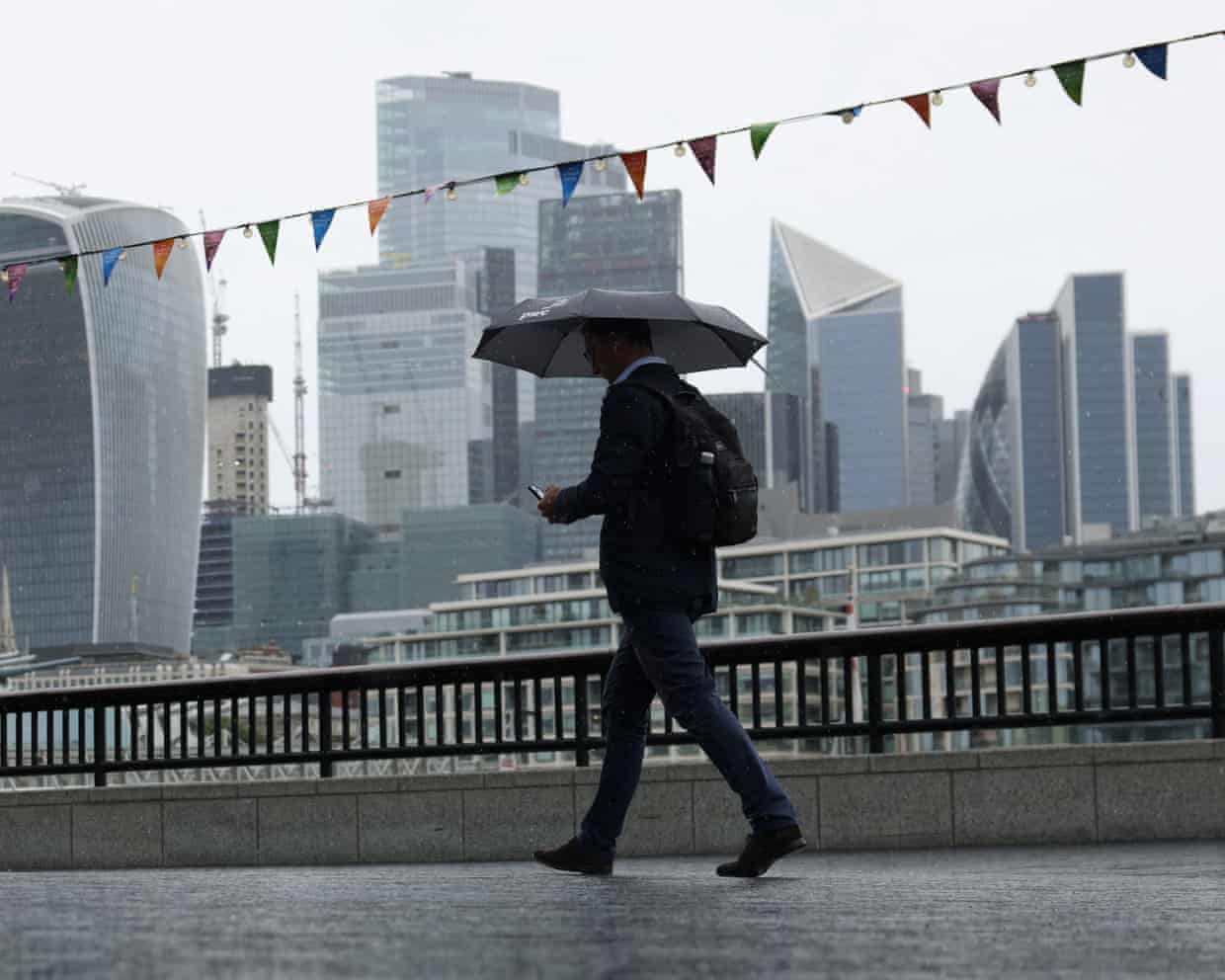
Don’t use ‘boilerplate’ reasons to justify big executive pay rises, UK firms warned
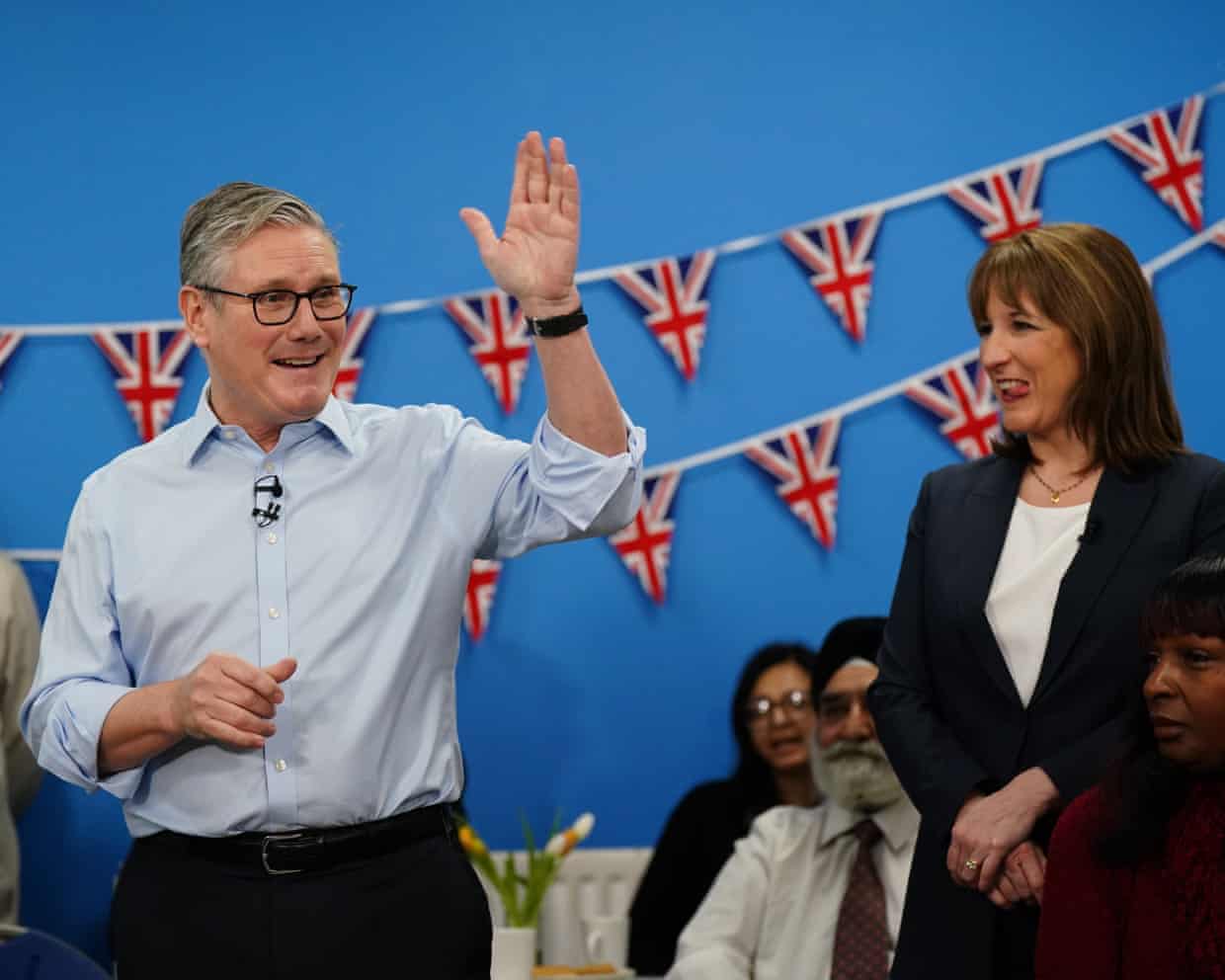
YouTube channels spreading fake, anti-Labour videos viewed 1.2bn times in 2025
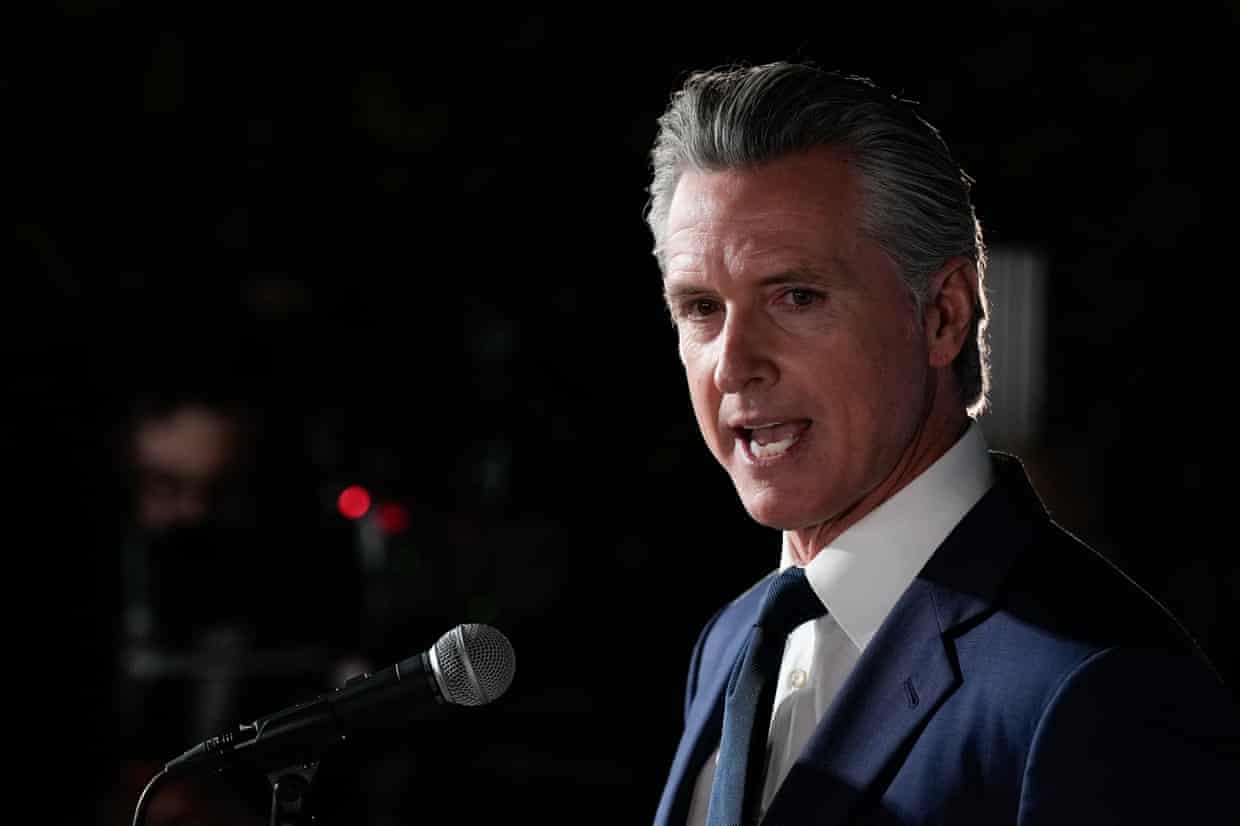
Gavin Newsom pushes back on Trump AI executive order preempting state laws

Patriots v Bills, Chiefs v Chargers, Bengals v Ravens and more: NFL week 15 – live

England need to be introduced to concept of consequences after Ashes flops | Mark Ramprakash