Vaping likely to cause lung and oral cancer, Australian researchers find in new review of evidence
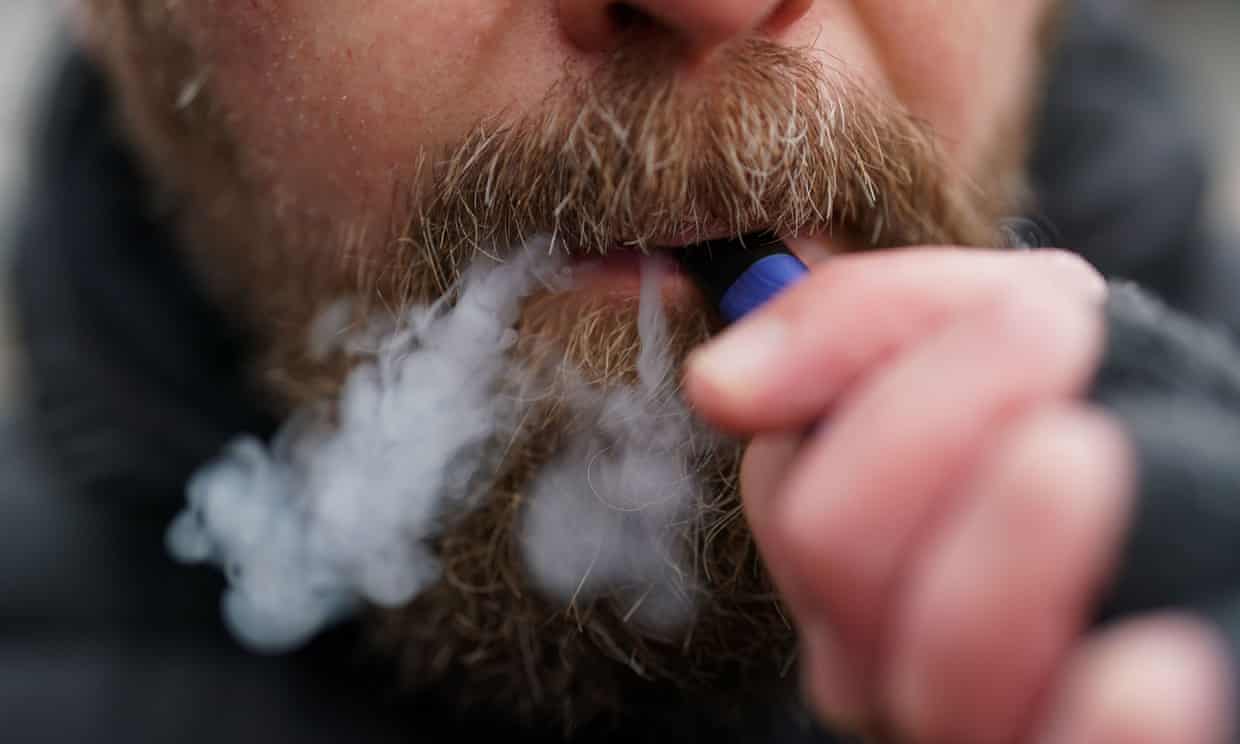
Vaping is likely to cause lung and oral cancer, researchers have found, as they urged regulators to act now rather than wait decades for a definitive level of risk.Cancer researchers led by the University of New South Wales in Sydney analysed reviews of evidence from animal studies, human case reports and laboratory research published between 2017 and 2025, in one of the most detailed assessments to date of whether nicotine e-cigarettes could cause cancer.There are early warning signs in the body strongly linked to cancer risk, including DNA damage and inflammation, co-author Adjunct Prof Bernard Stewart said.The review, published in the journal Carcinogenesis on Tuesday, found vaping is associated with these pre-carcinogenic changes.“There is no doubt that the cells and tissues of the oral cavity, the mouth and the lungs are altered by inhalation from e-cigarettes,” Stewart said.
Because modern e-cigarettes were only invented in the early 2000s, there is not enough long-term data from large numbers of people vaping and who developed cancer to determine definitive risk.Many vapers also smoke, making it difficult to distinguish the effects of vaping alone from those of tobacco.For these reasons, the review did not measure how many people might develop cancer from vaping, but instead assessed whether it causes the kinds of biological changes known to lead to the disease.However, the review included case reports from dentists who noticed oral cancer in people who had only vaped and who had never smoked.It also examined animal studies, and Stewart referred to a study that found mice exposed to e-cigarette vapour developed lung tumours at greater rates than unexposed mice, although such findings do not necessarily translate directly to humans.
“On the basis of all of that knowledge … we determined e-cigarettes are likely to cause lung cancer and oral cancer, though we cannot say how great that burden will be,” he said,Lead author of the study, epidemiologist Associate Prof Freddy Sitas, said it took 100 years of emerging and growing evidence before the US Surgeon General recognised smoking as a cause of lung cancer in 1964,Calvin Cochran, a research fellow at the University of Otago’s Department of Public Health in New Zealand, said nearly 8,000 studies were ultimately assessed to reach that conclusion, despite earlier warning signs that were often dismissed or discredited, including by doctors,“We risk repeating that same fate with vaping if we don’t take emerging research and warning signs seriously,” Cochran said,“Every study like this should be considered seriously by policymakers, government’s and health organisations.
There is likely going to be no planting the flag moment where we can conclusively say vaping causes x,y,z types of cancer.That is years and most probably decades away.”Though smoking was once given the benefit of doubt, the same should not now be accorded to vaping given the strength of carcinogenicity data, Sitas said.“We’ve always assumed that vapes are safer than cigarettes, but you know, what we’re showing is that they might not be safe after all.We have no conclusive way in which to get people off the vapes.
“So in smoking, we’ve got ways in nicotine gum, various drugs that we can give people to stop them from smoking.The evidence regarding people stopping vaping is very inconclusive.”He said regulators needed to act to protect people, especially children, from harm.“What is important is that regulators have at their disposal the full spectrum of evidence,” he said.“It’s not an alternative to smoking … It’s not an alternative to anything in the context of being safer, it is dangerous, and that’s the message,” he said.
Prof Stephen Duffy, from Queen Mary University London, said it would be an “overinterpretation” to say vaping is as harmful as smoking off the back of the research, as “vaping does not involve exposure to the combustion products in smoking which have massive carcinogenic effects”.But Stewart said vaping was often assessed in terms of health risks compared with smoking, and said it was important to assess whether vapes could cause cancer “in their own right”.Prof Becky Freeman, a tobacco control researcher with the University of Sydney, said: “This study is the first to assert that there is likely an increased cancer risk for people who vape, compared to people who do not vape.“This information is particularly important for young people who have never smoked,” she said.“Vaping is not a safe alternative to smoking for nonsmokers.
“The results of this paper reinforce that Australian laws that limit vapes to pharmacy-only access for people who are using them to quit smoking are the right approach,Preventing young people from accessing vaping products, while also providing a tightly regulated channel for those using them to quit smoking, is a balance,”
Keir Starmer gives resident doctors 48 hours to call off strike or lose training offer
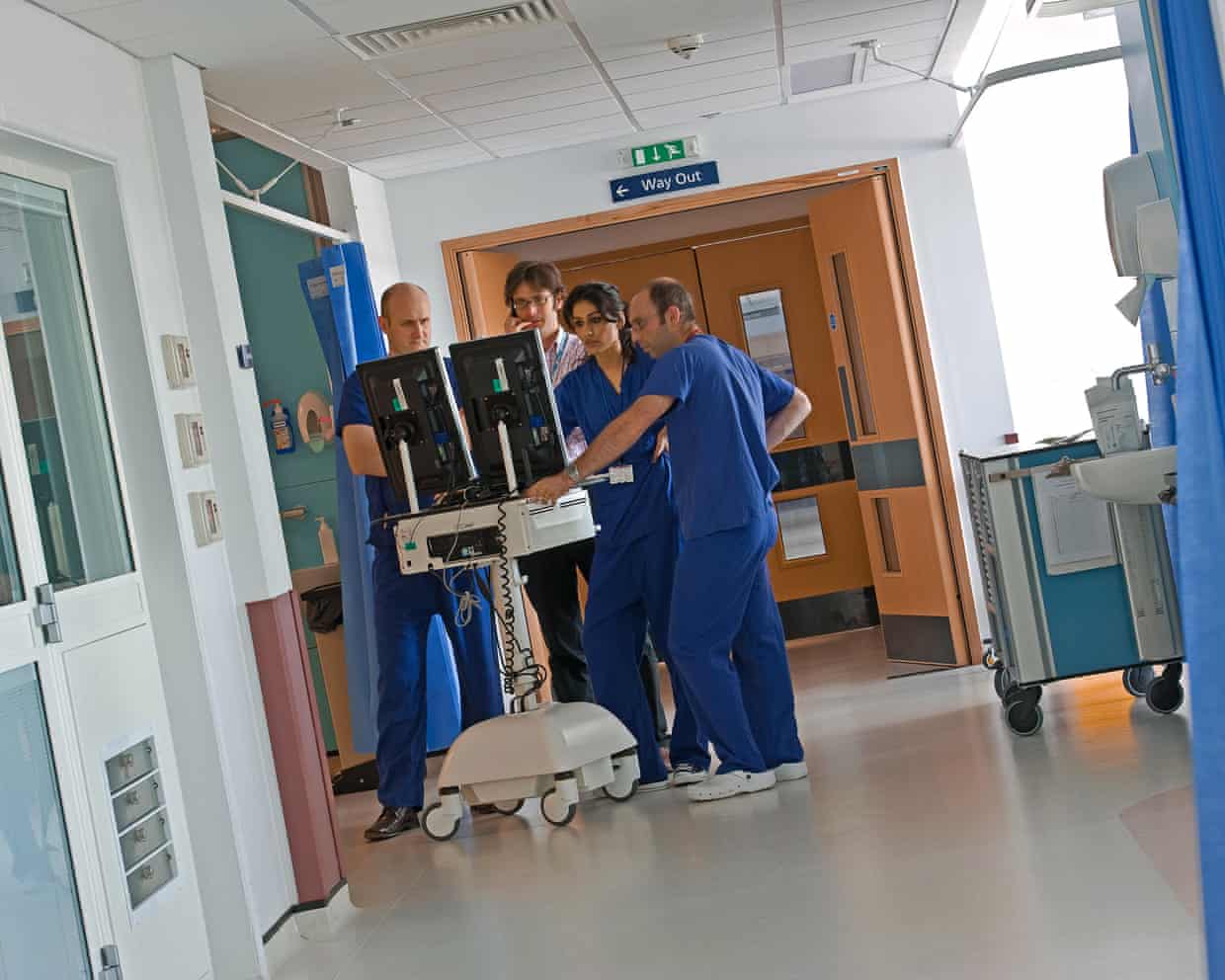
Keir Starmer has threatened to withdraw an offer of thousands of extra NHS training posts if resident doctors in England do not call off a six-day strike after Easter.The prime minister has given the doctors’ union, the British Medical Association, 48 hours to ditch its plans for industrial action or the government will pull the current offer from the table.Last week, the BMA resident doctors’ committee rejected an offer that would have given doctors a pay rise of up to 7.1% this year, without putting it to members for a vote.Writing in the Times, Starmer labelled the BMA’s rejection of the deal “reckless” and said it “benefits no one”
Vaping likely to cause lung and oral cancer, Australian researchers find in new review of evidence
Vaping is likely to cause lung and oral cancer, researchers have found, as they urged regulators to act now rather than wait decades for a definitive level of risk.Cancer researchers led by the University of New South Wales in Sydney analysed reviews of evidence from animal studies, human case reports and laboratory research published between 2017 and 2025, in one of the most detailed assessments to date of whether nicotine e-cigarettes could cause cancer.There are early warning signs in the body strongly linked to cancer risk, including DNA damage and inflammation, co-author Adjunct Prof Bernard Stewart said. The review, published in the journal Carcinogenesis on Tuesday, found vaping is associated with these pre-carcinogenic changes.“There is no doubt that the cells and tissues of the oral cavity, the mouth and the lungs are altered by inhalation from e-cigarettes,” Stewart said

Expansion of HMP Parc in Wales should be paused, MPs say
Plans to expand one of the most troubled prisons in England and Wales should be paused until serious failures surrounding staff and inmate safety are addressed, MPs have said.Seventeen men died at HMP Parc in Bridgend in 2024 – the highest number recorded at any prison in England and Wales that year – amid drug use, self-harm, violence and understaffing issues. Another three men died there in the first nine months of 2025.A Welsh affairs committee report released on Monday acknowledged the need for more prison places for adult men, but concluded that Parc is “not the right place to expand the prison population”.Despite the prison’s problems, pre-application approval for adding 345 inmates and 160 staff to the category B facility was granted in September 2024, after the Ministry of Justice (MoJ) said England and Wales would run out of prison places in two months without urgent action
Court of appeal says it cannot rule on which identical twin fathered a child
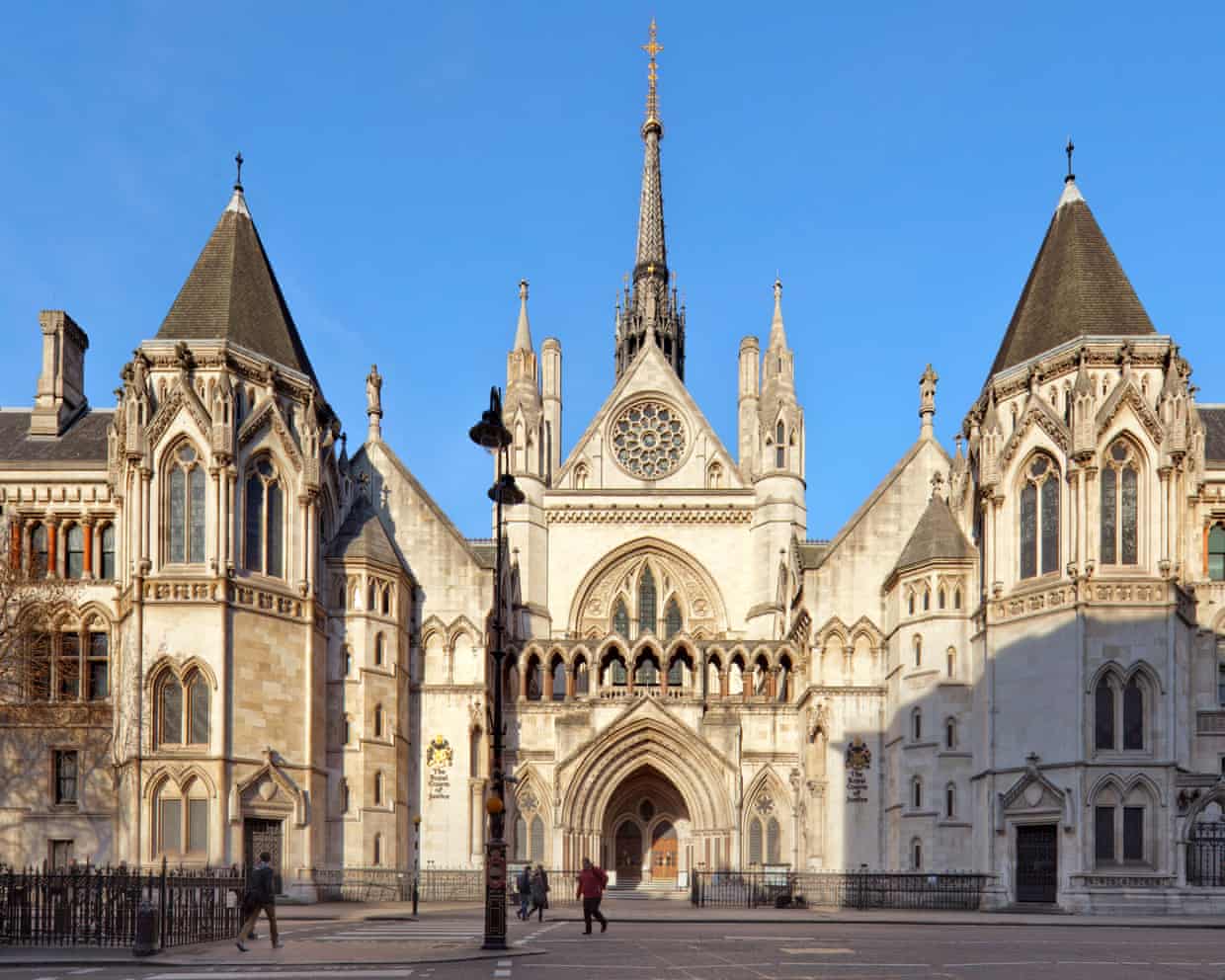
A woman who had sex with identical twins within four days of each other is unable to ensure one of them takes parental responsibility because it is “not possible” to know which is the father, the court of appeal has said.One of the twins was registered as the father on the birth certificate of the child, referred to as P. His identical twin, along with the mother, sought to take over parental responsibility by asking the court of appeal to overturn a previous family court decision.Sir Andrew McFarlane, sitting with Lady Justice King and Lord Justice Stuart-Smith, said that while DNA testing has revealed that either of the twins could be the father, it cannot distinguish between them so there is a 50% chance of the correct father being already on the birth certificate.He said the twin on the birth register will no longer have parental responsibility until the court hears further arguments

Prison officers are key to reforming the criminal justice system | Letter
The role played by prison officers is so often overlooked and misunderstood, and your editorial (22 March) is right to highlight staff when addressing some of the issues facing prisons. Those on the frontline are uniquely placed to drive change across the system, and good prison officers can radically improve outcomes for those in their care. To build a prison system that promotes rehabilitation, staff must be at the heart of these efforts and we need to be recruiting, training and developing outstanding frontline leaders.The challenges in prisons are well documented and reoffending rates remain stubbornly high, costing the taxpayer billions every year. With so many prisoners spending more than 22 hours in their cells every day, the officers on the landings are the most influential members of staff in a prison

Adults underestimate risk of abuse posed to women by ex-partners, UK data shows
The risk posed to women by ex-partners in cases of abuse is underestimated by large swathes of the British public, according to the charity Refuge.Data from the charity’s helpline found that 42% of people who call Refuge for help identify a former partner as their abuser, a statistic which underlines how common it is for an ex to be a cause of harm after a relationship has ended.Despite this, a survey of the wider national population found that many UK adults did not name a former partner as a probable culprit in ongoing abuse.YouGov data commissioned by Refuge found that, while 71% of UK adults identified that a woman is most likely to be abused by somebody she knows, of this percentage, only 12% recognised an ex-partner as the most likely to be the abuser, while 78% identified a current partner.Sasha* said she has experienced stalking and harassment since separating from her partner and father of her child in 2012
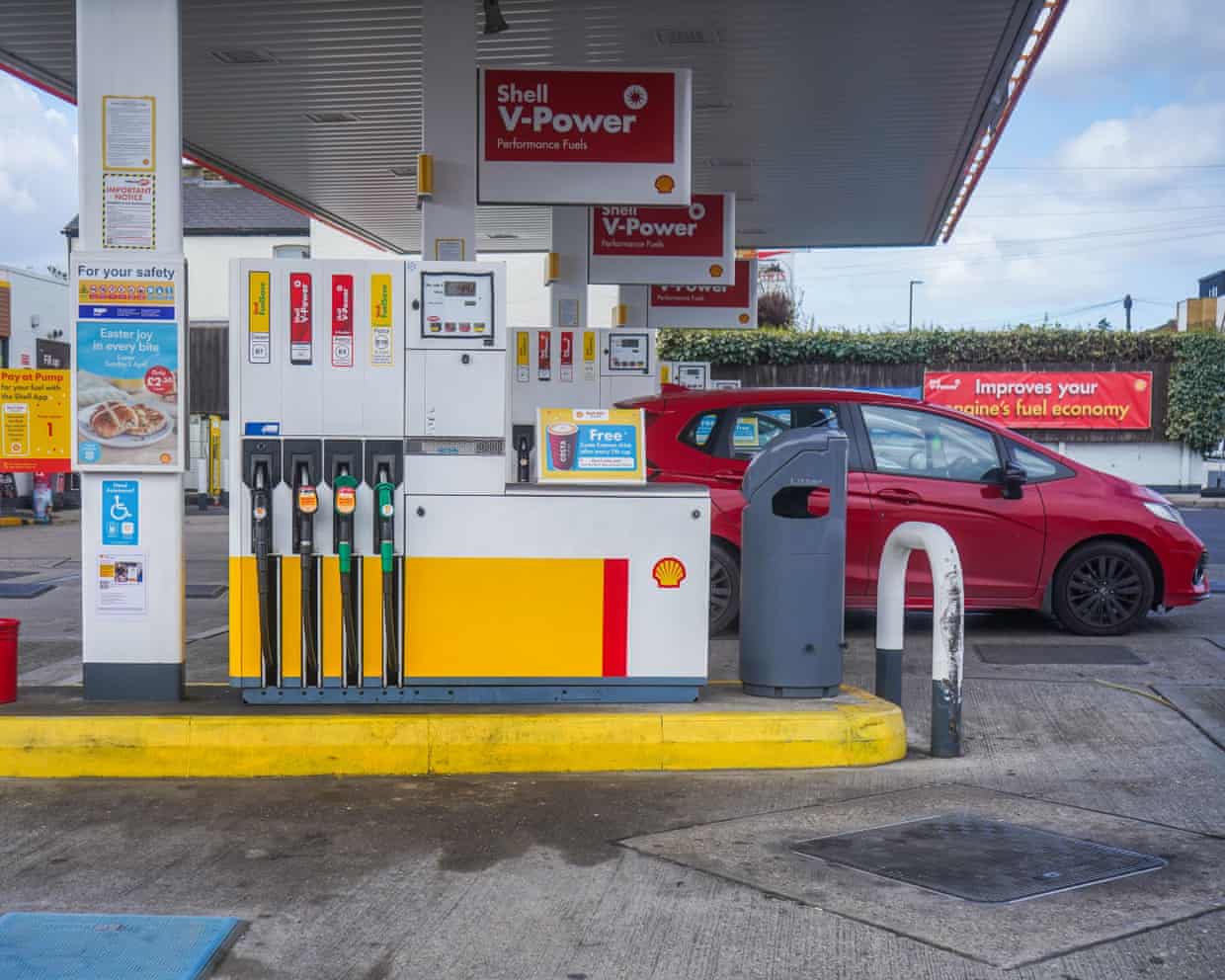
Oil price jumps to $118 a barrel after Trump comments; cost of filling up family car with diesel passes £100 – as it happened
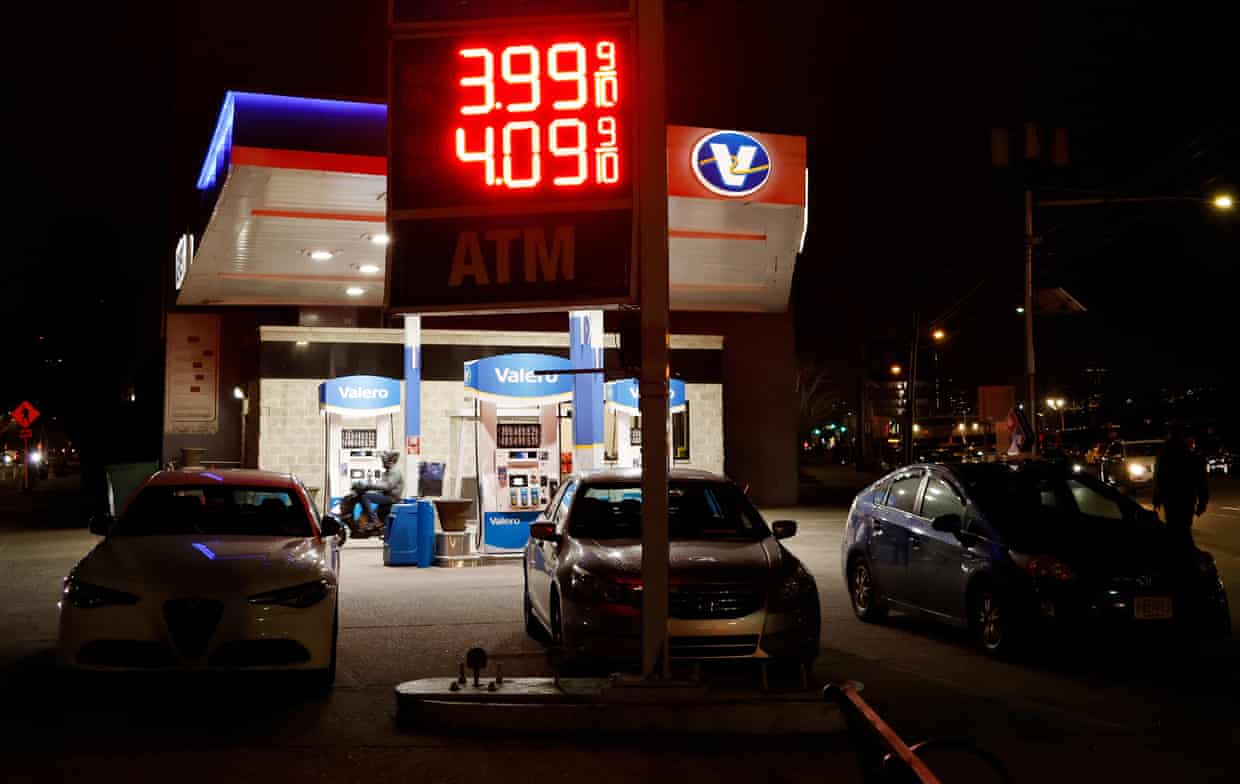
US average fuel price passes $4 a gallon for first time in four years amid Iran war
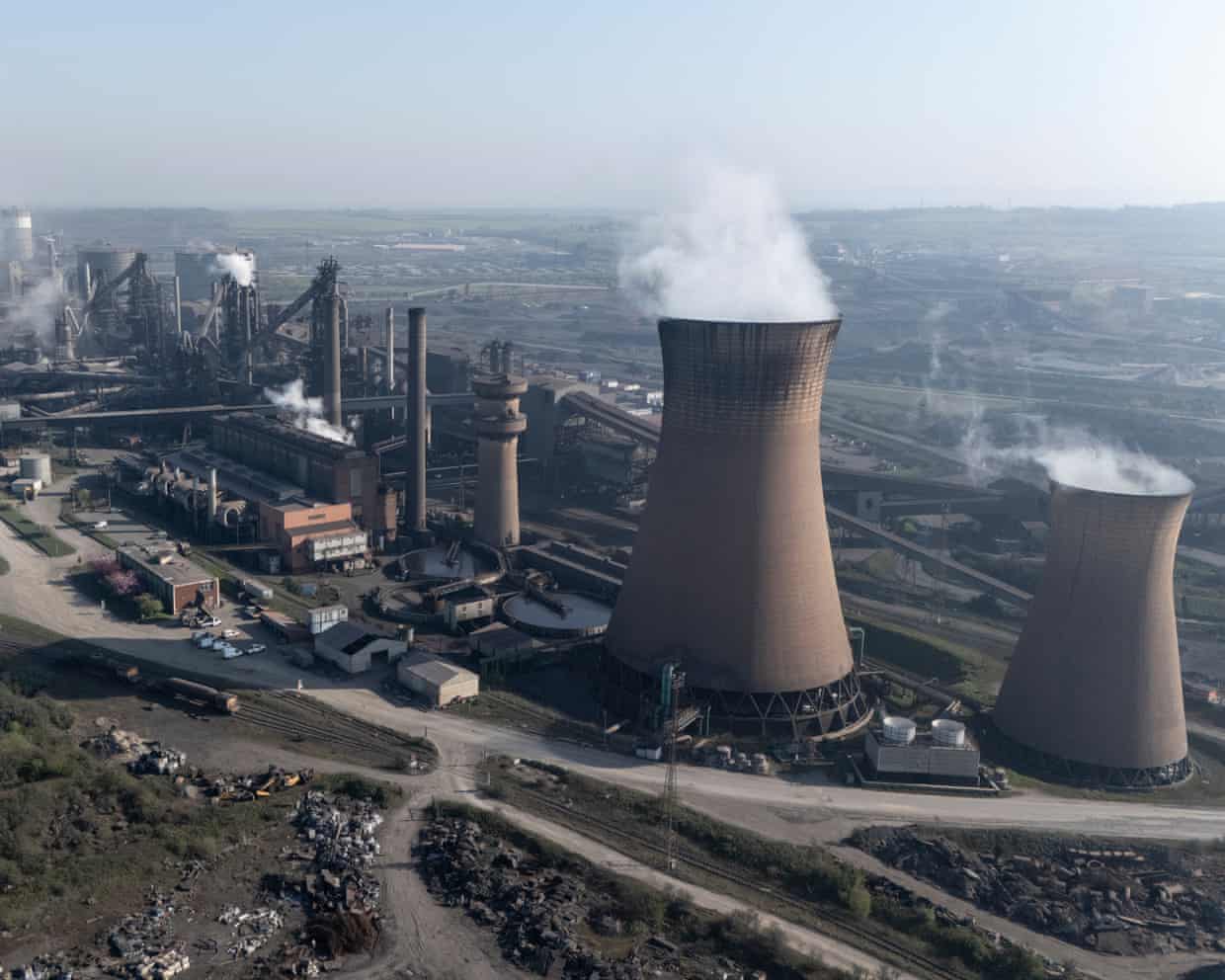
Steel bosses warn ‘back door’ loophole in UK trade rules could lead to job cuts and closures

Food price rises unlikely before summer, says boss of Sainsbury’s

UK house prices rose sharply in March but Iran war expected to cause slowdown

Car finance victims to get an average £830 payout but fewer loans eligible