OpenAI shelves landmark £31bn UK investment package
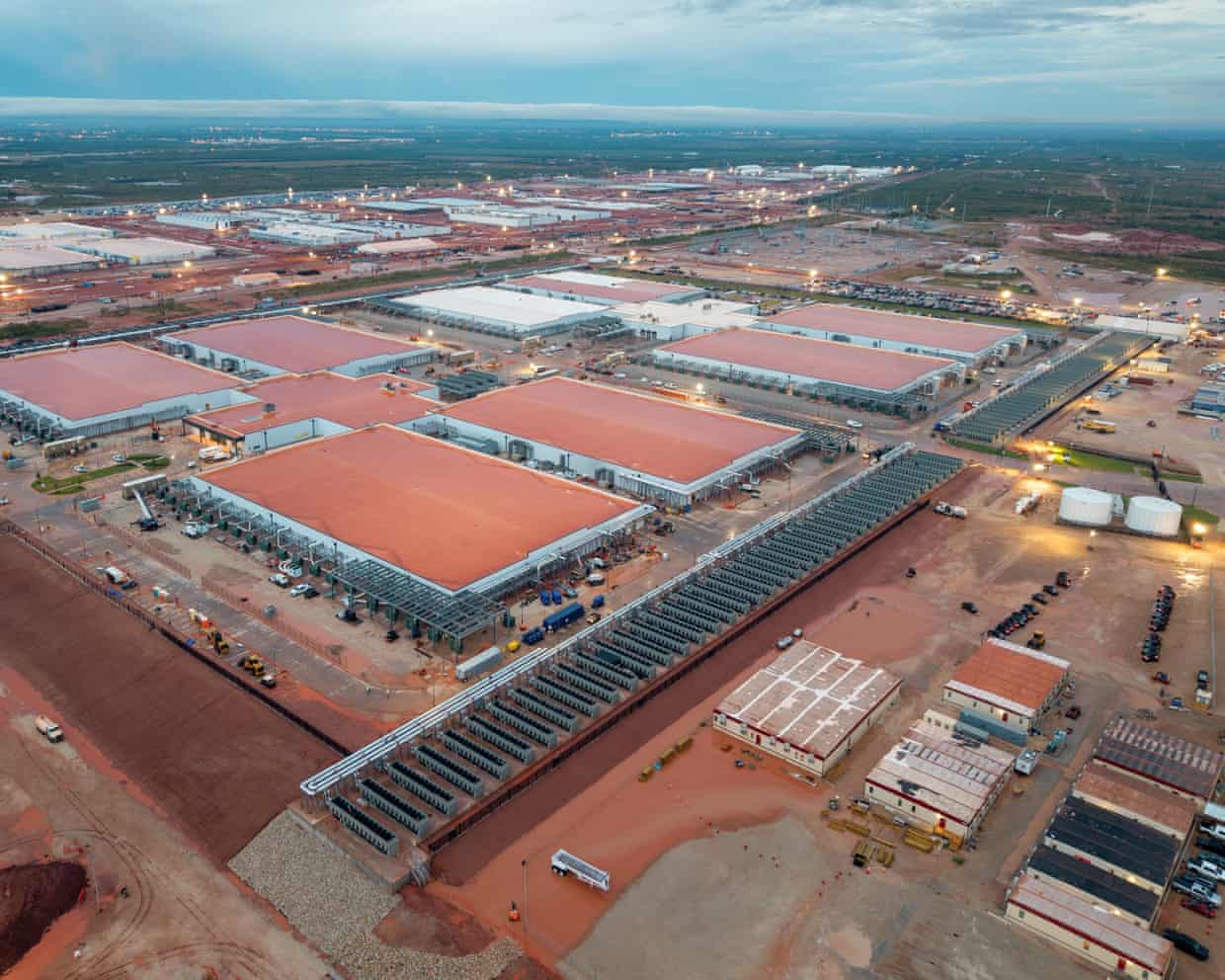
OpenAI has put on hold plans for a landmark project to strengthen the UK’s AI capabilities, citing high energy costs and regulation.Stargate UK was a part of the landmark UK-US AI deal announced last September, in which US companies appeared to commit £31bn to the UK’s tech sector, part of a larger series of investments intended to “mainline AI” into the British economy.A Guardian investigation last month revealed many of these were “phantom investments” and a supercomputer scheduled to go live in 2026 was this March still a scaffolding yard in Essex.That supercomputer was to be built by Nscale, a UK firm that had never built a datacentre before but said it was aiming to deliver the project in 2027.Nscale was also to build key datacentres for Stargate UK.
The Stargate project was to support Britain in building out “sovereign compute” – infrastructure that would allow the government and other UK institutions to run AI models on datacentres in the country.This is in theory important to the security of British data, for institutions and individuals.An OpenAI spokesperson said: “We see huge potential for the UK’s AI future.We continue to explore Stargate UK and will move forward when the right conditions such as regulation and the cost of energy enable long-term infrastructure investment.”OpenAI’s exact commitments, under the Stargate project, were always vague.
It was announced in September, during Donald Trump’s visit to the UK, and came as the Labour government sought to make AI and datacentres central to economic growth plans.Framed in soaring language – Stargate was to “power the UK’s economy” and “boost its global competitiveness” – the crux of the commitment, from OpenAI, was that the company would “explore the offtake” of 8,000 high-powered Nvidia chips at Stargate datacentres constructed by its partner, Nscale.This language meant that it planned to consider, in the spring of this year, either purchasing or renting 8,000 Nvidia GPUs (graphics processing units, which are crucial for powering AI systems).Contacted by the Guardian several weeks ago, the company said it had no updates on whether it was going ahead with this plan.Tom Hegarty, the head of communications at the tech equity organisation Foxglove, said OpenAI’s chief executive, Sam Altman, was “fast racking up a record of U-turns any government minister could be proud of”, after the recent closure of OpenAI’s video-generation app Sora and Altman’s previous claim that AGI (artificial general intelligence) would be achieved by 2025.
“At least it’s good news for cash-strapped gamers with 8,000 Nvidia chips now presumably going spare,” he added.“But that hasn’t stopped ministers from jumping fully aboard the AI hype train,” said Hegarty.“In January 2025, then-tech secretary, Peter Kyle, said a new supercomputer in Essex would be ‘the largest UK sovereign AI datacentre’ by the end of 2026 and ‘a fresh start for our economy and for working people’.Instead, a year later the ‘supercomputer’ was still a scaffolding yard.” A Guardian investigation last month into the AI investments found work was yet to begin on the supercomputer site, 12 miles north of London.
“The government needs to wean itself off its bad habit of believing every dodgy claim it’s told by Big Tech – including OpenAI – starting with the idea they can cover the UK in power-guzzling datacentres without sending our efforts to combat climate change back to the stone age,” said Hegarty.High energy costs, rising further because of the US-Israel war on Iran, are expected to delay or derail AI datacentre projects worldwide.The UK’s industrial electricity prices were already the highest in Europe before the start of the war.“OpenAI halting their flagship British investment is a stark warning: Britain is becoming too expensive to build in,” said Sam Richards, the chief executive of the pro-growth campaign group Britain Remade.“When global tech firms cite sky-high energy costs and slow regulation, ministers must pay attention and meaningfully act.
”Andy Lawrence at the Uptime Institute said OpenAI, Nscale, and the government all had reasons not to proceed with the project at this point.He said the government had a lot of concerns around energy and costs, and that OpenAI was worried about competition from Anthropic, while Nscale was struggling to get expertise and equipment.“The government was not able to make sufficient commitments to be a client.I think the overall demand for all of this wasn’t, and still isn’t apparent.The whole sense of urgency has dissipated,” Lawrence said.
Nscale has been approached for comment.
BA to reduce Middle East flights when services resume in July
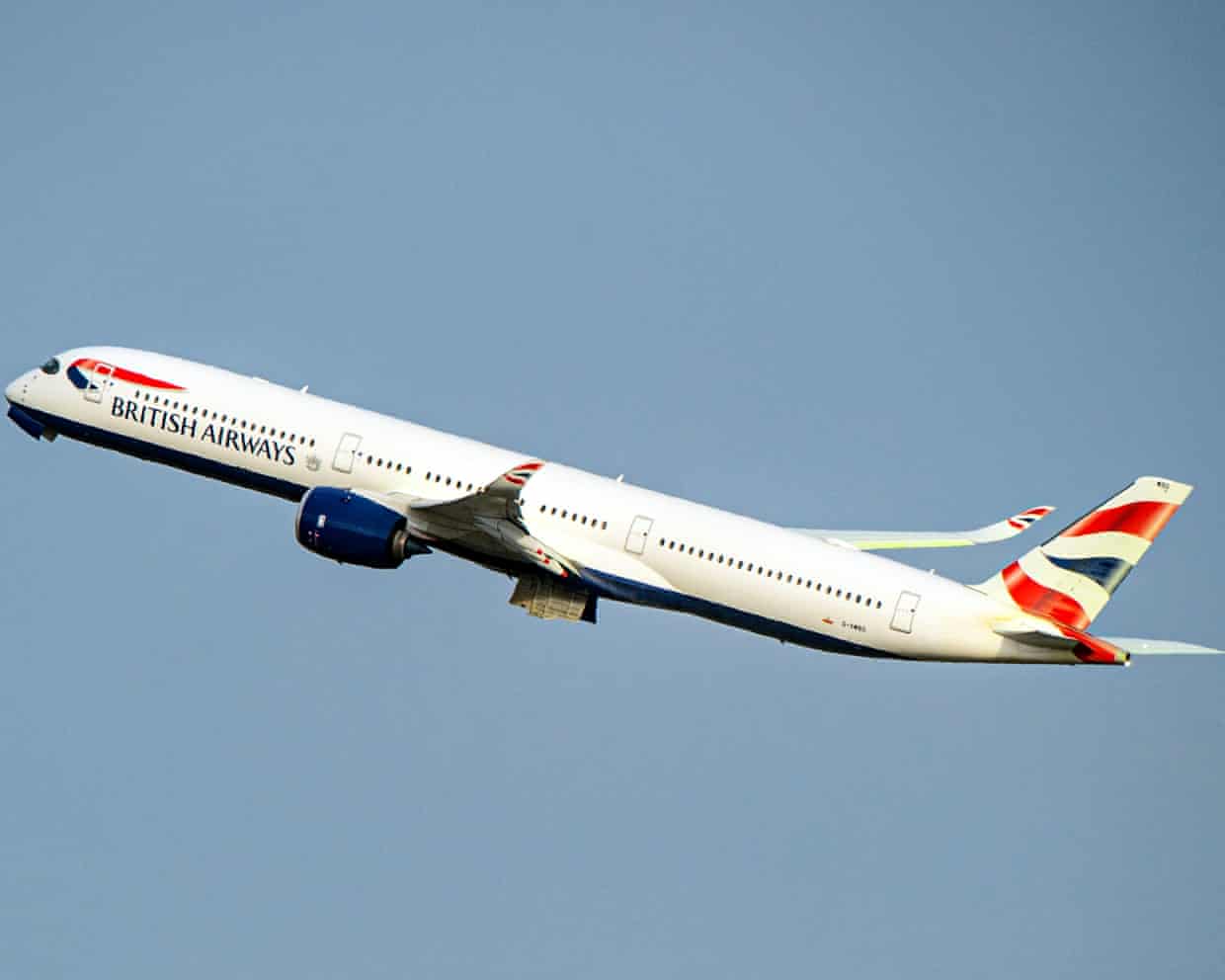
British Airways will offer a reduced flight schedule to the Middle East when it resumes services in July, and use the aircraft to operate more direct flights to India and Kenya.The airline has currently suspended services to the region because of the Iran war, and plans to resume flights to Saudi Arabia’s capital, Riyadh, in mid-May, as well as services to Dubai, Doha and Tel Aviv on 1 July. It is cutting its Dubai flights from three – a day to one daily flight, and reducing services to Doha, Tel Aviv and Riyadh from two to one a day.It will drop Jeddah in Saudi Arabia permanently as a destination from 24 April. Flights to Bahrain and Amman are paused until 25 October
Give all UK households a set amount of subsidised energy, says thinktank
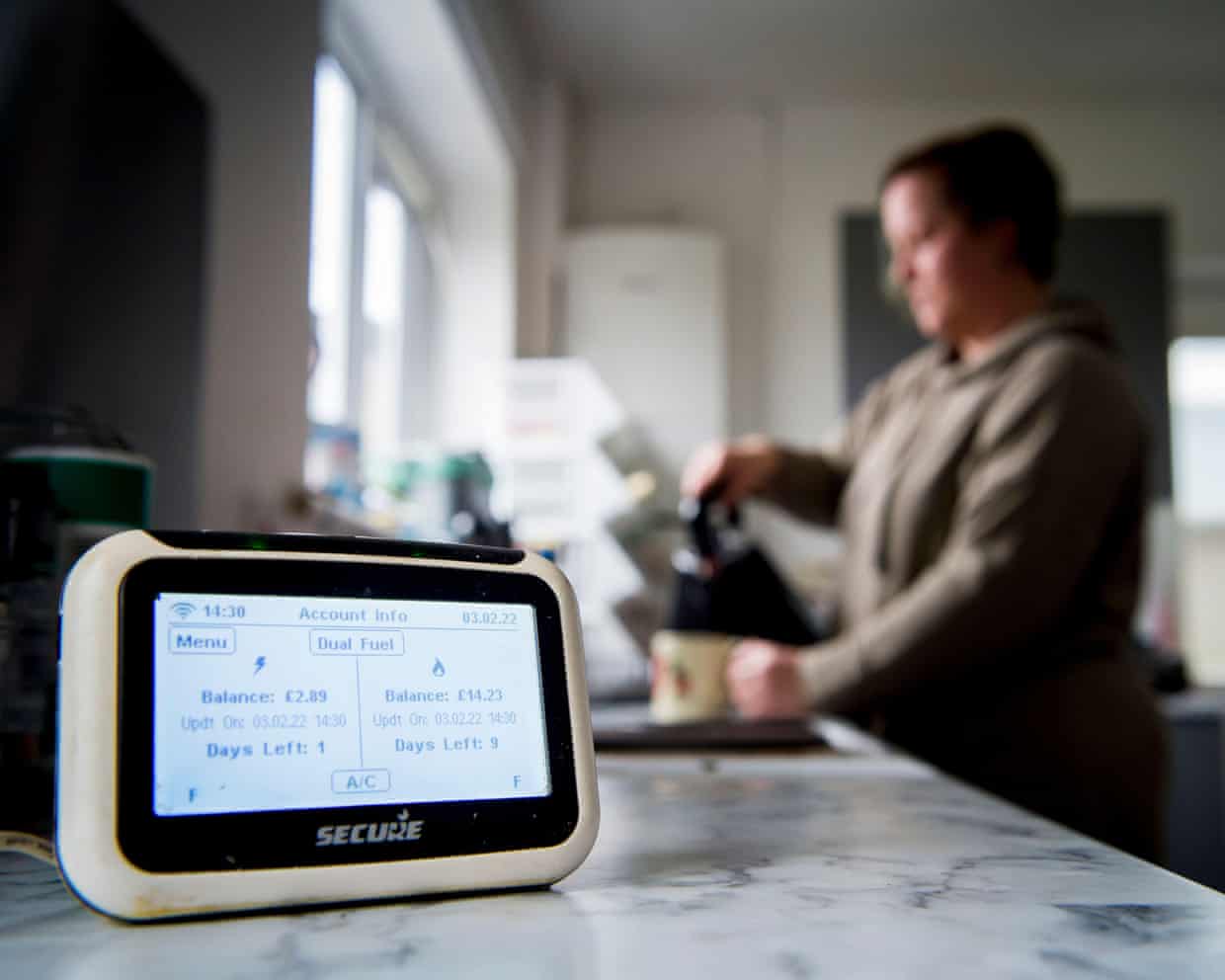
In order to cut rising bills all UK households should receive a minimum amount of energy at rates subsidised by the government through North Sea taxes, a thinktank has suggested.Providing all homes with enough energy to heat two rooms, provide hot water and run key appliances such as a fridge and washing machine, at rates frozen at current levels, would require a subsidy of about £4.5bn, according to the New Economics Foundation.That is roughly equal to the expected windfall in tax revenues from the North Sea, generated by the bonanza oil and gas companies are enjoying from the high price of oil.Although oil prices, sent soaring by the Iran war, have abated on the announcement of a ceasefire by the US president, Donald Trump, they are still higher than before the conflict and could remain volatile as supplies through the strait of Hormuz may take some time to get back to normal
Oil prices plunge and stocks jump after Trump announces conditional ceasefire with Iran
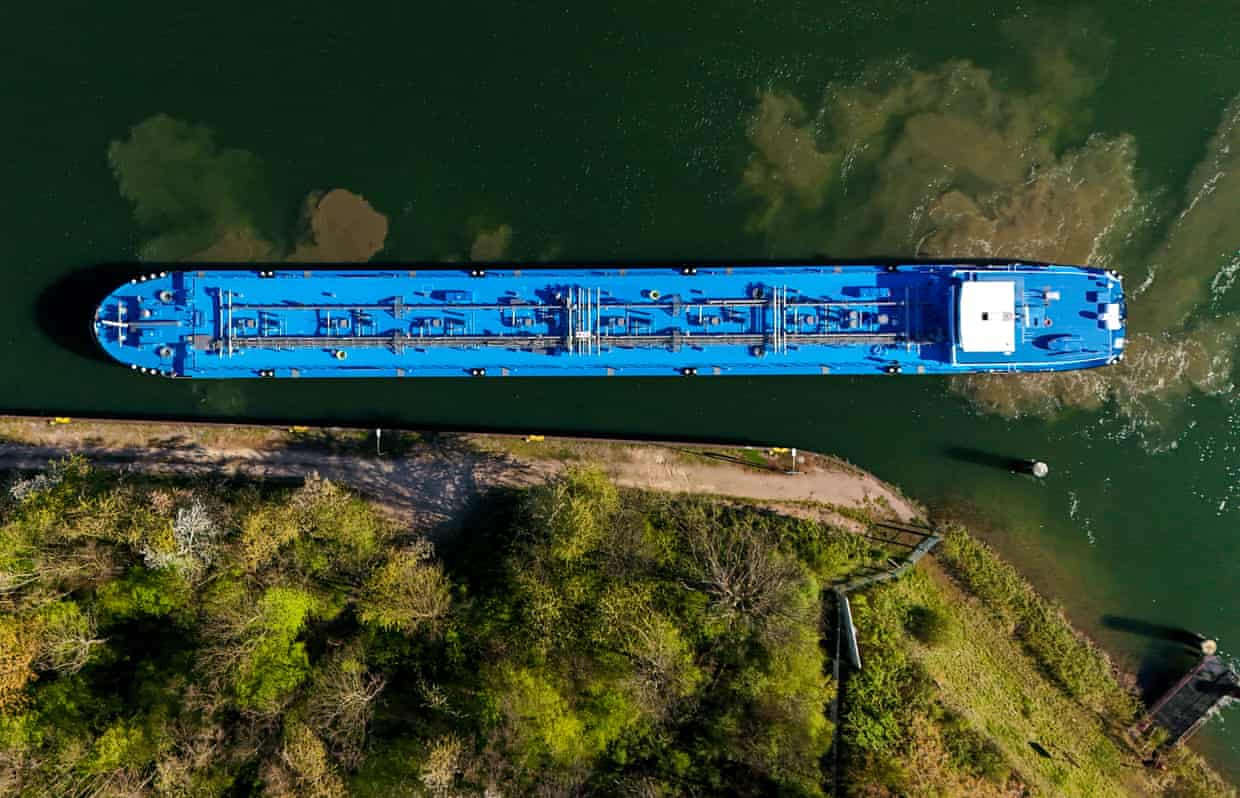
Oil prices tumbled on Wednesday and global stock markets rallied after the US and Iran agreed a two-week conditional ceasefire.Investors welcomed the news that Donald Trump had held off on his threat to bomb Iran into “the stone ages”, while Iran’s foreign minister, Abbas Araghchi, said passage through the strait of Hormuz would be allowed for the next two weeks under the management of Iran’s military. Wall Street recorded its biggest single-day rally in a year.Oil fell below the $100-a-barrel mark, even though it was not certain that the US would accept a 10-point proposal drawn up by Iran. How the strait will be reopened and managed beyond the two-week grace period is yet to be determined
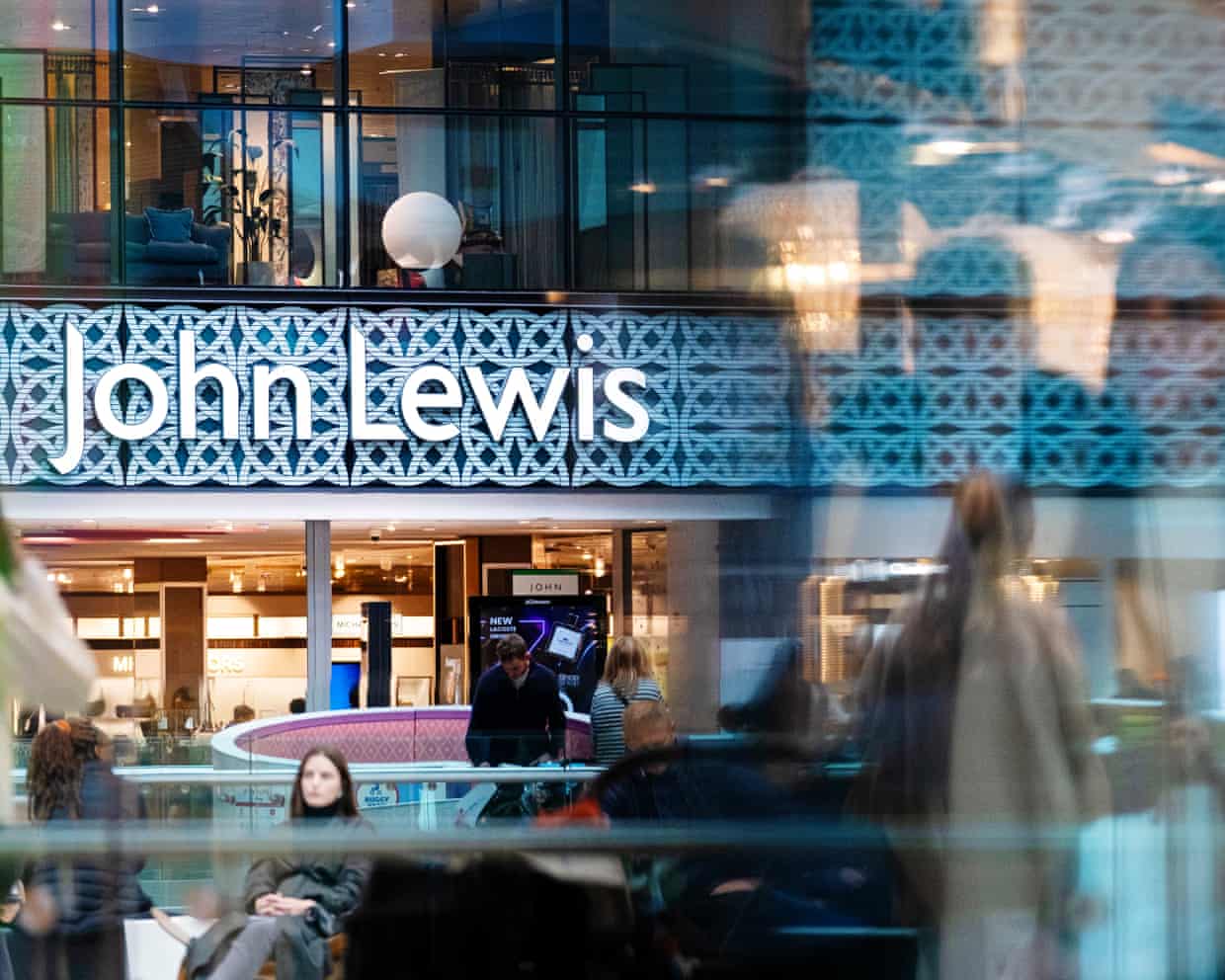
John Lewis boss’s pay rises to £1.2m as retailer cuts 3,300 jobs
The boss of the group that owns John Lewis and Waitrose had his basic pay rate increased by 21% last year while the retailer cut 3,300 jobs.The annual salary of Jason Tarry, who became chair of the John Lewis Partnership (JLP) in September 2024, was increased to £1.2m for the year to January, from £990,000.He also received a £22,700 annual bonus – equivalent to 2% of his pay – and other benefits, taking his total package to almost £1.26m

Retail workers call for more security after Waitrose sacking for tackling shoplifter
Retail workers have called for more security guards in stores after a Waitrose worker was sacked for confronting a shoplifter.Waitrose has been criticised over its treatment of Walker Smith after the Guardian reported he was fired two days after he stopped a shoplifter taking items from an Easter egg display, including Lindt chocolate bunnies.Joanne Thomas, the general secretary of Usdaw, the shop workers’ union, said: “Usdaw supports a physical security presence in stores and we have ongoing conversations with employers about protection for retail workers on the frontline of the rise in retail crime.“The results of our 2025 annual survey show that 59% of members would welcome more security in stores because security guards provide reassurance, act as a deterrent and have specialist experience to deal with incidents.“While not as popular as a physical security presence, members also value other security measures such as improved CCTV, facial recognition technology, body-worn cameras and headsets that help to identify perpetrators, record incidents and link workers to a central control for support
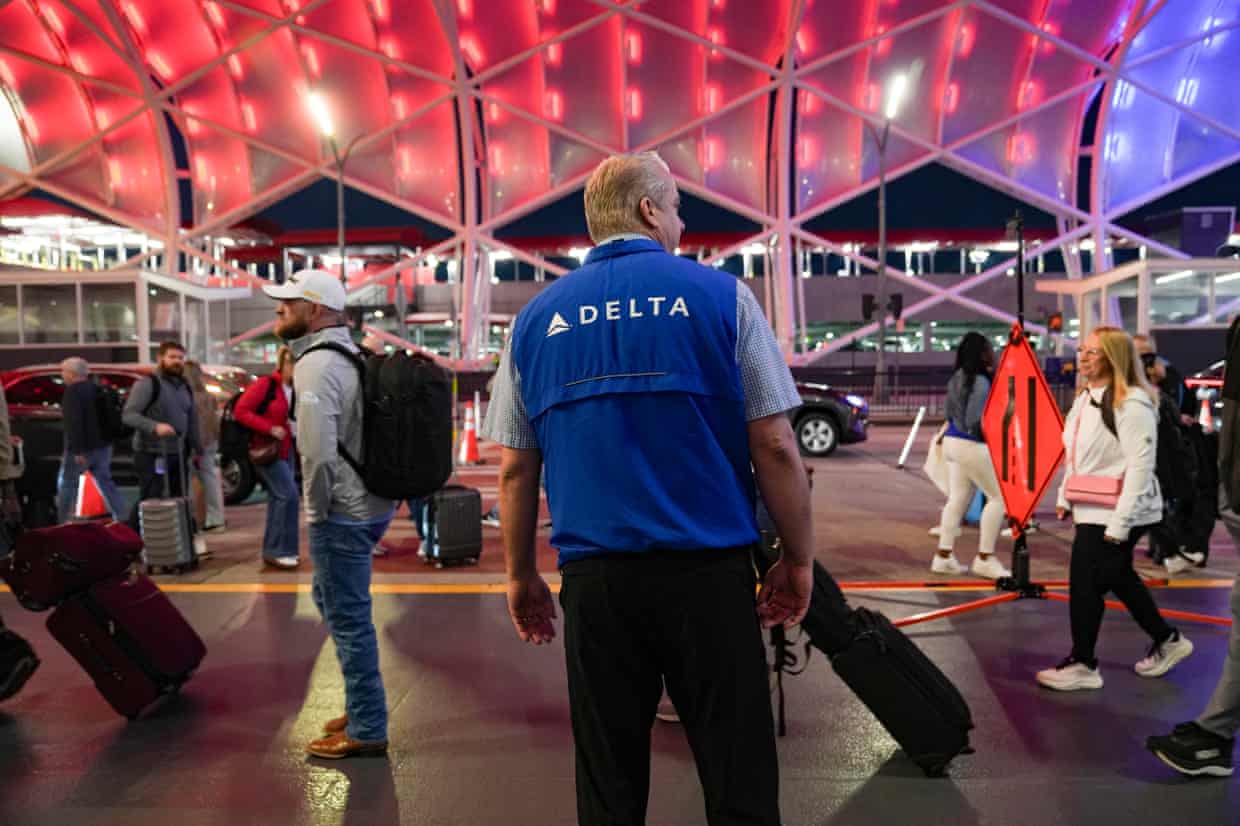
Delta CEO braces flyers for higher fares amid surge in oil prices tied to Iran war
The CEO of Delta Air Lines, Ed Bastian, braced customers for higher fares following the surge in oil prices sparked by the US-Israel war on Iran, amid strong demand from passengers.Though rising oil prices have cost the company an extra $330m in fuel expenses, and it projected a $2bn increase in fuel costs in the current quarter, Delta forecast that revenue would grow 10% as flyers continue to book flights.It was a “healthy” time to travel, Bastian said on Wednesday.But as several carriers raise baggage fees, blaming volatility in the oil markets, Bastian hinted such moves could be permanent – increasing the cost of air travel. “At this level of fuel [pricing], it’s hard to call anything temporary,” he said

Doctors’ strike timed to cause havoc over Easter break, says NHS England chief

Landlords evicting tenants before law to prevent practice comes into force in England
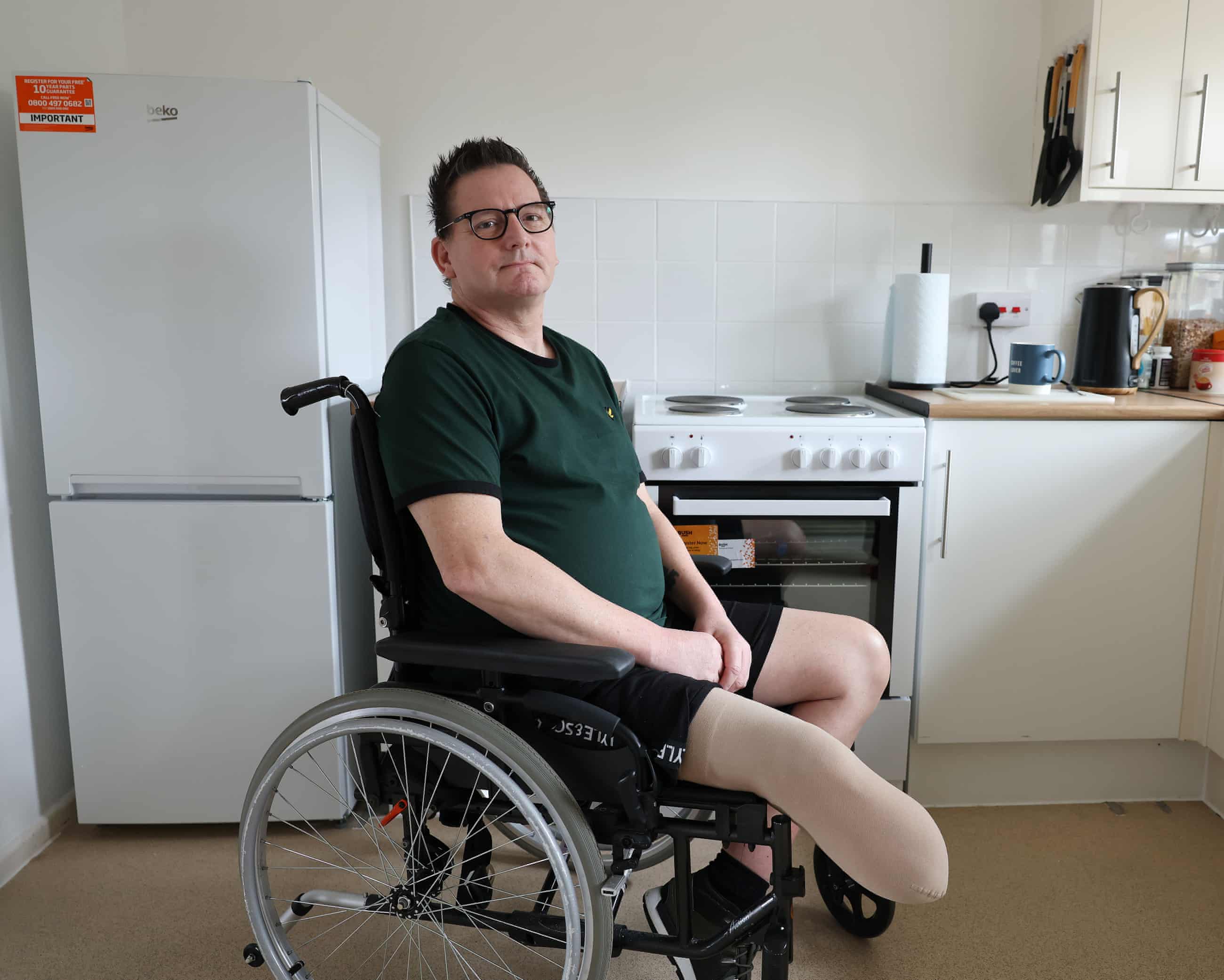
‘People are so judgmental’: the growing cohort of over-55s facing homelessness

World held hostage by reliance on fossil fuels, Christiana Figueres warns – and climate health impacts are ‘mother of all injustices’

What are the health impacts of sea-level rise, and who should pay?
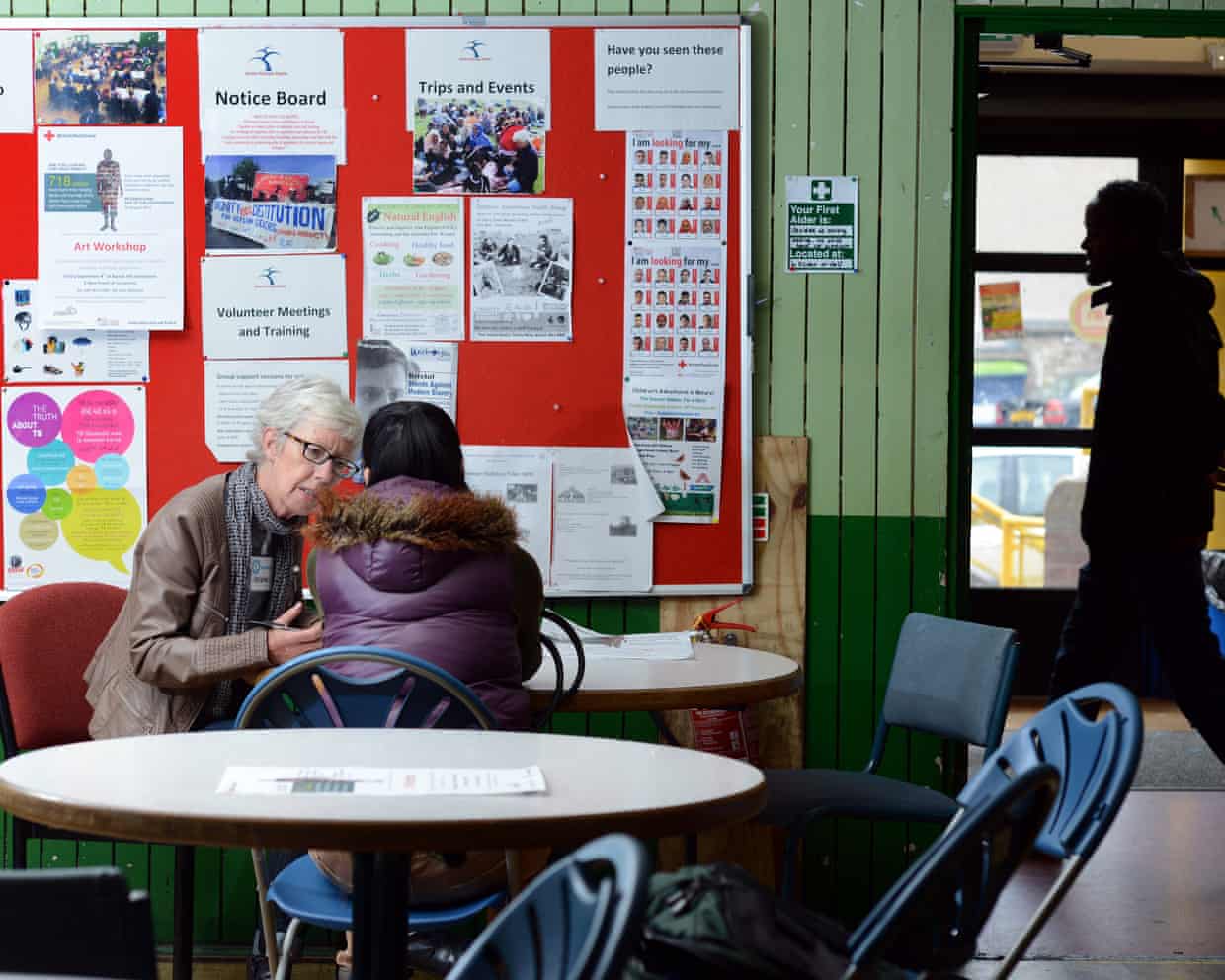
Charity cleared after false claims online over migrant welcome project