Boost for artists in AI copyright battle as only 3% back UK active opt-out plan
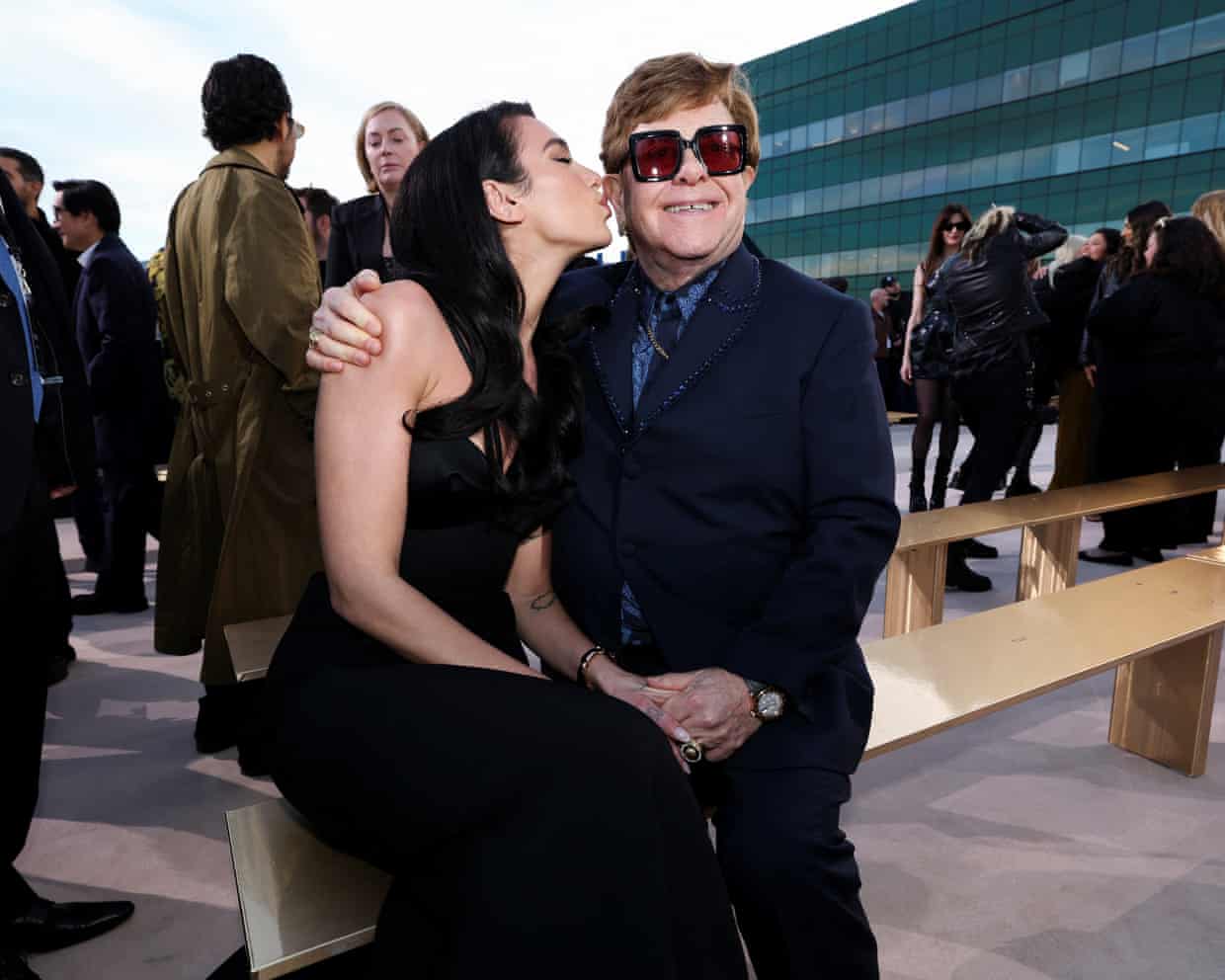
A campaign fronted by popstars including Elton John and Dua Lipa to protect artists’ works from being mined to train AI models without consent has received a boost after almost every respondent to a government consultation backed their case.Ninety-five per cent of the more than 10,000 people who had their say over how music, novels, films and other works should be protected from copyright infringements by tech companies called for copyright to be strengthened and a requirement for licensing in all cases or no change to copyright law.By contrast, only 3% of people backed the government’s initial preferred tech company-friendly option, which was to require artists and copyright holders to actively opt out of having their material fed into data-hungry AI systems.Ministers subsequently dropped that preference in the face of a backlash.Artists who have opposed any dilution of their copyright include Sam Fender, Kate Bush and the Pet Shop Boys.
Campaigners to protect artists’ copyright have voiced fears that ministers have paid too much attention to US tech companies’ interests.The US president, Donald Trump, has said: “We have to allow AI to use that [copyrighted] pool of knowledge without going through the complexity of contract negotiations,” and warned international governments not to “make rules and regulations that … make it impossible” for AI companies to do business.Last month Paul McCartney stepped up the campaign to protect copyright by releasing a new recording, which was almost entirely silent save for some ambient clattering in the studio as a protest against copyright theft by AI companies.Liz Kendall, the secretary of state for science, innovation and technology, told parliament on Monday there was “no clear consensus” on the issue and the government would “take the time to get this right”, and promised to make policy proposals by 18 March 2026.“Our approach to copyright and AI must support prosperity for all UK citizens, and drive innovation and growth for sectors across the economy, including the creative industries,” she said.
“This means keeping the UK at the cutting edge of science and technology so UK citizens can benefit from major breakthroughs, transformative innovation and greater prosperity.“It also means continuing to support our creative industries, which make a huge economic contribution, shape our national identity and give us a unique position on the world stage.”But campaigners for copyright holders said the consultation response set a clear course for the government to take.“This is an overwhelming show of support for the commonsense position that AI companies should pay for the resources they use, and a total rejection of the government’s ‘preferred option’ of handing AI companies the work of the UK’s creatives for free,” said Ed Newton-Rex, a composer and campaigner for copyright fairness.“Liz Kendall should listen to the people and rule out changing copyright law to benefit AI companies.
”Owen Meredith, the chief executive of the New Media Association, urged Kendall to rule out any new copyright exception and end the uncertainty created by “this prolonged process”.“This will send a clear message to AI developers that they must enter into licensing agreements with the UK’s media and creative copyright owners, unlocking investment and strengthening the market for the high-quality content that is the most valuable ingredient in producing safe, trustworthy AI models,” he said.Last month, Kendall indicated she was sympathetic to artists’ demands not to have their copyrighted works scraped by AI companies without payment and wanted to “reset” the debate.“People rightly want to get paid for the work that they do,” she said, and “we have to find a way that both sectors can grow and thrive in future”.
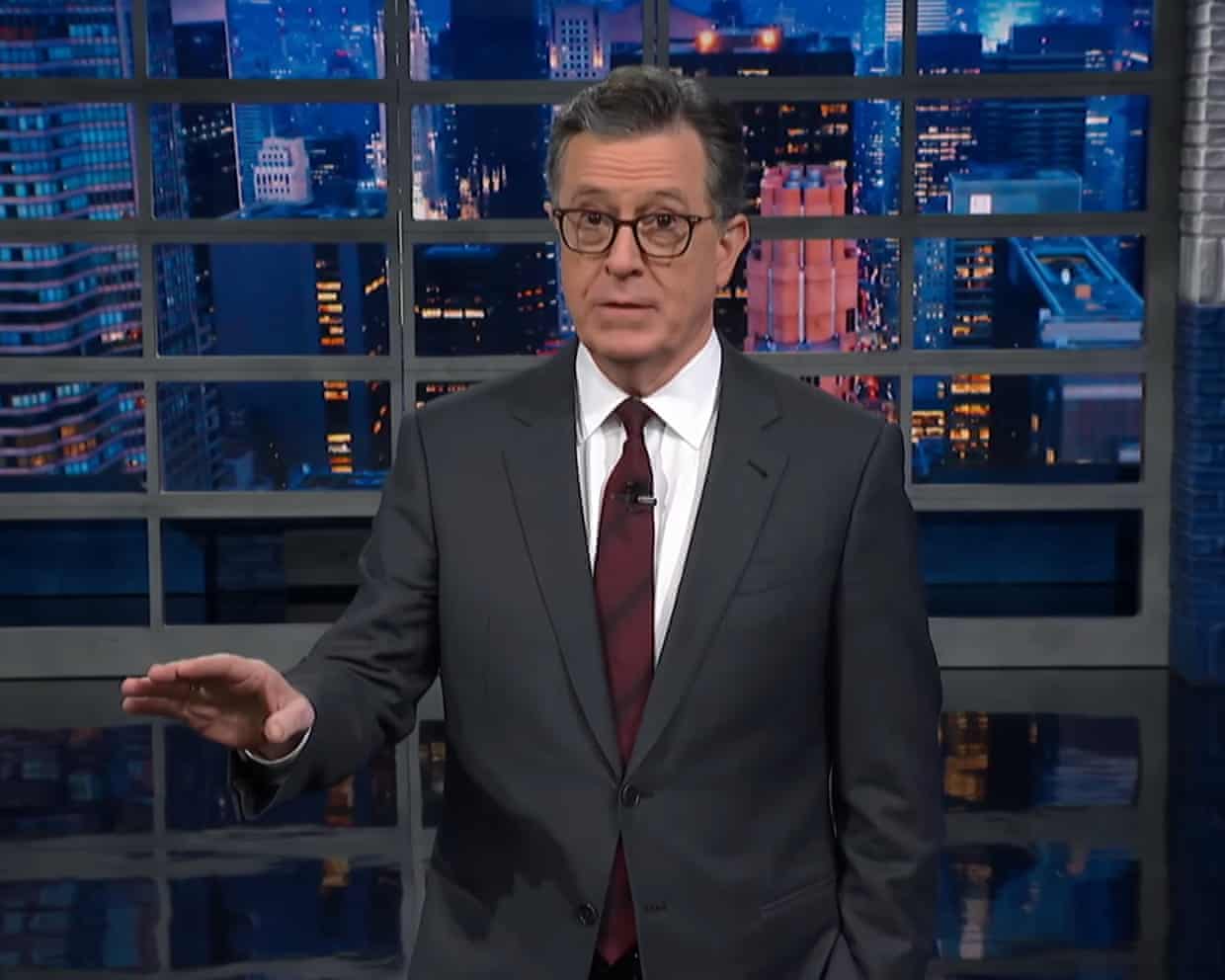
Stephen Colbert on Trump’s ‘gold card’: ‘Pay-to-play program for rich foreigners’
Late-night hosts tore into Donald Trump’s new “gold card” immigration program and his many weird tangents about grocery prices.Stephen Colbert opened Thursday’s Late Show with a new Christmas jingle about the president: “He’s making a list, checking it twice, then handing that list to the people at ICE. Donald Trump … ruins everything he touches,” he sang. “And lately he’s been pretty handsy, slapping his face on anything in sight.”On Wednesday, Trump put his face on what Colbert called “his long-promised pay-to-play program for rich foreigners”

‘Like lipstick on a fabulous gorilla’: the Barbican’s many gaudy glow-ups and the one to top them all
The brutalist arts-and-towers complex, where even great explorers get lost, is showing its age. Let’s hope the 50th anniversary upgrade is better than the ‘pointillist stippling’ tried in the 1990sThe Barbican is aptly named. From the Old French barbacane, it historically means a fortified gateway forming the outer line of defence to a city or castle. London’s Barbican marks the site of a medieval structure that would have defended an important access point. Its architecture was designed to repel

Maria Balshaw to step down as director of Tate after nine years
Maria Balshaw is to step down as the director of Tate in 2026, after a challenging nine-year tenure when she steered the organisation through the Covid-19 pandemic and had to deal with fluctuating attendance figures and financial instability.Balshaw, who joined as director in June 2017 after a celebrated spell as the leader of the Whitworth in Manchester, said it was a privilege to serve as director but now was the time for her to move on.She said: “With a growing and increasingly diverse audience, and with a brilliant forward plan in place, I feel now is the right time to pass on the baton to the next director. My greatest thrill has always been to work closely with artists, and so it is fitting that Tracey Emin’s exhibition will be my final project at Tate.”Balshaw was described as a “trailblazer” by the Tate chair, Roland Rudd, who said she “has never wavered from her core belief – that more people deserve to experience the full richness of art, and more artists deserve to be part of that story”

‘Astonishing’: how Stanley Baxter’s TV extravaganzas reached 20 million
The description “special” is overused in television schedules; Stanley Baxter’s programmes justify it. The comedian is one of the few stars whose reputation rests on a handful of astonishing one-offs – standalone comic extravaganzas screened in the 1970s and 1980s, first by ITV’s London Weekend Television and then the BBC.In both cases, the networks ended their associations with Baxter not because of lack of audience interest – at their peak, the shows reached more than 20 million viewers – but due to the colossal costs demanded by the performer’s vast and perfectionist visual ambition. One of Baxter’s favourite conceits was to re-create, in witty pastiche, scenes from big-budget Hollywood movies that made it look as if his versions had also spent millions of dollars.Cashflow was further stretched by the fact that Baxter played multiple roles – 18 of them in one sketch

Barbican to close its doors for a year for multimillion-pound renovation
The Barbican will close its doors for 12 months from June 2028 as it undergoes a multimillion-pound renovation that its leaders say will secure its future.The arts organisation’s Beech Street cinemas will remain open but its theatre, music venue, conservatory and visual arts galleries are set to shutter as the overhaul of the 43-year-old building begins in the lead-up to its 50th anniversary in 2032.The main Barbican site will close its doors in June 2028 and reopen in June 2029, but some disruption will happen before that as the foyer, lakeside area and internal control room are all renovated.The conservatory, which is open only for a few hours at the weekend and currently has netting to stop falling glass, will close earlier, in 2027.Philippa Simpson, the director of buildings and renewal at the Barbican, said the work could not be completed while the site was open to the public as it would be too dangerous, but that it was essential to secure the site’s future
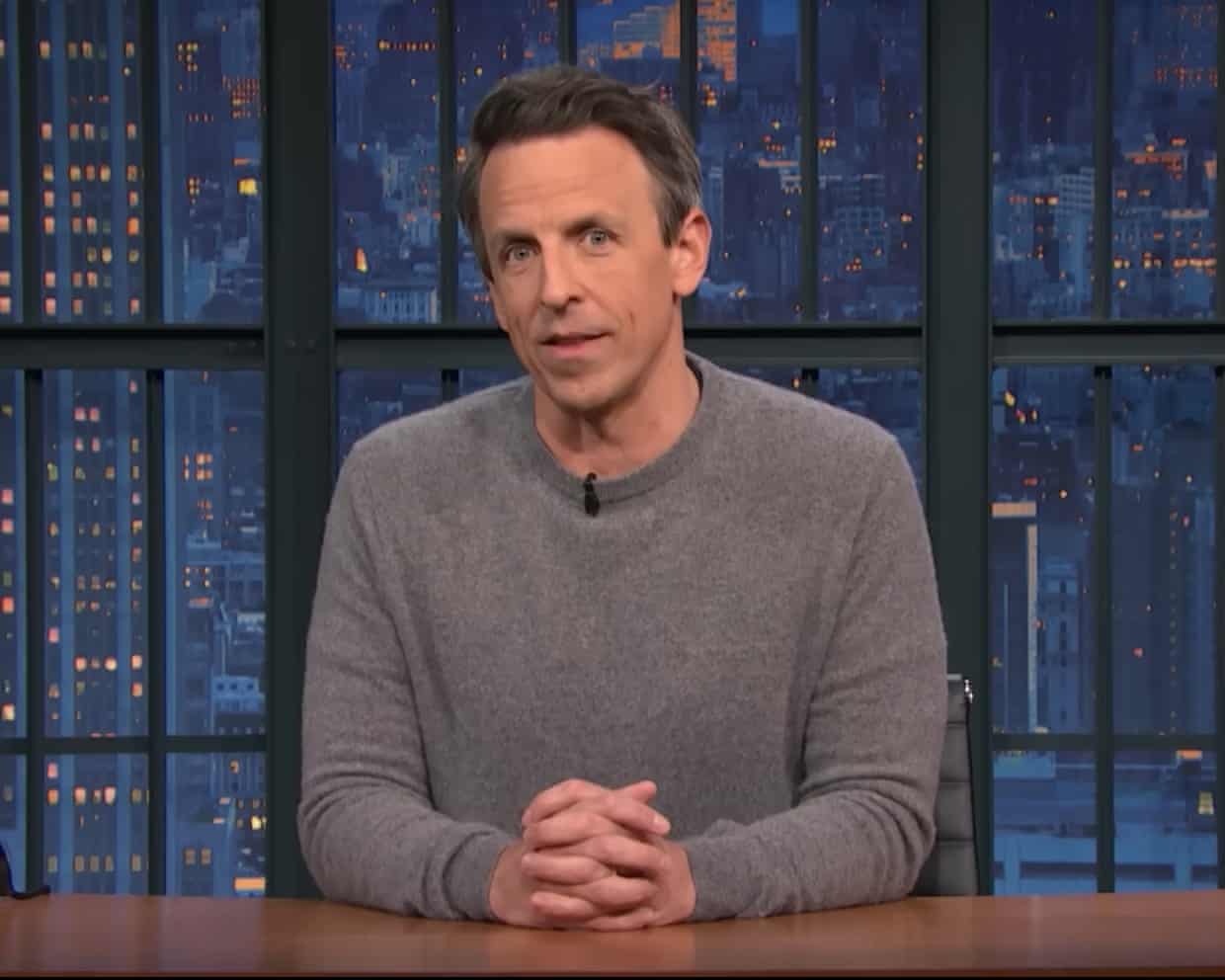
Seth Meyers to Trump: ‘You can’t convince people the economy is good when they can see the truth’
Late-night hosts recapped Donald Trump’s attempts to reassure Americans on the economy as the private sector sheds jobs and grocery prices keep rising.Seth Meyers devoted his main segment on Wednesday’s Late Night to the US economy, which has seen better days. “Costs of everything, from food to electricity, are soaring while employers are shedding jobs,” he explained. “This is when a president needs to show empathy and demonstrate that he knows the plight of hardworking Americans, and – oh no, as I’m saying this I’m remembering who I’m talking about and realizing that there’s no fucking way he’s going to do that.”Instead the president, in an interview with Politico this week, gave the economy the grade of “A+++++”
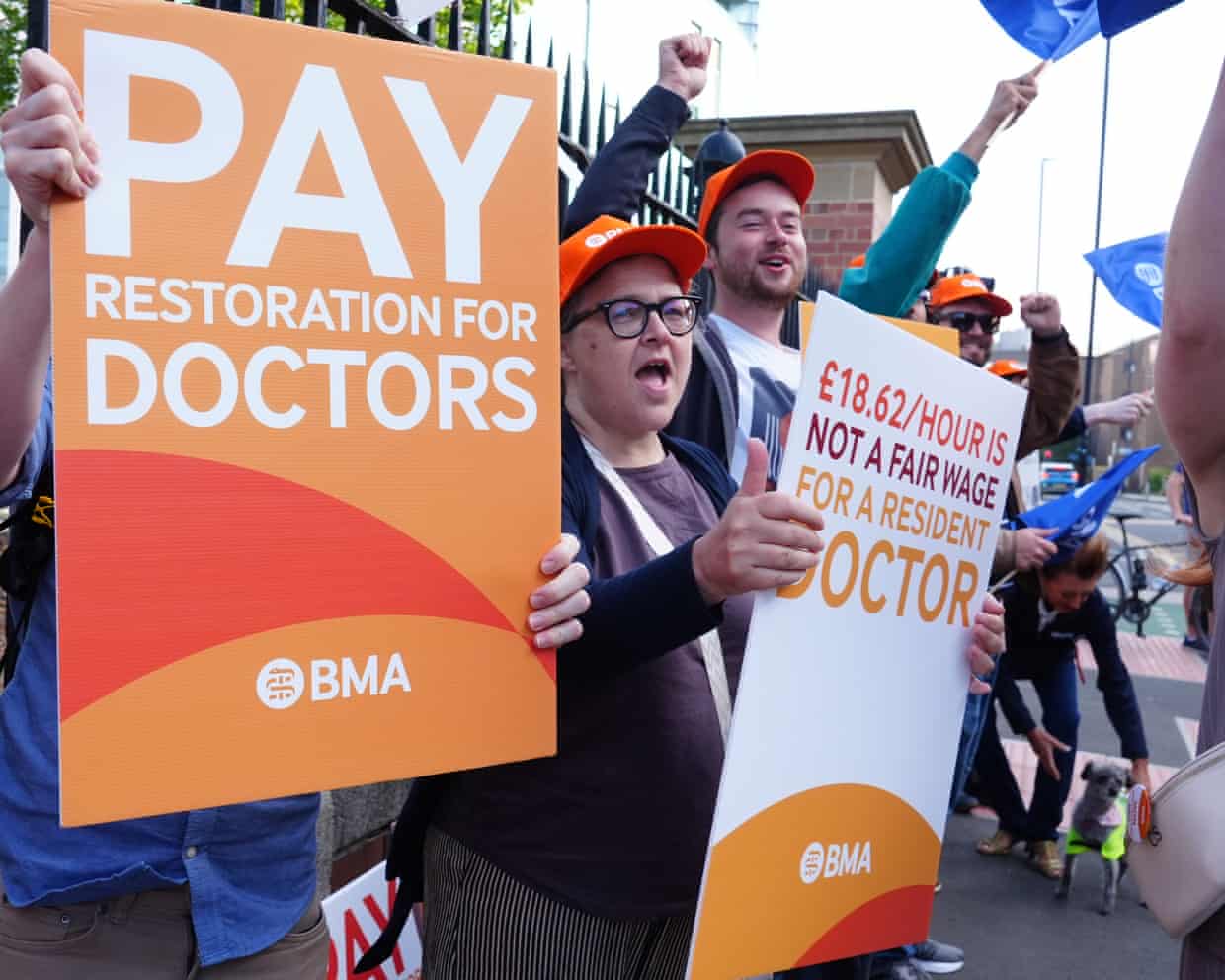
Resident doctors in England vote to go ahead with strike
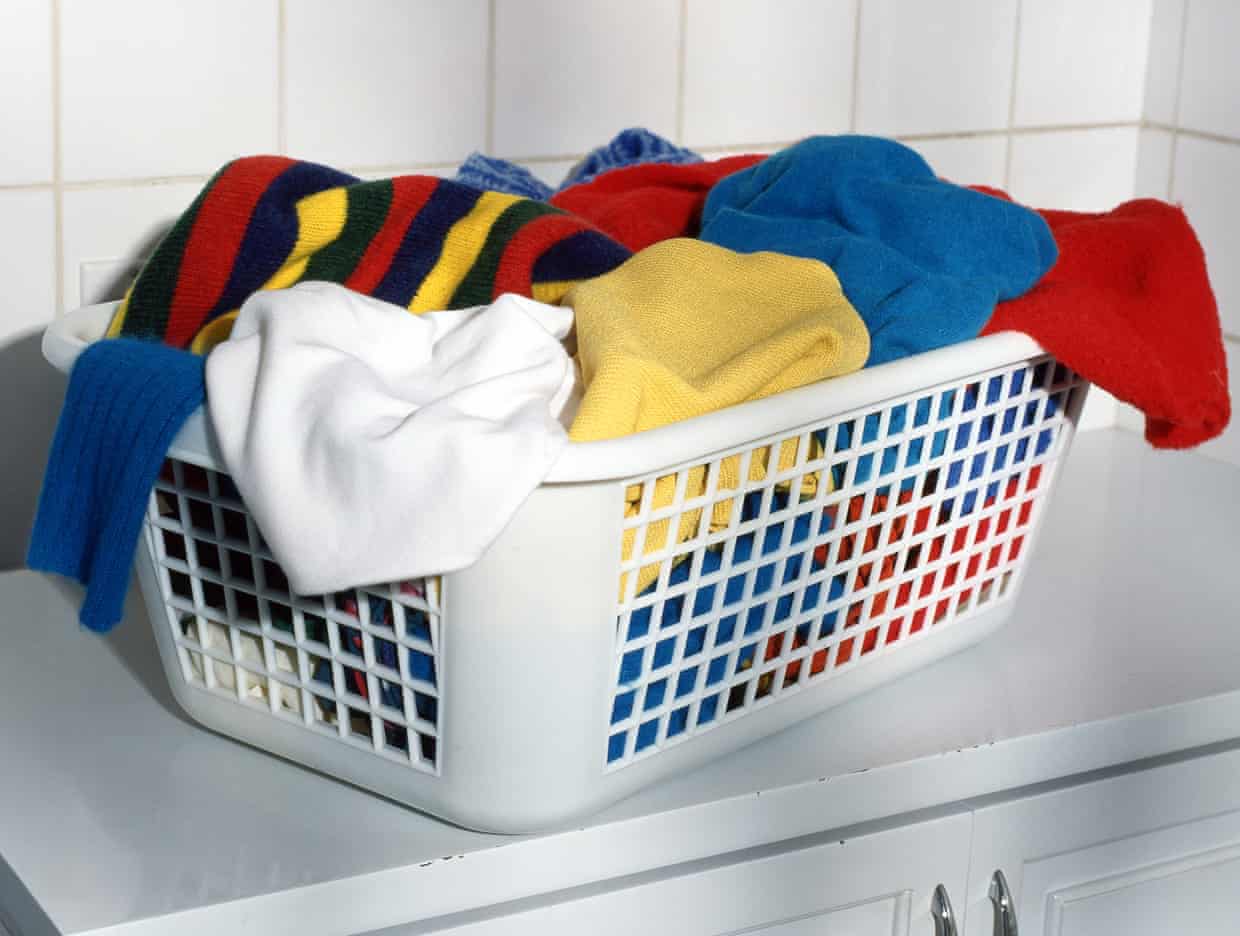
Tell us: have you ever had an allergic reaction caused by your clothes?

Europe’s housing costs akin to ‘new pandemic’, warns Barcelona mayor

People pulling own teeth due to lack of urgent NHS dental care in England, watchdog finds
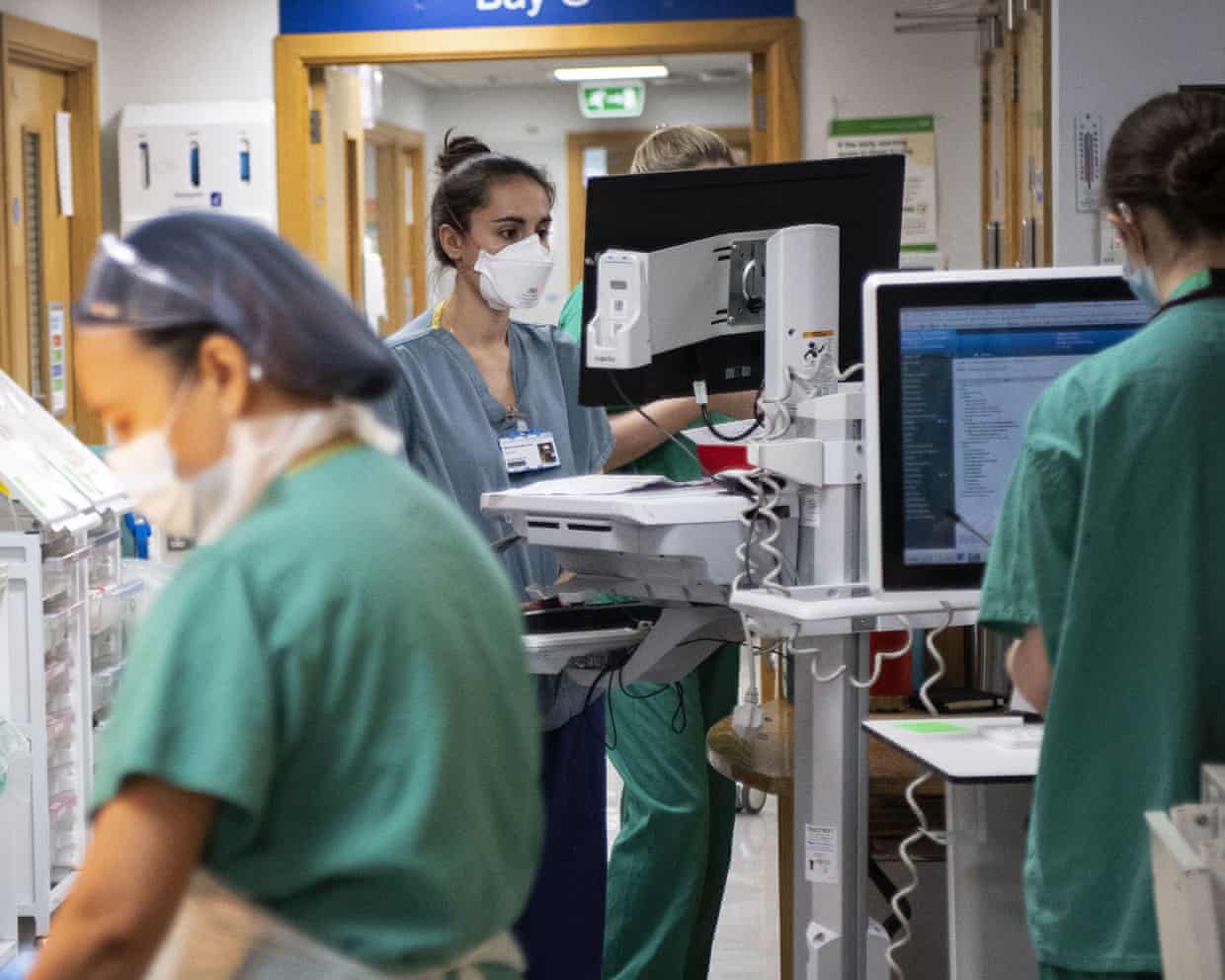
Hospitals in England ‘face dangerous winter overcrowding due to discharge delays’
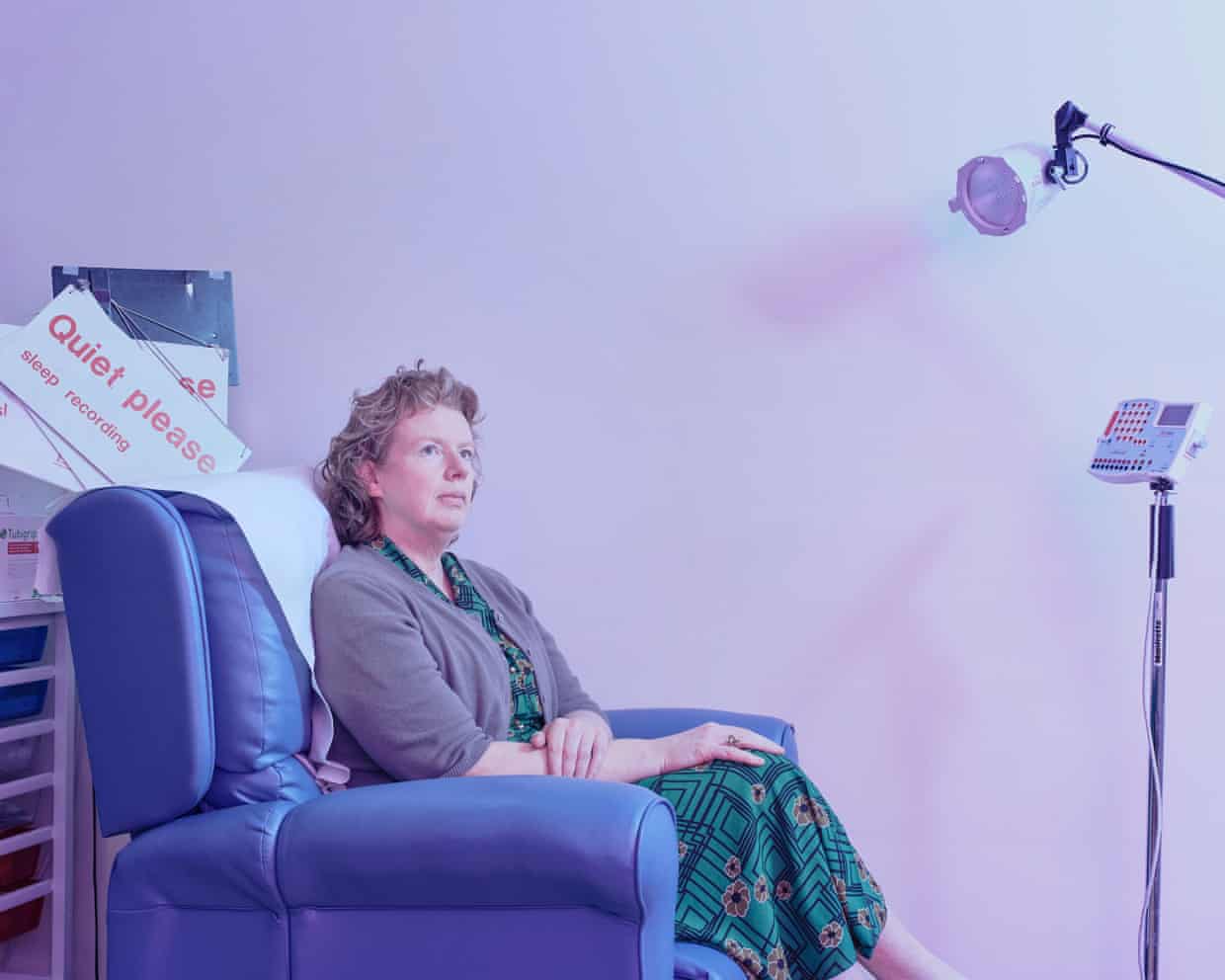
Wes Streeting is right to examine questions of overdiagnosis | Letters