Wes Streeting is right to examine questions of overdiagnosis | Letters
John Harris is misguided in his criticism of Wes Streeting’s review of UK mental health services (The right’s callous overdiagnosis bandwagon is rolling,Wes Streeting should not be on it, 7 December),While this review will inevitably examine questions of overdiagnosis, Harris is wrong to imply that Streeting’s main motivation is political,There is nothing unusual, of course, about ministers making decisions based on political considerations, but there is rather more to the review than Harris indicates,It hardly needs restating that mental health services are grossly overstretched and underresourced, and an inquiry is necessary.
This is a particular problem in child and adolescent mental health services (Camhs).When I was working as a clinical psychologist and involved in a Camhs autism diagnosis team 15 years ago, the waiting time for an autism assessment was around four to six months.Nowadays a waiting time of up to two years is common.It is sensible that questions of overdiagnosis should be addressed in this review.It is the malevolent leaders of Reform UK who are jumping on to a bandwagon here, not Streeting.
Overdiagnosis is now being discussed in sober and non-political terms by clinicians and researchers who recognise it as an important issue.Nevertheless, Harris dismisses too quickly Suzanne O’Sullivan’s thoughtful book, The Age of Diagnosis.O’Sullivan argues persuasively that diagnosis should be conducted with a specific purpose in mind and make a practical difference for the patient.She explains that this is often not the case.Similarly, it is often unnecessary to fit somebody into a diagnostic category to offer them appropriate help.
But some evidently find this hard to accept.Dr Richard HassallKnaresborough, North Yorkshire John Harris argues that concern about mental health overdiagnosis is a politically motivated austerity power play that will deprive vulnerable patients of desperately needed services.As chair of the American Psychiatric Association’s DSM-IV taskforce, which developed the fourth edition of the Diagnostic and Statistical Manual of Mental Disorders in 1994, I am in a good position to contradict his assertion.Rates of reported psychiatric diagnoses have exploded recently due to a combination of: 1) confounding stress and distress with mental disorder; 2) ignoring the context in which symptoms occur; 3) the rise of internet self-diagnosis; 4) loose and fuzzily defined diagnostic criteria; 5) careless diagnosis (especially by GPs who have too little time to know their patients); 6) big pharma marketing; and 7) tying benefits too closely to diagnosis rather than level of functioning.The result is a wasteful misallocation of scarce resources.
The worried well and mildly symptomatic receive harmful, unnecessary treatments – while patients with severe illness are deprived of the treatment and services they desperately need.Allen FrancesProfessor and chair emeritus, department of psychiatry and behavioral sciences, Duke University ADHD UK estimates that there are 2 million people in the UK with undiagnosed ADHD.Statistically, we are underdiagnosing ADHD, rather than overdiagnosing it.I work in a primary school as a learning support assistant for special educational needs and disabilities.I am also a parent of a child with ADHD.
ADHD is very common, and it is accepted by the National Institute for Health and Care Excellence that about one in 20 children has it.I don’t believe NHS services currently have the capacity to even assess one in every 20 children for ADHD, let alone provide support for them.Natasha FairbairnBristol Have an opinion on anything you’ve read in the Guardian today? Please email us your letter and it will be considered for publication in our letters section.
Crypto mogul Do Kwon sentenced to 15 years in prison for fraud
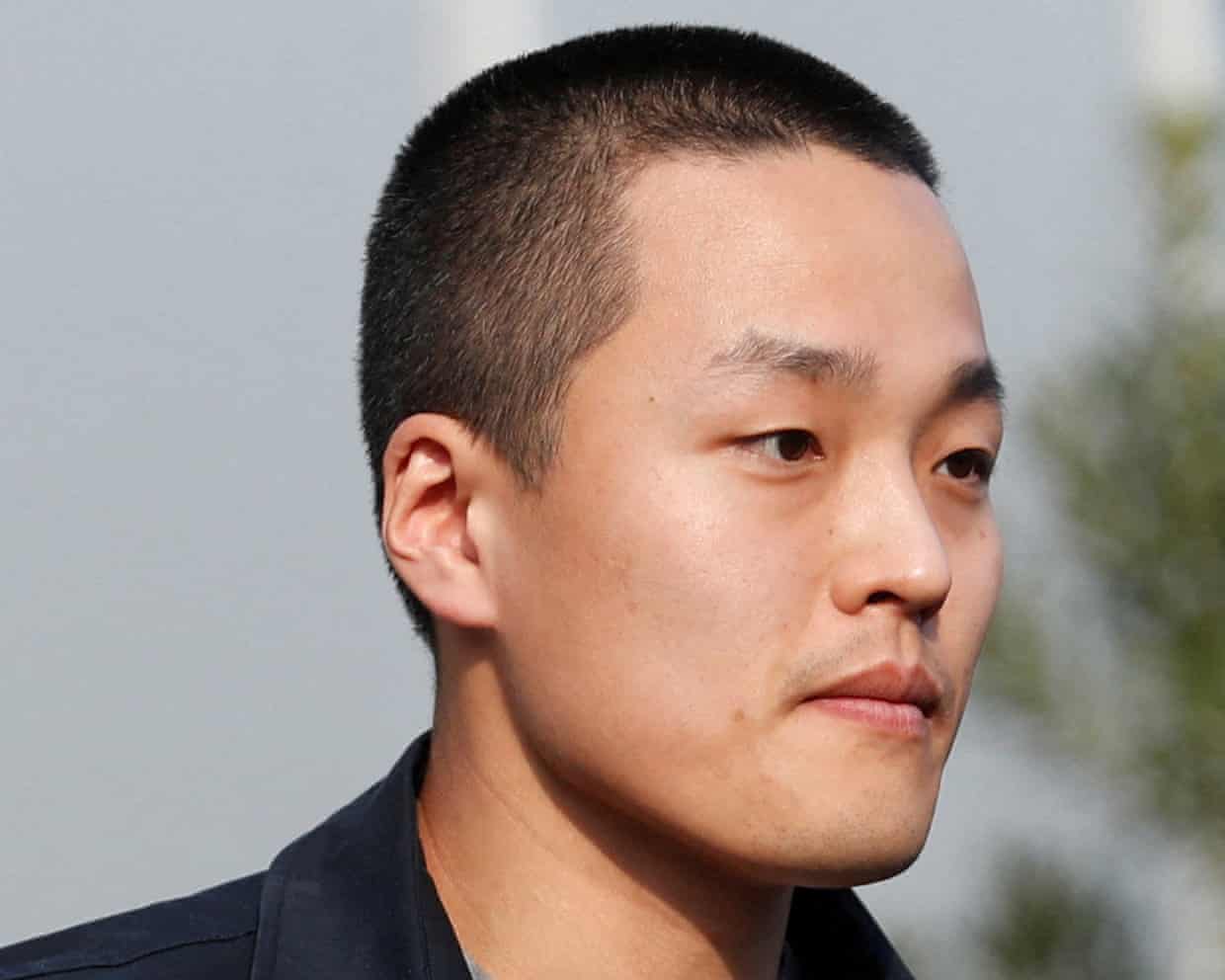
Do Kwon, the entrepreneur behind two cryptocurrencies that lost $40bn (£29.8bn) three years ago and caused the sector to crash, has been sentenced to 15 years in prison for fraud.The South Korean, 34, had pleaded guilty to two counts of US charges of conspiracy to defraud and wire fraud.Kwon, who co-founded Singapore-based Terraform Labs and developed the TerraUSD and Luna currencies, was sentenced at a hearing in New York.The US district judge Paul Engelmayer called his crimes “a fraud of epic generational scale”
Elon Musk teams with El Salvador to bring Grok chatbot to public schools
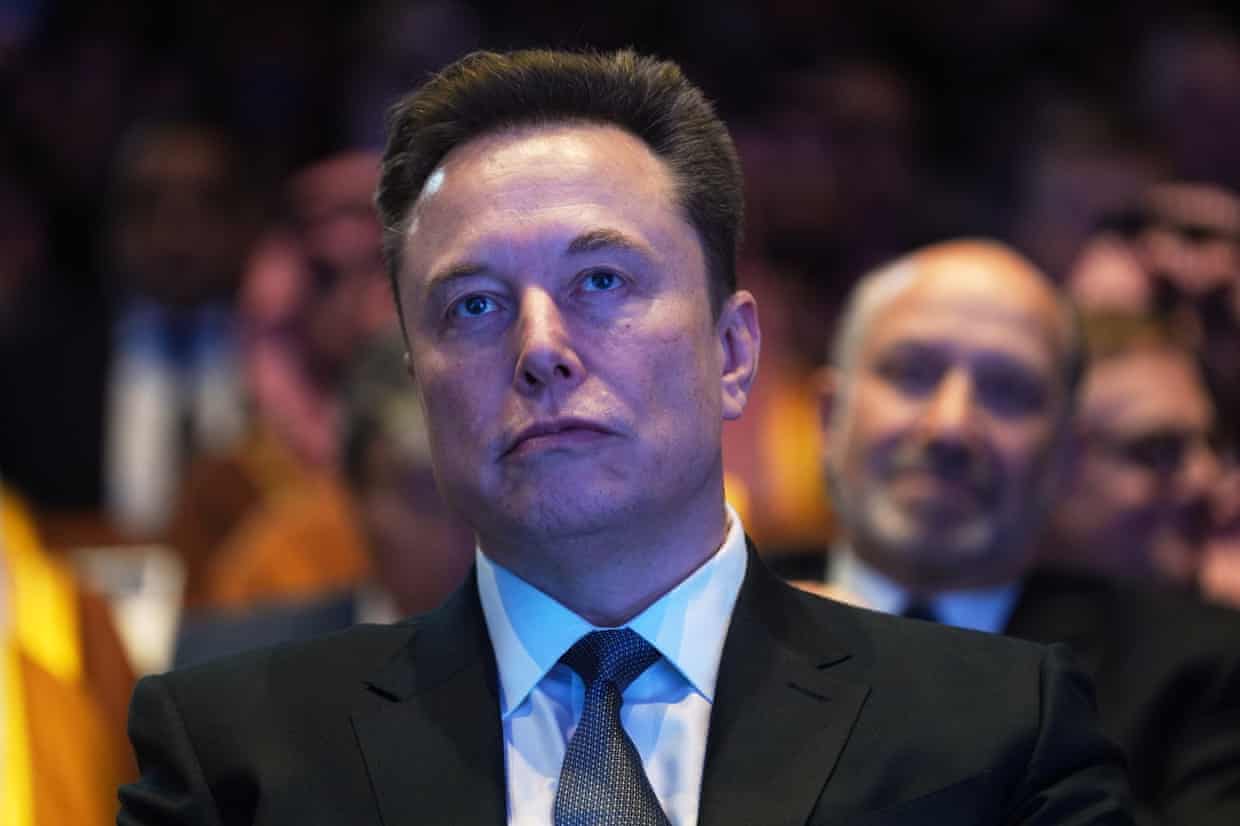
Elon Musk is partnering with the government of El Salvador to bring his artificial intelligence company’s chatbot, Grok, to more than 1 million students across the country, according to a Thursday announcement by xAI. Over the next two years, the plan is to “deploy” the chatbot to more than 5,000 public schools in an “AI-powered education program”.xAI’s Grok is more known for referring to itself as “MechaHitler” and espousing far-right conspiracy theories than it is for public education. Over the past year, the chatbot has spewed various antisemitic content, decried “white genocide” and claimed Donald Trump won the 2020 election.Nayib Bukele, El Salvador’s president, is now entrusting the chatbot to create curricula in classrooms across the country

Disney wants you to AI-generate yourself into your favorite Marvel movie
Users of OpenAI’s video generation app will soon be able to see their own faces alongside characters from Marvel, Pixar, Star Wars and Disney’s animated films, according to a joint announcement from the startup and Disney on Thursday. Perhaps you, Lightning McQueen and Iron Man are all dancing together in the Mos Eisley Cantina.Sora is an app made by OpenAI, the firm behind ChatGPT, which allows users to generate videos of up to 20 seconds through short text prompts. The startup previously attempted to steer Sora’s output away from unlicensed copyrighted material, though with little success, which prompted threats of lawsuits by rights holders.Disney announced that it would invest $1bn in OpenAI and, under a three-year deal perhaps worth even more than that large sum, that it would license about 200 of its iconic characters – from R2-D2 to Stitch – for users to play with in OpenAI’s video generation app
Musk calls Doge only ‘somewhat successful’ and says he would not do it again
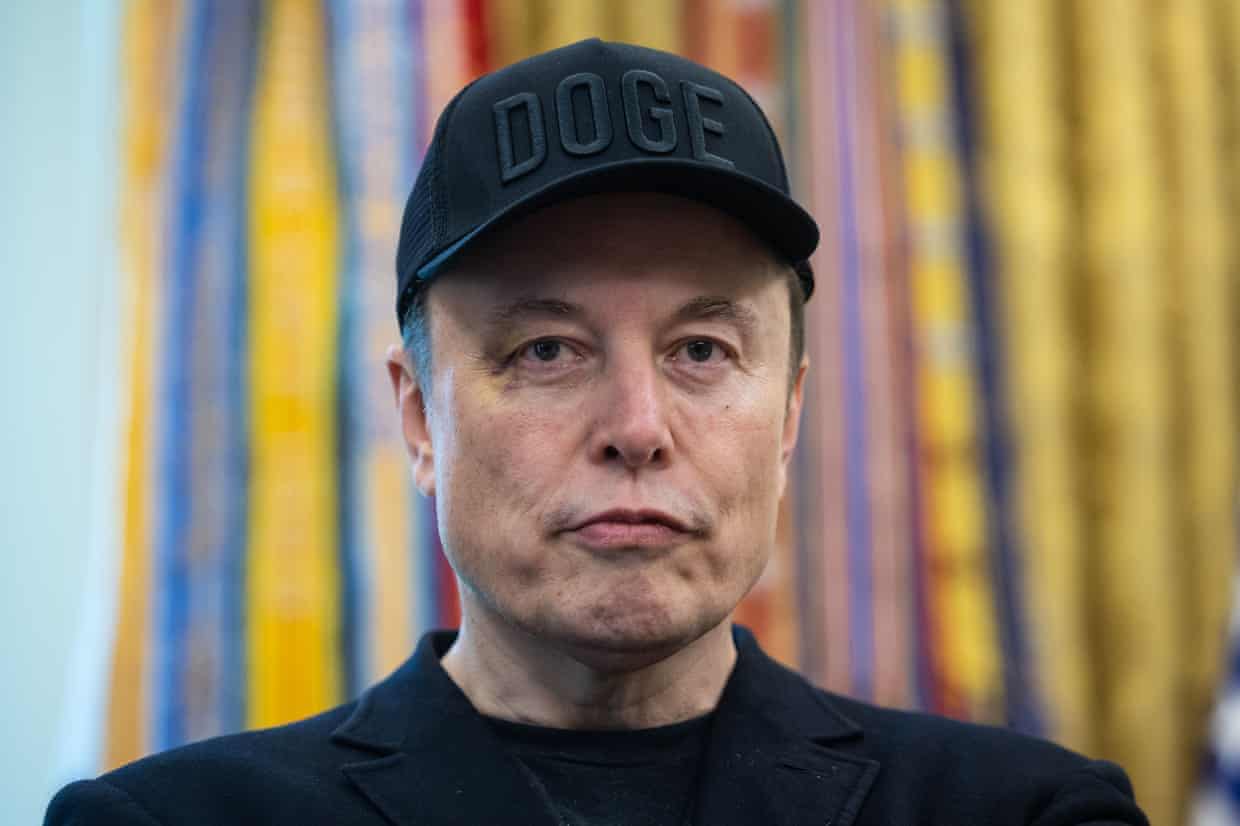
Elon Musk has said the aggressive federal job-cutting program he headed early in Donald Trump’s second term, known as the “department of government efficiency” (Doge), was only “a little bit successful” and he would not lead the project again.Musk said he wouldn’t want to repeat the exercise, talking on the podcast hosted by Katie Miller, a rightwing personality with a rising profile who was a Doge adviser and who is married to Stephen Miller, Donald Trump’s hardline anti-immigration deputy chief of staff.Asked whether Doge had achieved what he’d hoped, Musk said: “We were a little bit successful. We were somewhat successful.”Doge created chaos and distress in the government machine in Washington DC, and by May more than 200,000 federal workers had been laid off and roughly 75,000 had accepted buyouts as a result of purges by Musk’s external team of often-young zealots
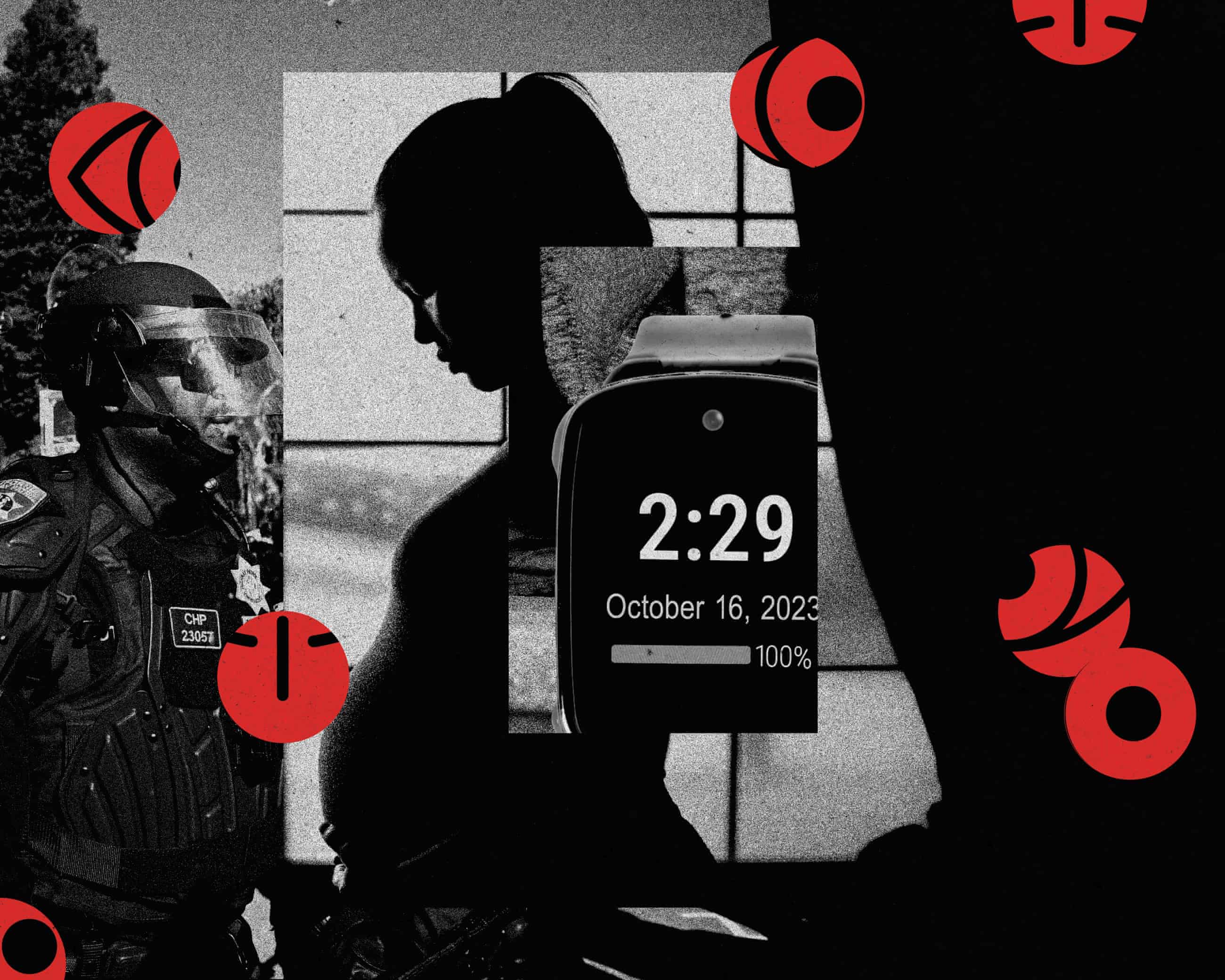
ICE is using smartwatches to track pregnant women, even during labor: ‘She was so afraid they would take her baby’
Pregnant immigrants in ICE monitoring programs are avoiding care, fearing detention during labor and deliveryIn early September, a woman, nine months pregnant, walked into the emergency obstetrics unit of a Colorado hospital. Though the labor and delivery staff caring for her expected her to have a smooth delivery, her case presented complications almost immediately.The woman, who was born in central Asia, checked into the hospital with a smartwatch on her wrist, said two hospital workers who cared for her during her labor, and whom the Guardian is not identifying to avoid exposing their hospital or patients to retaliation.The device was not an ordinary smartwatch made by Apple or Samsung, but a special type that US Immigration and Customs Enforcement (ICE) had mandated the woman wear at all times, allowing the agency to track her. The device was beeping when she entered the hospital, indicating she needed to charge it, and she worried that if the battery died, ICE agents would think she was trying to disappear, the hospital workers recalled

From ‘glacier aesthetic’ to ‘poetcore’: Pinterest predicts the visual trends of 2026 based on its search data
Next year, we’ll mostly be indulging in maximalist circus decor, working on our poetcore, hunting for the ethereal or eating cabbage in a bid for “individuality and self-preservation”, according to Pinterest.The organisation’s predictions for Australian trends in 2026 have landed, which – according to the platform used by interior decorators, fashion lovers and creatives of all stripes – includes 1980s, aliens, vampires and “forest magic”.Among the Pinterest 2026 trends report’s top 21 themes are “Afrohemian” decor (searches for the term are on the rise by baby boomers and Gen X); “glitchy glam” (asymmetric haircuts and mismatching nails); and “cool blue” (drinks, wedding dresses and makeup with a “glacier aesthetic”).Pinterest compared English-language search data from September 2024 to August 2025 with those of the year before and claims it has an 88% accuracy rate. More than 9 million Australians use Pinterest each month

UK house prices tipped to rise by up to 4% in 2026 as affordability improves – as it happened
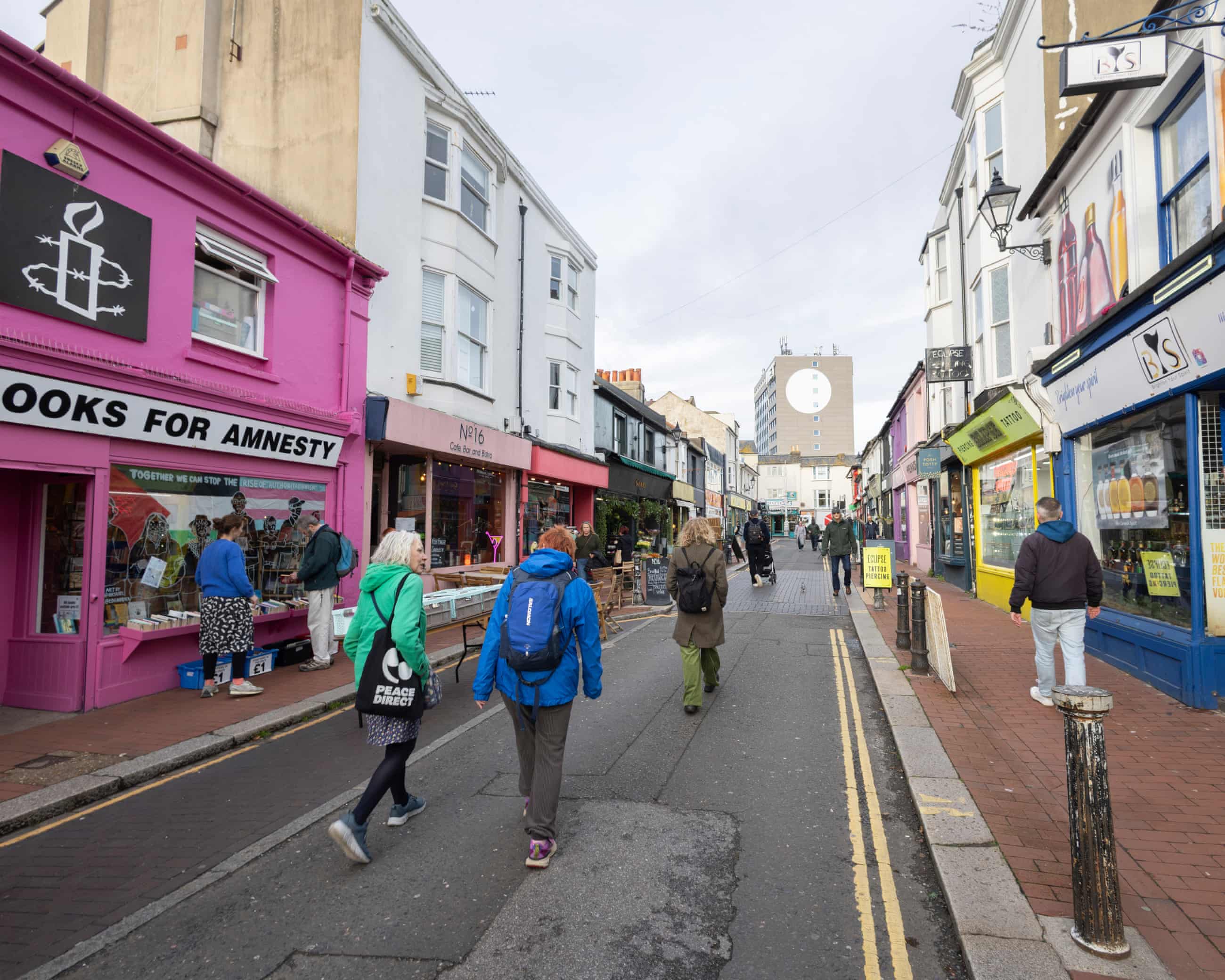
Brighton’s struggling independent stores: ‘The nation of shopkeepers will go on the dole’

Google AI summaries are ruining the livelihoods of recipe writers: ‘It’s an extinction event’

UK Treasury drawing up new rules to police cryptocurrency markets

If Harry Brook is truly a generational talent, that promise needs to be delivered now | Barney Ronay

Ben Stokes calls on England to show some ‘dog’ in Adelaide and keep Ashes hopes alive