ICE is using smartwatches to track pregnant women, even during labor: ‘She was so afraid they would take her baby’
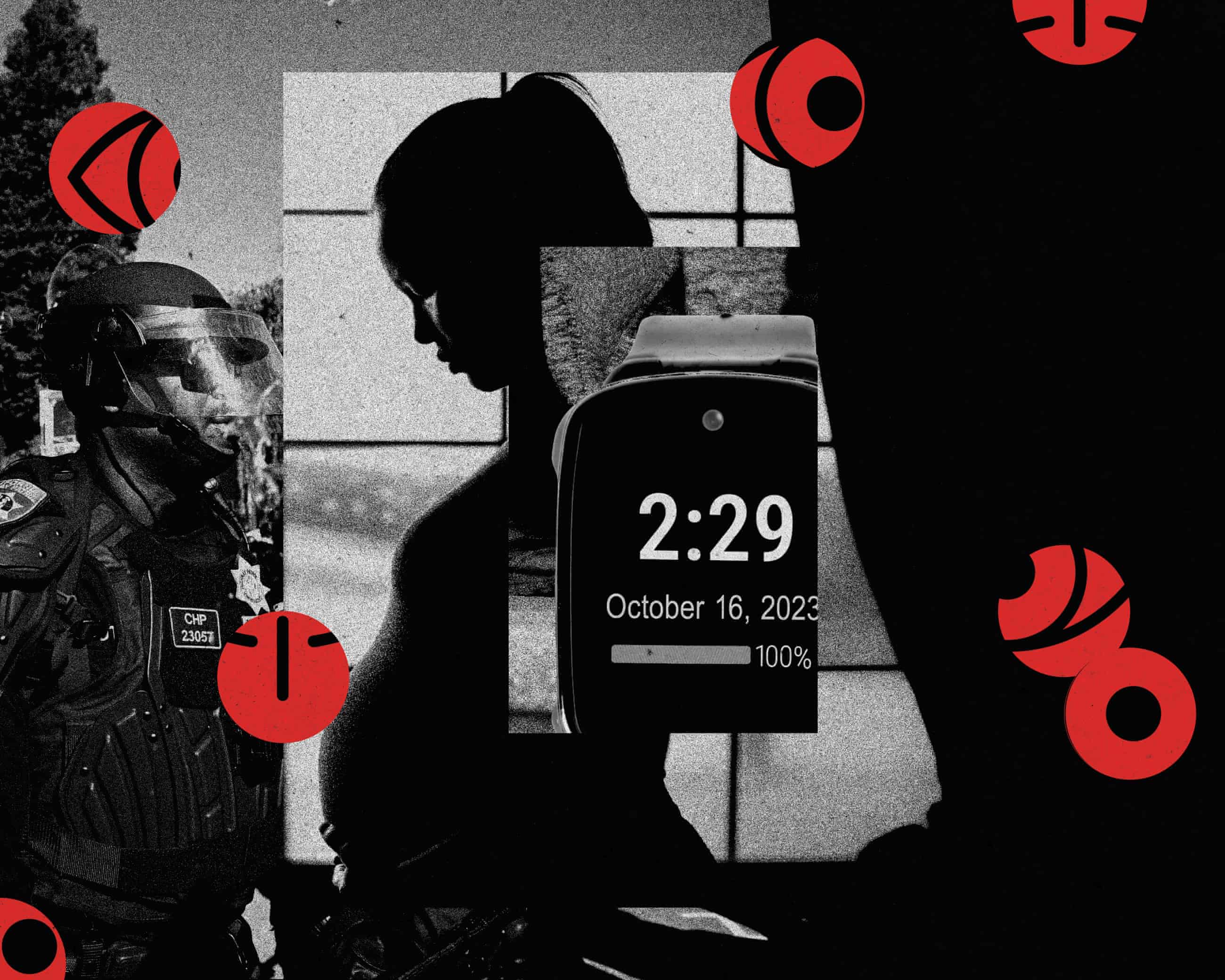
Pregnant immigrants in ICE monitoring programs are avoiding care, fearing detention during labour and deliveryIn early September, a woman, nine months pregnant, walked into the emergency obstetrics unit of a Colorado hospital,Though the labor and delivery staff caring for her expected her to have a smooth delivery, her case presented complications almost immediately,The woman, who was born in central Asia, checked into the hospital with a smart watch on her wrist, said two hospital workers who cared for her during her labor, and whom the Guardian is not identifying to avoid exposing their hospital or patients to retaliation,The device was not an ordinary smart watch made by Apple or Samsung, but a special type that US Immigration and Custom Enforcement (ICE) had mandated the woman wear at all times, allowing the agency to track her,The device was beeping when she entered the hospital, indicating she needed to charge it, and she worried that if the battery died, ICE agents would think she was trying to disappear, the hospital workers recalled.
She told them that, just days earlier, she had been put on a deportation flight to Mexico, but the pilot refused to let her fly because she was so close to giving birth.The woman’s fear only grew from there, according to the hospital workers.Her delivery wasn’t progressing the way the care team hoped, and she needed a C-section, a procedure that requires doctors to use a cauterizing tool to minimize bleeding.To prevent possible burning and electrocution, patients are instructed to take off all jewelry or metals before the surgery.The mandatory watch had no way to be easily removed, nor was information about whether it would be safe to wear during the procedure readily available.
Hospital staff didn’t know how to contact ICE to ask what to do.When hospital staff told the woman they might have to cut the smart watch off, she panicked, the workers said.Staff eventually did remove the device, and ICE agents did not show up at the hospital during the delivery.The nurses said they do not know what happened to the woman after she left the hospital with her baby.The woman was one of three pregnant patients wearing a location-tracking smart watch whom these two workers encountered in their ER in the last few months, they said.
The watches are built and operated by BI Inc, a company specializing in monitoring tech that runs the US government’s largest immigrant surveillance operation.The program, Alternative to Detention (ATD), allows select immigrants to await their day in court at home rather than in detention, provided they subscribe to intense monitoring.When immigrants are enrolled in ATD, they are assigned one or more types of supervision.Some have to wear an ankle monitor, some a smart watch.Some are required to complete regularly scheduled facial recognition scans at their home using a BI Inc app, others are mandated to go into a BI Inc or ICE office for regular in-person check-ins.
The smart watch, officially called the VeriWatch, was introduced two years ago by BI Inc.It was first piloted under the Biden administration and framed as a more discrete alternative to the less digitally equipped ankle monitor, which BI also manufactures and supplies to ICE.As the Guardian previously reported, immigrants wearing the ankle monitors have complained about the stigma that comes with wearing the conspicuous device as well as physical pain caused by the monitors, including electric shocks and cuts from devices that are strapped on too tightly.Nearly 200,000 people are currently enrolled in the program, and many of them have become increasingly fearful of being considered out of compliance as the Trump administration works to deport immigrants en masse.There have been several cases of people in the program showing up to a mandated, regular in-person check-in with immigration officials, believing they will continue in the ATD program, only to be detained.
All three women encountered by the Colorado hospital staff were reluctant to take their monitors off, fearing that doing so would trigger an alert to ICE or BI Inc, the staff said, even if removing the device was deemed medically necessary.One of the women went into the ER for a C-section and was diagnosed with preeclampsia, a complication that can cause significant swelling.Staff were worried her smartwatch would cut off her circulation.“She was in tears about it.She had this deep fear that ICE was going to come to the hospital and take her baby,” one of the staff said.
The hospital worker’s shift ended before the patient underwent the C-section.They said they do not know whether the staff who took over the patient’s case convinced her to cut off the watch.The confusion and fear surrounding the wrist monitor caused delays in the hospital’s ability to provide adequate and necessary care for these women, the workers said, though the patients delivered their babies safely.“Waiting and trying to figure these things out even when things are not super emergent can cause something emergent to happen,” one of the workers said.“Sometimes in birth, doing a C-section 20 minutes before something bad happens can prevent it.
”The workers pointed out that when they treat patients wearing a monitor issued by the state Department of Corrections, there is a protocol in place to remove it ahead of medical procedures,Hospital staff from across the US who spoke to the Guardian say the confusion brought on by monitoring devices is just one of several ways Donald Trump’s immigration crackdown is affecting medical care, and comes as immigrant patients are increasingly fearful of seeking out treatment,One of the staff at the Colorado hospital said she’s had at leastthree pregnant patients show up for their first-ever prenatal appointment at anytime between 34 and 38 weeks – well into their third trimester and long after pregnant women are recommended to begin going to consistent doctor appointments,In California, hospital workers have also noticed a drop this year in immigrants not just seeking emergency care but also showing up for regular doctor visits or vaccinations, according to the California Nurses Association president, Sandy Reding,“Obviously it has a cascading effect,” Reding said.
“If you don’t see your doctor regularly then the outcomes are worse and you wait until you have a crisis to go to the ER,”In Chicago, CommunityHealth, one of the largest volunteer-based health centers in the country, documented an overall drop in visits per patient and patient retention between 2024 and 2025 due to immigration enforcement activity in the city,In June, the organization observed a 30% dip in patients showing up for their appointments and around a 40% drop in patients picking up their medication since Trump took office,Neither ICE nor BI Inc responded to requests for comment,ICE previously told the Guardian that there is no evidence the ankle monitors have caused physical harm and that the ATD program was effective at increasing court appearance rates among immigrants facing removal.
Sign up to TechScapeA weekly dive in to how technology is shaping our livesafter newsletter promotionThe lack of procedure to have ankle or wrist monitors removed in medical emergencies has affected more than just pregnant women.In one July 2025 case, ICE responded to a man’s request to remove his ankle monitor because of a medical issue by detaining him, according to a court petition filed on his behalf by immigrant rights group Amica, which the Guardian reviewed.The man came to the US from Bangladesh to seek political asylum, and was told he had to wear an ankle monitor while his claim was pending.Suffering from nerve damage in one leg, he obtained a note from a medical clinic requesting the monitor be removed.His lawyer sent the note to the ICE officer on the case but never heard back.
During his first check-in at the BI offices, the man brought the medical note to the BI Inc employee assigned to the case, who suggested the man might be able to move the ankle monitor to his other leg,But after the man’s lawyer called ICE to inquire about moving the ankle monitor, the BI case manager informed the man that ICE officers were coming to the BI office to speak with him,They arrested and detained the man, according to the petition,“He explained that he was just asking for the ankle monitor to be put on the other leg, and the officer told him it was ‘too late’,” the petition reads,In 2009, ICE discontinued the use of ankle monitors for pregnant women and people whose medical conditions made it “inappropriate” to wear them.
But former BI Inc staff as well as immigrants rights groups Amica and American Friends Services Committee said they are concerned that these exceptions are not always enforced,That exception also doesn’t apply to smart watches, a June 2025 ICE memo shows,The ICE memo instructs agency staffers to put ankle monitors on anyone enrolled in ATD,Dawnisha M Helland, an ICE acting assistant director in the management of non-detained immigrants, wrote that the only group who would not be given ankle monitors were pregnant women,Instead, pregnant women in ATD would wear the smart watch.
Though it resembles a typical consumer smart watch, the VeriWatch is not less restrictive than the ankle monitor.Like the ankle monitor, the wrist watch can’t be removed by the person wearing it.ICE had the option of using a removable version of the watch, according to a 2023 request for information DHS published.The agency chose a different direction; it currently only uses a watch that cannot be removed except by an ICE or authorized BI agent, according to two former DHS officials and two former BI employees.Immigrants in the program are not told what to do with their ankle or wrist monitors in case of medical emergencies, and BI staff were not authorized to approve the removal of the monitors without first speaking to ICE, the two former BI Inc.
staff recalled.There’s not always time in emergency cases to wait for approval from ICE to cut off the monitors, the Colorado hospital workers said.One of the Colorado staff said they’re deeply concerned about how this unremovable watch will continue to impact vulnerable pregnant women.“They’re looking at people who literally can’t speak up, who have no legal resources, who are not American citizens, and are pregnant.They’re asking themselves what they can get away with in terms of violating civil liberties for these patients,” the employee said.
“That’s the true pilot program: How far can they overreach?”Healthcare workers are not the only ones sounding the alarm over surveillance’s interference with medical care.Two former Department of Homeland Security officials told the Guardian that the lack of protocols for immigrants surveilled under ATD with exigent medical issues is a symptom of a larger issue with the way BI Inc and ICE run the program.As the Guardian previously reported, immigrants surveilled under ATD and BI Inc employees alike have long complained that the program is highly discretionary.They said that many of the decisions about how, why or how long a given person was mandated to wear an ankle monitor or a smart watch were left to individual case workers.BI Inc, which started off as a cattle monitoring company, and its parent company the Geo Group, which develops detention centers, private prisons, and rehabilitation facilities, have been given the exclusive DHS contract to operate all aspects of the ATD program since its inception in 2004.
That’s despite previous attempts by ICE leadership under Joe Biden’s administration to break the contract up into three parts rather than awarding the entirety of the contract to Geo Group, a company that has served as a landing spot for former ICE and DHS officials.At its peak, BI Inc monitored approximately 370,000 immigrants under the Biden administration as part of a policy that put every head of household crossing the border on ATD.The tally decreased in 2025 to about 180,000 people, due in part to high costs of putting so many people on ATD, former DHS officials said.As Trump’s second administration supercharged immigration enforcement and greenlit a $150bn surge in funding for ICE, though, Geo Group executives expressed confidence they could reach the same height by the second half of 2025.The goal, the executives have said, is to monitor all 7.
5 million people listed on the federal government’s non-detained docket, the list of non-citizens who have not been detained but are subject to removal.However, the Trump administration has focused on deportation and detention rather than monitoring, and the number of immigrants enrolled in ATD and wearing ankle monitors or other GPS tracking devices has hovered around 180,000, much to the dismay of Geo Group executives.“Now the count has been fairly stable, which is a little disappointing, obviously,” George Zoley, the GEO Group founder and executive chairman of the board, said during the company’s November earnings call.ICE awarded another two-year-contract to BI Inc to manage ATD in September.Executives have said they’re pleased that the agency is prioritizing using the company’s more expensive ankle monitors on those immigrants already in ATD rather than the more cost-effective tools like the company’s facial recognition app, Smart Link.
Under the Biden administration, several departments within DHS attempted to address the lack of consistent policy around how ICE should run ATD.In December 2022, DHS hosted 100 non-governmental organizations as well as members of academia and private industry to discuss how to bring more “uniform standards to govern” ATD.That two year effort to draft guidelines in a document, initially titled Non-Detained Management Standards, was ultimately scuttled by ICE and BI, said Scott Shuchart, a former assistant director for regulatory affairs and police at ICE under the Biden administration.Another former DHS official confirmed his account.The draft standards were never made public.
“The program is really structured for the benefit of BI and not for the benefit of the non-citizens who were going to be managed through it,” said Shuchart,“Therefore ERO [ICE’s enforcement and removal arm] was extremely resistant to bring rationalization and consistent policy into it,”

How to make the perfect Dubai chocolate bar - recipe | Felicity Cloake's How to make the perfect …
If you’re asking what on earth chocolate has to do with a city with an average annual temperature of 28C, then you must have been stuck in the desert for the past three years. Because, since its creation in the UAE in 2022, apparently to satisfy chocolatier Sarah Hamouda’s pregnancy cravings for pistachio and pastry, this bar has taken over the world. Though food (among those with the luxury of choice, at least) has never been immune to the absurdities of fashion, the internet has supercharged and globalised the process, so much so that pistachios, which back in January were dubbed “the new pumpkin spice” by this very newspaper, are now everywhere, from Starbucks lattes to Aldi mince pies.The thing is, however, that whatever your thoughts on green, sugary, coffee-adjacent beverages, Hamouda’s Dubai chocolate developed for Fix Dessert Chocolatier has triumphed, because it really does taste as good as it looks: crunchy pastry, sweet chocolate and rich, slightly savoury nut butter are an incredibly satisfying combination, so a big bar of it is guaranteed to impress under the Christmas tree. Experience demands that I suggest you wrap it in a pet-proof box, however – emergency vet bills are no one’s idea of a great present

The ultimate unsung superfood: 17 delicious ways with cabbage – from kimchi to pasta to peanut butter noodles
Over the last 50 years, cabbage consumption in Britain has declined 80%. But it’s versatile, full of vitamins, and perfect on a winter night. Here’s how to make the most of itIt’s not good news: despite a lot of messaging about healthy eating, Britons consume 12% less vegetables per week than they did in 1974, when the government’s Family Food survey began. And while the consumption of some specific vegetables – courgettes, say – has risen over the past 50 years, others have experienced a sharp decline. Among the biggest losers is cabbage

Christmas dinner in a restaurant or kitchen carnage at home?
Christmas dinner? At home or in a restaurant? It’s at this juncture of the year, with Christmas dinner hurtling towards us, that you may well find yourself muttering: “Well, we could always go out!” Who could blame any home cook for wanting to shove this great burden on to someone else’s back, especially since every culinary TV show, magazine article and advertising break since mid-November has hammered home what a colossal faff Christmas dinner actually is. No, it’s not just a slightly posh Sunday roast with a few more guests.Christmas dinner in the UK these days is more like a cross between dinner at Balmoral and 4 July at Mar-a-Lago. The table has to be heaving with holly-embossed crockery, the carrots must be bejewelled in star anise and Himalayan pink pepper, the turkey has to be brined in aromatic salt water and your roasties shaken in polenta and smothered in duck fat. If you’re the designated martyr organising proceedings, field-marshalling everything and cooking this tinsel-strewn palaver, it is common to try instead to divert it all to the local pub, where they’re doing “turkey and all the trimmings” for £79 a head (and including a cracker and a pre-dinner “glass of something sparkly”)

Christmas mixers: Thomasina Miers’ recipes for fire cider and spiced cocktail syrup
Despite being known for shaking a cocktail on Instagram now and again, very little will induce me to last-minute cocktailery if I am entertaining a serious number of guests. However, a good drinks recipe that you can prep in advance is a lovely thing to dazzle your friends with and to gift over Christmas. With or without alcohol, this pair look good and taste delicious, and should help everyone ease into the December festivities.This makes a delicious base to which you can add soda, juice, tonic or any other mixer for a thirst-quenching and delicious alternative to an alcoholic drink in the evening. Prep 15 minInfuse 1 week+ Makes 500ml bottleFor the fire cider2 jalapeños, finely sliced seeds and all1 large thumb of ginger, peeled and finely sliced2 branches fresh rosemary1 cinnamon stick3 heaped tbsp honey2 garlic cloves, peeled1 thumb turmeric, peeled and finely sliced (optional)350ml apple cider vinegarFor the cranberry fizz (serves 1)30ml fire cider 75ml cranberry juice1 wedge of orange Sparkling water, to topMix all the ingredients for the fire cider in a sterilised 500ml jar, then put in the fridge for at least week, and preferably three to extract the most goodness from the ingredients

Jamie Oliver to relaunch Italian restaurant chain in UK six years after collapse
Jamie Oliver is to revive his Jamie’s Italian restaurant chain in the UK, more than six years after the celebrity chef’s brand collapsed.Jamie’s Italian is poised to be relaunched in the spring, starting with a restaurant in London’s Leicester Square.Oliver’s return to the UK restaurant scene is being backed by Brava Hospitality Group – the private equity-backed group that runs the Prezzo chain – which intends to relaunch the brand across the UK.“As a chef, having the chance to return to the high street is incredibly important to me,” he said. “I will drive the menus, make sure the sourcing is right, the staff training, and ensure the look and feel of the restaurant is brought to life in the right way
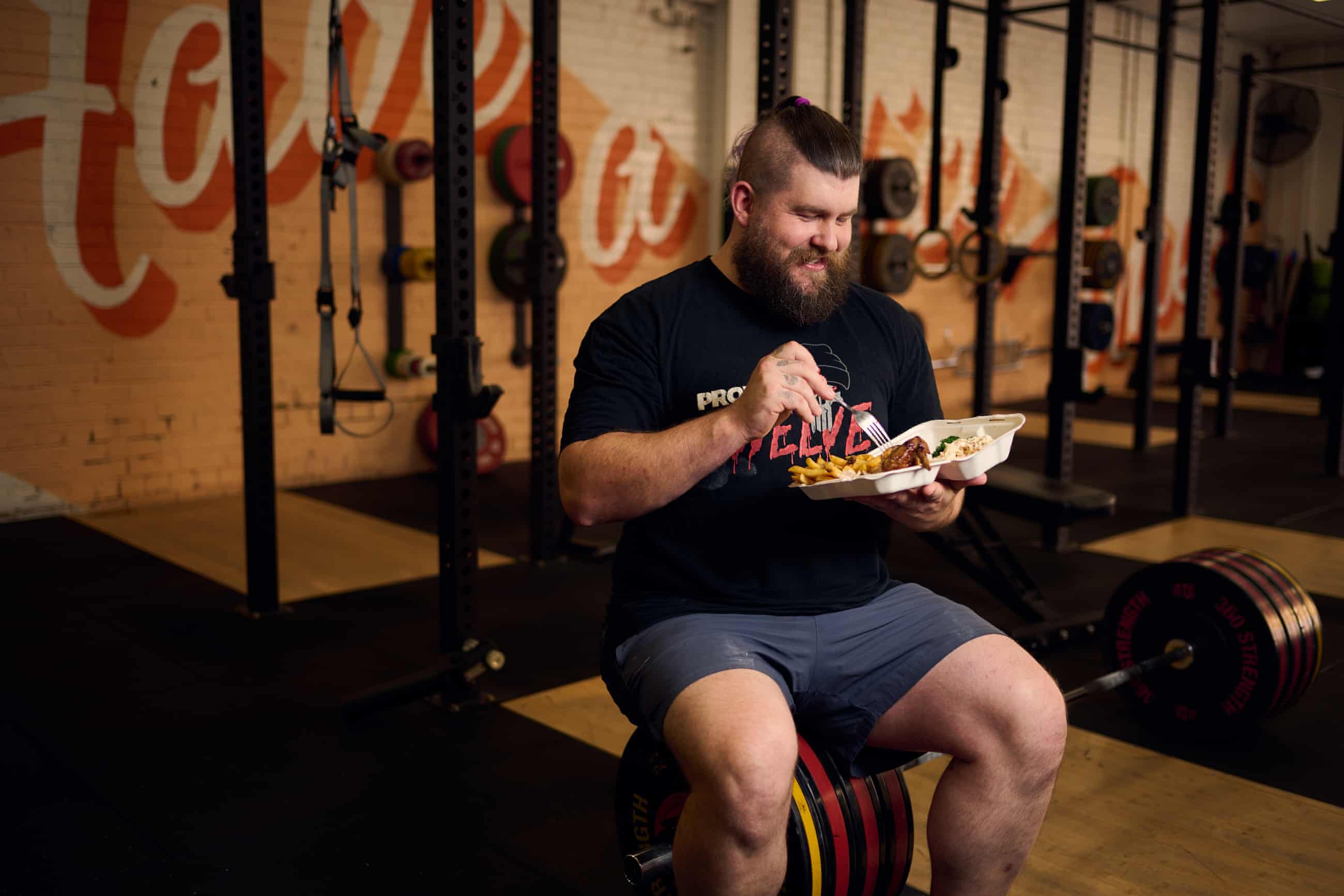
Maximum protein, minimal carbs: why gym bros are flocking to Australia’s charcoal chicken shops
From El Jannah’s webpage dedicated to ‘health-conscious individuals’ to Habibi Chicken’s ‘Gym Bro’ pack, businesses are catering to the post-leg day crowdGet our weekend culture and lifestyle emailPopularised in Australia by Balkan and Lebanese immigrants, charcoal chicken has long been part of our comfort-food canon. But recently, the humble chicken shop has had a renaissance – driven by fresh takes on the classics, the expansion of longstanding chains and a surge of protein-conscious gym goers.In June, charcoal chicken chain El Jannah, which has more than 50 stores, launched a page on its website dedicated to protein and macros – complete with recommendations for the best post-leg day order – a clear nod to the fitness crowd.In Wagga Wagga, Habibi Chicken has a “Gym Bro” pack – a half or quarter chicken, tabbouleh, pita and toum, no chips. Co-owner Mariam Rehman says it’s a top seller, designed to maximise protein and reduce carbs

Trump clears way for Nvidia to sell powerful AI chips to China

AI researchers are to blame for serving up slop | Letter

EU opens investigation into Google’s use of online content for AI models
Australia launches a social media ban – and is AI a bubble about to pop?

‘I feel it’s a friend’: quarter of teenagers turn to AI chatbots for mental health support

Social media use damages children’s ability to focus, say researchers