Paris paradox: did Borthwick liberate England or was it down to player power? | Gerard Meagher
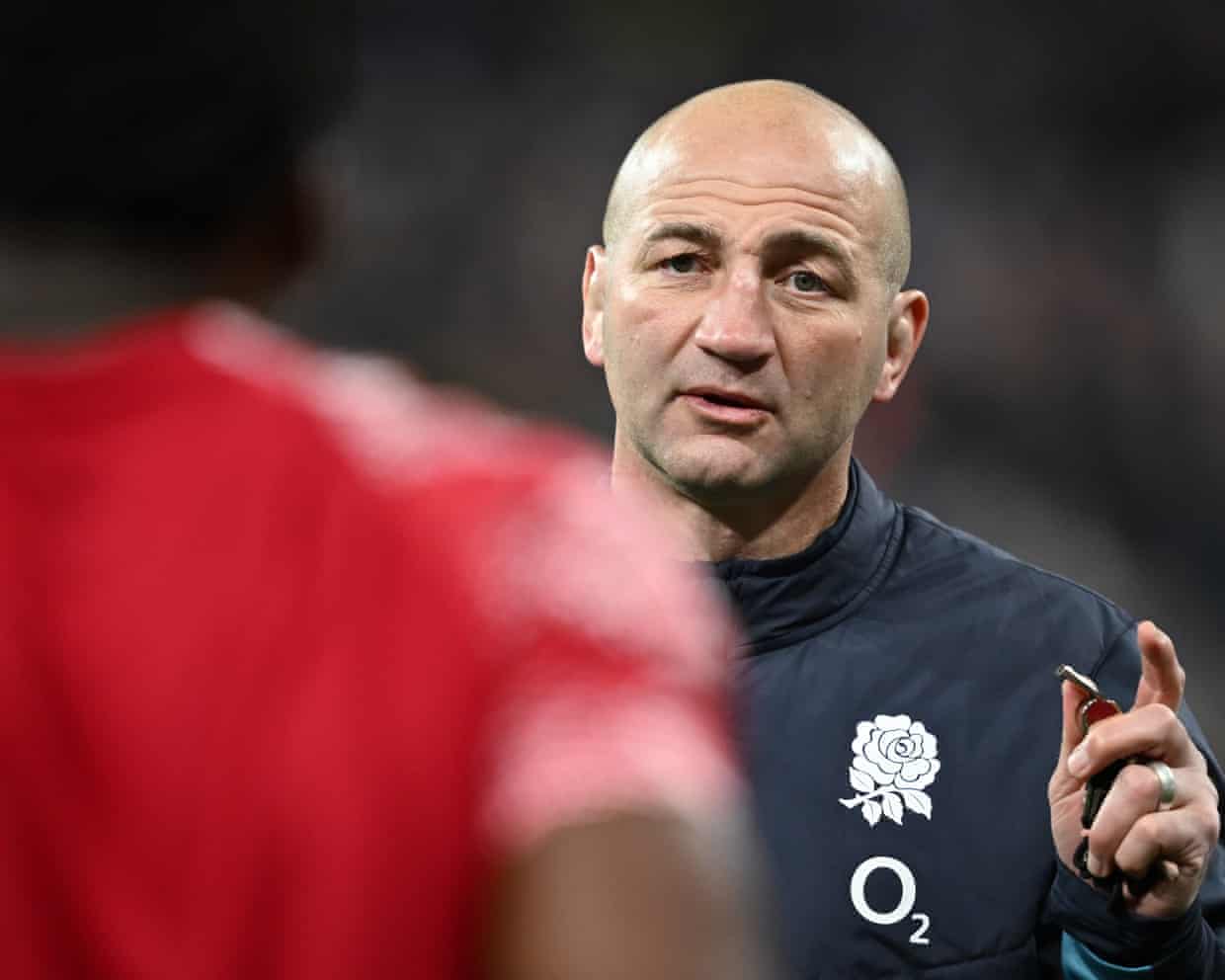
Did England play like that because of Steve Borthwick or in spite of him? For all that the Rugby Football Union will deep dive, look under the bonnet, get into the weeds – pick your own favourite bit of corporate speak – it is the fundamental question that Bill Sweeney and his review panel must ask in the coming weeks.Did Borthwick liberate his players against France, or did they take matters into their own hands?As usual, the panel will include input from Sweeney and Conor O’Shea as well as those from outside the building who insist on anonymity.It is said that despite the huge upswing in performance in defeat against France, the RFU is still determined to establish what went wrong during this Six Nations.That is a positive sign because when the dust settles, this still goes down as their worst-ever championship.The noises coming from the RFU suggest that they will not be blinded by the razzle-dazzle in Paris, that Borthwick still has a case to answer.
A memo for Sweeney: do not drown in a deluge of data, do not get bogged down in too much detail.Address England’s desperate discipline, scrutinise Richard Wigglesworth’s role as coach of a porous defence, the absence of clear thinking in the final minute, but do not conclude that improvements in “lower body strength and appropriate skill modifications” are needed to resolve breakdown indiscipline, as was bizarrely the case in 2021.Instead, Sweeney must assess what was behind the renewed approach against France, and what will ensure England stick to it in the future.If Borthwick instigated it, if it was all smoke and mirrors that they would double down on the kicking gameplan, it does not paint him in a particularly good light because the obvious question is why it took until round five for England to perform in a manner that captivates supporters.Different opponents require strategic tweaks but England were unrecognisable in outlook and approach in Paris.
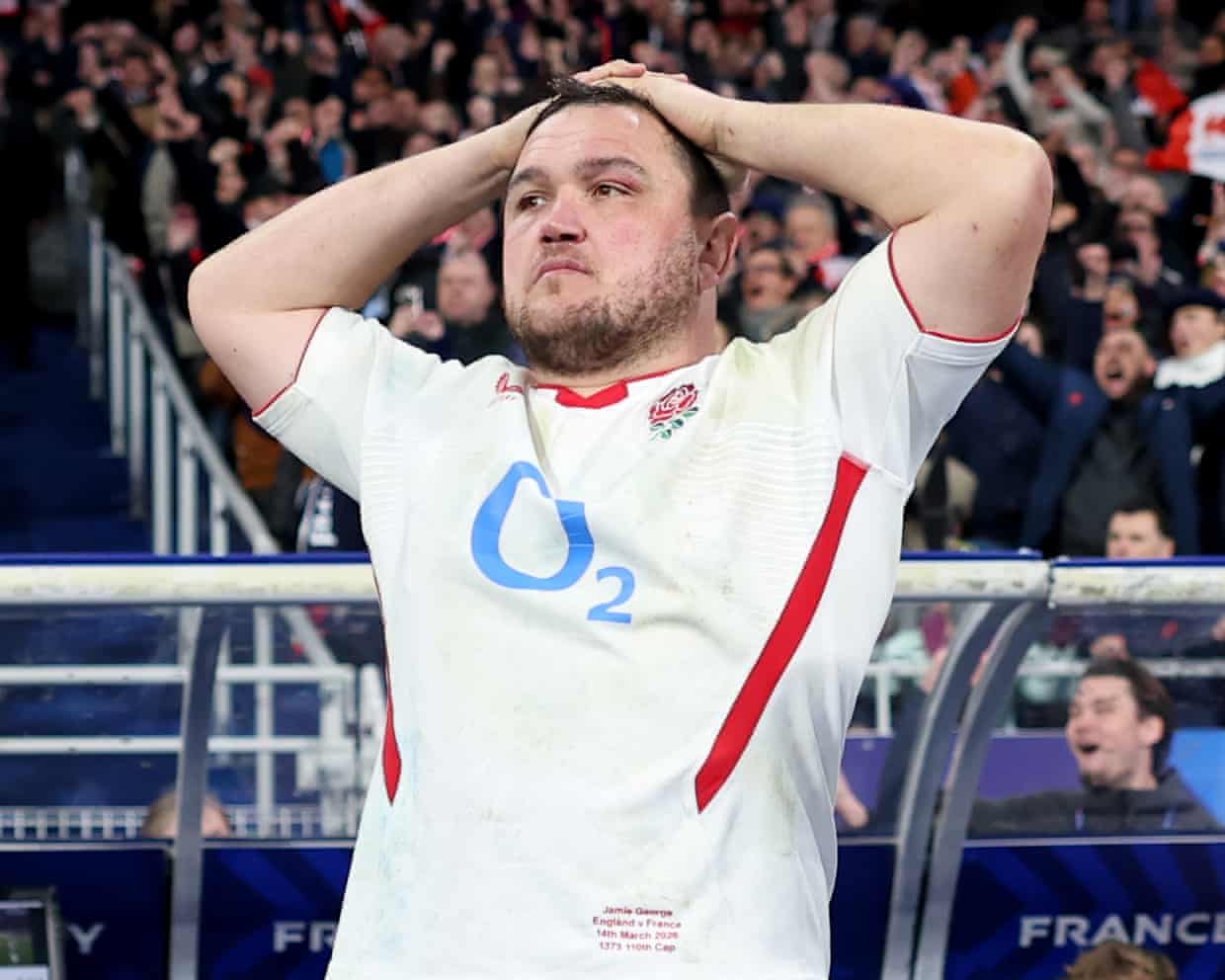
If it was the players, then it hints at a questioning of Borthwick’s authority.There has been nothing emanating from the camp that suggests even a jot of mutiny, whether uttered publicly or privately, but there is a difference between revolt and taking responsibility.The manner in which Maro Itoje has extolled the virtues of showing character of late certainly suggests that the penny has dropped that rugby by numbers will only get you so far.Indeed, Sweeney and his panel must be rigorous in ascertaining what the players think.Clearly, there is backing for Borthwick, for the “clarity” he brings, for the environment he cultivates, but how do the players really react when they are asked to tighten up because, as Saturday night showed, there is so much talent with which to let loose?“It would have been so easy for us to splinter off, and I’ve been part of many teams that have, and there’s been whispers in corridors and there’s been doubts about gameplan and personnel,” said Jamie George in the aftermath of Saturday’s match.
“Honestly, there has been none of it.We’ve been clear.We’ve been confident in the people that we have, staff and players, and we have stayed so tight.Our togetherness has been a huge strength of the team for 12 plus months.”The next pressing question for the panel to address is why England so often need their backs against the wall to produce a performance like Saturday’s.
Ollie Chessum was in a prickly mood all week,He addressed the squad the night before and proceeded to deliver his best performance in an England shirt,His furious celebration after his first try was, in microcosm, a demonstration of the passion and intensity with which England played,But why does it take a feeling that they have been slighted for England to find the right emotional pitch?Is it an indictment of Borthwick and his coaches’ inability to press the right buttons, is it further evidence of overdue accountability being taken by the squad or is it something deeper than that? Because, while Borthwick’s tenure has been pockmarked by performances born out of intense scrutiny, it is a problem that predates him,Perhaps it is a problem with the English psyche because playing with “character” is far easier when there is a common, higher cause to fight for.
For some, such as South Africa, it is unbridled patriotism,For others, it is for the head coach, as demonstrated by Scotland’s response to their opening defeat by Italy in support of Gregor Townsend,For England, there are blurred lines between patriotism and nationalism while their performances against Scotland and Ireland did not look like a squad fighting for their coach,Then came their Parisian riposte and a willingness to fight for a collective cause amid a feeling of being chastised,Hell hath no fury like an English rugby player scorned.
“It’s an excellent programme as a whole,” George said.“Honestly, the togetherness and how tight we have been over this period of time is the biggest indicator that the right people are in the room.Not many other teams would go out and perform like that under that sort of pressure.” That may be so but the key issue will be whether the RFU believes this current England environment is set up to ensure performances like that continue.
Oil company shares soar to all-time highs as Middle East war turbocharges price per barrel
Shares in big oil companies have soared to all-time highs since the war in Iran began and sparked historic price rises on global oil and gas markets.The combined market value of the six stock market-listed western “super majors” has soared by more than $130bn in the two weeks since the first US-Israeli attacks on Iran.The energy supply shock caused by the conflict has resulted in record stock market valuations for London-listed Shell, Europe’s largest oil company, as well as US oil companies ExxonMobil and Chevron.The market shock is expected to deliver multibillion-dollar windfalls for the industry, even as sites in the Middle East are hit by the conflict.US oil companies can expect a $63
Beyond the strait: why attacks on Kargh Island could keep oil prices high
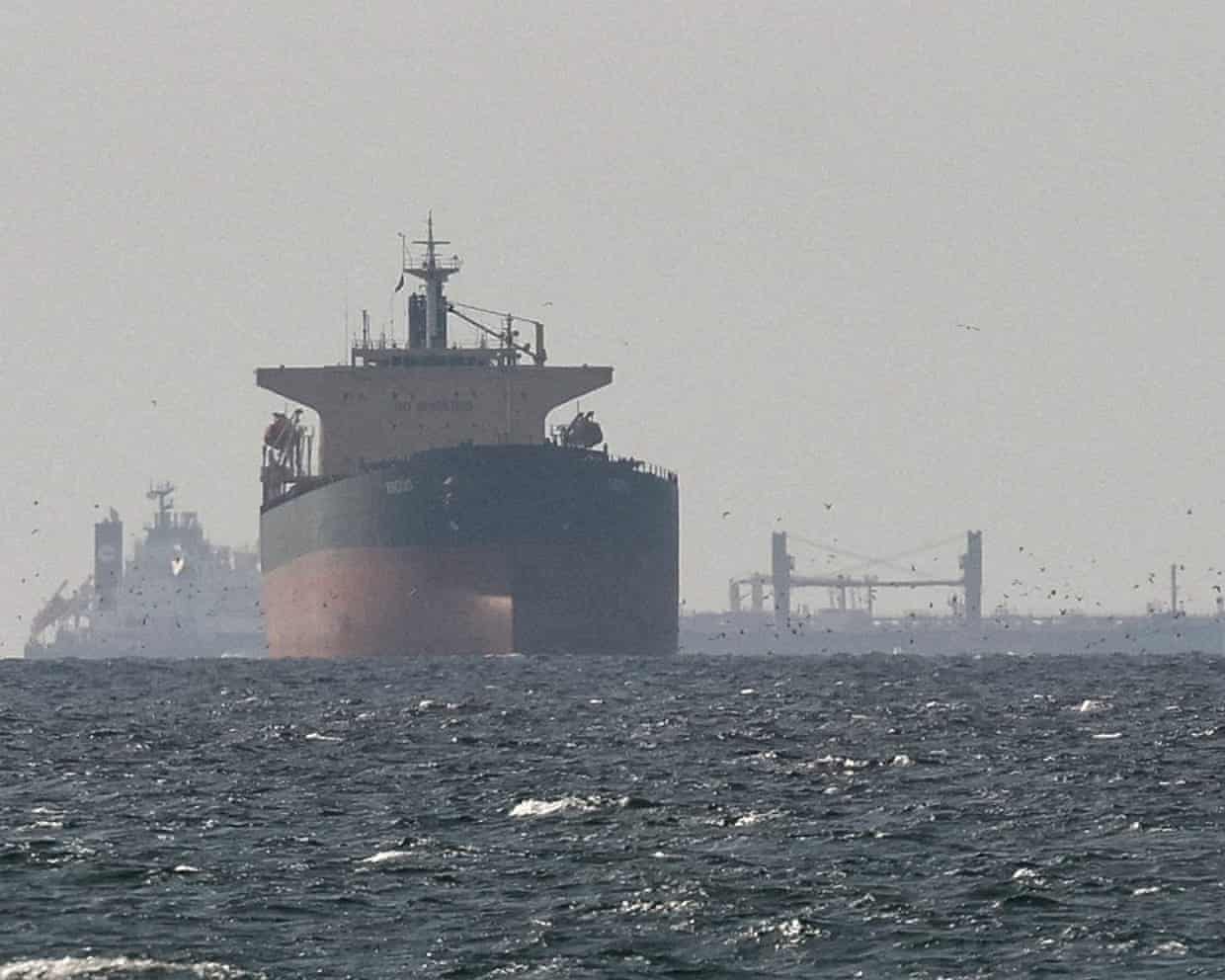
About 20 miles off the coast of Iran lies the source of the petrostate’s economic lifeblood and the latest target of US military aggression: an 8 sq mile coral island through which nine in every 10 barrels of Iranian crude passes each day.The US president’s decision to launch a weekend attack on Kharg Island, the home of Iran’s processing hub and the heart of its economy, is an unsurprising counterstrike to the Iranian regime’s ongoing chokehold on the oil market’s trade artery.But uncertainty over future oil production by one of the world’s largest producers, is also likely to cause further market volatility after weeks of historic price increases.Donald Trump ordered the US military attack on Iran’s most strategic economic asset on Saturday, exactly two weeks after the US-Israeli strikes which began the war and led to the blocking of the strait of Hormuz.The bombardment took aim at military assets on the island, and has so far spared oil facilities

AI has exposed age-old problems with university coursework | Letter
The frustration many academics are expressing about artificial intelligence and critical thinking is understandable (‘I wish I could push ChatGPT off a cliff’: professors scramble to save critical thinking in an age of AI, 10 March). But from my experience working with students on academic writing, blaming AI risks masking a problem that universities have lived with for years.In my work with students, I have long seen the ways in which thinking can be outsourced when assessment allows it: essay mills, shared past papers, model essays passed between cohorts, or heavy reliance on tutors and friends to structure assignments. Artificial intelligence did not invent this behaviour. It has simply industrialised a shortcut that already existed
Trump administration reportedly set to be paid $10bn for brokering TikTok deal
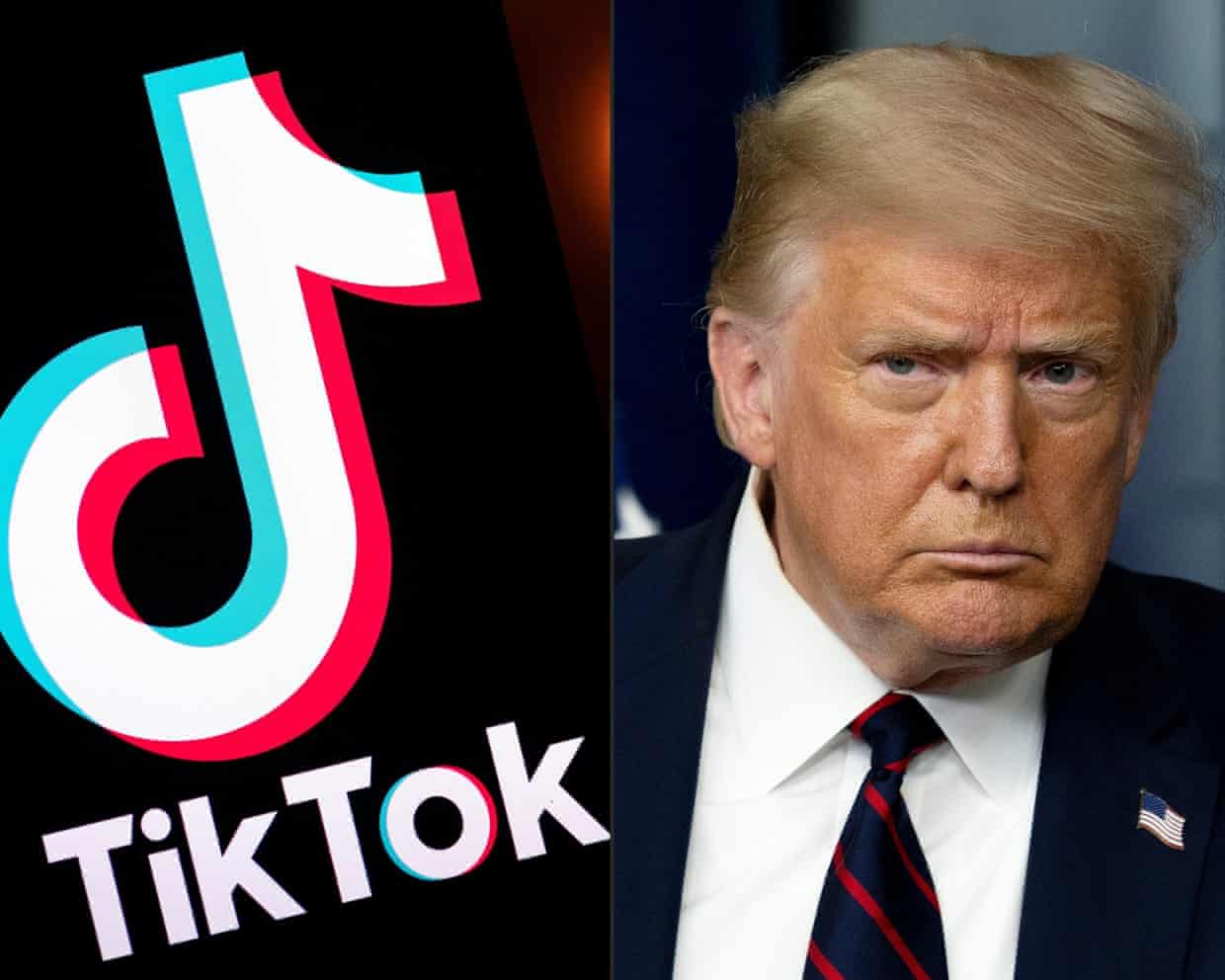
Donald Trump’s administration is reportedly poised to be paid $10bn by investors as part of a deal to create a US-controlled version of TikTok.The $10bn, considered by the US government as a sort of transaction fee, will be paid by the administration-friendly investors who took control of TikTok’s US operations from its Chinese parent company, ByteDance, according to reporting that first appeared in the Wall Street Journal.The investors in the popular social media app include software company Oracle; MGX, an investment firm based in the United Arab Emirates; and private equity business Silver Lake. These entities, along with other backers, paid $2.5bn to the US treasury when the deal closed in January and are set to make further payments in the unusual arrangement until the total hits $10bn
Paris paradox: did Borthwick liberate England or was it down to player power? | Gerard Meagher
Did England play like that because of Steve Borthwick or in spite of him? For all that the Rugby Football Union will deep dive, look under the bonnet, get into the weeds – pick your own favourite bit of corporate speak – it is the fundamental question that Bill Sweeney and his review panel must ask in the coming weeks. Did Borthwick liberate his players against France, or did they take matters into their own hands?As usual, the panel will include input from Sweeney and Conor O’Shea as well as those from outside the building who insist on anonymity. It is said that despite the huge upswing in performance in defeat against France, the RFU is still determined to establish what went wrong during this Six Nations. That is a positive sign because when the dust settles, this still goes down as their worst-ever championship. The noises coming from the RFU suggest that they will not be blinded by the razzle-dazzle in Paris, that Borthwick still has a case to answer
George backs Borthwick to lead England at World Cup and takes aim at South Africa
Jamie George has insisted England can go toe-to-toe with South Africa when they lock horns with the world champions in July and believes his side will be among the favourites for next year’s World Cup if Steve Borthwick remains as head coach.England are on a disappointing run of four straight defeats but, while Saturday’s 48-46 loss to France condemned them to their worst Six Nations campaign, the manner in which Borthwick’s side performed – scoring seven tries in Paris – has given rise to renewed optimism.Borthwick remains under scrutiny and he will face the music with the Rugby Football Union conducting a review into the Six Nations, vowing to establish why the wheels fell off for England after they began the championship on the back of 11 straight wins. Last week the RFU chief executive Bill Sweeney took the unprecedented step of offering Borthwick qualified support, promising to “work together to understand and rectify why we have been unable to meet expectations”. It is understood that despite England’s upturn in performance in Paris, the RFU’s position remains the same
Fake rooms, props and a script to lure victims: inside an abandoned Cambodia scam centre

Apple cuts China App Store commission fees after government pressure
Anthropic-Pentagon battle shows how big tech has reversed course on AI and war

AI toys for young children must be more tightly regulated, say researchers
‘IG is a drug’: jury to deliberate as US trial over social media addiction wraps up

Google’s former Europe boss close to becoming next head of BBC, sources say