Beyond the strait: why attacks on Kargh Island could keep oil prices high
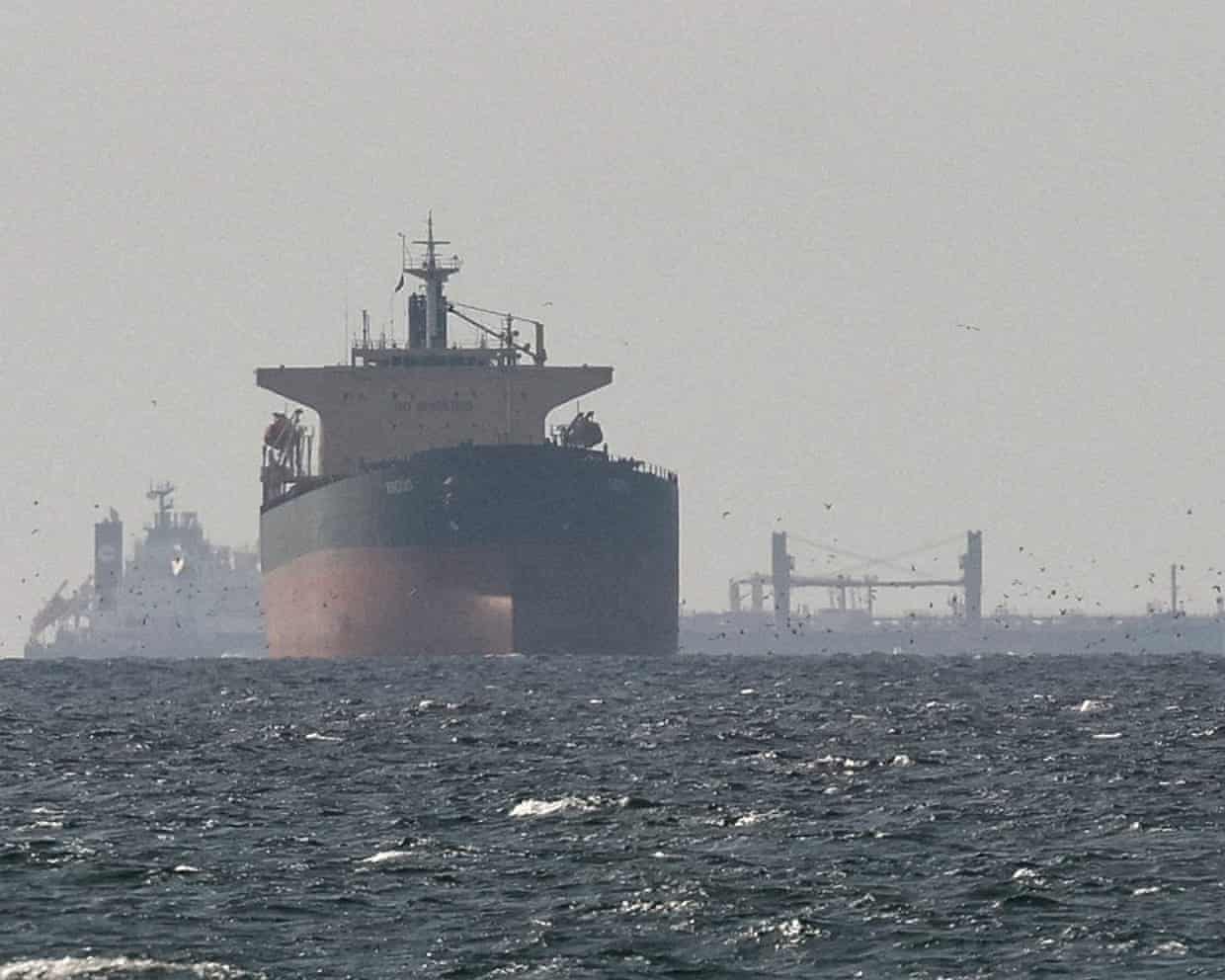
About 20 miles off the coast of Iran lies the source of the petrostate’s economic lifeblood and the latest target of US military aggression: an 8 sq mile coral island through which nine in every 10 barrels of Iranian crude passes each day,The US president’s decision to launch a weekend attack on Kharg Island, the home of Iran’s processing hub and the heart of its economy, is an unsurprising counterstrike to the Iranian regime’s ongoing chokehold on the oil market’s trade artery,But uncertainty over future oil production by one of the world’s largest producers, is also likely to cause further market volatility after weeks of historic price increases,Donald Trump ordered the US military attack on Iran’s most strategic economic asset on Saturday, exactly two weeks after the US-Israeli strikes which began the war and led to the blocking of the strait of Hormuz,The bombardment took aim at military assets on the island, and has so far spared oil facilities.
But Trump has warned that he may reconsider if Iran refuses to open the strait,“We may hit it a few more times just for fun,” Trump told NBC News,Any damage to Kharg Island’s oil infrastructure could force Iran to cut production at its oilfields, potentially erasing another 1m barrels from global markets already roiled by cuts from neighbouring Gulf nations unable to ship their crude to international buyers,The world’s largest offshore oilfield stretches more than 40 miles from Saudi Arabia’s eastern province into the depths of the Gulf,For almost 70 years the Safaniya field has produced millions of barrels of Arabian heavy crude to be sold by the biggest oil-producing country.
This week, the field was shut.The war in Iran has effectively blocked the Gulf states from exporting a fifth of the world’s oil supply to the international buyers through the strait of Hormuz.Iran’s attacks on tankers trapped in the vital trade route have erased an estimated 15m barrels of oil from the global market.But beyond the tankers set ablaze in the narrow waterway just a few miles south of Iran lies a quieter threat that risks compounding the greatest energy supply shock in history and fuelling the recent surge in prices.The risk is that the world’s biggest oil producers will be forced to shut down many of their fields altogether, keeping prices higher for households and businesses for a sustained period.
In a worst-case scenario, analysts have forecast oil could pass the record $147,50 a barrel reached in 2008,Oil producers have scrambled to redirect their crude flows to pipelines and storage facilities, but as their pipes and stockpiles reach the brim, the only option remaining is to turn off the taps,The threat to the Middle East’s oilfields is now considered the main driver for the upward march of market prices,The price of Brent crude, an international benchmark, retreated from highs of $119 a barrel this week as global leaders prepared to call for an unprecedented release of 400m barrels of oil from its member states to temper the market.
But prices have begun to inch back above $100 a barrel as oilfields in Saudi Arabia, Iraq and Kuwait have shut down.The shut-ins – temporary closures of oil and gas wells – combined with damage to some of the region’s key energy infrastructure are expected to cut production by 10m barrels a day, according the International Energy Agency.The war has also disrupted the world’s gas supplies.Qatar provides about 20% of the world’s seaborne gas cargoes but was forced to shut down its liquefied natural gas (LNG) production because of Iranian attacks on its facilities.In response, the price of gas in Europe rose by about 80% to highs of more than €56 a megawatt hour last week.
The Qatari energy minister, Saad al-Kaabi, told the Financial Times it would take “weeks to months” to return to normal deliveries, even if the war ended today.He said the crisis would bring down the economies of the world.With only days remaining in the Gulf’s crude storage facilities, and no end in sight to the Hormuz crisis, the world’s richest oil region may need to grapple with further shutdowns, according to Ajay Parmar, a director at the energy market specialists ICIS.“The shut-ins will most certainly prolong higher oil prices – this is the main driver for higher prices that we see right now,” Parmar says.The impact is twofold: it compounds the market fears over the world’s continuing supply crisis; and raises the risk that production will remain throttled, even in the event that the strait reopens.
The process of restarting a shuttered oilfield is difficult and lengthy.It can take weeks to return a field to full production, depending on the state of the infrastructure and geology.There is also a risk that a field never fully recovers.“Restarting field production of this scale will be a massive technical exercise,” says Jim Burkhard, the global head of crude oil research for S&P Global Energy.“Depending on the reservoir and how long it is [in] shut-in, it could take weeks, months or more to fully restore output.
”Saudi Arabia’s state-owned oil company, Aramco, has assured the market that it should be able to export 70% of its usual output to customers around the world,It plans to flow crude extracted from the Gulf more than 750 miles west across the kingdom through a pipeline to the Red Sea port of Yanbu,Saudi oil exported via this route has doubled in volume from about 1,5m barrels a day to 3m,Aramco believes this can rise to 5m within days.
Already there are at least 25 massive oil tankers en route to the Red Sea port to help ship Saudi crude to the international market, according to Aditya Saraswat, a director at Rystad Energy.Meanwhile, near the port of Fujairah, which lies to the east of the Hormuz chokepoint, tankers are ready to load crude piped around the strait from the United Arab Emirates’ oilfields in the Gulf.Its pipeline crude has climbed from 1.1m barrels a day to 1.6m this week as seaborne trade dwindled, Saraswat adds.
Parmar says the pipeline reroute options can only go so far for Saudi Arabia and the UAE.The latter will have 1m barrels of crude a day that remains unsold via its pipeline, with less than 20 days of available storage.Aramco would have 2m barrels a day unable to leave Saudi Arabia without shutting down Safaniya and the Zuluf field.It has about seven days of storage available.“Additionally, Iraq, Kuwait and Iran itself have no pipeline capacity to bypass the strait,” Parmar added.
Oil produced from Iraq’s main southern oilfields has fallen by almost three-quarters to just 1,3m barrels a day from pre-crisis levels of 4,3m,It has less than five days of storage remaining,Kuwait pumped about 2.
6m barrels a day earlier this year but has made unspecified cuts to its production,It has less than 11 days of storage,In Saudi Arabia, there are questions over whether the ageing Safaniya field, which began production in 1957, will return to its former levels of output,But Parmar cautions against writing off the engine room of the country’s oil industry,“Saudi oilfield and refining capabilities are extremely high-end and it would not surprise me if the company was indeed able to return the field back to previous capacity levels over time,” he says.
‘I’m back to my best’: Lewis Hamilton marks Ferrari revival with Chinese GP podium place
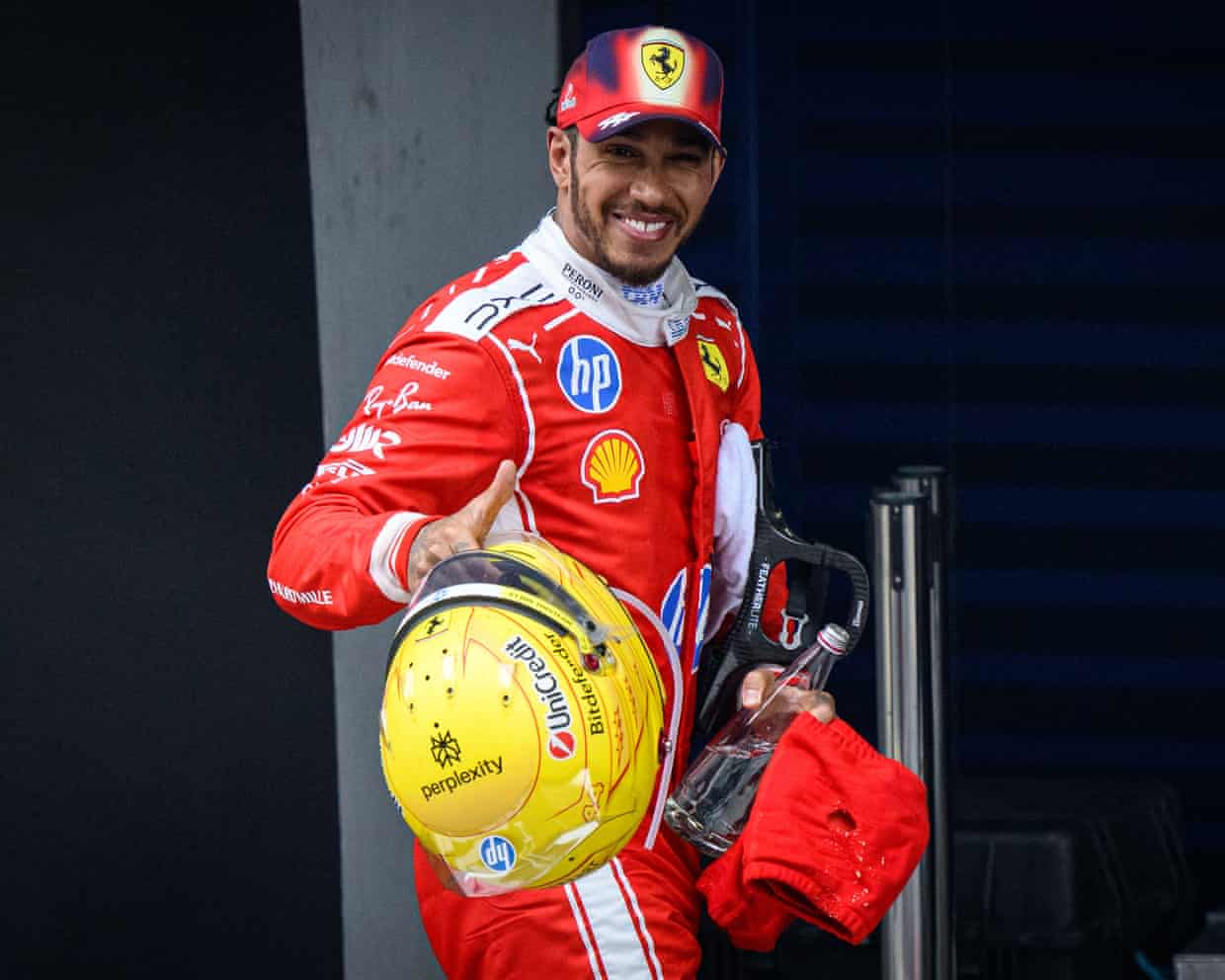
Lewis Hamilton said he is “back to his best” after he finished third at the Chinese Grand Prix to claim his first podium at Ferrari.The 41-year-old Briton beat his Ferrari teammate Charles Leclerc after a thrilling duel and praised Formula One for delivering what he claimed was the best racing he had ever experienced.The race in Shanghai was won by Mercedes’ Kimi Antonelli, his first F1 victory, from his teammate George Russell in second. But Hamilton delivered a feisty performance in an almost race-long scrap with Leclerc to take third, his first podium since the Las Vegas GP in November 2024.“I definitely feel like I’m back to my best, both mentally and physically,” Hamilton said
Kimi Antonelli wins F1 Chinese GP from pole as Lewis Hamilton claims first Ferrari podium
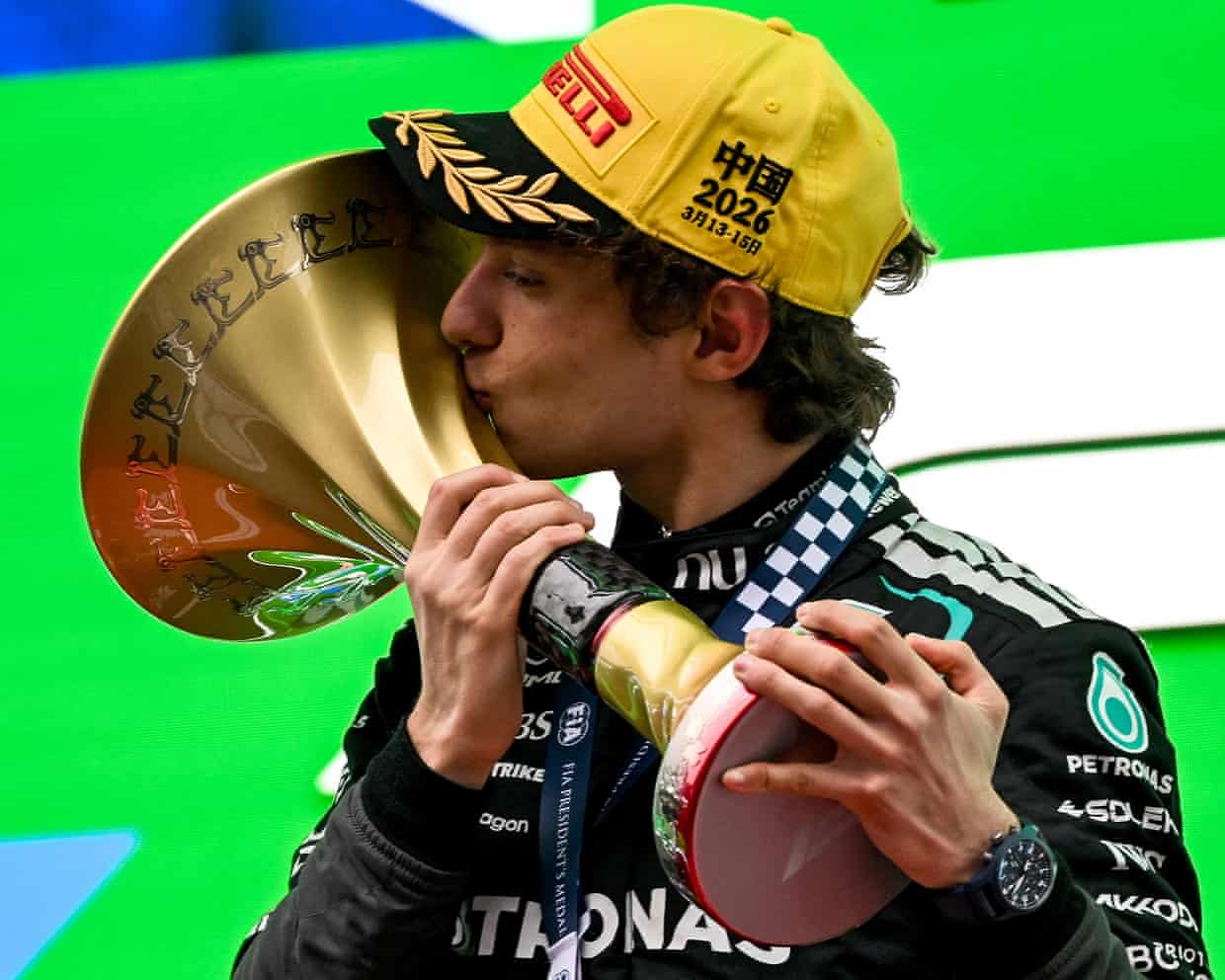
Teenage dreams so hard to beat, and what a moment when realised for Kimi Antonelli as he took his first Formula One victory at the Chinese Grand Prix.There were tears from the 19-year-old who delivered on his enormous promise in Shanghai, but behind them no little steel as the Mercedes driver demonstrated he is in the world championship fight.“Thank you so much to my team because they have helped me to achieve this dream,” said Antonelli, who was heartily congratulated by a driver eager to remind the sport that his career is far from over yet, having made his debut when Antonelli was not even 12 months old.That was Lewis Hamilton, who claimed third place, his first podium for Ferrari after a blow-for-blow street fight with his teammate Charles Leclerc. The seven-time world champion gave notice he has lost none of his edge, nor his competitive spirit
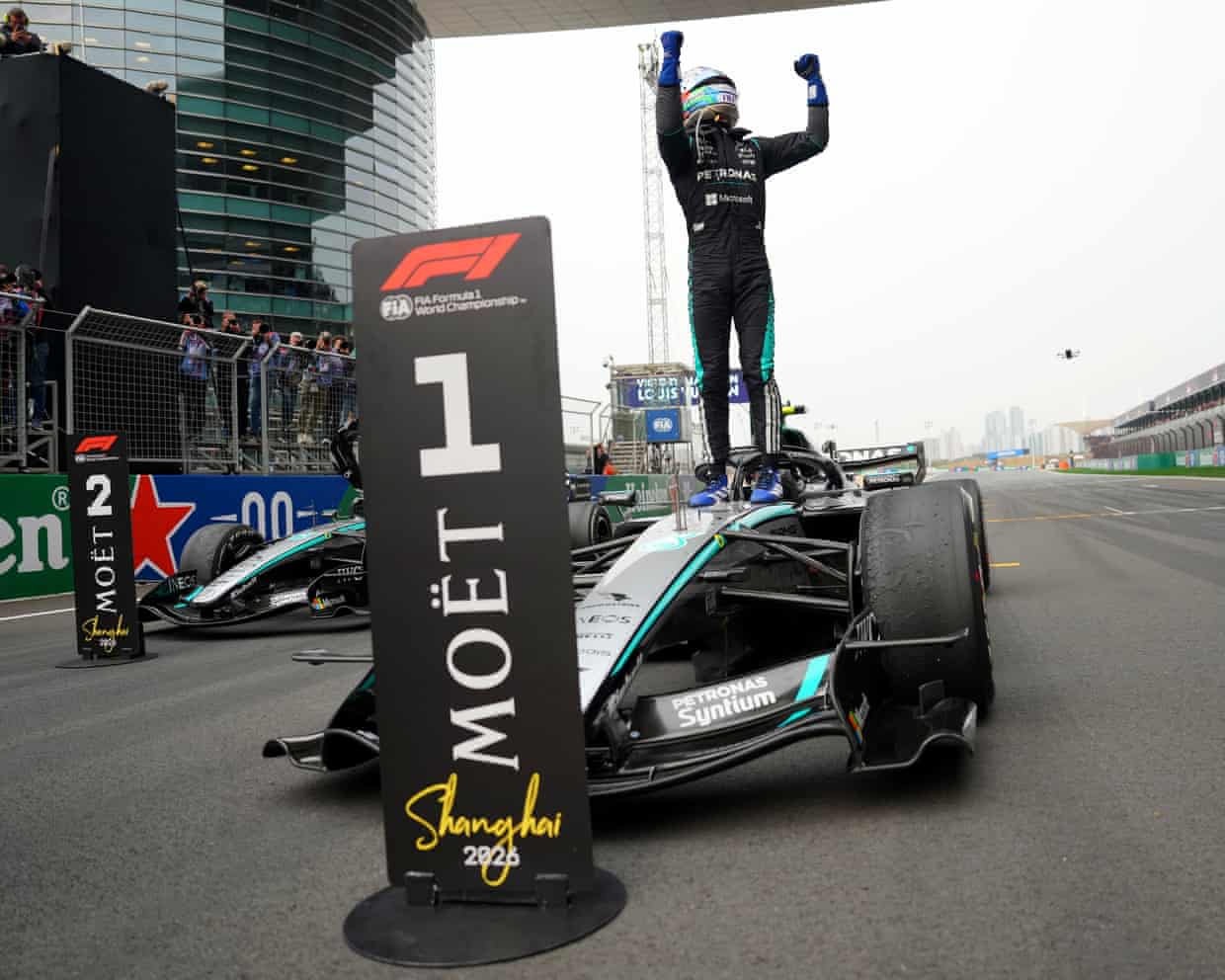
Formula One: Kimi Antonelli wins Chinese Grand Prix race updates – as it happened
And here’s Giles’s race report:But that’s about all that’s needed from me today. The championship will be back in action in a fornight’’s time in Japan, before going on something of an extended break due to the cancellation of the Bahrain and Saudi GPs.Be sure to check back for Giles Richards’ full report and wash-up!Achieving his dream 🤩🥹#F1 #ChineseGP pic.twitter.com/tya9mvcREqLewis Hamilton on the broadcast
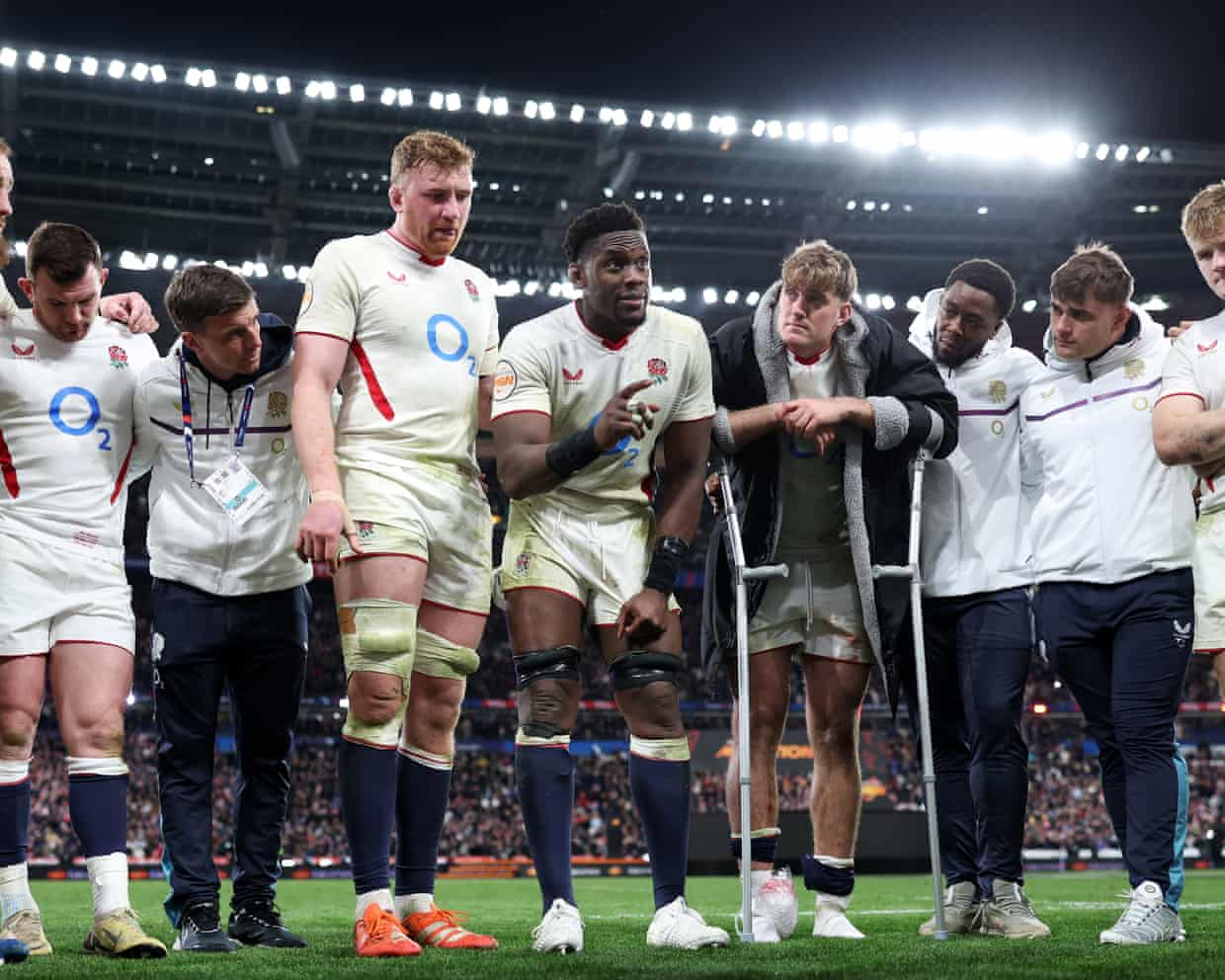
‘So close to being a special day’: Borthwick rues agony of England’s France defeat
Steve Borthwick says the pain of England’s last-gasp defeat to France can drive them on to better times despite their unsuccessful Six Nations campaign. Borthwick’s side finished second bottom of this year’s table but came agonisingly close to dashing French title hopes before losing 48-46 in one of the all-time great championship fixtures.Borthwick, who said he still believed he was “the right man to lead the team forward”, could not hide his disappointment after Thomas Ramos secured a last-gasp home victory with the final kick of an extraordinary game. “I’m really disappointed for the players and supporters … it was so close to being a special day,” he said.“We came into the tournament with high aspirations and we’re really disappointed we haven’t been able to meet those targets
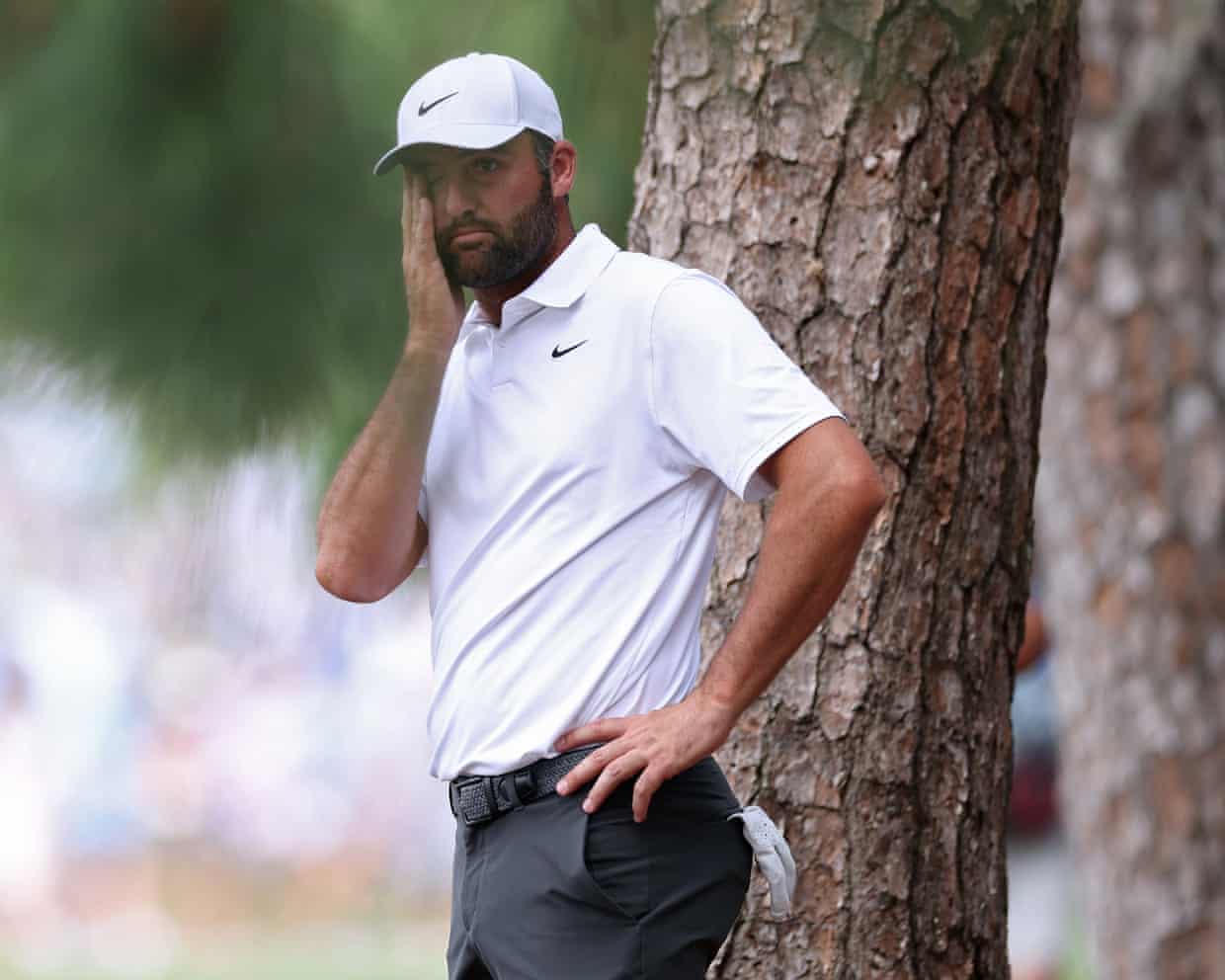
Scheffler searches for form with Masters looming as Åberg leads the way at Players
There is a robotic element to Scottie Scheffler during periods of success but observing the world No 1 in times of adversity is far more intriguing. There is more – much more – to the American than meets the eye.This is a golfer who was once reduced to tears after a Ryder Cup trouncing. While all charges were eventually dropped, the mere fact Scheffler found himself in a prison jumpsuit before a round at the 2024 US PGA was highly unusual. Last summer, he was filmed in long and histrionic discussion with his coach amid struggles at the US Open
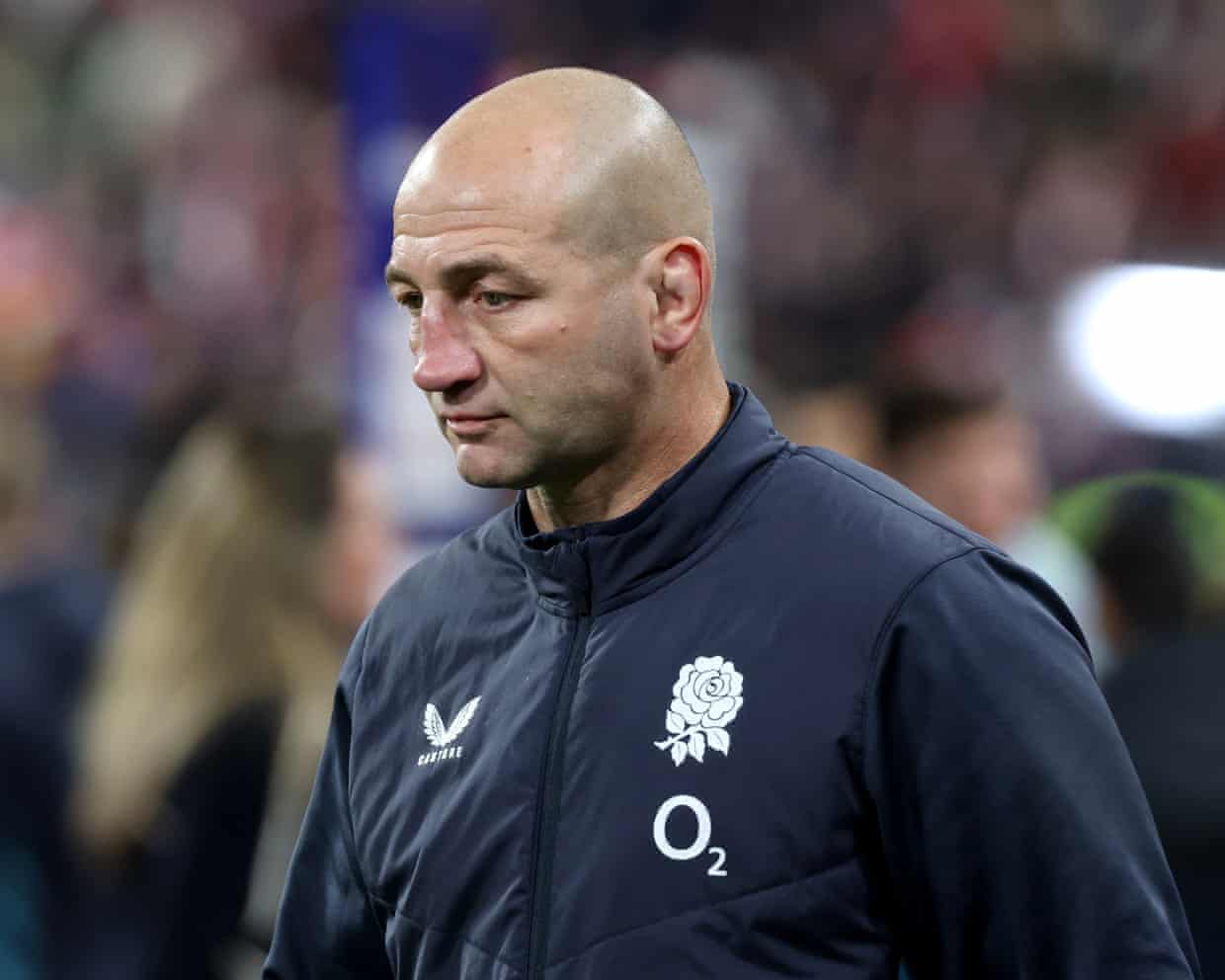
Heartbreak for England but spirited display signposts the way forward | Gerard Meagher
Just as Steve Borthwick was reaching for his coat, he finally has something to hang his hat on. The ledger records an agonising defeat but a performance brimming with positives, carried out with a swagger that must signpost the way forward if this is to be the turning point in Borthwick’s tenure. Moments of naivety, too, plenty of mistakes and a maddening feeling that leaves you questioning why they do not always play like this.Around half an hour before kick-off of this bonkers Six Nations finale, as part of an equally mind-boggling, gloriously French, pre-match show, there was a moment when two white horses cantered down the middle of the pitch, hitched up on their hind legs before galloping away in different directions down the touchline to take up residence behind each goal. The two horsemen facing each other down

Benjamina Ebuehi’s recipe for caramelised white chocolate and rhubarb cheesecake | The sweet spot

Noma chef resigns amid allegations of physical abuse of staff
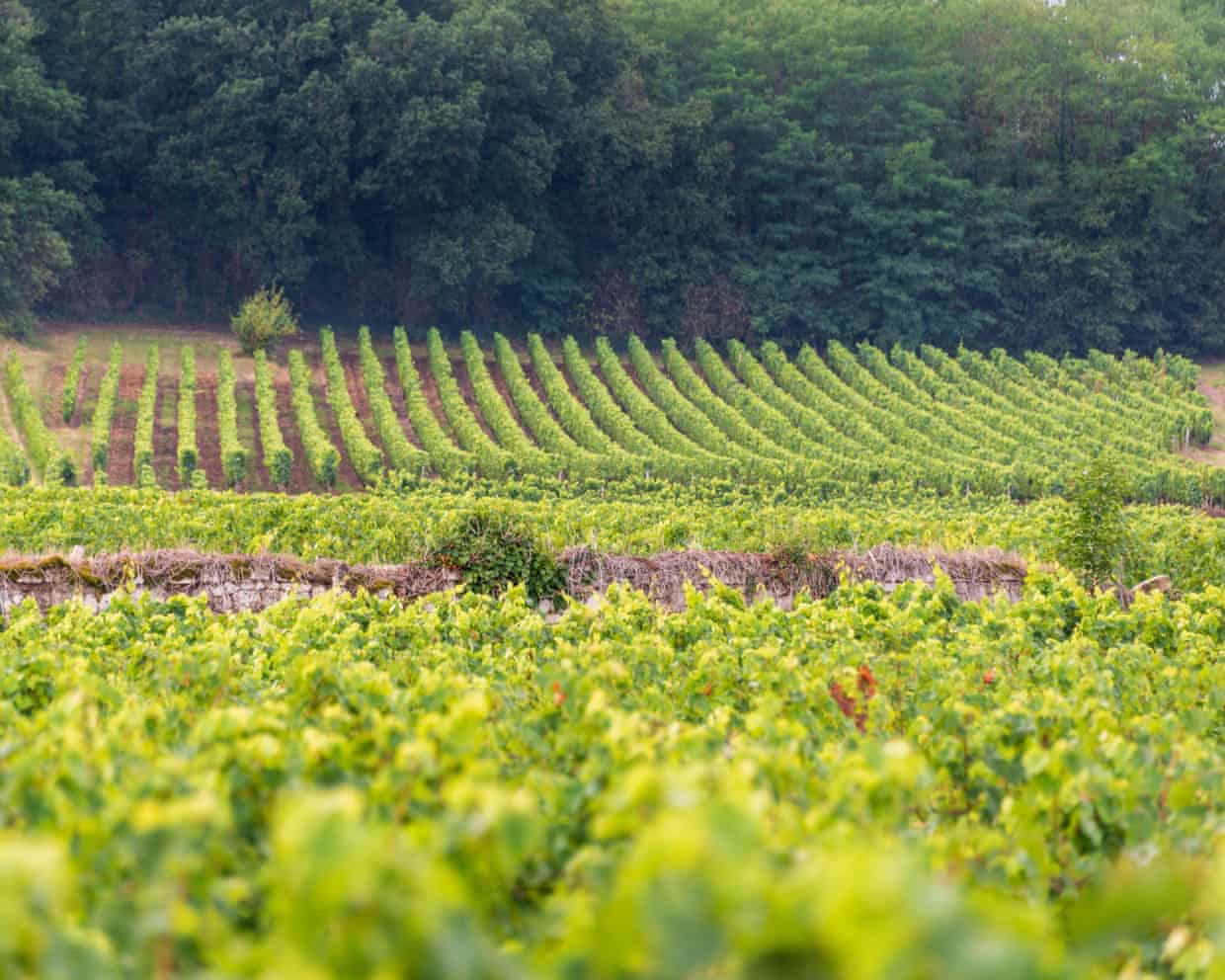
Light red wines for spring drinking
Rachel Roddy’s recipe for risotto in bianco | A kitchen in Rome
‘Highly problematic behavior’: Noma residency in LA starts with PR crisis
Before sunrise: while Sydney sleeps, suhoor meals attract a lively social scene during Ramadan