Aston Martin fear they may not be able to compete in Australian GP after practice disaster
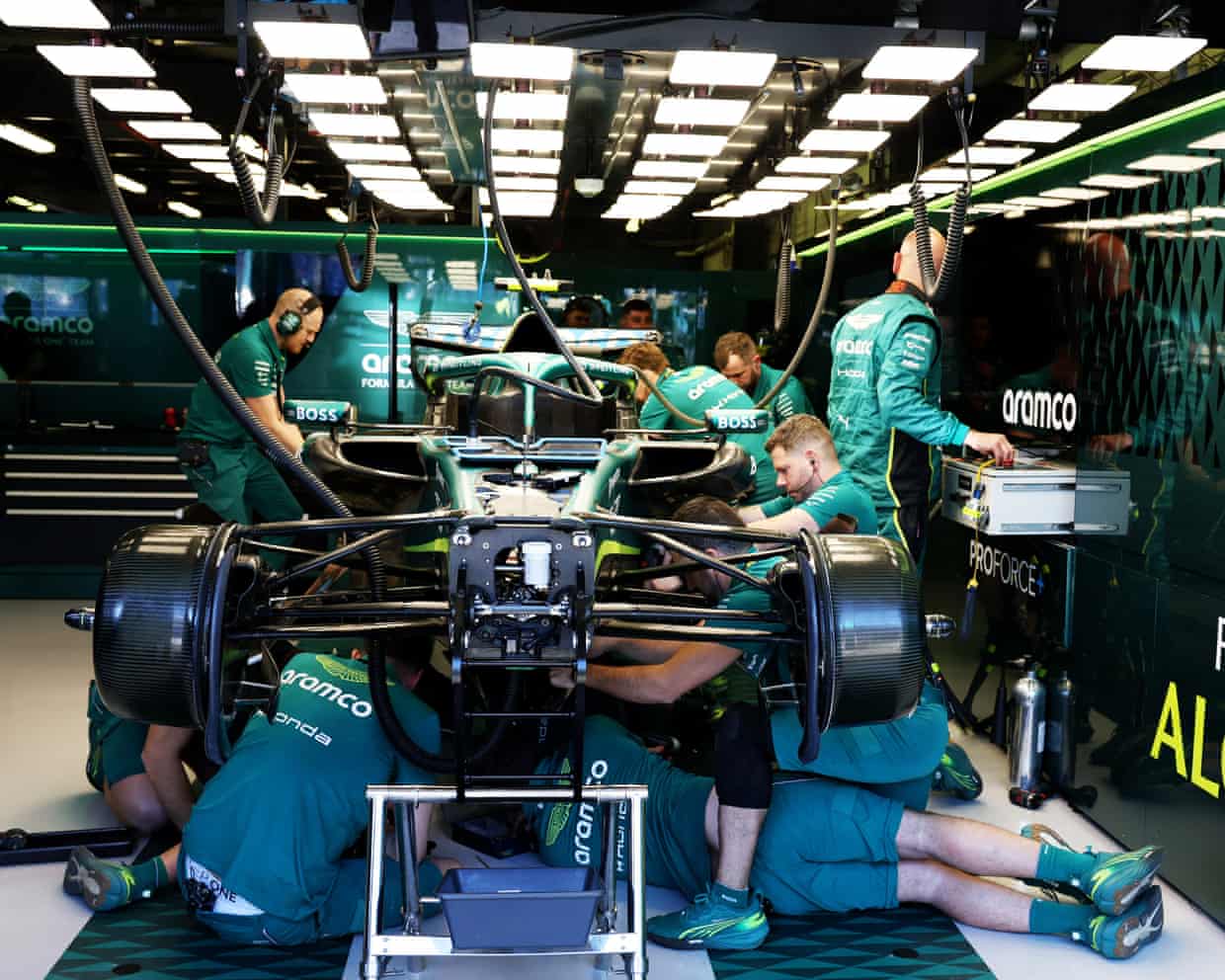
Aston Martin’s disastrous start to the new Formula One season grew even worse after free practice in Australia with the team principal, Adrian Newey, revealing there were now fears they would not be able to take part in qualifying or the race at the Albert Park circuit.On Thursday Newey had hosted an extraordinary press conference when he had admitted that a severe vibration issue with the team’s Honda engine meant that their drivers were in danger of receiving permanent nerve damage through the steering wheel.Newey said Fernando Alonso believed he could manage only 25 laps in the car and his teammate Lance Stroll only 15, both well short of half the 58-lap race distance in Melbourne.After only one practice session in Melbourne Newey conceded that it might yet be a moot point as the team were down to their last two battery units for their hybrid engines and if they had any issues there were no further replacements.“The critical point is the number of batteries,” he said.
“We came here with four batteries.We’ve had conditioning problems or communication problems with two of those batteries, which means we’ve, as we sit here today, only got two operational batteries.“That, given our kind of rate of battery damage, is quite a scary place to be in.Obviously we’re hopeful that we can get through the weekend and start two cars and so on and so forth, but it’s, it’s very difficult to be concrete at the moment about that.”The relationship with Honda appears to have already been stretched to breaking point as Newey also disconsolately admitted the engine manufacturer had no other battery units, when asked if more could be flown in.
“Unfortunately not, there aren’t any,” he said.The woe for Aston Martin had begun from the off in first practice, when Fernando Alonso was unable to even take to the track because of the battery issue and his teammate Lance Stroll completed only three laps before he too retired the car, with the same problem.In the second session they at least managed to reach the full hour with both batteries intact, albeit only completing limited runs, five seconds off the pace and with Stroll brought in with an unidentified problem.Newey admitted on Friday there would be no quick fix to the vibration issue that has stymied their start to the season suggesting it could well be many meetings before their car might even able to complete a race distance.He also somewhat surprisingly revealed that Aston Martin had been unaware of the make-up of the Honda engine team when they agreed a works deal with the manufacturer.
Honda had pulled out of F1 in 2021 at which point they had successfully delivered a championship-winning engine to Red Bull with which Max Verstappen would go on to win the title.The marque then re-entered at the end of 2022 but the original group had been disbanded and many of the new team assembled for the Aston Martin project were new to F1.“We weren’t [aware of that],” said Newey.“We only really became aware of it kind of November of last year when we, Lawrence [Stroll, Aston Martin owner], Andy Cowell and myself went to Tokyo to discuss rumours starting to suggest that their original target power they wouldn’t achieve for race one and out of that came the fact that many of the original workforce had not returned when they restarted.”On track in Melbourne the true pecking order remained unclear, as the teams built toward Saturday’s qualifying.
The Ferraris of Charles Leclerc and Lewis Hamilton topped the timesheets in first practice, from Red Bull’s Max Verstappen and Isack Hadjar with George Russell and Kimi Antonelli in seventh and eighth for Mercedes.While in the afternoon, local hero Oscar Piastri was quickest for McLaren in front of Antonelli, Russell, Hamilton, Leclerc and Verstappen.
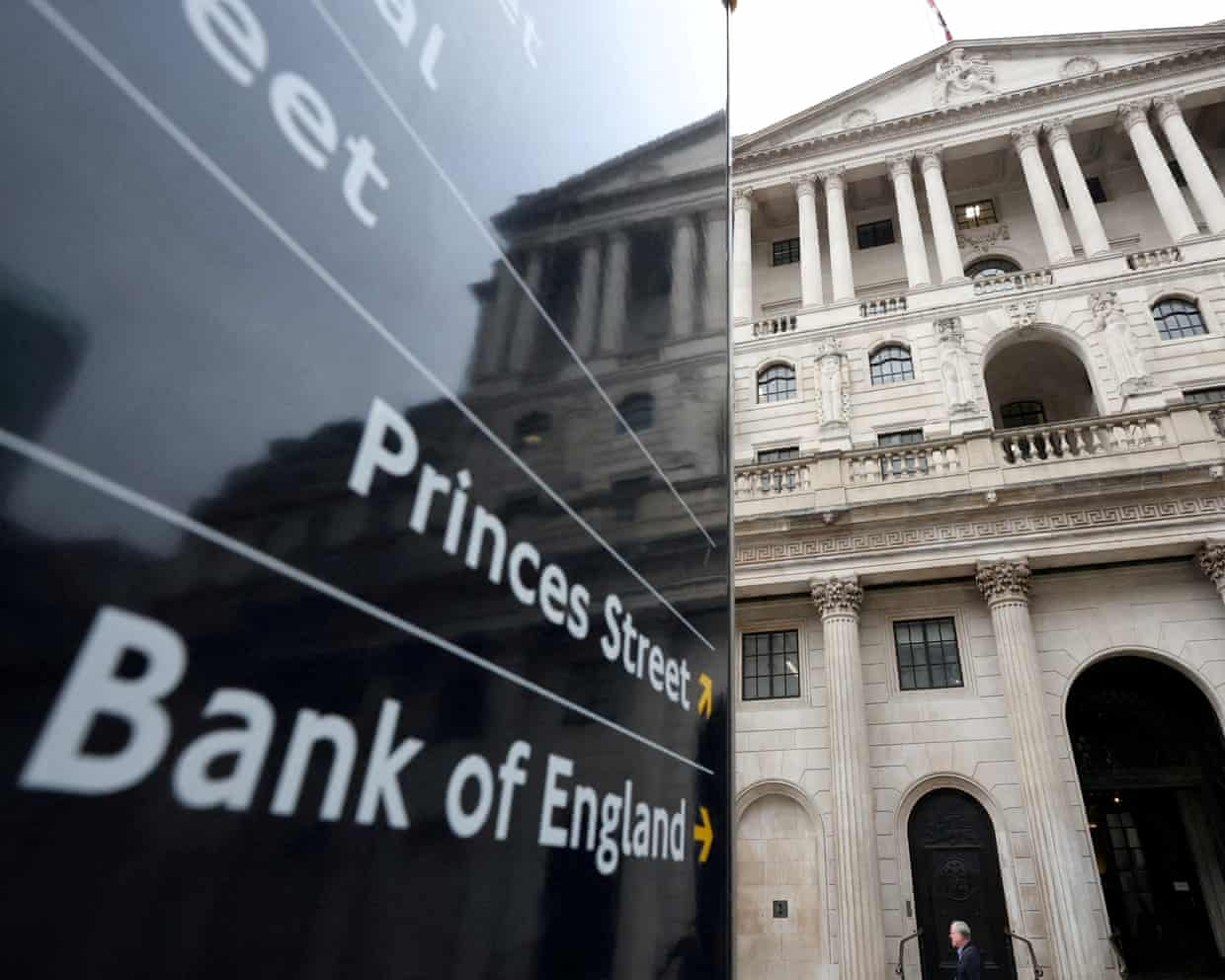
Slower UK interest rate cuts likely as some mortgage providers hike rates; oil and gas prices rising again – as it happened
The travel disruption, the higher oil price and the fall in the euro caused by the Iran war has prompted low-cost airline Wizz Air to issue a profits warning.Wizz Air warned investors last night that it believes the current crisis in the Middle East will wipe €50m off its profits this financial years.Wizz had previously predicted that earnings would fall within a profit of €25m to a loss of €25m, so today’s warning means it expects a loss for the year.The company told the City:double quotation markIn terms of the expected impact, approximately one third is a result of the cessation of certain scheduled services to the Middle East, with the remainder from the adverse movement in macroeconomic factors as a result of the Iran conflict.Our assessment of the impact of these macroeconomic factors is based on jet fuel and US$/€ rates as of today, and assumes that these rates will remain at current levels for rest of Fiscal Year 2026

Emma Walmsley’s pay rose almost 50% to £15.6m in final year as GSK boss
GSK awarded Emma Walmsley a near-50% pay rise to £15.6m in her final year as chief executive of Britain’s second-biggest drugmaker.Walmsley, who led the FTSE 100 company from 2017 and handed over to Luke Miels at the start of this year, was paid a salary of £1.4m in 2025, slightly higher than the previous year, while her annual bonus rose to £3.5m, up from £2
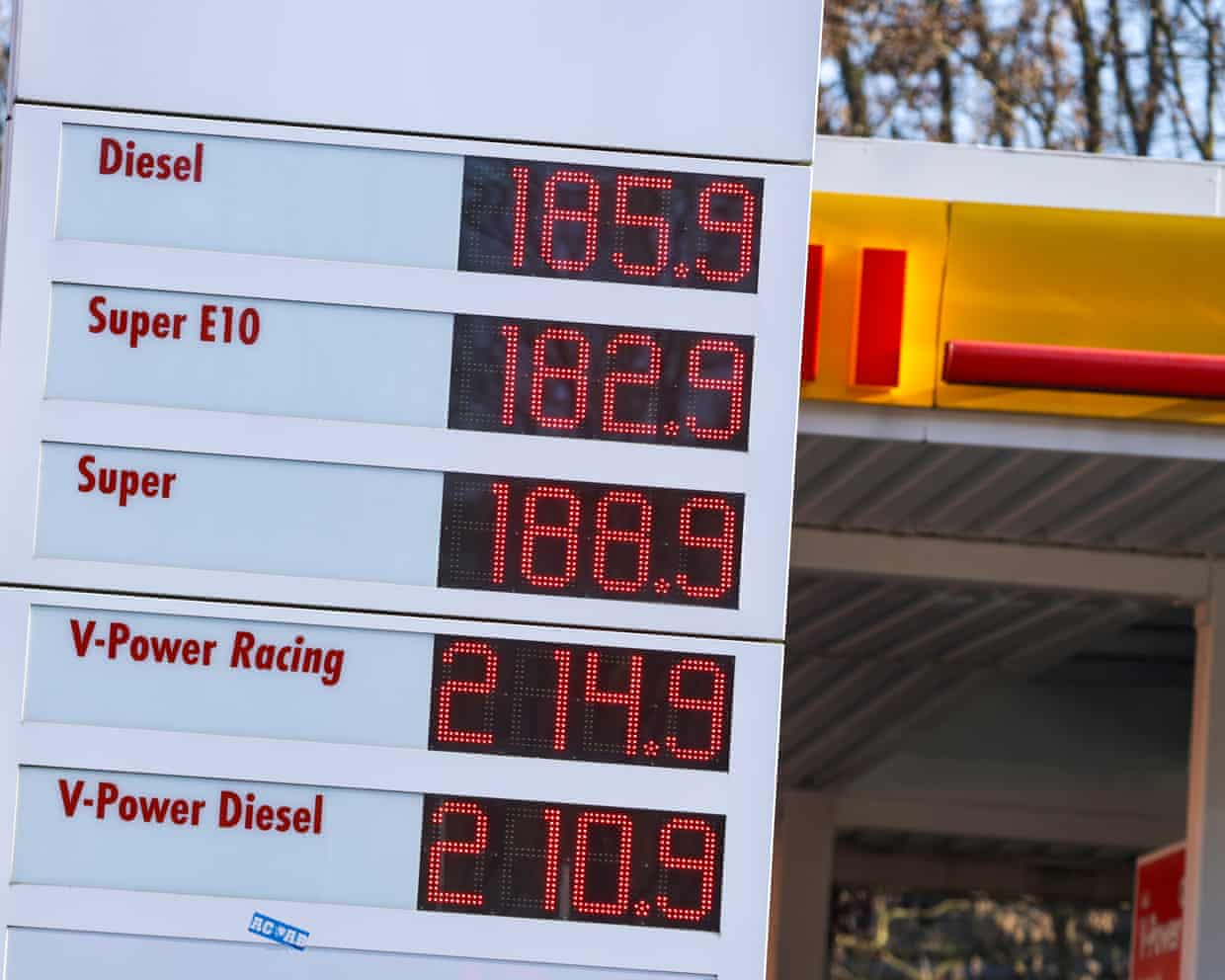
Oil price continues to rise amid Middle East crisis but stock markets rebound across Asia
Stock markets have rebounded in Asia after days of heavy losses driven by the war in the Middle East, but oil and gas prices have continued to climb amid disruption to supplies.South Korea’s KOSPI, which posted its biggest ever fall on Tuesday of 12%, rose by almost 10% on Thursday, while Japan’s Nikkei climbed by 1.9%. MSCI’s Asia-Pacific index excluding Japan jumped by 2.7%

South East Water fined £22.5m for ‘repeated supply failures’ in Kent and Sussex
South East Water has been fined £22.5m by Ofwat for repeated supply failures in Kent and Sussex between 2020 and 2023 that affected more than 280,000 people.While the root cause of the water shortages was extreme weather, the water regulator for England and Wales found that they were “in part attributable to and/or exacerbated by failures by South East Water itself to develop and maintain an efficient water supply system”.This has affected 286,645 customers since 2020, with some customers being affected repeatedly, Ofwat said in its enforcement order proposal.In January, Ofwat began a separate investigation into a series of outages before Christmas that left tens of thousands of residents in Kent and Sussex without water for up to a week, many of them in Tunbridge Wells

Australian petrol retailers accused of price gouging over rising fuel costs amid Iran war
Sydney motorists are paying up to 25 cents more for a litre of petrol now than they were before the start of the US-Israel war on Iran, as motoring groups accuse retailers of using the conflict as an excuse to gouge their customers.After Jim Chalmers instructed the Australian Competition and Consumer Commission to keep an eye out for profiteering behaviour, a spokesperson for the watchdog said it had “observed average retail regular unleaded petrol prices in several cities moving higher over the last few days”.Motoring groups NRMA and RACQ have already accused retailers of price gouging, amid reports of long queues at some service stations as motorists rush to fill up before the surge in global crude oil prices feeds through to the bowser.It comes as Australians face the prospect of another interest rate hike, with Reserve Bank governor Michelle bullock warning there was a “live” chance of an increase this month as the global oil price spike adds to already high inflation.The roughly 15% jump in global oil prices since the start of the US-Israeli missile strikes should take seven to 10 days to begin to be reflected in the cost of fuel at Australian service stations, according to industry estimates
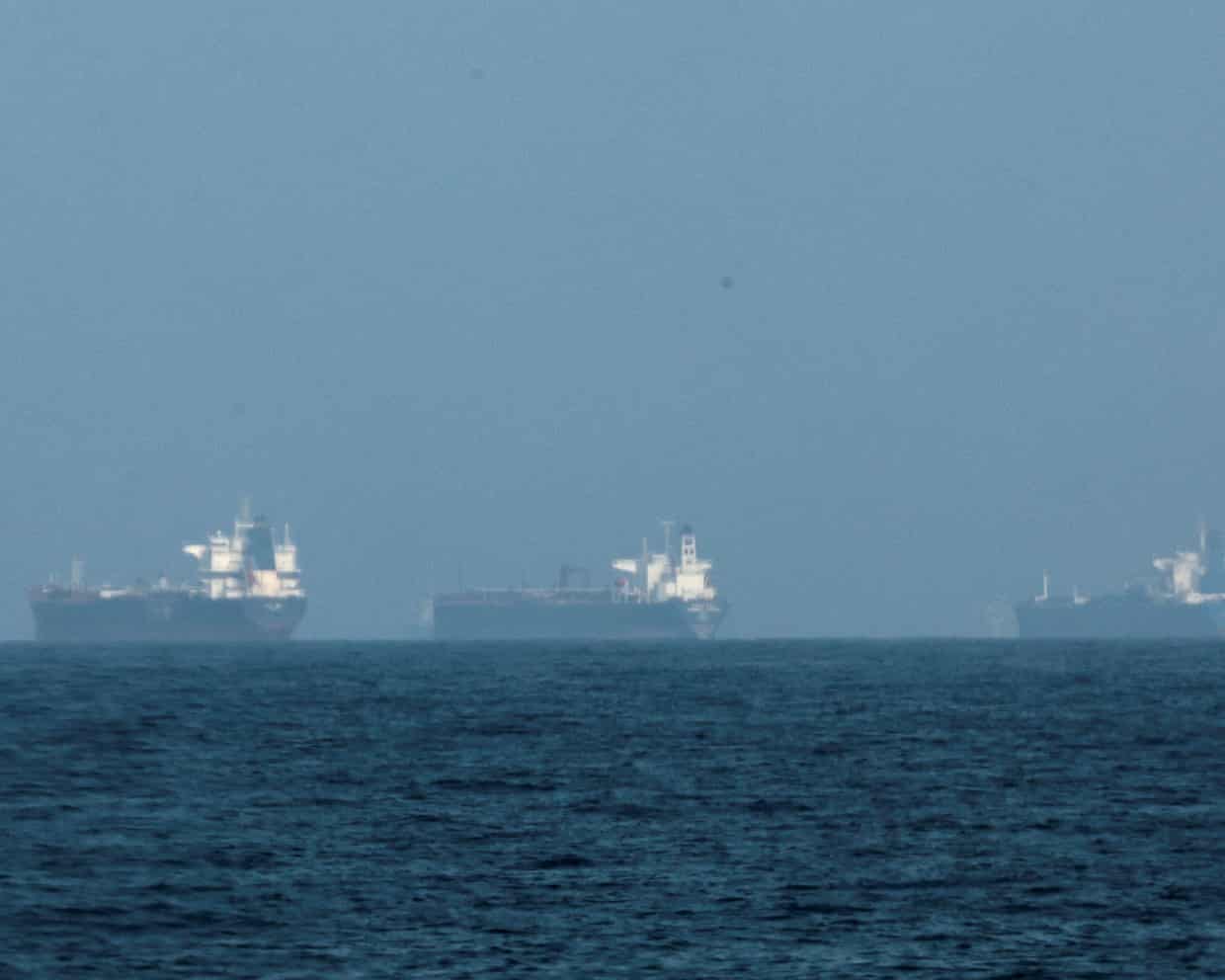
‘A big burden for farmers’: Gulf shipping crisis threatens food price shock
The global fertiliser supply chain could face significant disruption if the effective closure by Iran of the strait of Hormuz persists, prompting concerns from analysts about crop production and food security.Passage through the waterway, located off Iran’s southern coast, has mostly stopped since the US and Israel launched their attacks at the weekend.Between a quarter and a third of the global trade in the raw materials for fertiliser passes through the strait, as well as a fifth of seaborne crude oil and gas.The de facto closure of the strait is affecting the transport of ammonia and nitrogen, which are key ingredients in many synthetic fertiliser products.Roughly half of global food production depends on synthetic nitrogen and crop yields would fall without fertiliser

UK government ‘effectively allowed’ child sexual abuse, campaigners say
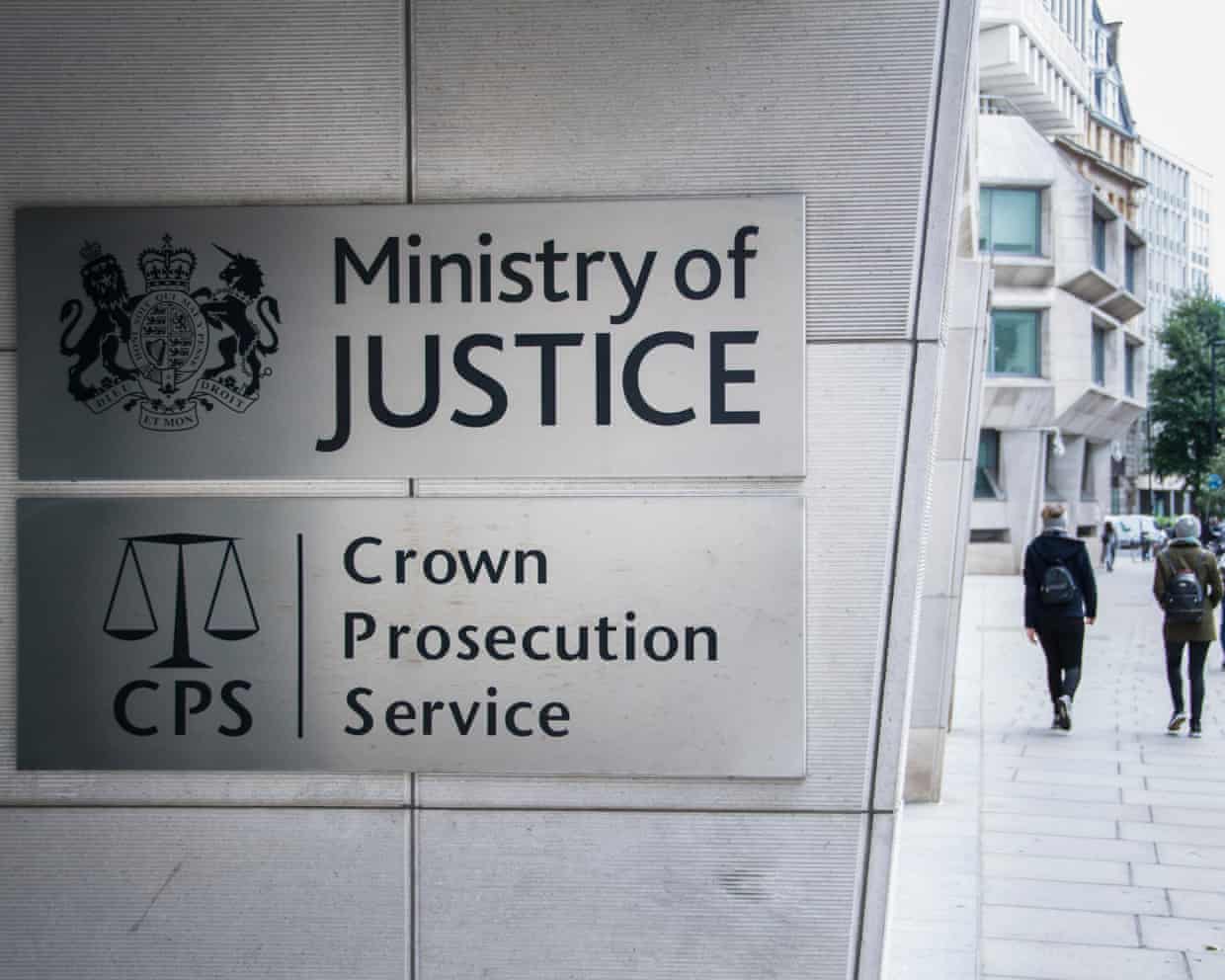
Circumcision classed as potentially harmful practice in new CPS guidance

Binge drinking rises sharply among gen Z in their early 20s

Scientists laud potentially life-changing drug for children with resistant form of epilepsy

Maternity services need investment in people and training, not another review | Letters

Head of carer’s allowance inquiry blames DWP ‘resistance’ for failure to fix crisis