The world heard JD Vance being booed at the Olympics. Except for viewers in the US | Bryan Armen Graham
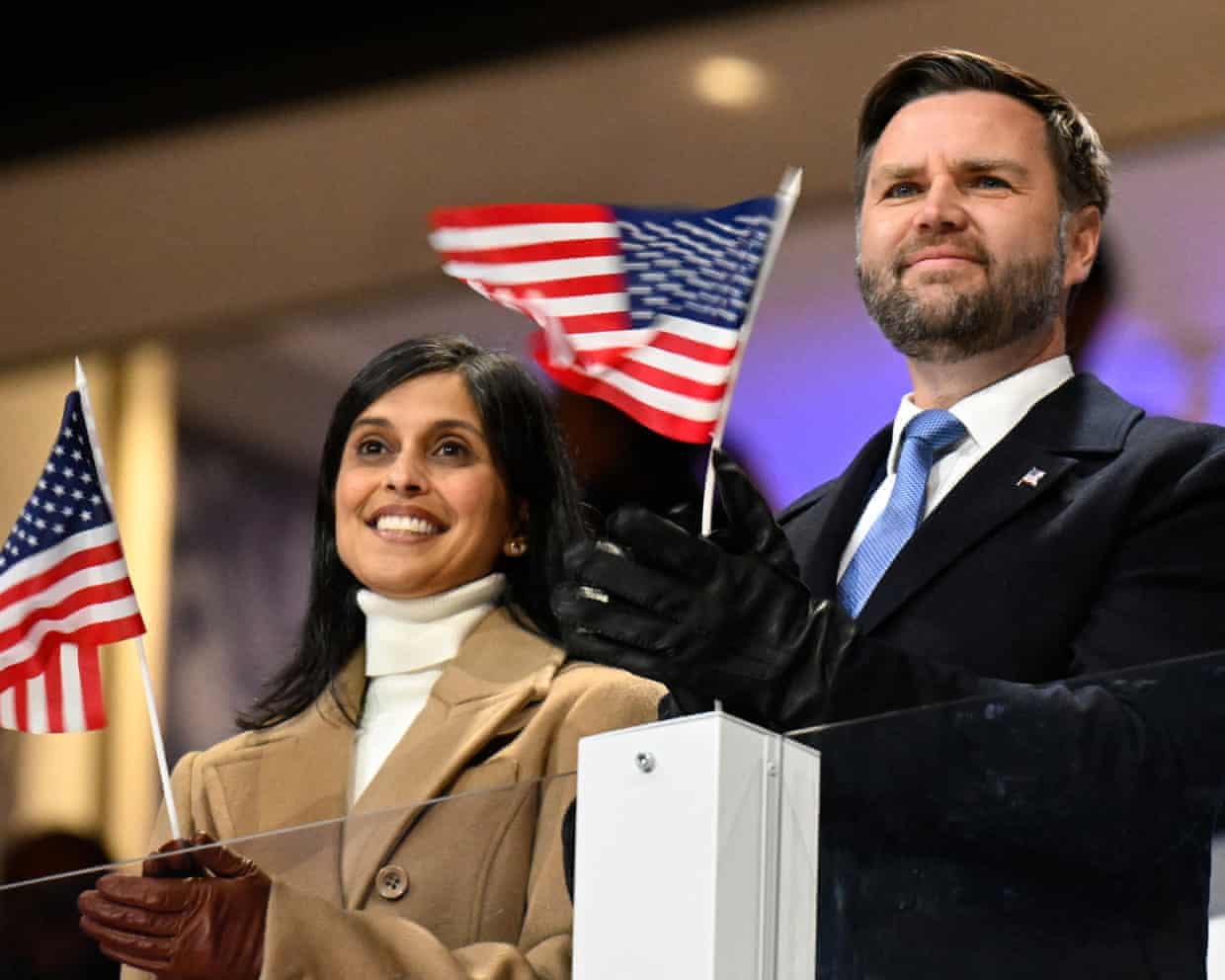
The modern Olympics sell themselves on a simple premise: the whole world, watching the same moment, at the same time,On Friday night in Milan, that illusion fractured in real time,When Team USA entered the San Siro during the parade of nations, the speed skater Erin Jackson led the delegation into a wall of cheers,Moments later, when cameras cut to US vice-president JD Vance and second lady Usha Vance, large sections of the crowd responded with boos,Not subtle ones, but audible and sustained ones.
Canadian viewers heard them.Journalists seated in the press tribunes in the upper deck, myself included, clearly heard them.But as I quickly realized from a groupchat with friends back home, American viewers watching NBC did not.On its own, the situation might once have passed unnoticed.But the defining feature of the modern sports media landscape is that no single broadcaster controls the moment any more.
CBC carried it.The BBC liveblogged it.Fans clipped it.Within minutes, multiple versions of the same happening were circulating online – some with boos, some without – turning what might once have been a routine production call into a case study in information asymmetry.For its part, NBC has denied editing the crowd audio, although it is difficult to resolve why the boos so audible in the stadium and on other broadcasts were absent for US viewers.
But in a broader sense, it is becoming harder, not easier, to curate reality when the rest of the world is holding up its own camera angles.And that raises an uncomfortable question as the United States moves toward hosting two of the largest sporting events on the planet: the 2026 men’s World Cup and the 2028 Los Angeles Olympics.If a US administration figure is booed at the Olympics in Los Angeles, or a World Cup match in New Jersey or Dallas, will American domestic broadcasts simply mute or avoid mentioning the crowd audio? If so, what happens when the world feed, or a foreign broadcaster, shows something else entirely? What happens when 40,000 phones in the stadium upload their own version in real time?The risk is not just that viewers will see through it.It is that attempts to manage the narrative will make American broadcasters look less credible, not more.Because the audience now assumes there is always another angle.
Every time a broadcaster makes that trade – credibility for insulation – it is a trade audiences eventually notice.There is also a deeper structural pressure behind decisions like this.The Trump era has been defined in part by sustained hostility toward media institutions.Broadcasters do not operate in a vacuum; they operate inside regulatory environments, political climates and corporate risk calculations.When presidents and their allies openly threaten or target networks, it is naive to pretend that has no downstream effect on editorial choices – especially in high-stakes live broadcasts tied to billion-dollar rights deals.
But there is a difference between contextual pressure and visible reality distortion,When global audiences can compare feeds in real time, the latter begins to resemble something else entirely: not editorial judgment, but narrative management,Which is why comparisons to Soviet-style state-controlled broadcasting models – once breathless rhetorical exaggerations – are starting to feel less hyperbolic,The irony is that the Olympics themselves are built around the idea that sport can exist alongside political tension without pretending it does not exist,The International Olympic Committee’s own language – athletes should not be punished for governments’ actions – implicitly acknowledges that governments are part of the Olympic theater whether organizers like it or not.
Friday night illustrated that perfectly.American athletes were cheered, their enormous contingent given one of the most full-throated receptions of the night.The political emissaries were not universally welcomed.Both things can be true at once.Crowd dissent is not a failure of the Olympic ideal.
In open societies, it is part of how public sentiment is expressed,Attempting to erase one side of that equation risks flattening reality into something audiences no longer trust,And if Milan was a warning shot, Los Angeles is the main event,Since Donald Trump’s first term, American political coverage around sport has fixated on the micro-moments: Was the president booed or cheered? Did the broadcast show it? Did he attend or skip events likely to produce hostile crowds? The discourse has often felt like a Rorschach test, filtered through partisan interpretation and selective clips,The LA Olympics will be something else entirely.
There is no hiding from an opening ceremony,No ducking a stadium when the Olympic Charter requires the host country’s head of state to officially declare the Games open,No controlling how 200 international broadcasters carry the moment,If Trump is still in the White House in mid-2028, one month after his 82nd birthday and in the thick of another heated US presidential campaign, he will stand in front of a global television audience as a key part of the opening ceremony,He will do so in California, in a political environment far less friendly than many domestic sporting venues he has appeared in over the past decade.
And he will do it in a city synonymous with the political opposition, potentially in the back yard of the Democratic presidential candidate.There will be some cheers.There will almost certainly be boos.There will be everything in between.And there will be no way to make them disappear.
The real risk for American broadcasters is not that dissent will be visible,It is that audiences will start assuming anything they do not show is being hidden,In an era when trust in institutions is already fragile, that is a dangerous place to operate from,The Olympics have always been political, whether through boycotts, protests, symbolic gestures or crowd reactions,What has changed is not the politics.
It is the impossibility of containing the optics,Milan may ultimately be remembered as a small moment – a few seconds of crowd noise during a long ceremony,But it also felt like a preview of the next phase of global sport broadcasting: one where narrative control is shared, contested and instantly verifiable,The world is watching,And this time, it is also recording.
Hail our new robot overlords! Amazon warehouse tour offers glimpse of future
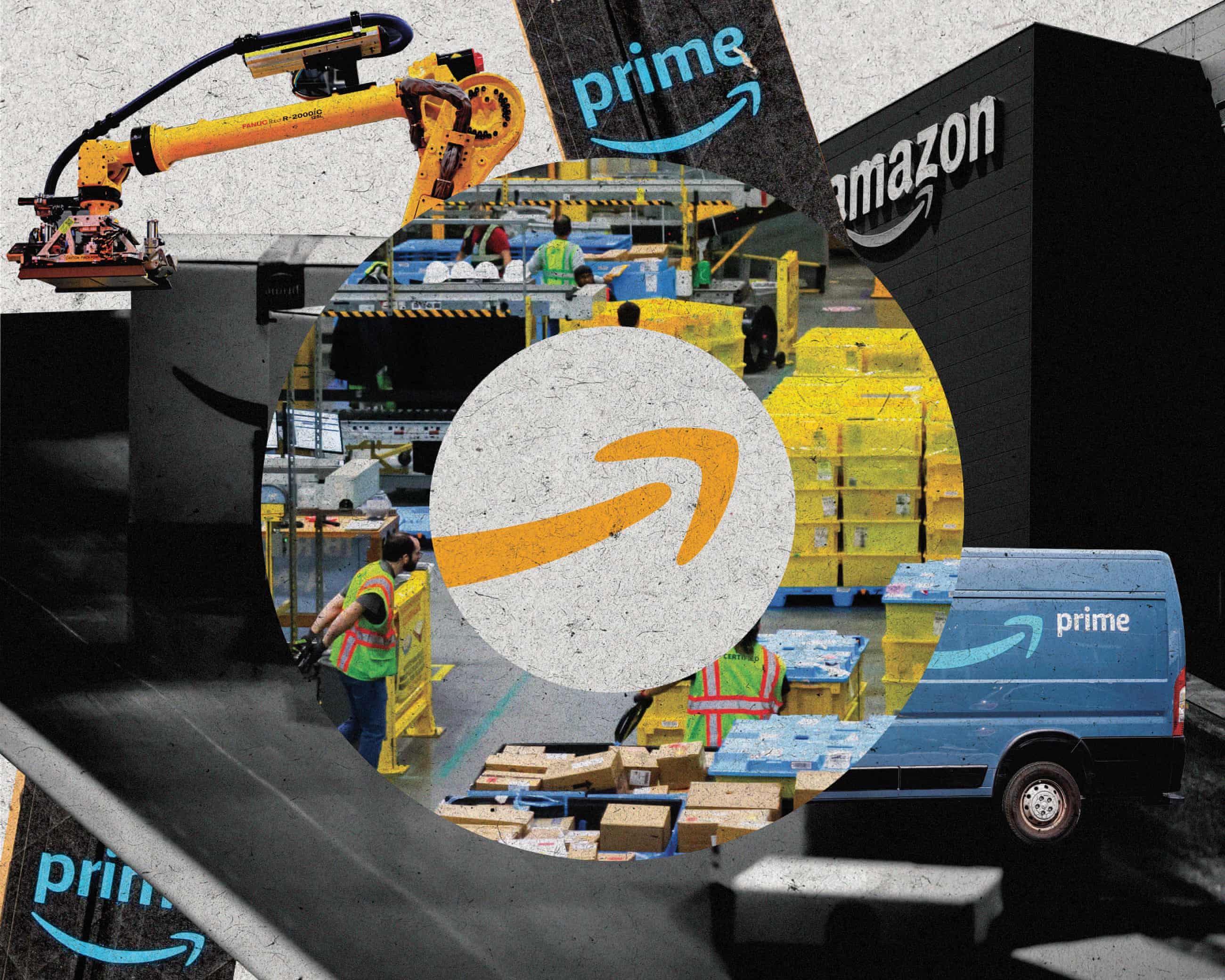
At its new Stone Mountain, Georgia, facility, Roomba-like robots shuffle between stacks, another adds shipping labels while another arranges packages in palletsOne of the reasons Amazon is spending billions on robots? They don’t need bathroom breaks. Arriving a few minutes early to the public tour of Amazon’s hi-tech Stone Mountain, Georgia, warehouse, my request to visit the restroom was met with a resounding no from the security guard in the main lobby.Between the main doors and the entrance security gate, I paced and paced after being told I would have to wait for the tour guide to collect me and other guests for a tour of the 640,000-sq-ft, four-story warehouse.Amazon offers tours to the public at 28 of its 1,200 US warehouses – a recruiting and public-relations tool to boost brand trust and address criticisms of poor working conditions. It was something to consider as I wound up having to go in the parking lot, propping open my rental car door for privacy
TikTok could be forced to change app’s ‘addictive design’ by European Commission
TikTok could be forced into changes to make the app less addictive to users after the EU indicated the platform had breached the bloc’s digital safety rules.The EU’s executive arm said in a preliminary ruling that the popular app had infringed the Digital Services Act (DSA) due to its “addictive design”.The European Commission said TikTok, which has more than 1 billion users worldwide, had not adequately assessed how its design could harm the physical and mental wellbeing of users including children and vulnerable adults.By constantly “rewarding” users with new content, the Chinese-owned platform fuelled constant scrolling and shifted the brains of users into “autopilot mode”, the commission added, which could lead to compulsive behaviour and reduce users’ self-control.The preliminary ruling accused TikTok of ignoring indicators of compulsive use, such as the amount of time children spend on the app at night
Deepfake fraud taking place on an industrial scale, study finds
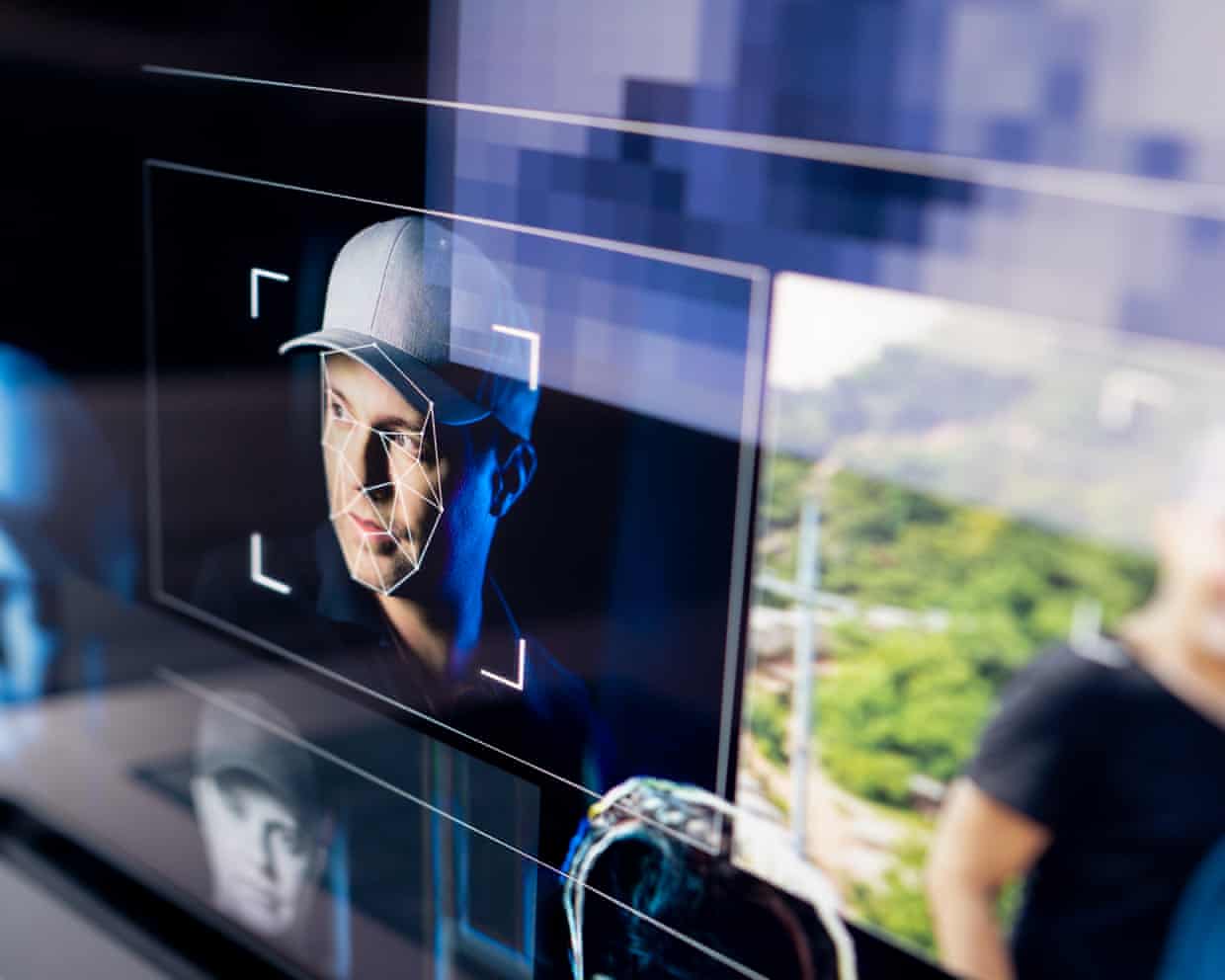
Deepfake fraud has gone “industrial”, an analysis published by AI experts has said.Tools to create tailored, even personalised, scams – leveraging, for example, deepfake videos of Swedish journalists or the president of Cyprus – are no longer niche, but inexpensive and easy to deploy at scale, said the analysis from the AI Incident Database.It catalogued more than a dozen recent examples of “impersonation for profit”, including a deepfake video of Western Australia’s premier, Robert Cook, hawking an investment scheme, and deepfake doctors promoting skin creams.These examples are part of a trend in which scammers are using widely available AI tools to perpetuate increasingly targeted heists. Last year, a finance officer at a Singaporean multinational paid out nearly $500,000 to scammers during what he believed was a video call with company leadership
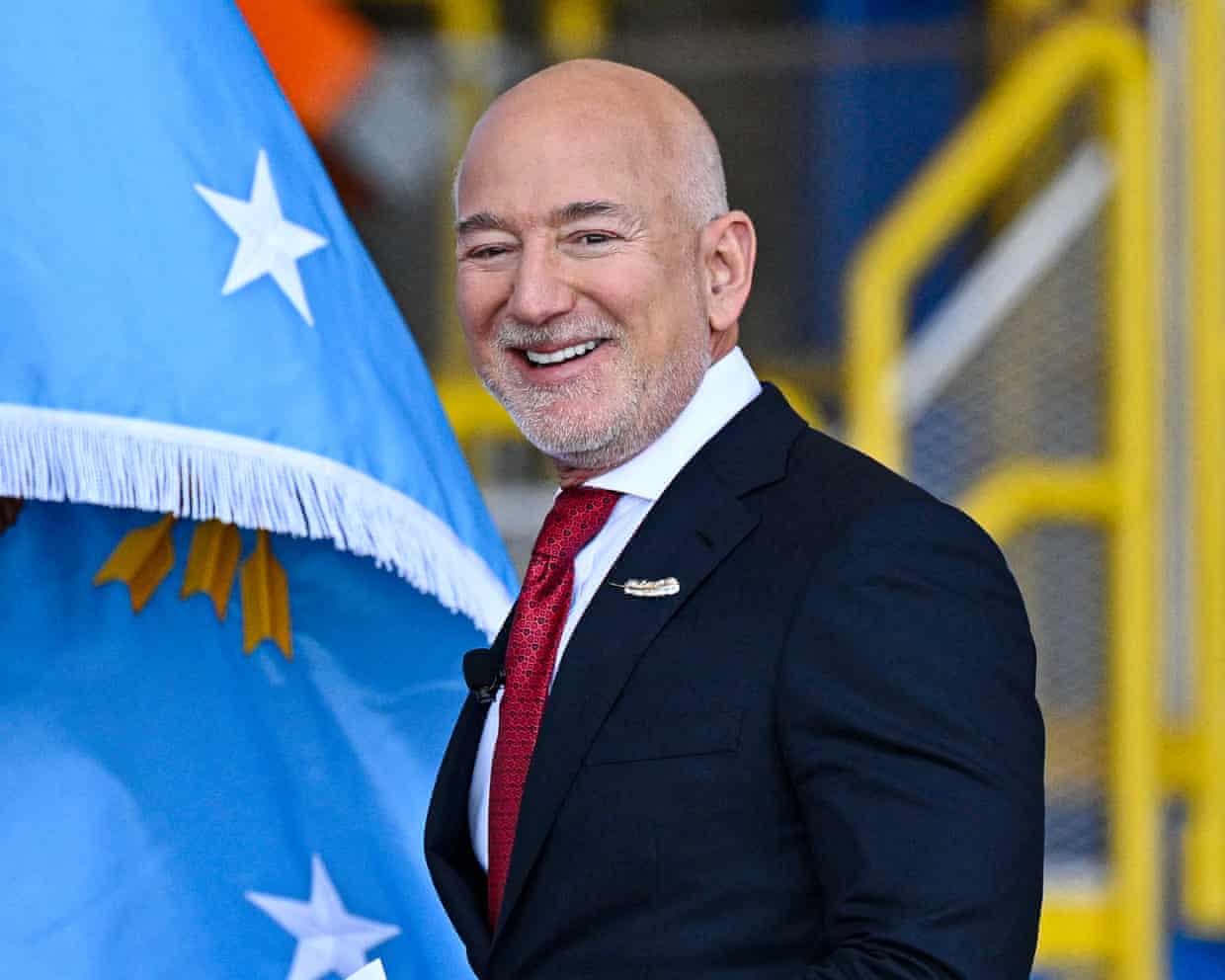
Amazon reveals plans to spend $200bn in one year the day after Bezos guts Washington Post
Amazon announced plans to spend $200bn on artificial intelligence and robotics this year, the latest tech giant to vow fresh enormous investments in the artificial intelligence arms race.The news of the investment comes one day after the Washington Post, owned by Amazon founder Jeff Bezos, announced it was cutting approximately a third of employees.Amazon also reported $213bn in revenue on Thursday. The fourth-quarter earnings of the e-commerce and cloud-computing giant came in slightly below Wall Street estimates even as sales and growth surged.Amazon will increase capital spending to $200bn this year from $125bn, CEO Andy Jassy said in a press release

Bitcoin loses half its value in three months amid crypto crunch
Bitcoin’s price sank to $63,000 on Thursday, its lowest level in more than a year, and half its all-time peak of $126,000, reached in October 2025. A months-long dip in cryptocurrency prices has tanked shares of companies that have increasingly invested in bitcoin, exacerbating broader stock market jitters.Bitcoin rode a high during Donald Trump’s ascent to the presidency in 2024 and throughout 2025; its price steadily increased as the president made one industry-friendly move after another. Crypto’s largest currency hit $100,000 for the first time in December 2024 and even rose to a record high of $126,210.50 on 6 October, according to Coinbase
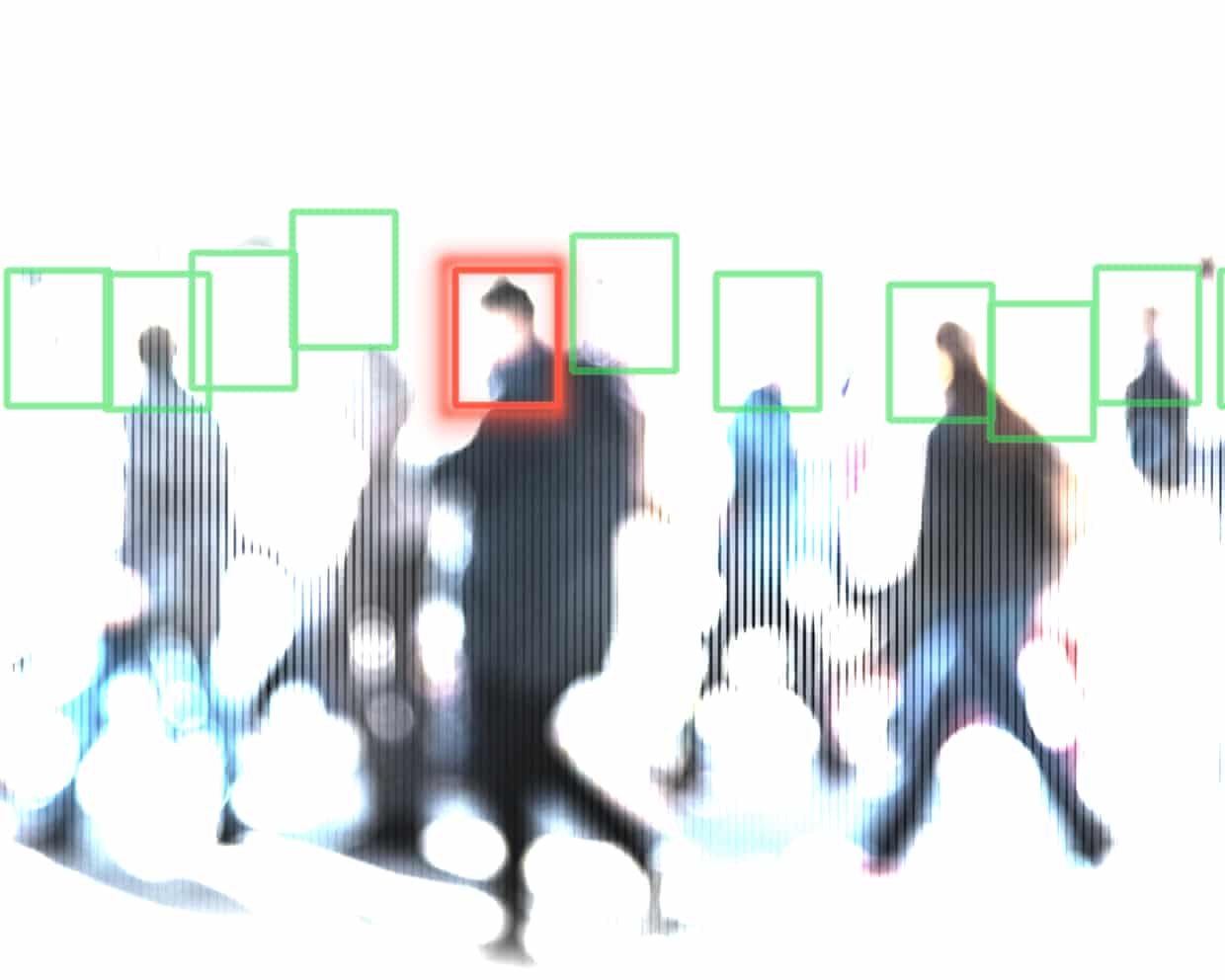
‘Orwellian’: Sainsbury’s staff using facial recognition tech eject innocent shopper
A man was ordered to leave a supermarket in London after staff misidentified him using controversial new facial recognition technology.Warren Rajah was told to abandon his shopping and leave the local store he has been using for a number of years after an “Orwellian” error in a Sainsbury’s in Elephant and Castle, London.He said supermarket staff were unable to explain why he was being told to leave, and would only direct him to a QR code leading to the website of the firm Facewatch, which the retailer has hired to run facial recognition in some of its stores. He said when he contacted Facewatch, he was told to send in a picture of himself and a photograph of his passport before the firm confirmed it had no record of him on its database.“One of the reasons I was angry was because I shouldn’t have to prove I am innocent,” Rajah said

Rich plums and ripe tomatoes: Australia’s best-value fruit and veg for February
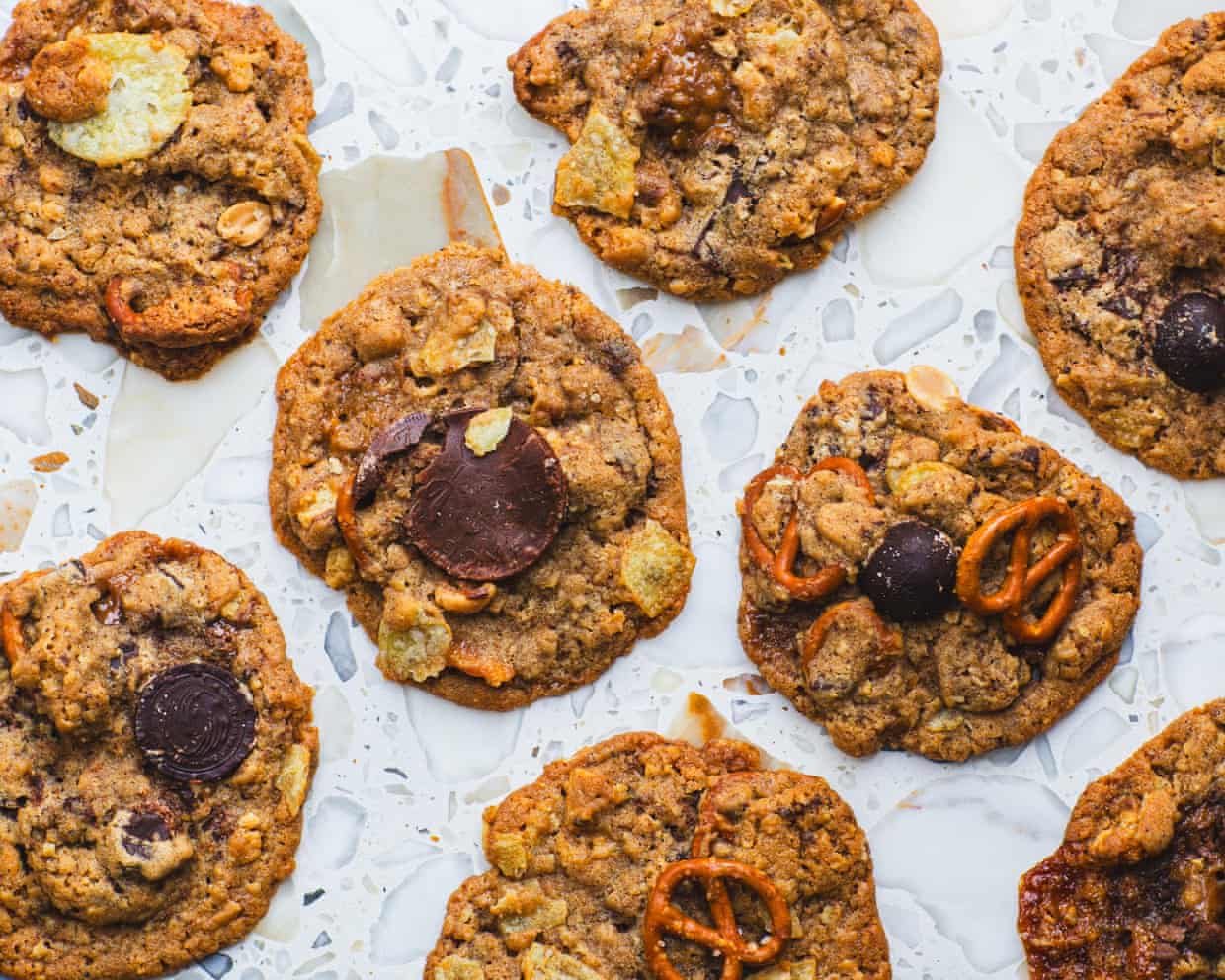
How to make moreish cookies from store-cupboard odds and ends – recipe | Waste not

Camilla Wynne’s recipes for blood orange marmalade and no-bake marmalade mousse tart

The dump dinner: spaghetti is now being served straight on to the table – but why?

Australian supermarket coconut water taste test: ‘Smells like an island holiday’

Miso mystery: red, white or yellow – how does each paste change your dish? | Kitchen aide