Home Office starts crackdown on EU citizens’ post-Brexit rights to live in UK

Ministers are to start removing post-Brexit residency rights from EU citizens who are no longer “continuously” living in the UK.The initiative is legal under the 2020 Brexit withdrawal agreement but the decision to use travel data to partly determine absences has raised concerns after the HMRC fiasco that saw almost 20,000 parents stripped of child benefits because of inaccurate Home Office border data.The Home Office said the crackdown was aimed at those who had received “pre-settled status” to remain in the UK before Brexit, a status that applied to anyone who had been in the UK for less than five years.Officials will start with those believed to have left the country more than five years ago and there will be safeguards including consideration of reasons for prolonged absences.The Home Office said the crackdown protected public services and was aimed at preventing unlawful immigration by abuse of the system.
“In line with the withdrawal agreement, status will only be removed where it is proportionate to do so,” it said in its statement on a government website,The last Home Office data, published in 2024, shows that 6,2 million people applied for a UK immigration status, 2 million of whom had pre-settled status and 1,7 million of whom made their applications after the deadline of 30 June 2021,The Migration Observatory at Oxford University said it was difficult to say for certain how many of the 6.
2 million remained in the country, but a combination of census and other data suggested it could be between 3 million and 4 million.Under the rules those with settled status can be out of the country continuously for up to five years and still retain the right to live in the UK under the Brexit withdrawal agreement of 2020.Those with pre-settled status can have absences of up to six months in any one year.The Independent Monitoring Authority for the Citizens’ Rights Agreements (IMA), a statutory body, said it had “expressed concerns” to the Home Office about how the removals would be implemented.It said it was “difficult to know how caseworkers will make individual decisions in practice”.
The3million, which campaigns for the rights of EU citizens in the UK, expressed concern that “unsafe” decisions would be made on the basis of travel data.In a letter to the Home Office it cited an individual who had applied to upgrade their pre-settled status to settled status who was then questioned by the Home Office on the basis of “obvious inaccuracies” in their travel data.“Travel data contain journeys that were booked but not taken,” the3million said, adding that the Home Office’s letter to the individual did not recognise the inaccurate travel data even where the “inaccuracy is clearly and easily detectable”.Their data included “two outbound journeys without any inbound journey between them” and journeys that were made on the same date but with different destinations.Miranda Biddle, the chief executive of the IMA, said: “We recognise the concern, stress and uncertainty that this situation may cause for affected citizens.
“We have been engaging with the Home Office to secure assurances about the safeguards it is putting in place and the robustness of its decision-making.The IMA will continue to closely monitor how it implements the new guidance.”The National Audit Office is investigating HMRC’s use of Home Office data despite clear flaws in their travel records.An investigation by the Guardian and the Detail found that Home Office data did not always record return journeys by holidaymakers and business people.It also included airline manifests that did not take account of no-shows, a regular occurrence on low-cost airlines who make it difficult to cancel bookings.
The Home Office has been approached for comment.
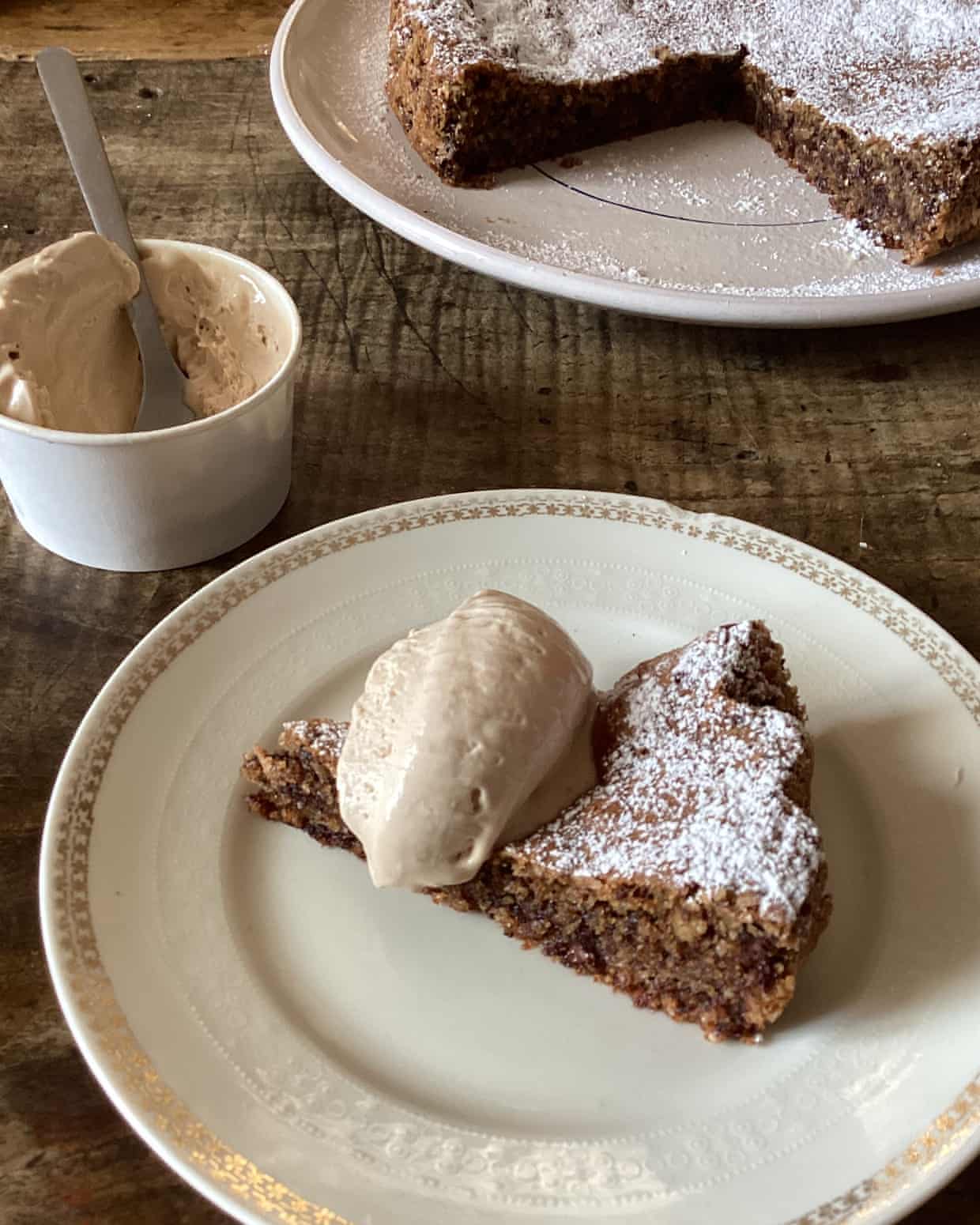
Rachel Roddy’s recipe for hazelnut and chocolate cake | A kitchen in Rome
Having been kept waiting for three hours, Dick Dewy leaves Miss Fancy Day snipping and sewing her blue dress. The plan is that he will return for her a quarter of an hour later, however, Dick convinces himself that he has been scandalously trifled with by Fancy and decides that, to punish her, he will not return. Instead, he leaps over the gate, pushes up the lane for two miles, takes a winding path called Snail-Creep, and crawls through the opening to the hazel grove in Grey’s Wood.Getting a class of 15-year-olds to relay/read the opening of chapter four of Under the Greenwood Tree, which is memorably entitled “Going Nutting”, is an extremely effective way to engage them with the majesty of Thomas Hardy. And the title is nothing compared to the line (as Dick vanished among the bushes): “Never man nutted as Dick nutted that afternoon

How to make cauliflower cheese using the whole plant – recipe | Waste not
This recipe, adapted from one in my cookbook, is a very elaborate way to serve humble cauliflower cheese. The whole plant, including the leaves and core, is seasoned with nutmeg and roasted, and it’s then dressed with a satisfying layer of rich cheese sauce and grilled until charred and bubbling. Choose a cauliflower with plenty of leaves, because they go deliciously crisp when roasted.This is perhaps the most decadent cauliflower cheese I’ve ever made. Inspired by an orange-coloured cauliflower I found sitting proudly in a box at my local Brockley Market in south London, I decided to make a vibrant and very orange cauliflower cheese using red leicester cheese and turmeric
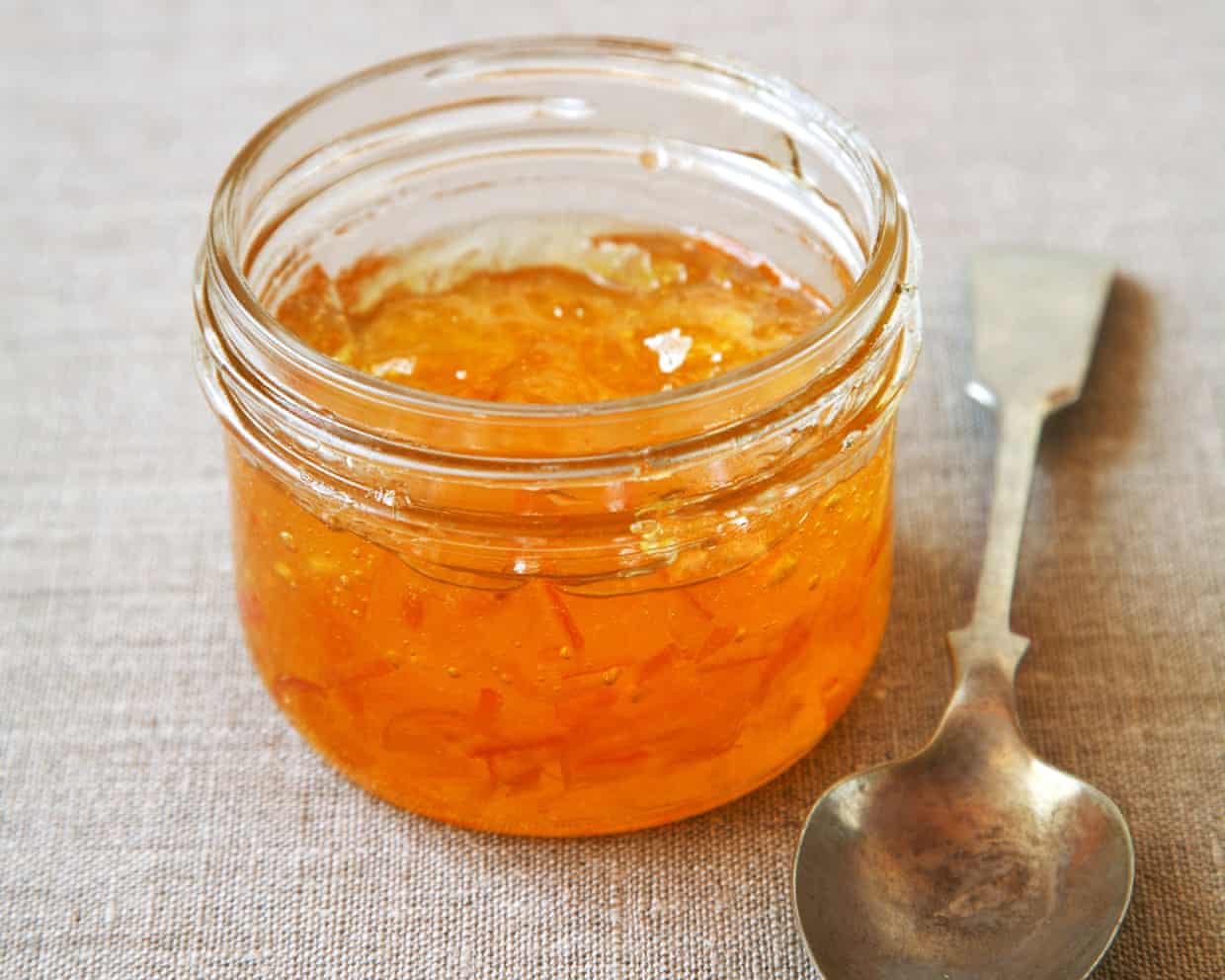
A marmalade-dropper for Paddington Bear? | Letters
As a Portuguese-British citizen, I feel it is my duty to add to your explainer article (Keir Starmalade, anyone? Will marmalade really have to be rebranded in UK?, 4 April) and explain where the word marmalade originated from. Marmalade comes from the fruit marmelo (quince). And marmalade was and is quince jam in Portugal. This jam began to be exported to England at the end of the 15th century. Only in the 17th century did the English start to apply the word marmalade to orange jam

How to save limp herbs | Kitchen aide
What can I do with herbs that are past their best?Joe, by email Happily, Joe and his on-the-turn herbs aren’t short of options. “The obvious choice for hard herbs is to chuck them in a sandwich bag and freeze them for future stock-making,” says Alice Norman, founder of regenerative bakery Pinch in Suffolk. Alternatively, Sami Tamimi, author of Boustany, would be inclined to dry his excess herbs. In summer, he’d simply pop them on a tray and put them outside in the sun, but right now he “dries them in a 60-70C oven, then packs in containers, ready for the next time you’re short of fresh herbs”.Norman’s current MO is to blitz languishing herbs (“rosemary and/or thyme work best”) with a 3:4 ratio of fine salt

‘Before I can stop her, my daughter is licking crumbs from the table’: my search for the perfect kids’ menu
Chips, fish fingers, pizza … restaurant food for children is depressingly predictable. Are there more adventurous options? I took my four-year-old daughter on a month-long mission to find outWe’re heading out for dinner. Before I tell my four-year-old where we’re going, she has already announced that she’s going to have fish, chips and lots of ketchup. It sounds delicious; a classic. But there’s the irksome feeling that the intrepid impulses of childhood should be met with food that expands palates rather than feeding into the well-trodden path to a beige meal
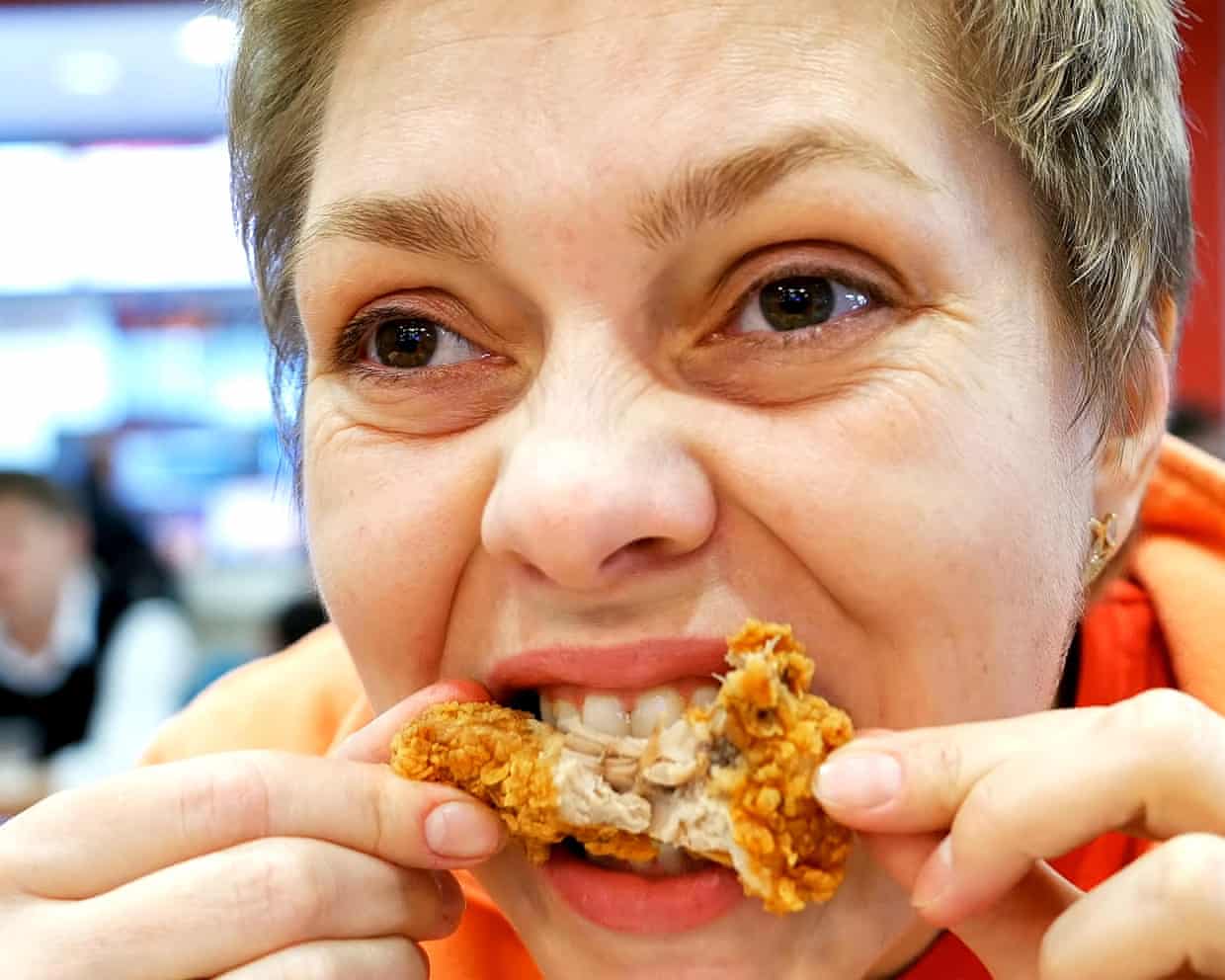
Can’t face another mouthful of chicken? You’re probably coming down with the ick
Name: The chicken ick.Age: Chickens have been around since, well, eggs …Unless it’s the other way round. Whatever. The chicken ick, on the other hand, is new.And what is it, please? You know when you suddenly feel disgusted by the chicken you’re eating, possibly mid-bite, despite previously enjoying it?Er, not really, to be honest

Amazon upsets ebook lovers by ending support for old Kindle devices

OpenAI shelves Stargate UK in blow to Britain’s AI ambitions

British computer scientist denies he is bitcoin developer Satoshi Nakamoto

Britons warned about Russian hackers targeting internet routers for espionage

The life-changing magic of wearing smartglasses | Letters

Tell us: do you use AI chatbots to make decisions for you?