Reheated rivalry: why I’m the champion of leftovers
There is nothing lovelier than seeing a cook do their thing,By “doing their thing”, I do not mean just going about kitchen work – that is often excruciating to watch (why are they cutting onions like that?) I mean doing their thing: their culinary equivalent of a Mastermind subject, that one dish or process that they do so well, and with such evident pride, that the most crotchety backseat cook is forced to shut up,Take my partner’s method for making fish-finger sandwiches, which involves frying the fish fingers in butter, then creating an in-pan sweatbox to melt artisanal cheese on to them and custom blending condiments,It creates, on average, as much washing up as a full cooked dinner,Others have a special pancake hack or carrot cake recipe, and people tend not to let these things go unnoticed – it’s always my salad dressing, possessive, but we forgive their hubris, because each of us has “A Thing” of our own.
My thing, if you can call it that, is reheating stuff.This is not the high-impact flex that a cook hopes for; after the theatrics of cooking, reheating seems like drudge work – the job you give to the person in your household who you wouldn’t even trust with the washing-up.Just get the leftovers to a germ-proof 74C.But is this really where we’ve set the bar? With a bad reheater at the reins, carbs get waterlogged when they should be crisp, or crunchy where they should be tender, while stew is blasted in the microwave until borderline radioactive.We’d never settle for this in any other cooking sub-niche – that it’s enough that the food doesn’t kill you.
You have to treat leftovers like a necromancer.In the happy event of leftover pasta, I fry it with a touch of olive oil in a hot, wide pan.I want the starches to blister and crisp, and the tomato to caramelise just slightly.I want to summon, in miniature, the taste-textural symphony of a pasta bake.After a couple of minutes, I add a few tablespoons of water – it should instantly sizzle.
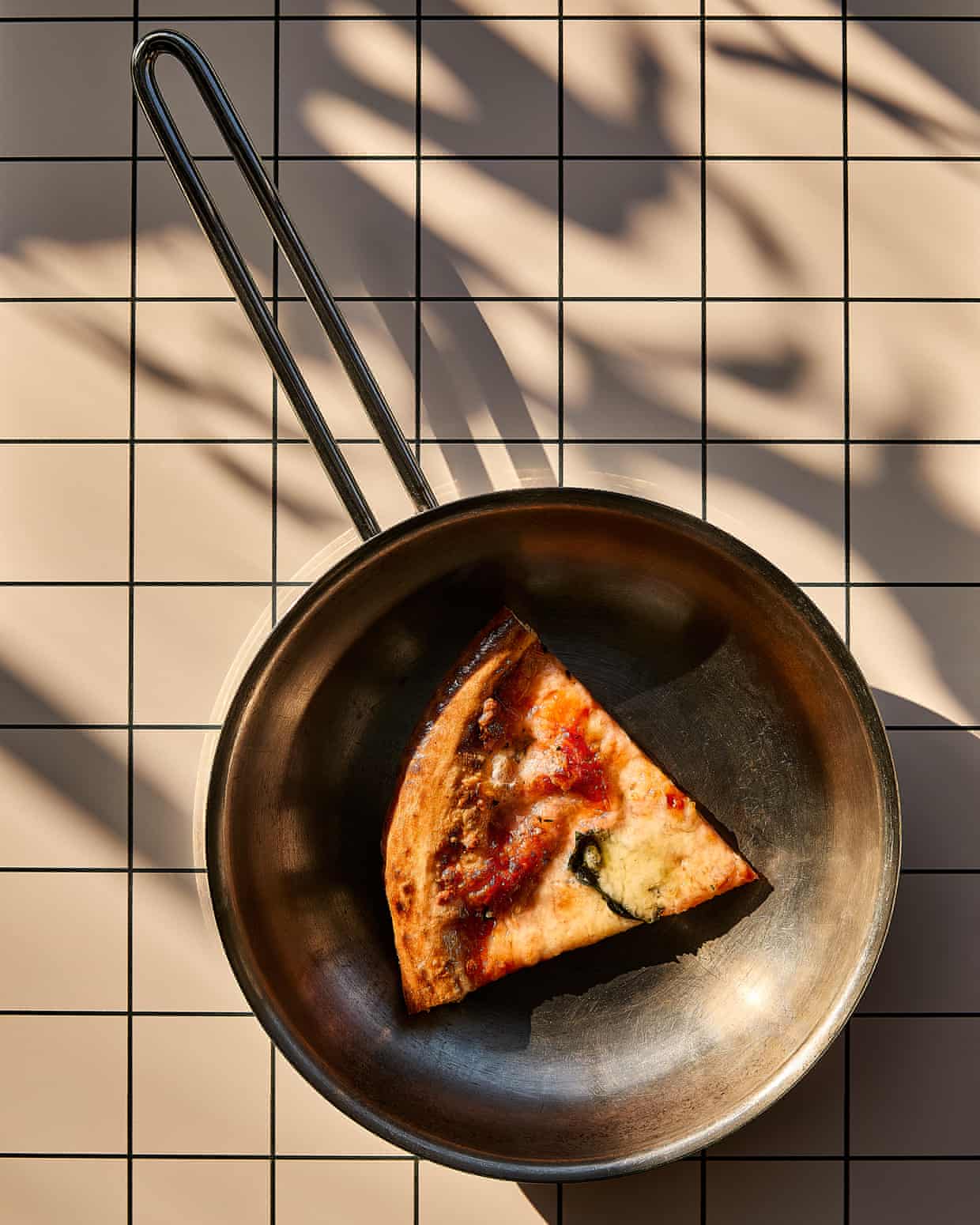
On goes the lid, down goes the flame, and I let the steam bring the dish back to life.You can do something similar with pizza, by the way.The cheese has already browned, the sauce has sunk down into the base, the last thing it needs is the dry heat of the oven or the air fryer.Instead, I crisp the base aggressively in a hot, dry pan, then give a benedictory sprinkle of water, turn the heat down and put on a lid until the cheese is molten soft.To each element of a dish according to its needs.
A stew of meat and potatoes might seem like a no-brainer, but what happens when you start stirring and the already fragile potatoes start breaking into mush? The sauce will become gluey, and the starches will catch on the bottom of the pan.Better to add some more water, cover it with foil and let a low oven do the work.Getting things hot is easy; it’s the control of moisture, and therefore of texture, that is the difficult part.Sometimes you need to break things down.A piece of meat – leftover roast chicken thighs, say – cannot just be put in the oven.
The tough parts become tougher, and the drier they get the harder it is for the heat to penetrate to the bone.Carve them up and warm the meat gently in stock.Accept that things must change.Lasagne ascends to a higher plane if, instead of reheating a slab of it whole, you do the unthinkable and separate it into layers and then do the hard-pan-fry-and-steam combo.I dare you.
Your microwave could never.And while we’re on the topic: the microwave has sloppy reheaters thinking they can resurrect a whole plate of food perfectly, without altering the position of a single pea.This is make believe.I am not a microwave-sceptic – this is military grade engineering; I hear that scientists once used them to revive cryogenically frozen hamsters (seriously).But you do need to use them with a certain technical nous, and not like a kid’s party magician pulling things out of a hat.
How many roast dinners have we lost to poor microwave technique?This is what we get wrong about reheating: we think that it is just about warming cooked things up, when it is, in fact, about cooking cooked things anew.You’re starting from a completely different point, with ingredients that chemically, have been irreversibly transformed by the first cook.But lean into this and you have the chance to exercise that same workaday ingenuity as an uncle making spice racks from old floorboards.This work can be creative and meticulous.It can be fun.
A kitchen can do without a pastry whiz, but – and let me have this moment – a home needs a reheater.You need a person who is willing to step back while the glory cooking happens, and make unglamorous, weeknight dinner-saving leftovers their thing.

Buzz kill: US breweries shutter as fanfare over craft beers appears to fade
In the early 2000s, Chris Bell, then a student at University of Colorado Boulder, followed a common path among people interested in brewing beer. He started doing so at home, then spent years working at established craft beer makers Long Trail Brewing in Vermont and Avery Brewing in Colorado before opening Call to Arms Brewing Company in 2015 in Denver.In a crowded market, the business was successful. Its More Like Bore-O-Phyll beer won a gold medal in the fresh or wet hop ale category at the 2018 World Beer Cup. A local outlet called it one of the city’s best breweries, and it had a 4
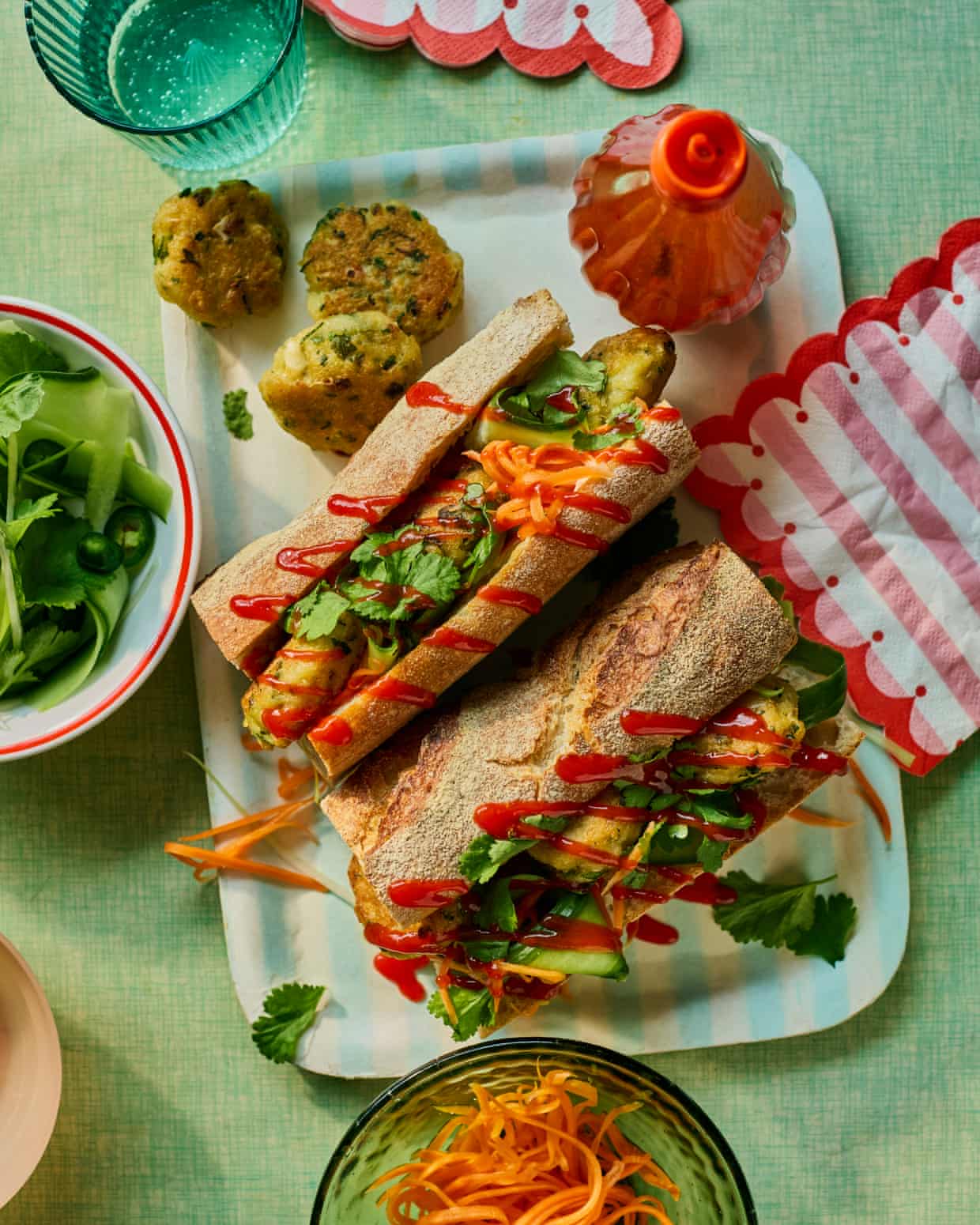
Stir-fries, crab cakes and carbonara: Georgina Hayden’s crab recipes
It’s hard not to be excited by the arrival of spring and all the produce that will soon be gracing our kitchens. Asparagus, spinach and new potatoes can’t come soon enough, but it’s not just fruit and vegetables that I count down the days for – there’s plenty of seafood to celebrate too, and in particular crab. Sweet and delicate, its freshness mirrors the arrival of brighter, sunnier days. If you’re lucky enough to pick through a fresh crab, then it needs very little in way of adornment – a squeeze of lemon perhaps, and warm bread and salty butter. Thankfully for the time-poor among us, you can also buy pots of it pre-cooked and picked, which is glorious lightly spiced in a dip or for folding through pasta
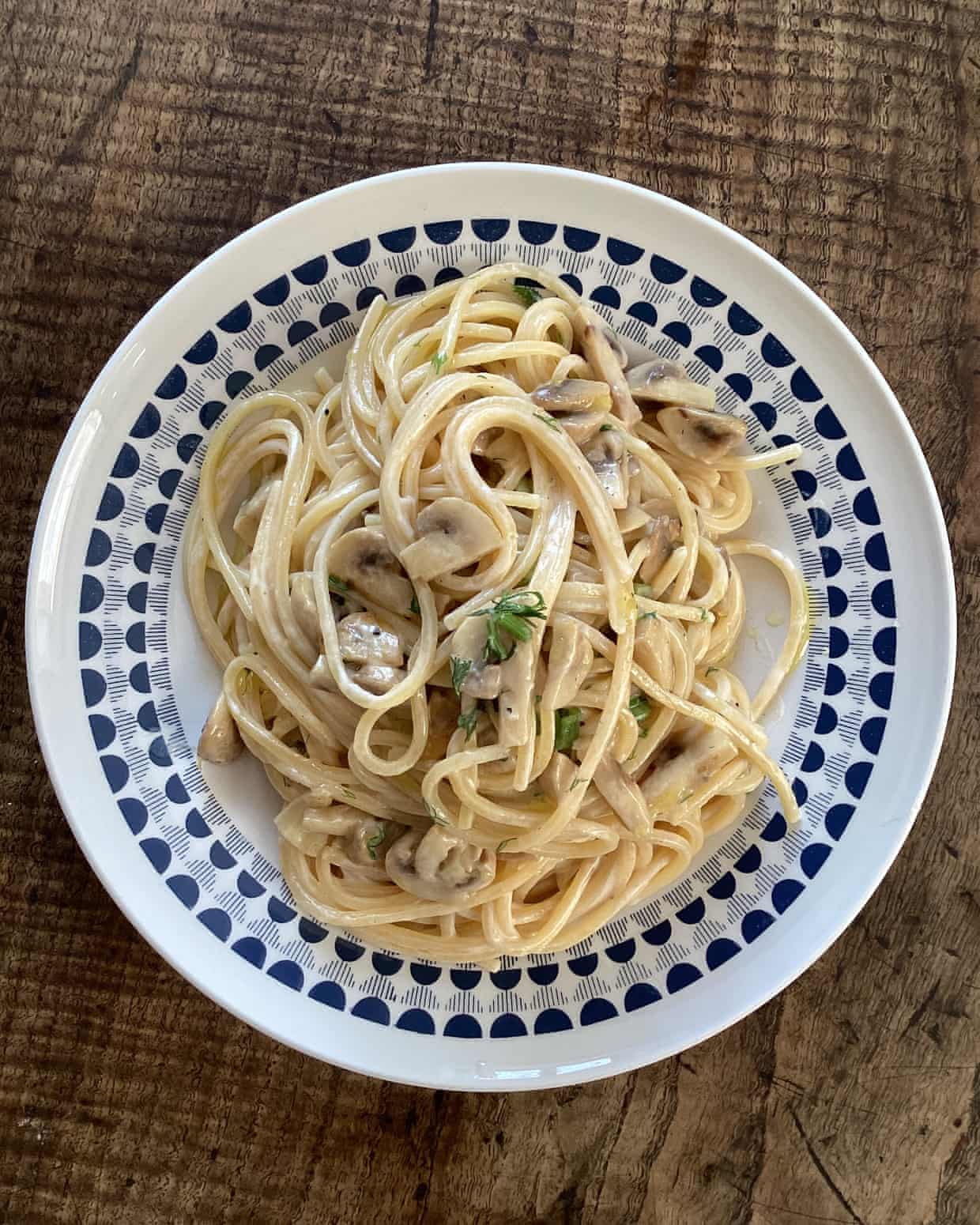
Rachel Roddy’s recipe for spaghetti with mushrooms, soft cheese and herbs | A kitchen in Rome
Before cooking something, it is never a bad idea to turn to the expert on the science of food and cooking, Harold McGee. This week, I had mushrooms, which, as he notes, are fruiting bodies, specialised structures that, encouraged by the parent body underground, force themselves up through the soil and open their umbrella-like cap so the gills or pores can release spores into passing air currents. The aim is the same as for all pushy parents: get the next generation into the world and hope they don’t get eaten in the process.I am hoping that a few million spores got out before the white and chestnut mushrooms I bought at our local supermarket were picked and packed. Mushrooms are often described as smelling and tasting earthy, but, as with most things, McGee is right

How to turn puff pastry offcuts into a brilliant cheesy snack – recipe | Waste not
After testing puff pastry for the Filter a few weeks ago, I had loads of trimmings left over, which reminded me of one of my favourite zero-waste recipes. Malfatti are biscuits made from pastry offcuts, which are seasoned, rolled in seeds and spices, baked and served with cheese. Determined to create something new with all my excess puff, I realised that it would be perfect for making misshapen cheese straws. Even if you have only a few offcuts, I implore you to top them with cheese and some sauerkraut or kimchi, then twist and bake alongside a tart or pie. They’re a brilliant little cheeky snack
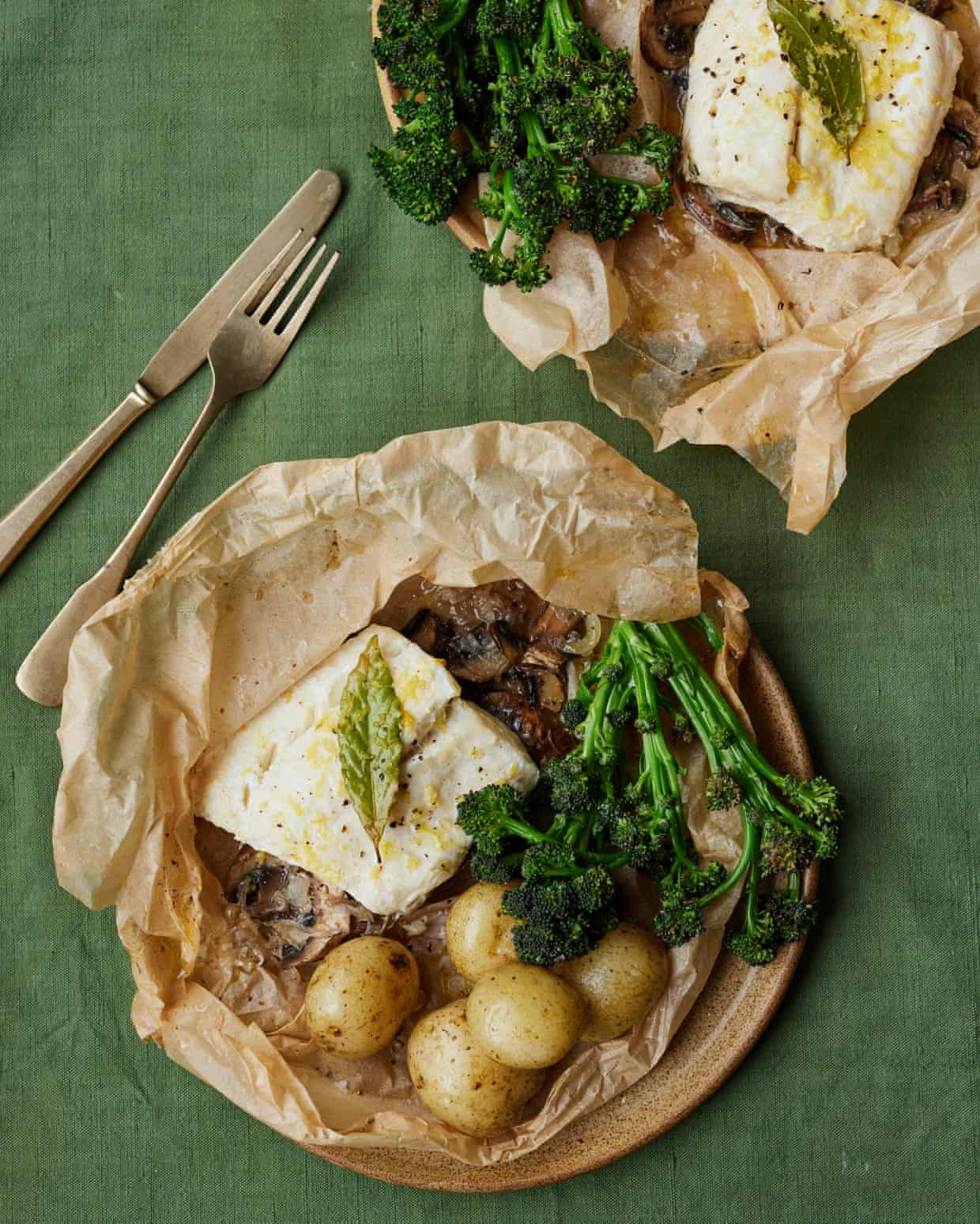
Tips for downsizing recipes | Kitchen aide
Any tips for downsizing recipes to serve one? Dividing by the number of servings doesn’t always work.Melanie, by email“It’s often just common sense,” says Kitty Coles, author of Make More With Less, plus a little maths – though, as Melanie so wisely points out, you can’t always simply divide the ingredients and be done with it.First, you need to consider your cookware: “It’s really worth investing in smaller pans and a smaller skillet,” says Alexina Anatole, who is behind the Small Wins Substack. A tiny amount of liquid in a large pan, say, will get too much exposure to heat, so it’s very likely you’ll under- or overcook its contents. As Shelina Permalloo, author of What to Cook When Everyone’s Hungry, says, “The absorption method for rice is a nightmare if you’re using a wrong-sized pan
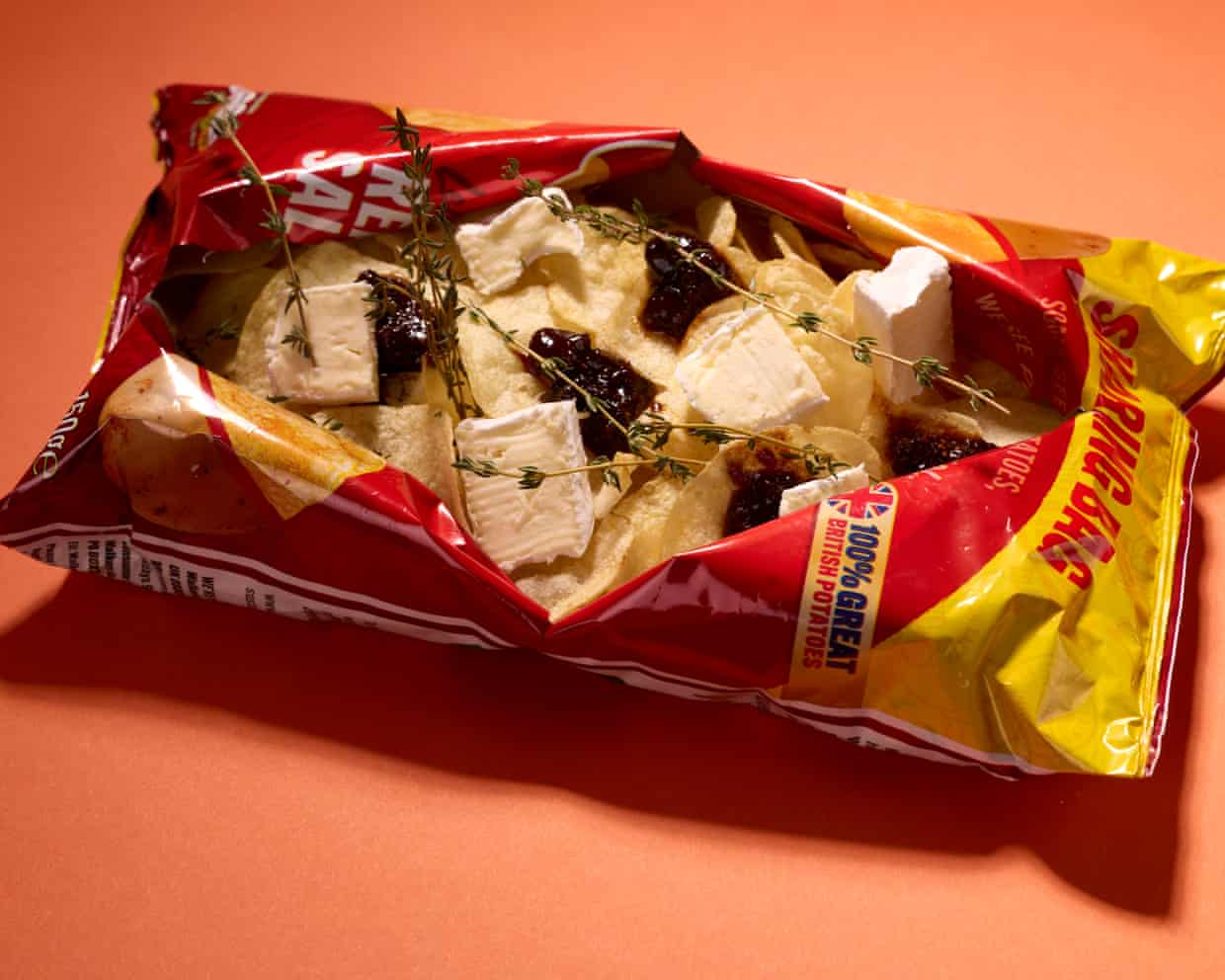
Loaded crisps: four recipes for the ‘perfect finger food’ – ranked from best to worst
Ready salted, prawn cocktail, pickled onion and smoky bacon – crisps are undoubtedly the nation’s favourite snack food, subject to a variety of staple and sometimes suspicious flavour varieties. According to one recent report, they were the UK’s snack of choice on 94% of “all consumption occasions”, often enjoyed with a complementary dip, or served in a packet ripped open on a pub table. But now, the humble bag of crisps is having a revamp.Enter: the loaded crisp bag. It’s a lot like loaded fries or nachos, in that it can be a vehicle for a whole gamut of flavours – as served, for example, at Pablos, a fast food outlet in Nottingham where anything from ground beef to molten cheese is dolloped into an opened bag of crisps

‘Huge build-up of risk’: London’s centuries-old shipping industry wrestles with Iran war

JP Morgan Chase to use computer estimates to monitor hours worked by junior bankers
Marmite maker Unilever in talks to merge food business with US-based McCormick

Work from home and slow down on the road: world’s energy watchdog advises emergency measures as oil prices rise

High charges, poor service: NCP hits the skids as drivers change habits

Shrinkflation takes a bite out of Easter eggs as shoppers pay more for less